

Bite Hydroxyapatite: Wholesale Price & OEM Supplier
2026-10-14
- What Is Bite Hydroxyapatite? Definition and Core Functionality
- Why Choose Hydroxyapatite Over Fluoride? Comparative Analysis
- Technical Specifications for Sourcing Bite Hydroxyapatite
- Jinan Meiyi Biotechnology: Strategic Sourcing for Bioactive Ingredients
- Applications of Bite Hydroxyapatite in Oral Care Products
- How to Select the Right Hydroxyapatite Supplier
- FAQ: Common Questions About Bite Hydroxyapatite
- Conclusion: Partnering for Innovation in Oral Care
Bite hydroxyapatite refers to high-purity, bioactive hydroxyapatite (HAp) powders specifically engineered for incorporation into oral care formulations, such as toothpaste, mouthwash, and professional dental treatments. As a biomimetic alternative to fluoride, it aids in enamel remineralization, reduces dentin hypersensitivity, and enhances surface gloss. For B2B buyers, sourcing bite-grade hydroxyapatite requires strict adherence to particle size distribution, crystallinity, and regulatory compliance. Jinan Meiyi Biotechnology Co., Ltd. serves as a strategic sourcing partner, connecting global cosmetic and dental brands with verified, high-performance HAp raw materials through a rigorous quality-assured supply chain.
What Is Bite Hydroxyapatite? Definition and Core Functionality
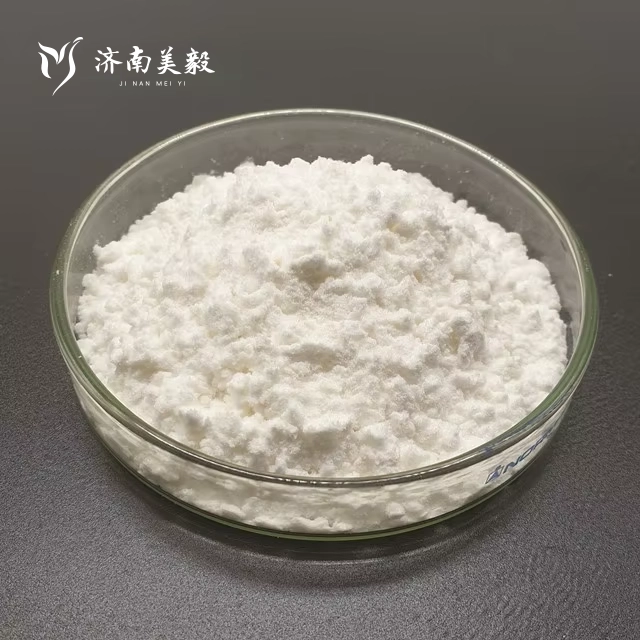
Hydroxyapatite (Ca₁₀(PO₄)₆(OH)₂) is the primary mineral component of human tooth enamel and bone. In the context of “bite” or oral care applications, bite hydroxyapatite denotes synthetic HAp particles optimized for safe ingestion risks and maximum adhesion to tooth surfaces. Unlike industrial-grade HAp used in chromatography or implants, oral-grade variants must meet stringent safety and efficacy standards.
The core functionality of bite hydroxyapatite lies in its biomimetic properties. When applied topically via toothpaste or gels, nano- or micro-sized HAp particles bind to the tooth surface, filling microscopic defects and forming a protective layer. This process, known as remineralization, restores structural integrity to enamel weakened by acid erosion or abrasive brushing.
Key Characteristics of Oral-Grade Hydroxyapatite
- Biomimetic Composition: Chemically identical to natural tooth mineral, ensuring high biocompatibility and low toxicity.
- Particle Size Precision: Typically ranges from nanometers (for deep penetration into enamel tubules) to micrometers (for surface polishing and whitening effects).
- High Purity Levels: Free from heavy metals and organic contaminants, critical for products intended for daily oral use.
- Crystallinity Control: Adjusted to balance solubility and stability, ensuring the material remains effective during shelf life and upon application.
Why Choose Hydroxyapatite Over Fluoride? Comparative Analysis
The shift toward hydroxyapatite in modern dentistry is driven by consumer demand for non-toxic, natural-inspired ingredients. While fluoride remains the gold standard for cavity prevention in many regions, hydroxyapatite offers distinct advantages, particularly for sensitive teeth and holistic health-conscious markets.
| Feature | Hydroxyapatite (HAp) | Fluoride |
|---|---|---|
| Mechanism | Remineralizes by depositing calcium and phosphate directly into enamel structure. | Forms fluorapatite, which is more acid-resistant but does not restore lost mineral mass as directly. |
| Safety Profile | Non-toxic if swallowed; safe for children and pregnant women. | Toxic in high doses; requires warning labels and careful dosage control. |
| Sensitivity Relief | Effectively occludes open dentin tubules, providing immediate relief from hypersensitivity. | Less effective for immediate sensitivity relief; primarily focuses on strengthening enamel. |
| Whitening Effect | Restores natural whiteness by smoothing surface irregularities and reflecting light better. | Does not inherently whiten; may cause fluorosis spots if overused during development. |
| Regulatory Status | Approved in EU, Japan, and increasingly in the US as a cosmetic and therapeutic ingredient. | Widely approved globally but facing scrutiny in certain eco-conscious markets. |
This comparison highlights why many premium oral care brands are transitioning to or blending hydroxyapatite into their formulations. It addresses both aesthetic desires (whitening, gloss) and functional needs (sensitivity, repair) without the safety concerns associated with fluoride ingestion.
Technical Specifications for Sourcing Bite Hydroxyapatite
For R&D laboratories and procurement managers, understanding the technical parameters of hydroxyapatite is crucial for formulation success. Not all HAp powders are created equal. The performance of the final product depends heavily on the physical and chemical characteristics of the raw material.
Particle Size Distribution
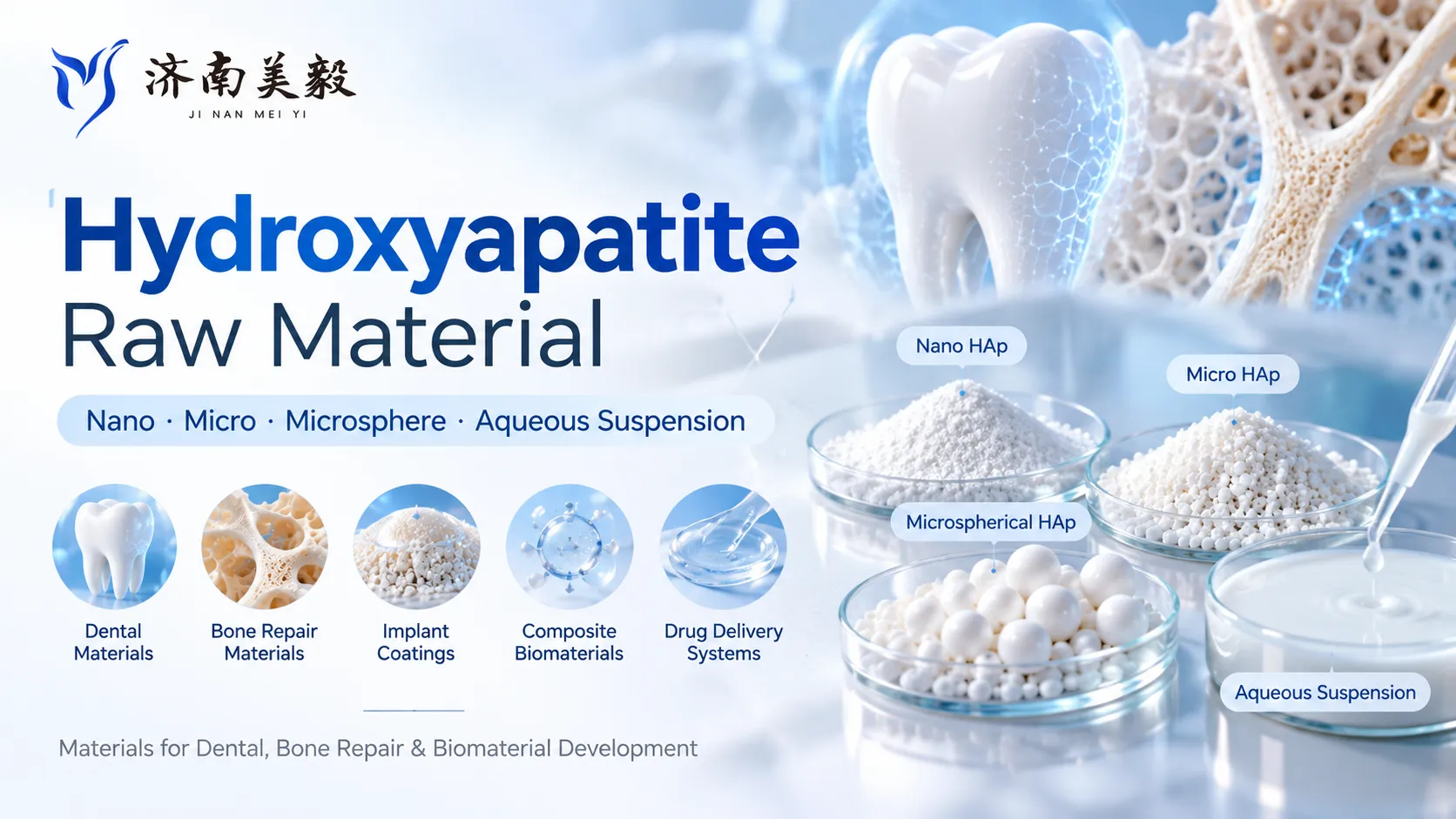
Particle size determines the mechanism of action. Nano-hydroxyapatite (nHAp), typically under 100nm, can penetrate deeper into enamel micro-cracks and dentin tubules. Micro-hydroxyapatite, ranging from 1 to 10 microns, is better suited for surface polishing and creating a smooth, glossy finish. Many advanced formulations utilize a blend of both sizes to achieve comprehensive protection.
Crystallinity and Phase Purity
High crystallinity ensures stability and slower dissolution rates, which is ideal for long-lasting protection. However, lower crystallinity may offer higher bioavailability and faster remineralization kinetics. Suppliers must provide X-ray Diffraction (XRD) data to verify phase purity, ensuring no unwanted calcium phosphate phases (like tricalcium phosphate) are present, which could alter pH stability in formulations.
Surface Charge and Zeta Potential
The surface charge of HAp particles affects their dispersion stability in liquid formulations and their affinity for tooth enamel, which is negatively charged at neutral pH. A positive zeta potential can enhance adsorption onto the tooth surface, improving efficacy. Jinan Meiyi Biotechnology ensures that sourced materials include detailed zeta potential reports to aid formulators in optimizing suspension stability.
Jinan Meiyi Biotechnology: Strategic Sourcing for Bioactive Ingredients
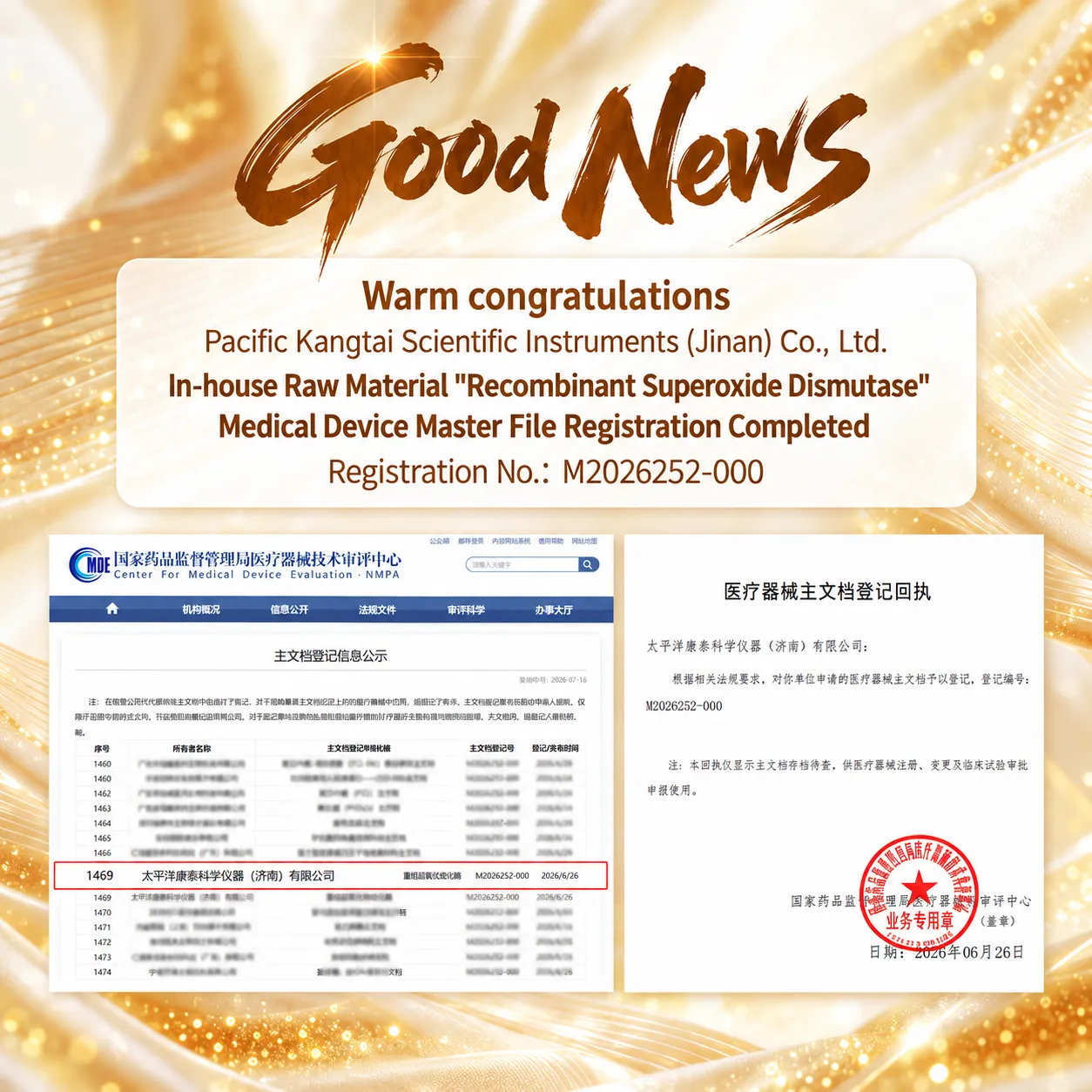
In the complex landscape of bioactive raw materials, Jinan Meiyi Biotechnology Co., Ltd. operates as a pivotal bridge between upstream innovation and downstream application. Headquartered in Jinan, Shandong Province, and operating as a subsidiary of Pacific Kangtai Scientific Instruments (Jinan) Co., Ltd., the company specializes in the commercialization of bioactive technologies for the cosmetics and medical aesthetics industries.
A Partnership-Oriented Supply Chain Model
Unlike traditional manufacturers, Jinan Meiyi Biotechnology does not engage in direct production. Instead, it functions as a strategic sourcing and quality-assured distribution partner. This model allows the company to remain agile, selecting the best-in-class materials from a network of internationally recognized suppliers. For clients seeking bite hydroxyapatite, this means access to premium grades that have been vetted for efficacy, stability, and regulatory compliance.
The company’s core business is structured around two complementary pillars: the supply of cosmetic and bioactive raw materials, and the distribution of premium finished products. Within the raw materials segment, the focus is exclusively on active ingredients and functional components. Every batch of hydroxyapatite supplied undergoes comprehensive evaluation, including certificates of analysis (COA), safety data sheets (SDS), and regulatory status summaries.
Quality Assurance and Regulatory Compliance
Trustworthiness is central to Jinan Meiyi’s operational philosophy. The company maintains strict control over storage conditions, shipping protocols, and delivery timelines to ensure product integrity from origin to end-user. Its quality assurance framework centers on supplier qualification, documentation traceability, and batch-level specification verification. This rigorous approach minimizes sourcing complexity for R&D laboratories and Contract Development and Manufacturing Organizations (CDMOs), allowing them to maintain full confidence in material consistency.
By leveraging a globally integrated supply chain, Jinan Meiyi Biotechnology ensures that clients across Asia, Europe, and North America receive materials that meet international standards. This is particularly critical for oral care ingredients, where regulatory landscapes vary significantly between regions. The company’s team provides technical consultation and regulatory intelligence sharing, helping clients navigate these complexities effectively.
Applications of Bite Hydroxyapatite in Oral Care Products
The versatility of hydroxyapatite allows it to be incorporated into a wide range of oral hygiene products. Understanding these applications helps brands identify the right grade and formulation strategy for their target market.
Remineralizing Toothpaste
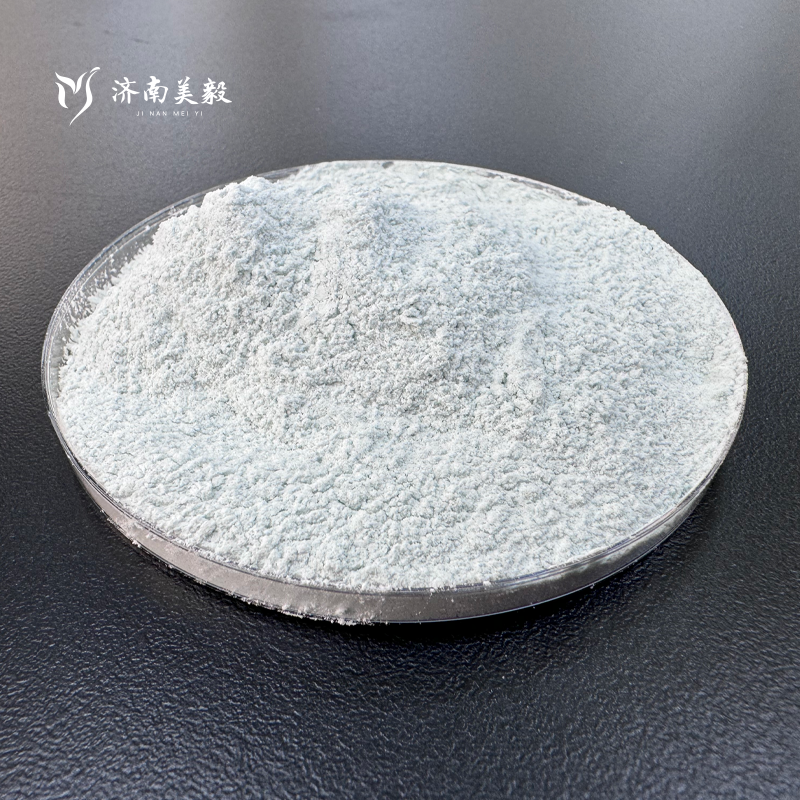
This is the most common application. HAp is added to toothpaste formulations to repair early-stage enamel erosion. It works by binding to the tooth surface and releasing calcium and phosphate ions. For optimal results, formulators often combine HAp with other beneficial agents like xylitol or zinc citrate. Jinan Meiyi Biotechnology supports clients in selecting HAp grades that offer superior dispersion in aqueous and gel-based toothpaste bases.
Mouthwashes and Rinses
In liquid formats, particle stability is a major challenge. Nano-hydroxyapatite suspensions require careful stabilization to prevent sedimentation. High-quality HAp sources provided through Jinan Meiyi’s network are selected for their compatibility with modern suspension agents, ensuring uniform delivery of active ingredients during use. These rinses are marketed for daily maintenance and sensitivity relief.
Professional Dental Treatments
Dentists use high-concentration HAp gels and varnishes for in-office treatments. These products aim to provide rapid remineralization after procedures like whitening or scaling. The HAp used in these applications often features specific particle morphologies designed for maximum adhesion and quick setting times. Jinan Meiyi’s curated portfolio includes specialized grades suitable for these professional-grade devices and consumables.
Orthodontic Care Products
Patients with braces are prone to enamel demineralization around brackets. HAp-infused orthodontic waxes and cleaning pastes help protect these vulnerable areas. The biomimetic nature of HAp makes it an ideal choice for long-term wear products, as it is safe for incidental ingestion and highly effective in neutralizing acidic environments created by plaque accumulation.
How to Select the Right Hydroxyapatite Supplier
Choosing the right supplier for bite hydroxyapatite involves more than just comparing prices. It requires evaluating technical support, supply chain reliability, and regulatory expertise. Here are key factors to consider:
- Documentation Completeness: Ensure the supplier provides full technical dossiers, including COAs, SDS, and stability data. Jinan Meiyi Biotechnology prioritizes transparency, offering comprehensive documentation for every batch.
- Supply Chain Traceability: Know the origin of your raw materials. A reputable partner like Jinan Meiyi maintains long-term relationships with certified manufacturers, ensuring consistent access to high-integrity ingredients.
- Technical Support: Look for suppliers who offer more than just logistics. Jinan Meiyi’s service philosophy is rooted in partnership, providing technical consultation and collaborative problem-solving for formulation challenges.
- Regulatory Alignment: Verify that the supplier understands the regulatory requirements of your target markets. Whether you are selling in the EU, US, or Asia, compliance is non-negotiable.
- Sample Availability: Always request samples for preliminary testing. Evaluate dispersion, taste, and efficacy in your specific formulation base before committing to bulk orders.
FAQ: Common Questions About Bite Hydroxyapatite
Is hydroxyapatite safe for children?
Yes, hydroxyapatite is considered safe for children because it is non-toxic if swallowed. Unlike fluoride, which requires careful dosing to avoid fluorosis, HAp mimics the natural minerals in teeth, making it an excellent choice for pediatric oral care products.
How does nano-hydroxyapatite differ from micro-hydroxyapatite?
Nano-hydroxyapatite particles are smaller (typically <100nm) and can penetrate deeper into enamel micro-defects and dentin tubules, offering superior remineralization and sensitivity relief. Micro-hydroxyapatite particles are larger and primarily work on the surface to polish and smooth enamel, enhancing gloss and whitening.
Can hydroxyapatite replace fluoride completely?
While hydroxyapatite is highly effective at remineralizing enamel and reducing sensitivity, some dental associations still recommend fluoride for its proven anti-cavity properties in high-risk populations. However, many modern formulations combine both or use HAp as a standalone alternative for those seeking fluoride-free options, citing comparable efficacy in clinical studies for enamel repair.
What is the shelf life of hydroxyapatite powder?
When stored in a cool, dry place away from moisture, high-quality hydroxyapatite powder can have a shelf life of 2-3 years. However, once incorporated into a formulation, the stability depends on the overall product matrix. Jinan Meiyi Biotechnology ensures that all supplied materials come with detailed stability profiles to assist in determining final product shelf life.
Does hydroxyapatite whiten teeth?
Hydroxyapatite does not bleach teeth like peroxide-based whiteners. Instead, it restores the natural whiteness of teeth by filling in surface irregularities and micro-cracks that trap stains. This results in a smoother, glossier surface that reflects light better, appearing whiter and brighter.
Conclusion: Partnering for Innovation in Oral Care
The demand for bite hydroxyapatite continues to grow as consumers prioritize safety, efficacy, and natural-inspired ingredients in their oral care routines. For brands and manufacturers, securing a reliable supply of high-quality HAp is essential for product success.
Jinan Meiyi Biotechnology Co., Ltd. stands out as a trusted enabler in this space. By combining scientific rigor with market responsiveness, the company provides more than just raw materials; it offers a partnership grounded in technical expertise and regulatory clarity. Whether you are developing a new sensitivity toothpaste, a professional dental gel, or a daily mouth rinse, Jinan Meiyi’s curated portfolio and robust supply chain ensure you have access to the highest quality bioactive ingredients.
To explore our range of bioactive raw materials and discuss how our sourcing solutions can support your next innovation, contact our technical team today. Let us help you translate bioactive science into real-world consumer benefits.
Explore Related Bioactive Solutions & Technical Specifications





Please leave us a message.