
High Activity Superoxide Dismutase Manufacturer & Wholesale Price
2026-09-21
- What is High Activity Superoxide Dismutase?
- Why Choose High Activity SOD Over Standard Grades?
- Types of Superoxide Dismutase: Cu/Zn vs. Mn-SOD
- Applications of High Activity Superoxide Dismutase
- Manufacturing Process and Quality Control
- The Role of Strategic Partnerships in Sourcing SOD
- How to Select the Right High Activity SOD for Your Business
- Common Challenges and Solutions in SOD Usage
- FAQ: Frequently Asked Questions About High Activity Superoxide Dismutase
- Wholesale Pricing and Procurement Strategy
- Conclusion: Partnering for Premium SOD Solutions
High Activity Superoxide Dismutase (SOD) is a potent antioxidant enzyme engineered for maximum catalytic efficiency in neutralizing superoxide radicals. As the cosmetic and medical aesthetics industries increasingly demand high-purity, scientifically validated ingredients, sourcing reliable SOD solutions has become critical. This guide details the technical specifications, production methodologies, and selection criteria for sourcing premium High Activity Superoxide Dismutase, ensuring your formulations achieve superior oxidative stress protection. Whether you are developing pharmaceuticals, cosmetics, or functional foods, understanding the nuances of SOD activity and stability is essential for product success.
What is High Activity Superoxide Dismutase?
Superoxide Dismutase (SOD) is a metalloenzyme that serves as the body’s primary defense against oxidative damage. It catalyzes the dismutation of the superoxide radical (O₂⁻) into either ordinary molecular oxygen (O₂) or hydrogen peroxide (H₂O₂). While standard SOD products offer baseline antioxidant support, High Activity Superoxide Dismutase refers to formulations optimized for exceptional specific activity, typically measured in Units per milligram (U/mg).
In industrial and commercial contexts, “high activity” implies not just a higher concentration of the enzyme, but enhanced stability and bioavailability. Standard SOD can be fragile, often losing potency when exposed to gastric acids or high temperatures during processing. High-activity variants are engineered through advanced extraction and stabilization techniques to maintain structural integrity under harsh conditions. This makes them significantly more effective in end-use applications, from topical anti-aging creams to oral dietary supplements.
The core value proposition of high-activity SOD lies in its efficiency. A smaller quantity of high-activity SOD can achieve the same radical-scavenging effect as a much larger dose of standard-grade enzyme. This efficiency translates directly into cost-effectiveness for manufacturers and improved product performance for end-users. Understanding the biochemical nuances of SOD is critical for selecting the right grade for your specific application.
The Biochemical Mechanism of SOD
SOD functions by accelerating the breakdown of superoxide radicals, which are byproducts of normal cellular metabolism and environmental stressors like UV radiation and pollution. These radicals are highly reactive and can damage cellular components, including DNA, proteins, and lipids. The reaction catalyzed by SOD is fundamental to aerobic life:
- Step 1: The superoxide radical binds to the metal ion center of the SOD enzyme (typically Copper/Zinc or Manganese).
- Step 2: An electron transfer occurs, converting the superoxide into molecular oxygen.
- Step 3: A second superoxide radical reacts with the enzyme, picking up protons to form hydrogen peroxide.
- Step 4: The enzyme returns to its original state, ready to catalyze another reaction.
The resulting hydrogen peroxide is then further broken down by other enzymes like catalase or glutathione peroxidase. The rate at which SOD performs this cycle determines its “activity.” High-activity SOD maximizes this turnover rate, ensuring rapid neutralization of oxidative threats before they cause cellular damage.
Why Choose High Activity SOD Over Standard Grades?
When sourcing Super Oxide Dismutase for commercial products, the distinction between standard and high-activity grades is pivotal. The decision impacts formulation costs, product efficacy, and shelf-life stability. Below, we analyze the critical advantages of opting for high-activity variants in B2B manufacturing.
Enhanced Stability and Shelf Life
One of the primary challenges with enzymatic ingredients is degradation. Standard SOD is prone to denaturation when exposed to heat, pH fluctuations, or proteolytic enzymes. High-activity SOD is often processed using micro-encapsulation or lyophilization techniques that protect the enzyme’s tertiary structure. This enhanced stability ensures that the product retains its potency throughout the manufacturing process and during the product’s shelf life. For cosmetic formulators, this means the cream remains effective months after production. For supplement manufacturers, it ensures the capsule delivers the promised activity upon ingestion.
Superior Bioavailability
For oral supplements, bioavailability is the biggest hurdle. Native SOD is a large protein molecule that is often broken down by stomach acid and digestive enzymes before it can be absorbed. High-activity SOD products frequently utilize delivery systems such as liposomal encapsulation or gliadin fusion. These technologies protect the enzyme through the gastrointestinal tract, allowing it to reach the bloodstream and target tissues intact. This results in a significantly higher biological impact per milligram compared to non-protected standard SOD.
Cost-Efficiency in Formulation
While the per-unit cost of high-activity SOD may be higher than standard grades, the overall formulation cost is often lower. Because high-activity SOD is more potent, manufacturers need to use less raw material to achieve the desired therapeutic or functional effect. This reduces the volume of ingredient required per batch, simplifies logistics, and can improve the sensory profile of the final product (e.g., less odor or texture interference in cosmetics).
| Feature | Standard SOD | High Activity SOD |
|---|---|---|
| Specific Activity | Low to Moderate (e.g., <5,000 U/mg) | High (e.g., >10,000 – 50,000+ U/mg) |
| Stability | Sensitive to heat and pH | Enhanced via encapsulation/stabilization |
| Bioavailability | Low (often degraded in digestion) | High (protected delivery systems) |
| Dosage Requirement | Higher volumes needed | Lower volumes needed for same effect |
| Application Suitability | Basic animal feed, low-end fertilizers | Premium cosmetics, pharmaceuticals, supplements |
Types of Superoxide Dismutase: Cu/Zn vs. Mn-SOD
Not all SOD is created equal. The type of metal cofactor present in the enzyme’s active site determines its classification, cellular location, and optimal application. Understanding the difference between Copper/Zinc SOD (Cu/Zn-SOD) and Manganese SOD (Mn-SOD) is essential for selecting the right raw material for your product.
Copper/Zinc Superoxide Dismutase (Cu/Zn-SOD)
Cu/Zn-SOD is primarily found in the cytoplasm of eukaryotic cells. It is the most common form used in cosmetic and topical applications due to its strong affinity for skin tissue compatibility. This type of SOD is highly effective in neutralizing extracellular superoxide radicals generated by UV exposure and environmental pollutants. In the context of high-activity manufacturing, Cu/Zn-SOD is often extracted from plant sources like melon or corn, or produced via fermentation. It is particularly valued in anti-aging skincare for its ability to reduce inflammation and prevent collagen degradation.
Manganese Superoxide Dismutase (Mn-SOD)
Mn-SOD is located in the mitochondria, the powerhouses of the cell. Since mitochondria are the primary source of superoxide production during energy metabolism, Mn-SOD plays a critical role in cellular energy health and longevity. This form is often preferred for internal health supplements targeting energy levels, athletic recovery, and systemic oxidative stress. High-activity Mn-SOD is crucial for formulations aiming to support mitochondrial function, as it operates in a distinct cellular compartment compared to Cu/Zn-SOD.
Extracellular Superoxide Dismutase (EC-SOD)
EC-SOD is a secreted form found in blood plasma and lymph. It is unique because it can bind to cell surfaces and the extracellular matrix. This makes it highly relevant for cardiovascular health and inflammatory conditions. While less common in general consumer goods, high-purity EC-SOD is sought after for specialized medical and nutraceutical applications. Manufacturing EC-SOD requires precise extraction protocols to maintain its complex tetrameric structure.
Applications of High Activity Superoxide Dismutase
The versatility of High Activity Superoxide Dismutase allows it to be integrated into a wide range of industries. Its primary function—combating oxidative stress—is a universal need in biology, making it a valuable ingredient in health, beauty, and agricultural sectors.
Pharmaceutical and Nutraceutical Industry
In the health supplement sector, high-activity SOD is a cornerstone ingredient for anti-aging and wellness products. It is used in capsules, tablets, and liquid drops to support:
- Joint Health: Reducing oxidative inflammation in arthritis and rheumatoid conditions.
- Cardiovascular Support: Protecting blood vessels from oxidative damage and improving endothelial function.
- Immune System Modulation: Balancing immune responses by regulating reactive oxygen species.
- Athletic Recovery: Mitigating muscle fatigue and damage caused by intense physical exertion.
Pharmaceutical companies also explore SOD for its potential in treating neurodegenerative diseases, where oxidative stress is a key pathological factor. High-purity, high-activity grades are required for clinical trials and drug development due to strict regulatory standards.
Cosmetics and Personal Care
The cosmetic industry leverages high-activity SOD for its powerful anti-aging properties. Oxidative stress is a major driver of skin aging, leading to wrinkles, loss of elasticity, and pigmentation. SOD is incorporated into:
- Anti-Aging Creams and Serums: To neutralize free radicals generated by UV radiation (photo-aging).
- Post-Procedure Care: To soothe skin and reduce inflammation after laser treatments or chemical peels.
- Sunscreen Enhancers: To provide an additional layer of protection against UV-induced oxidative damage.
- Hair Care Products: To protect hair follicles from oxidative stress, potentially reducing hair loss and graying.
For cosmetics, the stability of SOD is paramount. High-activity formulations often use micro-encapsulated SOD to ensure penetration into the epidermis and prolonged activity on the skin surface.
Food and Beverage Industry
Functional foods and beverages are increasingly incorporating SOD to offer health benefits beyond basic nutrition. High-activity SOD is added to:
- Functional Drinks: Energy drinks and wellness shots aimed at reducing oxidative stress from lifestyle factors.
- Dairy Products: Yogurts and milks fortified with antioxidants.
- Bakery Goods: Although heat stability is a challenge, specialized thermostable SOD variants are being developed for baked applications.
In food applications, regulatory approval varies by region. Manufacturers must ensure their SOD source (e.g., plant-based vs. microbial fermentation) complies with local food safety regulations such as GRAS (Generally Recognized As Safe) status in the US or Novel Food status in Europe.
Agriculture and Animal Feed
Beyond human consumption, high-activity SOD is gaining traction in agriculture. In animal feed, it is used to improve livestock health, enhance growth rates, and reduce the need for antibiotics by boosting natural immunity. In crop protection, SOD can be applied as a foliar spray to help plants withstand environmental stresses like drought, salinity, and extreme temperatures, thereby improving yield and quality.
Manufacturing Process and Quality Control
Producing High Activity Superoxide Dismutase requires sophisticated biotechnology and rigorous quality control. The method of production significantly influences the enzyme’s purity, activity, and safety profile. Ensuring consistent quality involves strict adherence to protocols from source selection to final distribution.
Source Material Selection
The source of SOD determines its characteristics and market acceptance. Common sources include:
- Plant Extraction: Melon (Cucumis melo), corn, and broccoli are popular sources. Plant-based SOD is often perceived as more natural and is preferred in clean-label products. However, extraction yields can be lower, requiring advanced purification to achieve high activity.
- Microbial Fermentation: Yeast (Saccharomyces cerevisiae) and bacteria are engineered to produce SOD in large quantities. Fermentation allows for precise control over production conditions, resulting in high purity and consistent activity levels. This method is scalable and cost-effective for industrial applications.
- Animal Tissue Extraction: Historically, bovine liver was a common source. However, due to concerns about pathogens and ethical considerations, this source has largely been replaced by plant and microbial sources in modern manufacturing.
Extraction and Purification Techniques
Once the source material is selected, the extraction process begins. This involves cell lysis to release the enzyme, followed by several purification steps:
- Filtration and Centrifugation: Removing solid debris and large particles from the extract.
- Chromatography: Using ion-exchange or affinity chromatography to isolate SOD from other proteins and impurities. This step is critical for achieving high purity.
- Ultrafiltration: Concentrating the enzyme solution and removing small molecular weight contaminants.
- Lyophilization (Freeze-Drying): Converting the liquid enzyme into a stable powder. This process preserves enzymatic activity by removing water without exposing the enzyme to high heat.
Stabilization Technologies
To create “High Activity” SOD, stabilization is key. Techniques employed by leading suppliers include:
- Micro-encapsulation: Encasing SOD molecules in a protective lipid or polymer shell. This protects the enzyme from stomach acid and digestive enzymes, enhancing oral bioavailability.
- Gliadin Fusion: Binding SOD to gliadin, a wheat protein, which facilitates transport across the intestinal barrier.
- Chemical Modification: Mild chemical modifications can enhance the enzyme’s resistance to heat and pH changes, though this must be done carefully to avoid affecting activity.
Quality Assurance and Testing
Every batch of High Activity Superoxide Dismutase undergoes rigorous testing to ensure it meets specifications. Key parameters include:
- Enzymatic Activity: Measured in U/mg using standardized assays (e.g., WST-1 or cytochrome c reduction method).
- Purity: Assessed via SDS-PAGE or HPLC to ensure minimal contamination by other proteins.
- Microbial Load: Testing for total plate count, yeast, mold, and specific pathogens like E. coli and Salmonella.
- Heavy Metals: Ensuring levels of lead, arsenic, cadmium, and mercury are within safe limits.
- Allergens: Screening for common allergens, especially if derived from wheat or other potential allergenic sources.
The Role of Strategic Partnerships in Sourcing SOD
Navigating the complex landscape of bioactive ingredient sourcing requires more than just identifying a manufacturer; it demands a partner who understands the intersection of scientific rigor and market responsiveness. This is where Jinan Meiyi Biotechnology Co., Ltd. distinguishes itself in the global supply chain.
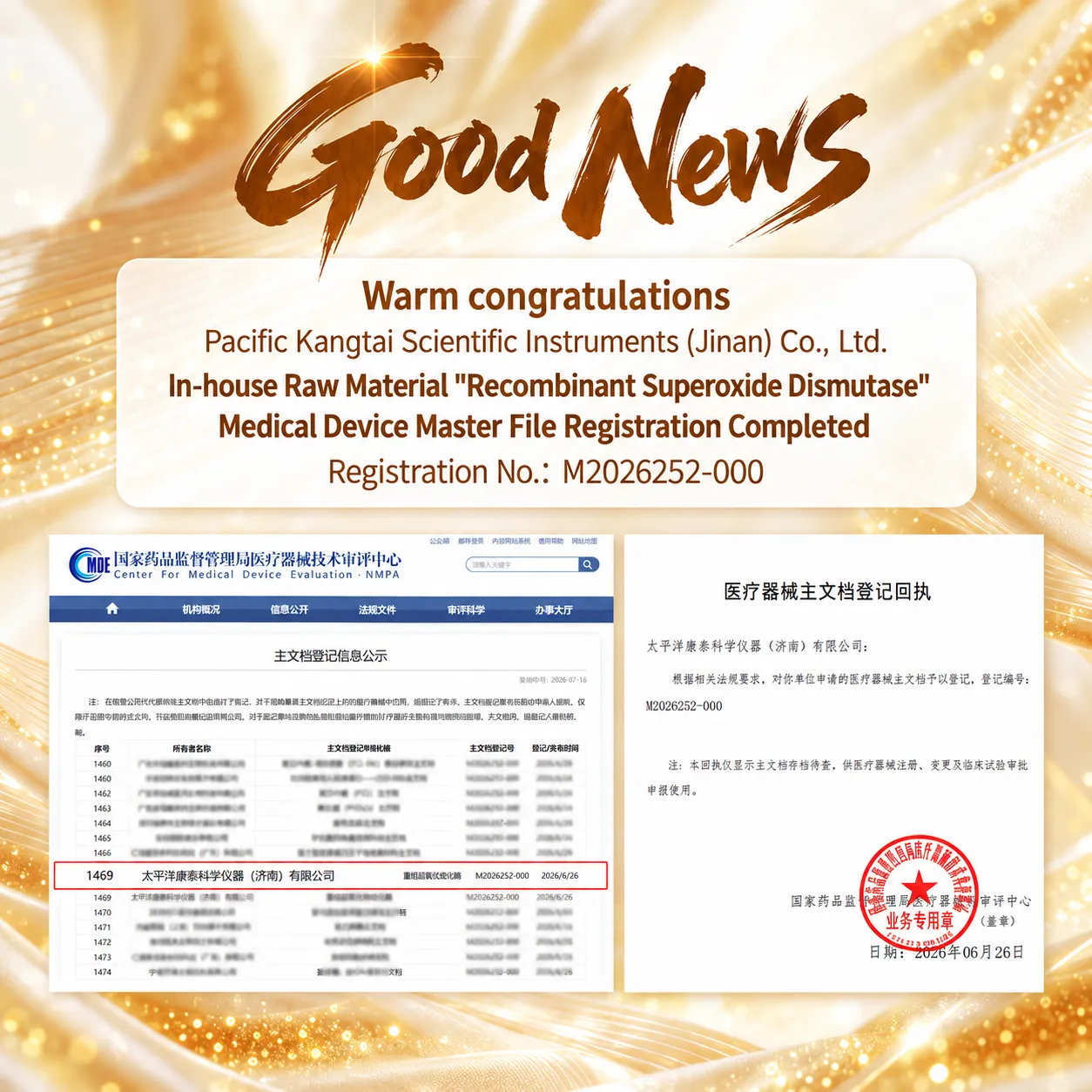
Headquartered in Jinan, Shandong Province, and operating as a subsidiary of Pacific Kangtai Scientific Instruments (Jinan) Co., Ltd., Jinan Meiyi Biotechnology is a professional enterprise dedicated to the research, development support, and commercialization of bioactive technologies. With a strong emphasis on the cosmetics and medical aesthetics industries, the company serves as a trusted enabler for innovation across the global personal care and aesthetic medicine value chain.
A Curated Approach to Quality and Compliance
Unlike traditional manufacturers, Jinan Meiyi Biotechnology operates without its own production facilities for raw materials. Instead, it functions as a strategic sourcing and quality-assured distribution partner. The company leverages a well-established global supply chain network, maintaining long-term cooperative relationships with internationally recognized suppliers. This model ensures consistent access to technically advanced, regulatory-compliant, and scientifically validated materials, including high-activity SOD.
All raw materials in Jinan Meiyi’s portfolio undergo comprehensive evaluation prior inclusion. Selection criteria are grounded in efficacy data, stability profiles, and compatibility with modern formulation standards. Each raw material is accompanied by full technical dossiers, including certificates of analysis (CoA), safety data sheets, and regulatory status summaries. This disciplined curation methodology prioritizes clinically meaningful innovation and regulatory clarity, allowing clients to reduce sourcing complexity while maintaining full confidence in material consistency.
Supporting R&D and Market Innovation
Jinan Meiyi Biotechnology serves clients across Asia, Europe, and North America, with particular strength in supporting R&D laboratories, contract development and manufacturing organizations (CDMOs), and aesthetic clinics. Its service philosophy is rooted in partnership rather than transaction. Technical consultation, regulatory intelligence sharing, and collaborative problem-solving are integral to client engagement.
By actively monitoring emerging trends in bioactive ingredient science and dermatological research, Jinan Meiyi integrates these insights into its portfolio strategy. Whether you require specific particle sizes, blended formulations, or guidance on regulatory compliance for new markets, their team provides the expertise needed to translate bioactive science into real-world consumer and clinical benefits.
How to Select the Right High Activity SOD for Your Business
Choosing the appropriate SOD grade depends on your specific application, target market, and regulatory requirements. Here is a strategic framework for making the right selection, keeping in mind the support available from specialized partners like Jinan Meiyi Biotechnology.
Define Your Application Needs
First, determine the primary function of SOD in your product. Is it for topical application, oral ingestion, or industrial use? For topical cosmetics, focus on Cu/Zn-SOD with proven skin penetration capabilities. For oral supplements, prioritize bioavailability-enhanced forms like micro-encapsulated or gliadin-fused SOD. For animal feed, cost-effectiveness and bulk stability may be more important than ultra-high purity.
Evaluate Specific Activity Requirements
Check the specific activity level required for your formulation. Higher activity levels allow for lower dosage rates, which can simplify your supply chain and reduce storage needs. However, ensure that the claimed activity is verified by independent third-party testing. Request a Certificate of Analysis (CoA) from your supplier that details the activity measurement method and results.
Consider Regulatory Compliance
Different regions have different regulations regarding enzymatic ingredients. In the US, check for GRAS status. In Europe, verify Novel Food approval if applicable. In Asia, ensure compliance with local food and drug administration guidelines. Your supplier should provide documentation supporting regulatory compliance for your target markets.
Assess Supplier Reliability and EEAT
Partnering with a reputable provider is crucial. Look for partners with:
- Experience: A track record in bioactive technology and supply chain management.
- Expertise: Technical support and knowledge of SOD applications.
- Authoritativeness: Certifications such as ISO, GMP, HACCP, and Kosher/Halal from manufacturing partners.
- Trustworthiness: Transparent communication, reliable lead times, and consistent quality.
A reliable partner like Jinan Meiyi Biotechnology offers custom solutions and transparent documentation, ensuring that you receive an ingredient that meets the highest standards of purity and potency.
Common Challenges and Solutions in SOD Usage
Despite its benefits, working with SOD presents certain challenges. Understanding these issues and their solutions can help you optimize your product development process.
Challenge 1: Enzyme Degradation
Issue: SOD can lose activity during processing, especially if exposed to high heat or extreme pH.
Solution: Use stabilized forms of SOD. Incorporate the enzyme at the final stage of processing whenever possible. Store raw materials in cool, dry conditions. Consider using thermostable variants derived from extremophiles or engineered through protein engineering.
Challenge 2: Low Oral Bioavailability
Issue: Native SOD is poorly absorbed in the gastrointestinal tract.
Solution: Utilize delivery systems such as liposomes, microspheres, or gliadin fusion. These technologies protect the enzyme and facilitate its absorption. Alternatively, consider sublingual or buccal delivery methods that bypass the digestive system.
Challenge 3: Cost Constraints
Issue: High-activity SOD can be expensive compared to other antioxidants.
Solution: Optimize your formulation to use the minimum effective dose. Combine SOD with other synergistic antioxidants like Vitamin C, Vitamin E, or Glutathione, which can regenerate SOD and enhance overall antioxidant capacity. This allows you to use less SOD while maintaining efficacy.
FAQ: Frequently Asked Questions About High Activity Superoxide Dismutase
What is the typical shelf life of High Activity SOD?
When stored properly in a cool, dry place away from direct sunlight, high-quality lyophilized SOD powder typically has a shelf life of 24 to 36 months. Liquid formulations may have a shorter shelf life depending on the preservatives and stabilizers used. Always check the expiration date on the Certificate of Analysis.
Can SOD be combined with other antioxidants?
Yes, SOD works synergistically with other antioxidants. For example, SOD converts superoxide to hydrogen peroxide, which is then broken down by Catalase or Glutathione Peroxidase. Combining SOD with Vitamin C and Vitamin E creates a comprehensive antioxidant network that provides broader protection against oxidative stress.
Is plant-based SOD as effective as microbial SOD?
Both sources can be highly effective if processed correctly. Plant-based SOD is often preferred for its “natural” label appeal, while microbial SOD offers higher consistency and purity. The key factor is not just the source, but the specific activity and stability of the final product. High-activity plant-based SOD can be just as potent as microbial SOD.
What is the recommended dosage for SOD supplements?
Dosage varies depending on the specific activity of the SOD and the formulation. Typical dosages range from 100 mg to 500 mg per day for standard extracts, but high-activity, bioavailable forms may require much lower doses (e.g., 10-50 mg). It is essential to follow the manufacturer’s recommendations and conduct clinical trials if making specific health claims.
How is SOD activity measured?
SOD activity is typically measured using spectrophotometric assays that monitor the inhibition of superoxide-mediated reactions. Common methods include the WST-1 assay, the cytochrome c reduction assay, and the NBT (nitroblue tetrazolium) assay. Results are expressed in Units (U) per milligram of protein.
Wholesale Pricing and Procurement Strategy
Securing competitive wholesale pricing for High Activity Superoxide Dismutase requires a strategic approach to procurement. Prices fluctuate based on raw material availability, production costs, and order volume. Here are tips for optimizing your procurement strategy.
Volume Discounts and Long-Term Contracts
Suppliers often offer significant discounts for bulk orders. Establishing a long-term supply contract can lock in favorable prices and ensure consistent availability. Forecast your demand accurately to leverage volume-based pricing tiers.
Customization and Private Labeling
Many providers offer customization services, such as private labeling, custom blending, and specific packaging options. While these services may add to the initial cost, they can enhance your brand value and differentiate your product in the market. Discuss your branding needs early in the negotiation process.
Logistics and Supply Chain Efficiency
Consider the total landed cost, including shipping, duties, and insurance. Working with a partner who has efficient logistics partners can reduce lead times and transportation costs. Ensure that the supplier uses appropriate packaging to protect the enzyme during transit, such as vacuum-sealed bags with desiccants.
Conclusion: Partnering for Premium SOD Solutions
High Activity Superoxide Dismutase represents a critical advancement in antioxidant technology, offering superior efficacy, stability, and versatility for a wide range of industries. Whether you are developing next-generation skincare, high-performance supplements, or innovative functional foods, the quality of your SOD ingredient directly impacts the success of your final product.
By understanding the technical nuances of SOD types, manufacturing processes, and application strategies, you can make informed decisions that drive product innovation and market competitiveness. Choosing a partner with deep expertise, robust quality control, and a commitment to transparency ensures that you receive an ingredient that meets the highest standards of purity and potency.
Jinan Meiyi Biotechnology Co., Ltd. is dedicated to providing premium High Activity Superoxide Dismutase and other bioactive solutions tailored to your specific needs. Through sustained focus, methodical execution, and unwavering commitment to scientific integrity, the company continues to strengthen its position as a dependable and forward-looking contributor to the global bioactive technology ecosystem. Let us help you elevate your product line with the power of advanced enzymatic antioxidant protection.
Ready to source high-quality SOD for your next project? Contact our technical sales team today to request samples, review detailed specifications, or discuss custom formulation options. Explore our full range of enzymatic solutions and technical resources to learn more about how we can support your business goals.





Please leave us a message.