

Hydroxyapatite from Eggshell: Sustainable Source & Price
2026-10-18
- What is Hydroxyapatite from Eggshell?
- Why Choose Eggshell-Derived Hydroxyapatite?
- Applications of Hydroxyapatite from Eggshell
- Quality Parameters and Technical Specifications
- Challenges in Sourcing and Processing
- Price Factors and Market Trends in 2026
- How to Select the Right Supplier
- Frequently Asked Questions (FAQ)
- Conclusion and Next Steps
Hydroxyapatite from eggshell represents a sustainable, high-purity alternative to synthetic calcium phosphates for biomedical and cosmetic applications. Derived through controlled thermal processing of waste eggshells, this bio-ceramic material offers excellent biocompatibility, osteoconductivity, and structural similarity to human bone. For R&D laboratories and aesthetic manufacturers, sourcing hydroxyapatite from eggshell provides an eco-friendly solution that aligns with circular economy principles while maintaining rigorous quality standards required for medical-grade formulations.
What is Hydroxyapatite from Eggshell?
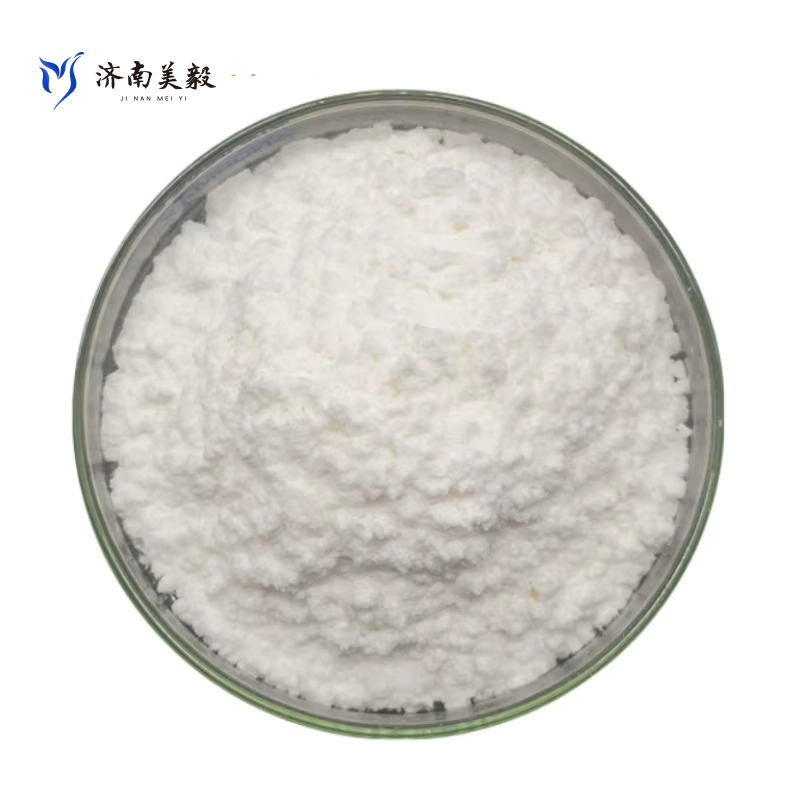
Hydroxyapatite (HA), chemically represented as Ca10(PO4)6(OH)2, is the primary mineral component of human bone and teeth. While traditionally synthesized via wet chemical precipitation using commercial calcium and phosphate salts, hydroxyapatite from eggshell utilizes the natural calcium carbonate (CaCO3) found in poultry waste as the calcium source.
Eggshells consist of approximately 95% calcium carbonate, along trace amounts of magnesium, strontium, and organic proteins. When processed correctly, these shells are converted into highly pure hydroxyapatite powder. This method not only reduces industrial waste but also lowers the carbon footprint associated with raw material extraction. The resulting biomaterial retains the micro-structural properties necessary for effective integration with biological tissues, making it invaluable in orthopedics, dentistry, and increasingly, in advanced skincare and medical aesthetics.
The Chemical Conversion Process
The transformation of eggshell waste into functional hydroxyapatite involves precise chemical reactions. The process typically requires a phosphate source, such as diammonium hydrogen phosphate or phosphoric acid, to react with the calcium derived from the shells. The general reaction pathway ensures the stoichiometric balance required for phase-pure HA.
- Calcination: Eggshells are cleaned, dried, and heated to high temperatures (typically above 900°C) to decompose calcium carbonate into calcium oxide (CaO) and eliminate organic contaminants.
- Hydration: The resulting CaO is hydrated to form calcium hydroxide (Ca(OH)2).
- Precipitation: A phosphate solution is added dropwise to the calcium hydroxide suspension under controlled pH and temperature conditions.
- Aging and Drying: The precipitate is aged to improve crystallinity, then washed, filtered, and dried to obtain the final powder.
This synthesis route is favored for its simplicity and cost-effectiveness compared to solid-state reactions or sol-gel methods, provided that strict quality control measures are in place to ensure consistency.
Why Choose Eggshell-Derived Hydroxyapatite?
In the competitive landscape of bioactive materials, hydroxyapatite from eggshell stands out due to its unique combination of sustainability, performance, and economic viability. For companies focused on green chemistry and regulatory compliance, this material offers distinct advantages over conventional synthetic alternatives.
1. Sustainability and Circular Economy
The global poultry industry generates millions of tons of eggshell waste annually. Much of this ends up in landfills, contributing to environmental pollution and odor issues. By upcycling this waste stream into high-value hydroxyapatite, manufacturers contribute directly to circular economy goals. This narrative is increasingly important for brands marketing “clean” or “eco-conscious” personal care and medical products.
2. Natural Trace Elements
Unlike purely synthetic HA, eggshell-derived hydroxyapatite naturally contains trace elements such as magnesium, sodium, and strontium. Research suggests that these minor constituents can enhance the biological activity of the material. For instance, magnesium plays a crucial role in bone metabolism, while strontium has been linked to improved bone density. These inherent dopants can provide a subtle yet significant functional benefit in biomedical applications without the need for complex co-precipitation techniques.
3. Cost Efficiency
Raw material costs are a significant factor in large-scale production. Since eggshells are an abundant agricultural byproduct, the base calcium source is significantly cheaper than reagent-grade calcium salts. This cost advantage allows for more competitive pricing in final products, whether they are bone graft substitutes or premium skincare serums.
Applications of Hydroxyapatite from Eggshell
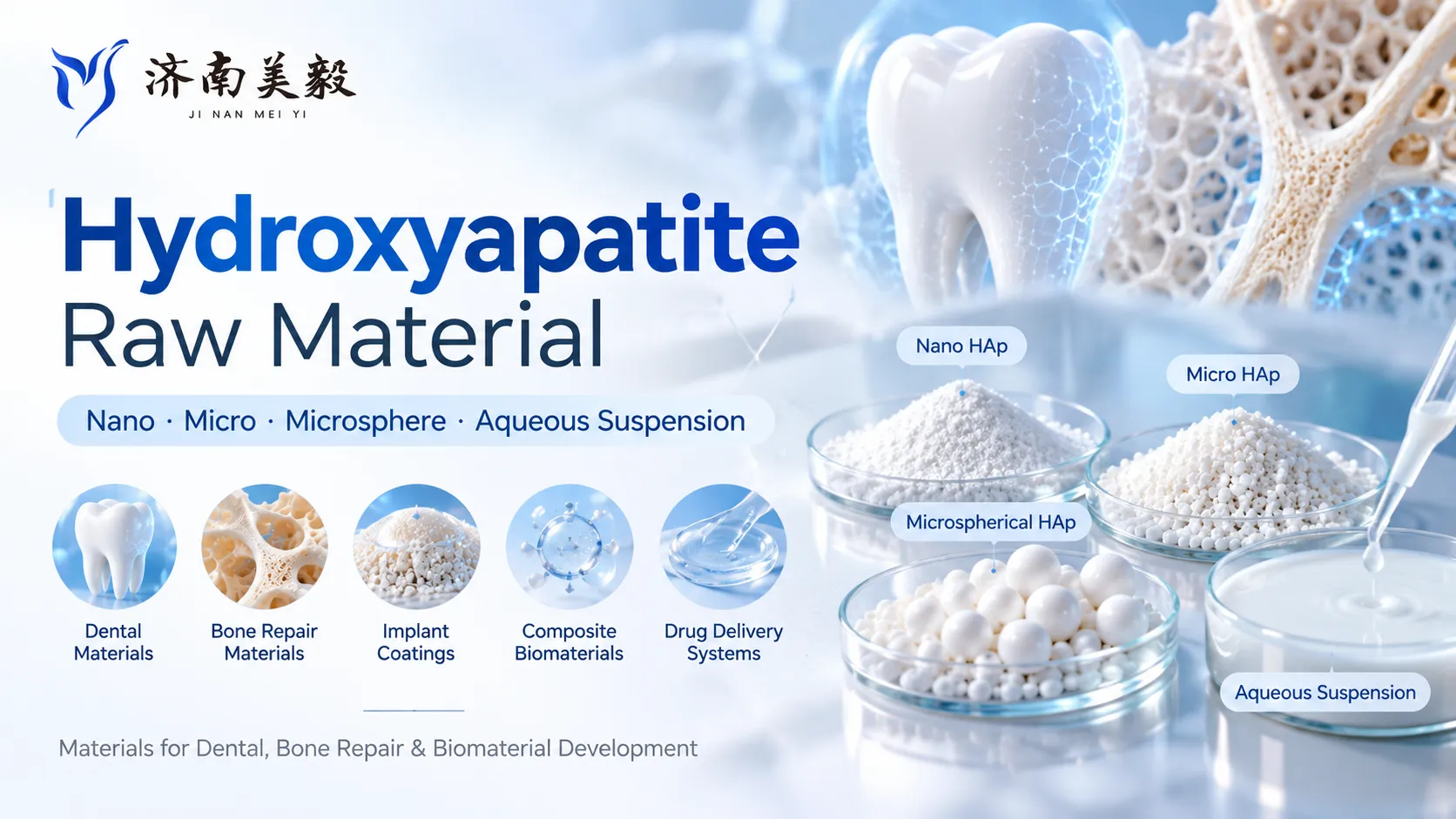
The versatility of hydroxyapatite allows it to serve diverse industries. At Jinan Meiyi Biotechnology Co., Ltd., we observe growing demand for this material across three primary sectors: medical implants, dental restoration, and cosmetic dermatology.
Biomedical and Orthopedic Uses
In orthopedics, HA is prized for its osteoconductivity—the ability to support bone growth on its surface. Eggshell-derived HA is used in:
- Bone Grafts: Porous scaffolds made from HA facilitate the ingrowth of new bone tissue, accelerating healing in fracture repairs.
- Coatings for Implants: Titanium implants coated with HA exhibit better integration with host bone, reducing the risk of loosening over time.
- Drug Delivery Systems: The porous structure of HA nanoparticles allows for the loading and controlled release of therapeutic agents, such as antibiotics or growth factors.
Dental Applications
Dentistry relies heavily on calcium phosphates for remineralization and restoration. Hydroxyapatite from eggshell is utilized in:
- Toothpaste and Mouthwash: Nano-HA particles fill micro-cracks in enamel, reducing sensitivity and restoring shine.
- Periodontal Regeneration: HA powders are used to fill bone defects around teeth caused by gum disease.
- Dental Cements: Used for luting crowns and bridges due to their biocompatibility and adhesive properties.
Cosmetics and Medical Aesthetics
The aesthetic industry is increasingly adopting bioactive ingredients that offer tangible physiological benefits. HA from eggshells is emerging as a key ingredient in:
- Skin Rejuvenation Serums: Nano-sized HA penetrates the stratum corneum to improve skin hydration and barrier function.
- Anti-Aging Formulations: By supporting cellular turnover and providing mineral nourishment, HA helps reduce the appearance of fine lines.
- Dermal Fillers: While less common than hyaluronic acid, HA-based composites are being explored for longer-lasting volumizing effects with lower immunogenicity.
Jinan Meiyi Biotechnology specializes in bridging the gap between raw material science and these downstream applications. As a strategic sourcing partner, we ensure that the HA supplied to our clients in the cosmetics and medical aesthetics sectors meets the stringent purity and particle size requirements necessary for effective formulation. Our team evaluates each batch for stability and compatibility, ensuring that R&D laboratories and CDMOs can integrate these bioactive ingredients seamlessly into their product lines.
Quality Parameters and Technical Specifications
For B2B buyers and formulators, understanding the technical specifications of hydroxyapatite from eggshell is critical. Variations in processing can lead to differences in crystallinity, particle size, and phase purity, which directly impact performance.
| Parameter | Typical Range for High-Grade HA | Significance |
|---|---|---|
| Ca/P Molar Ratio | 1.67 ± 0.05 | Indicates stoichiometric purity. Deviations suggest the presence of other calcium phosphates like tricalcium phosphate. |
| Crystallinity | 85% – 95% | Higher crystallinity improves stability but may reduce solubility. Amorphous phases dissolve faster, releasing ions more quickly. |
| Particle Size | Nano: 20-100 nm Micro: 1-10 µm | Nano-particles are preferred for cosmetics and drug delivery; micro-particles are used in bone grafts and dental cements. |
| Purity | > 98% | High purity minimizes the risk of immune response and ensures consistent biochemical behavior. |
| Heavy Metals | < 10 ppm | Strict limits on lead, arsenic, and mercury are essential for medical and cosmetic safety compliance. |
At Jinan Meiyi Biotechnology, we do not manufacture these materials directly but operate as a quality-assured distribution partner. We leverage our globally integrated supply chain to source HA from certified manufacturers who adhere to internationally accepted quality management systems. Every batch we distribute is accompanied by full technical dossiers, including Certificates of Analysis (CoA), Safety Data Sheets (SDS), and regulatory status summaries. This rigorous documentation traceability ensures that our clients—whether they are R&D labs in Europe or aesthetic clinics in North America—can proceed with confidence regarding regulatory readiness and material consistency.
Challenges in Sourcing and Processing
While the benefits are clear, producing high-quality hydroxyapatite from eggshell is not without challenges. Understanding these pitfalls is essential for buyers evaluating suppliers.
1. Organic Contamination
Eggshells contain residual proteins and membranes. If not thoroughly cleaned and calcined, these organic residues can compromise the purity of the final HA product. In medical applications, residual organics can trigger inflammatory responses. Effective suppliers employ multi-stage washing and high-temperature calcination protocols to eliminate this risk.
2. Batch Consistency
As an agricultural byproduct, eggshells can vary in thickness and composition depending on the breed of chicken and their diet. This natural variability can lead to inconsistencies in the final HA powder. Leading providers mitigate this through robust blending processes and strict quality control checks at every stage of production.
3. Particle Agglomeration
Nano-hydroxyapatite tends to agglomerate due to high surface energy. Agglomerates reduce the effectiveness of the material in coatings and composites. Advanced milling and surface modification techniques are required to ensure discrete, well-dispersed particles.
This is where the expertise of a partner like Jinan Meiyi Biotechnology becomes vital. We actively monitor emerging trends in bioactive ingredient science and work closely with our manufacturing partners to ensure that the materials we curate meet the highest standards of technological differentiation. Our selection criteria are grounded in efficacy data and stability profiles, ensuring that the HA we supply is not just chemically correct, but functionally superior for modern formulation standards.
Price Factors and Market Trends in 2026
The price of hydroxyapatite from eggshell is influenced by several dynamic factors. As of 2026, the market is seeing a steady increase in demand driven by the growth of the regenerative medicine sector and the “clean beauty” movement in cosmetics.
Key Price Drivers
- Purity Grade: Medical-grade HA commands a premium over industrial-grade due to the extensive testing and validation required.
- Particle Size: Nano-sized particles require more energy-intensive processing, resulting in higher costs compared to micro-sized powders.
- Regulatory Compliance: Materials certified for use in FDA-regulated devices or EU-compliant cosmetics involve higher administrative and testing costs.
- Supply Chain Stability: Geopolitical factors and logistics costs can impact the final landed price. Partners with resilient supply chains, like Jinan Meiyi Biotechnology, help mitigate these fluctuations through long-term cooperative relationships with internationally recognized suppliers.
Cost-Benefit Analysis
Despite the processing costs, eggshell-derived HA remains cost-competitive. When compared to synthetic HA produced from pure chemical precursors, the raw material savings are significant. Furthermore, the marketing value of a “sustainable” or “bio-sourced” ingredient can justify a higher retail price point for finished consumer goods, offering a strong ROI for brands.
How to Select the Right Supplier
Choosing the right partner for hydroxyapatite from eggshell procurement is a strategic decision. It requires looking beyond price to assess reliability, technical support, and regulatory alignment.
1. Verify Documentation and Traceability
Ensure the supplier provides comprehensive documentation. This includes CoAs for every batch, SDS, and evidence of Good Manufacturing Practice (GMP) compliance from the manufacturing facility. Jinan Meiyi Biotechnology prioritizes transparency, offering full documentation traceability to ensure product integrity from origin to end-user.
2. Assess Technical Support Capabilities
A good supplier should act as a technical consultant, not just a vendor. Look for partners who can provide guidance on formulation compatibility, stability testing, and regulatory updates. Our service philosophy is rooted in partnership; we offer technical consultation and regulatory intelligence sharing to help our clients solve complex formulation challenges.
3. Evaluate Supply Chain Resilience
In a globalized market, supply chain disruptions are a real risk. Choose a partner with a diversified and vetted network of manufacturers. Jinan Meiyi Biotechnology leverages a well-established global supply chain, ensuring consistent access to technically advanced materials even during market volatility.
4. Check for Industry Specialization
Generalist distributors may lack the deep understanding required for specialized bioactive materials. Partner with companies that have a proven track record in your specific industry, whether it be medical devices or cosmetic formulation. Our deep specialization in bioactive technology applications within cosmetics and medical aesthetics allows us to provide tailored solutions that meet the nuanced needs of R&D-driven customers.
Frequently Asked Questions (FAQ)
Is hydroxyapatite from eggshell safe for human use?
Yes, when properly processed and purified, hydroxyapatite from eggshell is biocompatible and safe for human use. It is widely used in dental products and bone grafts. However, it is crucial to source from suppliers who rigorously test for heavy metals and organic contaminants to ensure safety compliance.
How does eggshell-derived HA compare to synthetic HA?
Chemically, they are very similar. However, eggshell-derived HA may contain beneficial trace elements like magnesium and strontium. From a sustainability perspective, eggshell HA has a lower environmental impact. Synthetic HA may offer slightly higher control over exact stoichiometry, but modern processing methods have narrowed this gap significantly.
Can I use eggshell hydroxyapatite in vegan products?
This is a nuanced area. While the source is animal-derived (eggshells), no animals are harmed in the collection process as shells are waste from the food industry. However, strict vegan certifications may exclude any animal-derived ingredients. It is best to check with your specific certification body. Many “cruelty-free” brands accept eggshell-derived ingredients as sustainable upcycling.
What is the shelf life of hydroxyapatite powder?
When stored in a cool, dry place away from moisture, hydroxyapatite powder is highly stable and can have a shelf life of several years. Moisture absorption can lead to clumping, so proper packaging and storage conditions are essential. Jinan Meiyi Biotechnology maintains strict control over storage conditions and shipping protocols to ensure product integrity upon delivery.
Does Jinan Meiyi Biotechnology manufacture the hydroxyapatite?
No, Jinan Meiyi Biotechnology Co., Ltd. does not engage in manufacturing raw materials itself. We function as a strategic sourcing and quality-assured distribution partner. We partner with certified manufacturers that adhere to internationally accepted quality management systems, allowing us to offer a curated portfolio of high-performance materials backed by robust documentation and technical support.
Conclusion and Next Steps
Hydroxyapatite from eggshell represents a convergence of scientific innovation and environmental responsibility. Its application spans from critical medical implants to everyday cosmetic products, offering a sustainable pathway for industries seeking to reduce their ecological footprint without compromising on performance. For businesses in the medical aesthetics and biomedical sectors, leveraging this material can enhance product differentiation and align with global sustainability goals.
However, the key to successful implementation lies in sourcing. The variability of biological sources demands a partner with rigorous quality control, deep technical expertise, and a transparent supply chain. Jinan Meiyi Biotechnology Co., Ltd. stands ready to support your innovation journey. By combining scientific rigor with market responsiveness, we enable R&D laboratories, CDMOs, and aesthetic clinics to access high-integrity, functionally validated ingredients.
If you are looking to integrate sustainable bioactive materials into your next formulation or product line, we invite you to connect with our technical team. Let us help you navigate the complexities of sourcing, ensuring regulatory compliance and material consistency.
Ready to optimize your supply chain with high-performance bioactive materials?
Contact Jinan Meiyi Biotechnology for technical consultation and product specifications





Please leave us a message.