
Hydroxyapatite in Food: 2026 Safety Guide & Uses
2026-10-19
- What Is Hydroxyapatite and How Is It Used in Food?
- Regulatory Status and Safety Guidelines for 2026
- Safety Profile: Synthetic vs. Natural Sources
- Applications in Food and Nutritional Products
- Sourcing and Quality Assurance in the Supply Chain
- Technical Parameters and Specification Guide
- Common Challenges and Solutions in Formulation
- Frequently Asked Questions (FAQ)
- Conclusion and Strategic Sourcing Advice
Hydroxyapatite in food is primarily utilized as a source of bioavailable calcium and phosphorus, functioning either as a nutritional supplement or a functional additive. In 2026, its application remains strictly regulated, with synthetic forms approved for specific uses such as anti-caking agents or calcium fortification in certain jurisdictions. While naturally occurring hydroxyapatite is the main mineral component of human bones and teeth, its inclusion in consumable products requires rigorous purity standards to ensure safety from heavy metal contamination. This guide details the regulatory landscape, safety profiles, and industrial applications of hydroxyapatite in the food sector, providing clarity for manufacturers and formulators navigating compliance and efficacy.
What Is Hydroxyapatite and How Is It Used in Food?
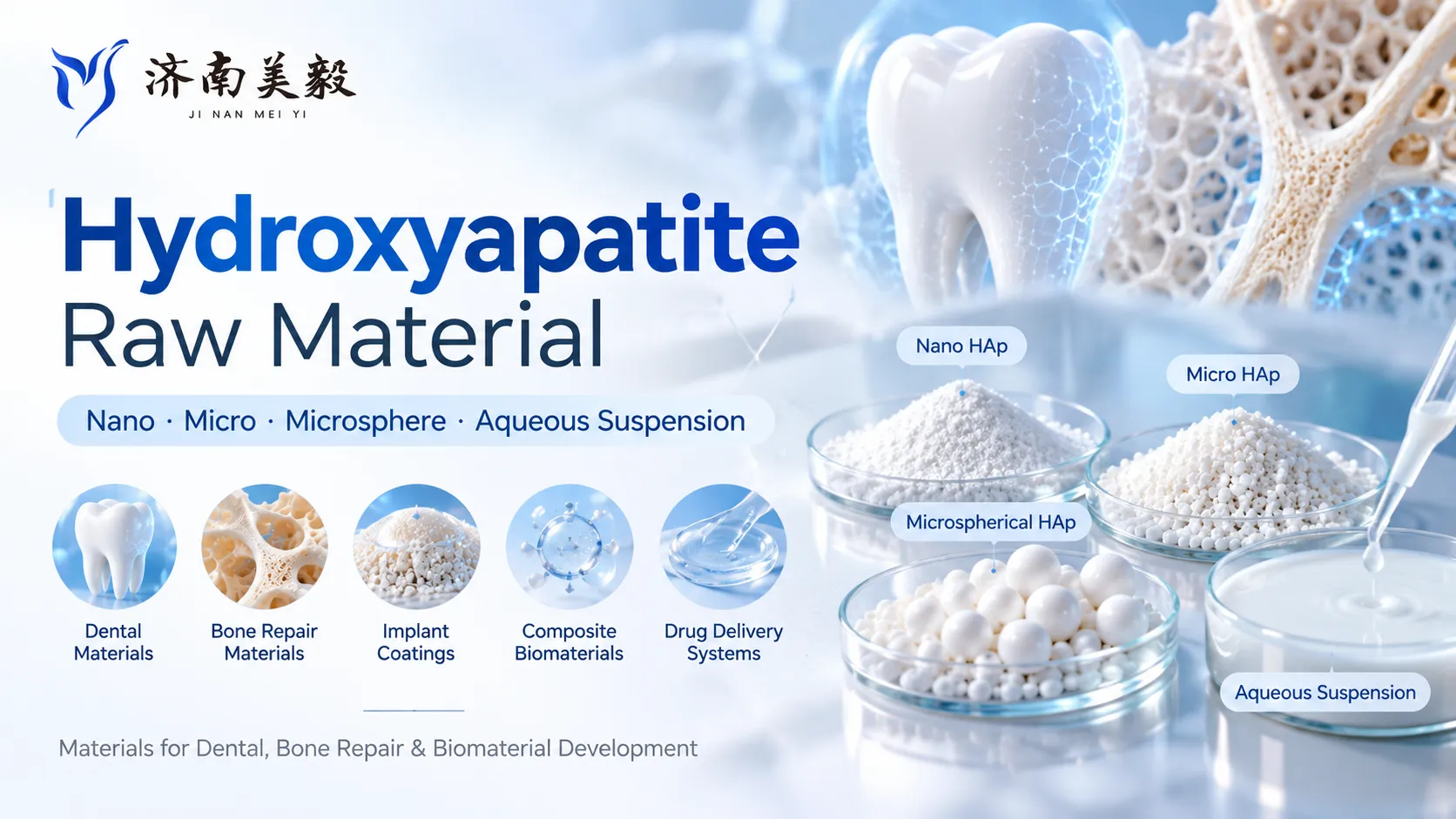
Hydroxyapatite (HAp), chemically represented as Ca10(PO4)6(OH)2, is a naturally occurring crystalline form of calcium apatite. In the context of human biology, it constitutes the primary inorganic constituent of bone tissue and tooth enamel. When discussed in relation to hydroxyapatite in food, the focus shifts to its role as a highly bioavailable source of calcium and phosphate ions.
Unlike simple calcium salts such as calcium carbonate, hydroxyapatite offers a stoichiometric ratio of calcium to phosphorus that closely mirrors human bone structure. This characteristic has driven interest in its use for dietary supplements aimed at bone health. However, its direct addition to general food matrices is less common than its use in specialized nutritional products or as a processing aid.
Primary Functions in Food Systems
The utility of hydroxyapatite in food and beverage formulation stems from its chemical stability and mineral content. Key functions include:
- Calcium Fortification: Enhancing the nutritional profile of dairy alternatives, cereals, and beverages with a mineral source that mimics natural bone composition.
- Anti-Caking Agent: In its synthetic, high-purity form, it can prevent clumping in powdered food products, ensuring flowability during processing and packaging.
- pH Buffering: Contributing to the stabilization of acidity levels in specific formulated foods, although this is a secondary application compared to dedicated buffering agents.
It is crucial to distinguish between food-grade synthetic hydroxyapatite and materials derived from biological sources. Regulatory bodies generally favor synthetic production methods for food applications due to the reduced risk of pathogenic contamination and consistent purity profiles.
Regulatory Status and Safety Guidelines for 2026
The safety of hydroxyapatite in food is governed by strict regional regulations. As of 2026, the legal status varies significantly across major markets, influencing how manufacturers source and utilize this ingredient.
United States (FDA)
In the United States, the Food and Drug Administration (FDA) regulates hydroxyapatite under specific conditions. Synthetic hydroxyapatite is generally recognized as safe (GRAS) for use as an anti-caking agent in limited quantities. For nutritional supplementation, it is treated as a dietary ingredient. Manufacturers must ensure that any hydroxyapatite used complies with Good Manufacturing Practices (GMP) and does not contain hazardous levels of lead or other heavy metals, which can be present in naturally sourced variants.
European Union (EFSA)
The European Food Safety Authority (EFSA) maintains a rigorous evaluation process for novel foods and additives. Hydroxyapatite is permitted as a source of calcium in food supplements and fortified foods, provided it meets stringent purity criteria. The EU emphasizes the distinction between “natural” bone-derived hydroxyapatite and synthetic equivalents, often restricting the former in standard food categories due to potential biological risks. Synthetic hydroxyapatite is preferred for its verified absence of organic contaminants.
Asia-Pacific and Global Standards
In many Asia-Pacific regions, including China, regulations align closely with international Codex Alimentarius standards. The use of hydroxyapatite is permitted in specific categories, particularly in health foods and specialized dietary products. Compliance requires detailed documentation regarding the source, synthesis method, and heavy metal analysis. Companies operating in these markets must navigate a complex web of national standards that prioritize consumer safety and traceability.
| Region | Regulatory Body | Primary Status | Key Constraints |
|---|---|---|---|
| United States | FDA | GRAS (Anti-caking); Dietary Supplement | Heavy metal limits; GMP compliance required |
| European Union | EFSA | Approved Calcium Source | Synthetic preferred; Strict purity thresholds |
| China | NHC/SAMR | Permitted in Health Foods | Requires specific health food registration; Traceability |
| International | Codex Alimentarius | Guideline Standards | General purity and safety benchmarks |
Safety Profile: Synthetic vs. Natural Sources
A critical aspect of understanding hydroxyapatite in food is the distinction between its sources. This differentiation directly impacts safety, regulatory acceptance, and consumer trust.
Risks Associated with Natural Bone-Derived HAp
Natural hydroxyapatite is typically extracted from bovine or marine sources. While this approach may appeal to consumers seeking “natural” ingredients, it carries inherent risks:
- Heavy Metal Contamination: Bones can accumulate lead, arsenic, and cadmium from environmental exposure. Without extensive purification, these toxins can persist in the final ingredient.
- Pathogenic Concerns: Animal-derived materials pose a theoretical risk of transmitting prions or viruses, although modern processing mitigates this significantly.
- Inconsistent Composition: Biological variability leads to fluctuations in calcium-to-phosphorus ratios and crystallinity, affecting bioavailability and performance.
Advantages of Synthetic Hydroxyapatite
Synthetic hydroxyapatite is produced through controlled chemical precipitation processes. This method offers several safety and quality advantages for food applications:
- High Purity: Synthetic routes allow for precise control over impurities, ensuring heavy metal levels remain well below regulatory limits.
- Consistency: Batch-to-batch uniformity in particle size, crystallinity, and chemical composition ensures predictable performance in formulations.
- Vegan and Allergen-Free: Synthetic production avoids animal-derived inputs, making it suitable for vegan certifications and reducing allergen risks.
For B2B manufacturers and formulators, sourcing high-purity synthetic hydroxyapatite is often the preferred strategy to mitigate liability and ensure product consistency. This is where strategic partnerships with reliable suppliers become essential.
Applications in Food and Nutritional Products
The application of hydroxyapatite in food extends beyond simple calcium fortification. Its unique physicochemical properties enable diverse uses in modern food technology and nutraceuticals.
Dietary Supplements and Nutraceuticals
This is the most prominent sector for hydroxyapatite usage. Supplements targeting bone density, dental health, and post-menopausal women often feature hydroxyapatite as the primary calcium source. Its bioavailability is considered superior to calcium carbonate for some demographics, as it dissolves more readily in acidic environments without causing significant gastrointestinal distress.
Functional Foods and Beverages
In functional foods, hydroxyapatite is incorporated into:
- Plant-Based Milks: To match the calcium content of dairy milk, manufacturers add hydroxyapatite due to its neutral taste and good suspension properties.
- Cereals and Snack Bars: Used as a micronutrient premix component to enhance nutritional labeling claims.
- Sports Nutrition: Included in recovery formulas to support bone integrity in athletes subjected to high physical stress.
Processing Aids
In industrial food processing, synthetic hydroxyapatite serves as an anti-caking agent for powdered ingredients such as spices, soup mixes, and instant beverages. Its ability to absorb moisture and prevent particle agglomeration ensures product quality throughout the supply chain.
Sourcing and Quality Assurance in the Supply Chain
For companies developing food products or supplements containing hydroxyapatite, the integrity of the supply chain is paramount. The market is fragmented, with varying levels of quality control among providers. Selecting a partner who prioritizes scientific rigor and regulatory compliance is critical for maintaining brand reputation and product safety.
This is where specialized biotechnology firms play a pivotal role. For instance, Jinan Meiyi Biotechnology Co., Ltd. operates as a strategic enabler in the bioactive materials sector. Headquartered in Jinan, Shandong Province, and operating as a subsidiary of Pacific Kangtai Scientific Instruments (Jinan) Co., Ltd., the company focuses on the research, development support, and commercialization of bioactive technologies. While their primary emphasis is on cosmetics and medical aesthetics, their expertise in sourcing high-performance raw materials extends to broader bioactive applications.
Jinan Meiyi Biotechnology does not engage in direct manufacturing but functions as a quality-assured distribution partner. They leverage a globally integrated supply chain to provide access to technically advanced and regulatory-compliant materials. Their approach involves rigorous supplier qualification and batch-level specification verification. Each material is accompanied by comprehensive technical dossiers, including certificates of analysis (COA) and safety data sheets (SDS). This level of documentation is essential for food and supplement manufacturers who must demonstrate due diligence in ingredient sourcing to regulatory authorities.
The company’s operational model prioritizes transparency and reliability. By partnering with certified manufacturers that adhere to international quality management systems, Jinan Meiyi Biotechnology ensures that clients receive materials with consistent purity and stability. This reduces sourcing complexity for R&D laboratories and contract development and manufacturing organizations (CDMOs) looking for validated ingredients.
Key Considerations for Procurement
When evaluating suppliers for hydroxyapatite, buyers should assess:
- Documentation Completeness: Availability of full regulatory status summaries and heavy metal test results.
- Supply Chain Traceability: Clear origin of raw materials and manufacturing processes.
- Technical Support: Access to expertise regarding formulation compatibility and stability profiles.
Jinan Meiyi Biotechnology’s service philosophy is rooted in partnership rather than transaction. They provide technical consultation and regulatory intelligence sharing, which is invaluable for navigating the complex landscape of bioactive ingredient compliance. Their disciplined curation methodology ensures that only scientifically validated materials are included in their portfolio, aligning with the needs of clients who prioritize clinical relevance and regulatory clarity.
Technical Parameters and Specification Guide
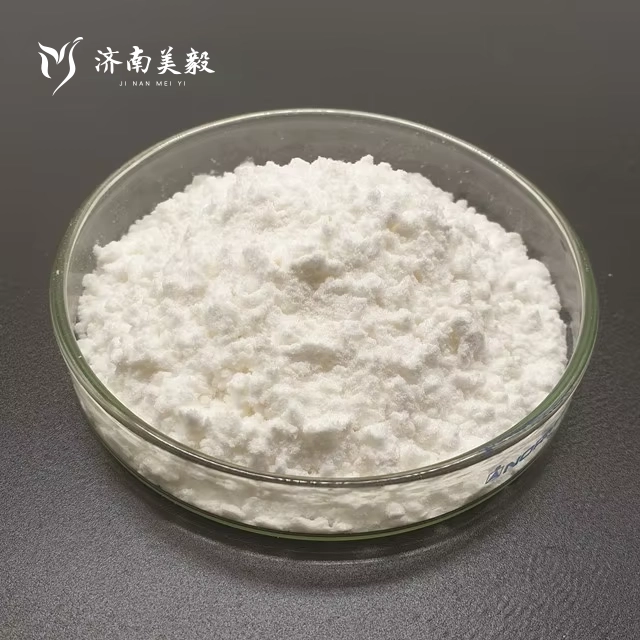
Understanding the technical specifications of hydroxyapatite is essential for proper application in food and supplement formulations. Key parameters influence solubility, bioavailability, and processing behavior.
| Parameter | Typical Specification | Impact on Application |
|---|---|---|
| Calcium Content | 35-40% | Determines dosage requirements for fortification |
| Phosphorus Content | 18-20% | Maintains Ca:P ratio for optimal absorption |
| Particle Size (D50) | 1-50 microns | Affects mouthfeel in liquids and flowability in powders |
| Crystallinity | High (Synthetic) | Influences dissolution rate and stability |
| Lead (Pb) | < 0.5 ppm | Critical safety metric for regulatory compliance |
| Arsenic (As) | < 0.5 ppm | Essential for meeting food-grade purity standards |
Formulators must select the appropriate particle size based on the end product. For clear beverages, nano-sized hydroxyapatite may be required to prevent sedimentation, whereas larger particles are acceptable in tablet compression or powdered mixes. The Ca:P ratio is also vital; a ratio close to 1.67 is ideal for mimicking natural bone mineral and maximizing bioavailability.
Common Challenges and Solutions in Formulation
Integrating hydroxyapatite in food products presents specific technical challenges. Addressing these effectively ensures product quality and consumer acceptance.
Challenge 1: Solubility and Sedimentation
Hydroxyapatite has low solubility in neutral pH environments. In liquid formulations, this can lead to sedimentation over time.
Solution: Use of stabilizers such as pectin or xanthan gum can help suspend particles. Alternatively, utilizing nano-hydroxyapatite or surface-modified variants can improve dispersion stability. Homogenization during processing is also critical to maintain uniform distribution.
Challenge 2: Mouthfeel and Texture
Larger particle sizes can impart a chalky or gritty texture, which is undesirable in beverages and smooth foods.
Solution: Selecting micronized grades with a narrow particle size distribution minimizes sensory detection. In solid formats like tablets or bars, this is less of an issue, but for liquids, particle size reduction is key.
Challenge 3: Interaction with Other Ingredients
Calcium ions can interact with phytates, oxalates, and certain proteins, potentially reducing bioavailability or causing precipitation.
Solution: Formulators should conduct compatibility studies during the R&D phase. Adjusting the pH or using chelating agents can mitigate negative interactions. Separating the addition of hydroxyapatite from reactive ingredients during processing may also help.
Frequently Asked Questions (FAQ)
Is hydroxyapatite safe for daily consumption?
Yes, synthetic hydroxyapatite is considered safe for daily consumption when used within recommended limits. It is widely used in dietary supplements for bone health. However, it is essential to ensure the product is free from heavy metals and contaminants, which is why sourcing from reputable suppliers with rigorous quality control is critical.
What is the difference between hydroxyapatite and calcium carbonate?
Hydroxyapatite contains both calcium and phosphorus in a ratio similar to human bone, potentially offering better bioavailability and fewer gastrointestinal side effects compared to calcium carbonate. Calcium carbonate is cheaper and has a higher elemental calcium content but requires stomach acid for optimal absorption and may cause bloating or constipation in some individuals.
Can hydroxyapatite be used in vegan products?
Synthetic hydroxyapatite is vegan-friendly as it is produced through chemical processes without animal-derived ingredients. However, bone-derived hydroxyapatite is not vegan. Manufacturers must clearly specify the source of their hydroxyapatite to meet vegan certification requirements.
How does Jinan Meiyi Biotechnology support product development?
Jinan Meiyi Biotechnology supports product development by providing access to high-quality, vetted raw materials and technical documentation. Their partnership-oriented model includes regulatory intelligence sharing and technical consultation, helping clients navigate compliance and formulation challenges. They serve R&D laboratories and CDMOs by ensuring material consistency and regulatory readiness.
What are the main storage requirements for hydroxyapatite powder?
Hydroxyapatite powder should be stored in a cool, dry place away from direct sunlight. Moisture absorption can lead to clumping, so airtight containers are recommended. Maintaining proper storage conditions ensures the integrity and flowability of the material during production.
Conclusion and Strategic Sourcing Advice
The use of hydroxyapatite in food and dietary supplements represents a significant opportunity for enhancing nutritional value and functional performance. As consumer demand for bone health solutions and clean-label ingredients grows, the importance of sourcing high-purity, compliant materials cannot be overstated. Synthetic hydroxyapatite offers a safer, more consistent alternative to natural sources, aligning with modern regulatory standards and consumer preferences.
For manufacturers, R&D laboratories, and brands looking to innovate in this space, the choice of supplier is a strategic decision. Partnerships with entities that prioritize scientific integrity, regulatory compliance, and supply chain transparency are essential. Jinan Meiyi Biotechnology Co., Ltd. exemplifies this approach, serving as a trusted bridge between upstream innovation and downstream application. Their focus on quality-assured distribution, comprehensive documentation, and technical support enables clients to reduce sourcing complexity and maintain confidence in material consistency.
To ensure the success of your next formulation project, prioritize suppliers who offer robust technical dossiers and proven regulatory compliance. Evaluate the specific technical parameters of hydroxyapatite grades to match your application needs, whether for supplements, functional foods, or processing aids.
For further information on high-performance bioactive materials and to discuss how our curated portfolio can support your product development goals, please explore our related products and technical solutions. Our team is ready to provide the regulatory intelligence and sourcing expertise needed to bring safe, effective, and compliant products to market.





Please leave us a message.