

Hydroxyapatite Merck: High Purity Supplier & Price
2026-10-20
- What Is Hydroxyapatite Merck Grade? Technical Definition
- Why Choose High-Purity Synthetic Hydroxyapatite?
- Hydroxyapatite Merck vs. Specialized Bioactive Suppliers
- Applications of High-Purity Hydroxyapatite
- Sourcing Strategy: How Jinan Meiyi Ensures Quality
- Hydroxyapatite Price Factors and Market Trends in 2026
- FAQ: Common Questions About Hydroxyapatite Sourcing
- Selection Guide: Choosing the Right Hydroxyapatite Grade
- Conclusion: Partnering for Innovation in Bioactive Materials
Hydroxyapatite Merck refers to high-purity synthetic hydroxyapatite (HAp) sourced through or comparable to the quality standards of Merck KGaA, a global leader in life science materials. In 2026, researchers and formulators seeking this specific grade prioritize its exceptional crystallinity, controlled particle size, and rigorous absence of heavy metals. While Merck remains a benchmark for laboratory-grade reagents, specialized distributors like Jinan Meiyi Biotechnology Co., Ltd. provide equivalent or superior bioactive grades tailored for cosmetic and medical aesthetic applications. This guide details the technical specifications, sourcing strategies, and pricing dynamics of high-purity hydroxyapatite, helping R&D teams and procurement managers secure reliable supply chains for bone regeneration, dental repair, and advanced skincare formulations.
What Is Hydroxyapatite Merck Grade? Technical Definition
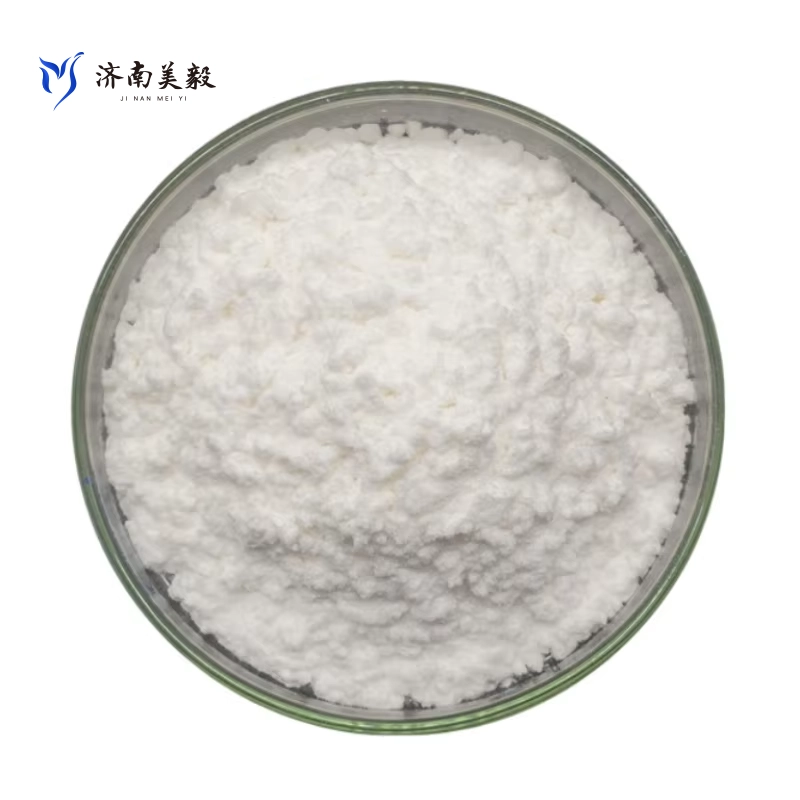
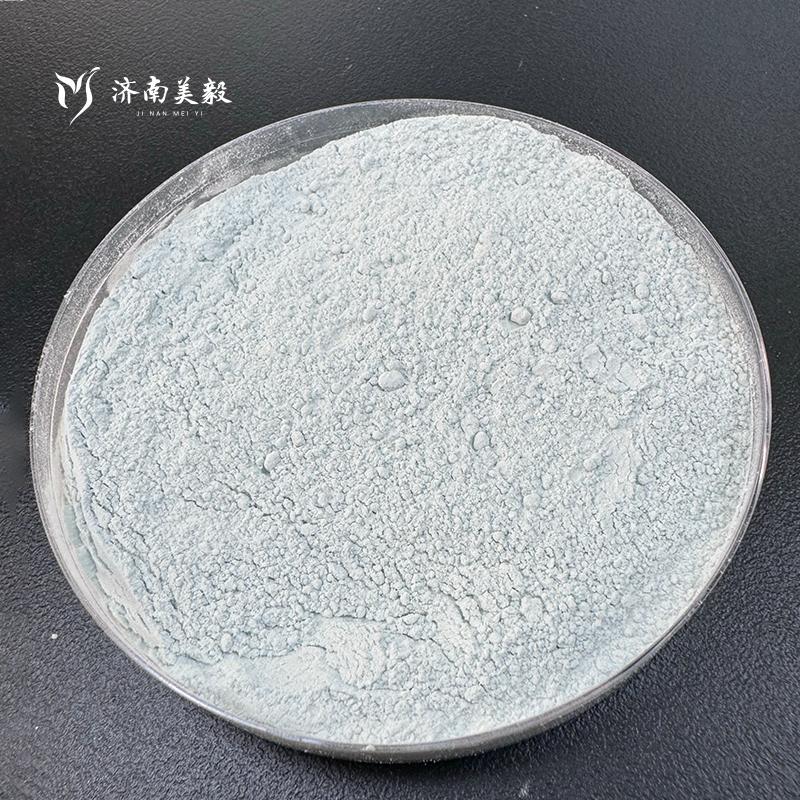
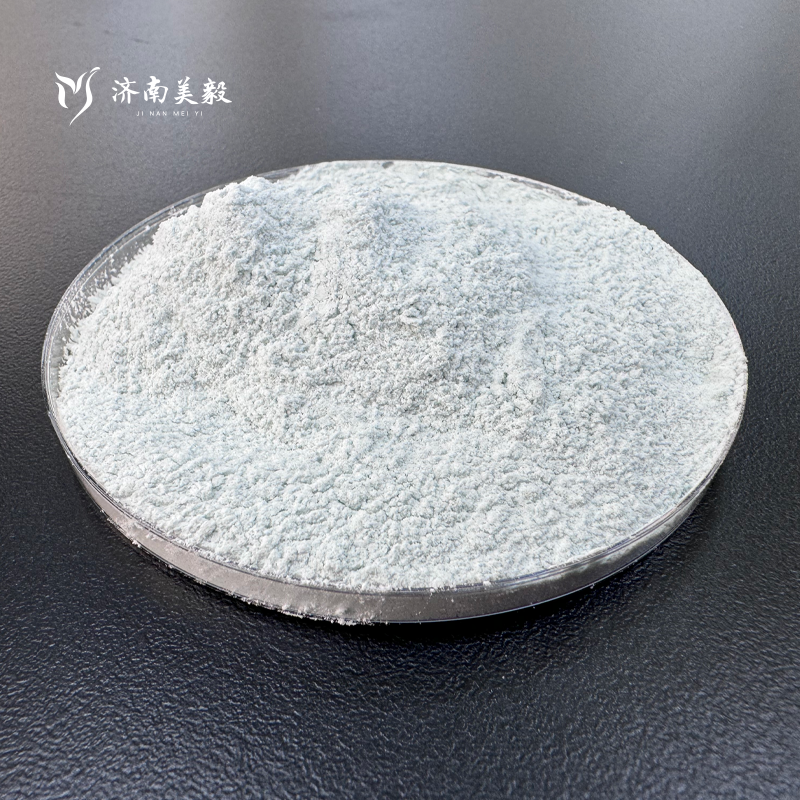
Hydroxyapatite (Ca₁₀(PO₄)₆(OH)₂) is a naturally occurring mineral form of calcium apatite. In industrial and scientific contexts, “Merck grade” implies a material that meets stringent purity criteria, typically exceeding 98-99% purity with low endotoxin levels and precise stoichiometry. Unlike geological hydroxyapatite derived from bone ash, synthetic HAp offers superior consistency, making it ideal for sensitive biomedical and cosmetic uses.
For professionals searching for hydroxyapatite Merck, the core value lies in reproducibility. Whether used as a scaffold for tissue engineering or as a remineralizing agent in toothpaste, the material’s performance depends on:
- Crystallinity: High crystallinity ensures stability in physiological environments.
- Particle Size Distribution: Nano-sized particles (1µm) serve as bone graft extenders.
- Chemical Purity: Absence of toxic ions like lead, arsenic, or cadmium is non-negotiable for medical compliance.
Jinan Meiyi Biotechnology leverages its strategic sourcing network to provide HAp materials that align with these rigorous international standards. By partnering with certified manufacturers who adhere to ISO quality management systems, we ensure that every batch delivered meets the exacting specifications required by global R&D laboratories and CDMOs.
Why Choose High-Purity Synthetic Hydroxyapatite?
The shift from natural to synthetic hydroxyapatite is driven by safety and performance. Natural sources, such as bovine bone, carry risks of immunogenic response and viral transmission. Synthetic HAp, produced via wet chemical precipitation or sol-gel methods, eliminates these biological risks while allowing precise control over morphological properties.
Key Advantages in Medical Aesthetics and Cosmetics
In the cosmetics industry, particularly within the medical aesthetics sector, hydroxyapatite has emerged as a powerhouse ingredient. Its biocompatibility allows it to integrate seamlessly with human tissue. For skincare, nano-hydroxyapatite acts as a carrier for active ingredients, enhancing penetration without causing irritation. In injectables, calcium hydroxyapatite microspheres stimulate collagen production, offering long-lasting volumizing effects.
Our approach at Jinan Meiyi Biotechnology focuses on curating raw materials that support these high-value applications. We do not merely distribute chemicals; we evaluate efficacy data and stability profiles to ensure that the hydroxyapatite we supply performs consistently in complex formulations. This disciplined curation methodology prioritizes clinically meaningful innovation over volume, ensuring our clients receive materials that are both regulatory-compliant and technologically advanced.
Hydroxyapatite Merck vs. Specialized Bioactive Suppliers
When sourcing hydroxyapatite, buyers often compare general chemical suppliers like Merck with specialized biotech distributors. Understanding the differences is crucial for optimizing cost and application suitability.
| Feature | General Chemical Supplier (e.g., Merck) | Specialized Bioactive Distributor (e.g., Jinan Meiyi) |
|---|---|---|
| Primary Focus | Broad spectrum laboratory reagents | Bioactive materials for cosmetics & medicine |
| Particle Engineering | Standard grades, limited customization | Tailored sizes (nano/micro) for specific uses |
| Regulatory Support | General CoA and SDS | Detailed technical dossiers, regulatory intelligence |
| Supply Chain Model | Transactional, catalog-based | Partnership-oriented, technical consultation |
| Application Expertise | Limited to chemical properties | Deep knowledge of formulation & clinical trends |
While Merck provides excellent baseline materials for analytical chemistry, specialized partners like Jinan Meiyi Biotechnology offer added value for product development. We bridge the gap between upstream innovation and downstream application. Our team actively monitors emerging trends in dermatological research and minimally invasive aesthetics, integrating these insights into our portfolio strategy. This means when you source HAp from us, you gain access to technical consultation and regulatory awareness that goes beyond simple transaction.
Applications of High-Purity Hydroxyapatite
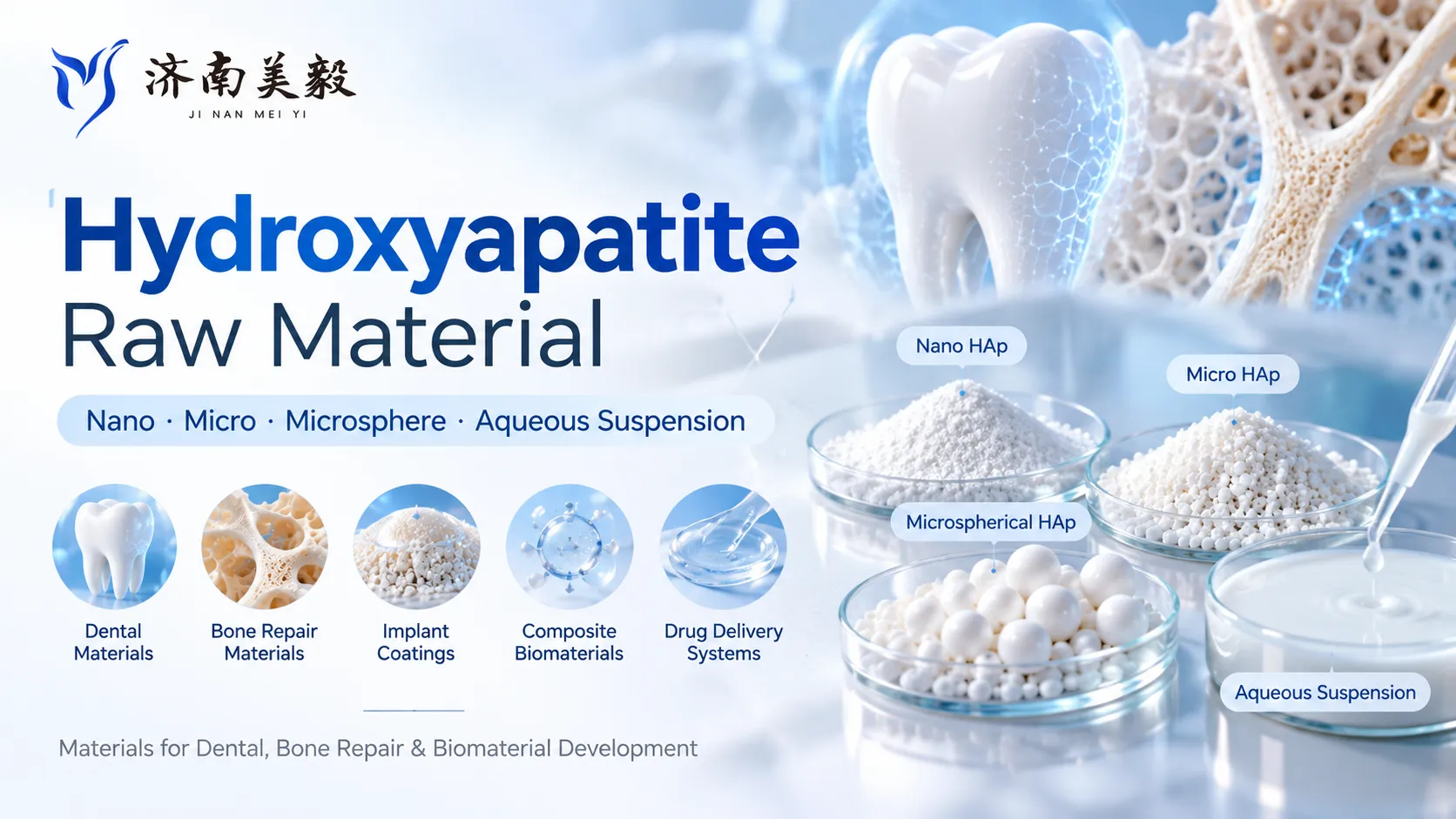
The versatility of hydroxyapatite makes it indispensable across multiple high-tech industries. Understanding the specific requirements for each application helps in selecting the right grade.
1. Medical Aesthetics and Dermatology
Calcium hydroxyapatite (CaHA) is widely used in dermal fillers. The microspheres act as a scaffold for neocollagenesis. For this application, the material must be sterile, non-pyrogenic, and possess a smooth, spherical morphology to ensure injectability and reduce inflammation. Jinan Meiyi Biotechnology supports aesthetic clinics and device manufacturers by sourcing HAp that meets these strict biocompatibility standards, ensuring patient safety and product efficacy.
2. Oral Care and Enamel Remineralization
Nano-hydroxyapatite is a proven alternative to fluoride for strengthening tooth enamel. It bonds directly to the tooth structure, filling micro-cracks and reducing sensitivity. Formulators require HAp with a particle size below 100nm to ensure effective penetration into enamel tubules. Our sourcing criteria emphasize particle size verification, ensuring that the raw materials we distribute are compatible with modern oral care formulation standards.
3. Bone Grafts and Orthopedics
In orthopedics, HAp is used as a bone void filler. Its osteoconductive properties allow bone cells to grow along its surface. High porosity and interconnected pore structures are critical here. We partner with manufacturers who can produce HAp with controlled porosity, supporting the development of next-generation bone regeneration solutions.
Sourcing Strategy: How Jinan Meiyi Ensures Quality
As a subsidiary of Pacific Kangtai Scientific Instruments (Jinan) Co., Ltd., Jinan Meiyi Biotechnology operates with a robust quality assurance framework. We do not engage in manufacturing ourselves; instead, we function as a strategic sourcing and quality-assured distribution partner. This model allows us to remain agile and objective, selecting the best materials from a global network of certified manufacturers.
Our quality control process involves several critical steps:
- Supplier Qualification: We vet manufacturers based on their adherence to internationally accepted quality management systems (ISO 9001, ISO 13485).
- Batch-Level Verification: Every shipment undergoes rigorous testing. We verify certificates of analysis (CoA) against independent lab results to confirm purity, particle size, and heavy metal content.
- Documentation Traceability: Full technical dossiers, including safety data sheets (SDS) and regulatory status summaries, accompany every product. This transparency reduces sourcing complexity for our clients in Asia, Europe, and North America.
- Logistics Integrity: We maintain strict control over storage conditions and shipping protocols. Hydroxyapatite is sensitive to moisture and contamination; our logistics partners ensure product integrity from origin to end-user.
This commitment to scientific integrity and operational reliability distinguishes us in the market. We serve R&D laboratories, CDMOs, and aesthetic clinics who demand more than just a commodity—they need a trusted enabler for innovation.
Hydroxyapatite Price Factors and Market Trends in 2026
Pricing for hydroxyapatite varies significantly based on purity, particle size, and certification. When evaluating hydroxyapatite Merck alternatives or equivalents, consider the following cost drivers:
1. Purity and Synthesis Method
High-purity synthetic HAp (>99%) commands a premium due to the complex precipitation processes involved. Sol-gel methods, which produce highly homogeneous materials, are generally more expensive than standard wet chemical precipitation but offer superior performance for medical devices.
2. Particle Size Engineering
Nano-sized hydroxyapatite requires advanced milling and dispersion technologies to prevent agglomeration. Consequently, nano-HAp is typically priced higher than micro-HAp. However, its enhanced bioactivity often justifies the cost in high-end cosmetic and pharmaceutical formulations.
3. Regulatory Compliance
Materials intended for medical use require extensive documentation, including biocompatibility testing reports (ISO 10993). This regulatory burden adds to the cost but is essential for market entry in regulated regions like the EU and USA. Jinan Meiyi Biotechnology ensures that all medical-grade materials come with the necessary regulatory intelligence, saving clients time and legal risk.
While exact prices fluctuate based on raw material costs and geopolitical factors, partnering with a knowledgeable distributor helps stabilize supply chain costs. Our long-term cooperative relationships with suppliers allow us to negotiate favorable terms, passing savings onto our clients without compromising quality.
FAQ: Common Questions About Hydroxyapatite Sourcing
Is hydroxyapatite from Merck suitable for cosmetic use?
Merck provides high-purity laboratory-grade hydroxyapatite, which can be used in cosmetics. However, cosmetic formulations often require specific particle sizes and surface modifications that general chemical grades may not offer. Specialized suppliers like Jinan Meiyi Biotechnology provide HAp specifically engineered for cosmetic stability and efficacy, often at a more competitive price point for bulk production.
What is the difference between nano and micro hydroxyapatite?
The primary difference is particle size. Nano-hydroxyapatite (1µm) is used for bone grafting and as a gentle exfoliant or opacifier in creams. Choosing the right size is critical for product performance.
How does Jinan Meiyi Biotechnology ensure product consistency?
We employ a rigorous supplier qualification and batch verification process. Each batch is tested for key parameters such as Ca/P ratio, crystallinity, and particle size distribution. We only distribute materials that meet our strict internal standards and match the specifications provided in our technical dossiers.
Can I get custom particle sizes for my formulation?
Yes. Through our network of certified manufacturers, we can source hydroxyapatite with customized particle size distributions. Our technical team works with clients to define the exact specifications needed for their application, ensuring optimal performance in the final product.
What documentation is provided with each order?
Every order includes a Certificate of Analysis (CoA), Safety Data Sheet (SDS), and, where applicable, regulatory compliance statements. For medical-grade materials, we can provide additional biocompatibility data and sterilization certificates upon request.
Selection Guide: Choosing the Right Hydroxyapatite Grade
Selecting the appropriate hydroxyapatite grade requires a clear understanding of your application needs. Use this checklist to guide your decision:
- Define the Application: Is it for injectable fillers, topical skincare, toothpaste, or bone grafts? Each has distinct purity and size requirements.
- Check Regulatory Requirements: Ensure the supplier can provide documentation compliant with your target market (e.g., FDA, EU MDR, NMPA).
- Evaluate Supplier Expertise: Choose a partner who understands the bioactive landscape. Jinan Meiyi Biotechnology offers technical consultation to help you navigate these choices.
- Request Samples: Always test small batches in your formulation before committing to large-scale procurement. Verify stability, dispersion, and efficacy.
- Assess Supply Chain Reliability: Look for partners with transparent logistics and consistent inventory levels to avoid production delays.
Conclusion: Partnering for Innovation in Bioactive Materials
High-purity hydroxyapatite is a cornerstone of modern medical aesthetics and biomaterials science. While the term hydroxyapatite Merck often serves as a benchmark for quality, the evolving market demands more than just a chemical reagent. It requires a partner who understands the nuances of bioactive technology, regulatory landscapes, and formulation science.
Jinan Meiyi Biotechnology Co., Ltd. stands at the intersection of scientific rigor and market responsiveness. As a specialized provider of high-performance raw materials, we offer a curated selection of hydroxyapatite grades that meet the highest international standards. Our partnership-oriented service model, backed by a globally integrated supply chain, enables R&D teams and manufacturers to innovate with confidence.
Whether you are developing a new remineralizing toothpaste, a collagen-stimulating dermal filler, or a bone regeneration scaffold, we provide the materials and expertise needed to bring your vision to market. Reduce sourcing complexity and ensure regulatory readiness with a trusted partner.
Ready to optimize your supply chain? Contact our technical team today to discuss your specific hydroxyapatite requirements, request samples, or obtain detailed technical dossiers. Let us help you accelerate your product development with high-integrity bioactive materials.





Please leave us a message.