
Hydroxyapatite Powder Price: 2026 Wholesale Rates from China Manufacturer
2026-09-16
- Understanding Hydroxyapatite Powder Pricing Dynamics in 2026
- 2026 Hydroxyapatite Powder Price Breakdown by Grade
- Technical Specifications That Drive Value
- Application-Specific Procurement Strategies
- How to Choose a Reliable Hydroxyapatite Manufacturer in China
- Common Mistakes When Sourcing Hydroxyapatite Powder
- Step-by-Step Guide to Requesting a Quote
- FAQ: Frequently Asked Questions About Hydroxyapatite Powder
- Conclusion: Making an Informed Decision in 2026
In 2026, the hydroxyapatite powder price for wholesale orders from Chinese manufacturers typically ranges between $45 and $180 per kilogram, depending heavily on purity levels, particle size distribution, and crystallinity. Medical-grade nano-hydroxyapatite commands premium pricing due to stringent ISO 13485 compliance requirements, while industrial-grade bulk powders for coatings or composites remain cost-effective. This guide details current market rates, technical specifications affecting cost, and procurement strategies for B2B buyers seeking reliable supply chains.
Understanding Hydroxyapatite Powder Pricing Dynamics in 2026
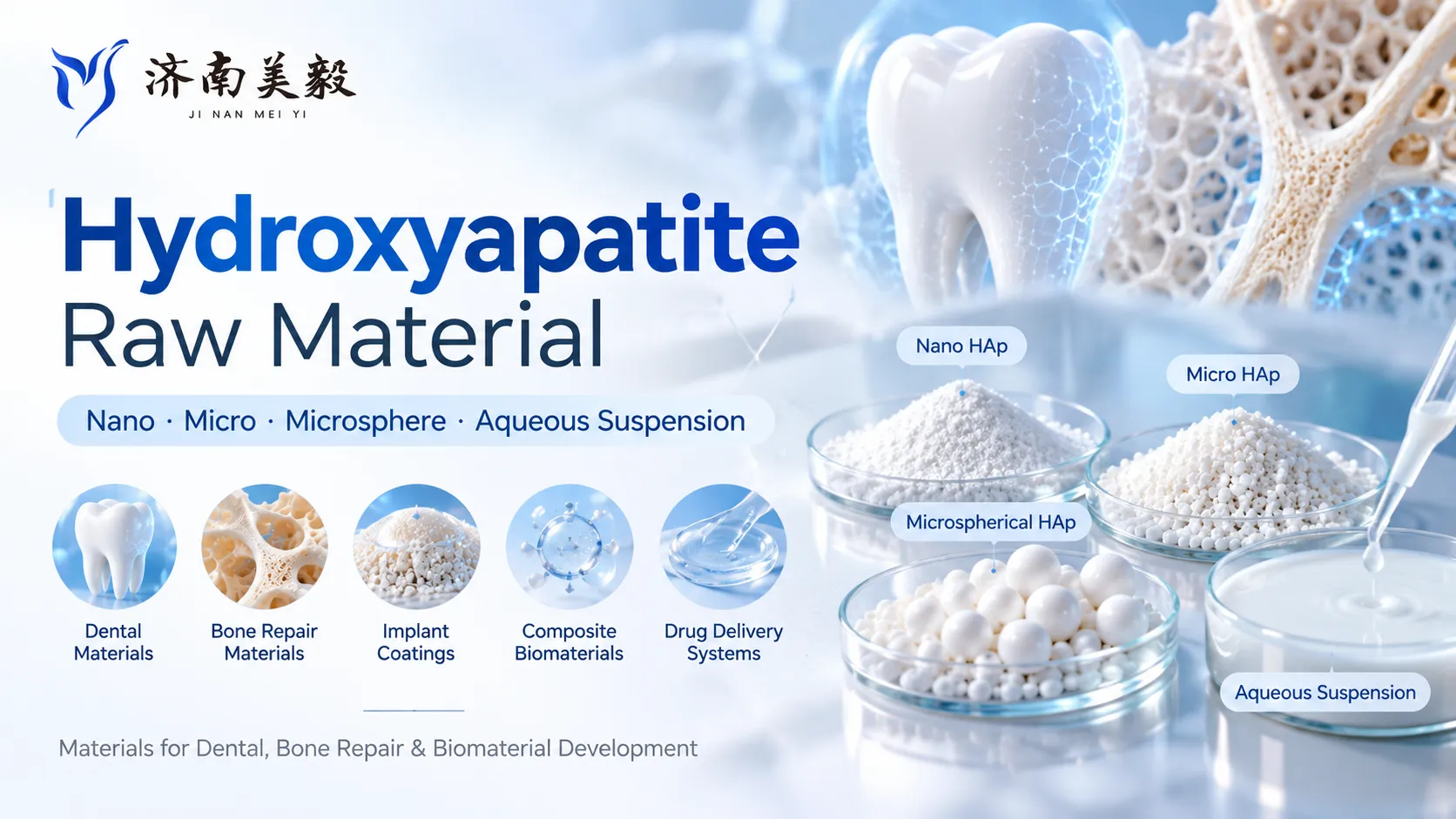
Hydroxyapatite (HAp), with the chemical formula Ca10(PO4)6(OH)2, is a calcium phosphate ceramic that closely resembles the mineral component of human bone and teeth. Its biocompatibility and bioactivity make it indispensable in orthopedics, dentistry, and advanced material science. However, the hydroxyapatite powder price is not a static figure; it fluctuates based on complex manufacturing variables.
For B2B purchasers, understanding these variables is critical for budgeting and supplier negotiation. In 2026, the market has matured, with Chinese manufacturers offering a wider spectrum of grades than ever before. The price disparity between low-end agricultural additives and high-end medical implant coatings can be tenfold. This variation is driven by synthesis methods, post-processing treatments, and quality assurance protocols.
Buyers must look beyond the base price per kilogram. The total cost of ownership includes factors such as batch consistency, regulatory documentation support, and logistical reliability. A slightly higher upfront cost for a manufacturer with proven EEAT (Experience, Expertise, Authoritativeness, and Trustworthiness) often results in lower downstream risks, particularly in regulated industries like medical device production.
Key Factors Influencing Wholesale Rates
Several technical and economic factors directly impact the final quote you receive from a manufacturer. Identifying which factors are non-negotiable for your application helps in filtering suppliers effectively.
- Purity Level: Standard industrial grade HAp may have a purity of 95-98%, whereas medical grade requires >99.5% purity with strict limits on heavy metals like lead, cadmium, and arsenic. Achieving higher purity involves additional refinement steps, increasing production costs.
- Particle Size and Morphology: Nano-sized particles (20-100 nm) require specialized precipitation or hydrothermal synthesis techniques to prevent agglomeration. Micron-sized particles are cheaper to produce. The specific surface area (SSA) also plays a role; higher SSA often correlates with higher reactivity and price.
- Crystallinity: Highly crystalline HAp is more stable and suitable for load-bearing implants but requires high-temperature sintering. Amorphous or low-crystallinity HAp is easier to dissolve and is often used in drug delivery systems. The thermal processing required to control crystallinity adds to energy costs.
- Synthesis Method: Wet chemical precipitation is the most common and cost-effective method. Sol-gel processes and hydrothermal synthesis offer better control over particle morphology but are more expensive and time-consuming.
- Order Volume: As with most chemical commodities, economies of scale apply. Orders exceeding 500 kg typically unlock significant discounts compared to sample or small-batch purchases.
2026 Hydroxyapatite Powder Price Breakdown by Grade
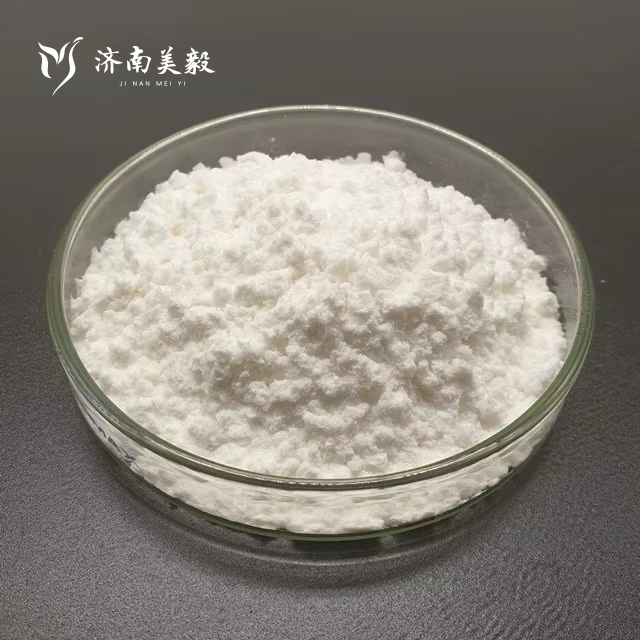
To provide a clear overview of the market, we have categorized typical wholesale pricing structures for 2026. Note that these are indicative ranges for FOB (Free On Board) China terms. Actual quotes will vary based on specific technical data sheets (TDS) and contract negotiations.
| Grade Classification | Purity (%) | Particle Size | Typical Applications | Estimated Price Range (USD/kg) |
|---|---|---|---|---|
| Industrial Grade | 95 – 98% | Micro-sized (>1 µm) | Ceramic coatings, composite fillers, water filtration | $45 – $75 |
| Standard Pharmaceutical Grade | 98 – 99.5% | Sub-micron (0.5 – 1 µm) | Dental cements, bone void fillers, cosmetic additives | $80 – $120 |
| Medical Implant Grade | > 99.5% | Nano-sized (20 – 100 nm) | Orthopedic implants, tissue engineering scaffolds | $130 – $180+ |
| Custom Functionalized HAp | > 99.5% | Nano/Micro (Tailored) | Drug delivery carriers, biosensors, targeted therapy | $200 – $350+ |
The table above illustrates the correlation between technical sophistication and cost. For instance, Custom Functionalized HAp involves surface modification with polymers, peptides, or drugs, which requires extensive R&D and quality control, justifying the premium price.
Why Does Nano-Hydroxyapatite Cost More?
Nano-hydroxyapatite (nHAp) is increasingly preferred in biomedical applications due to its superior bioactivity and ability to mimic the natural bone structure at the nanoscale. The higher price tag is attributed to several engineering challenges:
- Agglomeration Control: Nanoparticles naturally tend to clump together. Manufacturers must use surfactants or specific drying techniques (like freeze-drying) to maintain discrete particle sizes, adding process complexity.
- Characterization Costs: Verifying nano-scale dimensions requires advanced equipment such as Transmission Electron Microscopy (TEM) and Dynamic Light Scattering (DLS), which increases operational overhead.
- Yield Rates: The synthesis of uniform nanoparticles often has lower yield rates compared to bulk micron-sized powder production, leading to higher unit costs.
Technical Specifications That Drive Value
When evaluating a hydroxyapatite powder price quote, it is essential to cross-reference the cost with the provided technical specifications. A lower price may indicate compromises in critical parameters that could affect your final product’s performance.
Ca/P Ratio Importance
The stoichiometric Calcium-to-Phosphorus (Ca/P) ratio for pure hydroxyapatite is 1.67. Deviations from this ratio can result in the presence of other calcium phosphate phases, such as tricalcium phosphate (TCP) or tetracalcium phosphate (TTCP). These secondary phases alter the dissolution rate and mechanical strength of the material.
High-quality manufacturers guarantee a Ca/P ratio within a tight tolerance (e.g., 1.67 ± 0.02). Achieving this precision requires rigorous raw material control and precise pH management during synthesis. Suppliers offering significantly lower prices may not adhere to these tight tolerances, potentially causing inconsistency in your downstream applications.
Heavy Metal Content and Biocompatibility
For any application involving human contact, heavy metal content is a critical safety parameter. ISO 13485 and ASTM F1185 standards set strict limits for elements like Lead (Pb), Cadmium (Cd), and Mercury (Hg).
- Lead (Pb): Typically required to be < 5 ppm for medical grades.
- Cadmium (Cd): Typically required to be < 1 ppm.
- Arsenic (As): Typically required to be < 5 ppm.
Testing for these trace elements requires Inductively Coupled Plasma Mass Spectrometry (ICP-MS), a costly analytical procedure. Manufacturers who skip this step can offer lower prices but pose significant regulatory risks for their clients.
Specific Surface Area (SSA)
SSA, measured in m²/g, indicates the reactivity of the powder. Higher SSA generally means higher bioactivity, which is crucial for bone integration. However, high SSA powders are more difficult to handle and disperse. The price often reflects the technology used to achieve high SSA without compromising flowability.
Application-Specific Procurement Strategies
Different industries have distinct requirements for hydroxyapatite powder. Aligning your procurement strategy with your specific application ensures you pay for value, not unnecessary specifications.
Biomedical and Orthopedics
In the biomedical sector, traceability and documentation are as important as the physical product. Buyers should prioritize manufacturers who can provide:
- Device Master Records (DMR): Detailed documentation of the manufacturing process.
- Batch Certificates: Specific test results for each delivered batch.
- Regulatory Support: Assistance with FDA 510(k) or CE Mark submissions.
For orthopedic coatings, the adhesion strength and coating uniformity are critical. Therefore, purchasing HAp with consistent particle size distribution is vital. Opting for the cheapest option here can lead to coating delamination and implant failure, resulting in massive liability costs.
Dental Materials and Medical Aesthetics
The dental and medical aesthetics industries utilize HAp in toothpaste, remineralizing gels, bone grafts, and injectable formulations. For consumer products like toothpaste, aesthetic properties such as whiteness and taste neutrality are important. Manufacturers may offer surface-treated HAp to improve dispersion in aqueous or organic bases.
For dental bone grafts and aesthetic applications, the resorption rate and biocompatibility are key. Buyers often specify a mix of crystalline and amorphous HAp to balance structural support with gradual replacement by natural bone. Clear communication of the desired resorption profile is necessary when requesting quotes. In this specialized segment, partnering with a knowledgeable distributor can significantly streamline the sourcing process.
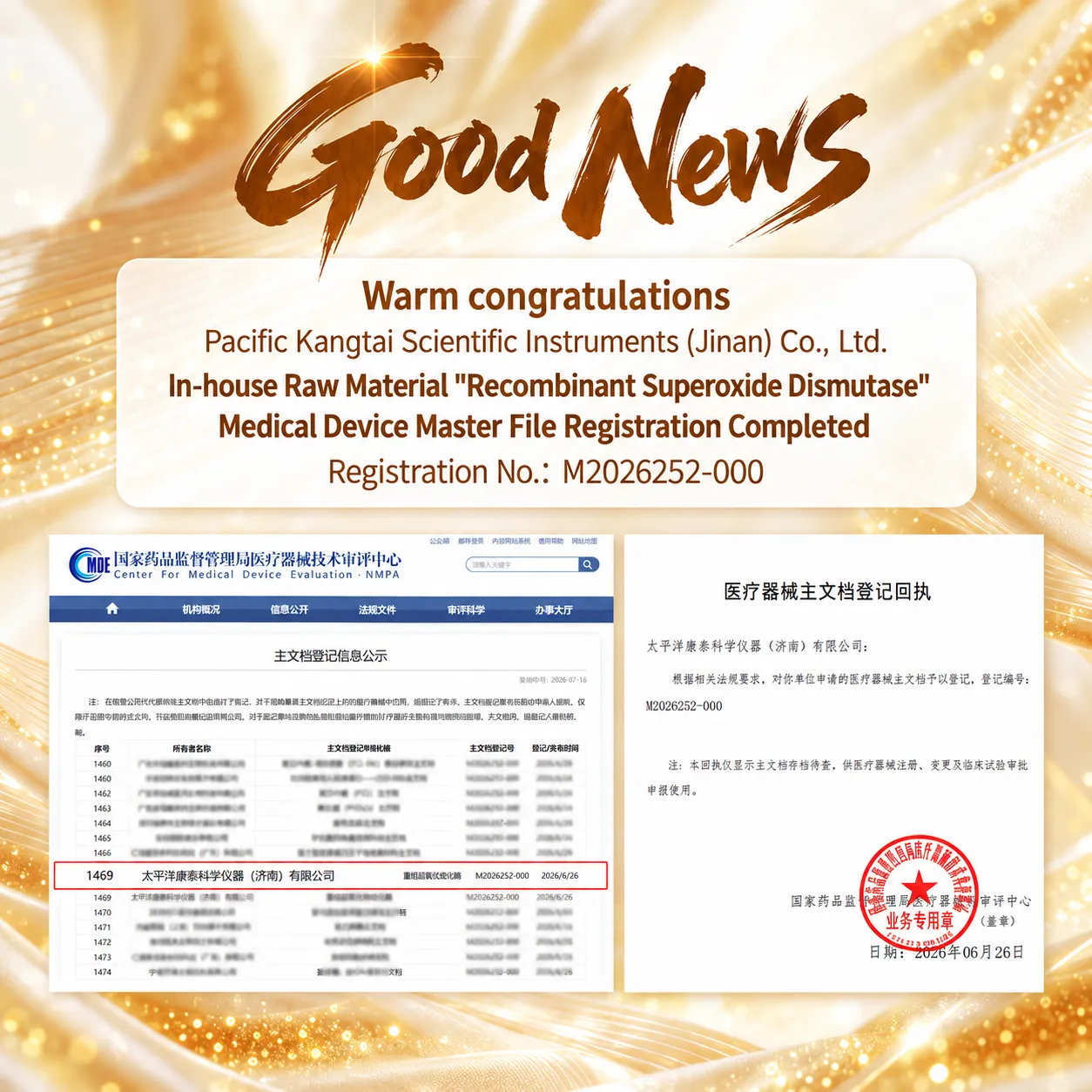
Jinan Meiyi Biotechnology Co., Ltd., headquartered in Jinan, Shandong Province, exemplifies this partnership approach. As a subsidiary of Pacific Kangtai Scientific Instruments, Jinan Meiyi specializes in the research, development support, and commercialization of bioactive technologies, with a strong focus on the cosmetics and medical aesthetics sectors. Rather than engaging in direct manufacturing, the company operates as a strategic sourcing and quality-assured distribution partner. By leveraging a globally integrated supply chain and maintaining long-term relationships with certified manufacturers, Jinan Meiyi ensures that clients receive technically advanced, regulatory-compliant materials. Their rigorous evaluation process—grounded in efficacy data, stability profiles, and compatibility with modern formulation standards—allows R&D laboratories and aesthetic clinics to access high-integrity hydroxyapatite and other bioactive ingredients with confidence, reducing sourcing complexity while ensuring full regulatory readiness.
Industrial Coatings and Composites
In industrial applications, such as corrosion-resistant coatings for metals or reinforcement fillers for polymers, the focus shifts to mechanical properties and cost-efficiency. High purity is less critical than consistency and bulk availability.
Buyers in this segment should negotiate based on volume and long-term supply stability. Requesting samples for tensile strength testing and adhesion trials is standard practice. The hydroxyapatite powder price for these applications is highly competitive, and switching costs are low, allowing for aggressive negotiation.
How to Choose a Reliable Hydroxyapatite Manufacturer in China
China is a global hub for rare earth and advanced ceramic production, including hydroxyapatite. However, the market is fragmented, ranging from small trading companies to large, integrated chemical manufacturers. Selecting the right partner requires due diligence.
Verify Manufacturing Capabilities
Do not rely solely on website claims. Request evidence of manufacturing capabilities:
- Factory Audits: Conduct virtual or on-site audits to verify production lines, storage conditions, and quality control labs.
- Equipment List: Ask for a list of key equipment, such as reactors, spray dryers, and calcination furnaces. Modern, well-maintained equipment suggests a commitment to quality.
- R&D Team: Inquire about the size and qualifications of their R&D team. A strong R&D department indicates the ability to customize products and troubleshoot issues.
Check Certifications and Compliance
Ensure the manufacturer holds relevant certifications:
- ISO 9001: Quality Management System.
- ISO 13485: Medical Devices Quality Management System (essential for medical grade HAp).
- REACH/RoHS: Compliance with European chemical regulations if exporting to Europe.
- FDAMaster File: Some manufacturers have Drug Master Files available for reference, which can streamline FDA approvals for their clients.
Evaluate Supply Chain Stability
In 2026, supply chain resilience is paramount. Ask potential suppliers about their raw material sourcing. Do they produce their own calcium and phosphorus precursors, or do they purchase them? Vertical integration can offer better price stability and quality control.
Additionally, inquire about their inventory levels and lead times. A reliable manufacturer should be able to provide consistent lead times, even during peak demand periods. Partners like Jinan Meiyi Biotechnology add value here by managing these logistics and ensuring strict control over storage conditions and delivery timelines, thereby maintaining product integrity from origin to end-user.
Common Mistakes When Sourcing Hydroxyapatite Powder
Avoiding common pitfalls can save time, money, and reputational damage. Here are frequent errors made by international buyers:
- Focusing Only on Price: Ignoring technical specifications and quality assurance in favor of the lowest bid often leads to inconsistent product quality and production delays.
- Neglecting Sample Testing: Never place a bulk order without testing samples in your specific application. Lab-scale results can differ significantly from pilot or production scales.
- Overlooking Packaging Requirements: HAp is hygroscopic. Inadequate packaging can lead to moisture absorption, affecting flowability and reactivity. Ensure the supplier uses moisture-barrier packaging, such as aluminum foil bags with desiccants.
- Ignoring Intellectual Property: If you require custom-functionalized HAp, ensure robust Non-Disclosure Agreements (NDAs) and Intellectual Property (IP) protection clauses are in place.
- Underestimating Logistics: Chemical shipments require proper classification and documentation. Failure to comply with hazardous material regulations (if applicable) can result in customs delays and fines.
Step-by-Step Guide to Requesting a Quote
To get an accurate and comparable hydroxyapatite powder price, follow this structured approach when contacting manufacturers:
- Define Your Specifications: Clearly state the required purity, particle size, Ca/P ratio, and crystallinity. Provide a Technical Data Sheet (TDS) if available.
- Specify Application: Explain how the powder will be used. This helps the manufacturer recommend the most suitable grade and avoid over-specifying.
- Request Samples: Ask for 50-100g samples for initial testing. Be prepared to pay for samples and shipping, as this demonstrates serious intent.
- Ask for Documentation: Request recent Certificates of Analysis (COA), ISO certificates, and references from existing clients in similar industries.
- Negotiate Terms: Discuss payment terms (e.g., T/T, L/C), Incoterms (FOB, CIF), and lead times. Clarify responsibilities for quality disputes.
- Start with a Trial Order: Place a small trial order before committing to large volumes. This allows you to evaluate the supplier’s performance in a real-world scenario.
FAQ: Frequently Asked Questions About Hydroxyapatite Powder
What is the minimum order quantity (MOQ) for hydroxyapatite powder?
MOQs vary by manufacturer and grade. For standard industrial grades, MOQs can be as low as 25 kg. For medical-grade or custom-synthesized HAp, MOQs may start at 100 kg or higher due to setup and cleaning costs associated with smaller batches.
How does the price of synthetic hydroxyapatite compare to natural hydroxyapatite?
Synthetic HAp is generally more consistent and cheaper to produce at scale than natural HAp derived from bovine or marine sources. Natural HAp carries risks of immunogenicity and viral contamination, requiring extensive processing to ensure safety, which can drive up costs. Synthetic HAp is preferred for most medical and industrial applications due to its purity and reproducibility.
Can I get a discount for long-term contracts?
Yes, most Chinese manufacturers offer volume discounts or fixed-price agreements for long-term contracts. Committing to a quarterly or annual purchase volume can secure better rates and prioritize your orders during capacity constraints.
What is the lead time for hydroxyapatite powder production?
Standard grades usually have a lead time of 2-4 weeks. Custom grades or large orders may take 6-8 weeks. It is advisable to plan your inventory accordingly and maintain open communication with your supplier regarding production schedules.
Is hydroxyapatite powder hazardous to ship?
Generally, hydroxyapatite powder is not classified as hazardous material for transport. However, it can generate dust, so proper packaging and handling instructions are necessary. Always confirm the Material Safety Data Sheet (MSDS) with your supplier for specific shipping requirements.
How should hydroxyapatite powder be stored?
Store HAp in a cool, dry place, away from moisture and direct sunlight. Use sealed containers with desiccants to prevent hydration, which can alter the phase composition and particle characteristics. Proper storage ensures the powder retains its specified properties until use.
Conclusion: Making an Informed Decision in 2026
Navigating the hydroxyapatite powder price landscape in 2026 requires a balance between cost efficiency and technical rigor. While Chinese manufacturers offer competitive rates, the true value lies in the consistency, purity, and regulatory support they provide. For biomedical applications, investing in high-grade, ISO-certified HAp is non-negotiable for patient safety and regulatory compliance. For industrial uses, focusing on supply chain reliability and bulk pricing strategies yields the best ROI.
By understanding the technical drivers of cost—such as particle size, crystallinity, and purity—you can engage in more effective negotiations and select a supplier that aligns with your specific needs. Avoid the trap of choosing the lowest bidder without due diligence; instead, prioritize partners who demonstrate transparency, technical expertise, and a commitment to quality.
Whether you are developing next-generation orthopedic implants, advanced dental materials, or innovative industrial coatings, securing a reliable source of high-quality hydroxyapatite is a strategic advantage. Take the time to define your specifications clearly, test samples thoroughly, and build long-term relationships with reputable manufacturers.
Ready to source high-quality hydroxyapatite powder for your next project? Contact our team today to request a customized quote, technical data sheets, and samples tailored to your specific application requirements. Let us help you optimize your supply chain and achieve superior product performance.
Explore Our Hydroxyapatite Product Range and Technical Solutions





Please leave us a message.