

Why Professionals Choose Hydroxyapatite for Dental and Dermatological Treatments
2026-01-27
Hydroxyapatite (HA) is a bioactive calcium phosphate that mimics human bone and tooth minerals. Its biocompatibility and ability to support enamel remineralization and tissue regeneration make it essential in dentistry, dermatology, and regenerative medicine.
What is Hydroxyapatite?
Chemical Composition and Structure
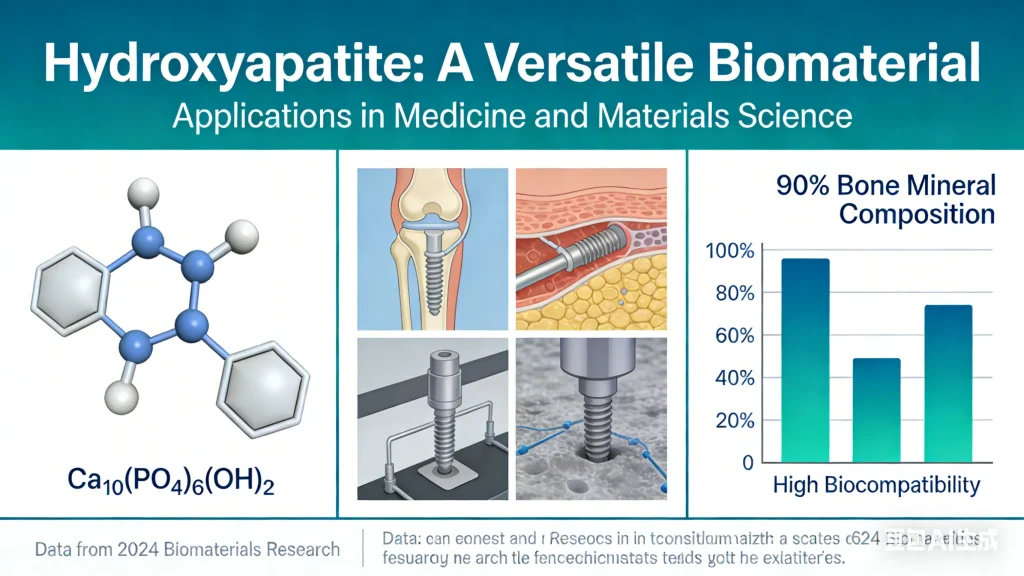
Hydroxyapatite, with the chemical formula Ca₁₀(PO₄)₆(OH)₂, is remarkably similar to human bone and tooth enamel. This similarity allows HA to integrate seamlessly into tissues without causing adverse reactions. Its bioactive properties encourage bone and enamel mineralization, making it ideal for dental care, bone repair, and aesthetic applications.
Forms of Hydroxyapatite
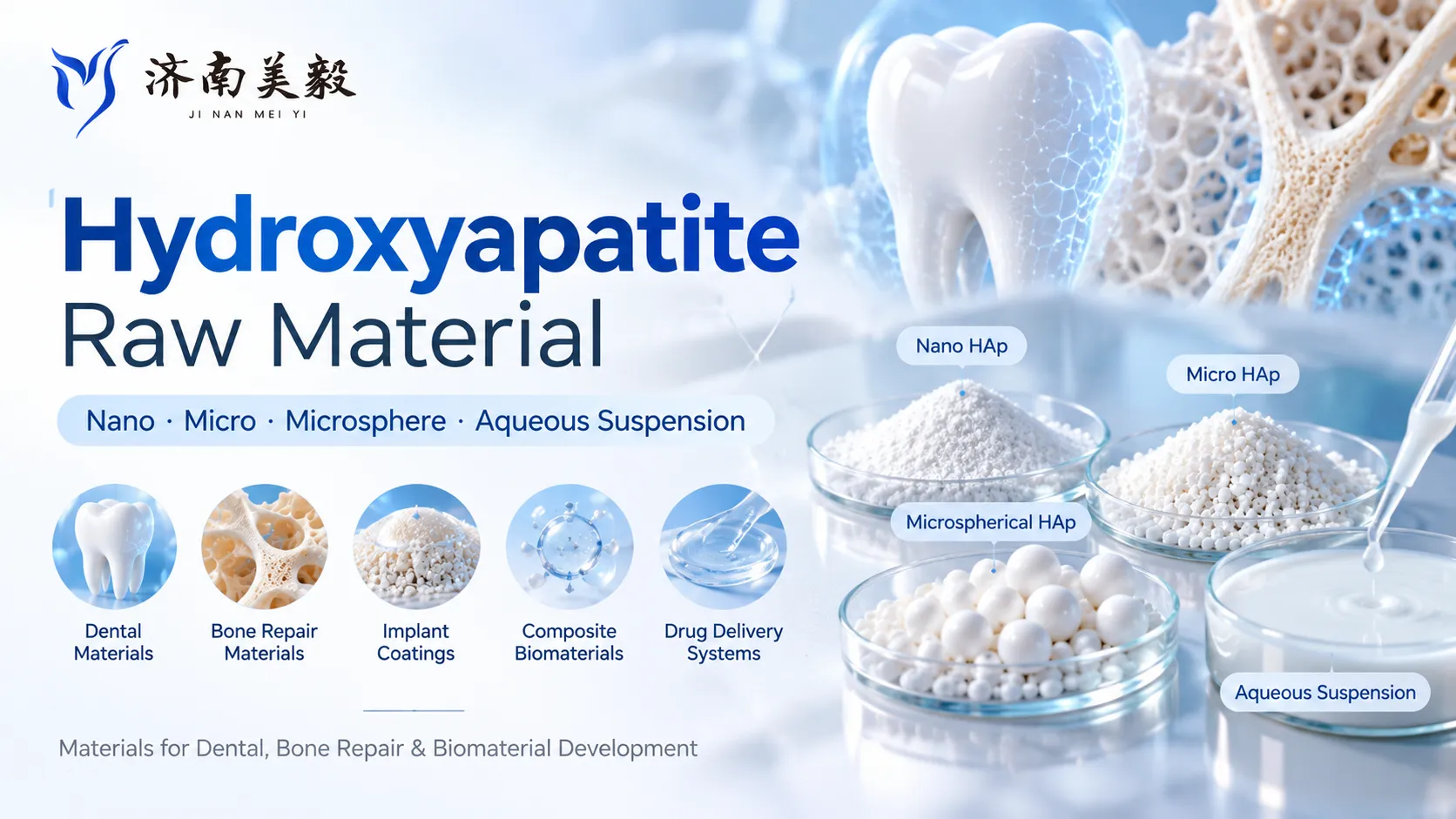
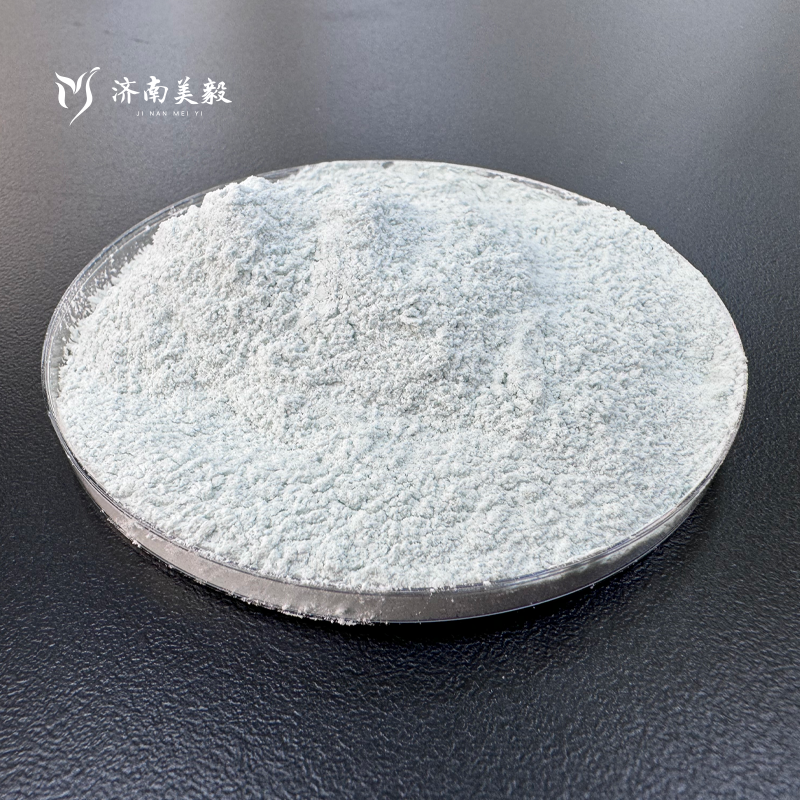
HA comes in various forms, including powders, coatings, composites, and injectable solutions. Hydroxyapatite powder is commonly used in dental pastes and bone graft materials, while composites and coatings are applied to implants to improve integration and durability. Injectable forms are increasingly used in aesthetic medicine for dermal fillers and tissue scaffolding.
Bioactive Properties
The bioactivity of hydroxyapatite is what truly sets it apart. It is osteoconductive, meaning it encourages the growth of new bone along its surface. It also promotes remineralization of enamel and supports tissue regeneration in soft tissues. Its high biocompatibility ensures minimal risk of irritation or rejection, making it suitable for both dental and dermatological procedures.
Hydroxyapatite in Dentistry
Dental professionals have been among the earliest adopters of HA due to its unmatched benefits for oral health. Here’s how hydroxyapatite is applied in dentistry:
Remineralization of Enamel and Dentin
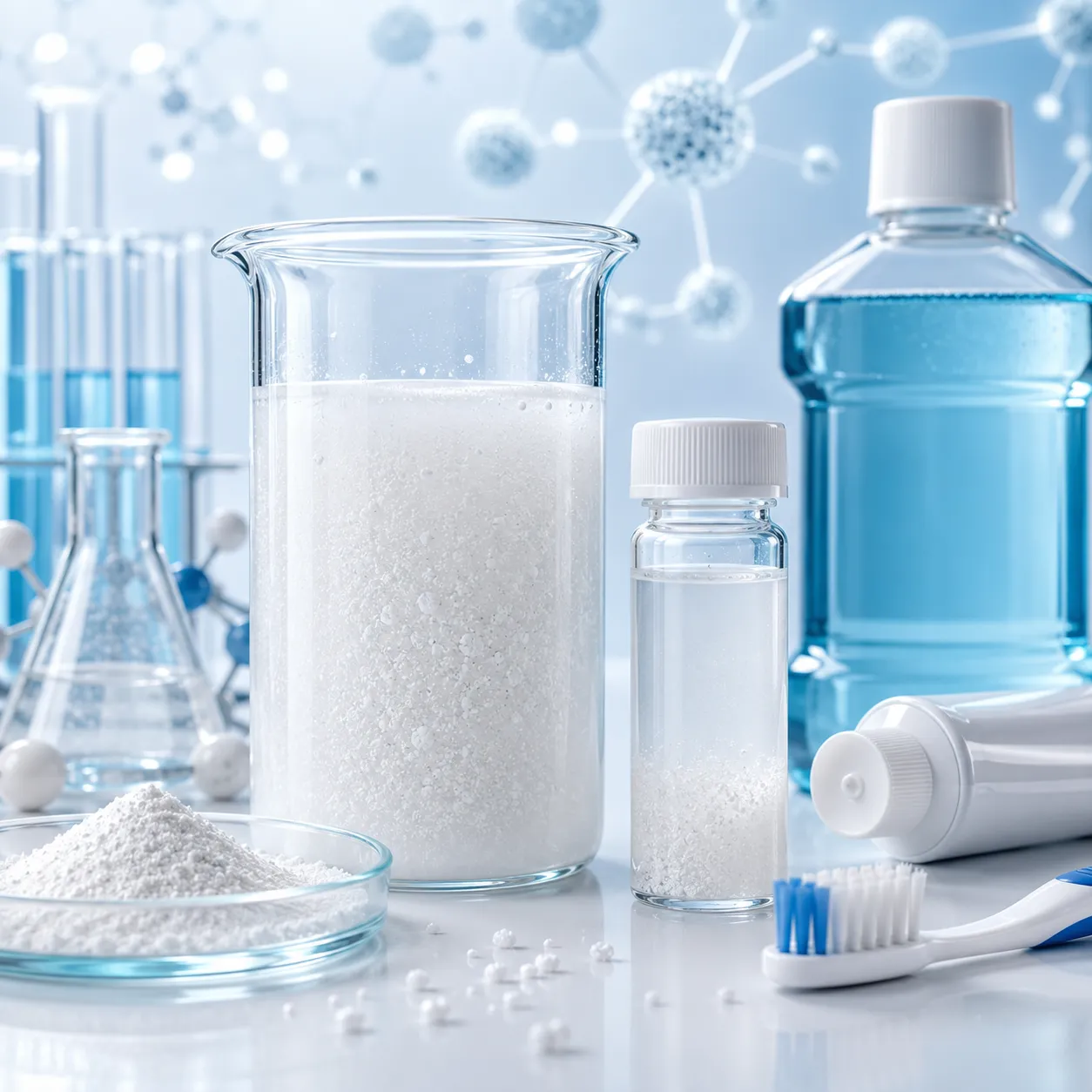
Hydroxyapatite powder is a key ingredient in many toothpastes and dental varnishes. It helps restore mineral content to weakened enamel, reduces sensitivity, and strengthens teeth. Unlike traditional fluoride treatments, HA not only protects but actively rebuilds the tooth structure.
Dental Implants and Bone Grafts
HA coatings on implants improve osseointegration, ensuring implants bond effectively with the jawbone. Bone grafts enriched with HA powder provide a stable scaffold for new bone growth, accelerating recovery and increasing long-term implant success.
Periodontal and Oral Surgery Applications
Hydroxyapatite serves as a critical bone repair material in periodontal surgery. It supports regeneration of alveolar bone, aids in filling defects, and encourages the growth of new tissue following oral surgical procedures.
Comparison Table: HA vs Traditional Materials
| Material | Biocompatibility | Remineralization | Osteoconductivity | Common Use |
|---|---|---|---|---|
| Hydroxyapatite (HA) | High | Excellent | High | Dental implants, grafts |
| Calcium Phosphate | Moderate | Moderate | Moderate | Bone fillers |
| Tricalcium Phosphate | Moderate | Low | Moderate | Temporary scaffolds |
Hydroxyapatite in Dermatology and Aesthetic Medicine
HA is not limited to dental applications. Its regenerative properties make it invaluable in dermatology and aesthetic medicine.
Dermal Fillers and Tissue Scaffolds
Injectable hydroxyapatite is widely used as a volumizing agent in dermal fillers. It provides both immediate aesthetic improvement and long-term tissue support, thanks to its biocompatibility and structural similarity to human tissues.
Skin Repair and Wound Healing
Bioactive hydroxyapatite can be integrated into topical and implantable formulations to accelerate wound healing and improve tissue regeneration. It enhances cell proliferation and supports skin recovery after injury or cosmetic procedures.
Emerging Trends
Innovations in HA-based skincare are combining hydroxyapatite with peptides, hyaluronic acid, and other active ingredients to create advanced formulations that repair, hydrate, and protect the skin. These trends highlight HA’s versatility beyond traditional medical uses.
Benefits of Using Hydroxyapatite in Professional Applications
Hydroxyapatite offers multiple benefits for dental and dermatological professionals:
-
Biocompatibility and Safety: HA is well-tolerated by both bone and soft tissues, minimizing the risk of irritation or rejection.
-
Effectiveness in Remineralization and Regeneration: It actively restores tooth enamel, supports bone growth, and encourages tissue healing.
-
Versatility Across Industries: HA is effective in dental care, orthopedic bone repair, dermal fillers, and advanced skincare.
-
Long-Term Durability: Treatments using HA show stable, long-lasting results for both teeth and tissue.
Selecting the Right Hydroxyapatite Product
Choosing the right HA product depends on the intended application:
Powder vs Injectable vs Composite
-
Hydroxyapatite powder: Ideal for dental pastes, bone grafts, and enamel repair.
-
Injectables: Best for aesthetic fillers and tissue scaffolding.
-
Composites and coatings: Used for implants and structural support in bone repair.
Quality Indicators
Professionals should look for particle size, purity, and bioactivity when selecting HA products. High-quality hydroxyapatite ensures optimal integration and clinical results.
Application Considerations
Different applications require different formulations. Dental procedures benefit most from powders and coatings, while dermatological treatments often require injectable forms or bioactive composite matrices.
Real-World Applications and Case Studies
Dental Case Studies
Clinical studies show that HA toothpastes significantly reduce sensitivity and enhance enamel remineralization. Bone grafts enriched with hydroxyapatite have higher success rates in implant procedures and accelerate recovery in periodontal surgery.
Dermatology and Aesthetic Procedures
Injectable HA fillers are now standard in facial aesthetics. Patients experience natural volumizing effects along with tissue regeneration, demonstrating HA’s dual function in cosmetic and therapeutic contexts.
Innovation in Product Development
Research continues to expand HA’s potential. New formulations combine bioactive hydroxyapatite with growth factors, peptides, and other biomaterials, improving outcomes in both dental and dermatological applications.
Conclusion
Hydroxyapatite is a versatile, biocompatible, and highly effective material that has transformed dental and dermatological practice. From enamel remineralization to bone repair and aesthetic enhancement, HA provides professionals with reliable solutions for complex challenges.
As we’ve seen, choosing the right form—whether powder, injectable, or composite—ensures optimal outcomes. For dentists, skincare formulators, and aesthetic medicine specialists, exploring HA-based products can enhance patient care and unlock innovative treatment possibilities.






Please leave us a message.