

Medical Grade 45S5 Bioactive Glass Powder Supplier
2026-09-27
- What is Medical Grade 45S5 Bioactive Glass Powder?
- How Does 45S5 Bioactive Glass Work? The Mechanism of Action
- Key Applications of Medical Grade 45S5 Powder
- Technical Specifications and Quality Standards
- About Jinan Meiyi Biotechnology: Your Strategic Partner in Bioactive Materials
- Why Choose Jinan Meiyi Biotechnology for 45S5 Bioactive Glass?
- Comparison: 45S5 Bioactive Glass vs. Other Bone Graft Materials
- Processing and Handling Guidelines for Manufacturers
- Frequently Asked Questions (FAQ)
- Selection Guide: Choosing the Right 45S5 Grade
- The Future of Bioactive Glass in Regenerative Medicine
- Conclusion and Next Steps
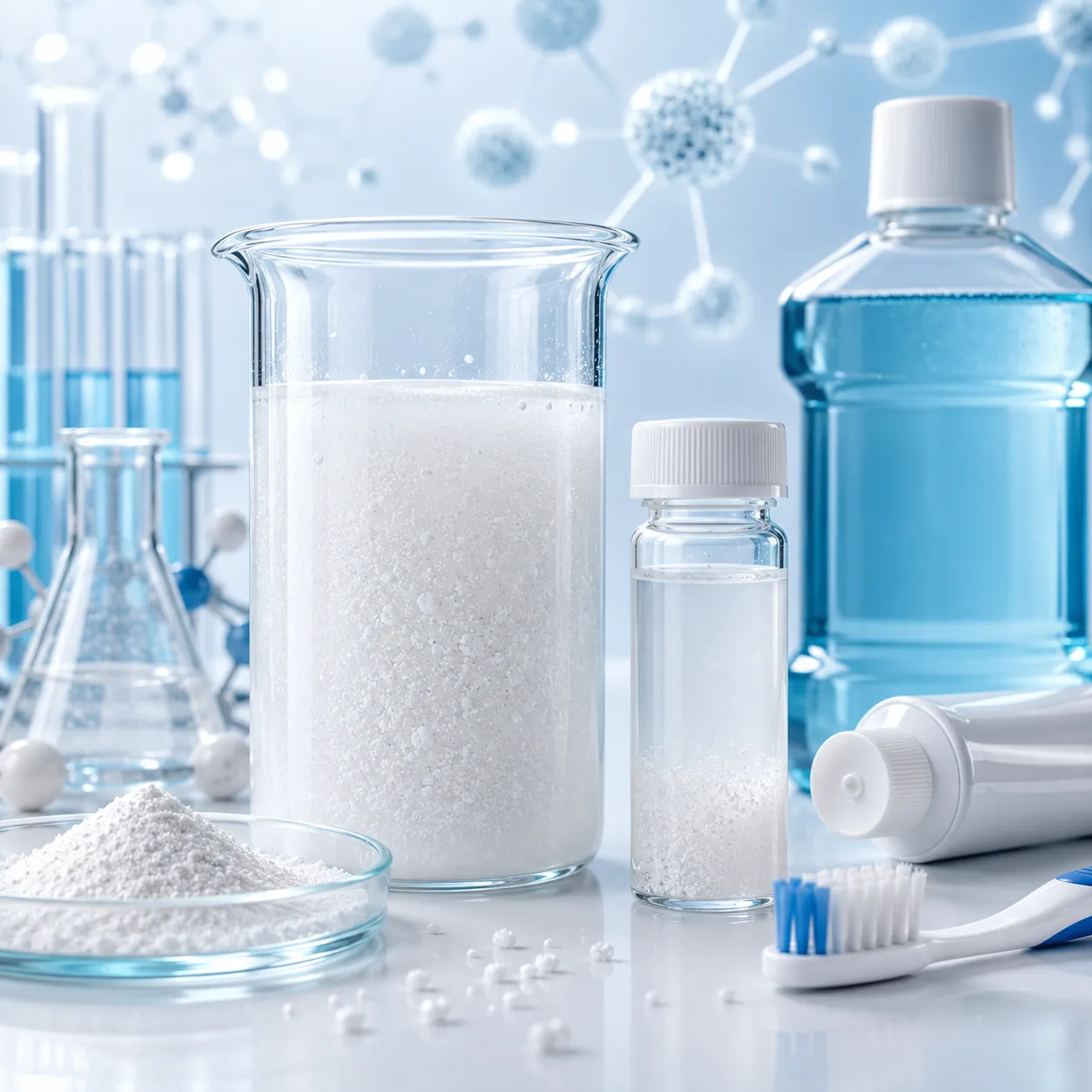
Medical Grade 45S5 Bioactive Glass Powder is a specialized bioceramic material composed of 45% SiO₂, 24.5% Na₂O, 24.5% CaO, and 6% P₂O₅ by weight. Recognized globally for its unique ability to bond with both hard and soft tissues, this powder serves as the foundational raw material for advanced regenerative medicine applications. As a premier supplier, we provide high-purity, strictly controlled 45S5 formulations designed for dental bone grafts, orthopedic implants, and wound care solutions. Our manufacturing processes adhere to rigorous ISO 13485 standards, ensuring consistent particle size distribution, chemical homogeneity, and biological safety. This content details the technical specifications, clinical mechanisms, and procurement considerations for sourcing premium 45S5 bioactive glass in 2026.
What is Medical Grade 45S5 Bioactive Glass Powder?
45S5 Bioactive Glass, originally developed by Professor Larry Hench at the University of Florida, represents the first generation of bioactive materials. The designation “45S5” refers to its specific composition: 45 weight percent silica (SiO₂) and a 5:1 molar ratio of calcium to phosphorus. Unlike inert biomaterials such as titanium or alumina, which merely exist within the body without interacting, 45S5 is bioactive. It initiates a cascade of biological responses that result in the formation of a hydroxyapatite layer on its surface, facilitating direct chemical bonding with living bone tissue.
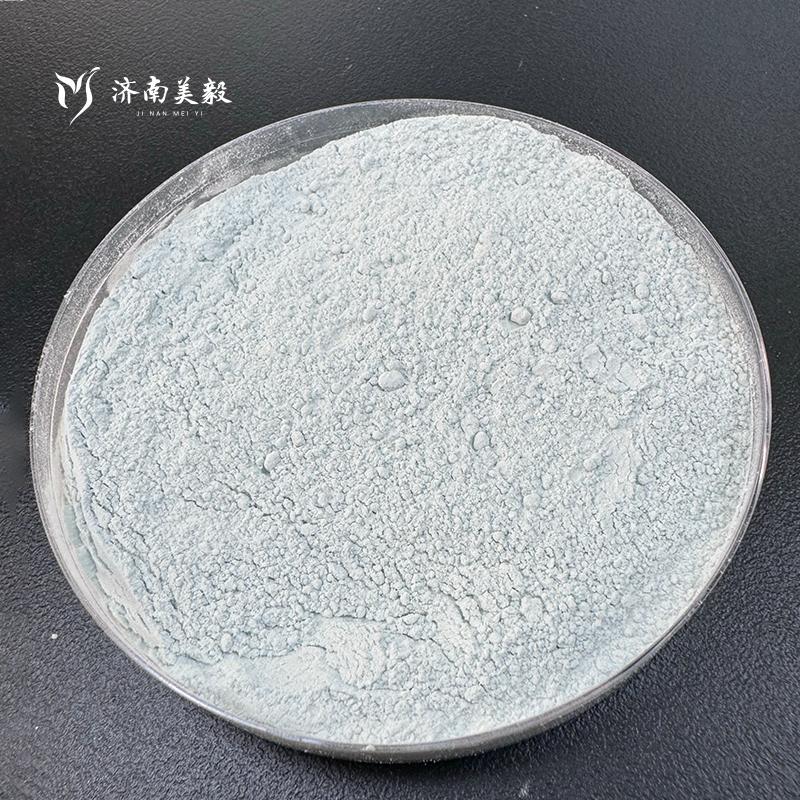
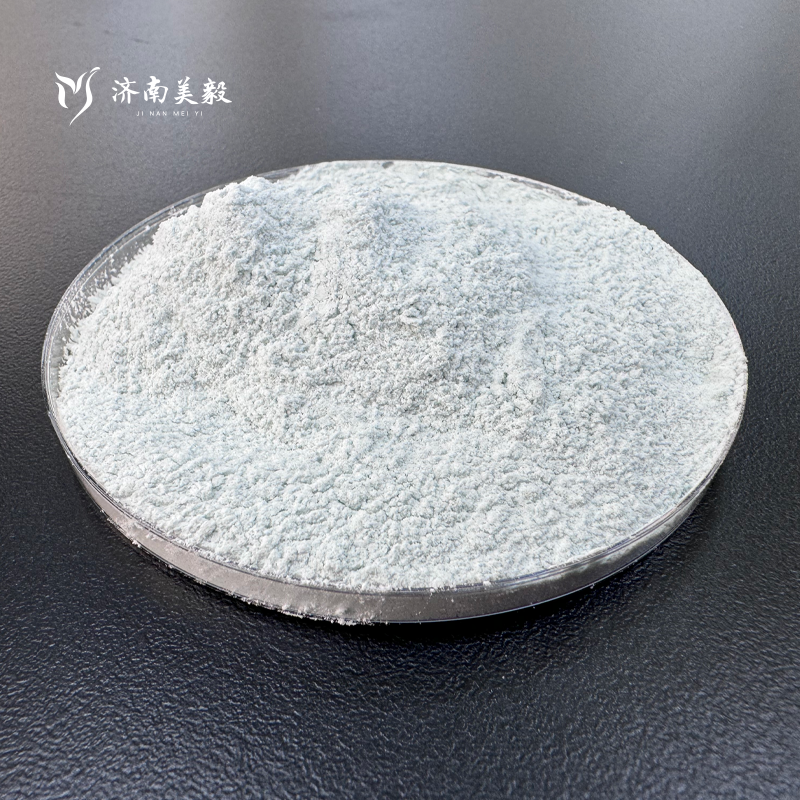
In its powder form, 45S5 is highly versatile. The particle size and morphology can be engineered to suit specific clinical needs, ranging from injectable pastes for minimally invasive procedures to porous scaffolds for large bone defect regeneration. For medical device manufacturers and research institutions, the quality of the raw powder is critical. Impurities, inconsistent particle sizes, or deviations in chemical stoichiometry can significantly alter the degradation rate and bioactivity, potentially compromising clinical outcomes.
The Unique Composition of 45S5
The efficacy of 45S5 lies in its precise chemical balance. The high silica content provides the structural network, while the sodium and calcium ions are released rapidly upon contact with physiological fluids. This ion release triggers upregulation of osteogenic genes in surrounding cells. The phosphorus component ensures that the resulting surface layer is chemically similar to natural bone mineral.
- Silica (SiO₂): Forms the glass network; controls dissolution rate.
- Sodium Oxide (Na₂O): Enhances bioactivity by increasing pH locally, stimulating cell proliferation.
- Calcium Oxide (CaO): Essential for hydroxyapatite formation and bone bonding.
- Phosphorus Pentoxide (P₂O₅): Provides phosphate ions necessary for mineralization.
Our supply chain guarantees that every batch of Medical Grade 45S5 Bioactive Glass Powder meets these exact stoichiometric requirements, verified through Inductively Coupled Plasma Optical Emission Spectrometry (ICP-OES).
How Does 45S5 Bioactive Glass Work? The Mechanism of Action
Understanding the mechanism of action is essential for engineers and clinicians selecting materials for implant development. The bioactivity of 45S5 occurs in a series of well-documented stages when exposed to body fluids. This process transforms the glass surface into a biologically active interface that supports tissue regeneration.
Stage 1: Ion Exchange and Hydrolysis
Upon implantation, sodium (Na⁺) and calcium (Ca²⁺) ions from the glass exchange with hydrogen ions (H⁺) from the surrounding physiological fluid. This rapid exchange leads to the formation of silanol (Si-OH) groups on the glass surface. Simultaneously, the local pH increases slightly, which has been shown to have antibacterial effects and stimulates osteoblast activity.
Stage 2: Silica Network Dissolution
The loss of modifier ions destabilizes the silica network. Soluble silica is released into the surrounding fluid, while the remaining silica-rich layer undergoes polycondensation. This step is critical for creating a porous, hydrated silica gel layer on the surface of the powder particles.
Stage 3: Precipitation of Amorphous Calcium Phosphate
Calcium and phosphate ions from the glass and the surrounding fluid migrate to the surface of the silica gel layer. They precipitate to form an amorphous calcium phosphate (ACP) film. This layer acts as a template for further mineralization.
Stage 4: Crystallization into Hydroxyapatite
Over time, the amorphous calcium phosphate layer crystallizes into hydroxyapatite (HA). This HA layer is chemically and structurally equivalent to the mineral phase of natural bone. Once formed, it allows for the adsorption of proteins and the attachment of osteoprogenitor cells, leading to direct bone bonding without fibrous encapsulation.
This four-stage process typically begins within minutes of exposure to bodily fluids and results in strong bone bonding within days to weeks, depending on the particle size and application environment. For suppliers of Medical Grade 45S5 Bioactive Glass Powder, controlling the rate of these stages through particle size engineering is a key value proposition.
Key Applications of Medical Grade 45S5 Powder
The versatility of 45S5 bioactive glass allows it to be utilized across various medical disciplines. In 2026, the demand for high-performance regenerative materials continues to grow, driven by an aging population and advancements in minimally invasive surgeries. Below are the primary sectors utilizing our premium 45S5 powder.
Dental and Maxillofacial Reconstruction
In dentistry, 45S5 bioactive glass is widely used for alveolar ridge preservation, sinus lifts, and periodontal defect repair. The powder can be mixed with patient blood or saline to form a putty that is easily packed into extraction sockets or bone defects. Its ability to stimulate rapid bone formation reduces healing time and improves the success rate of dental implants.
- Periodontal Regeneration: Fills bone loss around teeth caused by gum disease.
- Socket Preservation: Prevents bone collapse after tooth extraction.
- Endodontics: Used in root canal treatments to promote periapical healing.
Orthopedics and Spinal Fusion
Orthopedic surgeons utilize 45S5 granules and powders for filling bone voids resulting from trauma, tumor resection, or spinal fusion procedures. When combined with polymers like polylactic acid (PLA) or polyglycolic acid (PGA), 45S5 powder enhances the mechanical strength and bioactivity of composite scaffolds. These composites provide temporary structural support while promoting new bone growth, eventually resorbing as the natural bone takes over load-bearing functions.
Wound Care and Soft Tissue Healing
Recent advancements have highlighted the efficacy of 45S5 in soft tissue regeneration. The ionic dissolution products from the glass stimulate fibroblasts and endothelial cells, accelerating wound closure. Bioactive glass fibers and powders are incorporated into dressings for chronic wounds, such as diabetic foot ulcers and venous leg ulcers. The antibacterial properties derived from the localized pH increase help prevent infection, a common complication in chronic wound management.
Drug Delivery Systems
The porous structure of 45S5 bioactive glass makes it an excellent carrier for therapeutic agents. Antibiotics, growth factors, or anti-inflammatory drugs can be loaded onto the surface or into the pores of the glass powder. As the glass dissolves, it releases these agents in a controlled manner, providing localized treatment while simultaneously promoting tissue regeneration. This dual functionality is particularly valuable in treating infected bone defects (osteomyelitis).
Technical Specifications and Quality Standards
For B2B buyers and medical device manufacturers, consistency and purity are non-negotiable. Our Medical Grade 45S5 Bioactive Glass Powder is sourced and distributed under strict quality control protocols to ensure compliance with international medical standards. Below are the typical technical parameters provided with each batch.
| Parameter | Specification | Test Method |
|---|---|---|
| Chemical Composition | 45% SiO₂, 24.5% Na₂O, 24.5% CaO, 6% P₂O₅ | ICP-OES / XRF |
| Particle Size Distribution (D50) | Customizable: 10-45 µm, 45-90 µm, 90-150 µm, etc. | Laser Diffraction |
| Crystallinity | 100% Amorphous (Glassy Phase) | X-Ray Diffraction (XRD) |
| Heavy Metals (Pb, As, Cd) | < 1 ppm each | ICP-MS |
| Endotoxin Level | < 0.5 EU/ml | LAL Test |
| Sterility | Sterile or Non-Sterile (upon request) | USP <71> |
| Moisture Content | < 0.5% | Thermogravimetric Analysis |
Importance of Particle Size Control
Particle size significantly influences the biological performance of 45S5. Smaller particles have a higher surface-area-to-volume ratio, leading to faster ion release and quicker formation of the hydroxyapatite layer. However, extremely fine particles may degrade too rapidly for certain load-bearing applications. Conversely, larger particles provide longer-term structural support but react more slowly.
We offer precise grading services to match your specific application requirements. Whether you need micron-sized powder for injectable formulations or granular forms for packing bone voids, our processing capabilities ensure tight particle size distributions with minimal fines or outliers.
Purity and Contaminant Control
Medical-grade materials must be free from toxic contaminants. Our production partners utilize high-purity raw materials and closed-loop processing systems to prevent cross-contamination. Each batch undergoes rigorous testing for heavy metals, microbial limits, and endotoxins. Certificates of Analysis (CoA) are provided with every shipment, detailing the results of these tests to ensure full traceability and regulatory compliance.
About Jinan Meiyi Biotechnology: Your Strategic Partner in Bioactive Materials
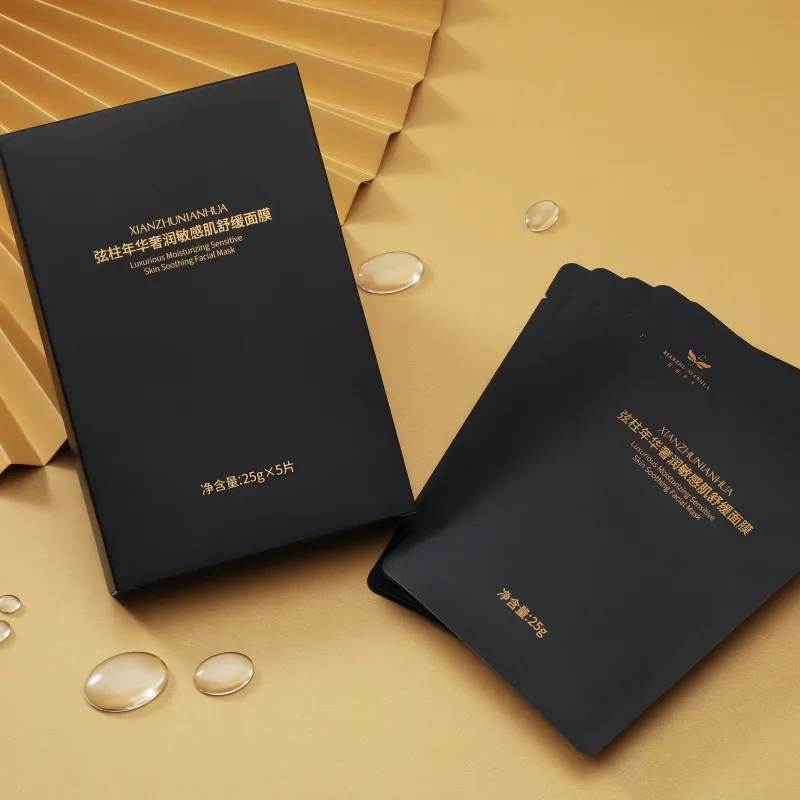
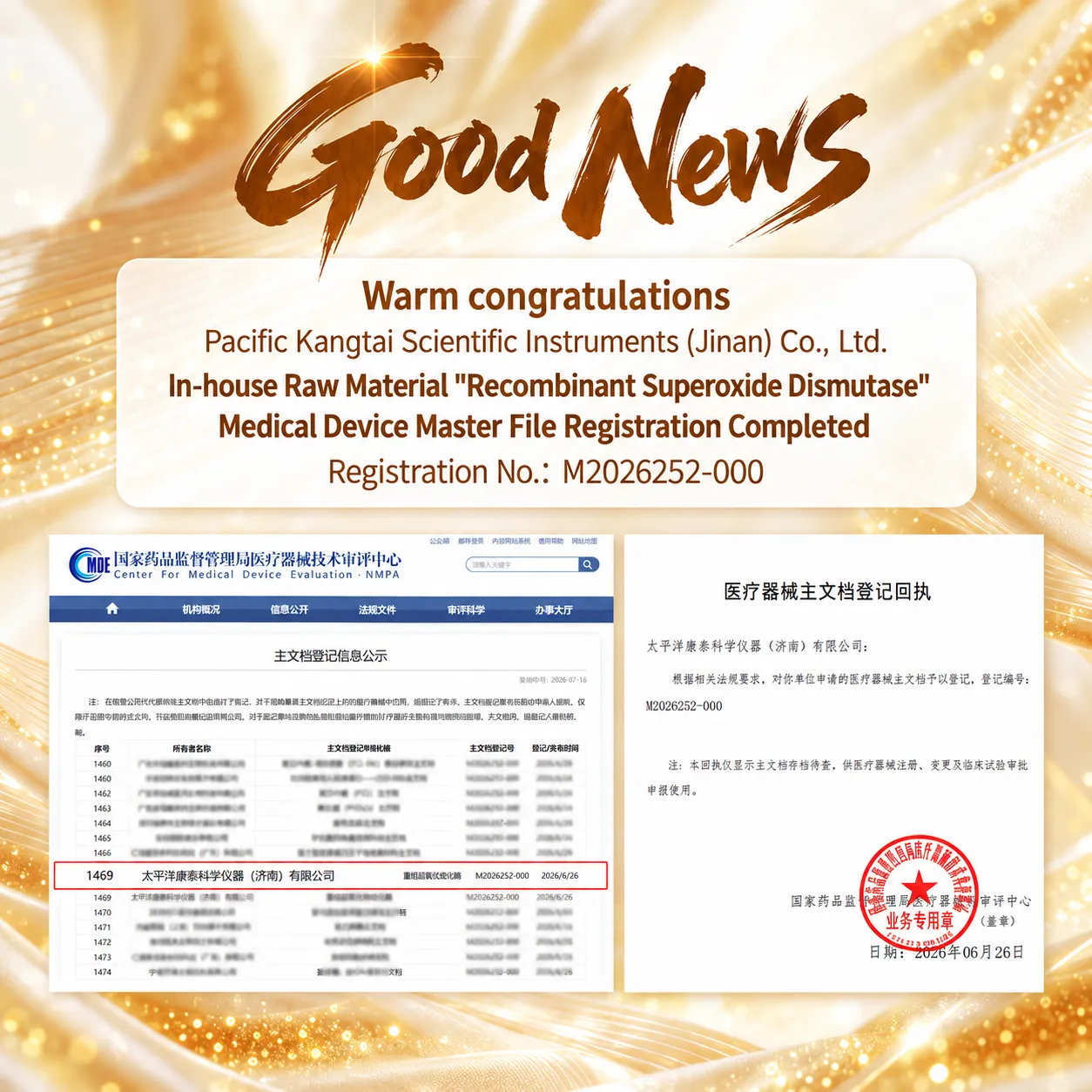
In the complex landscape of biomaterials procurement, reliability and scientific integrity are paramount. Jinan Meiyi Biotechnology Co., Ltd., headquartered in Jinan, Shandong Province, China, serves as a trusted bridge between upstream innovation and downstream application. As a subsidiary of Pacific Kangtai Scientific Instruments (Jinan) Co., Ltd., we specialize in the research, development support, and commercialization of bioactive technologies, with a strong emphasis on applications in both the medical aesthetics and regenerative medicine industries.
Unlike traditional manufacturers, Jinan Meiyi Biotechnology operates as a strategic sourcing and quality-assured distribution partner. We do not engage in direct manufacturing; instead, we leverage a robust global supply chain network to partner with internationally recognized, ISO-certified manufacturers. This model allows us to curate a portfolio of high-performance raw materials, including our premium Medical Grade 45S5 Bioactive Glass Powder, ensuring that every product meets rigorous efficacy data, stability profiles, and compatibility standards.
Our core strength lies in our disciplined curation methodology and comprehensive quality assurance framework. Every raw material in our portfolio undergoes extensive evaluation prior inclusion, focusing on:
- Supplier Qualification: Long-term cooperative relationships with certified manufacturers adhering to international quality management systems.
- Documentation Traceability: Full technical dossiers, including Certificates of Analysis (CoA), Material Safety Data Sheets (MSDS), and regulatory status summaries.
- Logistics Integrity: Strict control over storage conditions and shipping protocols to maintain product integrity from origin to end-user.
Serving clients across Asia, Europe, and North America, we support R&D laboratories, Contract Development and Manufacturing Organizations (CDMOs), and aesthetic clinics. Our service philosophy is rooted in partnership rather than transaction—offering technical consultation, regulatory intelligence sharing, and collaborative problem-solving to help our clients reduce sourcing complexity while maintaining full confidence in material consistency.
Why Choose Jinan Meiyi Biotechnology for 45S5 Bioactive Glass?
In the competitive landscape of biomaterials supply, our unique operational model distinguishes us as a partner dedicated to your success. Here is why leading medical device companies and research institutions choose Jinan Meiyi Biotechnology as their source for high-quality 45S5 powder.
1. Consistent Batch-to-Batch Reproducibility
Regulatory approval for medical devices requires consistent raw material quality. Variations in raw materials can necessitate costly re-validation of manufacturing processes. By partnering with advanced melting and milling technologies through our vetted supply chain, we ensure that every batch of 45S5 powder exhibits identical chemical and physical properties. This reproducibility minimizes risk for our clients and accelerates their product development cycles.
2. Customization Capabilities
We understand that one size does not fit all. Beyond standard grades, we offer customization services including:
- Tailored Particle Sizes: Specific distributions for injection, printing, or compounding.
- Surface Modification: Functionalization with organic molecules for enhanced drug loading.
- Composite Preparation: Pre-mixing with polymers or other ceramics to create ready-to-use blends.
3. Regulatory Support and Documentation
Navigating the regulatory landscape for medical devices is complex. We provide comprehensive documentation packages, including Detailed Technical Files, Material Safety Data Sheets (MSDS), and Biocompatibility Test Reports (ISO 10993 series). Our team is experienced in supporting clients with FDA 510(k) submissions and CE Marking processes, providing the necessary data to demonstrate the safety and efficacy of the raw material.
4. Scalable Supply Chain Capacity
From small-scale R&D quantities to large-scale commercial production, our established logistics network is equipped to handle diverse volume requirements. We maintain strategic stock levels of standard grades to ensure quick turnaround times for urgent orders, while our flexible manufacturing partnerships allow for efficient scaling up as your product moves from clinical trials to market launch.
Comparison: 45S5 Bioactive Glass vs. Other Bone Graft Materials
Selecting the right biomaterial depends on the specific clinical requirements. Below is a comparative analysis of 45S5 Bioactive Glass against other common bone graft substitutes. This table helps procurement managers and R&D teams understand the distinct advantages of 45S5.
| Feature | 45S5 Bioactive Glass | Hydroxyapatite (HA) | Beta-Tricalcium Phosphate (β-TCP) | Autograft (Patient’s Own Bone) |
|---|---|---|---|---|
| Bioactivity | High (Bonding to bone & soft tissue) | Moderate (Osteoconductive only) | Moderate (Osteoconductive only) | Highest (Osteogenic, Osteoinductive, Osteoconductive) |
| Degradation Rate | Controlled, tunable via particle size | Very Slow (Years) | Fast (Months) | Remodels naturally |
| Mechanical Strength | Moderate (Brittle in bulk) | High (Compressive) | Low | Variable |
| Antibacterial Properties | Yes (via pH elevation) | No | No | No |
| Availability | Unlimited (Synthetic) | Unlimited (Synthetic) | Unlimited (Synthetic) | Limited (Donor site morbidity) |
| Cost | Moderate | Low to Moderate | Moderate | High (Surgical costs) |
As illustrated, Medical Grade 45S5 Bioactive Glass Powder offers a unique combination of bioactivity, antibacterial properties, and unlimited availability. While autografts remain the gold standard for biological potential, their use is limited by donor site pain and finite supply. 45S5 serves as an superior synthetic alternative, particularly in cases where infection risk is a concern or soft tissue integration is required.
Processing and Handling Guidelines for Manufacturers
Proper handling and processing of 45S5 powder are crucial to maintaining its bioactivity and ensuring worker safety. As a hygroscopic material, 45S5 can absorb moisture from the air, which may initiate premature surface reactions. Therefore, appropriate storage and processing conditions are essential.
Storage Recommendations
Store the powder in a cool, dry place, ideally in airtight containers with desiccants. Exposure to high humidity should be minimized. If the powder is intended for long-term storage, vacuum sealing is recommended. Always check the expiration date and inspect the packaging for integrity before use.
Processing Environment
Manufacturing environments should maintain controlled humidity levels (preferably below 40% RH). When mixing 45S5 with polymers or solvents, ensure that the mixing time is optimized to prevent excessive degradation of the glass particles during processing. For extrusion or injection molding processes, temperature controls must be carefully managed to avoid crystallization of the glass, which would reduce its bioactivity.
Safety Precautions
Although 45S5 is biocompatible, fine powders can pose respiratory hazards if inhaled in large quantities. Personnel handling the powder should wear appropriate personal protective equipment (PPE), including N95 masks, gloves, and safety goggles. Dust extraction systems should be employed in processing areas to maintain air quality.
Frequently Asked Questions (FAQ)
To assist procurement officers, engineers, and researchers, we have compiled answers to the most common questions regarding our Medical Grade 45S5 Bioactive Glass Powder.
Is 45S5 Bioactive Glass FDA approved?
45S5 Bioactive Glass is a well-established material with a long history of clinical use. Many medical devices containing 45S5 have received FDA 510(k) clearance for specific indications, such as bone void fillers and dental applications. As a raw material supplier, we provide the necessary documentation and test data to support your regulatory submissions. However, final device approval depends on the specific formulation and intended use of your product.
What is the shelf life of the powder?
When stored in original, unopened packaging under recommended conditions (cool, dry environment), the shelf life of our 45S5 powder is typically 24 to 36 months. We recommend performing quality checks on older stocks before use in critical manufacturing processes to ensure no significant moisture uptake has occurred.
Can 45S5 be sterilized?
Yes, 45S5 bioactive glass can be sterilized. Common methods include gamma irradiation and ethylene oxide (EtO) gas sterilization. Autoclaving (steam sterilization) is generally not recommended for fine powders as it can cause agglomeration and premature surface reaction due to high heat and moisture. We offer sterile-packaged options for clients who require ready-to-use materials.
How does particle size affect bioactivity?
Smaller particle sizes increase the surface area available for reaction, leading to faster ion release and quicker formation of the hydroxyapatite layer. This is beneficial for applications requiring rapid bonding, such as wound healing. Larger particles degrade more slowly and provide longer-term structural support, making them suitable for bone void filling where mechanical stability is needed during the initial healing phase.
Do you provide custom synthesis services?
Yes, through our R&D partnerships, we offer custom synthesis and processing services. If your application requires a specific variation of the 45S5 composition, such as doping with therapeutic ions (e.g., strontium, zinc, or silver), our technical team can coordinate the development and scale-up of these customized formulations. Contact our technical sales team to discuss your specific requirements.
What certifications do you hold?
Our supply chain partners’ manufacturing facilities are ISO 13485 certified, demonstrating commitment to quality management systems for medical devices. We also comply with ISO 9001 standards for general quality management. All products are manufactured in accordance with Good Manufacturing Practices (GMP) relevant to biomaterials, and we provide full traceability documentation.
Selection Guide: Choosing the Right 45S5 Grade
Selecting the appropriate grade of Medical Grade 45S5 Bioactive Glass Powder involves balancing bioactivity, degradation rate, and mechanical requirements. Use the following guide to determine the best option for your application.
- For Injectable Pastes: Choose fine powders (D50 < 20 µm). These particles suspend well in carriers and react quickly to form a cohesive mass in situ.
- For Bone Void Fillers: Select granular ranges (45-150 µm). This size provides adequate porosity for vascular ingrowth while maintaining structural integrity during the healing process.
- For Composite Scaffolds: Medium-sized particles (20-45 µm) are often ideal. They distribute evenly within polymer matrices without compromising the mechanical properties of the composite.
- For Wound Dressings: Micro-fine powders or fibers are preferred to maximize surface contact with the wound bed and enhance antibacterial effects.
Our technical team is available to assist you in selecting the optimal particle size distribution and packaging format for your specific manufacturing process. We can provide samples for preliminary testing to ensure compatibility with your formulation.
The Future of Bioactive Glass in Regenerative Medicine
As we progress through 2026, the field of regenerative medicine continues to evolve. Research into 45S5 bioactive glass is expanding beyond traditional bone repair into areas such as nerve regeneration, cartilage repair, and even cancer therapy. The ability of 45S5 to release therapeutic ions and stimulate specific cellular responses opens up new possibilities for multifunctional biomaterials.
Emerging trends include the development of 3D-printed scaffolds using 45S5-infused bioinks, allowing for patient-specific implant designs. Additionally, the integration of 45S5 with smart materials that respond to environmental stimuli is gaining traction. By partnering with a supplier like Jinan Meiyi Biotechnology that stays at the forefront of these developments, you ensure access to the latest innovations and highest quality materials.
Conclusion and Next Steps
Medical Grade 45S5 Bioactive Glass Powder remains a cornerstone material in modern regenerative medicine. Its proven ability to bond with bone and soft tissue, combined with its antibacterial properties and unlimited availability, makes it an indispensable resource for developing next-generation medical devices. Whether you are creating dental grafts, orthopedic implants, or advanced wound care products, the quality of your raw material directly impacts the success of your final product.
Jinan Meiyi Biotechnology is committed to providing you with high-purity, consistent, and compliant 45S5 powder, supported by expert technical assistance and comprehensive regulatory documentation. Our goal is to be your reliable partner in bringing innovative healthcare solutions to market.
Ready to Source Premium 45S5 Bioactive Glass?
If you are looking for a trusted supplier of Medical Grade 45S5 Bioactive Glass Powder, contact us today. Our team is ready to discuss your specific requirements, provide custom quotes, and send samples for evaluation.
- Request a Quote: Get competitive pricing for bulk and R&D quantities.
- Technical Consultation: Speak with our materials scientists about your application.
- Sample Request: Evaluate our quality before committing to large orders.
Visit our product catalog to explore our full range of bioactive materials and ceramic solutions. Let us help you accelerate your product development and achieve superior clinical outcomes.





Please leave us a message.