

Salmon PDRN vs Plant PDRN: Key Differences for Cosmetic Manufacturers
2026-03-10
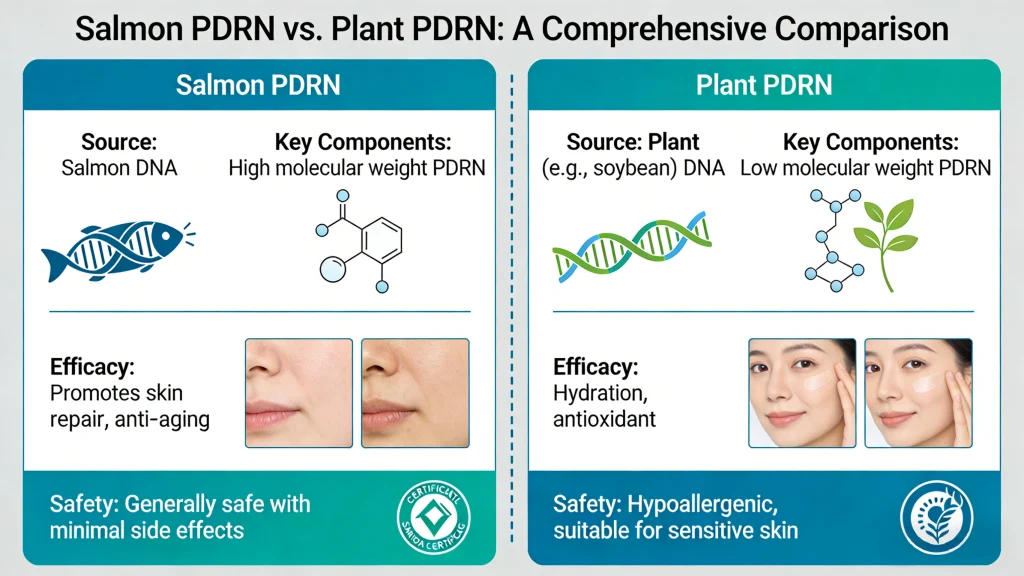
comparison of salmon PDRN and plant derived DNA ingredients
Introduction: The Growing Demand for PDRN in Skincare
In recent years, polydeoxyribonucleotide (PDRN) has become one of the most talked-about ingredients in regenerative skincare and medical aesthetics. Originally developed for tissue repair and wound healing, PDRN is now widely used in advanced skincare formulations designed to support skin regeneration, anti-aging, and post-treatment recovery.
As demand continues to grow, cosmetic brands and formulators are increasingly exploring different sources of PDRN. Traditionally, salmon-derived PDRN has been considered the industry standard due to its strong clinical background and biological compatibility.
However, a growing number of cosmetic products now promote plant-derived PDRN or plant DNA ingredients as alternatives.
This has raised important questions among cosmetic manufacturers, formulators, and procurement teams:
-
What is the difference between salmon PDRN and plant PDRN?
-
Are plant-derived DNA ingredients equivalent to salmon-derived PDRN?
-
Which option is more suitable for professional skincare formulations?
Understanding these differences is essential for brands looking to develop high-performance products or source reliable PDRN raw materials.
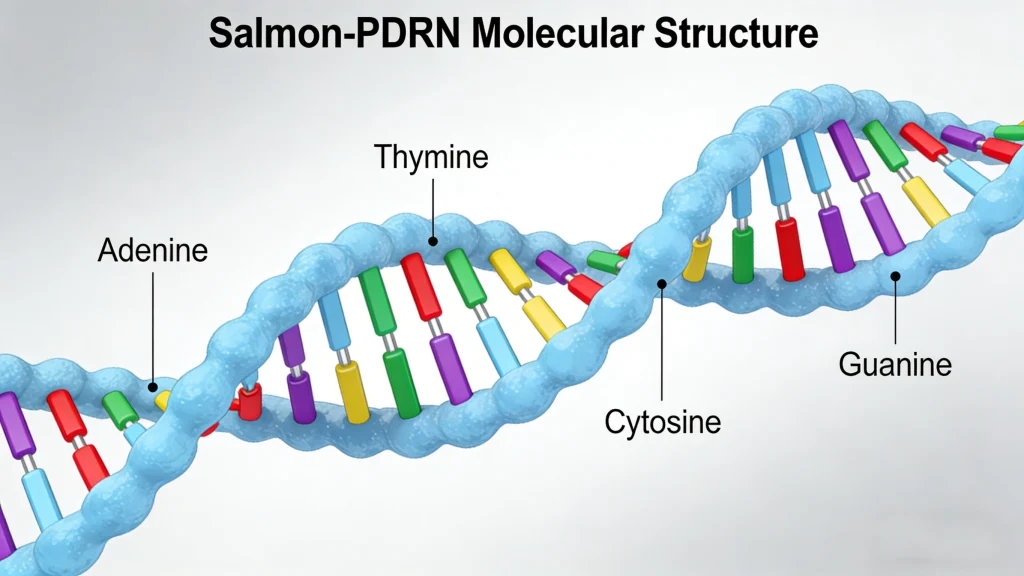
salmon derived PDRN molecular fragments for skin regeneration
What Is Salmon-Derived PDRN?
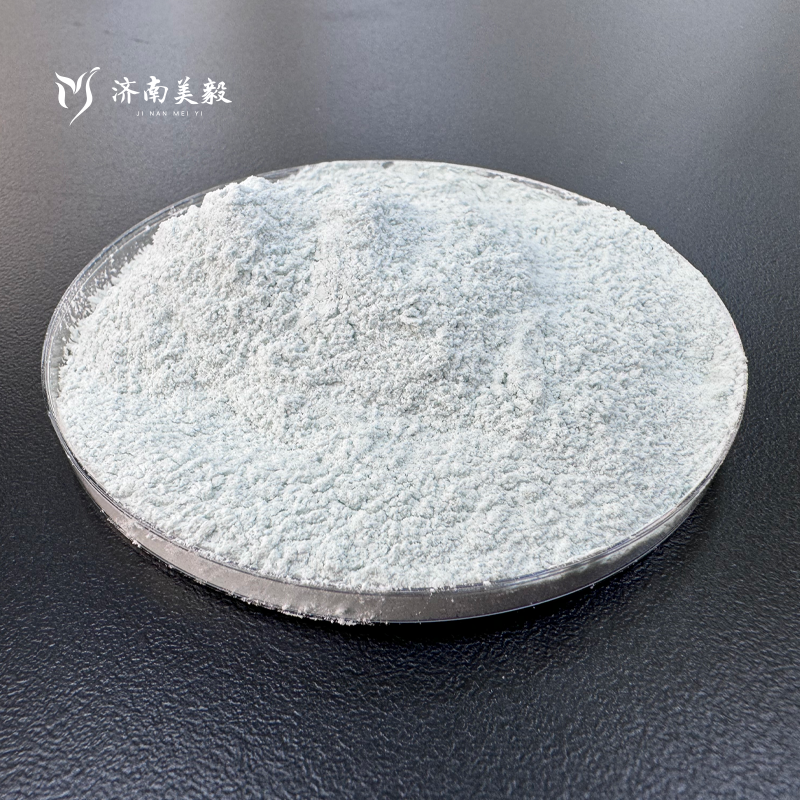
Salmon-derived PDRN is obtained from purified DNA extracted from salmon sperm through a specialized enzymatic processing and purification procedure.
During production, long DNA chains are fragmented into controlled molecular sizes, typically ranging from 50 kDa to 1500 kDa, forming polydeoxyribonucleotide fragments that can interact with cellular repair pathways.
One of the key reasons salmon DNA is widely used is its high structural similarity to human DNA, which allows it to be well tolerated by human tissues.
Key characteristics of salmon PDRN include:
-
High purity through advanced purification processes
-
Controlled DNA fragment size distribution
-
Excellent biocompatibility with human cells
-
Extensive research in regenerative medicine
Salmon-derived PDRN has been widely applied in:
-
aesthetic skin boosters
-
regenerative dermatology treatments
-
wound healing therapies
-
advanced skincare formulations
Because of these characteristics, salmon PDRN remains one of the most widely studied regenerative ingredients in the aesthetic medicine industry.
What Is Plant-Derived PDRN?
In the cosmetics market, the term plant PDRN is often used to describe DNA fragments extracted from botanical sources. These sources may include:
-
rice DNA
-
wheat germ DNA
-
ginseng extracts
-
other plant-based nucleic acid sources
However, in many cases these ingredients are technically plant-derived DNA fragments or nucleotides, rather than the same polydeoxyribonucleotide structures used in medical-grade PDRN products.
Plant DNA ingredients are primarily used as cosmetic actives that may offer certain benefits such as hydration, antioxidant activity, or mild skin conditioning effects.
Typical characteristics of plant DNA ingredients include:
-
botanical origin suitable for plant-based marketing
-
relatively simple extraction processes
-
variable molecular fragment sizes
-
limited clinical research in regenerative medicine
For this reason, plant DNA ingredients are generally positioned as cosmetic functional ingredients, rather than regenerative compounds comparable to salmon-derived PDRN.
Salmon PDRN vs Plant PDRN: Scientific Comparison
When comparing salmon PDRN and plant-derived DNA ingredients, several important differences become apparent.
| Feature | Salmon PDRN | Plant DNA Ingredients |
|---|---|---|
| Source | Salmon sperm DNA | Botanical sources such as rice or ginseng |
| Molecular structure | Highly similar to human DNA | Structurally different from human DNA |
| Purification process | Advanced multi-step purification | Simpler extraction methods |
| Clinical evidence | Extensive research in regenerative medicine | Limited clinical studies |
| Typical applications | Medical aesthetics, skin regeneration | Cosmetic skincare formulations |
The most significant difference lies in biological compatibility and clinical validation.
Salmon-derived PDRN has been studied for its role in supporting cellular repair and tissue regeneration, while plant DNA ingredients are typically used for more general cosmetic benefits.
Why Salmon PDRN Is Widely Used in Medical Aesthetics
In aesthetic medicine and professional dermatology, salmon-derived PDRN has gained strong recognition as a regenerative compound.
Several biological mechanisms are associated with its activity, including the stimulation of cellular repair processes and support for tissue recovery.
Because of these properties, salmon PDRN has been widely used in treatments aimed at:
-
improving skin regeneration
-
supporting wound healing
-
reducing inflammation
-
enhancing skin recovery after aesthetic procedures
The ingredient has also gained popularity in skin booster formulations, where it is used to promote healthier skin structure and appearance.
For this reason, many dermatology clinics and aesthetic medicine practitioners prefer high-purity salmon PDRN when developing regenerative skincare treatments.
When Do Cosmetic Brands Use Plant DNA Ingredients?
Although salmon PDRN is widely recognized in regenerative skincare, plant DNA ingredients also have their place in cosmetic formulations.
Many brands choose plant-derived DNA ingredients when developing products positioned as:
-
vegan skincare
-
plant-based cosmetic formulations
-
natural beauty products
In addition, plant DNA ingredients may be used in entry-level skincare products that focus on hydration, antioxidant protection, or general skin conditioning.
However, when it comes to advanced regenerative skincare or professional aesthetic products, salmon-derived PDRN is often considered the more reliable option due to its stronger scientific background.
How Cosmetic Manufacturers Choose the Right PDRN Supplier
For cosmetic manufacturers and formulation teams, selecting the right PDRN raw material supplier is a critical step in product development.
Several key factors should be evaluated when sourcing cosmetic-grade PDRN.
Purity and Quality Control
High-quality PDRN should undergo rigorous purification to remove proteins, contaminants, and unwanted biological components.
Molecular Size Distribution
Controlled DNA fragment size is important for maintaining product consistency and predictable formulation performance.
Manufacturing Standards
Professional suppliers typically produce PDRN in facilities that follow strict manufacturing standards, such as GMP production environments.
Regulatory Documentation
Cosmetic manufacturers should also ensure that suppliers can provide necessary documentation, such as:
-
certificates of analysis (COA)
-
safety data sheets (SDS)
-
technical specifications
These documents are important for product registration and international market compliance.
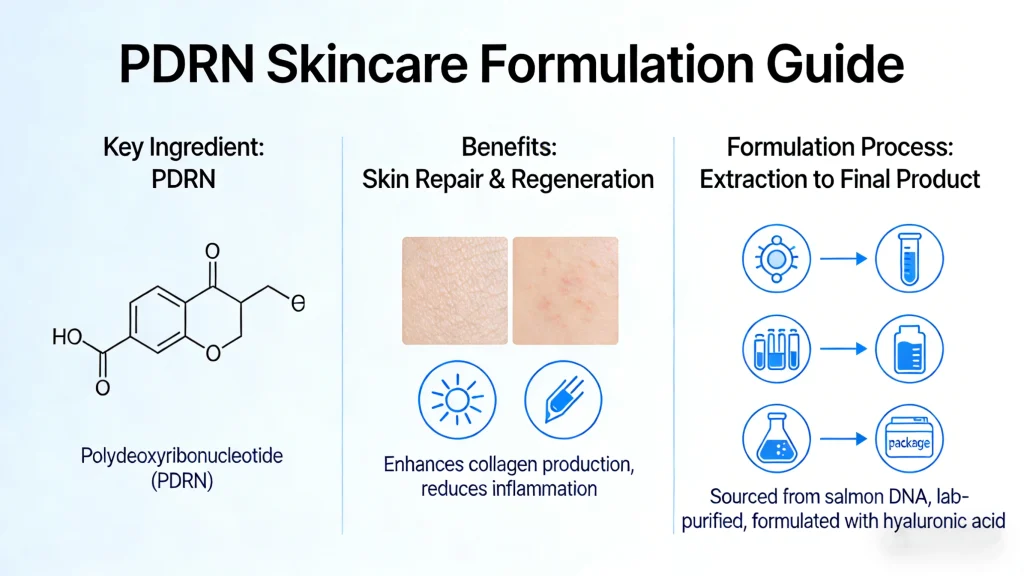
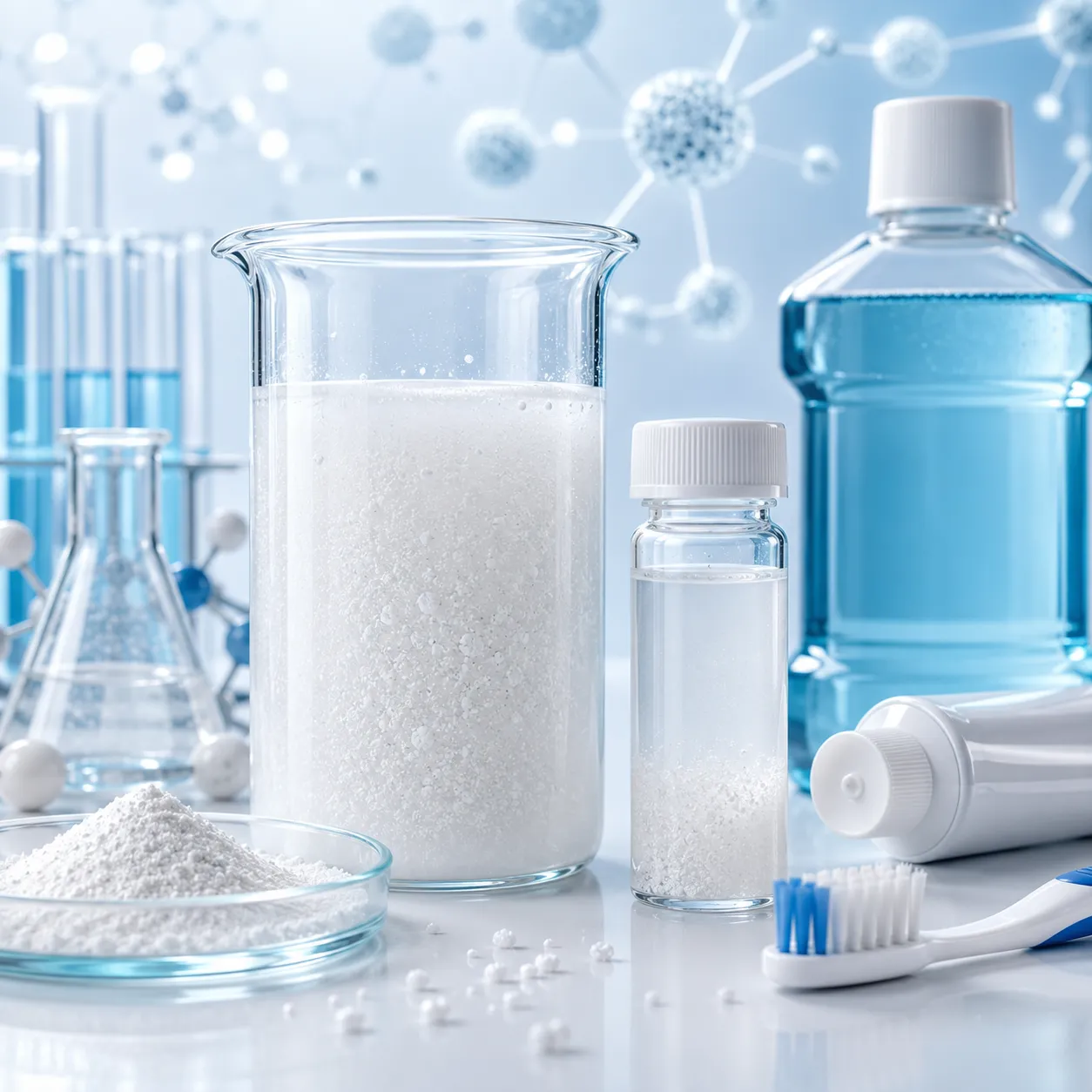
PDRN used in cosmetic skincare formulations
The Future of PDRN in Skincare Formulations
As regenerative skincare continues to evolve, PDRN is expected to play an increasingly important role in next-generation cosmetic formulations.
Consumers are becoming more interested in science-backed ingredients, and cosmetic brands are responding by incorporating advanced bioactive compounds into their product lines.
Both salmon-derived PDRN and plant DNA ingredients may continue to coexist in the market, but their roles are likely to remain distinct.
Salmon-derived PDRN will likely continue to dominate professional regenerative skincare and aesthetic treatments, while plant DNA ingredients may remain popular in plant-based cosmetic products.
Conclusion
Although plant-derived DNA ingredients are increasingly promoted as alternatives, they are not always equivalent to salmon-derived PDRN in terms of molecular structure, purity, or regenerative potential.
For cosmetic manufacturers and formulation scientists, understanding the differences between these ingredients is essential when developing effective skincare products.
When high performance and scientifically supported regenerative benefits are required, high-purity salmon PDRN remains one of the most trusted ingredients in the skincare and aesthetic medicine industries.
Working with a reliable PDRN raw material supplier can help cosmetic brands ensure consistent quality, stable formulations, and competitive product performance.
FAQ What is the difference between salmon PDRN and plant PDRN?
Salmon PDRN is derived from purified salmon DNA and has been widely studied in regenerative medicine. Plant PDRN usually refers to DNA fragments extracted from botanical sources and is primarily used as a cosmetic ingredient.
Is plant PDRN the same as salmon PDRN?
Not necessarily. Plant DNA ingredients may provide cosmetic benefits, but they typically differ from salmon-derived PDRN in molecular structure, purification process, and clinical evidence.
Why is salmon PDRN used in aesthetic medicine?
Salmon-derived PDRN is highly compatible with human tissue and has been studied for its potential role in supporting skin repair, tissue regeneration, and post-treatment recovery.
Can plant DNA replace salmon PDRN in skincare?
Plant DNA ingredients may be suitable for certain cosmetic formulations, especially plant-based products. However, they generally do not have the same level of scientific validation as salmon-derived PDRN for regenerative applications.





Please leave us a message.