

Salmon PDRN Powder Applications in Medical Aesthetics: Benefits, Uses, and Industry Insights
2026-03-10
Introduction: The Rise of Regenerative Ingredients in Aesthetic Medicine
In recent years, regenerative medicine has significantly influenced the development of modern aesthetic treatments. Instead of focusing only on temporary cosmetic improvements, the industry is increasingly shifting toward ingredients that support the skin’s natural repair and regeneration processes.
Among these emerging bioactive compounds, Salmon PDRN powder has gained strong recognition within medical aesthetics and dermatology. Derived from purified salmon DNA fragments, Polydeoxyribonucleotide (PDRN) is known for its ability to promote tissue repair, reduce inflammation, and support skin regeneration.
Today, PDRN is widely used in skin boosters, post-procedure recovery treatments, and advanced skincare formulations, making it one of the most promising regenerative ingredients in the aesthetic industry.
As the global demand for effective and science-backed skincare continues to grow, salmon-derived PDRN raw materials are becoming increasingly valuable for cosmetic manufacturers, aesthetic clinics, and research laboratories.
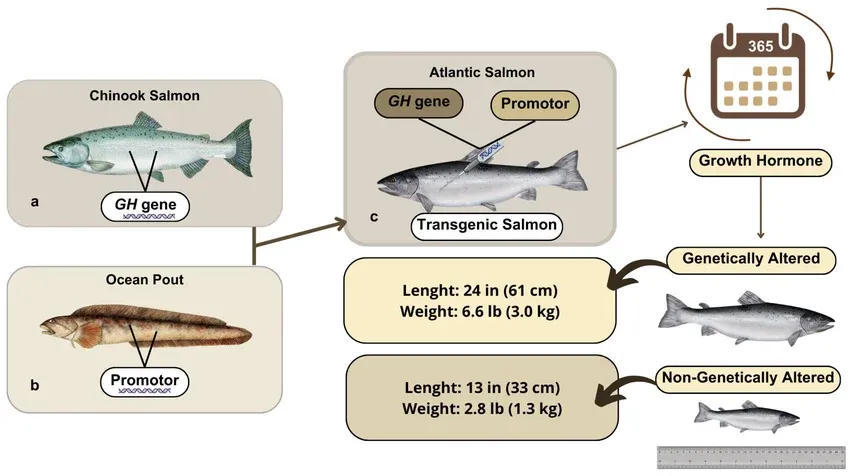
salmon derived DNA used for PDRN production
What Is Salmon PDRN Powder?
Salmon PDRN powder is a purified form of polydeoxyribonucleotide extracted from salmon sperm DNA. The extraction process produces DNA fragments that typically range from 50 kDa to 1500 kDa, which are biologically active and capable of supporting cellular repair mechanisms.
PDRN has been extensively studied for its regenerative properties and is widely recognized for its excellent biocompatibility with human tissues.
Compared with many traditional cosmetic ingredients, salmon-derived PDRN offers several unique advantages:
-
High biological compatibility
-
Strong regenerative activity
-
Anti-inflammatory properties
-
Support for tissue healing and recovery
-
Potential stimulation of collagen production
Because of these characteristics, PDRN has become a key ingredient in the field of regenerative aesthetics and dermatological treatments.
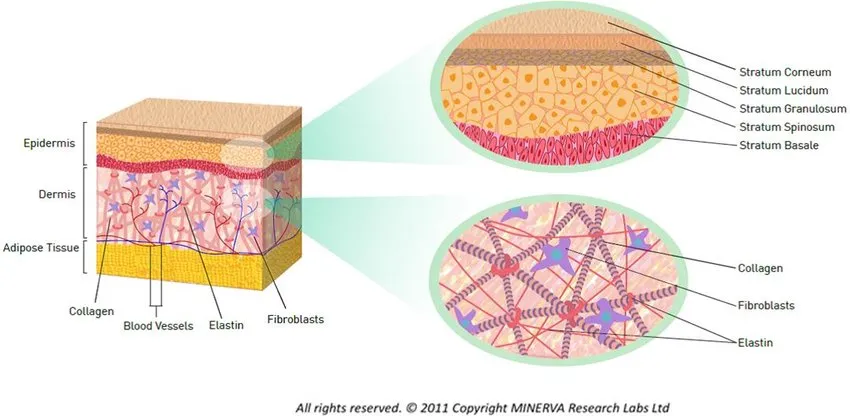
PDRN supporting skin cell regeneration and collagen production
How PDRN Supports Skin Regeneration
The biological activity of PDRN is primarily associated with its ability to activate adenosine A2A receptors, which play an important role in tissue repair and inflammatory regulation.
When introduced into skin treatments or formulations, PDRN may help trigger several beneficial biological processes.
Cellular Repair Mechanisms
PDRN provides nucleotides that can be utilized by damaged cells to support DNA synthesis and cellular repair. This mechanism helps accelerate the natural recovery process of skin tissues.
Stimulation of Fibroblast Activity
Fibroblasts are responsible for producing collagen and other structural proteins within the skin. By promoting fibroblast activity, PDRN may contribute to improved skin elasticity and firmness.
Anti-Inflammatory Effects
PDRN has been reported to reduce inflammatory responses, which is particularly beneficial after aesthetic procedures such as laser treatments, microneedling, and chemical peels.
Enhanced Skin Regeneration
By combining these biological effects, PDRN supports the overall regeneration of skin tissues, helping restore a healthier and more balanced skin environment.
Major Applications of Salmon PDRN Powder in Medical Aesthetics
As regenerative skincare continues to gain popularity, the applications of salmon PDRN powder in medical aesthetics have expanded significantly.
Injectable Skin Boosters
One of the most widely recognized uses of PDRN is in injectable skin booster treatments. These treatments aim to improve overall skin quality by delivering regenerative ingredients directly into the dermal layer.
Potential benefits include:
-
improved skin hydration
-
smoother skin texture
-
reduction of fine lines
-
enhanced skin elasticity
Because of its regenerative properties, PDRN is often considered an ideal ingredient for next-generation aesthetic injectables.
Post-Procedure Skin Recovery
Many aesthetic procedures cause temporary skin stress or micro-damage. Examples include:
-
laser resurfacing
-
microneedling
-
radiofrequency treatments
-
chemical exfoliation
PDRN is commonly used in post-procedure recovery products due to its potential ability to support tissue repair and reduce inflammation.
These products may help:
-
accelerate skin recovery
-
reduce redness and irritation
-
support barrier restoration
Advanced Skincare Formulations
Beyond professional treatments, PDRN powder is increasingly incorporated into high-end cosmetic formulations.
Examples include:
-
regenerative facial serums
-
repair creams
-
medical aesthetic masks
-
post-treatment recovery gels
Cosmetic brands seeking science-backed bioactive ingredients often explore PDRN as part of their advanced skincare product lines.
Dermatology and Wound Healing Research
PDRN has also attracted interest in dermatological research due to its potential role in wound healing and tissue repair.
Some studies have explored its use in supporting recovery from:
-
skin damage
-
ulcers
-
inflammatory skin conditions
Although research is ongoing, these findings highlight the growing importance of PDRN in regenerative medicine and dermatology.
Why Salmon-Derived PDRN Is Widely Preferred
While PDRN can theoretically be obtained from multiple biological sources, salmon-derived PDRN has become the most widely used source in the industry.
There are several reasons for this preference.
High Purity Levels
Salmon DNA can be efficiently purified, resulting in high-quality PDRN suitable for cosmetic and pharmaceutical applications.
Stable Molecular Structure
The molecular stability of salmon-derived DNA fragments contributes to the reliability of PDRN-based formulations.
Proven Biocompatibility
Salmon DNA has a structure that is highly compatible with human tissues, which is one of the reasons it has been widely studied in regenerative medicine.
Established Industry Use
Many well-known aesthetic products and regenerative treatments have historically used salmon-derived PDRN, helping establish it as the industry standard.
The Growing Market for PDRN in Regenerative Aesthetics
The global aesthetic market is experiencing a strong shift toward regenerative and bioactive skincare ingredients.
Several factors are driving the rapid growth of PDRN-based products:
-
increasing demand for anti-aging solutions
-
growing popularity of minimally invasive treatments
-
rising consumer interest in regenerative skincare
-
continuous innovation in aesthetic medicine
Market analysts predict that PDRN ingredients will continue gaining traction in both professional aesthetic treatments and advanced skincare products.
For cosmetic brands and manufacturers, incorporating regenerative ingredients like PDRN may provide a competitive advantage in the evolving beauty and aesthetics market.
B2B Sourcing Considerations for Salmon PDRN Powder
For companies interested in using PDRN in their formulations, selecting a reliable raw material supplier is essential.
Key factors to consider include:
-
PDRN purity levels
-
molecular weight distribution
-
manufacturing standards
-
quality control documentation
-
regulatory compliance
High-quality PDRN raw materials help ensure the stability, safety, and effectiveness of finished products.
B2B Inquiry: Salmon PDRN Raw Material Supply
For cosmetic manufacturers, research laboratories, and aesthetic product developers seeking high-quality Salmon PDRN powder, working with a reliable supplier is critical.
Professional suppliers may provide:
-
high-purity salmon PDRN powder
-
customizable concentrations
-
bulk raw material supply
-
OEM and formulation support
-
technical documentation
If your company is developing regenerative skincare products or aesthetic formulations, sourcing premium PDRN ingredients can play an important role in product performance.
For additional information regarding PDRN raw materials, bulk supply, or technical specifications, businesses are encouraged to contact professional suppliers for further consultation.
Frequently Asked Questions About Salmon PDRN Powder What is Salmon PDRN powder used for?
Salmon PDRN powder is commonly used in medical aesthetics, skincare formulations, and regenerative treatments. It is known for supporting skin repair, tissue regeneration, and post-procedure recovery.
Is salmon-derived PDRN safe for skincare products?
Salmon-derived PDRN is generally considered safe when properly purified and used in professional formulations. Its strong biocompatibility with human tissues contributes to its widespread use in regenerative skincare.
What makes PDRN different from other skincare ingredients?
Unlike traditional cosmetic ingredients that mainly provide surface-level benefits, PDRN supports biological skin repair processes, making it a key ingredient in regenerative skincare technologies.
Can PDRN be used in cosmetic formulations?
Yes. PDRN powder is increasingly used by cosmetic manufacturers in advanced skincare products, including serums, creams, masks, and post-treatment recovery solutions.
Why is salmon DNA commonly used for PDRN production?
Salmon DNA is widely used because it is highly compatible with human tissues, easy to purify, and biologically active, making it an ideal source for regenerative ingredients like PDRN.





Please leave us a message.