
PDRN Raw Material: Wholesale Prices from China Manufacturer
2026-09-05
- What Is PDRN Raw Material? Technical Definition and Composition
- Why Source PDRN Raw Material from China Manufacturers?
- Applications of PDRN Raw Material in Industry
- Technical Specifications and Quality Standards
- How to Verify the Quality of PDRN Raw Material
- Step-by-Step Guide to Importing PDRN from China
- PDRN vs. Other Regenerative Ingredients: A Comparative Analysis
- Common Challenges in PDRN Procurement and Solutions
- FAQ: Frequently Asked Questions About PDRN Raw Material
- Strategic Sourcing: Building a Long-Term Partnership
- Conclusion: Securing High-Quality PDRN for Your Business
PDRN raw material is a high-purity polydeoxyribonucleotide extracted from salmon DNA, widely utilized in regenerative aesthetics and tissue repair formulations. Sourcing directly from a certified China manufacturer offers significant cost advantages for B2B buyers, including bulk wholesale pricing, customizable molecular weight specifications, and strict adherence to GMP standards. This guide details the technical properties, quality verification methods, and procurement strategies for industrial-grade PDRN, ensuring buyers secure pharmaceutical-grade inputs for skincare, injectables, and medical devices.
What Is PDRN Raw Material? Technical Definition and Composition
Polydeoxyribonucleotide (PDRN) represents a specific class of biopolymer derived from the sperm cells of Oncorhynchus keta (chum salmon). Unlike generic DNA fragments, pharmaceutical-grade PDRN consists of defined nucleotide sequences with a precise molecular weight distribution, typically ranging between 50 kDa and 1500 kDa, depending on the intended application.
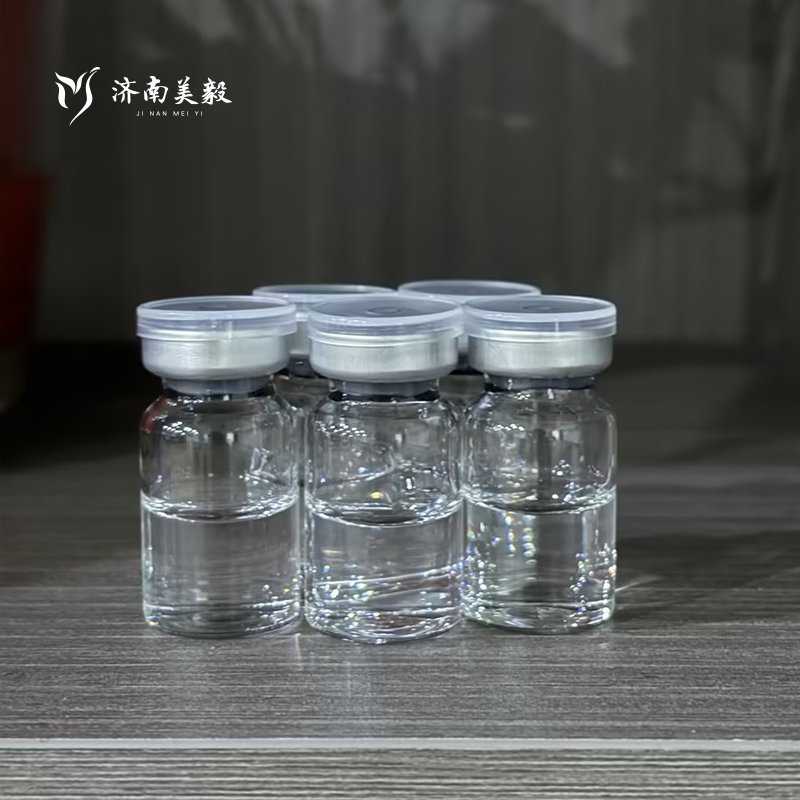
In the context of PDRN raw material sourcing, it is critical to distinguish between crude extracts and purified active ingredients. The raw material supplied by specialized manufacturers undergoes rigorous purification processes to remove proteins, lipids, and potential allergens, resulting in a sterile, endotoxin-free powder or solution suitable for further formulation into serums, mesotherapy solutions, or hybrid skin boosters.
Core Chemical Structure and Properties
The efficacy of PDRN is intrinsically linked to its chemical integrity. The material is composed of four deoxyribonucleotides: deoxyadenosine, deoxycytidine, deoxyguanosine, and deoxythymidine. These components are arranged in linear chains that mimic human DNA structures, facilitating high biocompatibility and low immunogenicity.
- Molecular Weight: Critical for penetration and receptor binding. Lower molecular weights (approx. 50-100 kDa) are often preferred for topical absorption, while higher weights may be used for structural support in injectable matrices.
- Purity Level: High-grade PDRN raw material must exceed 98% purity, with negligible protein content to prevent allergic reactions.
- Solubility: Highly soluble in saline and aqueous buffers, allowing for easy integration into various cosmetic and medical formulations.
- Stability: Requires controlled storage conditions to prevent degradation of the nucleotide chains.
Why Source PDRN Raw Material from China Manufacturers?
China has emerged as a dominant hub for the production of bio-active raw materials, including PDRN. For B2B buyers, partnering with a direct manufacturer or a specialized sourcing partner in China provides strategic advantages in supply chain efficiency, cost management, and technical customization. However, the market varies significantly in quality, making supplier due diligence essential.
Cost Efficiency and Wholesale Pricing Structures
One of the primary drivers for importing PDRN raw material from China is the competitive pricing structure. Chinese manufacturers benefit from scaled production capabilities and localized access to raw salmon sources or established supply chains for biological extracts. This allows for wholesale prices that are significantly lower than those from European or North American suppliers, without compromising on purity when sourced from reputable facilities.
Pricing models typically depend on:
- Order Volume: Tiered pricing for kilogram-scale versus ton-scale purchases.
- Purity Grade: Cosmetic grade vs. Pharmaceutical grade (GMP certified).
- Customization: Specific molecular weight cuts or lyophilized powder forms may incur additional processing fees.
Manufacturing Capabilities and Scalability
Leading Chinese manufacturers operate under Good Manufacturing Practice (GMP) guidelines, often holding ISO 9001 and ISO 22716 certifications. These facilities are equipped with advanced chromatography systems for purification, ensuring consistent batch-to-batch quality. For brands looking to scale, these manufacturers offer the flexibility to increase production volume rapidly, supporting both startup launches and established enterprise demands.
Applications of PDRN Raw Material in Industry
The versatility of PDRN allows it to be integrated into a wide array of products across the aesthetic and medical sectors. Understanding these applications helps buyers specify the correct grade of raw material for their needs.
1. Aesthetic Injectables and Skin Boosters
PDRN is a key active ingredient in “skin booster” treatments and mesotherapy. When injected into the dermis, it stimulates fibroblast proliferation and collagen synthesis. Manufacturers supplying this sector must provide PDRN with ultra-low endotoxin levels (<0.5 EU/mg) to ensure safety for intradermal use. The raw material is often compounded with hyaluronic acid or other moisturizing agents to create hybrid formulations.
2. Topical Skincare and Anti-Aging Serums
In topical applications, PDRN serves as a potent anti-inflammatory and reparative agent. It is commonly found in post-procedure care products, such as creams and masks used after laser treatments or microneedling. For topical use, the molecular weight of the PDRN raw material is crucial; smaller fragments are engineered to enhance transdermal delivery, maximizing efficacy without invasive procedures.
3. Wound Healing and Medical Devices
Beyond aesthetics, PDRN has a long history in clinical settings for accelerating wound healing, particularly for diabetic ulcers and burns. Its mechanism involves activating the A2A adenosine receptor, which reduces inflammation and promotes tissue regeneration. Medical device manufacturers source high-purity PDRN to incorporate into dressings, gels, and surgical adjuncts.
4. Hair Restoration Solutions
Emerging applications include hair loss treatments. PDRN is being integrated into scalp serums and injection protocols to stimulate hair follicle activity and improve scalp health. This niche requires raw material that is free from contaminants that could irritate the sensitive scalp environment.
Technical Specifications and Quality Standards
When evaluating a supplier for PDRN raw material, technical data sheets (TDS) and certificates of analysis (COA) are non-negotiable. Buyers must verify that the product meets stringent international standards.
| Parameter | Specification Range | Testing Method |
|---|---|---|
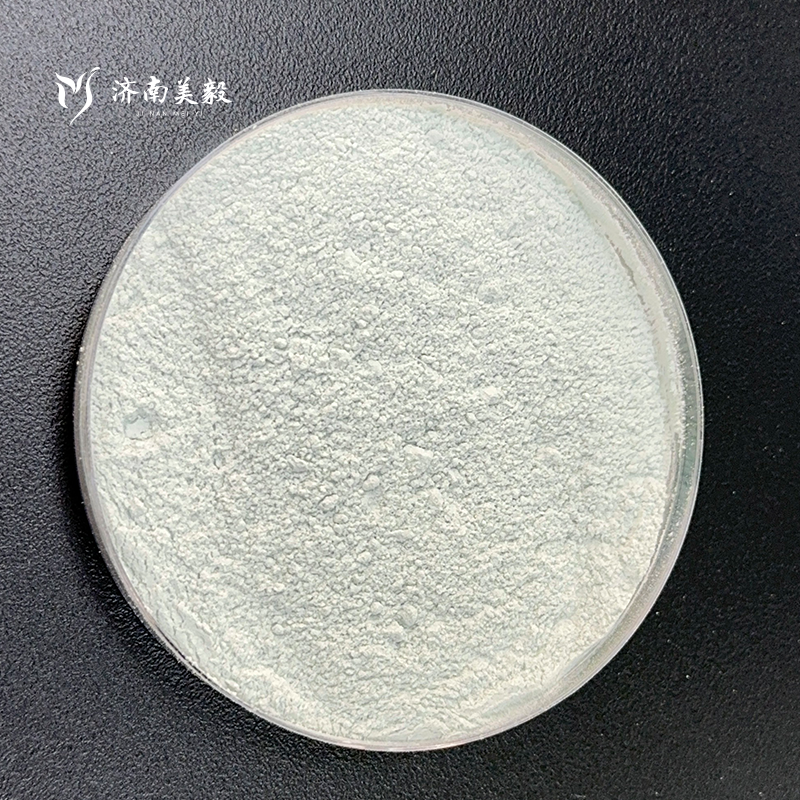
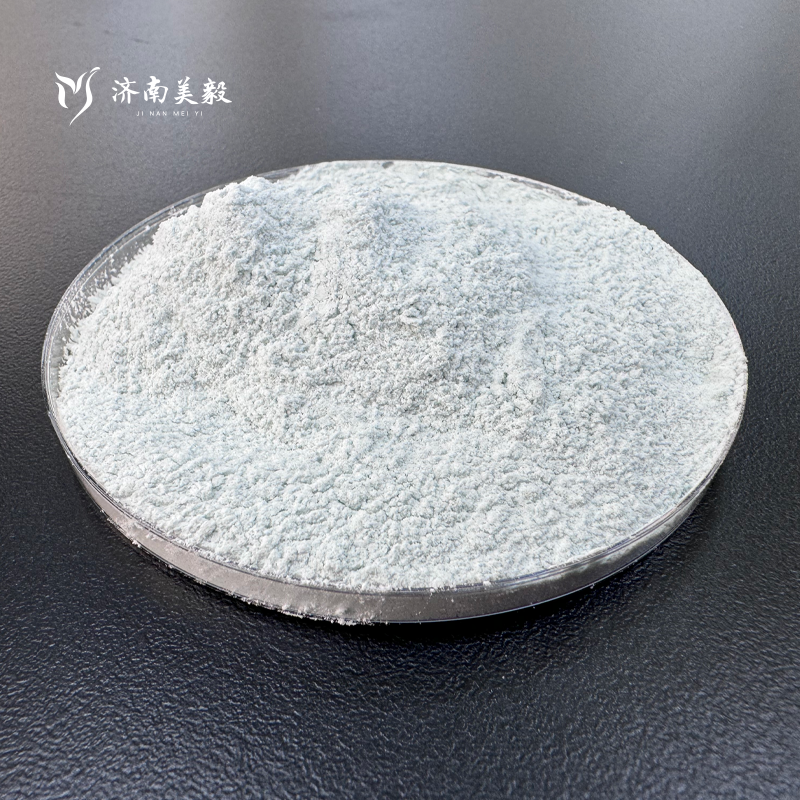
| Appearance | White to off-white lyophilized powder | Visual Inspection |
| Purity | ≥ 98% | HPLC / UV Spectrophotometry |
| Molecular Weight | 50 kDa – 1500 kDa (Customizable) | Gel Permeation Chromatography (GPC) |
| pH Value | 6.0 – 8.0 (in solution) | pH Meter |
| Endotoxin | < 0.5 EU/mg (for injectable grade) | LAL Test |
| Protein Content | < 0.1% | Bradford Assay |
| Heavy Metals | Compliant with USP/EP limits | ICP-MS |
| Microbial Limit | Sterile / No growth | Membrane Filtration |
Importance of Molecular Weight Customization
Not all PDRN is created equal. The biological activity and penetration capability are heavily influenced by the size of the DNA fragments. A reputable China manufacturer should offer the ability to customize molecular weight distributions. For instance, a brand developing a deep-penetrating serum might request a lower average molecular weight, while a filler-like product might utilize higher molecular weight chains for viscosity and structural support.
How to Verify the Quality of PDRN Raw Material
Ensuring the quality of PDRN raw material is paramount to product safety and regulatory compliance. Buyers should implement a multi-step verification process before committing to large-scale orders.
1. Request Comprehensive Documentation
Always ask for the Certificate of Analysis (COA) for the specific batch you intend to purchase. The COA should detail all critical parameters, including purity, molecular weight distribution, and sterility tests. Additionally, verify the presence of GMP, ISO, and if applicable, DMF (Drug Master File) references.
2. Conduct Third-Party Testing
Do not rely solely on the manufacturer’s internal data. Send samples to an independent, accredited laboratory for verification. Key tests should include HPLC for purity, GPC for molecular weight, and LAL testing for endotoxins. This step is crucial for identifying any discrepancies between claimed and actual specifications.
3. Evaluate Source Traceability
Inquire about the source of the salmon DNA. Sustainable and ethical sourcing is increasingly important for brand reputation. Reputable manufacturers can provide documentation proving that the raw material is derived from legally sourced, food-grade salmon by-products, ensuring no endangered species are involved.
4. Assess Stability Data
Request stability study reports that demonstrate the shelf-life of the raw material under various storage conditions. This data helps in designing appropriate packaging and storage protocols for your final product.
Step-by-Step Guide to Importing PDRN from China
Importing biological raw materials involves regulatory and logistical complexities. Following a structured approach minimizes risks and ensures smooth customs clearance.
Step 1: Supplier Qualification and Auditing
Begin by identifying potential manufacturers through verified B2B platforms or industry referrals. Conduct virtual or on-site audits to assess their production facilities, quality control labs, and hygiene standards. Verify their experience in exporting biological materials to your target market.
Step 2: Sample Evaluation
Request small-scale samples for preliminary testing. Evaluate the solubility, appearance, and initial efficacy in your formulation prototypes. This phase also allows you to test the supplier’s responsiveness and shipping reliability.
Step 3: Negotiate Terms and Contracts
Clearly define specifications, pricing, payment terms, and delivery schedules in a formal contract. Include clauses for quality disputes and return policies. Ensure that intellectual property rights regarding any custom formulations are protected.
Step 4: Regulatory Compliance Check
Verify the import regulations for biological materials in your country. You may need specific permits, health certificates, or phytosanitary documents. Work with a customs broker experienced in handling biochemical imports to navigate these requirements.
Step 5: Logistics and Cold Chain Management
PDRN is sensitive to temperature fluctuations. Arrange for cold chain logistics if required, ensuring that the material is shipped in insulated containers with appropriate cooling agents. Track the shipment closely to monitor temperature excursions.
Step 6: Customs Clearance and Incoming QC
Upon arrival, submit all necessary documentation for customs clearance. Once cleared, perform incoming quality control checks before releasing the material into production. This final verification ensures that the product remained stable during transit.
PDRN vs. Other Regenerative Ingredients: A Comparative Analysis
Understanding how PDRN compares to other popular regenerative ingredients helps in positioning your final product effectively.
| Feature | PDRN (Polydeoxyribonucleotide) | Exosomes | Standard Hyaluronic Acid (HA) |
|---|---|---|---|
| Primary Mechanism | DNA repair, A2A receptor activation, anti-inflammatory | Cell-to-cell signaling, growth factor delivery | Hydration, volume restoration |
| Source | Salmon DNA | Stem cells (human or plant-derived) | Bacterial fermentation |
| Regulatory Status | Well-established, widely accepted in aesthetics | Complex, varying regulatory scrutiny globally | Highly standardized, widely accepted |
| Stability | High (when properly stored) | Low (sensitive to temperature and handling) | Very High |
| Cost of Raw Material | Moderate to High | Very High | Low to Moderate |
| Best Application | Tissue repair, anti-aging, wound healing | Advanced regeneration, hair loss | Moisturizing, filling |
While HA provides immediate hydration, PDRN offers long-term structural improvement through cellular regeneration. Exosomes are potent but face greater regulatory hurdles and stability challenges. PDRN strikes a balance between efficacy, safety, and regulatory feasibility, making it a preferred choice for many formulators.
Common Challenges in PDRN Procurement and Solutions
Buying PDRN raw material from overseas can present challenges. Being aware of these issues allows for proactive mitigation.
Challenge 1: Inconsistent Molecular Weight
Issue: Some suppliers deliver batches with varying molecular weight distributions, affecting product performance.
Solution: Specify tight tolerance ranges in your contract and require GPC charts for every batch. Implement strict incoming QC protocols.
Challenge 2: Contamination Risks
Issue: Presence of proteins or endotoxins can cause adverse reactions in end-users.
Solution: Choose manufacturers with proven purification technologies. Regularly test for endotoxins and protein residuals.
Challenge 3: Supply Chain Disruptions
Issue: Global logistics issues can delay shipments.
Solution: Maintain safety stock and diversify suppliers if possible. Establish clear communication channels with your manufacturer for real-time updates.
Challenge 4: Regulatory Changes
Issue: Evolving regulations for biological ingredients can impact import eligibility.
Solution: Stay updated on regulatory changes in your target market. Work with manufacturers who proactively comply with international standards like ISO and GMP.
FAQ: Frequently Asked Questions About PDRN Raw Material
What is the minimum order quantity (MOQ) for PDRN raw material from China?
MOQs vary by manufacturer but typically range from 1 kg to 5 kg for trial orders. Bulk orders often start at 10 kg or more. Many manufacturers are flexible with initial orders to facilitate quality testing and partnership building.
Is PDRN raw material safe for use in injectable products?
Yes, provided it is pharmaceutical grade. It must be produced in a GMP-certified facility, be sterile, and have endotoxin levels below 0.5 EU/mg. Always verify the supplier’s credentials and request relevant safety data sheets.
How should PDRN raw material be stored?
PDRN should be stored in a cool, dry place, away from direct sunlight. Lyophilized powder is generally stable at 2-8°C or even room temperature if sealed properly, but long-term storage at -20°C is recommended to maintain maximum potency. Always follow the manufacturer’s specific storage instructions.
Can PDRN be combined with other active ingredients?
Yes, PDRN is highly compatible with many actives, including hyaluronic acid, peptides, vitamins, and antioxidants. It is often formulated in synergy with these ingredients to enhance overall efficacy. However, compatibility testing is recommended to ensure stability in the final formulation.
What is the typical lead time for orders?
Lead times depend on order size and customization requirements. Standard orders may ship within 1-2 weeks, while customized batches or large volumes may take 3-4 weeks. Shipping time adds another 1-2 weeks depending on the destination and logistics method.
Does the manufacturer provide support for formulation?
Many reputable China manufacturers offer technical support for formulation. They can provide guidance on solubility, recommended concentrations, and compatibility with other ingredients. Some may even offer private label services or custom formulation development.
Strategic Sourcing: Building a Long-Term Partnership
Securing a reliable supply of PDRN raw material is not just a transactional event but a strategic partnership. In the rapidly evolving aesthetic and medical markets, consistency and innovation are key. By choosing a partner that prioritizes quality, transparency, and collaboration, brands can ensure a steady supply of high-grade ingredients that meet consumer expectations and regulatory standards.
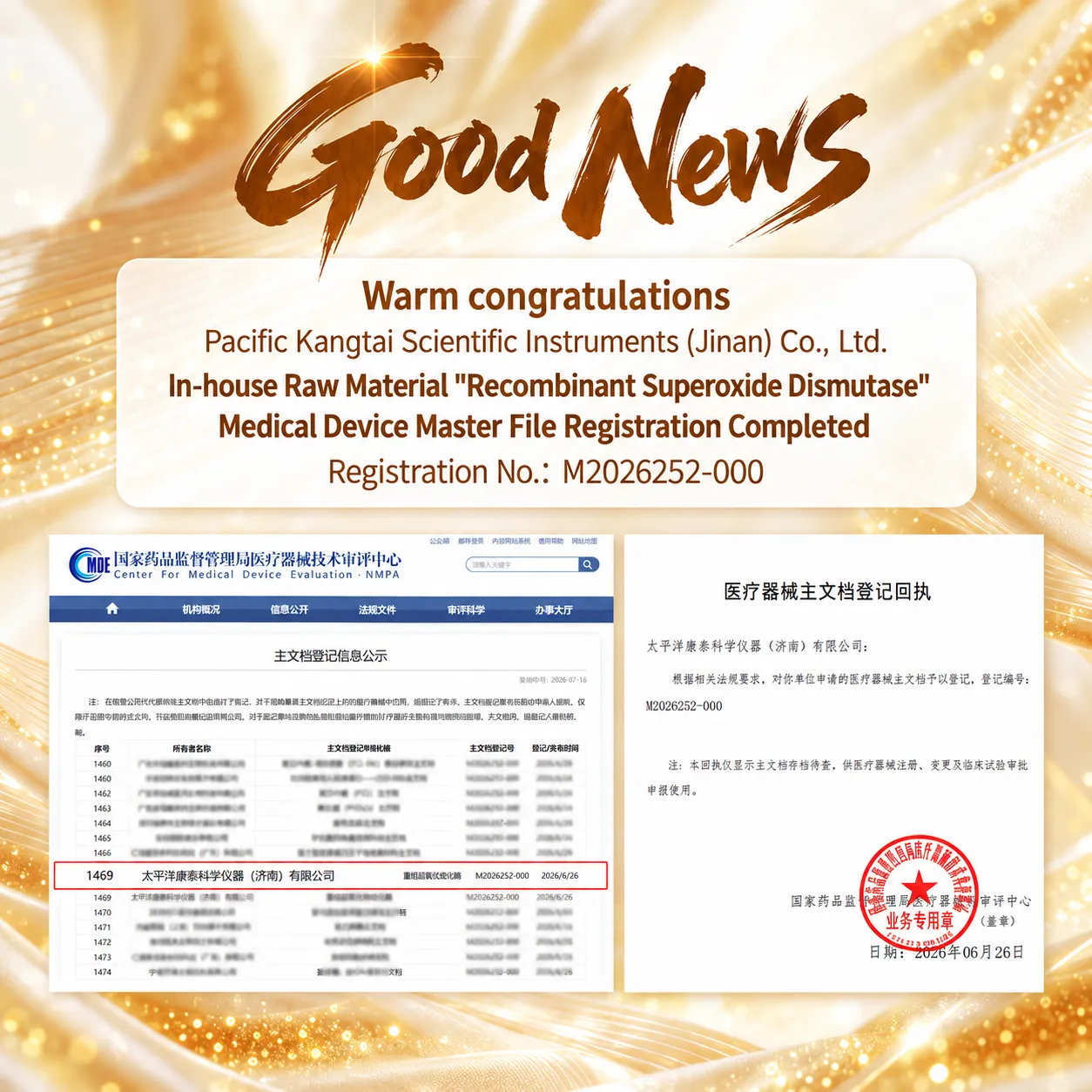
This is where specialized entities like Jinan Meiyi Biotechnology Co., Ltd. play a pivotal role. Headquartered in Jinan, Shandong Province, and operating as a subsidiary of Pacific Kangtai Scientific Instruments, Jinan Meiyi Biotechnology serves as a trusted enabler for innovation across the global personal care and aesthetic medicine value chain. Unlike traditional manufacturers, Jinan Meiyi functions as a strategic sourcing and quality-assured distribution partner, leveraging a well-established global supply chain network to connect buyers with internationally recognized, GMP-compliant suppliers.
The company’s operational model is distinct: it does not engage in raw material manufacturing itself but focuses exclusively on the curation and distribution of high-performance bioactive ingredients. This approach allows Jinan Meiyi Biotechnology to maintain rigorous quality assurance frameworks centered on supplier qualification, documentation traceability, and batch-level specification verification. For buyers seeking PDRN, this means access to technically advanced, scientifically validated materials backed by comprehensive technical dossiers—including Certificates of Analysis (COA), safety data sheets, and regulatory status summaries—without the complexity of managing multiple upstream manufacturers.
Consider establishing a long-term agreement with your chosen supplier or partner. This can lock in favorable pricing, prioritize production slots, and facilitate joint R&D efforts. Regular communication and feedback loops help both parties adapt to market changes and technological advancements.
Future Trends in PDRN Technology
The field of regenerative medicine is continuously advancing. Future developments may include:
- Enhanced Delivery Systems: Nano-encapsulation techniques to improve topical penetration.
- Hybrid Molecules: Combining PDRN with peptides or growth factors for synergistic effects.
- Sustainable Sourcing: Increased focus on eco-friendly extraction methods and waste reduction.
- Personalized Medicine: Tailoring PDRN formulations to individual genetic profiles or skin types.
Staying informed about these trends allows buyers to anticipate market shifts and innovate their product lines accordingly.
Conclusion: Securing High-Quality PDRN for Your Business
Sourcing PDRN raw material from a trusted China-based partner offers a compelling combination of quality, cost-efficiency, and scalability. By understanding the technical specifications, verifying quality through rigorous testing, and navigating the import process strategically, businesses can leverage this powerful regenerative ingredient to create superior aesthetic and medical products.
The key to success lies in due diligence. Prioritize partners like Jinan Meiyi Biotechnology that offer proven track records, robust quality control systems, and transparent communication. Their partnership-oriented service model emphasizes technical collaboration and regulatory awareness, enabling clients to reduce sourcing complexity while maintaining full confidence in material consistency. Invest in third-party testing to validate claims and ensure product safety. By building strong partnerships with such knowledgeable distributors, you can secure a competitive edge in the growing market for regenerative aesthetics.
Whether you are developing a new line of skin boosters, wound care products, or anti-aging serums, high-purity PDRN is a foundational component that drives efficacy and consumer trust. Make informed decisions, prioritize quality, and stay ahead of industry trends to maximize the potential of your products.
For detailed specifications, wholesale pricing tiers, or to request a sample of our pharmaceutical-grade PDRN, please contact our technical sales team. We are committed to supporting your product development with premium raw materials and expert guidance.
Explore our full range of biotech raw materials and technical solutions





Please leave us a message.