

PDRN Salmon DNA: 2026 Wholesale Price & Supplier Guide
2026-09-03
- What is PDRN Salmon DNA? Technical Definition & Mechanism
- 2026 Wholesale Price Analysis: Cost Drivers & Market Trends
- How to Evaluate PDRN Suppliers: A B2B Procurement Checklist
- The Role of Specialized Distributors: Bridging Science and Supply
- PDRN vs. Other Regenerative Ingredients: Comparative Analysis
- Application Protocols & Clinical Usage Guidelines
- Common Mistakes in PDRN Sourcing & Handling
- FAQ: Frequently Asked Questions About PDRN Salmon DNA
- Strategic Sourcing: Building a Sustainable Supply Chain
- Conclusion: Securing Quality PDRN for Business Growth
PDRN Salmon DNA refers to Polydeoxyribonucleotide derived from the sperm cells of salmon (Oncorhynchus keta). In 2026, it remains a premier active ingredient in aesthetic medicine for tissue regeneration and skin rejuvenation. For B2B buyers, wholesale prices typically range between $15 and $45 per vial, depending on concentration (e.g., 2mg/ml vs. higher potency), purity levels, and order volume. Sourcing requires strict verification of GMP certification, cold-chain logistics capabilities, and molecular weight specifications to ensure clinical efficacy. This guide details procurement strategies, quality benchmarks, and supply chain insights for medical distributors and clinic owners.
What is PDRN Salmon DNA? Technical Definition & Mechanism
Polydeoxyribonucleotide (PDRN) is a mixture of deoxyribonucleotide polymers obtained through a specialized extraction and purification process from salmon trout sperm. Unlike generic DNA fragments, high-grade PDRN consists of specific chain lengths that optimize bioavailability and cellular uptake.
The Biological Mechanism of Action
The efficacy of PDRN relies on its interaction with adenosine A2A receptors found on human fibroblasts and endothelial cells. When introduced into the dermis or damaged tissue, PDRN triggers a cascade of regenerative responses:
- Fibroblast Activation: It stimulates the production of Type I and Type III collagen, essential for skin elasticity and structural integrity.
- Anti-Inflammatory Pathway: PDRN reduces pro-inflammatory cytokines (such as TNF-α and IL-6), accelerating wound healing and reducing post-procedure redness.
- Angiogenesis Promotion: It enhances the formation of new blood vessels, improving microcirculation and nutrient delivery to tissues.
- HA Synthesis: It upregulates the expression of hyaluronic acid synthases, leading to improved skin hydration from within.
In 2026, the industry standard focuses on low-molecular-weight PDRN. Smaller molecular sizes penetrate cell membranes more efficiently than larger chains, offering faster clinical results. Buyers must request molecular weight distribution charts from suppliers to verify this critical parameter.
Source Specificity: Why Salmon?
Salmon DNA is preferred over other sources due to its high compatibility with human DNA structures. The base composition of salmon sperm DNA closely mirrors human DNA, minimizing the risk of immunogenic reactions. Furthermore, salmon harvested from clean, cold-water environments (such as the North Pacific) tend to have higher purity profiles, free from terrestrial contaminants.
2026 Wholesale Price Analysis: Cost Drivers & Market Trends
Pricing for PDRN Salmon DNA fluctuates based on raw material availability, extraction technology, and regulatory compliance costs. Understanding these variables is crucial for negotiating favorable wholesale terms.
Current Price Ranges by Tier
The market in 2026 is segmented into three primary tiers. Prices below reflect bulk wholesale rates (MOQ 50+ units) for private label or direct distribution.
| Tier Category | Price Range (Per Vial/Syringe) | Key Characteristics | Target Buyer |
|---|---|---|---|
| Economy Grade | $15 – $22 | Basic purification, standard molecular weight, minimal clinical data support. | High-volume spas, entry-level distributors. |
| Professional Grade | $25 – $35 | GMP certified, optimized chain length, sterile manufacturing, batch testing provided. | Dermatology clinics, established med-spas. |
| Premium/Clinical Grade | $38 – $45+ | Ultra-high purity (>99%), proprietary stabilization tech, extensive peer-reviewed studies, cold-chain guaranteed. | Hospital networks, premium aesthetic brands. |
Factors Influencing Wholesale Costs
- Extraction Method: Enzymatic hydrolysis yields higher purity but is more expensive than chemical extraction. Suppliers using advanced chromatography purification command higher prices due to lower endotoxin levels.
- Concentration Levels: Standard formulations contain 2mg/ml of PDRN. High-concentration variants (e.g., 3mg/ml or 4mg/ml) cost more due to the increased raw material input required per unit.
- Regulatory Compliance: Manufacturers holding ISO 13485, CE Mark, or FDA facility registration incur higher operational costs. These certifications are non-negotiable for serious B2B buyers in regulated markets.
- Packaging & Sterility: Pre-filled syringes with safety needles are more expensive than simple vials but reduce preparation time for clinicians, adding value to the end product.
Volume Discounts and MOQ Structures
Most manufacturers operate on a tiered pricing model. A typical structure might offer a 5% discount for orders over 100 units, 10% for 500 units, and 15-20% for container-load quantities. However, buyers should prioritize consistency over lowest price. A slight increase in unit cost often secures better stability agents, ensuring the product remains effective after shipping.
How to Evaluate PDRN Suppliers: A B2B Procurement Checklist
Selecting the right manufacturer is the most critical step in building a successful PDRN product line. In 2026, supply chain transparency is paramount. Use this checklist to vet potential partners.
1. Verification of Certifications
Never rely on verbal assurances. Request current copies of:
- ISO 13485: The gold standard for medical device quality management systems.
- GMP (Good Manufacturing Practice): Ensures products are consistently produced and controlled according to quality standards.
- Free Sale Certificate: Required for import registration in many countries.
- Biocompatibility Reports: ISO 10993 series tests proving the product is non-cytotoxic and non-sensitizing.
2. Quality Control Documentation
A reputable supplier will provide a Certificate of Analysis (CoA) for every batch. Key parameters to check include:
- Purity Level: Should be ≥95%, with premium grades reaching >99%.
- Molecular Weight Distribution: Look for a narrow distribution curve centered around the optimal therapeutic range (typically 50-100 kDa for enhanced penetration).
- Endotoxin Levels: Must be <0.5 EU/ml to prevent inflammatory reactions upon injection.
- pH Balance: Should be physiological (around 7.0-7.4) to minimize injection pain.
3. Manufacturing Capabilities
Assess the factory’s technical infrastructure. Do they have in-house R&D? Can they customize formulations (e.g., combining PDRN with HA or amino acids)? Facilities with automated filling lines reduce the risk of human error and contamination compared to semi-manual operations.
4. Cold Chain Logistics Proficiency
PDRN is sensitive to temperature fluctuations. While some stabilized formulas claim room-temperature stability, most high-purity PDRN requires storage between 2°C and 25°C, avoiding freezing. Ask suppliers about their shipping protocols. Do they use insulated packaging with temperature loggers? Can they guarantee product integrity during transit to your specific region?
The Role of Specialized Distributors: Bridging Science and Supply
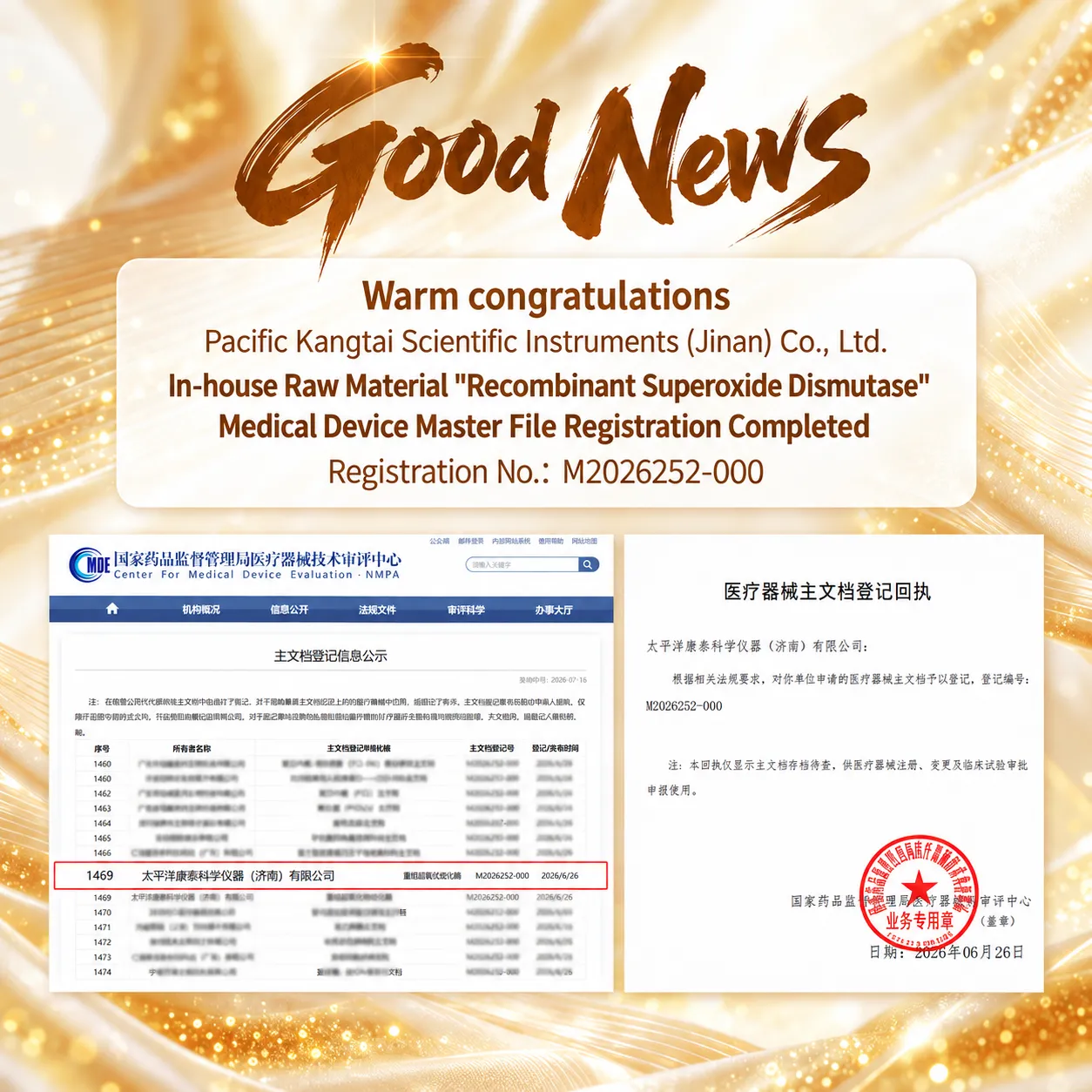
Navigating the complexities of global sourcing, regulatory compliance, and quality assurance can be daunting for many businesses. This is where specialized partners like Jinan Meiyi Biotechnology Co., Ltd. play a pivotal role in the aesthetic medicine value chain.
Headquartered in Jinan, Shandong Province, and operating as a subsidiary of Pacific Kangtai Scientific Instruments, Jinan Meiyi Biotechnology has positioned itself at the intersection of scientific rigor and market responsiveness. Rather than engaging in raw material manufacturing, the company functions as a strategic sourcing and quality-assured distribution partner. This distinction is crucial for B2B buyers: Jinan Meiyi leverages a globally integrated network of internationally recognized suppliers to curate high-performance bioactive ingredients, including PDRN, ensuring that every product meets stringent efficacy and safety standards.
For distributors and clinic owners, partnering with a knowledge-driven entity like Jinan Meiyi offers several distinct advantages:
- Rigorous Curation & Quality Assurance: The company does not simply move boxes; it evaluates raw materials based on efficacy data, stability profiles, and regulatory compliance. Each batch is accompanied by full technical dossiers, including Certificates of Analysis (CoA) and safety data sheets, providing the transparency needed for confident procurement.
- Supply Chain Reliability: By maintaining long-term cooperative relationships with certified manufacturers adhering to ISO and GMP standards, Jinan Meiyi ensures consistent access to technically advanced materials. Their operational model prioritizes strict control over storage conditions and shipping protocols, safeguarding product integrity from origin to end-user—a critical factor for temperature-sensitive biologics like PDRN.
- Technical Partnership: Going beyond transactional sales, Jinan Meiyi emphasizes technical consultation and regulatory intelligence sharing. Their scientifically trained team supports R&D laboratories, CDMOs, and aesthetic clinics in navigating emerging trends in bioactive ingredient science, helping clients translate complex scientific innovations into real-world clinical benefits.
This partnership-oriented approach allows clients to reduce sourcing complexity while maintaining full confidence in material consistency. Whether you are looking for specific active ingredients for formulation development or premium finished medical aesthetic products, Jinan Meiyi Biotechnology serves as a trusted enabler for innovation across Asia, Europe, and North America.
PDRN vs. Other Regenerative Ingredients: Comparative Analysis
Understanding where PDRN fits in the broader aesthetic landscape helps in positioning the product correctly. Below is a comparison with other popular regenerative agents.
| Feature | PDRN (Salmon DNA) | Exosomes | PRP (Platelet-Rich Plasma) | Standard Hyaluronic Acid |
|---|---|---|---|---|
| Primary Mechanism | Receptor-mediated repair & anti-inflammation | Cell-to-cell signaling & growth factor delivery | Autologous growth factor release | Hydration & volumizing |
| Source | Salmon sperm (Xenogeneic) | Stem cell culture supernatant | Patient’s own blood | Bacterial fermentation |
| Allergy Risk | Very Low (highly purified) | Low | None (Autologous) | Very Low |
| Consistency | High (Standardized product) | Variable (Batch dependent) | Variable (Patient dependent) | High |
| Preparation Time | Ready-to-use | Ready-to-use | Requires centrifugation (20-30 mins) | Ready-to-use |
| Best For | Skin texture, inflammation, healing | Hair restoration, deep rejuvenation | General rejuvenation, hair loss | Wrinkle filling, hydration |
Strategic Insight: PDRN is often marketed as a “skin healer” rather than just a filler. It complements HA treatments by improving the quality of the skin bed, allowing for better integration and longevity of fillers. Many clinics now offer combination therapies, making PDRN a vital upsell product.
Application Protocols & Clinical Usage Guidelines
For B2B buyers supplying clinics, providing clear usage guidelines adds value and ensures safe application. PDRN can be administered via several methods, each requiring specific techniques.
1. Mesotherapy (Micro-injections)
This is the most common application for skin rejuvenation. Small amounts of PDRN are injected into the superficial dermis across the face, neck, or décolletage.
- Needle Size: 30G-32G, 4mm-6mm length.
- Injection Pattern: Point-by-point injections spaced 1cm apart, or micro-bolus technique.
- Dosage: Typically 1-2ml per treatment area (e.g., full face).
- Frequency: Initial course of 3-4 sessions, spaced 2-3 weeks apart. Maintenance every 3-6 months.
2. Skin Boosters (Intradermal Injection)
Using a multi-pin injector or manual technique, PDRN is delivered deeper into the mid-dermis to improve overall skin density and hydration.
- Benefit: Provides a “glow” effect and improves skin elasticity without adding volume.
- Combination: Often mixed with non-cross-linked HA for synergistic hydration and regeneration.
3. Post-Laser/Procedure Care
PDRN is highly effective in accelerating recovery after aggressive aesthetic procedures like CO2 laser, microneedling, or chemical peels.
- Application: Applied topically (if formulated for topical use) or injected immediately after procedure completion.
- Effect: Reduces erythema (redness) and downtime by up to 40% compared to standard care.
4. Hair Restoration
Emerging data supports PDRN’s efficacy in treating androgenetic alopecia. Injections into the scalp stimulate hair follicles and extend the anagen (growth) phase.
- Protocol: Multiple micro-injections across the thinning areas.
- Outcome: Increased hair density and thickness observed after 3-4 months of regular treatment.
Common Mistakes in PDRN Sourcing & Handling
Even experienced buyers can overlook critical details that impact product quality and business reputation. Avoid these common pitfalls.
Mistake 1: Ignoring Molecular Weight Specifications
Not all PDRN is created equal. Large DNA fragments cannot penetrate cell membranes effectively and may trigger immune responses. Always ask for the average molecular weight. If a supplier cannot provide this data, it is a red flag indicating low-quality or crude extraction.
Mistake 2: Compromising on Cold Chain
While some marketing materials claim room-temperature stability, heat degradation is a real risk. Exposure to temperatures above 30°C for extended periods can denature the nucleotides. Insist on temperature-controlled shipping, especially for summer shipments or long-distance transport.
Mistake 3: Overlooking Endotoxin Limits
High endotoxin levels cause inflammation, counteracting the anti-inflammatory benefits of PDRN. Cheap manufacturers often skip rigorous purification steps. Ensure the CoA lists endotoxin levels well below the safety threshold (<0.5 EU/ml).
Mistake 4: Lack of Legal Documentation for Import
Importing biological products involves strict customs regulations. Failure to secure proper documentation (Letter of Authorization, Free Sale Certificate, Ingredient Lists) can lead to seized shipments. Work with suppliers who have experience exporting to your specific country and can provide tailored documentation.
FAQ: Frequently Asked Questions About PDRN Salmon DNA
Is PDRN Salmon DNA safe for all skin types?
Yes, PDRN is generally considered safe for all skin types, including sensitive skin. Its high purity and similarity to human DNA minimize allergic reactions. However, a patch test is always recommended for individuals with known severe allergies to fish or marine products, although the purification process removes most allergenic proteins.
What is the shelf life of wholesale PDRN products?
Typically, unopened PDRN vials have a shelf life of 24 to 36 months when stored correctly (below 25°C, protected from light). Once opened or reconstituted, the product should be used immediately or within 24 hours if stored in a refrigerator, depending on the manufacturer’s instructions. Always check the expiration date on the batch.
Can PDRN be mixed with other injectables?
Yes, PDRN is frequently combined with Hyaluronic Acid (HA), vitamins, amino acids, and antioxidants. This “cocktail” approach enhances overall skin quality. However, mixing should only be done by trained professionals using sterile techniques to avoid contamination. Some suppliers offer pre-mixed formulations for convenience and safety.
How do I verify the authenticity of PDRN products?
Look for unique serial numbers or QR codes on the packaging that can be traced back to the manufacturing batch. Reputable suppliers provide holographic seals and tamper-evident packaging. Requesting a sample batch for third-party lab testing is also a prudent step for large orders.
What is the minimum order quantity (MOQ) for private labeling?
MOQs vary by manufacturer. For standard branded products, MOQs can be as low as 10-50 units. For private labeling (OEM/ODM), MOQs typically start at 500-1,000 units to cover packaging and formulation setup costs. Negotiation is possible, especially for long-term contracts.
Strategic Sourcing: Building a Sustainable Supply Chain
In 2026, resilience is key. Relying on a single supplier poses risks. Develop a diversified sourcing strategy.
Diversification Strategy
Maintain relationships with at least two qualified suppliers. This ensures continuity if one faces production delays or regulatory issues. Allocate 70% of your volume to your primary partner and 30% to a secondary backup.
Long-Term Partnerships
Engage in open dialogue with your suppliers. Share your sales forecasts and market feedback. Suppliers are more likely to prioritize your orders and offer better pricing to partners who provide visibility into future demand. Consider signing annual framework agreements to lock in prices and secure supply.
Regulatory Monitoring
Stay updated on changing regulations in your target markets. The aesthetic industry is increasingly regulated. Ensure your supplier proactively adapts to new standards, such as updated ISO norms or local health ministry requirements. A proactive supplier is a valuable asset in navigating compliance landscapes.
Conclusion: Securing Quality PDRN for Business Growth
PDRN Salmon DNA represents a significant opportunity in the aesthetic medicine sector. Its proven efficacy in tissue regeneration, anti-inflammation, and skin rejuvenation makes it a staple in modern clinics. For B2B buyers, success lies in selecting high-quality, compliant suppliers who offer transparency, consistency, and technical support.
By focusing on molecular weight, purity certifications, and cold-chain integrity, you can differentiate your offerings in a crowded market. Remember, the lowest price often comes with hidden costs in terms of efficacy and safety. Invest in quality to build trust with your clients and ensure long-term business sustainability.
Who Should Source PDRN?
- Aesthetic Distributors: Looking to expand their portfolio with high-demand regenerative products.
- Clinic Owners: Seeking reliable, cost-effective supplies for in-house treatments.
- Private Label Brands: Wanting to launch their own skincare or injectable lines with credible ingredients.
Ready to elevate your product lineup with premium PDRN Salmon DNA? Ensure you request samples and CoAs before committing to bulk orders. Verify the supplier’s export credentials and discuss logistics options to safeguard product integrity.
→ Take the next step: Contact our team to discuss customized wholesale solutions, request detailed specification sheets, or schedule a consultation on integrating PDRN into your current inventory. Explore our related technical solutions and supplier resources here.





Please leave us a message.