

Salmon PDRN Powder: Clinical Applications & Sourcing Guide
2026-03-05
Introduction — Why Salmon PDRN Powder Is Gaining Industry Attention
Regenerative aesthetics is no longer a niche category. Across medical aesthetic clinics, dermocosmetic brands, and advanced R&D laboratories, we are seeing a strong shift toward biologically active ingredients that support the skin’s natural repair processes rather than simply masking symptoms.
Among these next-generation materials, Salmon PDRN powder has gained particular attention. As demand increases for bioactive DNA ingredients and regenerative biomaterials, professionals are looking for actives that combine clinical credibility, formulation flexibility, and scalable sourcing.
So what exactly is Salmon PDRN powder? How does it work? And how should clinics, brands, and manufacturers evaluate suppliers?
In this guide, we explore its molecular background, mechanism of action, clinical applications, formulation strategies, and sourcing standards — helping you make informed technical and commercial decisions.
What Is Salmon PDRN Powder?
Definition and Molecular Background
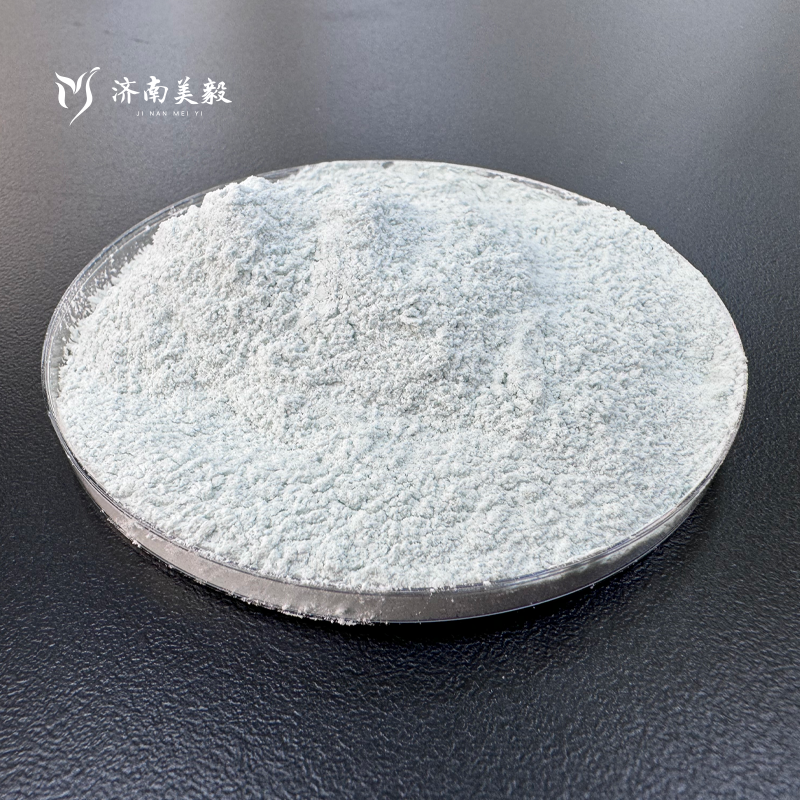
Polydeoxyribonucleotide (PDRN) refers to highly purified DNA fragments. In the case of Salmon PDRN powder, these nucleotide chains are typically extracted from salmon-derived sources and processed into a stable, lyophilized powder form.
Key characteristics include:
-
DNA fragment-based regenerative ingredient
-
Typical molecular weight range: approximately 50–1500 kDa (depending on processing)
-
Excellent water solubility after reconstitution
-
Strong stability in dry powder form
Because it is supplied as a powder, it offers improved shelf life and easier global transportation compared to pre-dissolved liquid systems.
Why Salmon-Derived PDRN?
Salmon-derived DNA is widely used due to its:
High biocompatibility
The molecular structure shows strong compatibility with human tissue.
Structural similarity to human DNA
This makes it suitable for regenerative applications and aesthetic biomaterials.
Purity and safety advantages
When properly processed, salmon PDRN can achieve high purity levels with low endotoxin and residual protein content.
For professionals seeking a regenerative DNA or nucleotide ingredient with clinical positioning, Salmon PDRN powder offers both scientific depth and commercial scalability.
Mechanism of Action (MOA) in Skin Regeneration
Understanding the mechanism of action is critical for R&D teams and clinicians positioning the ingredient in premium formulations.
A2A Receptor Activation
One of the primary mechanisms associated with PDRN is activation of the A2A adenosine receptor pathway. This signaling cascade supports:
-
Tissue repair responses
-
Improved microcirculation
-
Angiogenesis (formation of new blood vessels)
These pathways are highly relevant in post-procedure recovery and regenerative skin therapies.
Collagen Stimulation & Dermal Repair
Research indicates that PDRN may:
-
Promote fibroblast activity
-
Support extracellular matrix remodeling
-
Accelerate wound healing processes
For medical aesthetic applications, this translates into improved skin texture, elasticity, and recovery outcomes.
Anti-Inflammatory Properties
PDRN is also associated with modulation of inflammatory responses. This makes it particularly useful in:
-
Post-laser protocols
-
Microneedling recovery
-
Barrier-compromised skin repair
For clinics and formulation scientists, this multi-pathway activity is what differentiates Salmon PDRN powder from conventional soothing agents.
Clinical Applications of Salmon PDRN Powder
Professionals often ask: How can we use Salmon PDRN powder in real-world settings?
Medical Aesthetic Treatments
In clinical environments, Salmon PDRN powder is used in:
Injectable skin boosters
Often combined with hyaluronic acid for regenerative hydration systems.
Post-laser recovery treatments
To support faster dermal repair and reduce downtime.
Microneedling combination protocols
Applied topically after controlled injury to enhance regenerative signaling.
Scar revision support
Used in targeted dermal repair strategies.
Professional Skincare Formulations
For brands and OEM manufacturers, Salmon PDRN powder can be formulated into:
-
High-performance repair serums
-
Barrier-restoring creams
-
Post-procedure sheet masks
-
Professional ampoule systems
Its positioning as a regenerative DNA ingredient supports premium branding.
Emerging Applications
We are also seeing interest in:
-
Hair restoration formulations
-
Regenerative dermatology research
-
Advanced dermal scaffolding systems
As regenerative aesthetics expands, application scenarios continue to grow.
Formulation Considerations for R&D Teams
For laboratories and product developers, technical details matter.
Solubility & Handling
Salmon PDRN powder is typically:
-
Reconstituted in sterile water or buffered systems
-
Stable within a moderate physiological pH range (commonly 6–8 depending on system)
-
Sensitive to extreme heat or strong acids
Careful handling ensures molecular integrity.
Compatibility with Other Actives
It is frequently paired with:
-
Hyaluronic acid for hydration and structure
-
Peptides for signaling synergy
-
Growth factors in advanced regenerative systems
Compatibility testing is essential to ensure stability and bioactivity retention.
Recommended Concentration Ranges
Concentration varies by application:
-
Professional topical systems: lower percentage ranges depending on positioning
-
Injectable-grade raw materials: higher purity and stricter endotoxin standards
R&D teams should always validate performance with in-house testing and safety evaluation.
Quality Standards & Sourcing Criteria
For procurement managers and regulatory teams, sourcing quality is non-negotiable.
Purity & Endotoxin Testing
Reputable suppliers provide:
-
HPLC purity analysis
-
Residual protein testing
-
Endotoxin level reports
-
Microbiological testing results
These directly impact clinical safety and regulatory compliance.
Manufacturing Process
High-quality Salmon PDRN powder is typically produced through:
-
Controlled enzymatic extraction
-
Multi-stage filtration
-
Advanced purification systems
Process transparency increases trust.
Regulatory & Documentation
Professional buyers should request:
-
COA (Certificate of Analysis)
-
MSDS
-
GMP manufacturing documentation
-
Country-specific compliance documentation
Proper documentation protects brands and clinics in global markets.
Salmon PDRN Powder vs Liquid PDRN: Which Is Better?
From a commercial standpoint, powder often offers strategic advantages.
Stability
Lyophilized powder generally has longer shelf life.
Transportation efficiency
Lower shipping weight and reduced cold-chain requirements.
OEM customization flexibility
Brands can formulate at desired concentrations.
Liquid systems may offer convenience, but for large-scale manufacturing and global distribution, powder formats are often more practical.
How to Choose a Reliable Salmon PDRN Powder Supplier
Selecting the right supplier is a long-term strategic decision.
Key factors include:
Traceability of salmon source
Clear origin documentation and quality control standards.
Batch consistency
Stable molecular weight range and purity across production cycles.
Technical support capability
Ability to provide formulation guidance and regulatory documentation.
MOQ & scalability
Can the supplier grow with your business?
Long-term partnership evaluation
Transparency, communication, and quality assurance culture matter as much as price.
Market Outlook: The Future of Regenerative Ingredients
The regenerative aesthetics market continues to expand globally. Clinics are seeking biologically active solutions. Brands are moving toward DNA-based actives. Consumers increasingly value science-backed repair systems.
At the same time, premiumization is reshaping medical skincare. Ingredients like Salmon PDRN powder fit perfectly within this evolution — bridging clinical science and commercial scalability.
Conclusion — Strategic Value of Salmon PDRN Powder in Modern Aesthetics
Salmon PDRN powder represents more than a trending ingredient. It is a regenerative biomaterial with:
-
Multi-pathway repair mechanisms
-
Broad clinical and formulation applications
-
Strong positioning in premium aesthetic markets
-
Flexible and scalable sourcing advantages
For clinics, R&D teams, and aesthetic brands, understanding both its science and sourcing standards is essential to unlocking its full value.
If you are evaluating Salmon PDRN powder for clinical use or product development, we recommend reviewing technical documentation, validating purity standards, and partnering with a qualified supplier.
Interested in detailed specifications or bulk supply options? Contact us to request a technical dossier and explore how Salmon PDRN powder can support your next regenerative formulation.





Please leave us a message.