
Superoxide Dismutase Raw Material Manufacturer | Wholesale Price & COA
2026-09-24
- What is Superoxide Dismutase Raw Material?
- Types of Superoxide Dismutase Sources
- Technical Specifications and Quality Standards
- Applications of Superoxide Dismutase Raw Material
- How to Choose a Reliable Superoxide Dismutase Supplier
- Storage, Stability, and Handling Guidelines
- Wholesale Pricing Factors for Superoxide Dismutase
- Common Challenges in SOD Formulation
- Frequently Asked Questions (FAQ)
- Why Partner with Jinan Meiyi Biotechnology for Your SOD Supply?
Superoxide Dismutase (SOD) raw material is a potent enzymatic antioxidant widely utilized in pharmaceutical, cosmetic, and nutraceutical formulations. As the demand for high-efficacy bioactive ingredients grows, sourcing partners who bridge scientific rigor with market responsiveness become essential. This guide details sourcing strategies, technical specifications, stability factors, and wholesale pricing structures for B2B buyers seeking reliable Superoxide Dismutase raw material for industrial applications in 2026.
What is Superoxide Dismutase Raw Material?
Superoxide Dismutase (SOD) is a metalloenzyme that serves as the body’s primary defense against oxidative stress. It catalyzes the dismutation of the superoxide radical (O₂⁻) into either ordinary molecular oxygen (O₂) or hydrogen peroxide (H₂O₂). This reaction is critical because superoxide radicals are among the most damaging reactive oxygen species (ROS) produced during normal cellular metabolism.
In the context of industrial manufacturing, Superoxide Dismutase raw material refers to the purified enzyme powder or liquid concentrate supplied to formulators. These formulators then incorporate SOD into final products such as anti-aging creams, oral supplements, and therapeutic drugs. The quality of the raw material is defined by its specific activity (measured in Units/mg), purity, source origin, and stability profile.
The Biological Mechanism of SOD
Understanding the mechanism is essential for selecting the right grade of raw material. SOD acts as a catalyst, meaning it is not consumed in the reaction and can neutralize millions of superoxide radicals per second. The general reaction equation is:
2O₂⁻ + 2H⁺ → H₂O₂ + O₂
The resulting hydrogen peroxide is subsequently broken down by other enzymes like catalase or glutathione peroxidase. Without adequate SOD activity, superoxide radicals accumulate, leading to cellular damage, inflammation, and accelerated aging. For manufacturers, this biological potency translates directly into the efficacy claims of their final products.
Types of Superoxide Dismutase Sources
Not all SOD is created equal. The source of the enzyme determines its metal cofactor, stability, bioavailability, and regulatory status. When sourcing Superoxide Dismutase raw material, buyers must distinguish between the three primary isoforms: Cu/Zn-SOD, Mn-SOD, and Fe-SOD. Additionally, the extraction method—whether from plant tissues, animal sources, or microbial fermentation—significantly impacts the commercial viability and ethical compliance of the supply chain.
| SOD Type | Metal Cofactor | Primary Source | Key Characteristics | Common Applications |
|---|---|---|---|---|
| Cu/Zn-SOD | Copper & Zinc | Bovine Liver, Yeast Fermentation | High activity, sensitive to heat and pH changes | Cosmetics, Topical Pharmaceuticals |
| Mn-SOD | Manganese | Mitochondria, Bacterial Fermentation | More stable than Cu/Zn-SOD, resistant to cyanide | Nutraceuticals, Oral Supplements |
| Ec-SOD (Extracellular) | Copper & Zinc | Recombinant Technology | High stability, scalable production | Advanced Therapeutics, High-End Skincare |
| Plant SOD | Varies (often Cu/Zn) | Cantaloupe Melon, Broccoli | Natural marketing appeal, lower specific activity | Natural Cosmetics, Clean-Label Supplements |
Fermentation vs. Plant Extraction
In 2026, microbial fermentation has become the dominant method for producing high-grade Superoxide Dismutase raw material. This shift is driven by several factors:
- Consistency: Fermentation allows for precise control over growth conditions, resulting in batch-to-batch uniformity that plant extraction cannot match.
- Purity: Recombinant yeast or bacterial strains can be engineered to produce specific SOD isoforms with minimal contamination from other plant proteins or pesticides.
- Sustainability: Fermentation requires less land and water compared to large-scale agricultural cultivation of SOD-rich crops like melons.
- Scalability: Industrial bioreactors can produce tons of enzyme annually, meeting the demands of global cosmetic and pharmaceutical markets.
Plant-derived SOD, particularly from Cantaloupe melon (Cucumis melo), remains popular in the “natural” and “organic” cosmetic sectors. However, these extracts often require stabilization technologies, such as gliadin coating, to survive gastric digestion if used in oral supplements. Manufacturers must clearly specify the source when requesting quotes for Superoxide Dismutase raw material to ensure regulatory compliance in target markets like the EU, USA, and China.
Technical Specifications and Quality Standards
Procuring Superoxide Dismutase raw material requires a deep understanding of technical parameters. Unlike simple chemical compounds, enzymes are biological entities whose performance is dictated by their structural integrity. Buyers must evaluate suppliers based on strict quality metrics.
Enzymatic Activity (Units/mg)
The most critical specification is enzymatic activity, expressed in Units per milligram (U/mg). One Unit is typically defined as the amount of enzyme required to inhibit the reduction of nitroblue tetrazolium (NBT) by 50% under specific assay conditions.
- Standard Grade: 1,000 – 5,000 U/mg. Often used in basic cosmetic formulations where high potency is not the primary claim.
- High Purity Grade: 10,000 – 50,000 U/mg. Suitable for premium skincare and specialized nutraceuticals.
- Pharmaceutical Grade: >100,000 U/mg. Required for clinical applications and high-efficacy therapeutic developments.
It is crucial to verify the assay method used by the supplier. Different methods (e.g., Cytochrome c reduction vs. NBT inhibition) can yield different activity values. A reputable manufacturer will provide a detailed COA specifying the exact methodology used for activity measurement.
Purity and Protein Content
Purity refers to the percentage of the total protein that is actually SOD. High-purity SOD (>95%) minimizes the risk of allergic reactions caused by impurities and ensures accurate dosing. SDS-PAGE (Sodium Dodecyl Sulfate Polyacrylamide Gel Electrophoresis) is the standard technique for verifying purity. A single band on the gel indicates high homogeneity, while multiple bands suggest contamination with other proteins.
Microbial Limits and Endotoxins
For cosmetic and pharmaceutical use, microbial safety is non-negotiable. Specifications should include:
- Total Plate Count: <1,000 CFU/g
- Yeast and Mold: <100 CFU/g
- E. coli, Salmonella, Staphylococcus aureus: Negative in 1g
- Endotoxins: <10 EU/mg (for injectable or high-sensitive topical applications)
Heavy Metals and Residual Solvents
Compliance with international standards such as USP, EP, and ChP is mandatory. Heavy metal limits (Lead, Arsenic, Mercury, Cadmium) must be strictly monitored, especially for plant-derived SOD which may absorb metals from soil. Fermentation-derived SOD generally offers lower heavy metal risks but requires testing for residual fermentation media components.
Applications of Superoxide Dismutase Raw Material
The versatility of SOD allows it to be integrated into diverse product lines. Understanding the specific requirements of each application helps in selecting the appropriate grade of Superoxide Dismutase raw material.
1. Cosmetic and Personal Care Industry
This is the largest market segment for SOD. The enzyme is marketed for its anti-aging, whitening, and anti-inflammatory properties.
- Anti-Aging Creams: SOD neutralizes free radicals generated by UV exposure and pollution, preventing collagen breakdown and wrinkle formation.
- Post-Procedure Care: After laser treatments or chemical peels, skin is highly inflamed. SOD accelerates healing by reducing oxidative stress and calming redness.
- Whitening Products: By inhibiting oxidative stress, SOD can indirectly reduce melanin production, offering a safer alternative to harsh bleaching agents.
- Shampoos and Scalp Treatments: Oxidative stress contributes to hair follicle damage and graying. SOD-infused scalp serums aim to protect follicle health.
Formulation Tip: SOD is sensitive to pH and temperature. In cosmetics, it should be added at the final stage of production when the temperature is below 40°C. Chelating agents like EDTA may be needed to stabilize the metal cofactors.
2. Nutraceuticals and Dietary Supplements
Oral supplementation with SOD aims to boost the body’s systemic antioxidant capacity. However, the challenge lies in bioavailability. Standard SOD is degraded by stomach acid and digestive enzymes.
- Enteric-Coated Capsules: Protect SOD from gastric acid, releasing it in the intestines for absorption.
- Gliadin-Bound SOD: A proprietary technology where SOD is bound to wheat gliadin, protecting it during digestion and enhancing intestinal uptake.
- Liposomal SOD: Encapsulation in liposomes improves cellular penetration and stability.
Manufacturers of oral supplements must prioritize SOD sources with proven stability data or invest in delivery systems that protect the enzyme. Mn-SOD is often preferred for oral use due to its inherent stability compared to Cu/Zn-SOD.
3. Pharmaceutical and Medical Devices
In the medical field, SOD is investigated for treating conditions characterized by excessive oxidative stress.
- Inflammatory Diseases: Rheumatoid arthritis and inflammatory bowel disease involve high levels of ROS. SOD acts as a potent anti-inflammatory agent.
- Ischemia-Reperfusion Injury: During heart attacks or strokes, blood flow restoration causes a burst of free radicals. SOD therapy aims to mitigate this damage.
- Radiation Protection: SOD can protect healthy tissues from radiation-induced oxidative damage during cancer therapy.
Pharmaceutical-grade Superoxide Dismutase raw material requires GMP (Good Manufacturing Practice) certification, extensive viral clearance validation, and rigorous documentation for regulatory submissions (IND/NDA).
4. Animal Health and Agriculture
An emerging sector involves adding SOD to animal feed to improve livestock health and productivity.
- Poultry and Swine: Reduces oxidative stress during heat stress or transportation, improving immune response and meat quality.
- Pet Food: Premium dog and cat foods include SOD for joint health and longevity support.
How to Choose a Reliable Superoxide Dismutase Supplier
Selecting the right partner for Superoxide Dismutase raw material is a strategic decision that impacts product quality, regulatory compliance, and brand reputation. In 2026, the market is fragmented with varying levels of quality. Here is a comprehensive checklist for evaluating potential partners, highlighting the value of specialized distributors like Jinan Meiyi Biotechnology Co., Ltd.
1. Verification of Certifications and Supply Chain Integrity
Do not rely on marketing claims. Request copies of current certifications and traceability documents:
- ISO 9001 / ISO 22000: Ensures consistent quality management and food safety systems.
- GMP (Good Manufacturing Practice): Essential for pharmaceutical and high-end cosmetic ingredients.
- Kosher, Halal, and Non-GMO: Important for accessing diverse consumer markets.
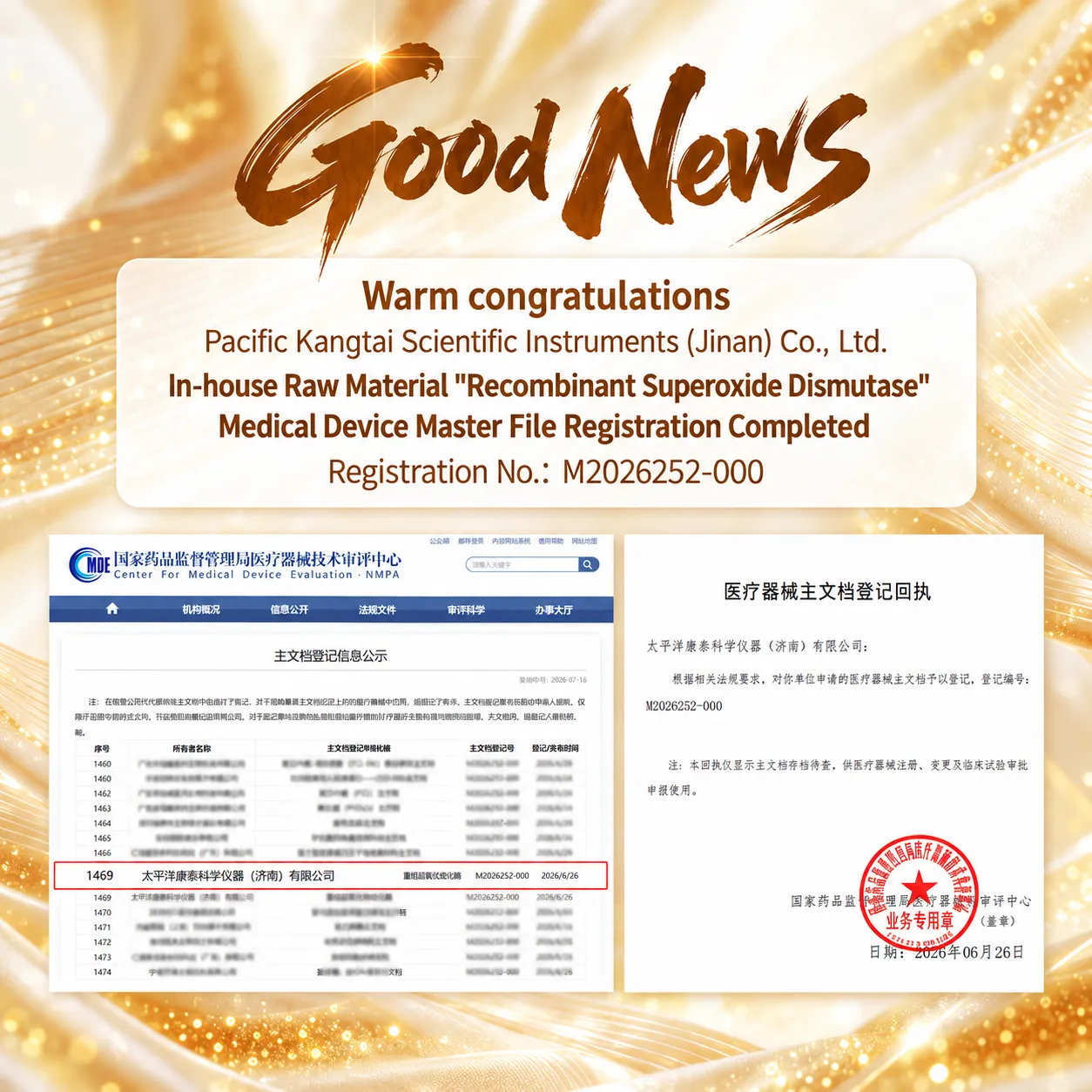
Jinan Meiyi Biotechnology, headquartered in Jinan, Shandong Province, operates as a subsidiary of Pacific Kangtai Scientific Instruments. Unlike traditional manufacturers, Jinan Meiyi functions as a strategic sourcing and quality-assured distribution partner. They do not engage in raw material manufacturing themselves; instead, they leverage a well-established global supply chain network to maintain long-term cooperative relationships with internationally recognized, certified manufacturers. This model ensures that clients receive technically advanced, regulatory-compliant materials without the complexity of managing multiple upstream vendors.
2. Assessment of Production Capacity and Lead Times
Can the supplier scale with your business? Ask about:
- Annual production capacity of their partner manufacturers (kg/ton).
- Standard lead times for bulk orders.
- Inventory levels and supply chain resilience.
Jinan Meiyi Biotechnology prioritizes reliability and transparency. Their operational model focuses on strict control over storage conditions, shipping protocols, and delivery timelines. By partnering with certified manufacturers that adhere to internationally accepted quality management systems, they ensure consistent access to high-integrity ingredients, enabling clients to reduce sourcing complexity while maintaining confidence in material consistency.
3. Technical Support and R&D Capability
A superior supplier acts as a partner, not just a vendor. Look for:
- In-house technical teams capable of providing formulation advice and stability data.
- Responsiveness to technical queries regarding compatibility with other ingredients.
- Knowledge of emerging trends in bioactive ingredient science.
With a strong emphasis on application in the cosmetics and medical aesthetics industries, Jinan Meiyi Biotechnology positions itself at the intersection of scientific rigor and market responsiveness. Their team, backed by continuous exposure to international research frontiers, offers technical consultation and regulatory intelligence sharing. This partnership-oriented service model is integral to their client engagement, helping R&D laboratories, CDMOs, and aesthetic clinics translate bioactive science into real-world benefits.
4. Transparency and Documentation
Trust is built on transparency. A reliable supplier will readily provide:
- Certificate of Analysis (COA): For every batch, detailing activity, purity, moisture, ash, and microbial limits.
- Safety Data Sheet (SDS): For safe handling and shipping.
- Stability Data: Long-term and accelerated stability studies.
- Origin Traceability: Clear documentation of the source strain or plant material.
Jinan Meiyi’s quality assurance framework centers on supplier qualification, documentation traceability, and batch-level specification verification. Each raw material is accompanied by full technical dossiers, including COAs and regulatory status summaries. Their disciplined curation methodology prioritizes clinically meaningful innovation and regulatory clarity, ensuring that every product in their portfolio meets rigorous assessment criteria for efficacy and stability.
Storage, Stability, and Handling Guidelines
Superoxide Dismutase is a delicate protein. Improper handling can lead to rapid loss of enzymatic activity, rendering the raw material ineffective. Adhering to strict storage protocols is essential for maintaining value.
Temperature Control
Lyophilized (freeze-dried) SOD powder is more stable than liquid forms. However, even in powder form, it should be stored at low temperatures.
- Short-term (weeks): Store at 2-8°C (refrigerated).
- Long-term (months/years): Store at -20°C or lower. Avoid repeated freeze-thaw cycles if using liquid concentrates.
Moisture and Humidity
Moisture activates enzymatic degradation and promotes microbial growth. Keep containers tightly sealed in a dry environment. Use desiccants in packaging if necessary. Relative humidity should be kept below 60% in storage areas.
pH Sensitivity
SOD has an optimal pH range (typically pH 5.0-8.0 for Cu/Zn-SOD). Exposure to extreme acidic or alkaline conditions during storage or formulation can denature the enzyme. Buffer solutions should be used when dissolving SOD for testing or formulation.
Light Protection
While not as light-sensitive as some vitamins, prolonged exposure to UV light can contribute to protein degradation. Store SOD in opaque containers or in dark storage areas.
Wholesale Pricing Factors for Superoxide Dismutase
Pricing for Superoxide Dismutase raw material varies significantly based on several variables. Understanding these factors helps in budgeting and negotiation.
| Pricing Factor | Impact on Cost | Explanation |
|---|---|---|
| Enzymatic Activity | High Impact | Higher U/mg requires more extensive purification, increasing cost exponentially. 100,000 U/mg is significantly more expensive than 5,000 U/mg. |
| Source Method | Medium Impact | Fermentation scales well, lowering costs. Plant extraction can be costly due to low yield and seasonal variability. Recombinant tech has high initial R&D but lower marginal cost. |
| Purity Level | High Impact | Achieving >95% purity requires advanced chromatography techniques, adding to production time and expense. |
| Order Volume | Medium Impact | Bulk orders (kg to tons) benefit from economies of scale. Sample or small-batch orders (grams) carry higher per-unit premiums. |
| Regulatory Compliance | Medium Impact | GMP-certified facilities have higher overheads, reflected in the price. Non-GMO, Kosher, and Halal certifications also add minor premiums. |
Note: Prices fluctuate based on raw material availability and energy costs associated with fermentation and freeze-drying. For the most accurate wholesale price, request a formal quotation specifying your required activity level, volume, and destination.
Common Challenges in SOD Formulation
Even with high-quality raw material, formulators face challenges. Addressing these early prevents product failure.
1. Stability in Final Product
SOD can lose activity in the presence of certain preservatives, surfactants, or oxidizing agents. Compatibility testing is mandatory. Using stabilizers like albumin, sugars (trehalose, sucrose), or polyols can protect SOD structure.
2. Penetration Enhancement
SOD is a large molecule (~32 kDa for Cu/Zn-SOD), making it difficult to penetrate the skin barrier. Techniques to enhance penetration include:
- Liposomal encapsulation.
- Use of penetration enhancers (e.g., fatty acids, alcohols).
- Microneedle delivery systems (for medical devices).
- Fragmentation or peptide mapping (using smaller active fragments).
3. Color and Odor
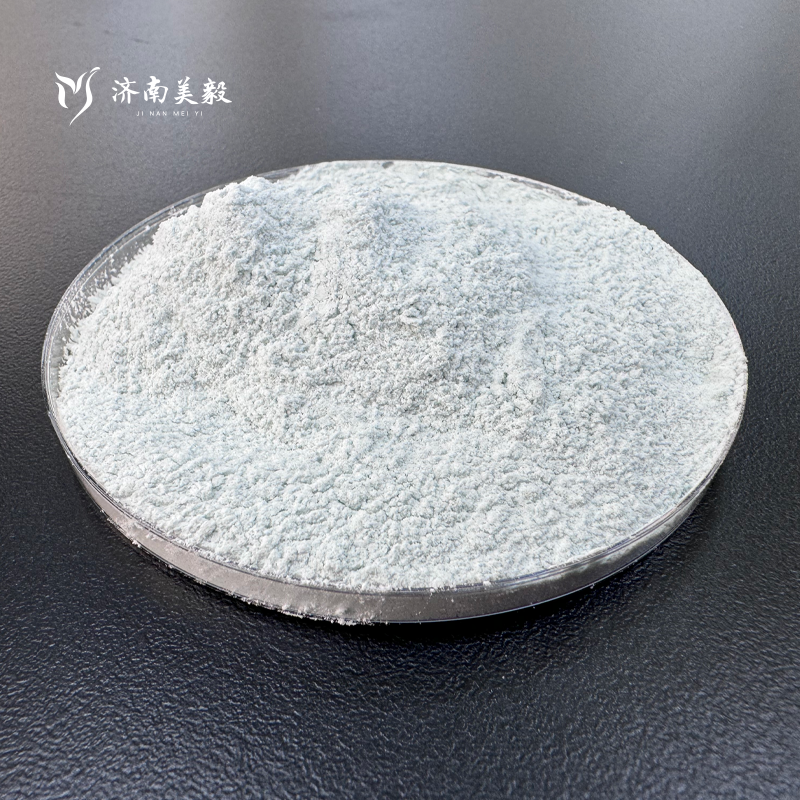
Some SOD sources, particularly plant extracts, may impart color or odor to the final product. Highly purified fermentation-derived SOD is typically white to off-white and odorless, making it ideal for cosmetic applications where sensory attributes are critical.
Frequently Asked Questions (FAQ)
What is the shelf life of Superoxide Dismutase raw material?
When stored properly at -20°C in a sealed, dry container, lyophilized SOD powder typically retains its activity for 24 to 36 months. Liquid formulations have a much shorter shelf life, often limited to 6-12 months even under refrigeration. Always refer to the COA for the specific expiration date of your batch.
Can SOD be used in combination with Vitamin C?
Yes, SOD and Vitamin C are synergistic. Vitamin C is an antioxidant that can regenerate other antioxidants, while SOD neutralizes superoxide radicals. However, direct mixing in high concentrations without proper buffering can sometimes lead to instability. It is recommended to conduct stability tests when combining these actives.
Is Superoxide Dismutase vegan-friendly?
It depends on the source. SOD derived from bovine liver is not vegan. SOD produced via microbial fermentation (yeast or bacteria) or extracted from plants (melon, broccoli) is generally considered vegan. Buyers should explicitly request “Vegan-Certified” or “Fermentation-Derived” SOD if this is a marketing claim for their final product.
How do I verify the activity of SOD upon receipt?
While most buyers rely on the supplier’s COA, independent verification can be done using commercial SOD assay kits (e.g., based on NBT or WST-1 methods). Ensure your laboratory follows the same protocol specified in the COA to compare results accurately.
What is the difference between native SOD and recombinant SOD?
Native SOD is extracted directly from natural sources (plants, animals). Recombinant SOD is produced by genetically modified microorganisms that have been engineered to express the SOD gene. Recombinant SOD offers higher purity, consistency, and scalability, and avoids the ethical and safety concerns associated with animal-derived ingredients.
Why Partner with Jinan Meiyi Biotechnology for Your SOD Supply?
As a professional enterprise dedicated to the research, development support, and commercialization of bioactive technologies, Jinan Meiyi Biotechnology Co., Ltd. serves as a trusted enabler for innovation across the global personal care and aesthetic medicine value chain.
- Specialized Expertise: Deep specialization in bioactive technology applications within cosmetics and medical aesthetics, supported by a scientifically trained team.
- Quality-Assured Distribution: Leveraging a globally integrated and vetted supply chain, Jinan Meiyi ensures reliable access to high-integrity, functionally validated ingredients backed by robust documentation.
- Curated Portfolio: A disciplined curation methodology prioritizes clinically meaningful innovation and regulatory clarity over breadth, ensuring every product meets modern formulation standards.
- Partnership Model: Emphasizing technical collaboration, regulatory awareness, and agile responsiveness to the dynamic needs of R&D-driven and clinic-based customers across Asia, Europe, and North America.
Jinan Meiyi Biotechnology understands that the efficacy of your final product depends on the quality of your ingredients. By combining scientific integrity with methodical execution, they continue to strengthen their position as a dependable contributor to the global bioactive technology ecosystem.
Ready to Source High-Quality SOD?
Whether you are developing a new anti-aging serum, a robust dietary supplement, or a specialized pharmaceutical formulation, the team at Jinan Meiyi Biotechnology is ready to support your project. Contact us today to request a sample, review our latest COA, or discuss wholesale pricing options.
Get a Quote Now: Reach out to our sales team for personalized assistance and technical support. Let us help you harness the power of antioxidants for your next successful product launch.
Explore Our Full Range of Enzyme Raw Materials & Technical Solutions





Please leave us a message.