

Top Ingredients in Aesthetic Medicine: Key Bioactive Compounds Driving Modern Skin Rejuvenation
2026-03-11
Introduction: The Evolution of Aesthetic Medicine Ingredients
The global aesthetic medicine market has grown dramatically over the last decade. With increasing demand for non-invasive cosmetic treatments, medical professionals and skincare manufacturers are continuously searching for innovative ingredients that can deliver visible, long-lasting results.
Modern aesthetic formulations are no longer limited to basic moisturizing agents. Instead, they increasingly rely on bioactive ingredients derived from biotechnology, regenerative medicine, and biomaterials science.
These ingredients are designed to support:
-
Skin regeneration
-
Collagen stimulation
-
Tissue repair
-
Hydration and volume restoration
-
Protection against oxidative stress
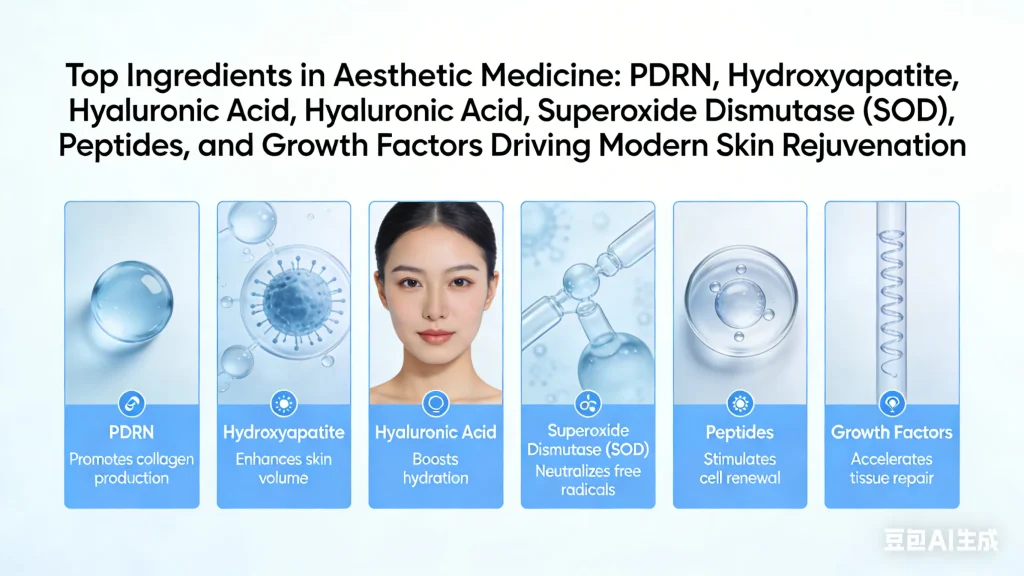
Some of the most important ingredients driving innovation in aesthetic medicine today include PDRN, hydroxyapatite, hyaluronic acid, superoxide dismutase (SOD), peptides, and growth factors.
Understanding how these ingredients work is essential for cosmetic brands, dermatology clinics, and aesthetic product manufacturers seeking to develop next-generation skincare solutions.
1. PDRN: The Regenerative Ingredient Transforming Skin Repair
Polydeoxyribonucleotide (PDRN) has become one of the most discussed ingredients in regenerative aesthetics. Derived from purified DNA fragments, PDRN is known for its powerful ability to stimulate tissue repair and cellular regeneration.
Key Mechanisms of PDRN
PDRN works primarily by activating adenosine A2A receptors, which play a role in tissue healing and anti-inflammatory responses. This mechanism helps accelerate skin recovery after aesthetic procedures.
Benefits of PDRN in Aesthetic Medicine
-
Stimulates skin cell regeneration
-
Promotes collagen synthesis
-
Enhances tissue repair
-
Reduces inflammation
-
Improves skin elasticity
Because of these properties, PDRN is commonly used in:
-
Skin booster injections
-
Regenerative aesthetic treatments
-
Post-laser recovery products
-
Professional medical skincare formulations
High-purity salmon-derived PDRN is particularly valued due to its excellent compatibility with human DNA.
2. Hydroxyapatite: Structural Support and Collagen Stimulation
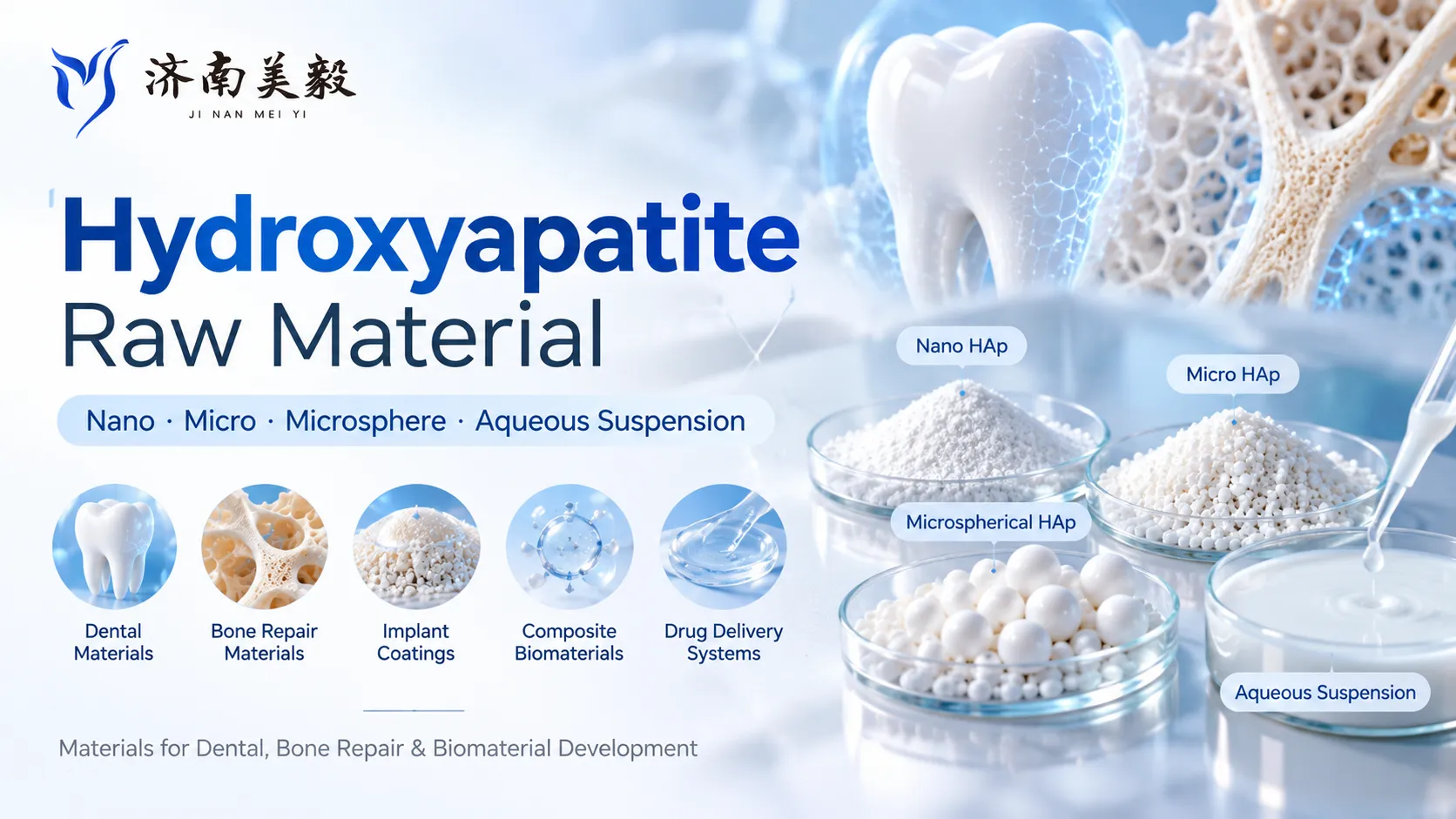
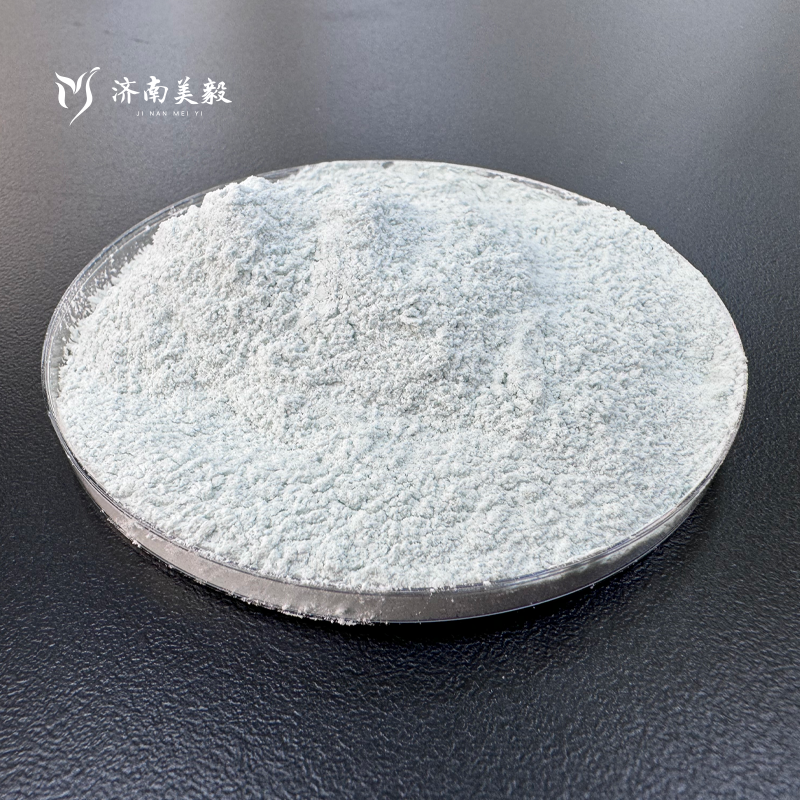
Hydroxyapatite is a naturally occurring mineral composed of calcium and phosphate. It is the primary inorganic component of human bones and teeth, making it highly biocompatible.
In aesthetic medicine, calcium hydroxyapatite (CaHA) is used as a dermal filler and collagen stimulator.
Advantages of Hydroxyapatite
-
Stimulates natural collagen production
-
Improves skin firmness and elasticity
-
Restores facial volume
-
Supports long-lasting aesthetic results
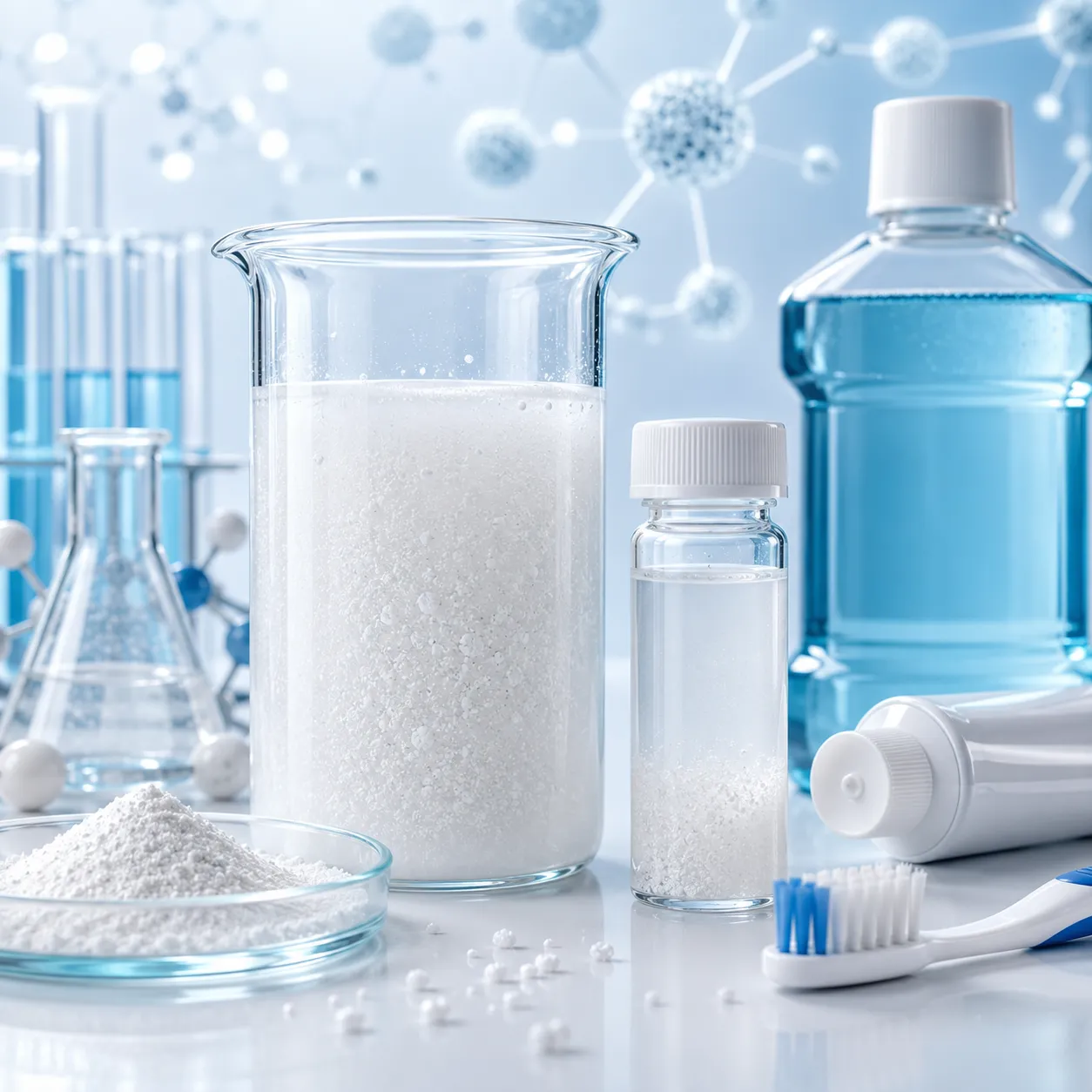
Hydroxyapatite is also widely used in dental products, where it helps restore tooth enamel and support remineralization.
3. Hyaluronic Acid: The Hydration Powerhouse 
Hyaluronic acid remains the most widely used ingredient in aesthetic medicine.
Naturally present in the skin, hyaluronic acid functions as a powerful humectant capable of retaining up to 1,000 times its weight in water.
Key Benefits
-
Deep hydration
-
Wrinkle reduction
-
Improved skin elasticity
-
Volume restoration
HA is widely used in:
-
Dermal fillers
-
Skin booster injections
-
Anti-aging serums
-
Professional aesthetic treatments
Due to its excellent safety profile, hyaluronic acid remains a foundation ingredient in aesthetic medicine formulations.
4. Superoxide Dismutase (SOD): Antioxidant Defense Against Skin Aging 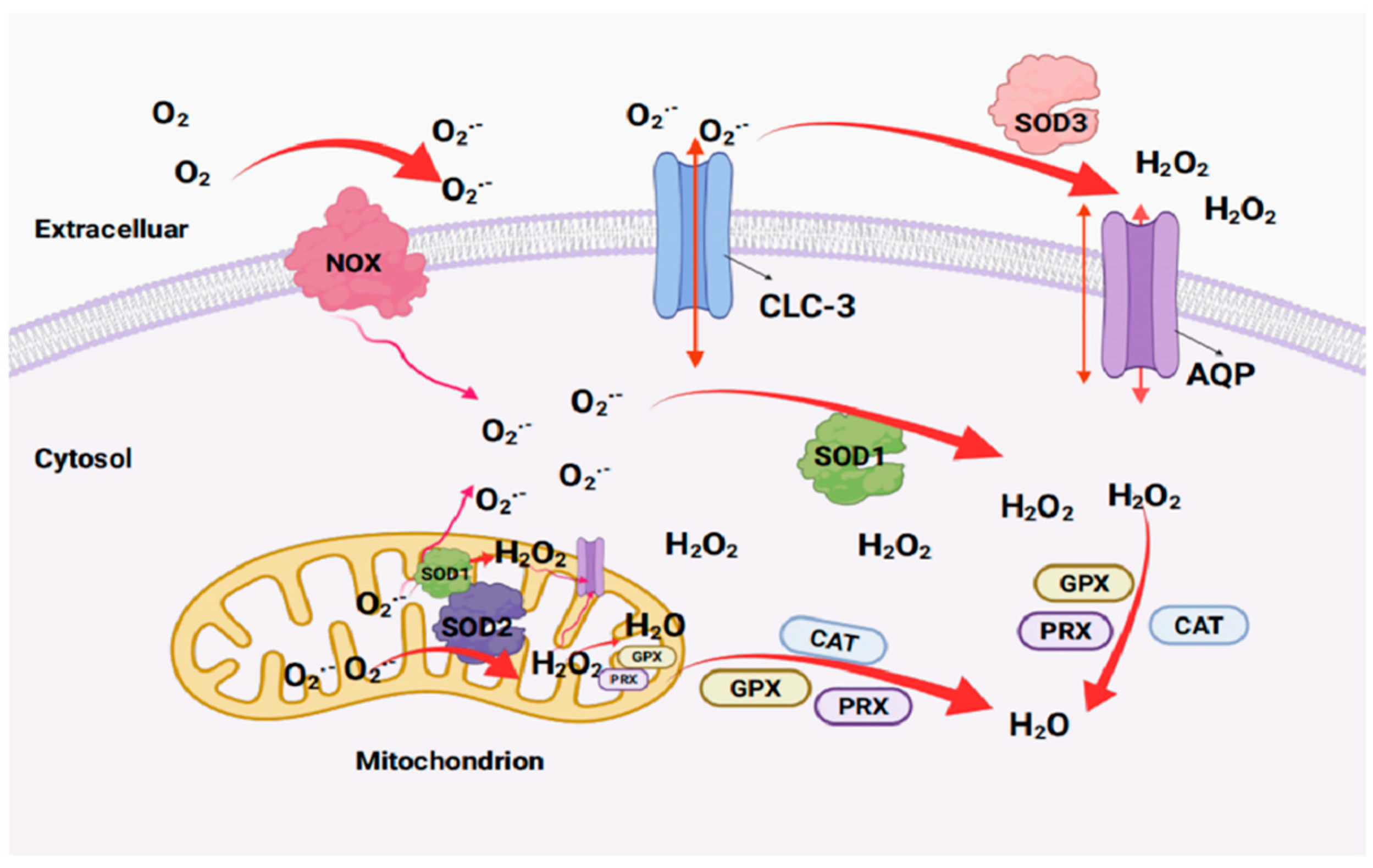
 4
4
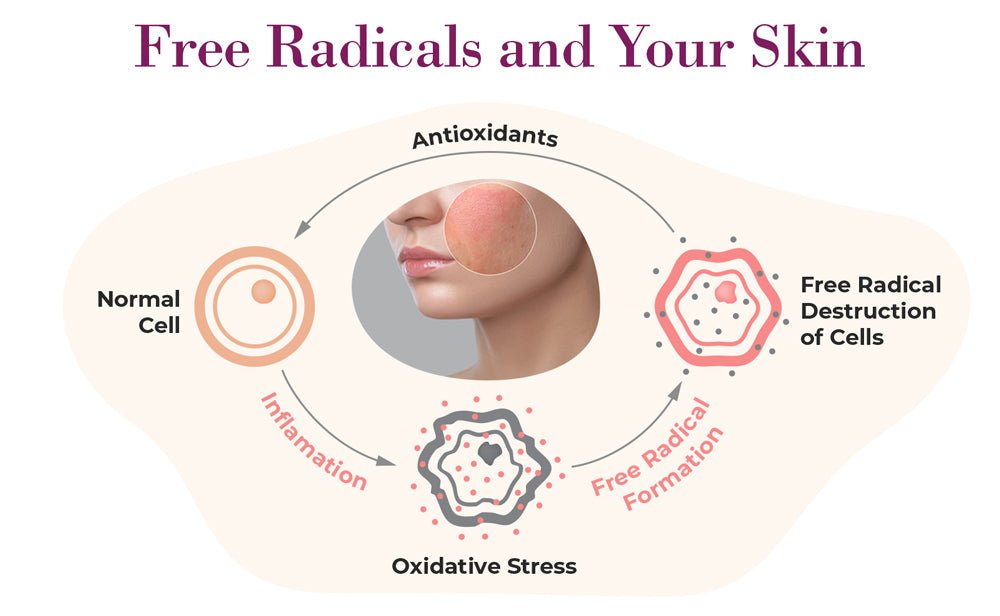
Oxidative stress caused by environmental pollutants and UV exposure is one of the leading causes of skin aging.
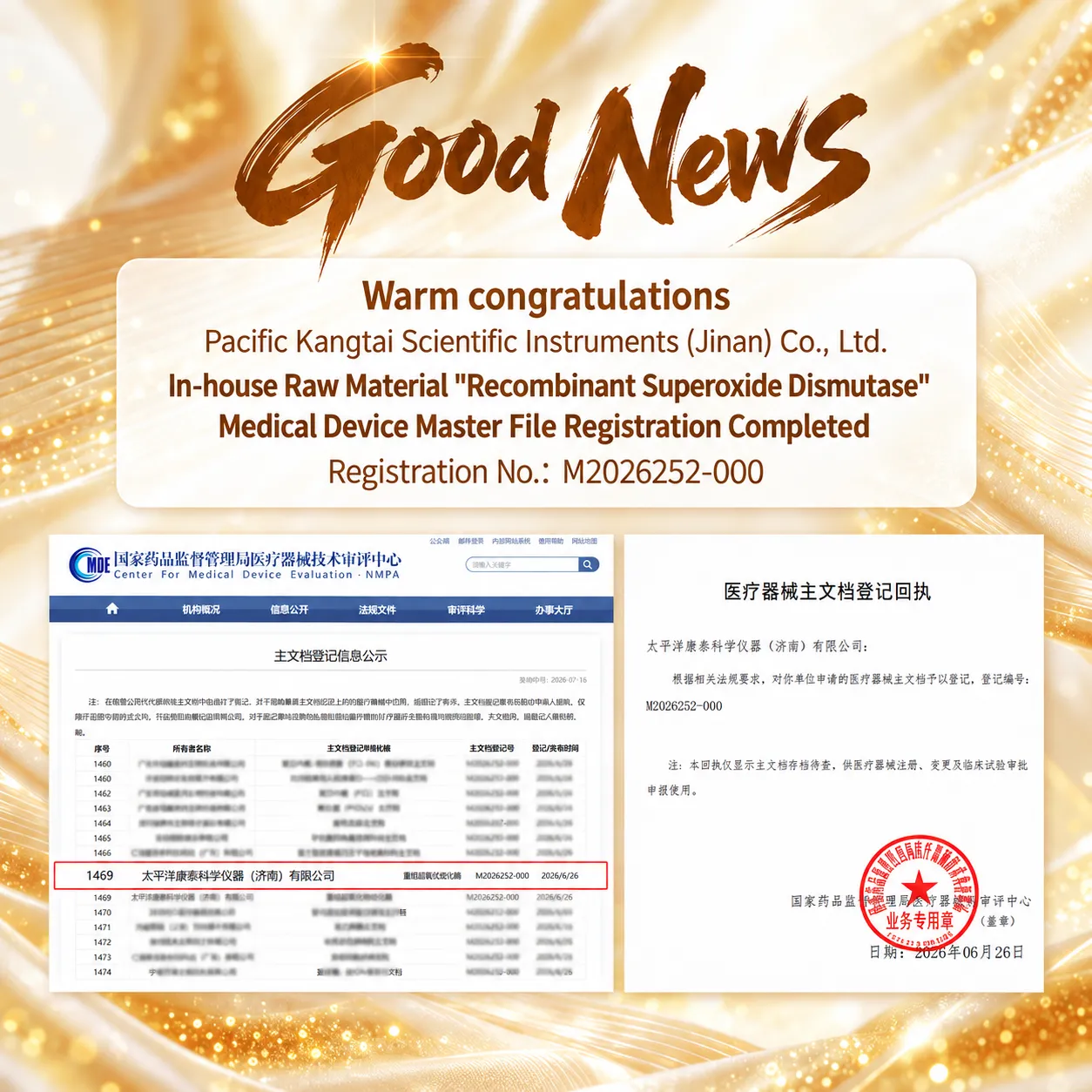
Superoxide dismutase (SOD) is a natural antioxidant enzyme that protects cells from damage caused by free radicals.
Skin Benefits
-
Neutralizes reactive oxygen species
-
Protects skin cells from oxidative damage
-
Reduces inflammation
-
Helps delay visible aging
SOD is increasingly incorporated into high-end antioxidant skincare formulations.
5. Peptides: Smart Molecules for Targeted Anti-Aging 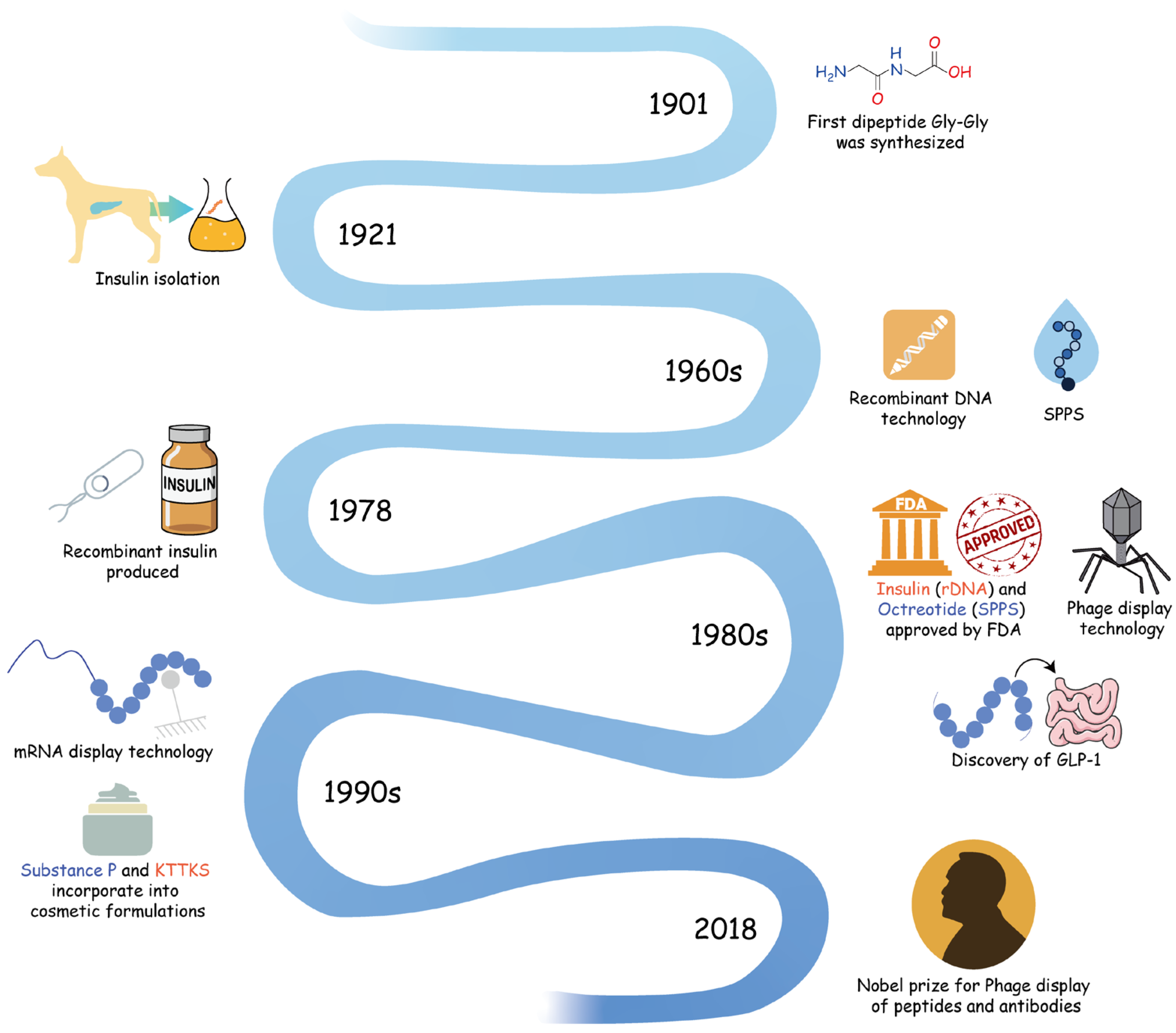 4
4
Peptides are short chains of amino acids that act as signaling molecules within the skin.
They help regulate biological processes related to collagen production, cell communication, and skin repair.
Common Types of Cosmetic Peptides
-
Signal peptides
-
Carrier peptides
-
Neurotransmitter-inhibiting peptides
Peptides are widely used in anti-aging serums, eye creams, and professional aesthetic skincare products.
6. Growth Factors: Advanced Skin Regeneration Technology
Growth factors are naturally occurring proteins that regulate cell growth and tissue repair.
In aesthetic medicine, they are used to stimulate:
-
Skin regeneration
-
Collagen production
-
Cellular renewal
Growth factors are often incorporated into post-procedure recovery products and regenerative skincare treatments.
Emerging Trends in Aesthetic Medicine Ingredients
The future of aesthetic medicine is increasingly focused on regenerative and bioactive technologies.
Key industry trends include:
-
Biotechnology-derived ingredients
-
DNA-based skin regeneration compounds
-
Biomaterials for collagen stimulation
-
Enzyme-based antioxidant systems
-
Personalized skincare formulations
These innovations are transforming the aesthetic medicine industry and creating new opportunities for product development.
How to Choose High-Quality Raw Materials for Aesthetic Formulations
For cosmetic brands and aesthetic product manufacturers, ingredient quality is critical.
Important factors to consider when sourcing aesthetic ingredients include:
-
Raw material purity
-
Manufacturing standards (GMP / ISO)
-
Traceable sourcing
-
Regulatory compliance
-
Stable supply chain
Reliable ingredient suppliers help ensure consistent product performance and safety.
B2B Inquiry: Partner With a Professional Aesthetic Ingredient Supplier
If you are developing medical aesthetic products, regenerative skincare, or professional cosmetic formulations, choosing the right ingredient supplier is essential.
A professional supplier can provide:
-
High-purity active ingredients
-
OEM / bulk supply options
-
Technical documentation
-
Stable production capacity
-
Global shipping support
Contact our team today to request product specifications, samples, or bulk pricing for aesthetic medicine ingredients.
FAQ: Aesthetic Medicine Ingredients What are the most common ingredients used in aesthetic medicine?
Common ingredients include hyaluronic acid, PDRN, hydroxyapatite, peptides, growth factors, and antioxidant enzymes.
Why is PDRN used in skin regeneration treatments?
PDRN promotes cellular repair, tissue regeneration, and collagen production, making it effective for skin recovery.
What is hydroxyapatite used for in aesthetic medicine?
Calcium hydroxyapatite is used in dermal fillers and collagen stimulation treatments.
Are antioxidant enzymes beneficial for skincare?
Yes. Enzymes like SOD help protect skin cells from oxidative stress and environmental damage.





Please leave us a message.