

What exactly is PDRN? Why is it hailed as the “key to regenerative medicine”?
2026-01-14
In the fields of skincare and aesthetic medicine, “regeneration” is a captivating concept. When skin is damaged or aged, we always hope to awaken its natural repair capabilities. PDRN is precisely the “key” that the scientific community has recently discovered to precisely activate cellular repair processes. Today, we will unveil its mysteries.
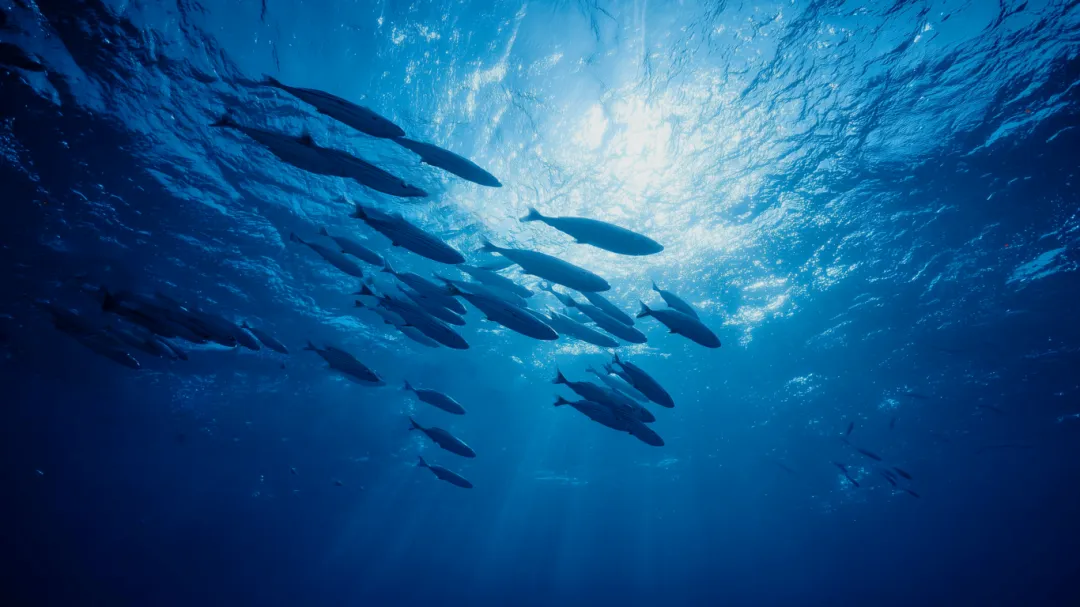
Origin: Inspiration from the regenerative power of the ocean
PDRN (Polydeoxyribonucleotide), whose full name is polydeoxyribonucleotide, is not a chemically synthesized product, but rather derived from natural salmon reproductive cells.
Scientists discovered that salmon possess powerful tissue regeneration and repair capabilities. Through further research, they extracted this specific DNA fragment-PDRN-from salmon sperm. This DNA is highly similar in core structure to the DNA of all mammals (including humans), exhibiting excellent biocompatibility and a low risk of immune rejection, thus allowing for its safe and effective use in the human body.
Essence: It’s not just a “raw material,” but also a “signal.”
We can understand the mechanism of action of PDRN from two core perspectives:
As a “repair material”: PDRN is composed of many deoxyribonucleotides (the basic units of DNA). When skin tissue is damaged and cells need to divide and proliferate to complete repair, these readily available nucleotides can be directly utilized by cells as raw materials for synthesizing new DNA, thus accelerating the repair process.
As a “repair signal”: This is a more crucial and unique mechanism of action of PDRN. PDRN can be specifically recognized by cells surrounding damaged or hypoxic tissue and bind to adenosine A2A receptors on the cell surface, inhibiting the NF-kB and MAPK signaling pathways activated by ROS. This reduces the production of pro-inflammatory cytokines (IL-6, IL-1β, TNF-α, etc.) and promotes the expression of anti-inflammatory cytokines (IL-10), thus exerting a powerful anti-inflammatory effect. Furthermore, it stimulates the secretion of EGF (epidermal growth factor), FGF (fibroblast growth factor), VEGF (vascular endothelial growth factor), and angiopoietin, giving PDRN excellent anti-inflammatory and wound healing properties.
Core function: A repair chain from the micro to the macro level.
Based on the mechanisms described above, PDRN exerts a series of interconnected positive effects at the skin level:
Promotes angiogenesis: Increases blood supply to the damaged area, bringing more oxygen and nutrients and removing metabolic waste.
Promotes cell proliferation and migration: Accelerates the activity and number of key repair cells such as fibroblasts and keratinocytes.
Stimulates collagen and elastin synthesis: Strengthens the skin structure from the dermis, improving fine lines and increasing elasticity.
Powerful anti-inflammatory effect: Effectively soothes inflammatory reactions such as redness, swelling, heat, and pain by regulating inflammatory factors.
Tissue repair and wound healing: Combining all the above effects, it significantly accelerates the healing process of various skin injuries.
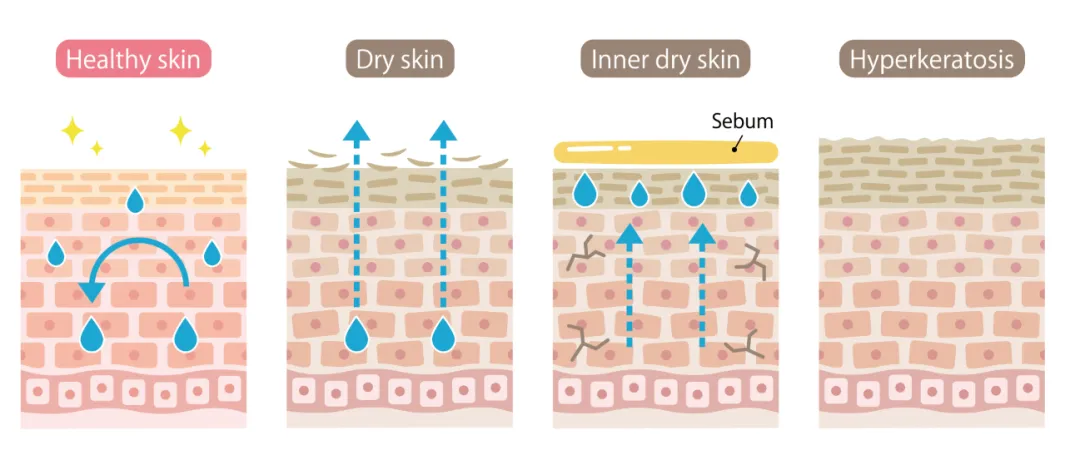
PDRN is referred to as the “key to regeneration” because it doesn’t simply repair and nourish, but precisely regulates cell function. Based on its high biocompatibility, it activates the skin’s own regenerative potential through multi-pathway synergistic effects. This mechanism of “awakening intrinsic repair capabilities” is the core pursuit in the field of regeneration, and it is what gives PDRN its irreplaceable position in the field of skin health.





Please leave us a message.