

Bulk Hydroxyapatite Powder: Wholesale Price & Supplier
2026-09-13
- What Is Hydroxyapatite Powder and Why Buy in Bulk?
- Applications Driving Demand for Wholesale Hydroxyapatite
- Technical Specifications for Bulk Procurement
- How to Choose a Reliable Hydroxyapatite Supplier
- The Role of Specialized Distributors: Jinan Meiyi Biotechnology
- Wholesale Pricing Factors for Hydroxyapatite Powder
- Step-by-Step Guide to Importing Bulk HA Powder
- Common Challenges in Handling Bulk Hydroxyapatite
- FAQ: Frequently Asked Questions About Bulk Hydroxyapatite
- Comparison: Synthetic HA vs. Bovine-Derived HA for Bulk Buying
- Future Trends in Hydroxyapatite Powder Technology
- Conclusion: Securing Value in Bulk Hydroxyapatite Procurement
Bulk hydroxyapatite powder is a high-purity calcium phosphate ceramic widely utilized in biomedical implants, dental bone grafts, and advanced coating applications. Sourcing this material at wholesale prices requires understanding specific particle size distributions, crystallinity levels, and stoichiometric ratios (Ca/P). For industrial buyers and manufacturers, securing a reliable supplier involves verifying ISO certifications, batch consistency, and scalable production capabilities. This guide details the technical specifications, pricing factors, and procurement strategies for purchasing hydroxyapatite (HA) powder in bulk quantities, ensuring optimal performance in regenerative medicine and industrial coatings.
What Is Hydroxyapatite Powder and Why Buy in Bulk?
Hydroxyapatite (HA), chemically represented as Ca10(PO4)6(OH)2, is the primary mineral component of human bone and teeth. Its exceptional biocompatibility and osteoconductivity make it indispensable in the medical device industry. When purchased as hydroxyapatite powder bulk, it serves as the raw material for manufacturing porous scaffolds, injectable bone cements, and plasma-sprayed coatings for metallic implants.
Buying in bulk is not merely a cost-saving measure; it is a strategic necessity for manufacturers requiring consistent material properties across large production runs. Variations in synthesis methods—such as wet chemical precipitation, sol-gel processes, or hydrothermal synthesis—can significantly alter the powder’s morphology and reactivity. Therefore, establishing a long-term relationship with a specialized supplier ensures that every kilogram of powder meets the rigorous standards required for FDA-cleared or CE-marked medical devices.
Key Characteristics of High-Quality Bulk HA Powder
When evaluating wholesale suppliers, buyers must look beyond price per kilogram. The technical integrity of the powder determines the success of the final application. Key attributes include:
- Crystallinity: High-crystalline HA offers greater stability and slower resorption rates, ideal for load-bearing implants. Low-crystalline or amorphous HA resorbs faster, suitable for temporary scaffolding in bone regeneration.
- Particle Size Distribution: Nano-sized particles (<100 nm) enhance biological activity and sintering density, while micro-sized particles (1-10 µm) are preferred for plasma spraying and composite fillers.
- Calcium-to-Phosphorus (Ca/P) Ratio: The stoichiometric ratio should ideally be 1.67. Deviations can lead to the presence of secondary phases like tricalcium phosphate (TCP), which alters degradation kinetics.
- Purity Levels: Medical-grade HA must be free from toxic heavy metals, endotoxins, and organic residues. Industrial grades may have slightly relaxed purity constraints but still require high chemical consistency.
Applications Driving Demand for Wholesale Hydroxyapatite
The demand for hydroxyapatite powder bulk is driven by diverse sectors, each with unique technical requirements. Understanding these applications helps buyers specify the correct grade of material.
1. Biomedical Implants and Orthopedics
In orthopedics, HA powder is processed into porous blocks, granules, and putties for bone void filling. It is also used to coat titanium alloy implants via plasma spraying. The coating promotes osseointegration, allowing bone tissue to bond directly to the implant surface. For this application, suppliers must provide powders with precise melting points and adhesion properties to withstand the high temperatures of plasma spraying without decomposing into TCP.
2. Dental Bone Grafting and Regeneration
Dentists and oral surgeons use HA granules derived from bulk powder for ridge preservation, sinus lifts, and periodontal defect repair. The powder is often sintered into irregular granules that mimic the structure of cancellous bone. Here, the resorption rate is critical; the material must maintain volume long enough for new bone to form but eventually remodel into native bone. Suppliers catering to this sector often offer both synthetic HA and bovine-derived HA options, though synthetic versions provide superior batch-to-batch consistency.
3. Drug Delivery Systems
Nano-hydroxyapatite powder is increasingly used as a carrier for controlled drug delivery. Its high surface area allows for the adsorption of therapeutic agents, such as antibiotics or growth factors. The powder’s pH-responsive dissolution behavior enables targeted release in acidic environments, such as infection sites or tumor microenvironments. Buyers in this niche require ultra-fine, nano-scale powders with high surface energy and functionalizable surfaces.
4. Industrial Coatings and Sensors
Beyond medicine, HA powder is used in water purification filters due to its affinity for heavy metal ions. It is also employed in biosensors and chromatography columns. Industrial buyers typically prioritize cost-efficiency and large-volume availability over the stringent sterility requirements of medical grades, though chemical purity remains essential for sensor accuracy.
Technical Specifications for Bulk Procurement
To ensure you receive the correct product for your application, it is crucial to define technical specifications clearly when requesting quotes for hydroxyapatite powder bulk. Below is a detailed breakdown of standard parameters.
| Parameter | Medical Grade (Implant/Coating) | Dental Grade (Grafting) | Industrial/Research Grade |
|---|---|---|---|
| Purity | > 99.5% | > 98.5% | > 95.0% |
| Ca/P Molar Ratio | 1.67 ± 0.02 | 1.67 ± 0.05 | 1.50 – 1.70 |
| Crystallinity | High (>90%) or Custom | Moderate to High | Variable |
| Particle Size (D50) | 1-5 µm (Coating) / <100 nm (Nano) | 0.5 – 2 mm (Granules) | 1 – 10 µm |
| Endotoxin Level | < 0.5 EU/mL | < 0.5 EU/mL | Not Typically Tested |
| Sterility | Gamma Irradiated / Aseptic | Gamma Irradiated | Non-Sterile |
| Heavy Metals | Pb < 5 ppm, As < 2 ppm | Pb < 10 ppm | Standard Chemical Purity |
Understanding Particle Morphology
The shape of HA particles affects packing density and flowability. Needle-like crystals provide better mechanical interlocking in composites, while spherical particles improve flow during automated dispensing or plasma spraying. When sourcing bulk powder, request Scanning Electron Microscopy (SEM) images from the supplier to verify morphology. Agglomeration is a common issue in nano-powders; effective dispersion techniques or surface modification may be required if the powder tends to clump.
How to Choose a Reliable Hydroxyapatite Supplier
Selecting the right partner for hydroxyapatite powder bulk procurement is critical to supply chain stability and product quality. The market contains numerous traders and manufacturers, but not all possess the technical capability to produce consistent, high-grade HA.
1. Verify Manufacturing Capabilities
Distinguish between true manufacturers and trading companies. Manufacturers control the synthesis process, allowing for customization of particle size and crystallinity. Ask for details on their synthesis method. Wet precipitation is common for cost-effective bulk production, while hydrothermal synthesis yields higher crystallinity and purity. A reputable supplier will transparently discuss their production workflow and quality control checkpoints.
2. Check Certifications and Compliance
For medical applications, the supplier must operate under a Quality Management System compliant with ISO 13485 (Medical Devices). Additionally, ISO 9001 certification indicates general quality management proficiency. If the powder is intended for use in the US or European markets, inquire about DMF (Drug Master File) availability or REACH compliance. These documents demonstrate regulatory readiness and reduce the burden of validation on your end.
3. Assess Batch Consistency and Traceability
Consistency is the hallmark of a professional supplier. Request Certificate of Analysis (CoA) data from previous batches to check for variation in key parameters like Ca/P ratio and particle size. A robust traceability system allows you to track raw materials back to their source, which is essential for auditing and recall management. Inconsistent powder quality can lead to failed sintering cycles or unpredictable implant performance, resulting in significant financial losses.
4. Evaluate Technical Support and Customization
Top-tier suppliers offer more than just material; they provide technical expertise. Can they modify the powder for your specific solvent system? Do they offer surface-functionalized HA for drug loading? The ability to customize products indicates a deep understanding of the material science behind HA. Look for suppliers who engage in R&D and can collaborate on solving formulation challenges.
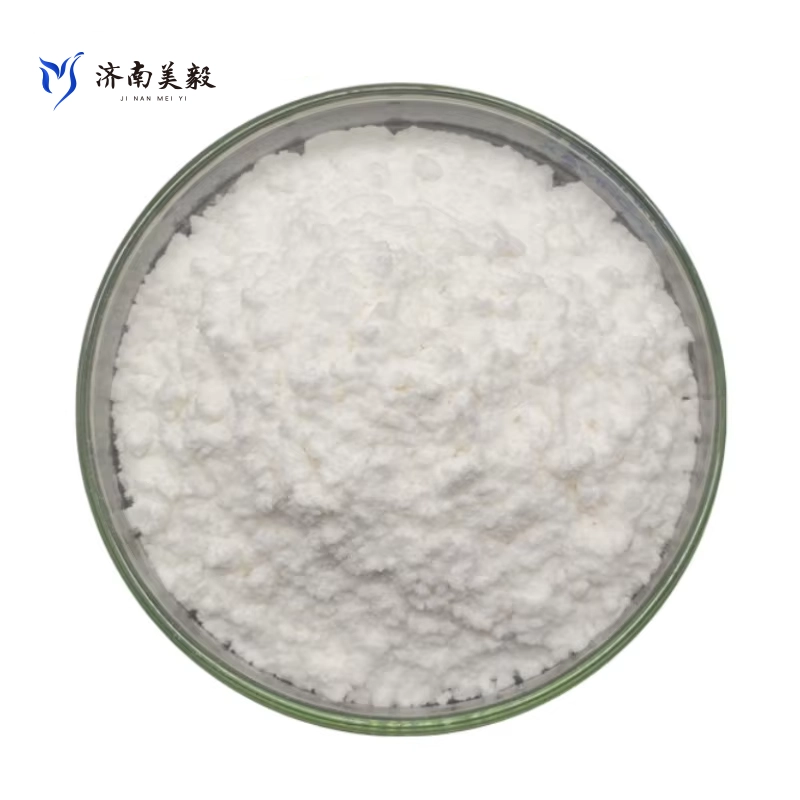
The Role of Specialized Distributors: Jinan Meiyi Biotechnology
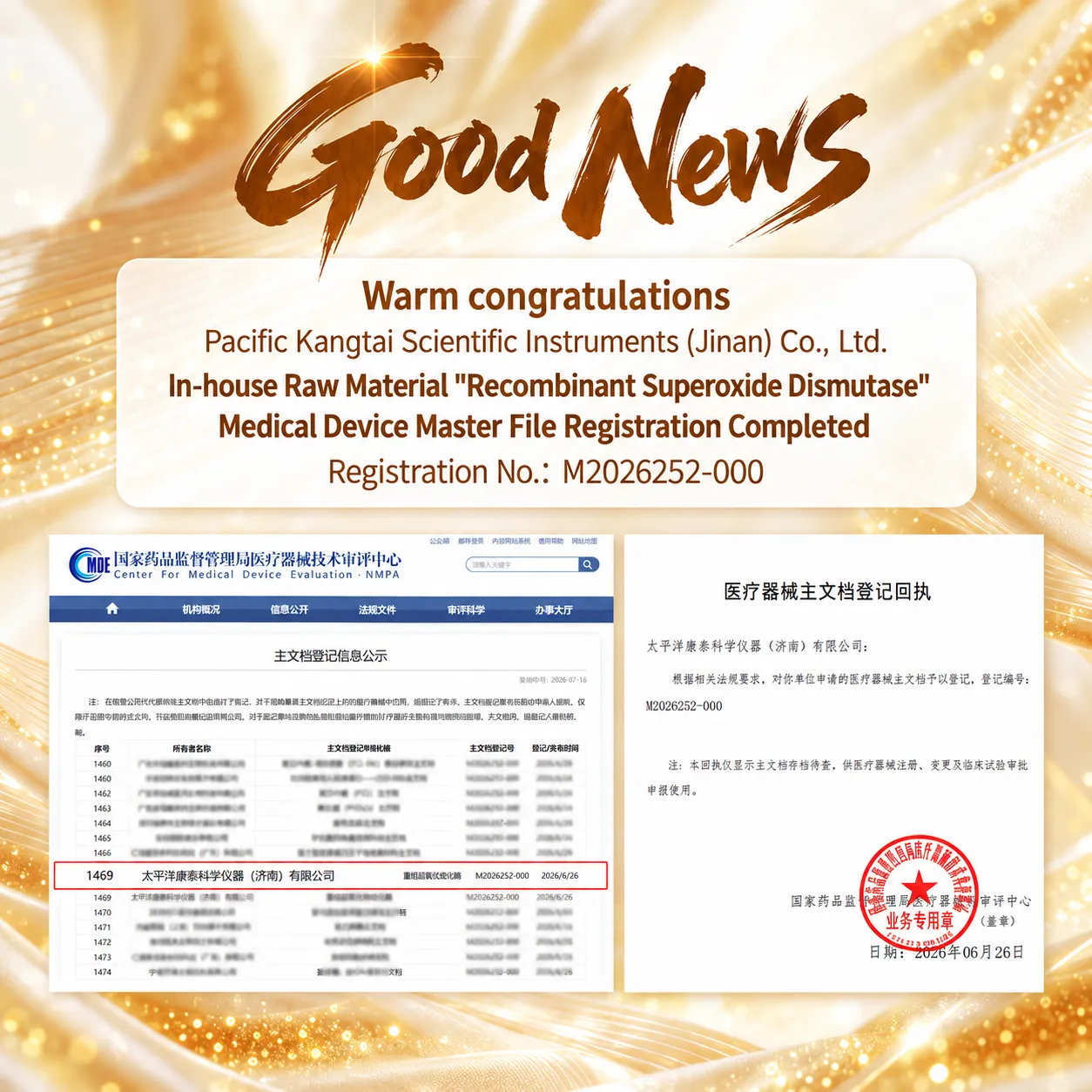
In the complex landscape of bioactive material sourcing, partners like Jinan Meiyi Biotechnology Co., Ltd. play a pivotal role in bridging the gap between upstream innovation and downstream application. Headquartered in Jinan, Shandong Province, and operating as a subsidiary of Pacific Kangtai Scientific Instruments, Jinan Meiyi Biotechnology specializes in the research, development support, and commercialization of high-performance bioactive technologies.
While Jinan Meiyi does not engage in direct manufacturing, it functions as a strategic sourcing and quality-assured distribution partner. This model is particularly valuable for buyers seeking reliability without the overhead of managing multiple raw material producers. By leveraging a well-established global supply chain network, the company maintains long-term cooperative relationships with internationally recognized, certified manufacturers. This ensures that clients have consistent access to technically advanced, regulatory-compliant, and scientifically validated materials, including high-purity hydroxyapatite and other bioactive ingredients.
For R&D laboratories, CDMOs, and aesthetic clinics, Jinan Meiyi Biotechnology offers more than just product supply. Their operational model prioritizes transparency and responsiveness, providing comprehensive technical dossiers—including Certificates of Analysis (CoA), Safety Data Sheets (SDS), and regulatory status summaries—for every batch. This rigorous quality assurance framework, centered on supplier qualification and batch-level specification verification, allows clients to reduce sourcing complexity while maintaining full confidence in material consistency. Whether for cosmetic formulations or medical aesthetics, their partnership-oriented approach emphasizes technical collaboration and regulatory intelligence, facilitating faster and safer translation of bioactive science into real-world benefits.
Wholesale Pricing Factors for Hydroxyapatite Powder
Pricing for hydroxyapatite powder bulk varies significantly based on grade, quantity, and processing complexity. Understanding these factors helps in negotiating better contracts and forecasting costs.
Grade and Purity Impact
Medical-grade HA commands a premium due to the stringent testing for endotoxins, heavy metals, and sterility. The cost of maintaining a cleanroom environment and performing biological safety tests adds to the final price. Industrial or research-grade powder is substantially cheaper but lacks the necessary certifications for human implantation. Nano-sized HA is more expensive than micro-sized HA due to the energy-intensive processing required to prevent agglomeration and achieve uniform particle distribution.
Order Volume and Packaging
Economies of scale play a major role in wholesale pricing. Orders exceeding 100 kg typically qualify for significant discounts compared to smaller 1-10 kg purchases. Packaging also affects cost; standard double-layer polyethylene bags with aluminum foil lining are cost-effective for non-sterile powder. Sterile, vacuum-sealed packaging with gamma irradiation services incurs additional fees. Clarify whether the quoted price includes packaging and sterilization services.
Logistics and Incoterms
Shipping terms (Incoterms) influence the landed cost. EXW (Ex Works) prices appear lower but place the burden of freight and insurance on the buyer. FOB (Free on Board) or CIF (Cost, Insurance, and Freight) terms may offer better value depending on your logistics capabilities. Given that HA powder is sensitive to moisture, ensure that the supplier uses moisture-barrier packaging and considers humidity control during transit, especially for sea freight.
Step-by-Step Guide to Importing Bulk HA Powder
Importing chemical materials involves regulatory compliance and logistical planning. Follow these steps to streamline the procurement process.
- Step 1: Define Specifications: Clearly document required particle size, crystallinity, purity, and quantity. Prepare a technical data sheet (TDS) request.
- Step 2: Supplier Qualification: Request samples, CoAs, and ISO certificates. Conduct a virtual or onsite audit if possible. Verify the supplier’s export license.
- Step 3: Sample Testing: Test the sample in your lab for compatibility, sintering behavior, or biological response. Do not skip this step, even for established suppliers.
- Step 4: Negotiate Contract: Agree on price, payment terms (e.g., T/T, L/C), lead time, and quality acceptance criteria. Include clauses for rejection if the bulk shipment deviates from the approved sample.
- Step 5: Regulatory Documentation: Ensure the supplier provides a Commercial Invoice, Packing List, Bill of Lading, and any required safety data sheets (SDS). For medical grades, obtain sterilization certificates.
- Step 6: Customs Clearance: Classify the HS Code correctly (typically under 2835 or 3002 depending on formulation and use). Prepare for potential duties and taxes. Engage a customs broker familiar with chemical imports.
- Step 7: Receipt and QC: Upon arrival, perform incoming quality control checks. Compare bulk batch data with the CoA. Store the powder in a cool, dry place away from moisture.
Common Challenges in Handling Bulk Hydroxyapatite
Working with HA powder presents specific handling challenges that can affect product quality if not managed properly.
Moisture Absorption and Agglomeration
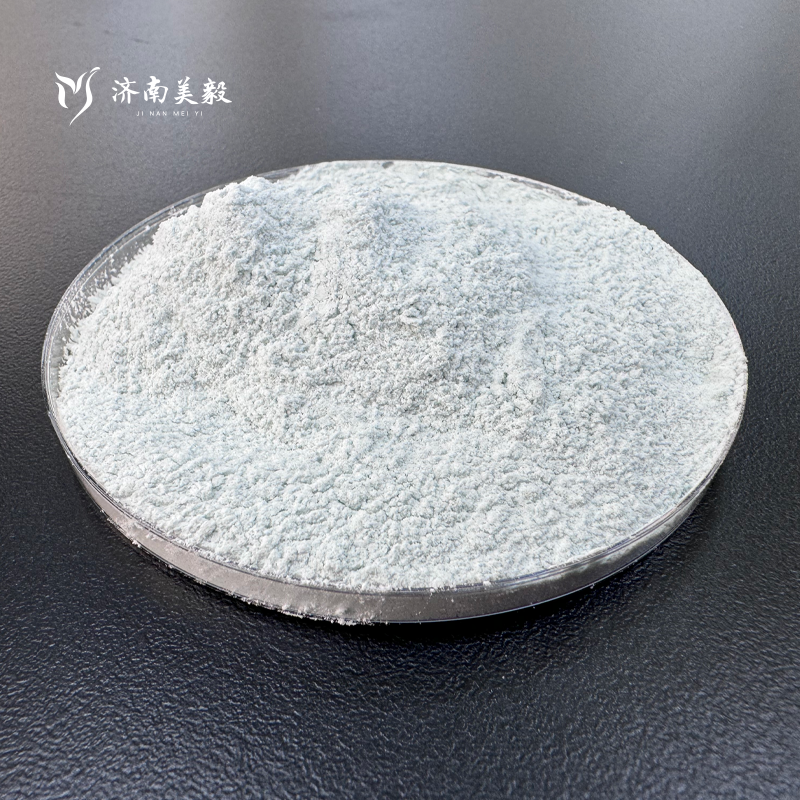
Hydroxyapatite is hygroscopic, meaning it absorbs moisture from the air. This can lead to clumping, which affects flowability and mixing uniformity. To mitigate this, store bulk powder in airtight containers with desiccants. Use dehumidified environments during processing. If agglomeration occurs, sieving or mild milling may be necessary, but care must be taken not to alter the crystal structure through excessive mechanical stress.
Contamination Risks
Cross-contamination with other materials or environmental dust can compromise medical-grade HA. Dedicate specific equipment for HA processing. Use stainless steel or ceramic-lined machinery to prevent metal contamination. Regular cleaning validation protocols are essential for GMP-compliant facilities.
Batch Variation Management
Even with strict QC, slight variations between batches can occur. Implement a robust blending strategy if large volumes are required. Mixing multiple batches can average out minor deviations in particle size or density, ensuring consistent performance in the final product. Always retain reference samples from each batch for future comparison.
FAQ: Frequently Asked Questions About Bulk Hydroxyapatite
What is the shelf life of bulk hydroxyapatite powder?
When stored in a cool, dry place in sealed, moisture-proof packaging, hydroxyapatite powder has a shelf life of 2 to 5 years. However, for medical applications, manufacturers often specify a shorter validity period (e.g., 2 years) to ensure sterility and chemical stability. Always check the expiration date on the Certificate of Analysis and rotate stock using the First-In-First-Out (FIFO) method.
Can hydroxyapatite powder be customized for specific particle sizes?
Yes, most reputable manufacturers and specialized distributors like Jinan Meiyi Biotechnology can facilitate customization. They work with partners to adjust synthesis parameters or employ post-processing techniques like milling and sieving to achieve specific particle size distributions. Whether you need nano-particles for drug delivery or coarse granules for bone void fillers, clear communication of your D10, D50, and D90 values is essential during the ordering process.
What is the difference between synthetic and natural hydroxyapatite?
Synthetic HA is produced chemically, offering high purity and consistent stoichiometry. Natural HA is derived from bovine or marine sources. While natural HA retains some organic components that may enhance biological recognition, it carries a higher risk of immunogenic reaction and batch variability. Synthetic HA is generally preferred for high-regulation medical devices due to its predictability and safety profile.
Is hydroxyapatite powder hazardous to handle?
Hydroxyapatite itself is biocompatible and non-toxic. However, fine powders can pose inhalation risks, causing respiratory irritation. Always wear appropriate personal protective equipment (PPE), including N95 masks or respirators, gloves, and eye protection when handling bulk powder. Refer to the Safety Data Sheet (SDS) provided by the supplier for specific handling guidelines.
How do I verify the Ca/P ratio of the received batch?
The Ca/P ratio is typically verified using Inductively Coupled Plasma Optical Emission Spectroscopy (ICP-OES) or X-Ray Fluorescence (XRF). Reputable suppliers include this data in the CoA. If internal verification is required, ensure your lab is equipped for elemental analysis. A deviation from 1.67 indicates the presence of other calcium phosphates, which may affect the material’s performance.
Comparison: Synthetic HA vs. Bovine-Derived HA for Bulk Buying
When sourcing bulk materials, buyers often choose between synthetic and natural sources. Here is a comparative analysis to aid decision-making.
| Feature | Synthetic Hydroxyapatite | Bovine-Derived Hydroxyapatite |
|---|---|---|
| Source | Chemical Precipitation / Sol-Gel | Bone Calcination / Hydrothermal |
| Purity | Very High (>99%) | Variable (Organic Residues Possible) |
| Consistency | High Batch-to-Batch Uniformity | Moderate Variability |
| Biocompatibility | Excellent, Non-Immunogenic | Good, Low Risk of Immunogenicity |
| Regulatory Path | Simpler (No Animal Origin Concerns) | Complex (TSE/BSE Free Certification Required) |
| Cost | Moderate to High | High (Due to Processing & Certification) |
| Supply Stability | High (Scalable Production) | Dependent on Raw Material Availability |
For most industrial and high-volume medical applications, synthetic HA is the preferred choice due to its scalability, consistency, and easier regulatory clearance. Bovine-derived HA is often reserved for specific dental applications where its porous structure is highly valued, but supply chain risks are higher.
Future Trends in Hydroxyapatite Powder Technology
The landscape of HA production is evolving. Buyers should stay informed about emerging trends that may impact future sourcing strategies.
- Doping and Ion Substitution: Suppliers are increasingly offering HA doped with strontium, magnesium, or zinc to enhance specific biological functions, such as antibacterial properties or accelerated osteogenesis. This creates opportunities for differentiated product development.
- Green Synthesis Methods: Environmental regulations are driving the adoption of eco-friendly synthesis routes that reduce waste and energy consumption. Suppliers utilizing green chemistry may offer long-term cost benefits and align with corporate sustainability goals.
- 3D Printing Feedstocks: The rise of additive manufacturing in healthcare is increasing demand for HA powders optimized for 3D printing (SLS, SLA). These powders require specific flow and packing characteristics, creating a new niche in the bulk market.
Conclusion: Securing Value in Bulk Hydroxyapatite Procurement
Purchasing bulk hydroxyapatite powder is a critical decision that impacts the quality, safety, and efficacy of your final products. By prioritizing suppliers with proven technical expertise, robust quality systems, and transparent manufacturing processes, you mitigate risks and ensure consistent performance. Whether for orthopedic implants, dental grafts, or industrial coatings, the right HA powder grade combined with strategic procurement practices delivers long-term value.
Focus on building partnerships rather than transactional relationships. Engage with suppliers who understand your application nuances and can support your R&D efforts. Verify every batch, maintain strict storage conditions, and stay updated on regulatory changes to maintain a competitive edge in the market.
Ready to optimize your supply chain with high-quality hydroxyapatite powder? Contact our technical team today to discuss your specific requirements, request samples, or obtain a customized wholesale quote. We provide comprehensive solutions tailored to your production needs.
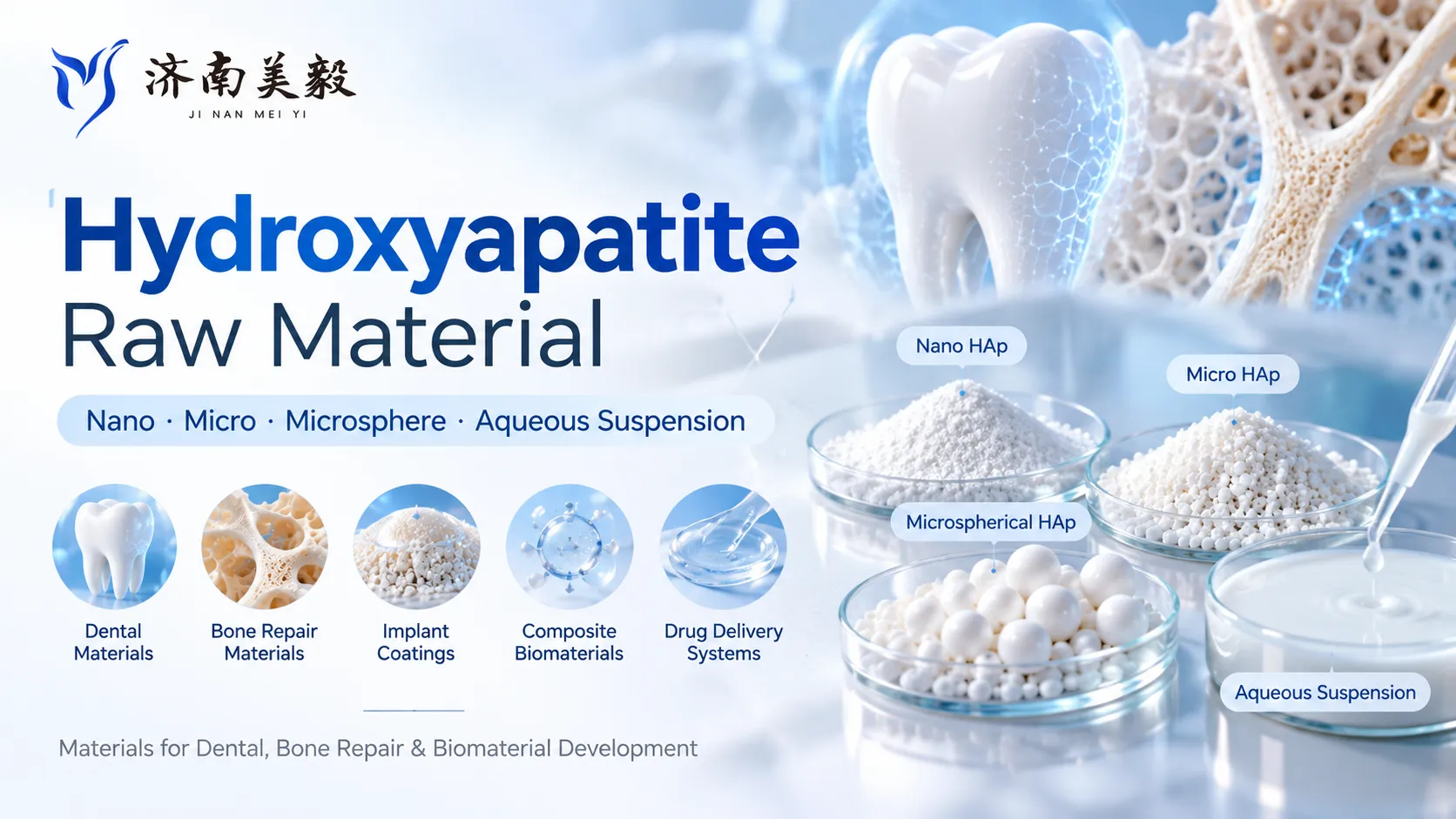
Explore Our Hydroxyapatite Product Range and Technical Solutions





Please leave us a message.