

Fluoride-Free Toothpaste with Hydroxyapatite: What Consumers Should Know
2026-06-09
Introduction
Fluoride-free toothpaste has changed a lot in recent years. In the past, many fluoride-free formulas were mainly designed for people who wanted a “natural” toothpaste. They cleaned the teeth, freshened the breath, and avoided fluoride, but they did not always offer strong enamel care support.
Today, hydroxyapatite has brought a new direction to fluoride-free oral care.
Fluoride-free toothpaste with hydroxyapatite is becoming more popular because it gives consumers another way to care for enamel, especially for people who are interested in biomimetic ingredients and mineral-based oral care. But before choosing this type of toothpaste, it is worth understanding what hydroxyapatite is, how it works, and what it can and cannot do.
What Is Hydroxyapatite?
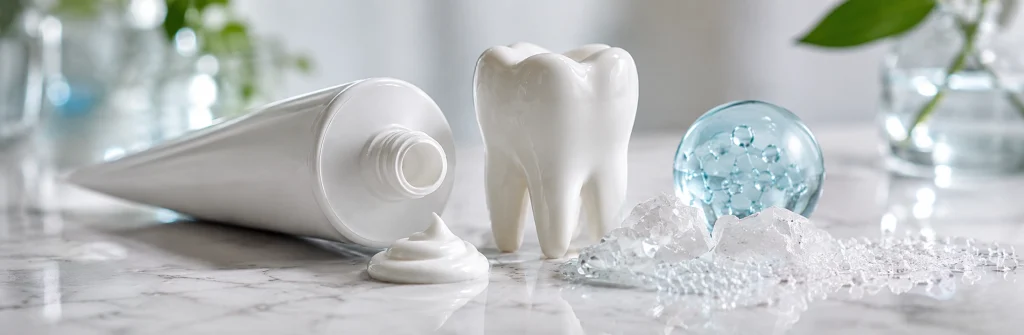
Hydroxyapatite is a naturally occurring calcium phosphate mineral. It is also one of the main mineral components found in human teeth and bones. In tooth enamel, hydroxyapatite plays an important role in hardness, structure, and surface protection.
This is why hydroxyapatite is often called a biomimetic ingredient in oral care. “Biomimetic” simply means that it is designed to imitate or support something that already exists in the body.
In toothpaste, hydroxyapatite is used to help
support the enamel surface. Depending on the formula, it may appear as hydroxyapatite, nano hydroxyapatite, micro hydroxyapatite, or HAp on the ingredient list.

Why Is Hydroxyapatite Used in Fluoride-Free Toothpaste?
The main reason is enamel care.
Everyday habits can affect tooth enamel. Acidic drinks, sugary foods, frequent snacking, aggressive brushing, and natural wear can all influence the tooth surface over time. When enamel loses minerals, the surface may become rougher, weaker, or more sensitive.
Hydroxyapatite is used in toothpaste because it can help support the mineral balance of the tooth surface. Instead of working in exactly the same way as fluoride, hydroxyapatite provides tooth-like mineral particles that can interact with enamel.
For consumers, this makes hydroxyapatite especially interesting in fluoride-free toothpaste. It allows brands to create a formula that does more than simply clean the teeth. A well-designed hydroxyapatite toothpaste can also support enamel smoothness, remineralization care, and daily sensitivity protection.
How Does Fluoride-Free Toothpaste with Hydroxyapatite Work?
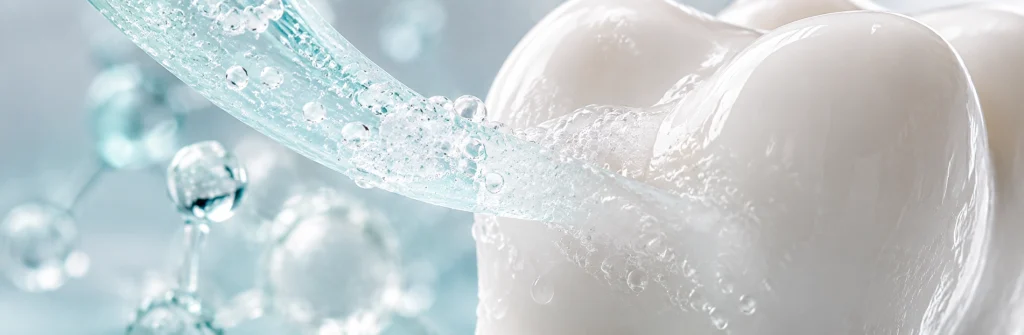
Hydroxyapatite toothpaste works by helping deposit mineral-like particles onto the tooth surface. These particles may attach to tiny irregular areas on enamel and help create a smoother surface feel.
This does not mean toothpaste can rebuild a damaged tooth or replace dental treatment. However, as part of daily oral care, hydroxyapatite can help support the surface of enamel and maintain a healthier-feeling tooth surface.
Many consumers notice hydroxyapatite toothpaste because of three main benefits: enamel support, a smoother tooth feel, and reduced mild sensitivity. These effects usually depend on consistent use, formula quality, and the condition of the teeth.
Hydroxyapatite vs Fluoride: Are They the Same?
Hydroxyapatite and fluoride are both used in toothpaste, but they are not the same ingredient.
Fluoride has been used for many years in cavity-prevention toothpaste. It helps strengthen enamel and improves resistance against acid attack. This is why fluoride remains a standard ingredient in many dental care products.
Hydroxyapatite takes a different approach. Since it is similar to the mineral naturally found in enamel, it supports the tooth surface by providing mineral-like particles. This makes it attractive to consumers who want a fluoride-free toothpaste but still want enamel-focused benefits.
In simple terms:
Fluoride helps strengthen enamel against acid.
Hydroxyapatite helps support the enamel surface with tooth-like minerals.
One is not automatically better than the other. They work differently. For consumers who prefer fluoride-free oral care, hydroxyapatite offers a more advanced option than basic non-fluoride toothpaste.
Main Benefits of Hydroxyapatite Toothpaste
Supports Enamel Remineralization
One of the biggest reasons hydroxyapatite is used in toothpaste is its connection to enamel remineralization. When enamel is exposed to acids, it may lose minerals from the surface. Hydroxyapatite can help support this surface by supplying mineral-like particles that are similar to natural enamel.
This makes hydroxyapatite toothpaste especially suitable for consumers who care about daily enamel protection.
Helps with Mild Tooth Sensitivity
Tooth sensitivity can happen when enamel becomes thinner or when dentin is exposed. Cold drinks, hot foods, sweet snacks, or even brushing may cause a short, sharp feeling.
Hydroxyapatite toothpaste may help by supporting a protective layer on the tooth surface. For people with mild sensitivity, regular use may help make teeth feel more comfortable.
However, severe or ongoing sensitivity should not be ignored. It may be related to cavities, gum recession, cracks, or other dental problems that need professional advice.
Creates a Smoother Tooth Surface
A rough enamel surface can make teeth feel less clean and may allow stains to attach more easily. Hydroxyapatite can help smooth the tooth surface by filling tiny surface irregularities.
This does not make it a professional whitening treatment, but it may help teeth look cleaner and feel smoother with regular brushing.
Offers a Fluoride-Free Option
Some consumers prefer to avoid fluoride for personal reasons. Others may be looking for a gentler or more modern toothpaste formula. Fluoride-free toothpaste with hydroxyapatite gives these consumers a practical alternative.
Instead of choosing a fluoride-free toothpaste that only cleans, they can choose one that also supports enamel care.
Is Fluoride-Free Hydroxyapatite Toothpaste Safe?
For most people, hydroxyapatite toothpaste is considered suitable for daily oral care when used as directed. It is designed for use on the tooth surface and is commonly used in toothpaste and mouthwash products.
That said, consumers should still look carefully at the whole formula. A toothpaste is not automatically good just because it contains hydroxyapatite. The quality of the ingredient, the particle size, the concentration, the abrasive system, and the overall formulation all matter.
A good hydroxyapatite toothpaste should have clear ingredient labeling, responsible product claims, suitable instructions for use, and a formula that is gentle enough for daily brushing.
For children, pregnant women, people with frequent cavities, or anyone with existing dental problems, it is better to ask a dentist before fully switching to a fluoride-free toothpaste.
Who May Want to Try Hydroxyapatite Toothpaste?
Fluoride-free toothpaste with hydroxyapatite may be a good choice for people who want a fluoride-free oral care routine but do not want to give up enamel-supporting benefits.
It may also be suitable for consumers who:
Prefer biomimetic oral care ingredients
Want a toothpaste for daily enamel support
Experience mild tooth sensitivity
Prefer a gentle toothpaste formula
Are interested in mineral-based oral care
Want a modern alternative to traditional fluoride toothpaste
However, people with a high risk of cavities should be more careful. Fluoride toothpaste is still widely recommended by dental professionals for cavity prevention. If someone has frequent tooth decay, dry mouth, gum disease, or orthodontic appliances, they should speak with a dentist before making a full switch.
What to Look for When Choosing a Hydroxyapatite Toothpaste
When choosing a fluoride-free toothpaste with hydroxyapatite, consumers should not only look at the front label. Many products use similar marketing language, but the actual formula can be very different.
A good product should clearly show hydroxyapatite on the ingredient list. If the brand uses nano hydroxyapatite or micro hydroxyapatite, it should explain the purpose of that ingredient in the formula.
Consumers should also pay attention to abrasiveness. Toothpaste should clean effectively, but it should not be too harsh on enamel. This is especially important for people with sensitivity or enamel wear.
The flavor system also matters. Some people prefer strong mint, while others need a milder formula. A toothpaste that feels too strong or irritating may not be the best choice for daily use.
Finally, brand transparency is important. Trustworthy brands usually provide clear product information, realistic claims, and proper usage guidance.
Can Hydroxyapatite Toothpaste Replace Fluoride Toothpaste?
This depends on the user’s oral health needs.
For consumers who have healthy teeth, low cavity risk, and a strong preference for fluoride-free oral care, hydroxyapatite toothpaste may be a suitable daily option. It can support enamel care and help maintain a smooth tooth surface.
For consumers with frequent cavities or higher dental risk, fluoride may still be the better choice, or at least something to discuss with a dentist before switching.
The most balanced view is this: hydroxyapatite toothpaste is not just a “natural trend.” It is a functional oral care option with real interest in enamel support. But it should be chosen based on personal oral health needs, not only marketing claims.
How to Use Fluoride-Free Toothpaste with Hydroxyapatite
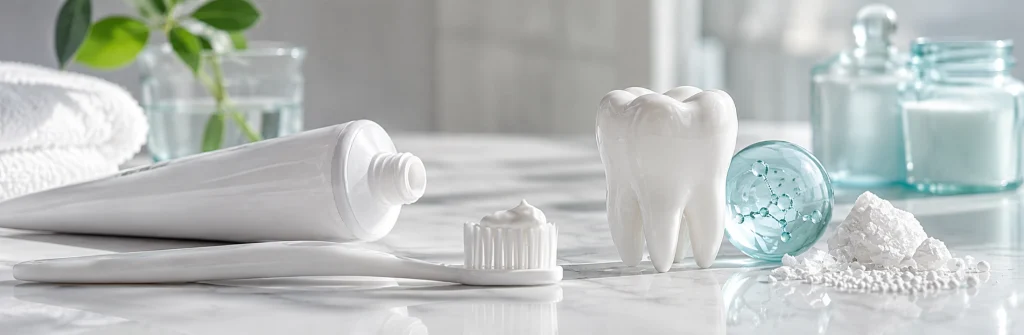
Use hydroxyapatite toothpaste the same way as regular toothpaste unless the product instructions say otherwise.
Brush twice a day with a soft toothbrush. Use gentle pressure instead of scrubbing hard. After brushing, spit out the excess toothpaste. Some users prefer not to rinse heavily with water afterward, so a thin layer of the active ingredients can remain on the teeth for longer.
Daily habits also matter. Toothpaste alone cannot protect teeth if the overall oral care routine is poor. Flossing, regular dental checkups, reducing frequent sugar intake, and avoiding overly aggressive brushing are all important.
Final Thoughts
Fluoride-free toothpaste with hydroxyapatite offers a modern option for consumers who want enamel support without fluoride. Because hydroxyapatite is similar to the mineral found in natural tooth enamel, it fits well with the growing interest in biomimetic oral care.
It may help support enamel remineralization, reduce mild sensitivity, smooth the tooth surface, and provide a more functional fluoride-free toothpaste choice.
Still, consumers should choose carefully. The best hydroxyapatite toothpaste is not the one with the strongest marketing claim, but the one with a well-balanced formula, clear ingredient information, and realistic product positioning.
For oral care brands, hydroxyapatite also represents an important ingredient trend. As more consumers look for fluoride-free, enamel-friendly, and science-based toothpaste formulas, hydroxyapatite is likely to remain a key ingredient in the next generation of oral care products.
FAQ
Is fluoride-free toothpaste with hydroxyapatite good for teeth?
Yes, it can be a good option for people who want fluoride-free oral care with enamel-supporting benefits. Hydroxyapatite can help support enamel surface care, smoothness, and mild sensitivity relief.
Is hydroxyapatite toothpaste better than fluoride toothpaste?
Not necessarily. Hydroxyapatite and fluoride work differently. Fluoride is widely used for cavity protection, while hydroxyapatite supports the enamel surface with tooth-like mineral particles.
Can hydroxyapatite toothpaste help sensitive teeth?
It may help with mild sensitivity by supporting a protective mineral-like layer on the tooth surface. If sensitivity is severe or persistent, it is best to see a dentist.
Is nano hydroxyapatite toothpaste safe for daily use?
Nano hydroxyapatite toothpaste is commonly used in oral care. Consumers should choose products from transparent brands with clear ingredient information and proper use instructions.
Who should use fluoride-free hydroxyapatite toothpaste?
It may be suitable for people who prefer fluoride-free toothpaste, want enamel support, or have mild sensitivity. People with frequent cavities or dental disease should ask a dentist before switching.






Please leave us a message.