

Garlic Powder: Complete Guide to Uses, Benefits, Storage, and Buying Tips
2026-04-15
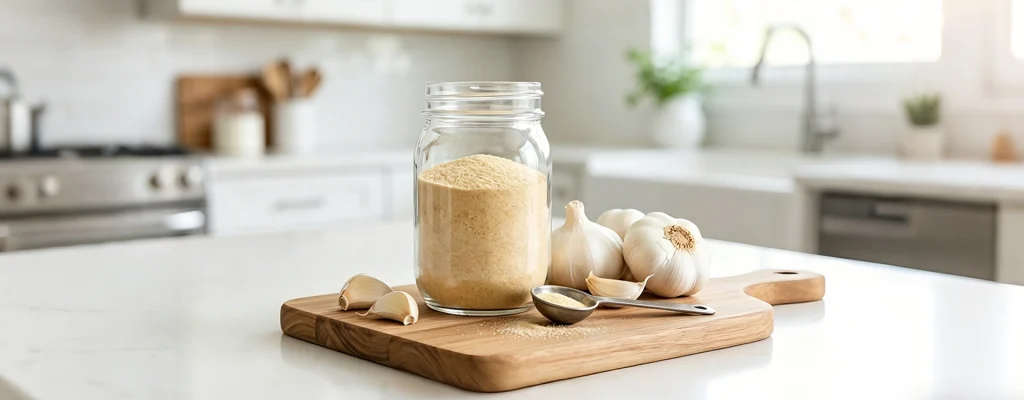
Whether you’re a food manufacturing professional, a restaurant chef, or a home cook building your spice pantry, garlic powder is one of the most versatile staples you can keep on hand. This shelf-stable garlic product delivers consistent garlic flavor without the prep work of fresh cloves, making it ideal for everything from bulk food production to weeknight dinners. In this complete guide, we cover everything you need to know about garlic powder, from production and health benefits to cooking tips, storage, and how to buy high-quality product in 2024.
What Is Garlic Powder? Everything You Need To Know
Garlic powder is a dried garlic product made from whole garlic bulbs that have been processed into a fine, free-flowing powder. It’s a staple in both commercial food manufacturing and home kitchens for its consistent flavor and long shelf life.
How Is Garlic Powder Made?
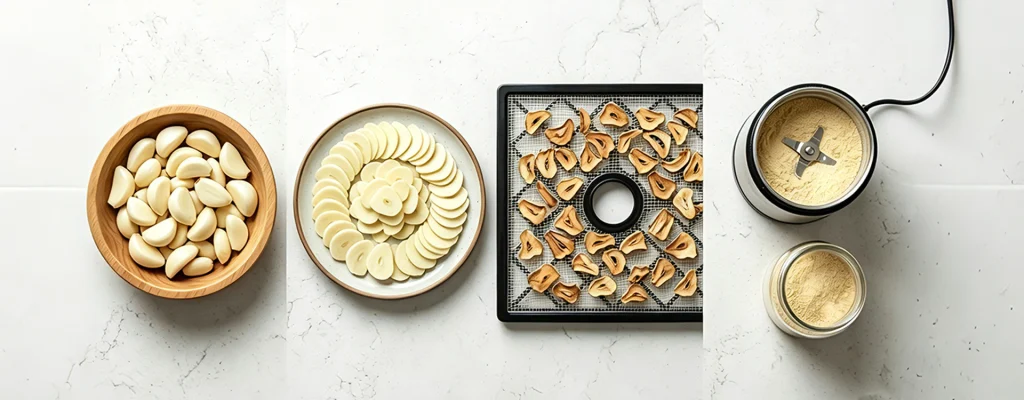
Commercial garlic powder production starts with fresh, harvested garlic bulbs. The bulbs are cleaned, peeled, and sliced into thin uniform pieces. Next, the sliced garlic is dehydrated at low temperatures to remove all moisture, preventing spoilage and preserving flavor. Finally, the dried garlic slices are ground into a fine powder and sifted to ensure a consistent texture.
Garlic Powder vs. Garlic Salt: What’s The Difference?
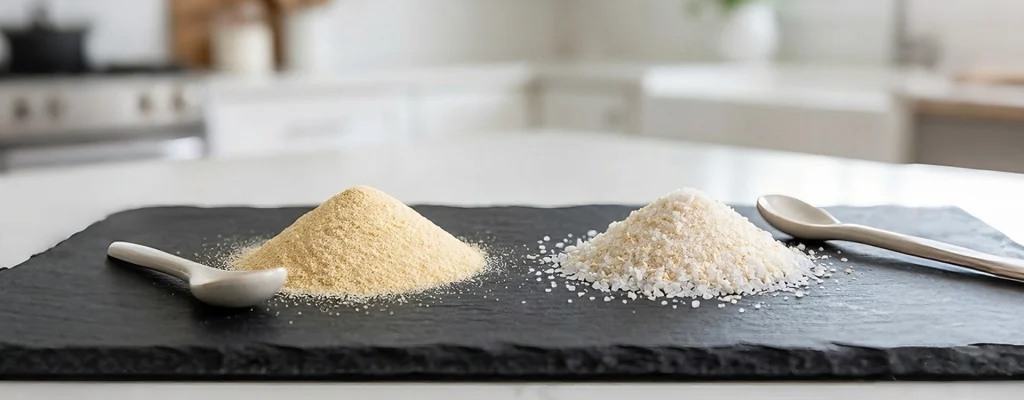
The biggest difference between garlic powder and garlic salt is the composition. Garlic powder is 100% dried garlic, while garlic salt is a blend of garlic powder mixed with table salt or sea salt, often with an anti-caking agent to prevent clumping. Use garlic powder when you want to control the sodium content of your dish, and garlic salt as a ready-to-use seasoning for snacks or grilled meats.
Garlic Powder vs. Fresh Garlic: Which Is Better?
There’s no one-size-fits-all answer here—it depends on your use case. Fresh garlic delivers a bright, sharp, pungent flavor that works well for sautés and roasts, but it requires prep and has a short shelf life. Garlic powder offers a mellow, consistent garlic flavor that evenly distributes through batters, rubs, and processed foods, and it lasts for months in storage. For commercial production and quick weeknight cooking, garlic powder is often the more convenient choice.
Top Health Benefits of Garlic Powder
Garlic powder isn’t just a flavor booster—it also offers a range of evidence-backed health benefits:
Supports Immune System Health
Garlic contains compounds that support immune function, and regular consumption of garlic powder can help reduce the severity and duration of common colds and infections.
Provides Antioxidant and Anti-Inflammatory Effects
The sulfur compounds in garlic act as antioxidants, protecting your cells from oxidative damage, and reducing chronic inflammation linked to long-term health conditions.
May Help Lower Blood Pressure and Cholesterol
Multiple studies have linked garlic consumption to modest reductions in both systolic and diastolic blood pressure, as well as lower LDL (bad) cholesterol levels.
Supports Heart Health
By supporting healthy blood pressure and cholesterol levels, garlic powder contributes to long-term heart health and reduces risk factors for cardiovascular disease.
Key Nutrients Found In Garlic Powder
Garlic powder is low in calories and packed with vitamin C, vitamin B6, manganese, and small amounts of other essential minerals.
How To Use Garlic Powder In Cooking
Garlic powder works in almost any savory recipe, but we’ve compiled our top tips for getting the best flavor:
Best Dishes To Add Garlic Powder To
We recommend adding garlic powder to dry rubs for meats, seasoning blends, soups, stews, breads, crackers, marinades, dips, and roasted vegetable mixes. It’s also a core ingredient in most commercial snack seasonings and processed meats.
Garlic Powder Conversion: How Much Garlic Powder Equals One Clove of Garlic?
A standard conversion is ⅛ teaspoon of garlic powder equals one medium fresh garlic clove. For reference, one clove of fresh garlic is roughly equivalent to 1 teaspoon of minced fresh garlic, or ½ teaspoon of dried garlic flakes.
Easy Garlic Powder Substitution Options For Any Recipe
If you run out of garlic powder, the best substitutions are garlic flakes (use ½ teaspoon per ⅛ teaspoon garlic powder) or granulated garlic (use a 1:1 ratio). For fresh garlic, use one clove per ⅛ teaspoon garlic powder as noted above.
Pro Tips For Cooking With Garlic Powder To Avoid Bitter Flavor
Bitter garlic powder is almost always caused by burning. Avoid adding garlic powder to hot oil at the start of cooking—add it later in the process, or mix it into dry ingredients or liquids before cooking to prevent scorching. Also, avoid buying garlic powder that has anti-caking agents that can add off-flavors.
How To Make Homemade Garlic Powder Step By Step
If you want to make your own garlic powder at home, it’s a simple process:
Tools and Ingredients You’ll Need
You’ll need fresh garlic bulbs, a sharp knife, a dehydrator or oven, a high-powered blender or spice grinder, and an airtight storage container.
Step 1: Prepping Fresh Garlic Cloves
Peel all garlic cloves and slice them into thin, uniform slices (about ⅛-inch thick) to ensure even dehydrating.
Step 2: Dehydrating Garlic
Dry sliced garlic at 110-120°F (43-49°C) in a dehydrator for 6-8 hours, or dry it in the oven at the lowest temperature for 8-10 hours, until the slices are brittle and crumble easily when squeezed.
Step 3: Grinding Garlic Into Fine Powder
Add the dried garlic slices to your blender or spice grinder and pulse until you reach your desired texture—fine for powder, coarser for granulated garlic. Sift out any large chunks and re-grind them.
Tips For Storing Homemade Garlic Powder
Store your homemade garlic powder in an airtight container in a cool, dark place just like store-bought powder. Since it has no added anti-caking agents, you may notice slight clumping—just shake the container to break it up before use.
How To Store Garlic Powder To Extend Shelf Life
Proper storage is key to keeping your garlic powder fresh and flavorful:
Does Garlic Powder Go Bad?
Yes, garlic powder can go bad—it loses flavor over time, and improper storage can lead to mold or off-flavors from moisture exposure.
How Long Does Garlic Powder Last?
Unopened, properly stored garlic powder lasts 2-3 years past its best-by date. Once opened, it will stay fresh for 1-2 years if stored correctly, though flavor will fade gradually over time.
Signs Your Garlic Powder Has Gone Bad
Check for clumping (a sign of moisture exposure), a musty or off smell, or faded color. If any of these signs are present, or if the garlic powder has no detectable garlic aroma when you rub it between your fingers, it’s time to replace it.
Best Storage Containers and Conditions For Garlic Powder
Store garlic powder in an airtight, opaque container (glass or food-grade plastic works well) in a cool, dark cabinet away from direct sunlight, heat, and moisture. Avoid storing it near the stove or above the dishwasher, where temperature and humidity fluctuations are common.
How To Buy High-Quality Garlic Powder in 2024
Whether you’re buying for commercial use or your home kitchen, these tips help you pick the best product:
Top Organic Garlic Powder Picks
For organic options, we recommend McCormick Organic Garlic Powder for home use and Anthony’s Organic Garlic Powder for bulk purchases. Both are third-party tested and free from fillers.
Best Budget-Friendly Garlic Powder Options
For affordable, high-quality garlic powder, store brands from major grocery chains and bulk options from Costco or restaurant supply stores offer great value without sacrificing flavor.
What To Look For When Buying High-Quality Garlic Powder
Look for garlic powder with only one ingredient: garlic. Avoid products with added anti-caking agents, salt, or preservatives whenever possible, and check that the product has a recent production date for maximum flavor.
Is Imported Garlic Powder Safe To Use? What You Need To Know
Most imported garlic powder is held to strict food safety standards in the U.S. and EU, but we recommend looking for third-party testing certifications to ensure the product is free from heavy metals and contaminants, regardless of where it’s produced.
Frequently Asked Questions About Garlic Powder
Is garlic powder good for your health?
Yes, when consumed as part of a balanced diet, garlic powder offers the same core health benefits as fresh garlic, including immune support and heart health benefits.
Can I use garlic powder instead of garlic cloves in recipes?
Absolutely, just use the conversion we shared above (⅛ teaspoon garlic powder per clove) to get the right garlic flavor intensity.
Does garlic powder have allicin like fresh garlic?
Allicin is the active sulfur compound in garlic that delivers health benefits. Garlic powder does contain allicin, though levels are slightly lower than in fresh crushed garlic.
Can you grow plants with garlic powder?
Small amounts of garlic powder can be added to soil to help prevent fungal growth and repel pests, but large amounts can harm plants, so use it sparingly.
Does garlic powder repel insects and pests?
Yes, garlic compounds repel many common garden pests, and it’s often used as a natural alternative to chemical pest repellents.
Final Thoughts
Key Takeaways For Cooking and Buying Garlic Powder
Garlic powder is a versatile, convenient staple for both commercial food production and home cooking. It offers a range of health benefits, works in hundreds of recipes, and has a much longer shelf life than fresh garlic. When buying, look for single-ingredient products with no fillers, and always check for freshness before use.
Tips For Keeping Garlic Powder Fresh Longer
Keep your garlic powder in an airtight opaque container in a cool, dark cabinet, and avoid exposing it to moisture or heat. If you buy bulk garlic powder for commercial use, divide it into smaller portions to limit air exposure when you open the main container.
If you’re looking to source high-quality garlic powder for your business or want to learn more about commercial garlic powder production trends and quality standards, we invite you to browse our collection of industry resources to learn more today.




Please leave us a message.