

Hydroxyapatite: The Complete Guide to Grades, Applications, and Technical Data
2026-04-07
Whether you are formulating a new sensitive toothpaste, sourcing biomaterials for orthopedic implants, or researching advanced drug delivery systems, there is one compound you simply cannot ignore: hydroxyapatite.
In recent years, this remarkable material has transitioned from niche scientific literature to mainstream commercial applications. Driven by consumer demand for biocompatible medical devices and non-toxic, fluoride-free oral care, the global market for this mineral is expanding rapidly.
To help you navigate this complex landscape, we have put together a comprehensive guide designed for product developers, procurement teams, and industry professionals. Below, we dive deep into what hydroxyapatite actually is, the distinct commercial grades available, its primary applications, core advantages, and standard technical specifications.
What is Hydroxyapatite?
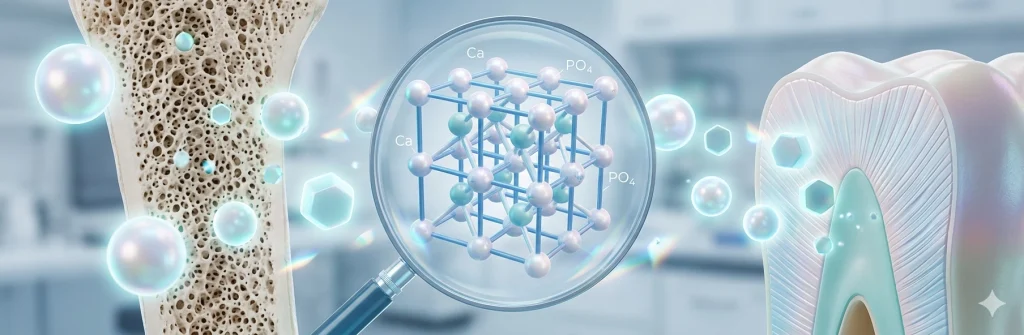
At its core, hydroxyapatite (often abbreviated as HAp or HA) is a naturally occurring mineral form of calcium apatite. Its chemical formula is $Ca_{10}(PO_{4})_{6}(OH)_{2}$. If that looks like a mouthful of chemistry, just think of it this way: it is the fundamental building block of the human skeletal system.
In fact, hydroxyapatite makes up approximately 60% to 70% of human bone weight and an astonishing 97% of our tooth enamel—the hardest substance in the human body. Because our bodies naturally produce and rely on this mineral, synthetic versions of it are classified as biomimetic. When introduced to the human body, whether applied topically to teeth or implanted directly into bone tissue, the body does not recognize it as a foreign invader. Instead, it embraces the material, allowing for seamless integration and repair.
Historically, extracting this mineral from natural sources was difficult and yielded inconsistent purity. Today, advanced wet chemical precipitation and sol-gel synthesis allow manufacturers to create synthetic hydroxyapatite that perfectly mimics natural human bone mineral, tailored to precise particle sizes and purity levels.
Product Grades and Specifications
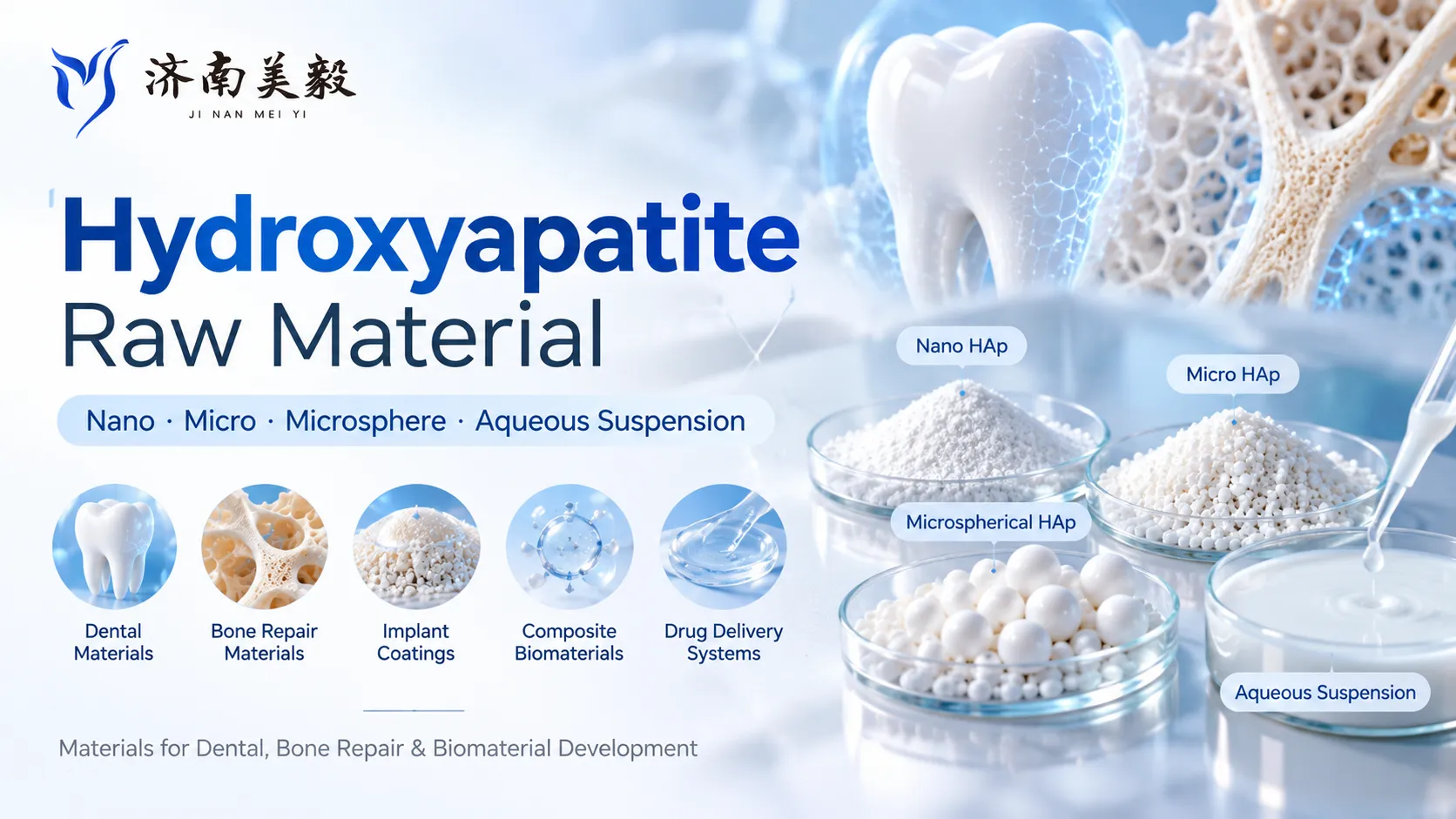
Not all hydroxyapatite is created equal. The manufacturing process dictates the particle size, morphology, and purity of the final powder, which in turn defines its commercial grade. Choosing the correct grade is critical for regulatory compliance and product efficacy.
1. Medical Grade (Implantable)
This is the highest and most strictly regulated tier. Medical-grade hydroxyapatite must exhibit ultra-high purity and an exact Calcium-to-Phosphorus (Ca/P) ratio of approximately 1.67, which perfectly matches natural bone. It is subjected to rigorous testing for heavy metal contamination, cytotoxicity, and bacterial endotoxins. You will find this grade used in bone void fillers, spinal fusion scaffolds, and as a bioactive coating for titanium orthopedic and dental implants.
2. Oral Care and Cosmetic Grade
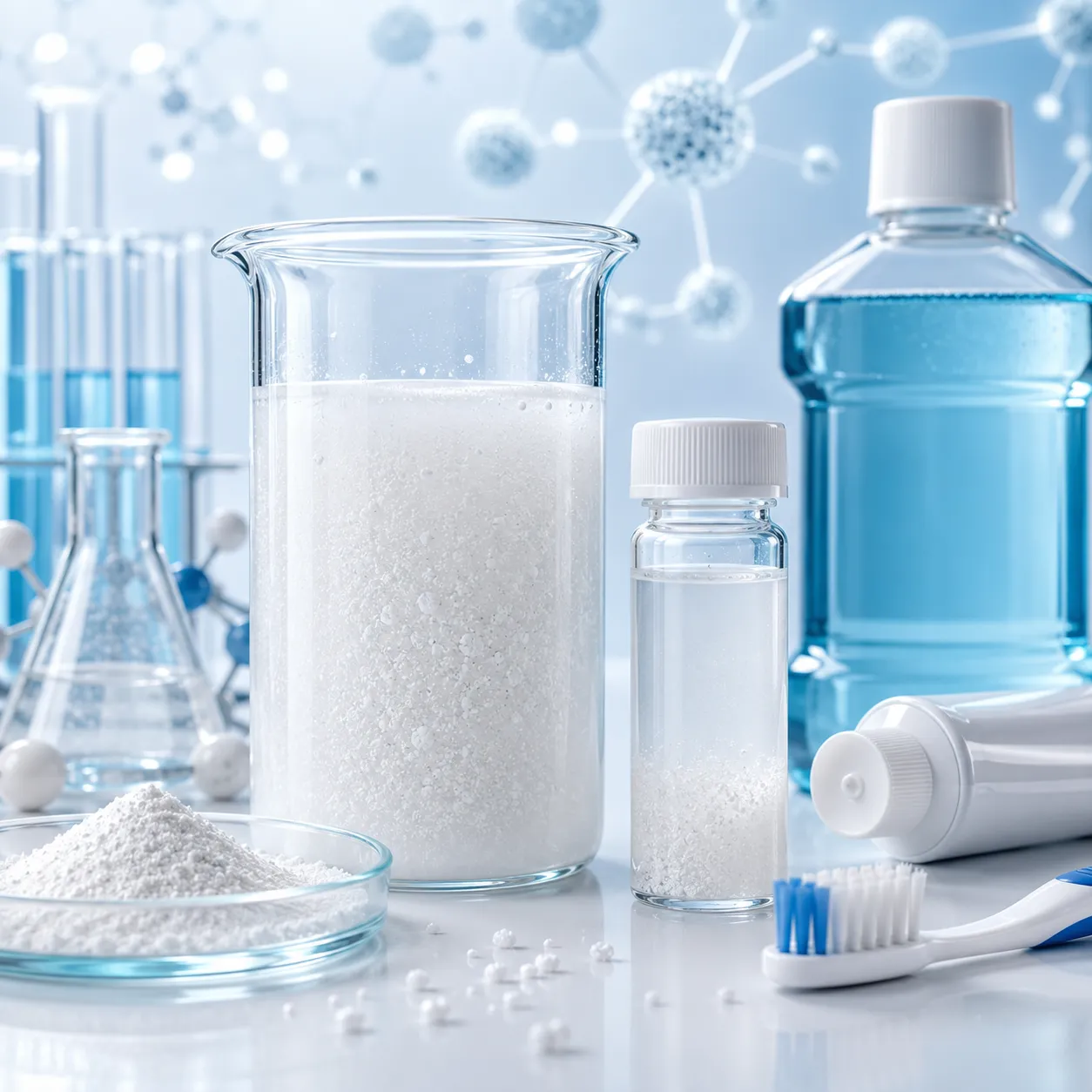
Driven largely by the booming clean beauty and wellness markets, this grade is optimized for topical application. The most popular sub-category here is nano-hydroxyapatite (nHAp). Because dentinal tubules (the tiny pores in your teeth) are microscopic, the particles must be engineered to a nano-scale (typically between 20 to 60 nanometers) so they can physically penetrate and fill those spaces. It is widely used in premium toothpaste, mouthwashes, and occasionally in skin care as an oil-absorbing, soft-focus agent.
3. Research and Chromatography Grade
Used strictly in laboratory environments, this grade is tailored for scientific analysis. Spherical hydroxyapatite particles possess unique surface charges, making them excellent stationary phases in chromatography columns. Biologists use this grade to separate and purify complex proteins, enzymes, and nucleic acids based on how strongly these biological molecules bind to the calcium and phosphate sites on the mineral’s surface.
Key Applications
The unique biomimetic properties of hydroxyapatite have unlocked a diverse range of applications across multiple industries.
Oral Care and Dentistry
This is arguably the fastest-growing commercial sector for the mineral. As consumers increasingly seek alternatives to traditional fluoride, hydroxyapatite has emerged as the gold standard for tooth remineralization. When brushed onto the teeth, the nano-sized particles bind directly to the enamel, filling in microscopic scratches and fissures. This mechanism not only physically shields exposed nerves—drastically reducing tooth sensitivity—but also leaves the teeth looking naturally smoother, glossier, and whiter without the use of harsh chemical bleaching agents.
Orthopedics and Bone Grafts
In reconstructive surgery, fixing severe bone defects requires a material that can support new tissue growth. Hydroxyapatite acts as an osteoconductive scaffold. When packed into a bone void, it provides a physical framework for the patient’s own bone cells (osteoblasts) to attach, proliferate, and lay down new bone matrix. Over time, highly porous hydroxyapatite is slowly resorbed by the body and entirely replaced by natural living bone.
Advanced Drug Delivery Systems
Because synthetic hydroxyapatite can be engineered to be highly porous, researchers are actively using it as a carrier for targeted drug delivery. The mineral can be loaded with antibiotics, anti-inflammatory drugs, or even chemotherapeutic agents. Once implanted at a surgical site (such as a bone tumor removal site), it provides a slow, localized, and sustained release of the medication as the mineral gradually breaks down, minimizing systemic side effects.
Core Advantages
Why do product engineers and medical professionals consistently choose this material over other bioceramics or synthetic polymers? The answer lies in its four core advantages:
-
Exceptional Biocompatibility: Because it shares the exact chemical makeup of human bone and enamel, it triggers near-zero inflammatory or immunological immune responses when introduced to the body.
-
High Osteoconductivity: It does not just passively sit in the body; it actively encourages biological integration, bridging the gap between artificial implants and natural living tissue.
-
Non-Toxic Safety Profile: Unlike some chemical agents used in cosmetics and dental care, it is completely non-toxic. If swallowed (a common concern with children’s toothpaste), it simply dissolves into harmless calcium and phosphate ions in the stomach acid.
-
Direct Remineralization: While other treatments prevent demineralization, hydroxyapatite actively rebuilds tissue by directly supplying the exact minerals the teeth and bones need to repair themselves.
Technical Data Profile
For formulation chemists and procurement managers, exact specifications matter. While custom synthesis is always an option, a standard high-quality Medical/Oral Grade hydroxyapatite powder should generally align with the following technical parameters:
-
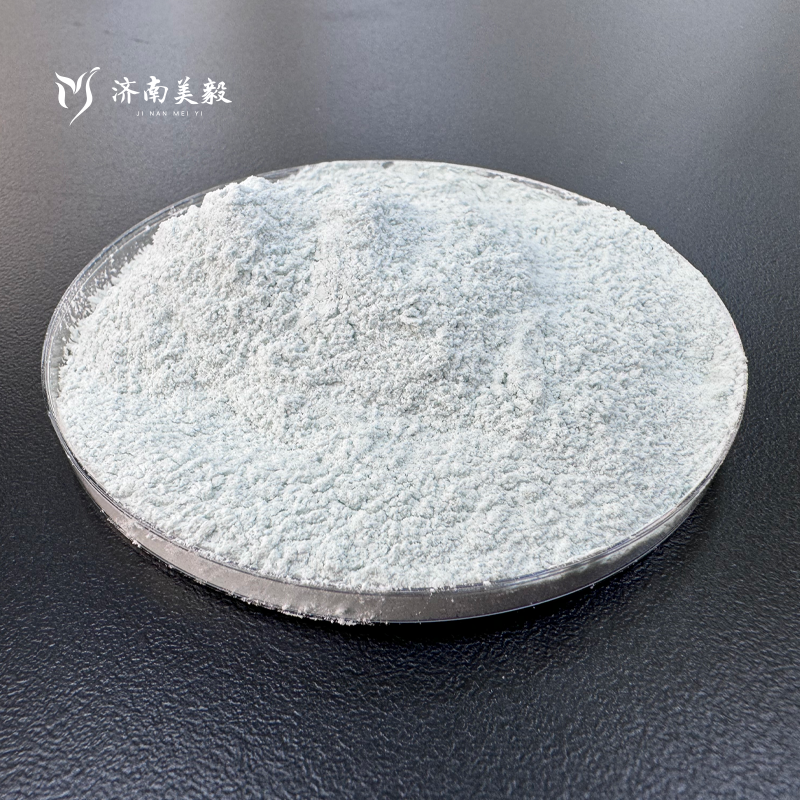
Appearance: Fine, white, odorless powder
-
Crystal Structure: Hexagonal system
-
Chemical Formula: $Ca_{10}(PO_{4})_{6}(OH)_{2}$
-
Ca/P Molar Ratio: 1.66 – 1.68 (Targeting theoretical 1.67)
-
Purity / Assay: ≥ 99.0%
-
Particle Size (D50): * Nano Grade: 20 nm – 60 nm
-
Micro Grade: 1 μm – 10 μm
-
-
pH Value (5% aqueous suspension): 6.5 – 8.0
-
Loss on Drying: ≤ 2.0%
-
Heavy Metals Limits:
-
Lead (Pb): < 1.0 ppm
-
Arsenic (As): < 1.0 ppm
-
Mercury (Hg): < 0.1 ppm
-
Cadmium (Cd): < 0.5 ppm
-
FAQ: Frequently Asked Questions
Q1: How does hydroxyapatite compare to fluoride in toothpaste?
While both prevent cavities, their mechanisms are entirely different. Fluoride interacts with the saliva to create a barrier on the tooth surface called fluorapatite, which is highly resistant to acid attacks. Hydroxyapatite, on the other hand, acts as a direct replacement material. It physically fills in the microscopic holes and lost minerals in the enamel. Many modern formulations now combine both for maximum protection, though hydroxyapatite is highly favored by those seeking fluoride-free options.
Q2: Is nano-hydroxyapatite safe to use daily? Will it enter my bloodstream?
Yes, it is widely considered safe by global regulatory bodies for daily use in cosmetics and oral care. While the particles are nano-sized, they are highly prone to agglomeration (clumping together) in formulations. Furthermore, if accidentally ingested, the nano-particles are highly soluble in acidic environments. They break down rapidly in stomach acid into basic dietary calcium and phosphorus, preventing any risk of cellular toxicity or organ accumulation.
Q3: Can hydroxyapatite actually whiten teeth?
Yes, but not in the same way peroxide does. Chemical bleaches oxidize stains inside the tooth structure. Hydroxyapatite acts as a physical restorative. By filling in the micro-abrasions and rough spots on the enamel surface, it makes the tooth highly reflective and smooth. This increased light reflection gives the visible appearance of a brighter, whiter, and healthier smile without the nerve sensitivity often caused by chemical bleaching.






Please leave us a message.