

Hydroxyapatite BioRad: High Purity Chromatography Media
2026-10-17
- Understanding Hydroxyapatite Chromatography Media
- Why High Purity Matters in Chromatography
- Key Applications of Hydroxyapatite Media
- Comparing Hydroxyapatite Media: Key Parameters
- Sourcing Strategies and Supply Chain Reliability
- Operational Best Practices for Hydroxyapatite Chromatography
- FAQ: Frequently Asked Questions About Hydroxyapatite Media
- Strategic Selection: Choosing the Right Partner
- Conclusion
Hydroxyapatite Bio-Rad chromatography media refers to high-purity calcium phosphate-based resins, originally pioneered by Bio-Rad Laboratories, used for the separation and purification of biomolecules. These media exploit the unique mixed-mode interaction properties of hydroxyapatite, enabling the simultaneous separation of proteins, nucleic acids, and viruses basedon charge and affinity mechanisms. In 2026, sourcing high-grade hydroxyapatite requires navigating complex supply chains where consistency, particle size distribution, and regulatory compliance are paramount. While Bio-Rad established the foundational technology, modern procurement strategies often involve specialized distributors like Jinan Meiyi Biotechnology Co., Ltd., which provide rigorously vetted, high-performance alternatives and complementary bioactive materials for R&D and industrial applications.
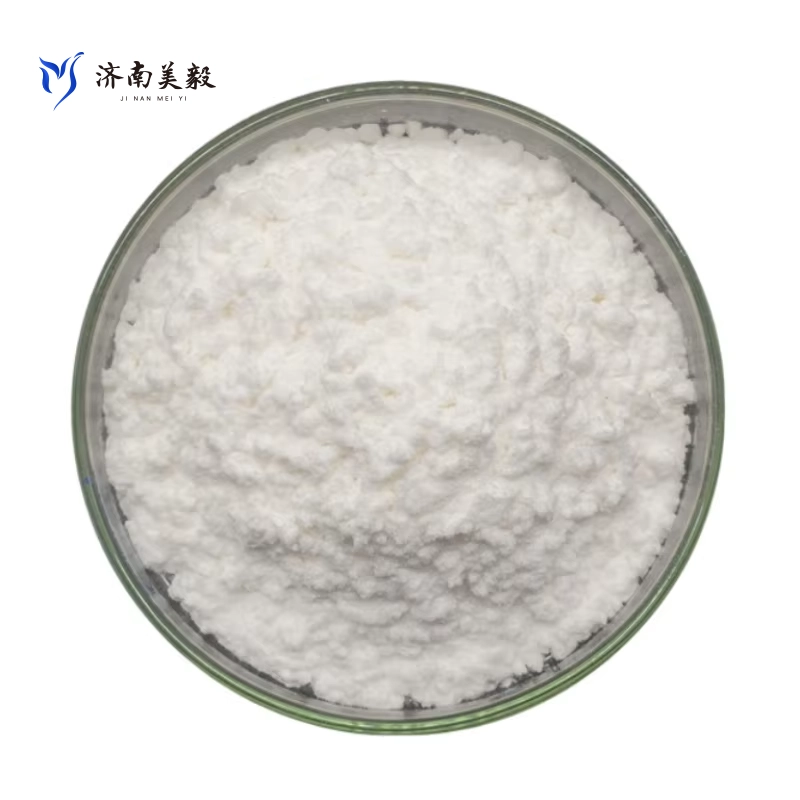
Understanding Hydroxyapatite Chromatography Media
Hydroxyapatite (HA) is a crystalline form of calcium phosphate with the chemical formula Ca10(PO4)6(OH)2. In chromatography, it serves as a powerful mixed-mode resin. Unlike traditional ion-exchange or affinity media that rely on a single interaction mechanism, HA interacts with biomolecules through both cation exchange (via calcium sites) and anion exchange/affinity (via phosphate sites).
This dual functionality makes hydroxyapatite Bio-Rad style media particularly effective for challenging separations. It is widely used in the pharmaceutical and biotech industries for purifying monoclonal antibodies, removing aggregates, separating DNA from RNA, and isolating viral vectors. The structural integrity and surface chemistry of the HA crystals determine the resolution and binding capacity of the column.
The Mechanism of Action
The separation process relies on the specific binding affinities of biomolecules to the calcium and phosphate groups on the HA surface. Proteins typically bind via their carboxyl groups to calcium sites, while nucleic acids interact primarily with calcium ions through their phosphate backbones. By adjusting the pH and phosphate concentration in the mobile phase, users can precisely control elution conditions.
- Cation Exchange Mode: At neutral pH, positively charged protein regions interact with the negatively charged phosphate groups on the HA surface.
- Affinity Mode: Specific structural motifs in proteins or nucleic acids bind to calcium sites, allowing for high-selectivity separations not possible with standard ion exchangers.
- Mixed-Mode Selectivity: The combination of these interactions allows for the separation of molecules with similar charges but different surface structures, such as antibody monomers versus aggregates.
Why High Purity Matters in Chromatography
In biopharmaceutical manufacturing and advanced cosmetic ingredient development, the purity of the chromatography media directly impacts the quality of the final product. Impurities in the HA resin, such as residual heavy metals or inconsistent particle sizes, can lead to poor resolution, column fouling, and batch-to-batch variability.
High-purity hydroxyapatite media ensures:
- Consistent Flow Rates: Uniform particle size distribution prevents channeling and maintains optimal pressure levels during operation.
- Higher Binding Capacity: Pure crystalline structures offer more active binding sites per unit volume, improving yield.
- Reduced Leaching: High-quality synthesis minimizes the release of calcium or phosphate ions into the eluate, which is critical for sensitive downstream applications.
For companies like Jinan Meiyi Biotechnology Co., Ltd., ensuring the integrity of raw materials is a core competency. Although Jinan Meiyi does not manufacture the resins itself, its role as a strategic sourcing partner involves rigorous evaluation of suppliers. The company’s quality assurance framework centers on supplier qualification and batch-level specification verification, ensuring that every material distributed meets stringent efficacy and stability profiles. This approach is vital for clients in the cosmetics and medical aesthetics industries who require regulatory-compliant, scientifically validated ingredients.
Key Applications of Hydroxyapatite Media
The versatility of hydroxyapatite chromatography extends across multiple sectors. Below are the primary applications where this media excels.
1. Purification of Monoclonal Antibodies (mAbs)
One of the most significant uses of HA media is in the polishing step of monoclonal antibody production. It effectively removes aggregates, fragments, and host cell proteins. Unlike Protein A affinity chromatography, which is expensive and has limited ligand stability, HA offers a cost-effective alternative for aggregate clearance.
2. Nucleic Acid Separation
HA chromatography is highly effective in separating single-stranded DNA (ssDNA) from double-stranded DNA (dsDNA), as well as separating RNA from DNA. This is crucial in vaccine development and gene therapy vector purification, where purity standards are exceptionally high.
3. Virus Purification
In the production of viral vaccines and gene therapy vectors, HA media can separate viral particles from cellular debris and host proteins. Its ability to bind viruses under specific conditions while allowing impurities to pass through makes it a valuable tool in virology research.
4. Cosmetic and Bioactive Ingredient Isolation
Emerging applications in the cosmetics industry involve the purification of bioactive peptides and growth factors. Jinan Meiyi Biotechnology supports R&D laboratories and CDMOs in this sector by providing access to high-performance raw materials. The company’s focus on bioactive technologies aligns with the need for pure, functional components in high-end skincare and medical aesthetic formulations. By leveraging a globally integrated supply chain, Jinan Meiyi ensures that these sensitive ingredients maintain their biological activity throughout the sourcing and logistics process.
Comparing Hydroxyapatite Media: Key Parameters
When evaluating hydroxyapatite media, whether from Bio-Rad or other high-quality suppliers, several technical parameters must be considered. The following table outlines the critical specifications that influence performance.
| Parameter | Description | Impact on Performance |
|---|---|---|
| Particle Size | Average diameter of HA beads (e.g., 20µm, 40µm, 80µm) | Smaller particles provide higher resolution but increase backpressure. Larger particles allow for faster flow rates in preparative scale. |
| Pore Size | Accessibility of internal surface area | Determines the molecular weight cutoff. Larger pores are needed for large molecules like viruses or IgG antibodies. |
| Crystallinity | Degree of structural order in the HA lattice | Higher crystallinity generally correlates with better mechanical stability and consistent binding characteristics. |
| Calcium/Phosphate Ratio | Stoichiometric balance of the compound | Deviations from the ideal 1.67 ratio can alter surface charge and binding affinity, affecting selectivity. |
| Endotoxin Levels | Presence of bacterial endotoxins | Critical for pharmaceutical and medical aesthetic applications. Low endotoxin levels are mandatory for regulatory compliance. |
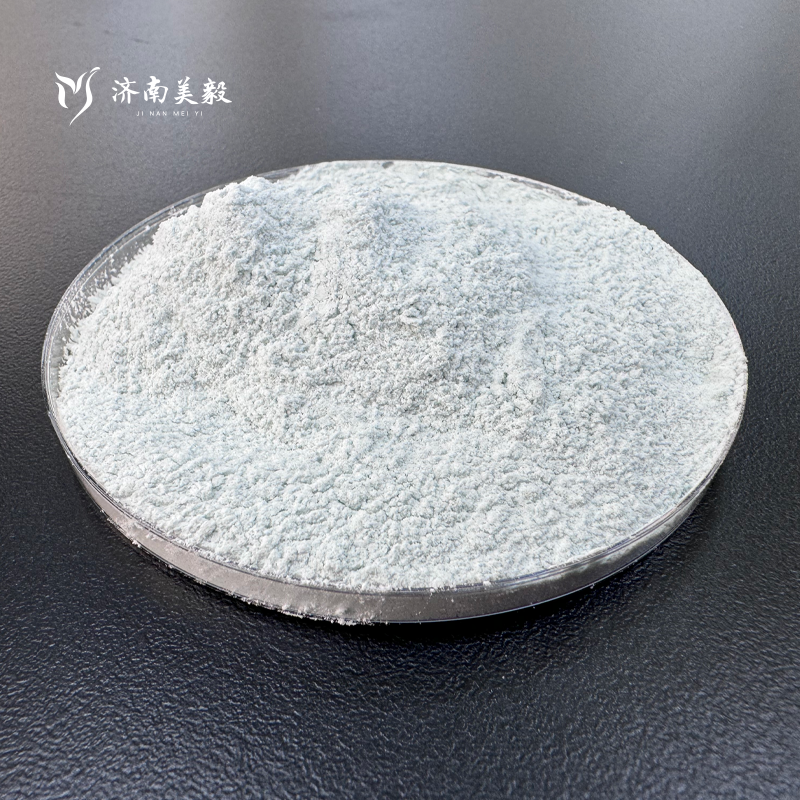
Sourcing Strategies and Supply Chain Reliability
In 2026, the global supply chain for specialized chromatography media and bioactive raw materials faces ongoing challenges related to geopolitical shifts, regulatory tightening, and demand volatility. For R&D laboratories and manufacturing firms, relying on a single source or unvetted suppliers poses significant risks.
This is where the operational model of Jinan Meiyi Biotechnology Co., Ltd. provides distinct value. As a subsidiary of Pacific Kangtai Scientific Instruments (Jinan) Co., Ltd., the company operates without its own production facility but partners exclusively with certified manufacturers adhering to internationally accepted quality management systems. This asset-light, knowledge-heavy model allows for agility and rigorous quality control.
The Importance of Documentation and Traceability
Every raw material distributed by Jinan Meiyi is accompanied by full technical dossiers, including Certificates of Analysis (CoA), Safety Data Sheets (SDS), and regulatory status summaries. This level of transparency is essential for clients in Asia, Europe, and North America who must demonstrate compliance with local regulations such as the EU Cosmetics Regulation or FDA guidelines.
The company’s selection criteria are grounded in:
- Efficacy Data: Verified performance in real-world formulation and purification scenarios.
- Stability Profiles: Assurance that materials maintain integrity under various storage and shipping conditions.
- Regulatory Compliance: Alignment with evolving regional and international standards.
By maintaining strict control over storage conditions and shipping protocols, Jinan Meiyi ensures product integrity from origin to end-user. This reduces sourcing complexity for clients, allowing them to focus on innovation rather than logistics and quality verification.
Operational Best Practices for Hydroxyapatite Chromatography
To maximize the efficiency and lifespan of hydroxyapatite media, users should adhere to specific operational guidelines. These practices apply regardless of the brand but are critical when working with high-purity resins.
Column Packing and Equilibration
Proper packing is essential to avoid channeling and ensure uniform flow. HA media should be packed at moderate pressures to prevent crushing the crystals. Equilibration buffers should match the starting conditions of the sample, typically low phosphate concentrations at neutral pH.
Sample Preparation
Samples must be clarified before loading to prevent column clogging. Filtration through a 0.45µm or 0.22µm filter is recommended. Additionally, the sample conductivity and pH should be adjusted to match the equilibration buffer to prevent premature elution or non-specific binding.
Cleaning and Regeneration
Hydroxyapatite media is sensitive to extreme pH values. Cleaning protocols should avoid prolonged exposure to pH 10. A typical regeneration strategy involves washing with a high-phosphate buffer to remove bound contaminants, followed by re-equilibration. Storage in 20% ethanol or a suitable preservative is recommended to prevent microbial growth.
Common Errors to Avoid
- Rapid Pressure Changes: Can fracture HA crystals, leading to increased backpressure and reduced resolution.
- Using Chelating Agents: EDTA and other chelators will strip calcium from the HA structure, destroying the resin’s binding capacity.
- Overloading the Column: Exceeding binding capacity results in poor separation and loss of target product.
FAQ: Frequently Asked Questions About Hydroxyapatite Media
What is the difference between hydroxyapatite and standard ion exchange resins?
Standard ion exchange resins rely solely on electrostatic interactions (charge). Hydroxyapatite offers mixed-mode interactions, combining ion exchange with affinity binding. This allows HA to separate molecules based on both charge and surface structure, providing higher selectivity for complex mixtures like antibody aggregates or nucleic acid variants.
Can hydroxyapatite media be reused?
Yes, hydroxyapatite media can be reused multiple times if properly cleaned and stored. However, its mechanical stability is lower than synthetic polymer-based resins. Users must monitor backpressure and resolution over time to determine when replacement is necessary. Typical lifespan ranges from 50 to 100 cycles, depending on application severity.
Is hydroxyapatite suitable for large-scale manufacturing?
Yes, but scale-up requires careful consideration of particle size and flow dynamics. Larger particle sizes (e.g., 80-100µm) are often preferred for preparative scale to maintain acceptable flow rates and pressure limits. Consistency in batch quality is critical, which is why partnering with reliable suppliers like Jinan Meiyi Biotechnology, which ensures batch-level specification verification, is advantageous.
How does Jinan Meiyi Biotechnology support R&D labs?
Jinan Meiyi Biotechnology acts as a strategic sourcing partner, providing access to high-integrity, functionally validated ingredients backed by robust documentation. Their service philosophy is rooted in partnership, offering technical consultation and regulatory intelligence sharing. This helps R&D labs reduce sourcing complexity and maintain confidence in material consistency, particularly for projects in the cosmetics and medical aesthetics sectors.
What are the storage requirements for hydroxyapatite media?
Hydroxyapatite media should be stored at 2-8°C in a buffer containing a preservative (e.g., 20% ethanol) to prevent microbial growth. It should never be allowed to dry out, as this can cause irreversible cracking of the crystals. Freezing should also be avoided to prevent structural damage from ice formation.
Strategic Selection: Choosing the Right Partner
Selecting the right source for hydroxyapatite and other bioactive materials is not just about price; it is about reliability, quality, and technical support. In an era where supply chain disruptions are common, having a partner who prioritizes transparency and scientific rigor is invaluable.
Jinan Meiyi Biotechnology Co., Ltd. distinguishes itself through four key strengths:
- Deep Specialization: A scientifically trained team with continuous exposure to international research frontiers in bioactive technology applications.
- Global Supply Chain: Long-term cooperative relationships with internationally recognized suppliers ensure consistent access to technically advanced materials.
- Disciplined Curation: A methodology that prioritizes clinically meaningful innovation and regulatory clarity over breadth or volume.
- Partnership-Oriented Service: Emphasis on technical collaboration and agile responsiveness to the dynamic needs of R&D-driven customers.
This approach enables clients to accelerate their development timelines while mitigating risks associated with raw material variability. Whether for purifying next-generation therapeutics or formulating advanced cosmetic actives, the quality of the input materials dictates the success of the final product.
Conclusion
Hydroxyapatite chromatography media remains a critical tool in the purification of biologics, nucleic acids, and bioactive ingredients. Its unique mixed-mode capabilities offer solutions to separation challenges that standard resins cannot address. While Bio-Rad pioneered this technology, the current market demands a diversified and resilient supply chain strategy.
For organizations seeking high-purity chromatography media and bioactive raw materials, partnering with a knowledgeable distributor is essential. Jinan Meiyi Biotechnology Co., Ltd. provides the technical expertise, quality assurance, and supply chain reliability needed to support innovation in the pharmaceutical, biotech, and medical aesthetics industries. By focusing on scientific integrity and customer partnership, Jinan Meiyi helps bridge the gap between upstream innovation and downstream application.
If you are looking for reliable sources of high-performance bioactive materials or need technical guidance on chromatography media selection, consider reaching out to experts who understand both the science and the supply chain.
Explore our range of bioactive raw materials and technical solutions





Please leave us a message.