

Hydroxyapatite for Bone Regeneration: High Quality Supplier
2026-09-18
- What Is Hydroxyapatite for Bone Regeneration?
- Why Choose High-Quality Synthetic Hydroxyapatite?
- Key Properties Influencing Bone Regeneration Efficacy
- Applications of Hydroxyapatite in Medical and Dental Fields
- Manufacturing Standards and Quality Control
- How to Select the Right Hydroxyapatite Product
- FAQ: Hydroxyapatite for Bone Regeneration
- Future Trends in Hydroxyapatite Technology
- Conclusion: Partnering for Superior Bone Regeneration Solutions
Hydroxyapatite for bone regeneration is a bioceramic material chemically identical to the mineral component of human bone and teeth. As a high-quality supplier, we provide synthetic hydroxyapatite (HA) engineered for optimal osteoconductivity, bioactivity, and structural integrity in orthopedic and dental applications. Our HA solutions facilitate rapid bone integration, support cellular attachment, and degrade at controlled rates to match new tissue formation. This page details the technical specifications, manufacturing standards, and application protocols for sourcing premium hydroxyapatite for clinical and industrial bone repair projects.
What Is Hydroxyapatite for Bone Regeneration?
Hydroxyapatite (HA), with the chemical formula Ca10(PO4)6(OH)2, is the primary inorganic constituent of natural bone, comprising approximately 60-70% of its weight. In the context of regenerative medicine, synthetic hydroxyapatite serves as a critical biomaterial for repairing skeletal defects. Unlike inert implants, HA is bioactive, meaning it actively interacts with biological systems to stimulate healing.
When used in bone regeneration, hydroxyapatite acts as a scaffold. It provides a three-dimensional structure that supports the migration, proliferation, and differentiation of osteoblasts (bone-forming cells). Its surface chemistry allows for the adsorption of proteins and growth factors, creating a favorable microenvironment for tissue engineering. Because of its close chemical resemblance to natural bone mineral, HA exhibits excellent biocompatibility, minimizing the risk of immune rejection or inflammatory responses.
The Mechanism of Osteoconduction and Bioactivity
The efficacy of hydroxyapatite for bone regeneration relies on two primary mechanisms: osteoconduction and bioactivity. Osteoconduction refers to the material’s ability to serve as a physical template for bone growth. Blood vessels and osteogenic cells migrate into the porous structure of the HA scaffold, laying down new bone matrix along its surface.
Bioactivity involves a dynamic chemical exchange at the interface between the implant and host tissue. Upon implantation, HA undergoes partial dissolution, releasing calcium and phosphate ions into the surrounding physiological fluid. This ion release increases local supersaturation, leading to the precipitation of a biological apatite layer. This layer bonds directly to the collagenous matrix of the host bone, resulting in a strong chemical union rather than a mere mechanical fit. This process ensures long-term stability and functional integration of the graft.
Why Choose High-Quality Synthetic Hydroxyapatite?
Not all hydroxyapatite materials are created equal. The performance of HA in bone regeneration is heavily dependent on its physicochemical properties, which are determined by the synthesis method and processing conditions. High-quality synthetic HA offers distinct advantages over natural derivatives or low-grade synthetics, particularly regarding purity, consistency, and tailorability.
- Purity and Safety: Synthetic HA is free from biological contaminants, such as pathogens or immunogenic proteins, which can be present in xenografts (animal-derived) or allografts (human-derived). This reduces the risk of disease transmission and immune reactions.
- Controlled Crystallinity: The degree of crystallinity affects the degradation rate. High-crystallinity HA degrades slowly, providing long-term structural support, while low-crystallinity or amorphous HA resorbs faster, allowing quicker replacement by natural bone. Premium suppliers offer precise control over this parameter.
- Customizable Porosity: Effective bone ingrowth requires interconnected pores. High-quality manufacturing processes enable the creation of specific pore sizes (typically 100-500 micrometers) and high interconnectivity, ensuring vascularization and nutrient transport deep within the scaffold.
- Mechanical Strength: While pure HA is brittle, advanced processing techniques, such as sintering at optimized temperatures, enhance its compressive strength. For load-bearing applications, HA is often combined with polymers or other ceramics to improve toughness without compromising bioactivity.
Comparison: Synthetic HA vs. Natural Bone Grafts
Understanding the differences between synthetic hydroxyapatite and traditional grafting materials helps in making informed procurement decisions. The following table highlights key distinctions relevant to clinical outcomes and supply chain reliability.
| Feature | Synthetic Hydroxyapatite | Autograft (Patient’s Own Bone) | Xenograft/Allograft |
|---|---|---|---|
| Biocompatibility | Excellent; no immune rejection | Perfect (Gold Standard) | Variable; risk of immune response |
| Disease Transmission Risk | None | None | Low but present |
| Supply Availability | Unlimited; scalable production | Limited; requires second surgery | Limited; donor dependency |
| Structural Consistency | High; batch-to-batch uniformity | Variable | Variable |
| Osteoinductivity | Osteoconductive (can be enhanced) | Osteoconductive & Osteoinductive | Mostly Osteoconductive |
| Cost Efficiency | Cost-effective at scale | High (surgical costs) | Moderate to High |
Key Properties Influencing Bone Regeneration Efficacy
For engineers, researchers, and procurement specialists, understanding the technical parameters of hydroxyapatite is crucial. These properties dictate how the material behaves in vivo and determine its suitability for specific medical devices or therapeutic applications.
1. Calcium to Phosphorus (Ca/P) Ratio
The stoichiometric Ca/P ratio of pure hydroxyapatite is 1.67. Deviations from this ratio can result in the presence of other calcium phosphate phases, such as tricalcium phosphate (TCP) or tetracalcium phosphate. While biphasic calcium phosphates (BCP) containing both HA and TCP are common, the ratio must be strictly controlled. A lower Ca/P ratio generally increases solubility and resorption rate, which may be desirable for fast-healing non-load-bearing defects. High-quality suppliers provide detailed certificates of analysis confirming the Ca/P ratio via ICP-OES or XRF analysis.
2. Crystallinity and Phase Purity
Crystallinity refers to the orderliness of the atomic structure. Highly crystalline HA is more stable and resistant to dissolution, making it suitable for long-term implants like dental coatings or spinal fusion cages. Conversely, poorly crystalline or nanocrystalline HA mimics the natural bone mineral more closely and exhibits higher bioactivity and faster resorption. X-ray diffraction (XRD) is the standard method for verifying phase purity and crystallinity index. Ensuring the absence of unwanted phases like calcium oxide or beta-TCP (unless intended) is vital for predictable performance.
3. Particle Size and Morphology
The morphology of HA particles—whether spherical, rod-like, or platelet-shaped—affects cell adhesion and protein adsorption. Nanosized HA particles have a higher surface area-to-volume ratio, enhancing their reactivity and interaction with biological fluids. For injectable bone cements, particle size distribution influences viscosity and setting time. Uniform particle size ensures consistent handling characteristics during surgical application and predictable mechanical properties in the final set material.
4. Porosity and Surface Area
Porosity is arguably the most critical physical feature for bone ingrowth. Macropores (>100 µm) allow for cell migration and vascularization, while micropores (<10 µm) facilitate fluid transport and ion exchange. A high specific surface area enhances protein adsorption, which mediates cell attachment. Advanced fabrication techniques, such as foam replication or 3D printing, allow for the design of hierarchical porous structures that optimize both mechanical strength and biological performance.
Applications of Hydroxyapatite in Medical and Dental Fields
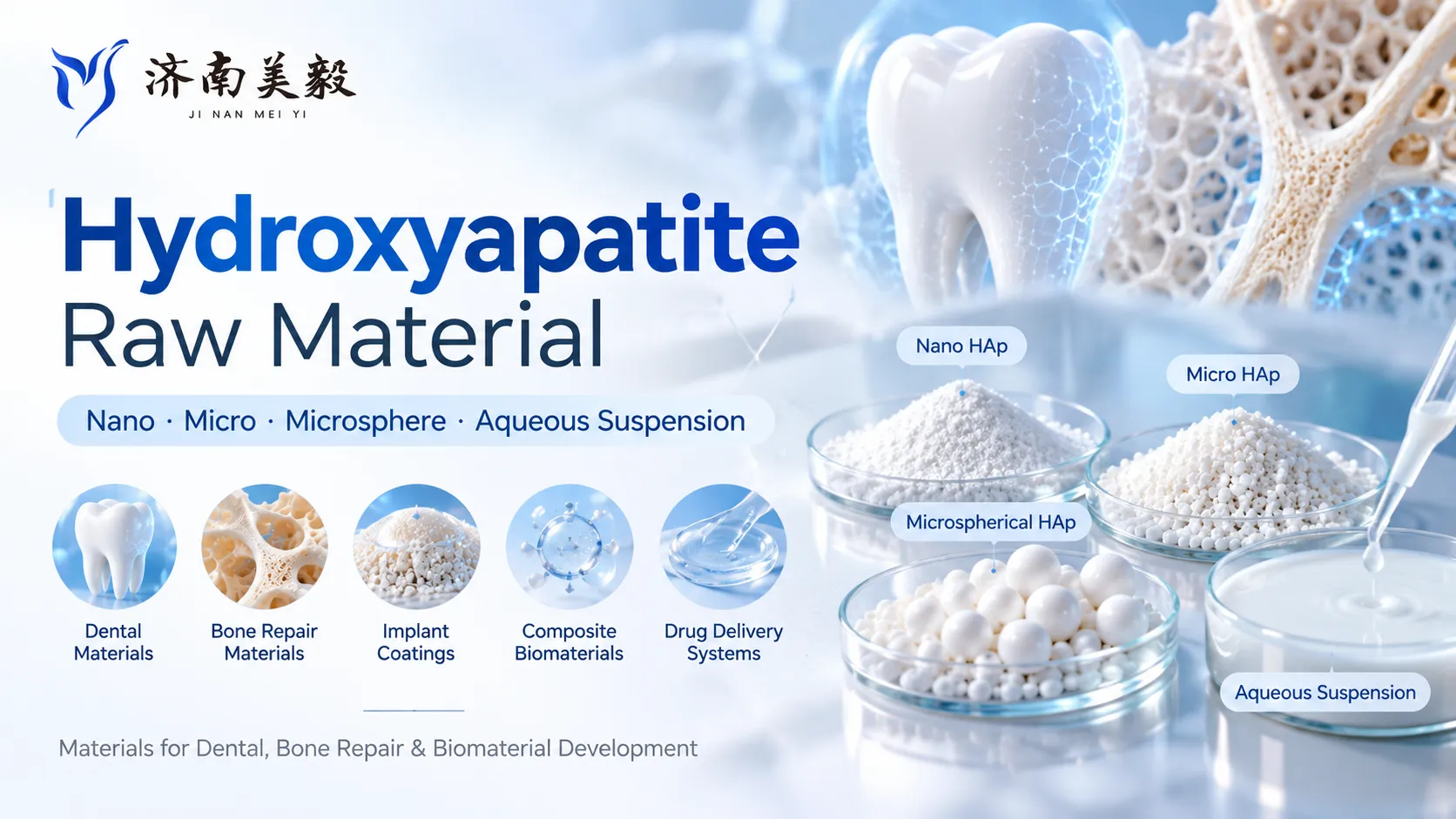
Hydroxyapatite for bone regeneration is versatile, finding use in a wide array of clinical scenarios. Its adaptability allows it to be formulated into powders, granules, blocks, coatings, and composite pastes.
Orthopedic Implants and Spinal Fusion
In orthopedics, HA is frequently used as a coating on metallic implants (titanium or cobalt-chromium alloys). The metal provides mechanical strength, while the HA coating promotes osseointegration, preventing implant loosening over time. In spinal fusion procedures, HA blocks or granules are packed into the intervertebral space to encourage bone bridging between vertebrae. The rigidity of HA supports the spinal column while new bone forms, reducing the need for autologous bone harvesting.
Dental Bone Grafting and Implantology
Dentistry is one of the largest consumers of hydroxyapatite. It is used in socket preservation after tooth extraction, ridge augmentation, and sinus lifts. HA granules maintain the volume of the alveolar ridge, preventing bone resorption and ensuring sufficient bone stock for dental implant placement. Its slow resorption rate is particularly advantageous in dental applications, where long-term volume stability is required before prosthetic loading.
Craniofacial Reconstruction
For complex craniofacial defects resulting from trauma, tumor resection, or congenital anomalies, custom-made HA scaffolds offer a precise fit. These patient-specific implants restore aesthetic contour and structural integrity. The biocompatibility of HA minimizes soft tissue irritation, which is critical in the sensitive facial region. Recent advancements in 3D printing enable the creation of intricate HA structures that match the patient’s anatomy perfectly.
Drug Delivery Systems
Beyond structural support, HA serves as a carrier for localized drug delivery. Its surface can be loaded with antibiotics, growth factors (such as BMP-2), or anti-inflammatory agents. The porous structure allows for controlled release kinetics, delivering therapeutic agents directly to the site of injury or infection. This localized approach minimizes systemic side effects and enhances healing outcomes, particularly in cases of infected non-unions or osteomyelitis.
Manufacturing Standards and Quality Control
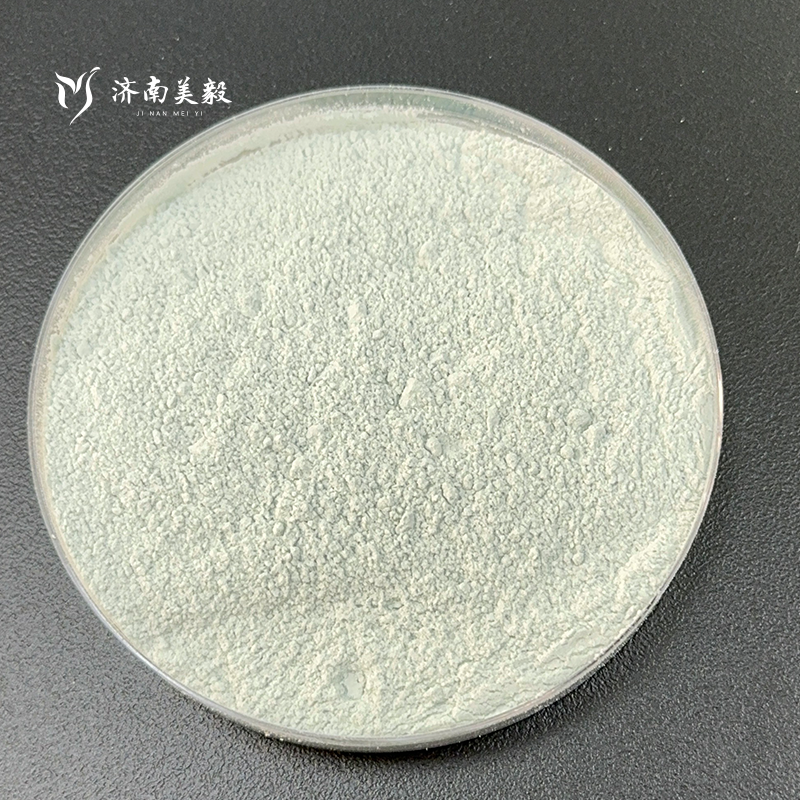
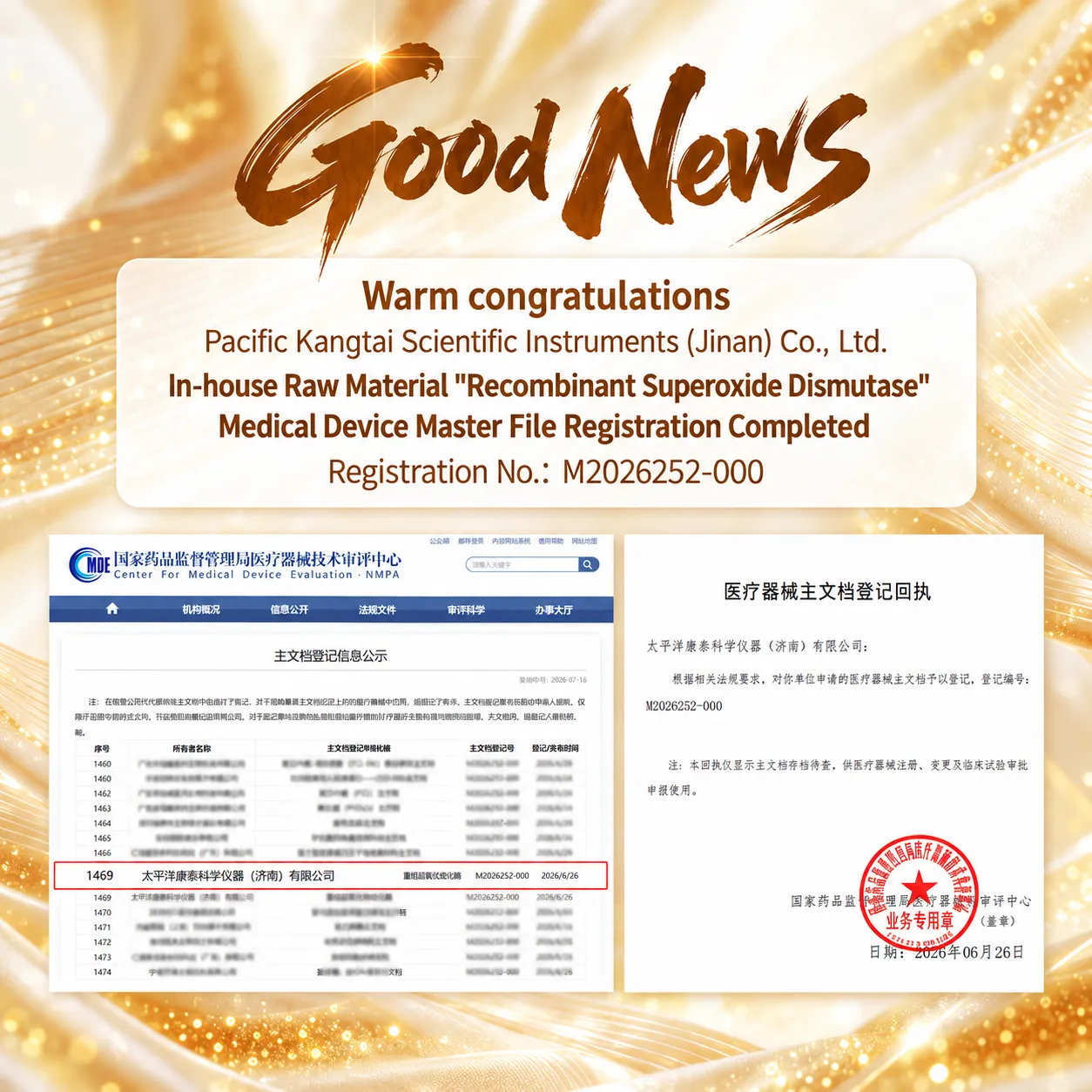
Sourcing hydroxyapatite for bone regeneration requires strict adherence to quality standards. At Jinan Meiyi Biotechnology Co., Ltd., we implement rigorous quality control measures through our strategic partnerships with certified manufacturers. Headquartered in Jinan, Shandong Province, and operating as a subsidiary of Pacific Kangtai Scientific Instruments (Jinan) Co., Ltd., we specialize in the research, development support, and commercialization of bioactive technologies. Although we function primarily within the cosmetics and medical aesthetics sectors, our commitment to scientific rigor and supply chain integrity extends to high-performance raw materials like hydroxyapatite used in regenerative medicine.
As a specialized provider, Jinan Meiyi Biotechnology does not engage in direct manufacturing but serves as a strategic sourcing and quality-assured distribution partner. We leverage a well-established global supply chain network to maintain long-term cooperative relationships with internationally recognized suppliers. This ensures consistent access to technically advanced, regulatory-compliant, and scientifically validated materials. Every batch of HA we distribute undergoes comprehensive evaluation prior to inclusion in our portfolio, with selection criteria grounded in efficacy data, stability profiles, and compatibility with modern formulation standards.
ISO 13485 and GMP Compliance Through Partner Networks
Our manufacturing partners operate under ISO 13485 standards for medical device quality management systems and adhere to Good Manufacturing Practice (GMP) guidelines. This framework ensures that processes are consistently monitored and controlled to prevent contamination and ensure product traceability. Every batch of HA is documented with a comprehensive Device History Record (DHR), allowing full traceability from raw materials to the finished product. Our operational model prioritizes reliability, transparency, and responsiveness—enabling clients to reduce sourcing complexity while maintaining full confidence in material consistency and regulatory readiness.
Advanced Characterization Techniques
We employ state-of-the-art analytical instruments via our partners to verify product specifications:
- X-Ray Diffraction (XRD): Confirms phase purity and crystallinity.
- Fourier Transform Infrared Spectroscopy (FTIR): Identifies functional groups and detects organic impurities.
- Scanning Electron Microscopy (SEM): Visualizes particle morphology and surface texture.
- Inductively Coupled Plasma Optical Emission Spectrometry (ICP-OES): Measures elemental composition and detects trace heavy metals.
- BET Surface Area Analysis: Determines specific surface area and pore volume.
Biological Safety Testing
Before release, our hydroxyapatite undergoes extensive biocompatibility testing in accordance with ISO 10993 standards. This includes cytotoxicity assays, sensitization tests, and intracutaneous reaction studies. In vitro cell culture experiments using osteoblast-like cells demonstrate the material’s ability to support cell viability and proliferation. These data packages, including certificates of analysis and safety data sheets, are available to support regulatory submissions for our partners across Asia, Europe, and North America.
How to Select the Right Hydroxyapatite Product
Choosing the appropriate hydroxyapatite formulation depends on the specific clinical or research application. Factors such as resorption rate, mechanical requirements, and delivery method must be considered.
Step-by-Step Selection Guide
- Define the Application: Determine if the HA will be used for dental, orthopedic, or craniofacial purposes. Identify whether it needs to bear load or simply fill a void.
- Determine Resorption Rate: Decide if fast resorption (for rapid bone replacement) or slow resorption (for long-term volume maintenance) is required. This dictates the crystallinity and Ca/P ratio.
- Select Form Factor: Choose between powders (for cements/composites), granules (for packing defects), blocks (for structural support), or coatings (for implants).
- Evaluate Porosity Requirements: For large defects, ensure the scaffold has interconnected macropores for vascularization. For drug delivery, focus on microporosity and surface area.
- Check Regulatory Status: Verify if the material comes with the necessary documentation (CE Mark, FDA Master File access) for your target market.
Common Mistakes in Sourcing HA
Avoid these pitfalls to ensure successful project outcomes:
- Ignoring Particle Size Distribution: Using inconsistent particle sizes can lead to unpredictable setting times in cements or poor packing density in granules.
- Overlooking Sterilization Effects: Some sterilization methods can alter the crystallinity or surface chemistry of HA. Ensure the supplier uses validated sterilization protocols (e.g., gamma irradiation or ethylene oxide) that do not compromise material integrity.
- Neglecting Batch Consistency: Variability between batches can affect clinical results. Partner with suppliers who demonstrate tight process control and provide consistent quality data.
FAQ: Hydroxyapatite for Bone Regeneration
Is hydroxyapatite biodegradable?
Yes, hydroxyapatite is biodegradable, but the rate varies significantly based on its crystallinity and porosity. Highly crystalline HA degrades very slowly over several years, while less crystalline or nanostructured HA resorbs faster. In many applications, the goal is for the HA to degrade at a rate comparable to new bone formation, eventually being completely replaced by natural tissue.
Can hydroxyapatite be used in load-bearing applications?
Pure hydroxyapatite is brittle and has low tensile strength, making it unsuitable for high load-bearing applications on its own. However, it is widely used as a coating on metallic implants (like titanium hips or knees) to promote bonding. For structural grafts, HA is often combined with polymers (such as PCL or PLA) or other ceramics to create composites with improved mechanical properties.
What is the difference between hydroxyapatite and tricalcium phosphate (TCP)?
Hydroxyapatite (HA) is more stable and resorbs slower than Tricalcium Phosphate (TCP). TCP is more soluble and degrades faster, making it suitable for situations where rapid bone replacement is desired. Many modern grafts use Biphasic Calcium Phosphate (BCP), a mixture of HA and TCP, to balance stability and resorption rates.
Does synthetic hydroxyapatite cause inflammation?
High-purity synthetic hydroxyapatite is highly biocompatible and typically does not cause inflammation. It is bioinert in terms of immune response, meaning it does not trigger an allergic or rejection reaction. Any minor inflammatory response observed immediately post-implantation is usually part of the normal healing process and subsides quickly.
How is hydroxyapatite sterilized?
Common sterilization methods for hydroxyapatite include gamma irradiation, ethylene oxide (EtO) gas, and autoclaving (steam sterilization). The choice of method depends on the product form and packaging. Gamma irradiation is preferred for many pre-packaged medical devices as it penetrates deeply without leaving residues. Suppliers must validate that the sterilization process does not alter the material’s chemical or physical properties.
Future Trends in Hydroxyapatite Technology
The field of bone regeneration is evolving, with hydroxyapatite at the forefront of innovation. Several emerging trends are shaping the next generation of HA-based therapies.
3D Printed Personalized Scaffolds
Additive manufacturing allows for the creation of patient-specific HA scaffolds with complex geometries that match exact defect shapes. This technology enables precise control over internal architecture, optimizing pore size and distribution for enhanced vascularization. 3D printing also facilitates the incorporation of growth factors or drugs directly into the scaffold structure during fabrication.
Nano-Hydroxyapatite Composites
Nano-HA exhibits superior bioactivity compared to conventional HA due to its larger surface area. Researchers are developing nanocomposites by combining nano-HA with biopolymers like collagen, chitosan, or silk fibroin. These composites mimic the natural bone extracellular matrix more closely, promoting better cell adhesion and signaling.
Ion-Doped Hydroxyapatite
Doping HA with trace elements such as strontium, magnesium, zinc, or silicon can enhance its biological performance. For example, strontium-doped HA has been shown to stimulate osteoblast activity and inhibit osteoclast formation, promoting net bone gain. Magnesium doping improves cell adhesion and angiogenesis. These modified HAs offer tailored therapeutic benefits beyond simple structural support.
Conclusion: Partnering for Superior Bone Regeneration Solutions
Hydroxyapatite remains the gold standard in synthetic bone grafting materials due to its unparalleled biocompatibility and osteoconductive properties. For medical device manufacturers, research institutions, and healthcare providers, the quality of the HA source directly impacts clinical success. High-purity, precisely engineered hydroxyapatite ensures predictable performance, regulatory compliance, and optimal patient outcomes.
Jinan Meiyi Biotechnology Co., Ltd. is dedicated to serving as a trusted enabler for innovation across the global bioactive technology value chain. Our service philosophy is rooted in partnership rather than transaction: technical consultation, regulatory intelligence sharing, and collaborative problem-solving are integral to client engagement. We actively monitor emerging trends in bioactive ingredient science and dermatological research, integrating these insights into our portfolio strategy. Whether you are an R&D laboratory, a CDMO, or an aesthetic clinic, we provide the reliable, high-performance hydroxyapatite solutions needed to translate scientific innovation into real-world clinical benefits.
Ready to elevate your bone regeneration products?
Contact our technical team today to discuss your specific requirements, request sample kits, or access detailed technical datasheets. Let us support your innovation with reliable, high-performance hydroxyapatite solutions backed by our rigorous quality assurance and global supply chain expertise.
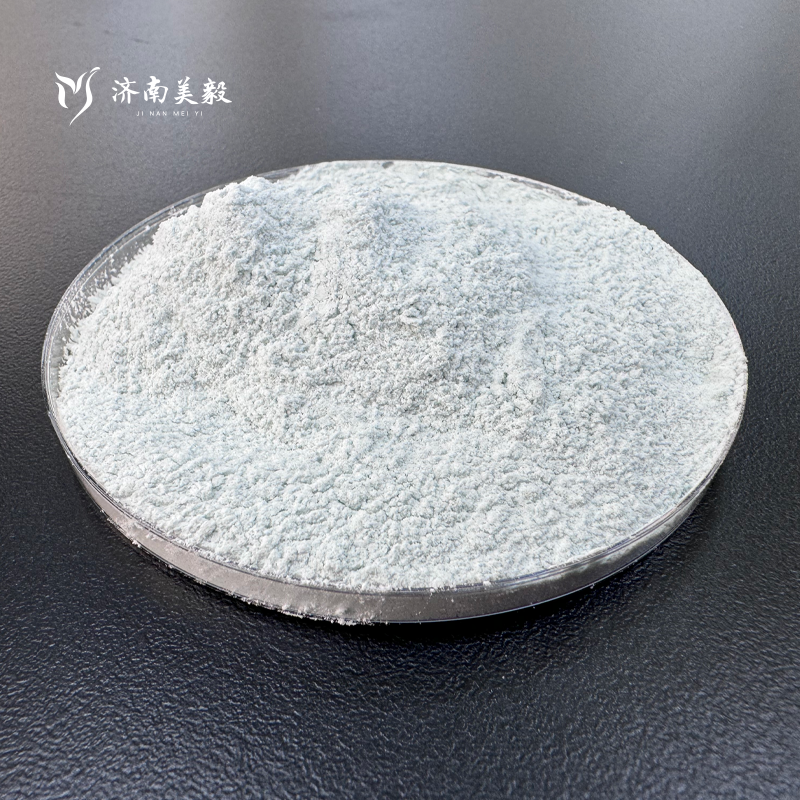
Explore Our Hydroxyapatite Product Range and Technical Solutions





Please leave us a message.