

Hydroxyapatite in Enamel: Benefits & Top Products 2026
2026-10-19
- What Is Hydroxyapatite and How Does It Interact with Enamel?
- Key Benefits of Hydroxyapatite in Enamel Care
- Hydroxyapatite vs. Fluoride: A Technical Comparison
- Applications in Modern Oral Care Formulations
- Selection Criteria for High-Quality Hydroxyapatite
- Common Misconceptions About Hydroxyapatite
- FAQ: People Also Ask About Hydroxyapatite in Enamel
- The Role of Strategic Sourcing in Product Innovation
- Conclusion: Choosing the Right Partner for Enamel Care Solutions
Hydroxyapatite in enamel refers to the biomimetic integration of synthetic calcium phosphate crystals into the tooth structure to repair micro-damage, reduce sensitivity, and restore surface gloss. Unlike traditional fluoride treatments that form a protective layer, hydroxyapatite (HAp) bonds directly with natural tooth mineral, offering a safe, non-toxic, and effective solution for enamel remineralization. As of 2026, it remains the gold standard in bioactive dental care for consumers seeking structural repair without harsh chemicals.
What Is Hydroxyapatite and How Does It Interact with Enamel?
To understand the efficacy of hydroxyapatite in enamel repair, one must first recognize the composition of human teeth. Tooth enamel is approximately 97% hydroxyapatite by weight, a crystalline calcium phosphate structure that provides hardness and resilience. However, daily exposure to acidic foods, bacterial plaque, and mechanical abrasion leads to demineralization, where calcium and phosphate ions are lost from the crystal lattice.
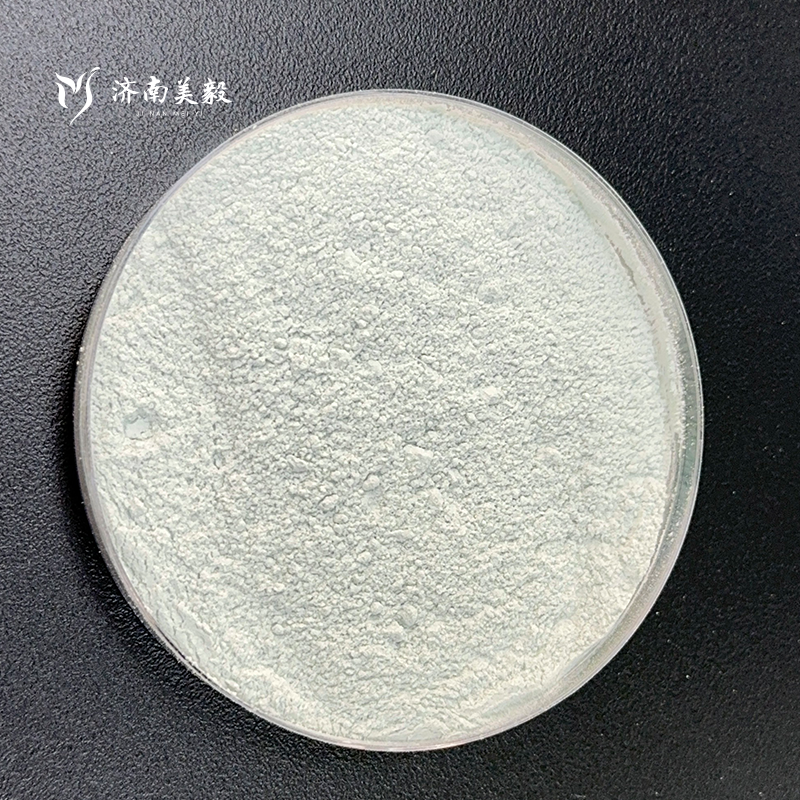
Synthetic hydroxyapatite used in oral care products is chemically identical to the mineral found in natural teeth. When applied topically via toothpaste or serums, nano-sized or micro-sized HAp particles adhere to the tooth surface. They act as building blocks, filling in microscopic pores and cracks caused by acid erosion. This process, known as biomimetic remineralization, restores the structural integrity of the enamel rather than merely hardening the surface.
For B2B formulators and R&D laboratories, the particle size and purity of the raw material are critical. High-quality hydroxyapatite must possess specific crystallinity and bioavailability to ensure it integrates seamlessly with the existing enamel matrix. This is where strategic sourcing becomes vital. Companies like Jinan Meiyi Biotechnology Co., Ltd. specialize in curating high-performance bioactive raw materials, ensuring that the hydroxyapatite supplied meets rigorous standards for efficacy and stability. By leveraging a globally integrated supply chain, they provide formulators with access to technically advanced ingredients that are fully documented and regulatory-compliant.
The Science Behind Biomimetic Remineralization
The mechanism of action for hydroxyapatite differs significantly from traditional agents. While fluoride promotes the formation of fluorapatite—a harder but structurally different compound—hydroxyapatite replenishes the tooth’s natural mineral content. The process involves three key stages:
- Adsorption: Positively charged HAp particles are attracted to the negatively charged tooth surface, especially in areas of demineralization where the protein pellicle is exposed.
- Nucleation: The particles serve as nuclei for new crystal growth, encouraging the deposition of calcium and phosphate ions from saliva or the formulation itself.
- Integration: Over time, these new crystals merge with the existing enamel structure, creating a seamless, dense layer that resists future acid attacks.
This biological compatibility makes hydroxyapatite an ideal ingredient for sensitive teeth formulations and pediatric dental care, where safety and non-toxicity are paramount. For manufacturers developing premium oral care lines, sourcing HAp with verified bioactivity is essential to deliver claimed benefits.
Key Benefits of Hydroxyapatite in Enamel Care
The adoption of hydroxyapatite in modern dentistry and cosmetic oral care has surged due to its multifaceted benefits. In 2026, consumer demand continues to shift toward “clean label” and science-backed ingredients, positioning HAp as a cornerstone of innovative dental formulations. Below are the primary advantages supported by clinical understanding and industry application.
1. Effective Reduction of Dentin Hypersensitivity
Dentin hypersensitivity occurs when enamel wears away, exposing the underlying dentin tubules that connect to the nerve center of the tooth. Hydroxyapatite particles physically occlude these open tubules, blocking the transmission of thermal and chemical stimuli to the nerve. Unlike potassium nitrate, which desensitizes the nerve chemically, HAp provides a structural barrier. This offers immediate and long-lasting relief for users suffering from sensitivity to hot, cold, or sweet triggers.
2. Restoration of Natural Tooth Gloss and Whiteness
Enamel erosion leads to surface roughness, which scatters light and makes teeth appear dull or yellow. By filling in micro-defects, hydroxyapatite creates a smoother, more reflective surface. This optical effect enhances the natural whiteness of teeth without the use of abrasive bleaching agents like hydrogen peroxide. For cosmetic dental brands, this benefit is a significant selling point, appealing to consumers who prioritize aesthetic enhancement without compromising enamel health.
3. Safe for Daily Use and Non-Toxic Profile
One of the distinct advantages of hydroxyapatite is its safety profile. It is biocompatible, non-cytotoxic, and safe if swallowed in small amounts, making it suitable for children and individuals who prefer fluoride-free options. This aligns with the growing trend of “bio-safe” personal care products. For companies like Jinan Meiyi Biotechnology, ensuring that raw materials meet international safety standards is a core part of their quality assurance framework. Their rigorous evaluation process includes checking certificates of analysis and safety data sheets, ensuring that every batch of HAp is free from contaminants and safe for end-user application.
4. Plaque Control and Gum Health Support
Recent studies suggest that hydroxyapatite can also influence oral microbiome balance. By coating the tooth surface, it reduces the ability of bacteria to adhere to enamel, thereby lowering plaque accumulation. A smoother surface is harder for biofilm to colonize, which indirectly supports gum health and reduces the risk of gingivitis. This dual action—enamel repair and plaque reduction—makes HAp a versatile ingredient for comprehensive oral care formulations.
Hydroxyapatite vs. Fluoride: A Technical Comparison
When developing oral care products, formulators often debate the merits of hydroxyapatite versus fluoride. While both aim to protect teeth, their mechanisms and suitability vary. Understanding these differences is crucial for selecting the right active ingredient for specific market segments.
| Feature | Hydroxyapatite (HAp) | Fluoride |
|---|---|---|
| Mechanism | Biomimetic remineralization; fills micro-cracks with natural mineral. | Chemical reaction forming fluorapatite; hardens surface. |
| Toxicity | Non-toxic, biocompatible, safe if swallowed. | Toxic in high doses; requires warning labels. |
| Sensitivity Relief | High; physically blocks dentin tubules. | Moderate; primarily prevents decay, less effective for immediate sensitivity. |
| Aesthetic Effect | Restores natural gloss and smoothness. | No direct aesthetic improvement; may cause fluorosis if overused. |
| Regulatory Status | Approved in EU, Japan, and increasingly in US as cosmetic/OTC. | Gold standard for cavity prevention; widely regulated. |
| Target Audience | Sensitive teeth, eco-conscious consumers, pediatric care. | General population, high caries risk individuals. |
For brands targeting the premium or natural care sector, hydroxyapatite offers a compelling value proposition. It addresses not just cavity prevention, but also aesthetic and comfort needs. Jinan Meiyi Biotechnology supports this differentiation by providing high-purity HAp raw materials that allow formulators to create distinct, high-efficacy products. Their partnership-oriented service model ensures that clients receive technical consultation on how to best integrate HAp into their formulations for maximum stability and performance.
Applications in Modern Oral Care Formulations
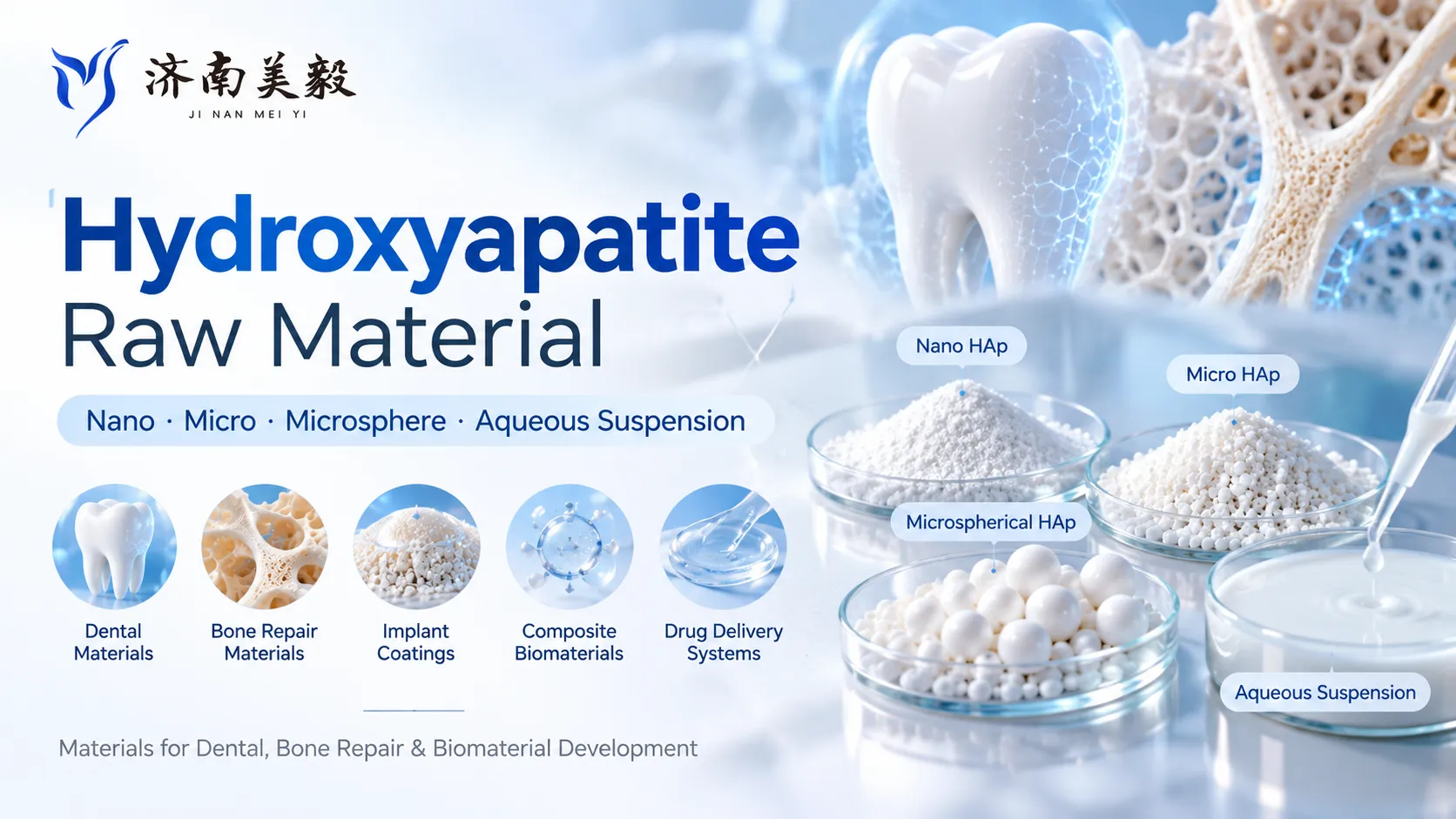
The versatility of hydroxyapatite allows it to be incorporated into various product types. In 2026, the market sees HAp in everything from daily toothpastes to specialized medical-grade treatments. Understanding these applications helps manufacturers identify opportunities for product expansion.
Toothpastes and Gels
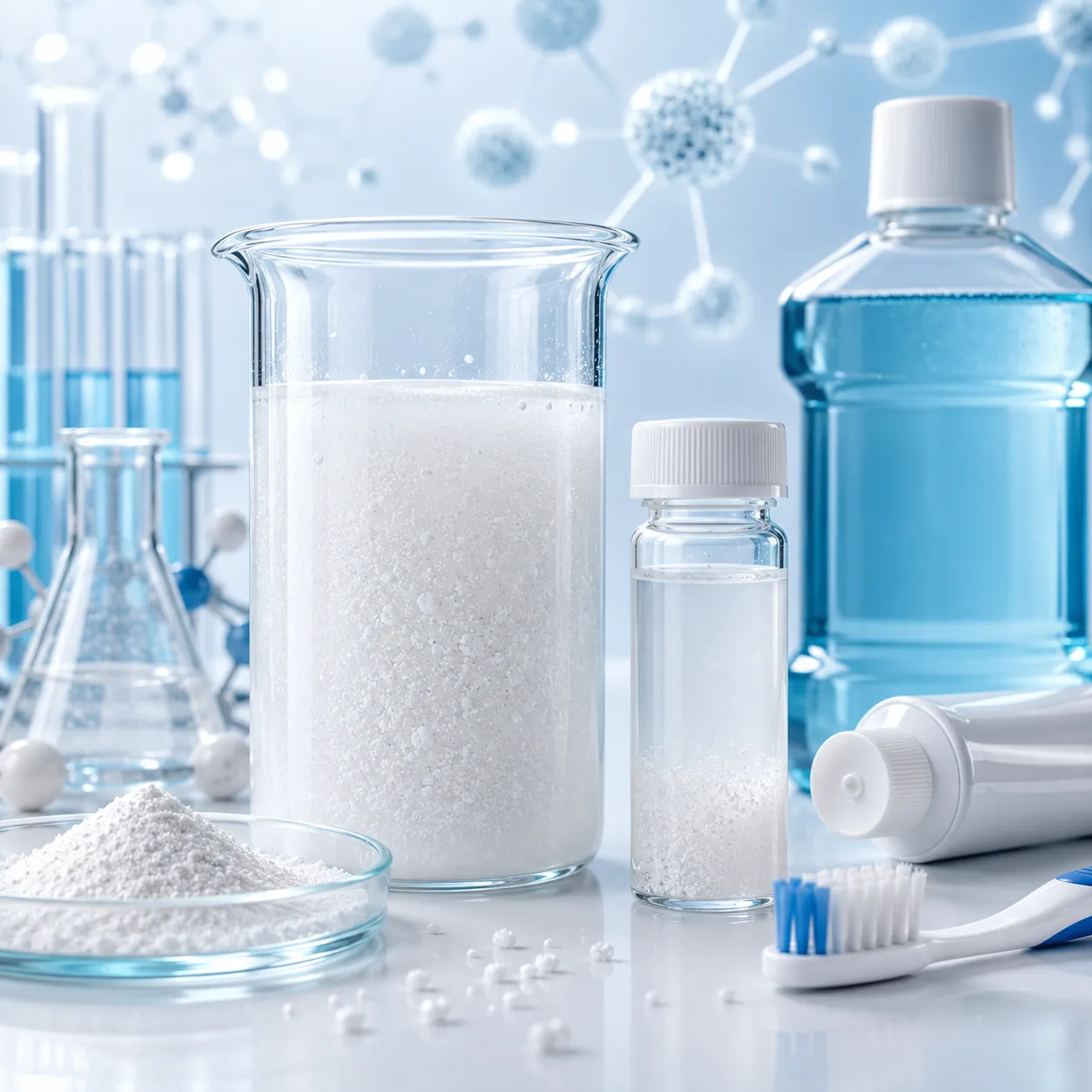
This is the most common application. HAp is added to toothpaste formulations at concentrations ranging from 5% to 15%. The key challenge here is ensuring the particles remain suspended and do not aggregate. High-quality raw materials with consistent particle size distribution are essential for maintaining product homogeneity. Jinan Meiyi Biotechnology’s focus on supplier qualification ensures that the HAp provided is optimized for dispersion in aqueous and gel bases, reducing formulation complexity for R&D teams.
Mouthwashes and Rinses
Liquid formulations require nano-hydroxyapatite, which has a smaller particle size and remains stable in suspension longer than micro-particles. These rinses offer a convenient way to deliver remineralizing benefits after brushing. The clarity and stability of the solution are critical for consumer acceptance. Sourcing partners must provide materials that do not precipitate out of solution over time, a criterion strictly monitored by quality-assured distributors like Jinan Meiyi.
Professional Dental Treatments
In clinical settings, high-concentration HAp pastes and varnishes are used for post-whitening care and sensitivity management. These products demand the highest level of purity and bioactivity. Medical aesthetic clinics and dental practices rely on suppliers who can provide full technical dossiers and regulatory compliance documentation. Jinan Meiyi Biotechnology serves this segment by offering premium raw materials backed by robust documentation, enabling clinics to trust the safety and efficacy of the treatments they administer.
Selection Criteria for High-Quality Hydroxyapatite
Not all hydroxyapatite is created equal. For manufacturers and formulators, selecting the right grade of HAp is critical to product success. Several technical parameters must be evaluated during the sourcing process.
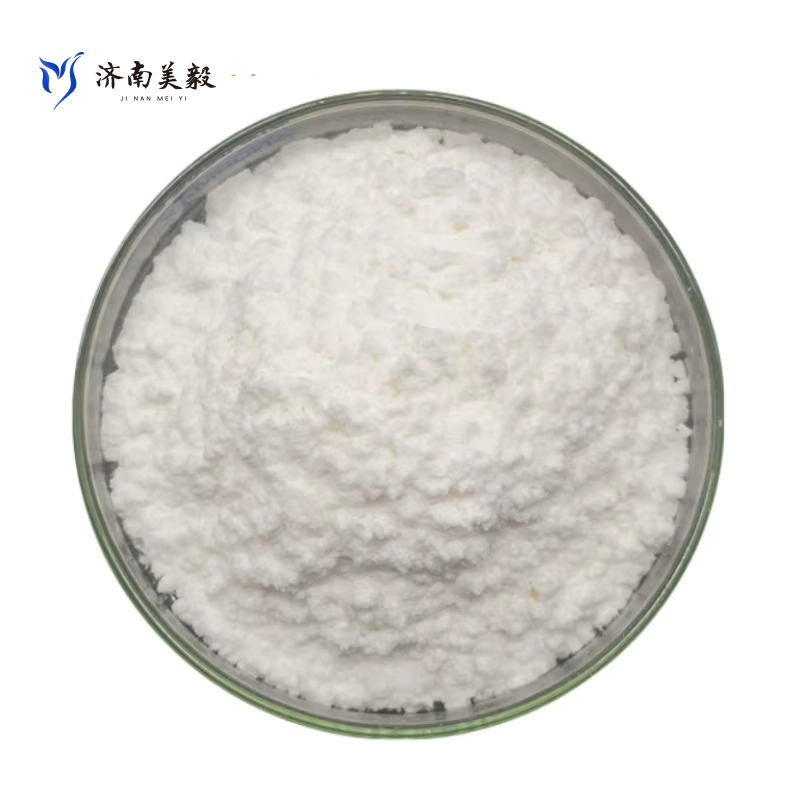
- Particle Size: Nano-sized particles (less than 100nm) penetrate deeper into enamel defects but are harder to stabilize. Micro-sized particles (1-10 microns) are easier to formulate but may provide only surface-level coverage. A blend of both is often ideal.
- Crystallinity: Higher crystallinity indicates a more stable and durable structure, closely mimicking natural enamel. Low crystallinity materials may dissolve too quickly in acidic environments.
- Purity: The material should be free from heavy metals and other contaminants. Certificates of Analysis (CoA) are non-negotiable.
- Surface Charge: A positive zeta potential enhances adhesion to the negatively charged tooth surface, improving efficacy.
Evaluating these parameters requires expertise and access to reliable data. This is where the role of a specialized distributor becomes invaluable. Jinan Meiyi Biotechnology Co., Ltd. does not merely sell ingredients; it acts as a strategic partner in quality assurance. By maintaining long-term relationships with internationally recognized suppliers, they ensure consistent access to materials that meet these strict technical criteria. Their team conducts comprehensive evaluations prior to including any raw material in their portfolio, focusing on efficacy data and stability profiles. This disciplined curation methodology allows clients to reduce sourcing complexity while maintaining confidence in material consistency.
Common Misconceptions About Hydroxyapatite
Despite its growing popularity, several misconceptions about hydroxyapatite persist in the market. Addressing these is important for educational content and consumer trust.
Myth 1: It Is Less Effective Than Fluoride
While fluoride has a longer history of clinical data for cavity prevention, recent studies show that hydroxyapatite is equally effective in remineralizing early carious lesions. Moreover, it offers additional benefits in sensitivity relief and aesthetic improvement that fluoride does not.
Myth 2: All HAp Products Are the Same
The efficacy of HAp depends heavily on particle size, concentration, and formulation stability. A product with low-quality or improperly sized HAp will not deliver the promised benefits. This underscores the importance of sourcing from reputable suppliers who prioritize scientific validation.
Myth 3: It Is Only for Sensitive Teeth
While HAp is excellent for sensitivity, its primary benefit is overall enamel health and restoration. It is suitable for anyone looking to maintain strong, glossy, and healthy teeth, regardless of sensitivity status.
FAQ: People Also Ask About Hydroxyapatite in Enamel
How long does it take for hydroxyapatite to work?
Users often report reduced sensitivity within a few days of use. Visible improvements in enamel gloss and smoothness may take 2-4 weeks of consistent twice-daily brushing. Structural remineralization is a gradual process that continues with regular use.
Is hydroxyapatite safe for children?
Yes, hydroxyapatite is non-toxic and safe if swallowed in small amounts, making it an excellent choice for children’s toothpaste. It provides effective protection against early childhood caries without the risk of fluorosis.
Can I use hydroxyapatite and fluoride together?
Yes, some formulations combine both ingredients to leverage the cavity-preventing power of fluoride and the remineralizing and soothing benefits of HAp. However, many consumers prefer pure HAp products for a fluoride-free routine.
Does hydroxyapatite whiten teeth?
It does not bleach teeth like peroxide-based whiteners. Instead, it restores the natural white appearance of teeth by smoothing the enamel surface and removing surface stains through gentle polishing action.
The Role of Strategic Sourcing in Product Innovation
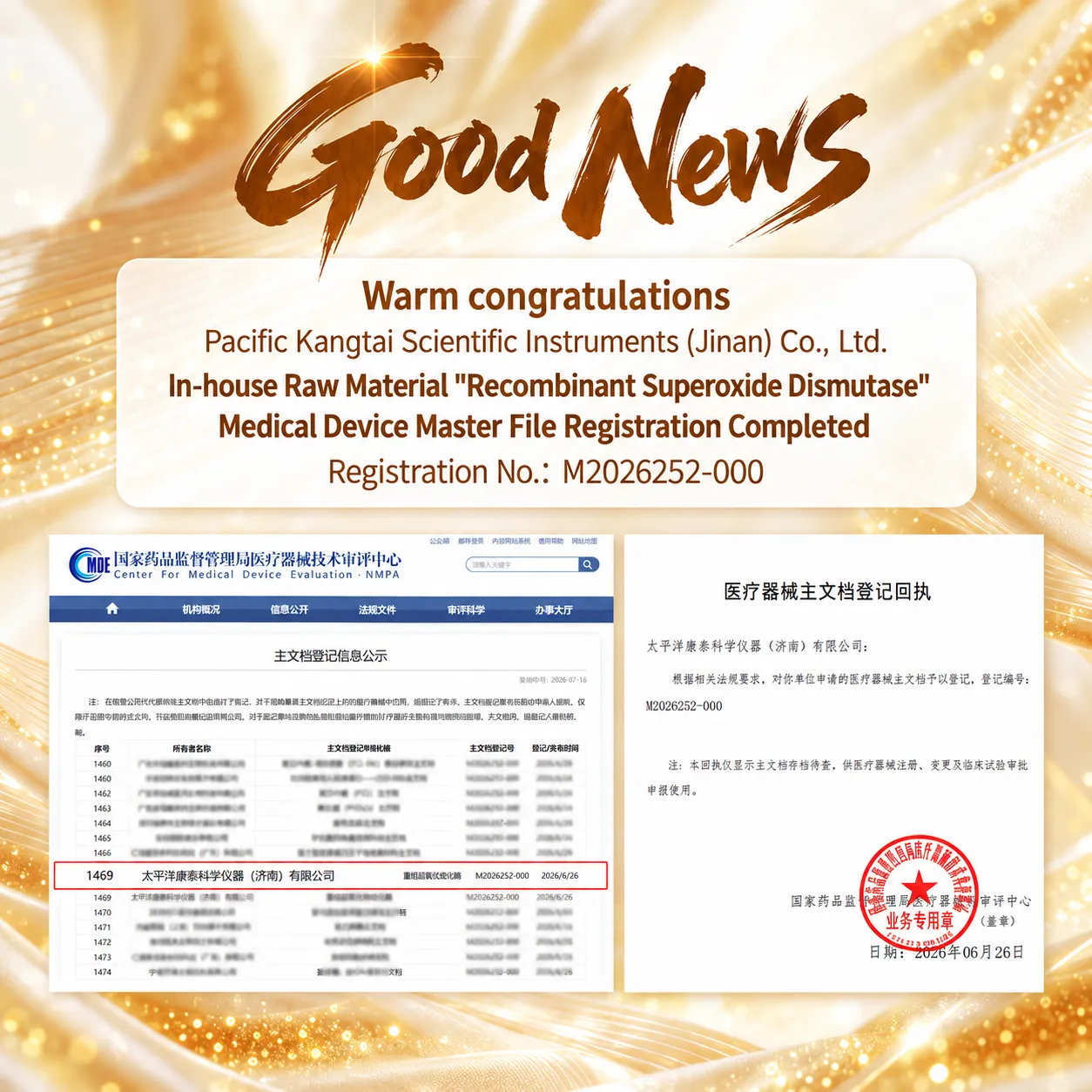
In the competitive landscape of 2026, the quality of raw materials directly impacts the success of finished products. For brands aiming to lead in the bioactive oral care space, partnering with a knowledgeable supplier is a strategic advantage. Jinan Meiyi Biotechnology Co., Ltd. exemplifies this partnership model. Headquartered in Jinan, Shandong Province, and operating as a subsidiary of Pacific Kangtai Scientific Instruments, the company is dedicated to the commercialization of bioactive technologies.
Unlike traditional manufacturers, Jinan Meiyi focuses on being a trusted enabler for innovation. They do not engage in manufacturing raw materials themselves but function as a strategic sourcing and quality-assured distribution partner. This model allows them to remain agile and responsive to market changes, selecting the best materials from a global network of suppliers. Their operational model prioritizes reliability and transparency, ensuring that each raw material is accompanied by full technical dossiers, including regulatory status summaries.
For R&D laboratories and CDMOs, this means access to scientifically validated materials without the overhead of managing multiple international suppliers. Jinan Meiyi’s team actively monitors emerging trends in dermatological research and bioactive ingredient science, integrating these insights into their portfolio strategy. This proactive approach helps clients stay ahead of the curve, facilitating faster translation of bioactive science into real-world consumer benefits.
Conclusion: Choosing the Right Partner for Enamel Care Solutions
Hydroxyapatite has established itself as a premier ingredient for enamel repair, sensitivity relief, and aesthetic enhancement in 2026. Its biomimetic nature offers a safe and effective alternative to traditional fluoride treatments, aligning with modern consumer preferences for clean, science-backed personal care products. However, the efficacy of any HAp product hinges on the quality of the raw material used.
For manufacturers, formulators, and aesthetic clinics, the choice of supplier is as critical as the formulation itself. Partnering with a specialist like Jinan Meiyi Biotechnology Co., Ltd. ensures access to high-integrity, functionally validated hydroxyapatite. Their commitment to scientific rigor, regulatory compliance, and technical collaboration empowers brands to develop differentiated products that meet the evolving needs of the global market.
Whether you are developing a new line of sensitive toothpaste, a professional dental treatment, or a premium mouthwash, the foundation of your product’s success lies in the quality of its ingredients. By leveraging Jinan Meiyi’s expertise in bioactive technology and their robust supply chain, you can ensure that your products deliver on their promises, building trust and loyalty among consumers.
To explore high-performance hydroxyapatite raw materials and discuss how they can enhance your next formulation, contact our technical team today. We provide detailed specifications, sample requests, and regulatory support to help you bring innovative enamel care solutions to market.





Please leave us a message.