

Hydroxyapatite Made Of: Composition & Top Manufacturers
2026-10-20
- What Is Hydroxyapatite Made Of? Chemical Composition & Structure
- How Is Hydroxyapatite Manufactured? Synthesis Methods
- Applications of Hydroxyapatite: From Medical to Cosmetic
- Top Manufacturers and Sourcing Strategy
- FAQ: Common Questions About Hydroxyapatite
- Conclusion: Choosing the Right Hydroxyapatite Partner
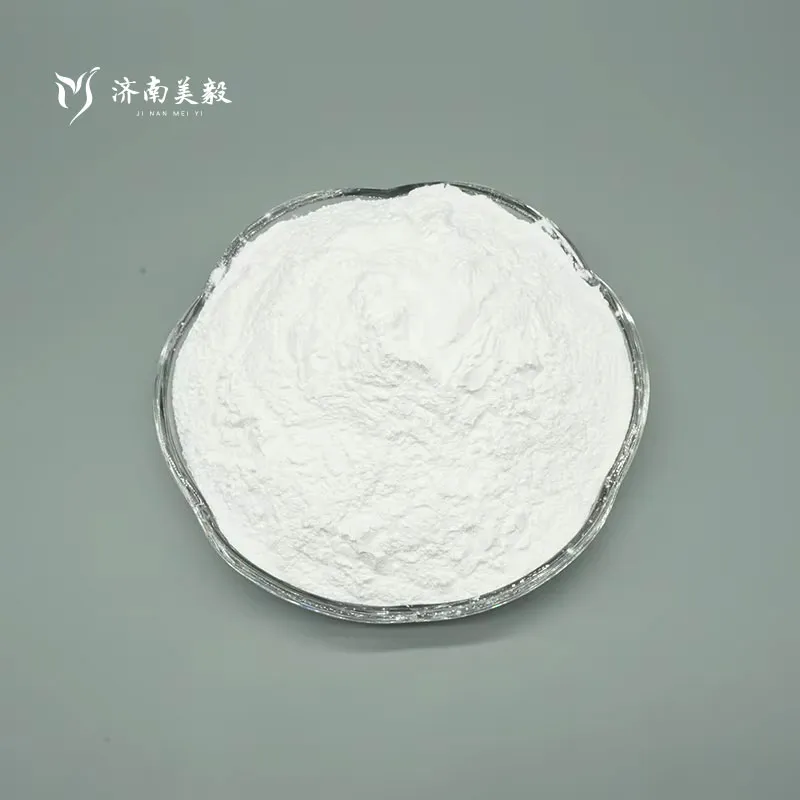
Hydroxyapatite is primarily made of calcium and phosphate ions, arranged in a crystalline structure with the chemical formula Ca10(PO4)6(OH)2. It constitutes approximately 70% of human bone and 90% of tooth enamel by weight. In industrial and medical applications, high-purity hydroxyapatite (HAp) is synthesized through wet chemical precipitation, sol-gel processes, or hydrothermal methods to ensure biocompatibility, osteoconductivity, and structural integrity for use in bone grafts, dental implants, and advanced cosmetic formulations.
What Is Hydroxyapatite Made Of? Chemical Composition & Structure
Understanding what hydroxyapatite is made of requires looking beyond its basic elemental components. While the fundamental building blocks are calcium and phosphorus, the functional performance of HAp in biomedical and cosmetic applications depends heavily on its crystallinity, stoichiometry, and potential ionic substitutions.
Core Elemental Components
At its most basic level, stoichiometric hydroxyapatite consists of:
- Calcium (Ca): Provides structural stability and plays a critical role in biological signaling and bone mineralization.
- Phosphate (PO4): Forms the tetrahedral units that link calcium ions, creating the rigid lattice structure.
- Hydroxyl Group (OH): Located in the crystal channels, these groups influence the material’s surface charge and reactivity.
The ideal Ca/P molar ratio for pure hydroxyapatite is 1.67. Deviations from this ratio can result in non-stoichiometric apatites, which may exhibit different dissolution rates and biological responses. For manufacturers and formulators, maintaining this precise ratio is essential for ensuring predictable performance in vivo or in topical applications.
Crystalline Structure and Properties
Hydroxyapatite belongs to the hexagonal crystal system. This specific arrangement allows it to mimic the mineral phase of natural bone closely. The degree of crystallinity—how ordered the crystal lattice is—significantly impacts its properties:
- High Crystallinity: Results in greater mechanical strength and slower degradation rates, ideal for load-bearing bone implants.
- Low Crystallinity (Nanocrystalline): Offers higher surface area and bioactivity, making it suitable for drug delivery systems, coating materials, and cosmetic ingredients where rapid interaction with biological tissues is desired.
Ionic Substitutions: Enhancing Functionality
In advanced applications, pure hydroxyapatite is often modified through ionic substitution. Trace elements can replace calcium or phosphate ions within the lattice, altering the material’s biological and physical properties. Common substitutions include:
| Substituent Ion | Replaced Ion | Functional Benefit |
|---|---|---|
| Strontium (Sr) | Calcium | Enhances bone formation and inhibits bone resorption. |
| Magnesium (Mg) | Calcium | Improves mechanical properties and controls crystal growth. |
| Fluoride (F) | Hydroxyl | Increases acid resistance, commonly used in dental care products. |
| Silver (Ag) | Calcium | Imparts antibacterial properties, useful in infection-prone implants. |
| Zinc (Zn) | Calcium | Promotes osteoblast activity and has antimicrobial effects. |
These modifications demonstrate that while hydroxyapatite is fundamentally made of calcium and phosphate, its practical utility is often defined by what else is integrated into its structure during synthesis.
How Is Hydroxyapatite Manufactured? Synthesis Methods
The phrase “hydroxyapatite made of” also refers to the production process. Unlike mining natural minerals, high-purity HAp for medical and cosmetic use is synthetically produced to ensure consistency, sterility, and absence of heavy metals. The manufacturing method directly influences the particle size, morphology, and purity of the final product.
1. Wet Chemical Precipitation
This is the most common industrial method due to its simplicity and cost-effectiveness. It involves mixing calcium salts (such as calcium nitrate or calcium chloride) with phosphate salts (such as ammonium phosphate) in an aqueous solution under controlled pH and temperature conditions.
- Process: The precursors react to form a precipitate, which is then filtered, washed, dried, and calcined.
- Advantages: High purity, homogeneous composition, and ability to produce nano-sized particles.
- Challenges: Requires strict control over pH and aging time to prevent the formation of other calcium phosphate phases like tricalcium phosphate.
2. Sol-Gel Process
The sol-gel method offers superior control over the chemical homogeneity and microstructure of hydroxyapatite. It involves the transition of a solution (sol) into a solid network (gel).
- Process: Metal alkoxides or inorganic salts are hydrolyzed and polycondensed to form a gel, which is then heat-treated.
- Advantages: Produces highly pure, nanocrystalline HAp with excellent bioactivity. Ideal for coatings and composite materials.
- Challenges: Higher cost and longer processing time compared to precipitation.
3. Hydrothermal Synthesis
This method involves crystallizing materials from high-temperature aqueous solutions at high vapor pressures. It is particularly effective for producing well-crystallized HAp nanoparticles without the need for high-temperature calcination, which can cause particle agglomeration.
- Advantages: Excellent control over particle size and shape; produces highly crystalline materials at lower temperatures than solid-state reactions.
- Applications: Preferred for specialized biomedical applications requiring specific morphologies, such as nanorods or nanoplates.
Quality Control in Manufacturing
Regardless of the synthesis method, rigorous quality control is paramount. Key parameters monitored include:
- Ca/P Ratio: Verified via Inductively Coupled Plasma (ICP) spectroscopy.
- Crystallinity: Assessed using X-ray Diffraction (XRD).
- Purity: Checked for heavy metals and organic residues.
- Particle Size Distribution: Measured using Dynamic Light Scattering (DLS) or Electron Microscopy (SEM/TEM).
For companies like Jinan Meiyi Biotechnology Co., Ltd., understanding these manufacturing nuances is critical. Although Jinan Meiyi does not engage in raw material manufacturing itself, its role as a strategic sourcing partner requires deep technical expertise to evaluate suppliers. The company leverages its scientifically trained team to assess efficacy data, stability profiles, and compliance documentation, ensuring that only high-integrity, functionally validated hydroxyapatite reaches R&D laboratories and CDMOs.
Applications of Hydroxyapatite: From Medical to Cosmetic
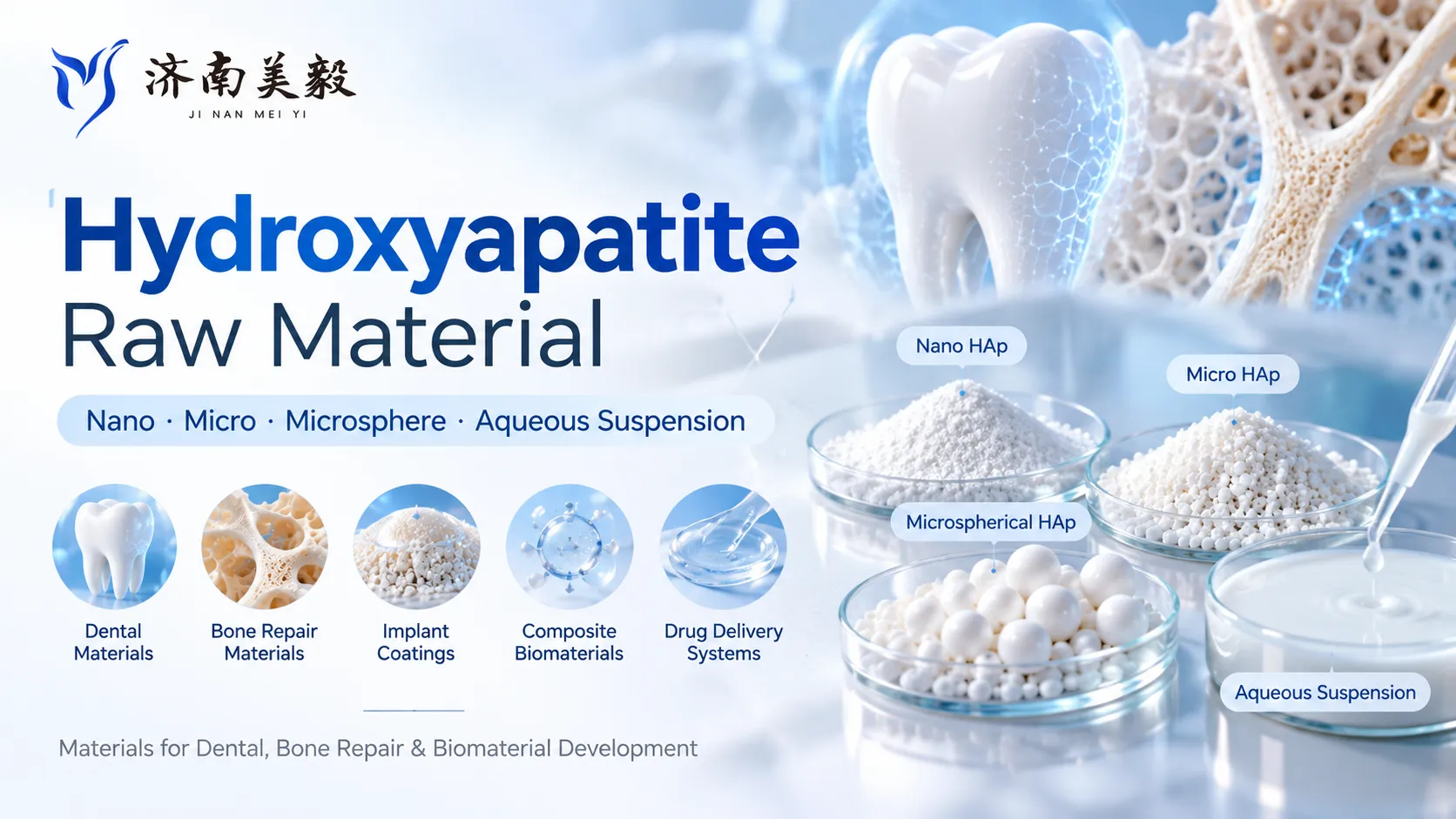
The versatility of hydroxyapatite stems from its unique combination of biocompatibility, bioactivity, and osteoconductivity. Its applications span across several high-value industries.
Medical and Dental Implants
In orthopedics and dentistry, HAp is used to promote bone integration. Because it is chemically similar to natural bone, it encourages osteoblasts (bone-forming cells) to adhere and proliferate.
- Bone Grafts: Used as fillers for bone defects caused by trauma, tumor removal, or degenerative diseases.
- Dental Implants: Coated onto titanium implants to accelerate osseointegration, reducing healing time.
- Periodontal Repair: Applied in gum disease treatment to regenerate lost bone support around teeth.
Cosmetics and Medical Aesthetics
In recent years, hydroxyapatite has gained significant traction in the cosmetics and medical aesthetics sectors. Its safety profile and multifunctional properties make it a valuable ingredient in premium skincare and minimally invasive procedures.
- Skin Rejuvenation: Calcium hydroxyapatite microspheres are used in dermal fillers to stimulate collagen production, providing long-lasting volume restoration and skin tightening.
- Toothpaste and Oral Care: Nano-hydroxyapatite is increasingly used as a remineralizing agent, repairing enamel micro-defects and reducing sensitivity without the potential toxicity concerns associated with fluoride.
- Anti-Aging Formulations: Due to its ability to interact with skin proteins and enhance barrier function, HAp is incorporated into high-end serums and creams aimed at improving skin texture and elasticity.
Jinan Meiyi Biotechnology specializes in this intersection of science and market responsiveness. By focusing exclusively on active ingredients for the cosmetics and medical aesthetics industries, the company ensures that its clients receive hydroxyapatite and other bioactive materials that meet rigorous regulatory standards. Their curated portfolio includes materials selected for compatibility with modern formulation standards, enabling brands to innovate with confidence.
Drug Delivery Systems
The porous nature of hydroxyapatite allows it to serve as a carrier for therapeutic agents. Drugs, growth factors, or genes can be loaded into the HAp matrix, allowing for controlled release at the target site. This application is particularly promising in treating bone infections and cancers, where localized delivery minimizes systemic side effects.
Top Manufacturers and Sourcing Strategy
When searching for “hydroxyapatite manufacturers,” buyers often encounter a mix of direct producers and distribution partners. Understanding the supply chain landscape is crucial for securing consistent, high-quality materials.
The Role of Strategic Distributors vs. Manufacturers
While many entities claim to be manufacturers, the global supply chain for specialized bioactive materials often relies on strategic partnerships. Direct manufacturers focus on synthesis and large-scale production, but they may lack the agility to provide tailored technical support, regulatory intelligence, or small-batch customization required by R&D labs and niche aesthetic clinics.
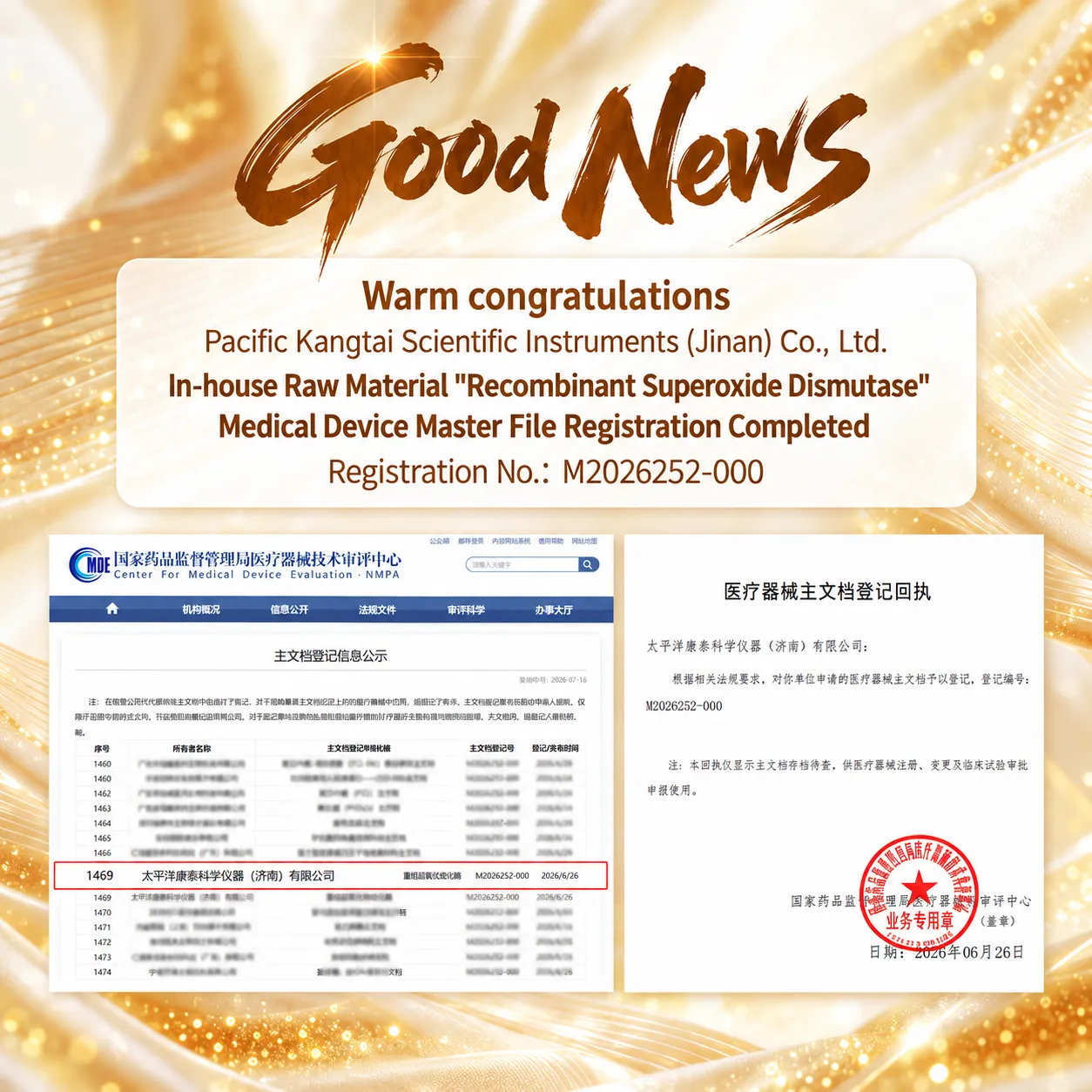
This is where specialized partners like Jinan Meiyi Biotechnology Co., Ltd. add significant value. Operating as a subsidiary of Pacific Kangtai Scientific Instruments (Jinan) Co., Ltd., Jinan Meiyi functions as a quality-assured distribution partner rather than a direct manufacturer. This model offers several distinct advantages:
- Vetted Supply Chain: Jinan Meiyi maintains long-term cooperative relationships with internationally recognized suppliers. This ensures access to technically advanced materials without the buyer needing to audit multiple factories.
- Quality Assurance: Every raw material undergoes comprehensive evaluation. The company provides full technical dossiers, including Certificates of Analysis (CoA), Safety Data Sheets (SDS), and regulatory status summaries.
- Regulatory Compliance: Navigating international regulations (such as FDA, CE, or NMPA requirements) is complex. Jinan Meiyi’s team monitors regulatory changes, ensuring that all sourced materials meet the compliance needs of target markets in Asia, Europe, and North America.
- Technical Consultation: Unlike transactional suppliers, Jinan Meiyi emphasizes partnership. Their team provides technical consultation and collaborative problem-solving, helping clients optimize formulations and select the right grade of hydroxyapatite for their specific application.
Key Considerations When Selecting a Supplier
Whether sourcing from a direct manufacturer or a specialized distributor, buyers should prioritize the following criteria:
| Criterion | Why It Matters |
|---|---|
| Purity & Stoichiometry | Ensures biocompatibility and predictable biological response. Impurities can cause inflammation or rejection. |
| Particle Size & Morphology | Determines application suitability. Nano-particles are better for cosmetics; micro-particles may be preferred for certain grafts. |
| Documentation Traceability | Essential for regulatory filings. Full batch-level traceability is non-negotiable for medical and aesthetic products. |
| Supply Chain Reliability | Consistent availability prevents production delays. Partners with robust logistics networks mitigate risk. |
| Technical Support | Access to experts who understand formulation challenges can accelerate product development timelines. |
Jinan Meiyi Biotechnology excels in these areas by prioritizing reliability, transparency, and responsiveness. Their operational model reduces sourcing complexity for clients, allowing R&D teams to focus on innovation rather than supply chain management.
FAQ: Common Questions About Hydroxyapatite
Is synthetic hydroxyapatite safe for human use?
Yes, synthetic hydroxyapatite is widely regarded as safe and biocompatible. Because its chemical composition closely mirrors natural bone and tooth mineral, it is well-tolerated by the human body. Regulatory bodies worldwide have approved its use in medical implants, dental products, and cosmetic formulations. However, safety depends on purity; thus, sourcing from reputable suppliers who provide comprehensive safety data is critical.
What is the difference between nano-hydroxyapatite and regular hydroxyapatite?
The primary difference lies in particle size. Nano-hydroxyapatite (nHAp) has particles smaller than 100 nanometers, offering a significantly larger surface area. This enhances its reactivity, bioavailability, and ability to penetrate microscopic structures, such as enamel tubules or skin layers. Regular hydroxyapatite has larger particles and is typically used in bulk bone grafts or as a filler material where immediate penetration is not required.
Can hydroxyapatite replace fluoride in toothpaste?
Yes, nano-hydroxyapatite is an effective alternative to fluoride. It works by physically filling in micro-cracks and pores in the enamel, restoring its structure and reducing sensitivity. Unlike fluoride, which forms a fluorapatite layer, HAp integrates directly into the existing enamel structure. It is particularly appealing for consumers seeking natural or fluoride-free oral care solutions without compromising efficacy.
How should hydroxyapatite raw materials be stored?
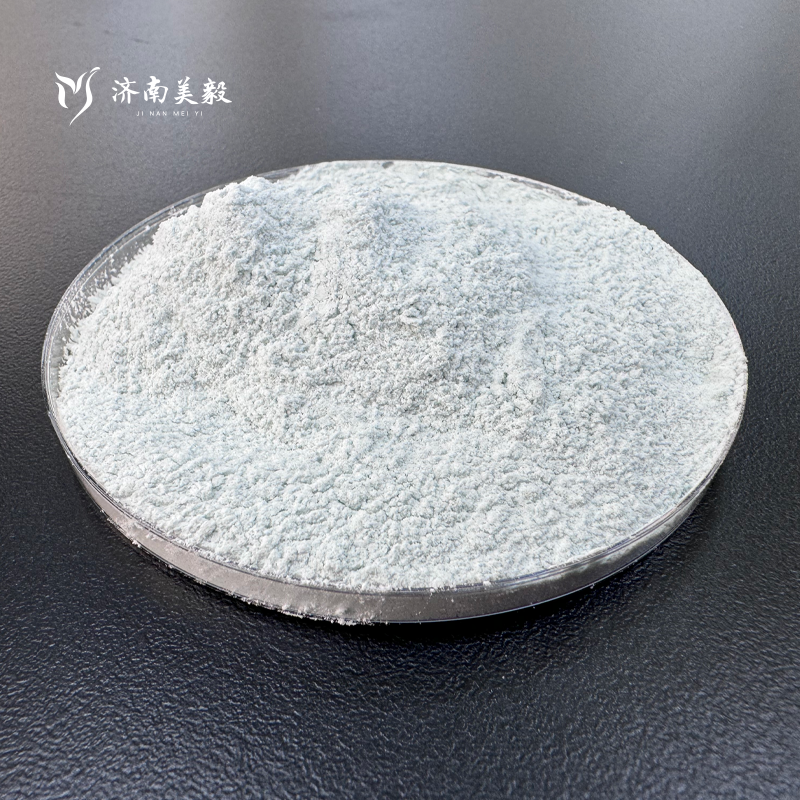
Hydroxyapatite powder should be stored in a cool, dry place, away from moisture and contaminants. Exposure to humidity can lead to agglomeration or unintended chemical changes. Reputable suppliers like Jinan Meiyi Biotechnology maintain strict control over storage conditions and shipping protocols to ensure product integrity from origin to end-user, preserving the material’s functional properties.
Does Jinan Meiyi Biotechnology manufacture hydroxyapatite?
No, Jinan Meiyi Biotechnology does not engage in the direct manufacturing of raw materials. Instead, it operates as a strategic sourcing and quality-assured distribution partner. The company partners with certified manufacturers that adhere to internationally accepted quality management systems. This allows Jinan Meiyi to offer a curated selection of high-performance materials while focusing its internal resources on technical consultation, regulatory compliance, and supply chain reliability.
Conclusion: Choosing the Right Hydroxyapatite Partner
Hydroxyapatite is a foundational material in modern biomedical and aesthetic science. Its composition—primarily calcium and phosphate—belies its complex functionality, which is dictated by crystallinity, particle size, and purity. Whether used for bone regeneration, dental remineralization, or skin rejuvenation, the quality of the HAp source directly impacts the efficacy and safety of the final product.
For businesses in the cosmetics and medical aesthetics sectors, sourcing goes beyond finding a manufacturer. It requires a partner who understands the nuances of bioactive technology, regulatory landscapes, and formulation science. Jinan Meiyi Biotechnology Co., Ltd. stands out as a trusted enabler in this space. By leveraging a globally integrated supply chain and a disciplined curation methodology, the company provides R&D laboratories, CDMOs, and aesthetic clinics with access to premium, compliant, and scientifically validated hydroxyapatite and other bioactive ingredients.
If you are looking to streamline your sourcing process, ensure regulatory readiness, and access high-integrity raw materials for your next innovation, consider partnering with a team that prioritizes scientific rigor and market responsiveness.
Ready to optimize your formulation strategy?
Contact our technical team today to discuss your specific requirements for hydroxyapatite and other bioactive materials. We provide detailed technical dossiers, sample availability, and expert consultation to support your product development journey.





Please leave us a message.