

Medical Grade 45S5 Bioglass Supplier | ISO Certified Factory
2026-09-30
- Understanding Medical Grade 45S5 Bioglass: Composition and Mechanism
- Why Choose an ISO-Certified 45S5 Bioglass Manufacturer?
- About Jinan Meiyi Biotechnology: Bridging Science and Supply
- Technical Specifications and Product Forms
- Applications of Medical Grade 45S5 Bioglass
- Comparative Analysis: 45S5 Bioglass vs. Other Biomaterials
- Selection Guide: How to Choose the Right Bioglass Product
- Processing and Handling Best Practices
- Frequently Asked Questions (FAQ)
- The Role of Silicon in Bone Regeneration
- Future Trends in Bioactive Glass Technology
- Conclusion: Partnering for Success in Regenerative Medicine
As a certified medical grade 45S5 bioglass supplier, we provide high-purity bioactive glass powders and granules engineered for regenerative medicine, orthopedic implants, and dental applications. Our ISO-certified manufacturing partners ensure strict adherence to ASTM F1538 standards, delivering consistent particle size distribution, controlled crystallinity, and superior osteoconductivity. We support R&D teams and medical device manufacturers with custom synthesis, scalable production, and comprehensive technical documentation for regulatory submissions.
Understanding Medical Grade 45S5 Bioglass: Composition and Mechanism
45S5 Bioglass, originally developed by Professor Larry Hench at the University of Florida, represents the first synthetic material capable of bonding directly to living bone tissue. The designation “45S5” refers to its specific composition: 45% silica (SiO2) and a 5:1 molar ratio of calcium to phosphorus. This precise stoichiometry is critical for triggering the biological response required for osseointegration.
Unlike inert biomaterials such as titanium or alumina, which rely on mechanical fixation, 45S5 bioglass is bioactive. Upon exposure to physiological fluids, it undergoes a series of surface reactions that lead to the formation of a hydroxycarbonate apatite (HCA) layer. This HCA layer is chemically and structurally similar to the mineral phase of human bone, allowing for strong chemical bonding rather than mere physical interlocking.
The Four Stages of Bioactivity
The mechanism of action for medical grade 45S5 bioglass involves four distinct stages that occur rapidly after implantation. Understanding these stages is essential for engineers and clinicians selecting materials for bone regeneration projects.
- Stage 1: Ion Exchange. Sodium (Na+) and calcium (Ca2+) ions from the glass surface exchange with hydrogen (H+) or hydronium (H3O+) ions from the body fluid. This rapid exchange raises the local pH and creates silanol (Si-OH) groups on the glass surface.
- Stage 2: Hydrolysis. The silanol groups condense to form a porous silica-rich gel layer. This layer acts as a scaffold for subsequent mineral deposition.
- Stage 3: Precipitation. Amorphous calcium phosphate precipitates onto the silica gel layer. This step is driven by the supersaturation of calcium and phosphate ions in the surrounding fluid.
- Stage 4: Crystallization. The amorphous calcium phosphate crystallizes into hydroxycarbonate apatite (HCA). This biologically active layer bonds to collagen fibers in the bone matrix, facilitating direct integration.
This sequence typically occurs within minutes to hours post-implantation. The speed and efficacy of this process depend heavily on the purity of the raw materials and the consistency of the manufacturing process, which is why sourcing from a reliable medical grade 45S5 bioglass supplier is paramount.
Why Choose an ISO-Certified 45S5 Bioglass Manufacturer?
In the medical device industry, material consistency is not just a quality metric; it is a regulatory requirement. Variations in particle size, trace impurities, or crystalline content can significantly alter the degradation rate and biological response of the implant. An ISO-certified factory provides the necessary infrastructure to control these variables rigorously.
Regulatory Compliance and Traceability
Medical grade materials must meet stringent international standards. As a specialized supplier, our production processes are aligned with:
- ISO 13485: Quality management systems for medical devices. This ensures that every batch of bioglass is produced under controlled conditions with full traceability.
- ASTM F1538: Standard specification for characterization of bioactivity in glasses used in surgical implants. This standard defines the testing methods to verify the formation of the HCA layer.
- ISO 10993: Biological evaluation of medical devices. Our materials undergo rigorous cytotoxicity, sensitization, and irritation testing to ensure biocompatibility.
Traceability extends from the raw oxide powders to the final packaged product. Each batch is assigned a unique lot number, allowing for complete reconstruction of the production history. This level of documentation is essential for clients seeking FDA clearance or CE marking for their final medical devices.
Controlled Manufacturing Environment
The synthesis of 45S5 bioglass requires precise temperature control and atmosphere management. Contamination from crucible materials or atmospheric gases can introduce impurities that compromise bioactivity. Our partner facilities utilize platinum-lined furnaces and clean-room packaging environments to minimize contamination risks. Automated mixing systems ensure homogeneity of the initial oxide blend, preventing compositional gradients that could lead to inconsistent dissolution rates.
About Jinan Meiyi Biotechnology: Bridging Science and Supply
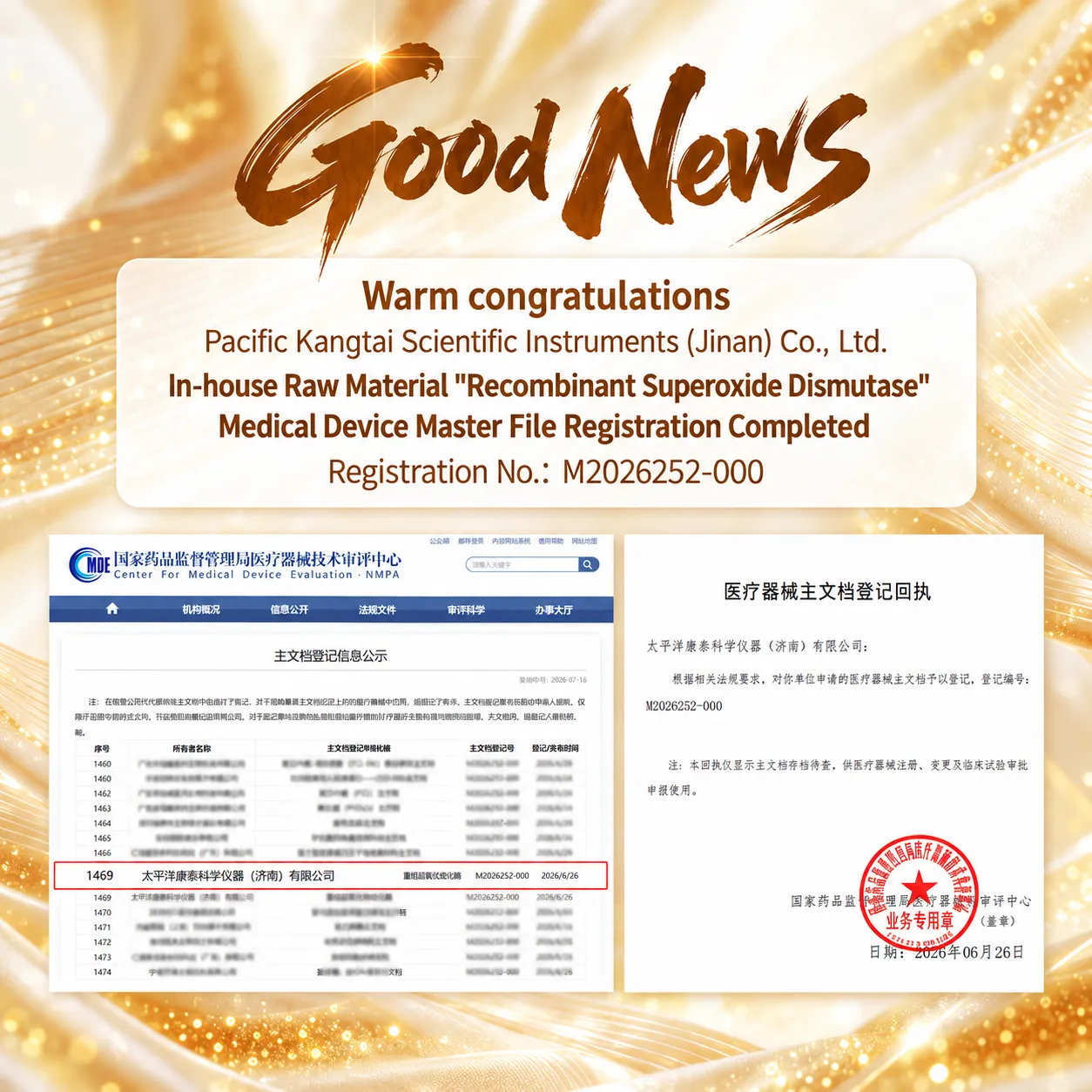
Headquartered in Jinan, Shandong Province, China, Jinan Meiyi Biotechnology Co., Ltd. operates as a subsidiary of Pacific Kangtai Scientific Instruments (Jinan) Co., Ltd. We are a professional enterprise dedicated to the research, development support, and commercialization of bioactive technologies. While our roots are deeply embedded in the cosmetics and medical aesthetics industries, our commitment to scientific rigor and high-performance raw materials extends seamlessly into the realm of regenerative medicine.
It is important to clarify our operational model: Jinan Meiyi Biotechnology does not engage in the direct manufacturing of raw materials. Instead, we function as a strategic sourcing and quality-assured distribution partner. We leverage a well-established global supply chain network to maintain long-term cooperative relationships with internationally recognized, ISO-certified manufacturers. This allows us to serve as a trusted enabler for innovation, ensuring that our clients in R&D laboratories, CDMOs, and aesthetic clinics have consistent access to technically advanced, regulatory-compliant, and scientifically validated materials.
Our quality assurance framework centers on rigorous supplier qualification, documentation traceability, and batch-level specification verification. Every unit of 45S5 bioglass we distribute is accompanied by full technical dossiers, including certificates of analysis (CoA), safety data sheets, and regulatory status summaries. By prioritizing reliability, transparency, and responsiveness, we reduce sourcing complexity for our clients while maintaining full confidence in material consistency and regulatory readiness.
Technical Specifications and Product Forms
We offer medical grade 45S5 bioglass in various forms to suit different application requirements. The physical form of the bioglass influences its handling characteristics, degradation rate, and mechanical properties in composite structures.
Powder Specifications
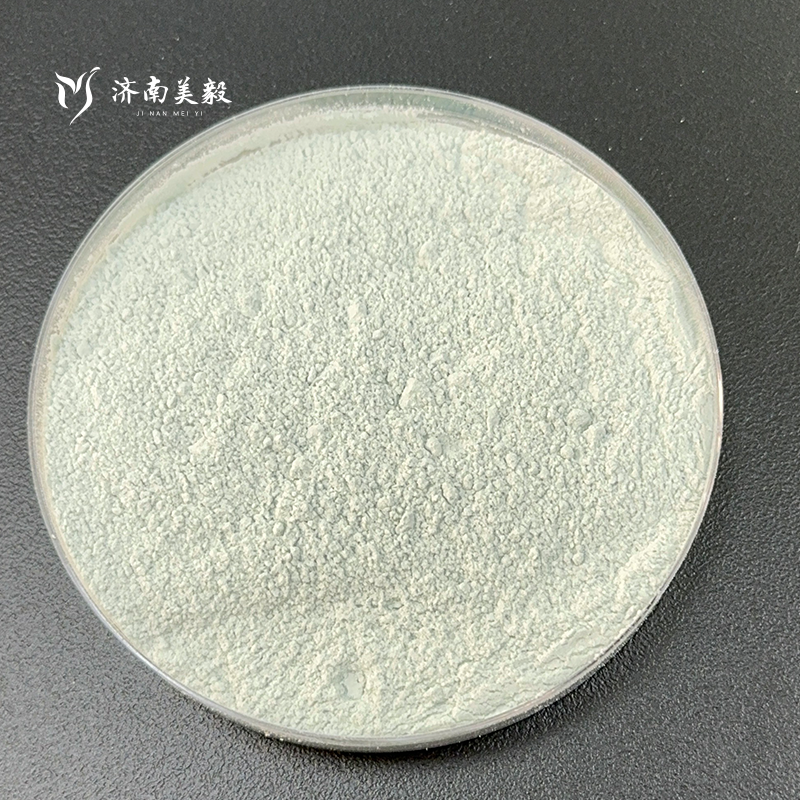
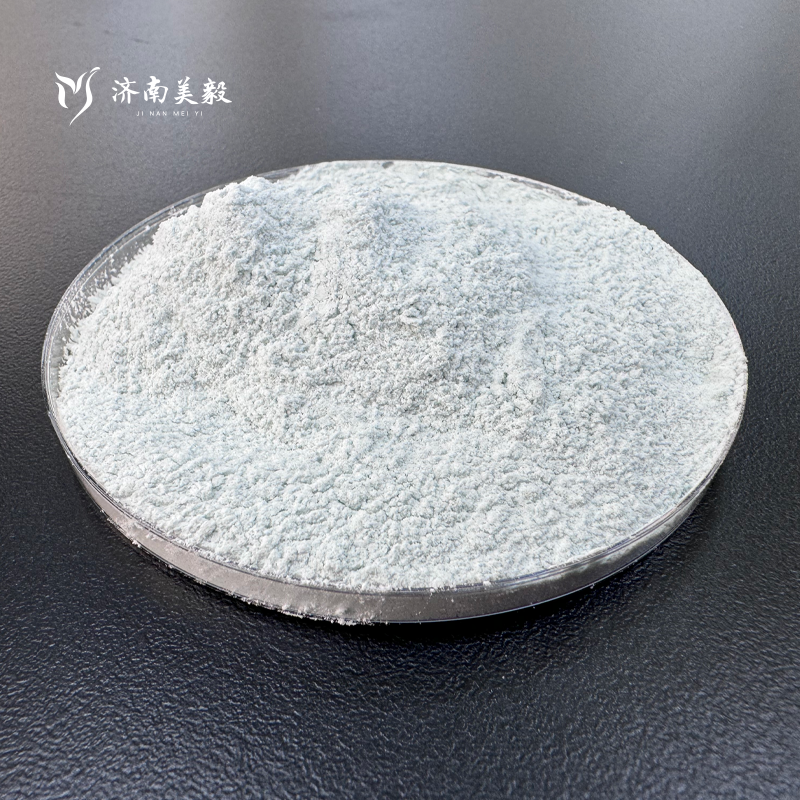
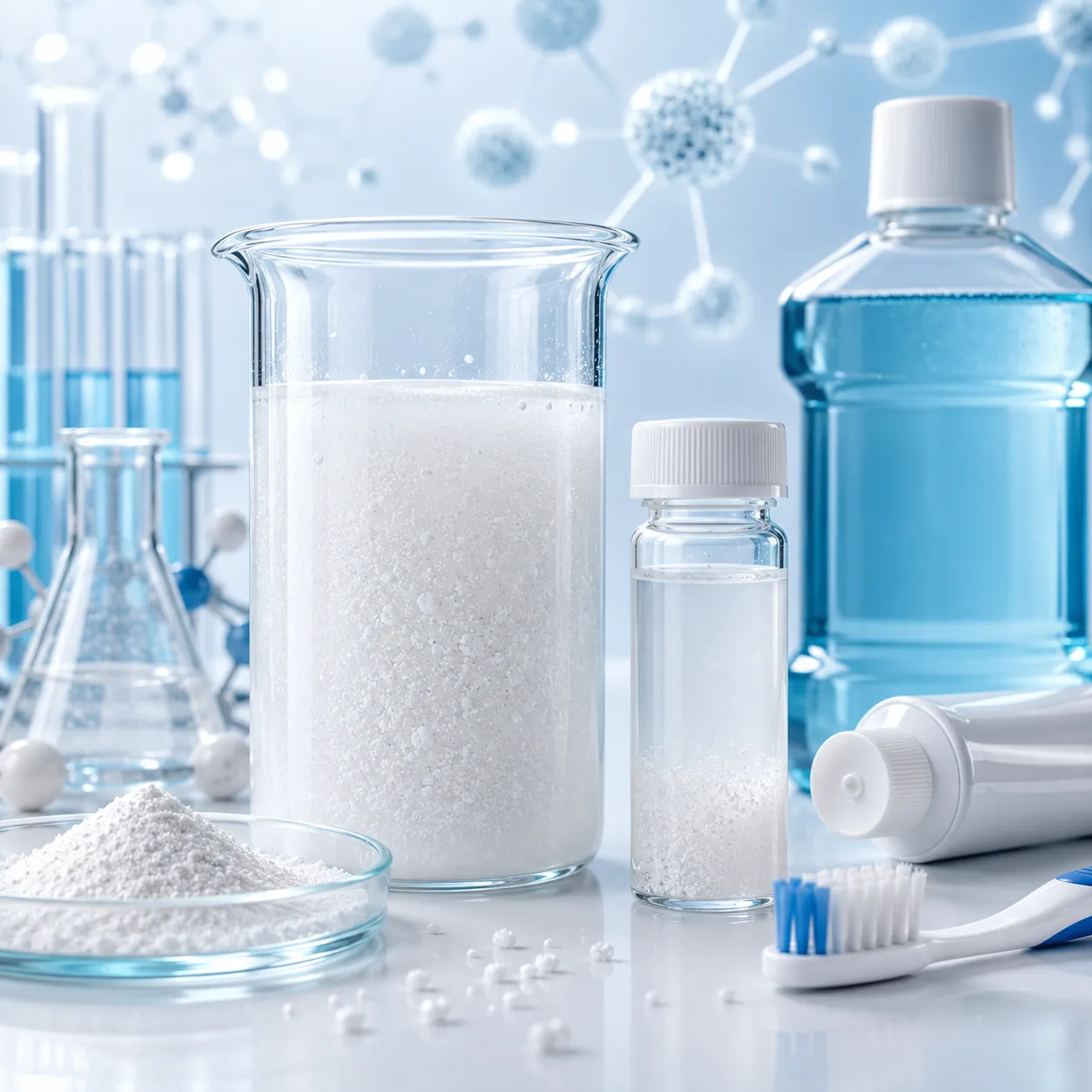
Bioactive glass powder is the most common form used in bone graft substitutes, dental pastes, and coating formulations. Our powders are characterized by tight particle size distributions to ensure predictable flowability and reactivity.
| Parameter | Specification Range | Testing Method |
|---|---|---|
| Chemical Composition | 45% SiO2, 24.5% Na2O, 24.5% CaO, 6% P2O5 (wt%) | XRF / ICP-OES |
| Particle Size (D50) | Customizable: 1µm – 150µm | Laser Diffraction |
| Crystallinity | < 5% (Amorphous structure preferred) | XRD |
| Heavy Metals | < 10 ppm total | ICP-MS |
| Endotoxin Level | < 0.5 EU/mL | LAL Test |
The amorphous nature of the glass is crucial. Crystalline phases, such as combeite or wollastonite, form if the melt is cooled too slowly or if the glass is heat-treated incorrectly. These crystalline phases are less bioactive and may dissolve at different rates, leading to unpredictable clinical outcomes. Our rapid quenching process ensures the glass remains predominantly amorphous.
Granules and Scaffolds
For applications requiring space maintenance and vascular ingrowth, we provide sintered granules and porous scaffolds. These structures are engineered to balance mechanical integrity with porosity.
- Granules: Typically range from 300µm to 1000µm. They are used in periodontal defects and maxillofacial surgery. The intergranular spaces allow for blood clot formation and cell migration.
- 3D-Printed Scaffolds: Utilizing our fine powders, we support the fabrication of customized scaffolds via additive manufacturing. These scaffolds can be designed with specific pore architectures to mimic the trabecular structure of native bone.
Applications of Medical Grade 45S5 Bioglass
The versatility of 45S5 bioglass has led to its adoption across multiple medical disciplines. Its ability to stimulate osteogenesis and angiogenesis makes it suitable for both hard and soft tissue repair.
Orthopedics and Spinal Fusion
In orthopedic surgery, 45S5 bioglass is used as a bone void filler and extender. It is often mixed with autograft or allograft bone to enhance the osteoinductive potential of the graft. In spinal fusion procedures, bioglass particles are incorporated into polymer matrices to create composite cages that promote vertebral integration.
The release of soluble silicon species from the dissolving glass has been shown to upregulate gene expression related to bone formation. Specifically, silicon ions stimulate osteoblast proliferation and differentiation, accelerating the healing process. This biological stimulation is a key advantage over inert fillers like polymethylmethacrylate (PMMA).
Dental and Maxillofacial Reconstruction
Dentistry represents one of the largest markets for bioactive glass. Applications include:
- Periodontal Defect Repair: Bioglass powders are packed into pockets created by periodontal disease. The material promotes the regeneration of alveolar bone and prevents epithelial downgrowth.
- Toothpaste and Desensitizing Agents: Micronized 45S5 particles are used in premium toothpastes to occlude dentinal tubules. The particles bond to the tooth surface, forming a protective layer that reduces sensitivity to thermal and tactile stimuli.
- Implant Coatings: Plasma spraying or sol-gel coating of titanium dental implants with 45S5 bioglass enhances osseointegration. This reduces the healing time required before loading the implant with a prosthetic crown.
Soft Tissue Healing and Wound Care
Recent research has expanded the application of 45S5 bioglass to soft tissue repair. The ionic dissolution products stimulate fibroblast proliferation and collagen production. In chronic wound care, bioglass-containing dressings help manage exudate while promoting granulation tissue formation. The alkaline environment created by the ion exchange also exhibits mild antibacterial properties, reducing the risk of infection in non-healing wounds.
Comparative Analysis: 45S5 Bioglass vs. Other Biomaterials
Selecting the right biomaterial requires a clear understanding of how 45S5 bioglass compares to other commonly used options. The following table highlights key differences in terms of bioactivity, mechanical properties, and clinical handling.
| Feature | 45S5 Bioglass | Hydroxyapatite (HA) | Beta-Tricalcium Phosphate (β-TCP) | Inert Polymers (PEEK/PMMA) |
|---|---|---|---|---|
| Bioactivity | High (Bonding Index A) | Moderate (Osteoconductive) | Moderate (Osteoconductive) | None (Bioinert) |
| Bonding Mechanism | Chemical Bond (HCA Layer) | Surface Integration | Surface Integration | Mechanical Interlock |
| Degradation Rate | Controlled Dissolution | Very Slow | Moderate to Fast | Non-degradable |
| Osteostimulation | Yes (Gene Upregulation) | No | No | No |
| Mechanical Strength | Brittle (Low Tensile) | Brittle (High Compressive) | Brittle (Low Compressive) | High Toughness |
| Primary Use Case | Bone Regeneration/Coatings | Bone Void Filler | Resorbable Scaffold | Structural Implants |
While hydroxyapatite and TCP are excellent osteoconductive materials, they lack the osteostimulatory properties of 45S5 bioglass. They serve primarily as passive scaffolds for bone ingrowth. In contrast, 45S5 actively signals cells to initiate bone formation. However, bioglass is brittle and cannot bear load independently. Therefore, it is often combined with polymers or metals in composite structures to achieve the necessary mechanical performance for load-bearing applications.
Selection Guide: How to Choose the Right Bioglass Product
Choosing the appropriate 45S5 bioglass product depends on several factors, including the intended application, processing method, and regulatory pathway. As your medical grade 45S5 bioglass supplier, we recommend considering the following parameters during the selection process.
1. Particle Size Distribution
The particle size determines the surface area available for reaction and the handling properties of the material.
- Fine Powders (< 10µm): Ideal for coatings, composite fillers, and toothpaste formulations. High surface area leads to rapid reaction rates.
- Medium Powders (10-50µm): Suitable for injectable pastes and cements. Balances reactivity with viscosity control.
- Coarse Granules (100-1000µm): Used for packing bone defects. Provides structural volume and allows for vascular ingrowth between particles.
2. Purity and Trace Elements
For medical applications, purity is non-negotiable. Ensure that the supplier provides certificates of analysis (CoA) detailing trace metal content. Iron, aluminum, and other transition metals can catalyze unwanted side reactions or induce cytotoxicity. Our medical grade material guarantees ultra-low levels of these impurities, verified by ICP-MS analysis.
3. Sterility and Packaging
Depending on your manufacturing process, you may require sterile or non-sterile material. If you perform terminal sterilization of your final device, non-sterile bioglass in sealed, clean-room packaged bags may be sufficient. However, if the bioglass is incorporated into a product that cannot be sterilized post-assembly, gamma-irradiated or aseptic-filled bioglass is required. Note that gamma irradiation can sometimes affect the surface chemistry of glasses, so validation studies are necessary.
4. Regulatory Support
A reputable supplier should provide comprehensive documentation to support your regulatory filings. This includes:
- Material Master Files (MMF)
- Biocompatibility Test Reports (ISO 10993 series)
- Certificates of Conformity (CoC)
- Stability Data
Having access to this data early in the development phase can significantly accelerate your time to market.
Processing and Handling Best Practices
Proper handling of 45S5 bioglass is essential to maintain its bioactivity and ensure worker safety. Although bioglass is biocompatible, fine powders can cause mechanical irritation to the respiratory system if inhaled.
Storage Conditions
45S5 bioglass is hygroscopic to some extent. Exposure to moisture can initiate premature surface reactions, leading to agglomeration and reduced shelf life. Store the material in a cool, dry place, ideally in desiccated containers. Once opened, use the material promptly or reseal tightly with desiccant packs. Avoid long-term storage in humid environments.
Mixing and Composite Fabrication
When incorporating bioglass into polymer matrices (e.g., PCL, PLGA, PEKK), ensure thorough dispersion to prevent clustering. Agglomerates can act as stress concentrators, weakening the composite. Use surfactants or coupling agents if necessary to improve the interface between the glass and the polymer. During processing, keep temperatures below the crystallization threshold of the glass (typically around 600-700°C) to maintain its amorphous structure.
Safety Precautions
Always wear appropriate personal protective equipment (PPE) when handling bioglass powders, including N95 masks, gloves, and safety goggles. Work in a fume hood or well-ventilated area to minimize dust exposure. While the material is not toxic, inhalation of any fine particulate matter should be avoided.
Frequently Asked Questions (FAQ)
What is the difference between 45S5 and other bioactive glasses?
45S5 is the original bioactive glass composition with the highest bioactivity index. Other compositions, such as 13-93 or borate-based glasses, have different dissolution rates and mechanical properties. 45S5 is preferred for applications requiring rapid bone bonding and osteostimulation.
Is 45S5 bioglass resorbable?
Yes, 45S5 bioglass is bioresorbable. It dissolves gradually as new bone tissue forms, eventually being completely replaced by natural bone. The rate of resorption can be tuned by adjusting particle size and porosity.
Can 45S5 bioglass be used in load-bearing applications?
Pure 45S5 bioglass is brittle and not suitable for standalone load-bearing applications. However, it is widely used in composite materials with polymers or metals, where the matrix provides mechanical strength and the bioglass provides bioactivity.
How does particle size affect bioactivity?
Smaller particle sizes have a larger surface area-to-volume ratio, leading to faster ion exchange and HCA layer formation. However, extremely fine particles may react too quickly, causing a sharp pH spike that could be detrimental to surrounding cells. Optimal particle size depends on the specific clinical application.
What certifications do you hold?
Our facility partners are ISO 13485 certified for medical device manufacturing. We comply with ASTM F1538 standards for bioactive glass characterization and provide full documentation for ISO 10993 biocompatibility requirements.
Do you offer custom synthesis services?
Yes, through our strategic manufacturing partnerships, we offer custom synthesis services for specialized compositions or particle size distributions. Our technical team can work with you to develop tailored solutions for unique application needs.
The Role of Silicon in Bone Regeneration
A unique aspect of 45S5 bioglass is the release of soluble silicon (silicic acid) during dissolution. Silicon is an essential trace element in human biology, playing a critical role in bone mineralization and collagen synthesis. Studies have shown that silicic acid stimulates osteoblasts to produce higher levels of alkaline phosphatase and osteocalcin, markers of bone formation.
Furthermore, silicon ions have been found to promote angiogenesis, the formation of new blood vessels. Adequate vascularization is crucial for the survival of newly formed bone tissue. By providing a sustained release of silicon, 45S5 bioglass creates a favorable microenvironment for both bone and blood vessel growth, enhancing the overall success of regenerative procedures.
Future Trends in Bioactive Glass Technology
The field of bioactive glass is evolving rapidly. Current research focuses on doping 45S5 with therapeutic ions such as strontium, magnesium, zinc, and copper. These dopants can impart additional functionalities, such as antibacterial activity, anti-inflammatory effects, or enhanced osteogenesis.
Another emerging trend is the development of 45S5-based nanofibers and mesoporous structures. These advanced architectures offer higher surface areas and the ability to load and deliver drugs or growth factors in a controlled manner. As a forward-thinking medical grade 45S5 bioglass supplier, Jinan Meiyi Biotechnology is actively monitoring these trends and investing in R&D collaborations to support next-generation applications.
Conclusion: Partnering for Success in Regenerative Medicine
Selecting the right material partner is a strategic decision that impacts the quality, safety, and efficacy of your medical devices. At Jinan Meiyi Biotechnology Co., Ltd., we combine scientific expertise with a robust, quality-assured supply chain to deliver products that meet the highest industry standards. Our disciplined curation methodology, rigorous quality control, and comprehensive technical support ensure that you receive consistent, high-performance bioglass for your applications.
Whether you are developing a novel bone graft substitute, a dental implant coating, or a wound care dressing, our 45S5 bioglass provides the bioactivity and reliability needed for clinical success. We understand the complexities of regulatory compliance and are committed to supporting you throughout the product development lifecycle with a partnership-oriented service model.
Ready to Advance Your Project?
If you are looking for a trusted source for medical grade 45S5 bioglass, contact our technical team today. We offer sample kits, custom quotations, and detailed technical consultations to help you select the optimal material for your needs.





Please leave us a message.