
Polydeoxyribonucleotide PDRN: Wholesale Price & OEM Manufacturer
2026-09-06
- What Is Polydeoxyribonucleotide (PDRN)? Technical Definition and Mechanism
- PDRN vs. PN: Understanding the Difference for Product Formulation
- Key Quality Indicators for Wholesale PDRN Sourcing
- OEM and Private Label Manufacturing Services
- Wholesale Pricing Structure and Cost Factors
- Applications of PDRN in Aesthetic and Medical Industries
- How to Choose the Right PDRN Manufacturer: A Step-by-Step Guide
- Common Mistakes in PDRN Procurement and How to Avoid Them
- FAQ: Frequently Asked Questions About PDRN Wholesale and Manufacturing
- Strategic Sourcing Partner: Jinan Meiyi Biotechnology
- Conclusion: Strategic Sourcing for High-Impact PDRN Products
Polydeoxyribonucleotide (PDRN) is a high-purity DNA fraction derived from salmon sperm, widely recognized in aesthetic medicine and regenerative therapy for its tissue-repairing and anti-inflammatory properties. For B2B buyers, sourcing PDRN involves evaluating molecular weight distribution, purification standards, and OEM manufacturing capabilities. This guide details wholesale pricing structures, technical specifications, and critical quality control metrics for selecting a reliable PDRN manufacturer in 2026. We provide actionable insights for brands seeking private label solutions, ensuring compliance with international cosmetic and medical device regulations.
What Is Polydeoxyribonucleotide (PDRN)? Technical Definition and Mechanism
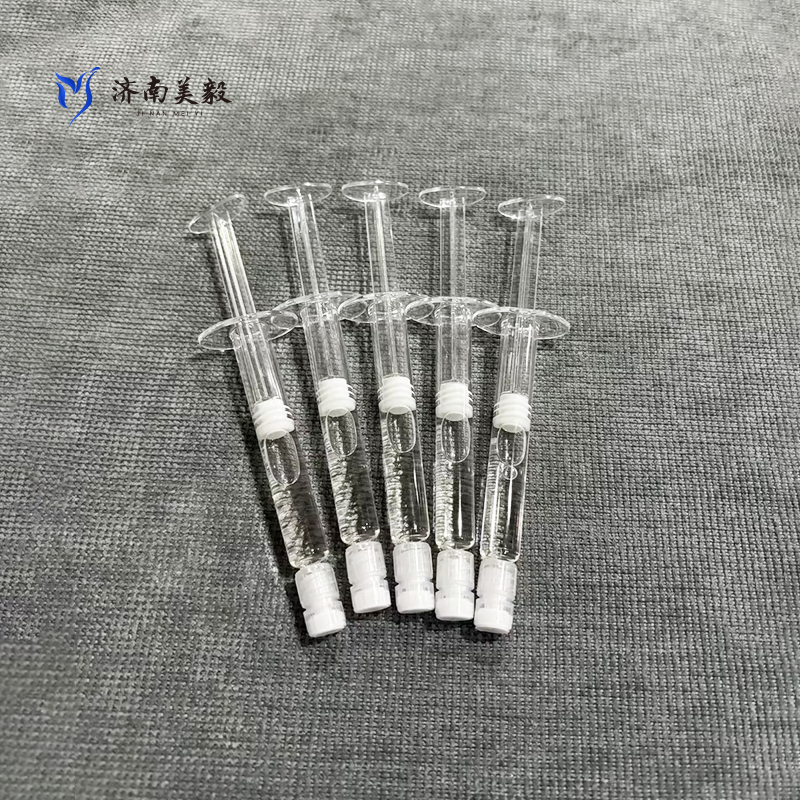
Polydeoxyribonucleotide, commonly abbreviated as PDRN, is a mixture of deoxyribonucleotides obtained through the controlled degradation of high-molecular-weight DNA. Unlike generic nucleic acid supplements, pharmaceutical-grade PDRN consists of specific chain lengths that facilitate cellular uptake. In the context of aesthetic and therapeutic applications, it serves as a bio-stimulator, promoting fibroblast proliferation and collagen synthesis.
The Biological Mechanism of Action
The efficacy of PDRN relies on its interaction with adenosine A2A receptors. When applied topically or injected, PDRN fragments bind to these receptors on cell surfaces. This binding triggers a cascade of intracellular signals that reduce pro-inflammatory cytokines while upregulating growth factors such as VEGF (Vascular Endothelial Growth Factor). The result is accelerated tissue regeneration and improved microcirculation.
- Anti-Inflammatory Effect: PDRN inhibits the release of inflammatory mediators, making it effective for post-procedure recovery and sensitive skin conditions.
- Fibroblast Activation: It stimulates dermal fibroblasts to produce new collagen and elastin, addressing signs of aging and structural skin damage.
- Angiogenesis Promotion: By enhancing blood vessel formation, PDRN improves nutrient delivery to damaged tissues, speeding up healing processes.
Source Material: Why Salmon DNA?
High-quality PDRN is predominantly sourced from the sperm cells of Oncorhynchus keta (Chum Salmon). This source is preferred due to its high compatibility with human DNA structures and low immunogenic risk. The DNA from salmon sperm contains a balanced ratio of nucleotides that closely mirrors human physiological needs, minimizing the potential for allergic reactions when properly purified.
In 2026, sustainable sourcing has become a critical factor for B2B buyers. Leading manufacturers now adhere to strict ethical harvesting protocols, ensuring that raw material extraction does not impact marine ecosystems. Verification of source origin is a key component of the procurement due diligence process.
PDRN vs. PN: Understanding the Difference for Product Formulation
A common point of confusion in the industry is the distinction between PDRN and PN (Polynucleotide). While both are derived from DNA, their molecular characteristics and regulatory classifications differ significantly. Understanding this difference is vital for product positioning and formulation strategy.
| Feature | PDRN (Polydeoxyribonucleotide) | PN (Polynucleotide) |
|---|---|---|
| Molecular Weight | Lower molecular weight fragments (typically < 50-100 kDa) | Higher molecular weight chains (often > 1000 kDa) |
| Primary Function | Cellular repair, anti-inflammatory, rapid absorption | Hydration, volumizing, scaffold structure |
| Administration | Topical serums, microneedling, injectable solutions | Primarily injectable biostimulators |
| Regulatory Status | Often classified as a cosmetic ingredient or medical device depending on concentration | Strictly regulated as a medical device or drug in many jurisdictions |
| Viscosity | Low viscosity, fluid consistency | High viscosity, gel-like consistency |
For manufacturers developing topical skincare lines, PDRN is the preferred choice due to its ability to penetrate the stratum corneum more effectively than high-molecular-weight PN. Conversely, injectable products may utilize PN for structural support or PDRN for cellular regeneration. Some advanced formulations combine both to leverage immediate hydration and long-term repair.
Key Quality Indicators for Wholesale PDRN Sourcing
When evaluating OEM partners for PDRN, price should not be the sole determinant. The biological activity of PDRN is highly sensitive to processing methods. Impurities, incorrect molecular weight distribution, or denatured nucleotides can render the product ineffective or unsafe. Buyers must request detailed Certificates of Analysis (CoA) focusing on the following parameters.
1. Molecular Weight Distribution
The therapeutic efficacy of PDRN is directly linked to its chain length. Fragments that are too large cannot penetrate cell membranes, while those that are too small may lack the necessary structural integrity to interact with receptors effectively. High-quality PDRN typically features a narrow molecular weight distribution centered around 50-100 kilodaltons (kDa). Manufacturers should provide Gel Permeation Chromatography (GPC) data to verify this profile.
2. Purity and Endotoxin Levels
Since PDRN is derived from biological sources, the removal of proteins, lipids, and endotoxins is critical. Endotoxins, which are components of bacterial cell walls, can cause severe inflammatory responses if injected or applied to compromised skin. International standards generally require endotoxin levels to be below 0.5 EU/mL for injectable grades and below 10 EU/g for topical grades. Advanced purification techniques, such as ultrafiltration and chromatography, are essential for meeting these thresholds.
3. Nucleotide Composition Ratio
A standard PDRN profile should reflect the natural composition of salmon DNA. Deviations in the ratio of adenine, guanine, cytosine, and thymine may indicate incomplete hydrolysis or adulteration with synthetic nucleotides. High-performance liquid chromatography (HPLC) is used to verify the precise composition, ensuring batch-to-batch consistency.
4. Sterility and Microbial Limits
For any product intended for aesthetic use, sterility is non-negotiable. Manufacturers must operate in ISO-certified cleanrooms and employ terminal sterilization methods, such as gamma irradiation or sterile filtration, without degrading the DNA structure. Microbial limit tests should confirm the absence of pathogenic bacteria, yeast, and mold.
OEM and Private Label Manufacturing Services
Partnering with an experienced OEM manufacturer allows brands to launch PDRN-based products without investing in complex R&D and production infrastructure. In 2026, the demand for customized PDRN solutions has grown, driven by the need for differentiated market offerings. Comprehensive OEM services encompass formulation development, regulatory support, and packaging design.
Custom Formulation Capabilities
Leading manufacturers offer flexibility in combining PDRN with other active ingredients to enhance efficacy. Common synergistic combinations include:
- PDRN + Hyaluronic Acid: Combines cellular repair with intense hydration, ideal for anti-aging serums.
- PDRN + Peptides: Enhances collagen stimulation and skin firmness.
- PDRN + Antioxidants (Vitamin C/E): Provides protection against oxidative stress while repairing existing damage.
- PDRN + Niacinamide: Targets hyperpigmentation and barrier repair simultaneously.
Formulators can adjust the concentration of PDRN based on the intended application. Topical products typically contain 0.1% to 2% PDRN, while professional-grade treatments may utilize higher concentrations. The manufacturer’s R&D team should conduct stability testing to ensure that the combination remains effective over the product’s shelf life.
Regulatory Compliance and Documentation
Navigating the regulatory landscape for PDRN varies by region. In the European Union, PDRN is listed in the COSING database, allowing its use in cosmetic products. However, claims regarding “regeneration” or “medical effects” may trigger classification as a medical device. In the United States, the FDA regulates PDRN differently depending on whether it is marketed as a cosmetic or a drug.
A competent OEM partner provides comprehensive regulatory support, including:
- Ingredient Safety Assessments: Toxicological reports and safety data sheets (SDS).
- Clinical Trial Data: Access to efficacy studies supporting product claims.
- Labeling Compliance: Ensuring ingredient lists and claims meet local legal requirements.
- GMP Certification: Proof of Good Manufacturing Practice compliance.
Packaging and Branding Solutions
PDRN is sensitive to light and heat, which can degrade nucleic acids. Therefore, packaging selection is crucial for maintaining product integrity. Manufacturers often recommend airless pumps, amber glass bottles, or single-dose vials to protect the active ingredients. Private label services include custom label design, box printing, and barcode integration, enabling brands to create a cohesive and professional market presence.
Wholesale Pricing Structure and Cost Factors
Wholesale prices for PDRN vary significantly based on purity, molecular weight precision, order volume, and additional services. Understanding the cost drivers helps buyers negotiate better terms and avoid low-quality substitutes that may compromise brand reputation.
Volume-Based Pricing Tiers
Most manufacturers operate on a tiered pricing model. Larger orders benefit from economies of scale in production and logistics. Typical tiers include:
- Sample/Lab Scale (1-10 kg): Highest per-unit cost, used for initial testing and formulation trials.
- Pilot Batch (50-200 kg): Moderate pricing, suitable for small product launches or clinical trials.
- Commercial Scale (500+ kg): Lowest per-unit cost, optimized for mass production and global distribution.
Impact of Purity Grade on Price
Not all PDRN is created equal. Cosmetic grade PDRN, which may have slightly higher endotoxin limits, is less expensive than pharmaceutical grade. Pharmaceutical grade requires stringent purification processes, increasing production costs but ensuring higher safety and efficacy profiles. Buyers should align the grade with their product’s intended use and regulatory category.
Additional Cost Considerations
Beyond the raw material cost, buyers must account for:
- Customs and Duties: Import tariffs vary by country and trade agreements.
- Shipping and Logistics: Cold chain shipping may be required for certain formulations, adding to transportation costs.
- Quality Testing: Third-party verification of CoA data may incur additional fees.
- Minimum Order Quantities (MOQs): Higher MOQs often secure better pricing but require greater upfront capital.
It is advisable to request a detailed quotation that breaks down these components. Transparent pricing models reflect a manufacturer’s confidence in their supply chain efficiency.
Applications of PDRN in Aesthetic and Medical Industries
The versatility of PDRN has expanded its application beyond traditional wound healing. In 2026, it is a cornerstone ingredient in various aesthetic and dermatological treatments. Understanding these applications helps manufacturers tailor their marketing and formulation strategies.
Anti-Aging Skincare
PDRN is extensively used in premium anti-aging serums, creams, and masks. Its ability to stimulate collagen production reduces the appearance of fine lines and wrinkles. Unlike retinoids, which can cause irritation, PDRN offers a gentle alternative suitable for sensitive skin types. Products often highlight “cellular rejuvenation” and “barrier repair” as key benefits.
Post-Procedure Recovery
Dermatologists and aesthetic practitioners recommend PDRN-based products for post-laser, post-peel, and post-microneedling care. Its anti-inflammatory properties reduce redness and swelling, while its regenerative effects accelerate healing time. This application segment demands high-purity, sterile formulations to prevent infection in compromised skin.
Hair Restoration
Emerging research supports the use of PDRN in treating androgenetic alopecia and telogen effluvium. By improving scalp microcirculation and stimulating hair follicle cells, PDRN can enhance hair density and thickness. Topical scalp tonics and injectable mesotherapy solutions are common delivery methods in this sector.
Wound Healing and Scar Reduction
Historically, PDRN was used for chronic wound healing, such as diabetic ulcers and burns. Today, this expertise translates into specialized scar reduction gels and creams. By modulating the inflammatory response and promoting organized collagen deposition, PDRN helps minimize hypertrophic scarring and improve skin texture.
How to Choose the Right PDRN Manufacturer: A Step-by-Step Guide
Selecting the right manufacturing partner is a strategic decision that impacts product quality, compliance, and brand reputation. Follow this structured approach to evaluate potential suppliers.
Step 1: Verify Credentials and Certifications
Begin by requesting proof of ISO 9001 and ISO 22716 (Cosmetics GMP) certifications. If the PDRN is intended for injectable use, ISO 13485 (Medical Devices) certification is mandatory. Check for additional certifications like HALAL or KOSHER if targeting specific demographic markets.
Step 2: Request Samples and Conduct Independent Testing
Never rely solely on the manufacturer’s CoA. Order samples and send them to an independent third-party laboratory for verification. Test for molecular weight distribution, purity, endotoxin levels, and microbial content. Compare these results with the manufacturer’s claims to assess reliability.
Step 3: Evaluate R&D Support and Customization Options
Assess the manufacturer’s ability to support custom formulations. Do they have an in-house R&D team? Can they provide stability data for new combinations? A partner with strong R&D capabilities can help innovate unique product offerings that stand out in the market.
Step 4: Review Supply Chain Stability
Inquire about the source of raw materials and the manufacturer’s inventory management practices. A stable supply chain ensures consistent product availability and protects against price fluctuations. Ask about their contingency plans for raw material shortages or production disruptions.
Step 5: Assess Communication and Responsiveness
Effective communication is crucial for successful collaboration. Evaluate the manufacturer’s responsiveness to inquiries, clarity of technical explanations, and willingness to address concerns. A transparent and responsive partner fosters a long-term, productive relationship.
Common Mistakes in PDRN Procurement and How to Avoid Them
Even experienced buyers can encounter pitfalls when sourcing PDRN. Being aware of common mistakes can save time, money, and reputational damage.
- Mistake 1: Focusing Only on Price. Low-cost PDRN often indicates inferior purification or incorrect molecular weight. Solution: Prioritize quality metrics and value over the lowest price.
- Mistake 2: Ignoring Regulatory Nuances. Assuming global uniformity in regulations can lead to compliance issues. Solution: Consult with regulatory experts familiar with target markets.
- Mistake 3: Overlooking Stability Data. PDRN can degrade if not properly stabilized. Solution: Request accelerated stability test results for final formulations.
- Mistake 4: Neglecting Packaging Compatibility. Certain packaging materials may interact with PDRN. Solution: Conduct compatibility studies between the formulation and packaging.
- Mistake 5: Skipping Pilot Batches. Jumping straight to mass production increases risk. Solution: Always run a pilot batch to validate production processes and quality.
FAQ: Frequently Asked Questions About PDRN Wholesale and Manufacturing
What is the shelf life of raw PDRN powder?
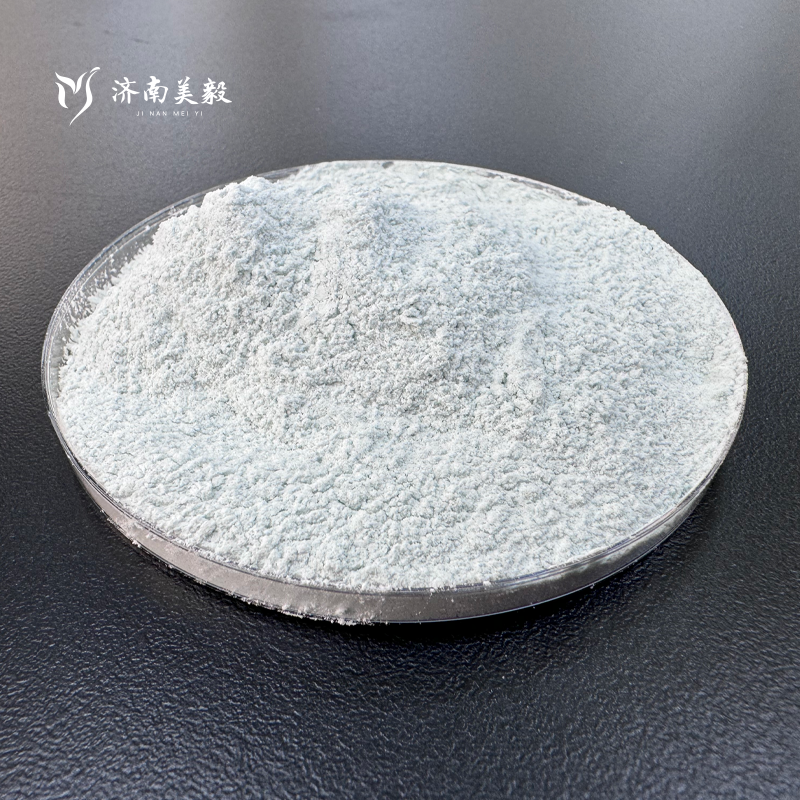
When stored in a cool, dry place away from direct sunlight, high-quality PDRN powder typically has a shelf life of 24 to 36 months. Once formulated into a liquid solution, the shelf life depends on the preservative system and packaging, usually ranging from 12 to 24 months.
Is PDRN safe for all skin types?
Yes, PDRN is generally well-tolerated by all skin types, including sensitive skin. Its anti-inflammatory properties make it particularly suitable for reactive or compromised skin. However, as with any active ingredient, patch testing is recommended to rule out individual allergies.
Can PDRN be combined with Vitamin C?
Yes, PDRN can be combined with Vitamin C, but formulation stability is key. Vitamin C (L-ascorbic acid) requires a low pH, which may affect PDRN stability. Using stabilized forms of Vitamin C or adjusting the formulation pH can mitigate this issue. Manufacturers should conduct compatibility testing.
What is the minimum order quantity (MOQ) for private label PDRN products?
MOQs vary by manufacturer. For raw PDRN powder, MOQs may start at 1 kg. For finished private label products, MOQs typically range from 500 to 5,000 units, depending on packaging complexity and customization levels.
Does PDRN cause photosensitivity?
No, PDRN does not cause photosensitivity. Unlike retinoids or alpha hydroxy acids, it does not increase the skin’s sensitivity to UV radiation. However, daily sunscreen use is always recommended to protect newly regenerated skin cells.
How long does it take to see results with PDRN products?
Visible improvements in skin texture and hydration can often be observed within 2 to 4 weeks of consistent use. Significant anti-aging effects, such as wrinkle reduction and increased firmness, typically become apparent after 8 to 12 weeks.
Strategic Sourcing Partner: Jinan Meiyi Biotechnology
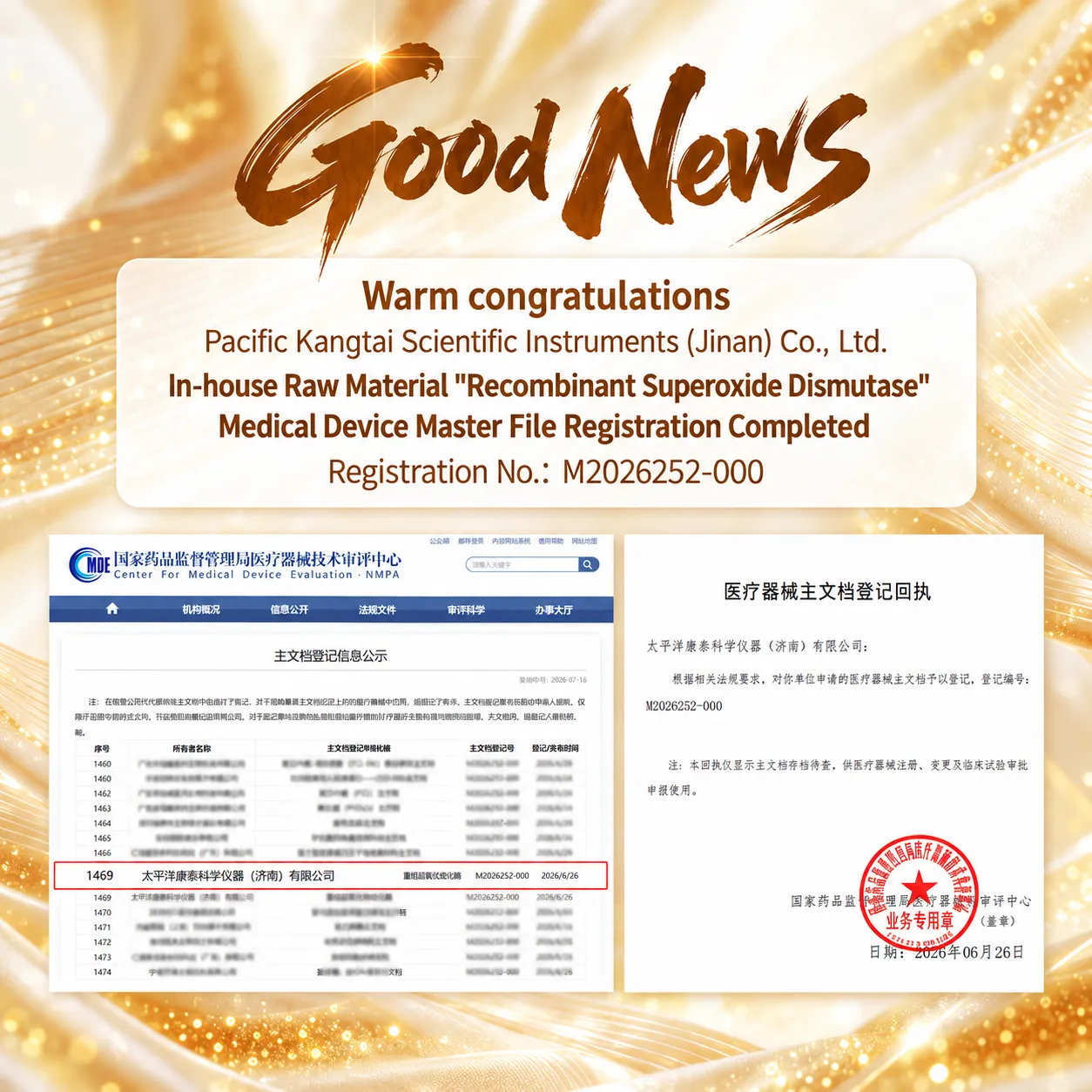
Navigating the complexities of PDRN procurement—balancing molecular precision, regulatory compliance, and supply chain reliability—requires more than just a vendor; it demands a knowledgeable partner. Jinan Meiyi Biotechnology Co., Ltd., headquartered in Jinan, Shandong Province, serves as a specialized bridge between upstream bioactive innovation and downstream aesthetic applications. As a subsidiary of Pacific Kangtai Scientific Instruments (Jinan) Co., Ltd., the company is dedicated to the commercialization of high-performance raw materials and select finished products for the cosmetics and medical aesthetics industries.
Unlike traditional manufacturers, Jinan Meiyi Biotechnology operates as a strategic sourcing and quality-assured distribution partner. This model allows the company to curate a portfolio of technically advanced, regulatory-compliant materials by leveraging long-term relationships with internationally recognized suppliers. For B2B buyers, this means access to rigorously evaluated PDRN and other bioactive ingredients without the overhead of managing multiple disparate supply chains. Every raw material in their portfolio undergoes comprehensive evaluation based on efficacy data, stability profiles, and compatibility with modern formulation standards.
The company’s strength lies in its disciplined curation methodology and partnership-oriented service model. Jinan Meiyi Biotechnology does not merely transact; it collaborates. Their technically trained team provides regulatory intelligence, formulation consultation, and agile responsiveness to the dynamic needs of R&D laboratories, CDMOs, and aesthetic clinics across Asia, Europe, and North America. By prioritizing documentation traceability, batch-level specification verification, and strict control over storage and logistics, Jinan Meiyi ensures that clients receive materials of consistent quality and integrity.
For brands looking to differentiate their offerings with science-backed solutions, Jinan Meiyi Biotechnology offers a curated range of finished products alongside its raw material supply. This dual-pillar approach enables clients to accelerate time-to-market while maintaining confidence in the scientific validity and regulatory readiness of their ingredients. Whether you are developing a new anti-aging serum or scaling up production for clinical treatments, partnering with a knowledge-driven enabler like Jinan Meiyi Biotechnology simplifies the sourcing process and enhances product credibility.
Conclusion: Strategic Sourcing for High-Impact PDRN Products
Polydeoxyribonucleotide (PDRN) represents a significant opportunity for brands in the aesthetic and wellness sectors. Its proven efficacy in tissue repair, anti-aging, and inflammation control makes it a valuable ingredient for diverse product lines. However, realizing this potential requires careful selection of manufacturing partners who prioritize quality, compliance, and innovation.
In 2026, the market rewards transparency and scientific rigor. By focusing on molecular weight precision, purity standards, and regulatory adherence, buyers can secure high-quality PDRN supplies that drive consumer trust and brand loyalty. Whether developing topical serums, post-procedure care kits, or hair restoration solutions, the right OEM partner provides the technical expertise and production capacity needed for success.
For businesses ready to expand their portfolio with premium PDRN formulations, thorough due diligence is the first step. Evaluate potential suppliers based on their technical capabilities, certification status, and commitment to quality. Request samples, review CoAs, and engage in open dialogue about formulation goals.
To explore customized PDRN solutions, request a detailed quote, or discuss private label opportunities, contact our technical sales team. We provide comprehensive support from ingredient sourcing to final product delivery, ensuring your brand meets the highest standards of excellence.





Please leave us a message.