

Hydroxyapatite for Pet Oral Care: A New Direction for Toothpaste and Dental Chews
2026-06-17
Introduction: Why Pet Oral Care Is Becoming a Growing Market
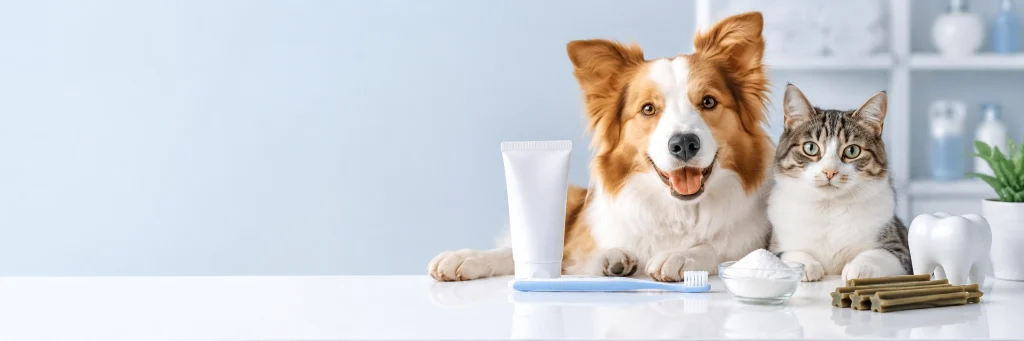
Pet oral care is no longer a niche category. As pet owners become more aware of daily dental hygiene, brands are looking for safer, gentler and more functional ingredients for pet toothpaste, dental gels, oral sprays and dental chews.
Dogs and cats can develop plaque, tartar, bad breath and gum discomfort when oral hygiene is not managed properly. While professional veterinary dental care remains essential, daily at-home oral care products are becoming an important part of the pet wellness routine.
This is where hydroxyapatite for pet oral care is gaining attention. Known for its use in human toothpaste and enamel-support products, hydroxyapatite offers a new formulation direction for pet brands that want to develop mineral-based, fluoride-free or gentle oral care products.
For manufacturers, pet toothpaste and dental chews containing hydroxyapatite may open new opportunities in functional pet care, natural-positioned oral care and premium companion animal products.
What Is Hydroxyapatite?
Hydroxyapatite is a calcium phosphate mineral naturally associated with teeth and bones. In oral care formulations, it is widely studied for its ability to interact with the tooth surface, support enamel-like mineral replenishment and improve the smoothness of the tooth surface.
In human oral care, hydroxyapatite is commonly used in toothpaste, mouthwash, oral care gels and sensitivity-focused products. For pet oral care, its potential lies in similar formulation logic: supporting tooth surface care, improving product functionality and helping brands create gentler alternatives to traditional oral care ingredients.
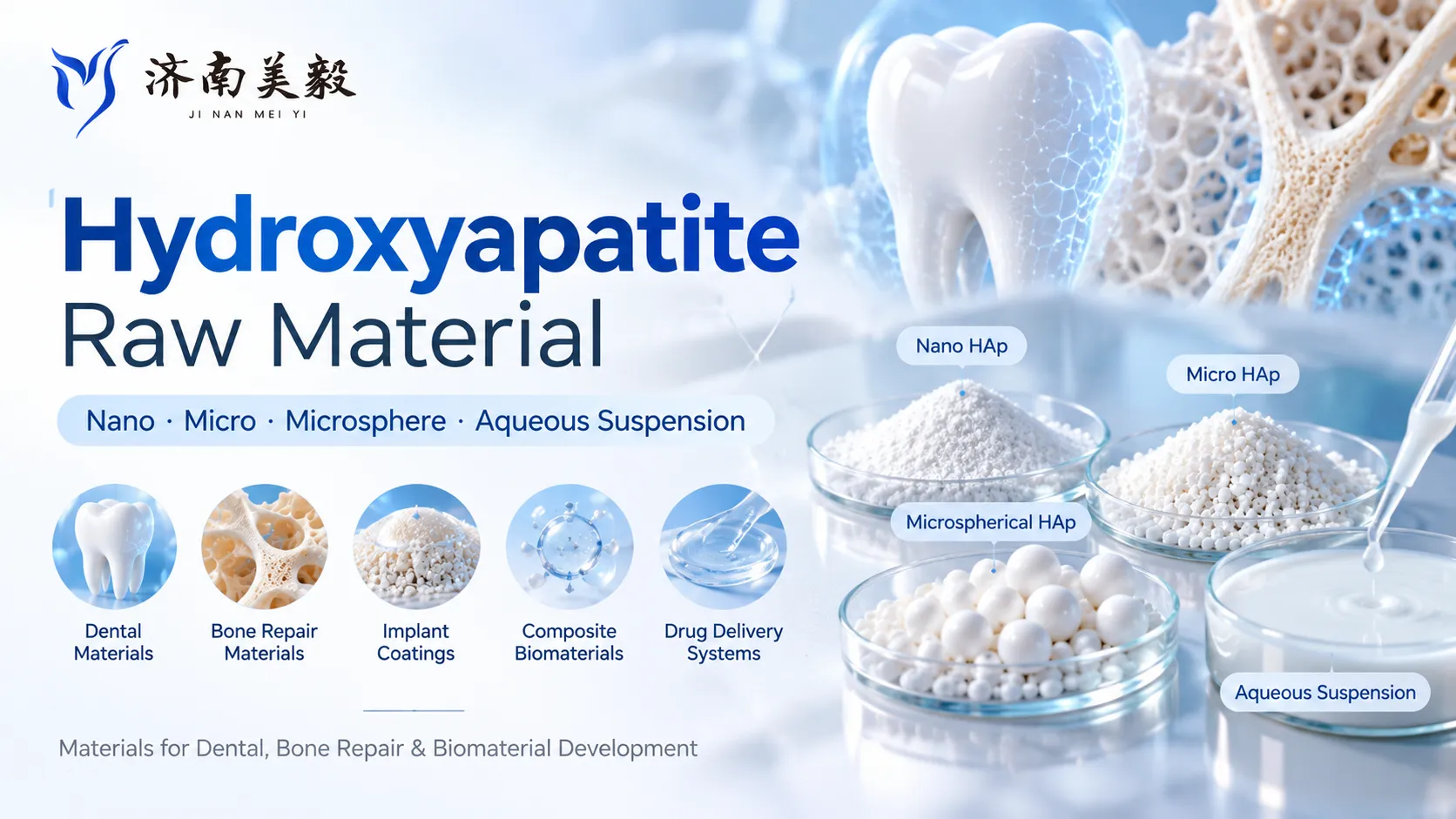
Hydroxyapatite can be supplied in different forms, including:
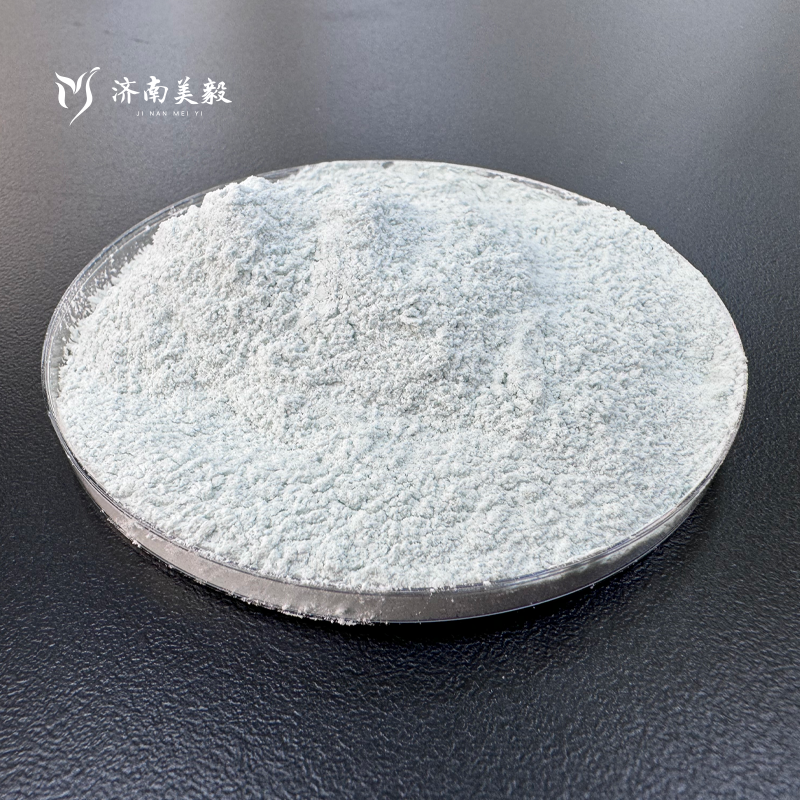
- Hydroxyapatite powder
- Nano hydroxyapatite powder
- Micro hydroxyapatite powder
- Hydroxyapatite suspension
- Customized particle-size hydroxyapatite
For pet toothpaste and dental chews, the choice of particle size, purity, dispersion performance and compatibility with other ingredients can directly affect the final product experience.
Why Hydroxyapatite Fits Pet Oral Care Products
1. It Supports a Mineral-Based Oral Care Concept
Pet owners are paying closer attention to ingredient labels. Many prefer products that are gentle, simple and easy to understand. Hydroxyapatite has a strong mineral-based story because it is related to the mineral structure of teeth.
For pet oral care brands, this makes hydroxyapatite suitable for product positioning such as:
- Mineral oral care
- Gentle daily tooth care
- Fluoride-free pet toothpaste
- Functional dental chews
- Premium pet dental hygiene products
This type of positioning is especially useful for brands targeting health-conscious pet owners.
2. It Can Be Used in Toothpaste, Gels and Chews
Hydroxyapatite is not limited to one product format. It can be developed into multiple pet oral care applications, including:
- Dog toothpaste
- Cat toothpaste
- Pet dental gel
- Oral care paste
- Dental chews
- Dental sticks
- Breath-freshening oral care products
- Powder-based dental supplements
For toothpaste and gels, hydroxyapatite can be dispersed into the base formula. For dental chews, it may be incorporated into the chew matrix or surface coating, depending on the product design and processing conditions.
3. It Helps Brands Differentiate from Traditional Pet Dental Products
Many pet oral care products focus mainly on flavor, breath freshening or mechanical cleaning. Hydroxyapatite allows brands to add a more functional and science-inspired ingredient story.
Instead of only saying “cleans teeth,” brands can communicate a more premium product concept, such as:
- Supports daily tooth surface care
- Helps maintain a smoother tooth surface
- Provides mineral-based oral care
- Suitable for next-generation pet toothpaste
- Designed for daily pet dental hygiene
This can make the product more attractive in the premium pet care market.
Hydroxyapatite in Pet Toothpaste
Pet toothpaste is one of the most direct application formats for hydroxyapatite. Unlike human toothpaste, pet toothpaste must be designed for animals that may swallow the product during brushing. This means the formula should be mild, pet-appropriate and carefully evaluated.
A hydroxyapatite pet toothpaste formula may include:
- Hydroxyapatite powder
- Mild humectants
- Pet-safe flavoring
- Gentle thickening agents
- Water or water-compatible base
- Preservative system
- Optional enzymes or botanical ingredients
When formulating hydroxyapatite toothpaste for pets, manufacturers should pay attention to texture, taste, stability and particle dispersion. A smooth paste texture is important because pets may reject gritty or unpleasant formulas.
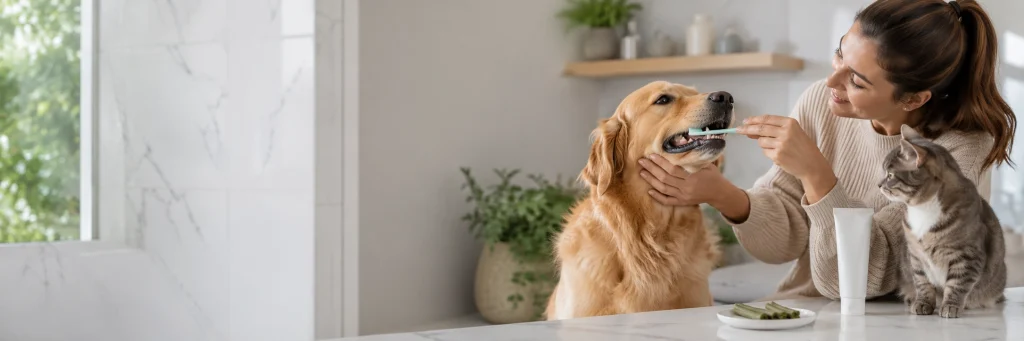
For brands, hydroxyapatite toothpaste can be positioned as a daily brushing product for dogs and cats. It should not be marketed as a replacement for veterinary dental treatment, but as part of a regular oral care routine.
Hydroxyapatite in Dental Chews
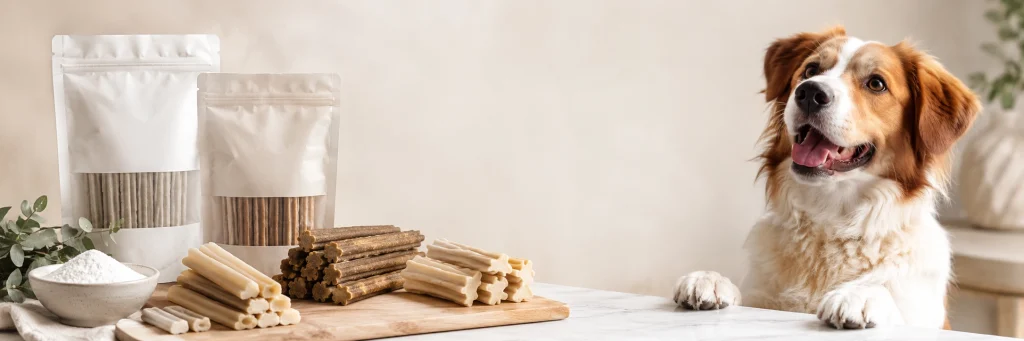
Dental chews are popular because they are easier for many pet owners to use than brushing. A chewable format can support mechanical cleaning through chewing action while also delivering functional ingredients.
Hydroxyapatite dental chews may be designed for:
- Daily oral care
- Breath care
- Plaque-control support
- Tooth surface maintenance
- Premium functional pet snacks
In dental chews, hydroxyapatite can be added to the chew body or used as part of a coating system. However, formulation stability and processing temperature should be considered. If the chew requires high-temperature processing, the manufacturer should evaluate whether the hydroxyapatite remains evenly distributed and whether the final texture is acceptable.
Brands should also pay attention to chew hardness. Dental chews should be firm enough to provide mechanical cleaning, but not so hard that they increase the risk of tooth damage. Product size should also match the pet’s breed, age and chewing habits.
Key Formulation Considerations
Particle Size
Particle size affects texture, dispersion and product feel. Nano hydroxyapatite may offer better surface interaction and smoother mouthfeel, while micro hydroxyapatite may be suitable for certain powder or chew applications.
For pet toothpaste, a fine and well-dispersed hydroxyapatite is usually preferred to avoid a rough or sandy texture.
Purity
Pet oral care products require ingredients with consistent quality. Hydroxyapatite raw material should be tested for purity, heavy metals, microbial limits and batch stability.
Manufacturers should request key documents such as:
- COA
- MSDS
- Specification sheet
- Heavy metal test report
- Microbial test report
- Particle size data
- Regulatory support documents
Dispersion
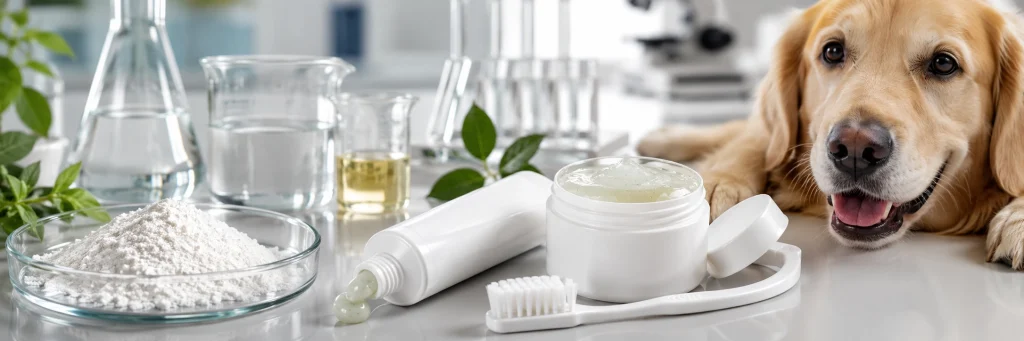
Hydroxyapatite is an inorganic mineral powder, so dispersion is important in water-based or gel-based formulas. Poor dispersion may lead to sedimentation, uneven texture or inconsistent active distribution.
A good supplier should be able to support particle size selection and provide formulation guidance for different product formats.
Taste and Pet Acceptance
Even the best formula will not succeed if pets reject it. Flavor and texture are extremely important in pet oral care. Hydroxyapatite itself should be paired with a pet-friendly base system and suitable flavor profile.
Common pet oral care flavor directions include poultry, beef, seafood or mild neutral flavors. The final choice depends on the target species and market.
Safety and Compliance
Pet oral care formulas should be developed according to the regulations of the target market. Since dogs and cats may swallow toothpaste or chew ingredients, every component in the formula should be evaluated for pet suitability.
Brands should avoid simply copying human toothpaste formulas for pets. Human oral care products may contain ingredients that are not suitable for animals. A pet-specific formulation approach is necessary.
Hydroxyapatite for Dogs vs Cats
Dogs and cats have different oral care habits and product acceptance. Dogs are more likely to accept dental chews, toothpaste and brushing routines. Cats may be more sensitive to texture, flavor and handling.
For dogs, hydroxyapatite can be used in:
- Toothpaste
- Dental sticks
- Chewable oral care snacks
- Oral care gels
- Breath-care products
For cats, hydroxyapatite may be more suitable for:
- Mild toothpaste
- Oral gel
- Powder formats
- Small dental treats
- Gentle tooth surface care products
Product developers should avoid using one formula for all pets without testing. Species-specific product design improves user experience and market acceptance.
Market Opportunities for Pet Oral Care Brands
Hydroxyapatite fits several market trends in pet care:
Premiumization
Pet owners are willing to pay for higher-quality products that support long-term wellness. A hydroxyapatite-based oral care product can be positioned as a premium daily care solution.
Natural and Gentle Formulation
Many pet owners prefer products with gentle and easy-to-understand ingredients. Hydroxyapatite offers a mineral-based alternative that fits clean-label and fluoride-free positioning.
Functional Pet Snacks
Dental chews are no longer just treats. They are becoming functional delivery systems for oral care ingredients. Hydroxyapatite can help brands upgrade ordinary dental chews into functional oral care products.
Cross-Category Innovation
Hydroxyapatite has already gained attention in human oral care. Pet care brands can use this consumer familiarity to build trust and introduce a new ingredient story into pet toothpaste and dental chews.
How to Choose a Hydroxyapatite Supplier for Pet Oral Care
Choosing the right raw material supplier is essential. For pet oral care applications, brands should look for a supplier that understands both oral care formulation and ingredient quality control.
A good hydroxyapatite supplier should provide:
- Stable batch-to-batch quality
- Suitable particle size options
- High purity raw material
- Low heavy metal content
- Good dispersion performance
- Technical documents
- Formulation support
- Customization for toothpaste or chew applications
For B2B buyers, the supplier should not only sell powder but also help with product development questions, such as recommended dosage range, dispersion method, compatibility and application format.
Suggested Applications
Hydroxyapatite can be considered for the following pet oral care products:
Pet Toothpaste
A daily brushing product for dogs or cats, designed with mild texture and pet-friendly flavor.
Dental Chews
Functional chews that combine mechanical cleaning with mineral-based oral care positioning.
Oral Care Gel
A gentle gel format for pets that do not accept brushing easily.
Dental Powder
A powder format that can be mixed with food or used as part of a daily dental care routine.
Breath-Freshening Products
Hydroxyapatite can be combined with deodorizing or botanical ingredients in oral care formulas focused on breath freshness and tooth surface care.
FAQ
Is hydroxyapatite suitable for pet toothpaste?
Hydroxyapatite can be considered for pet toothpaste formulations, especially for brands looking for mineral-based and fluoride-free oral care concepts. However, the full formula must be designed specifically for pets and evaluated for safety, palatability and stability.
Can hydroxyapatite be used in dog dental chews?
Yes, hydroxyapatite can be explored in dog dental chews as a functional mineral ingredient. Formulators should evaluate processing conditions, chew texture, dosage and ingredient distribution.
Is pet toothpaste the same as human toothpaste?
No. Pet toothpaste should be specifically formulated for animals because pets may swallow the product. Human toothpaste should not be directly used for dogs or cats.
What type of hydroxyapatite is best for pet oral care?
The best type depends on the application. Fine hydroxyapatite powder or nano hydroxyapatite may be suitable for toothpaste and gels, while selected powder grades may be used in chews or powder products. Particle size, purity and dispersion performance should be evaluated.
Can hydroxyapatite replace veterinary dental care?
No. Hydroxyapatite oral care products should be used as part of daily hygiene support. They do not replace veterinary examination, professional cleaning or treatment for dental disease.
Conclusion
Hydroxyapatite for pet oral care represents a promising direction for toothpaste, dental gels and dental chews. As pet owners become more aware of oral hygiene, brands have an opportunity to develop gentler, more functional and science-inspired products.
For manufacturers, hydroxyapatite offers a strong ingredient story: mineral-based, tooth-surface focused and suitable for premium oral care positioning. Whether used in dog toothpaste, cat oral gel or dental chews, the key to success lies in choosing the right raw material grade, building a pet-specific formula and working with a reliable hydroxyapatite supplier.
If you are developing pet toothpaste, dental chews or other oral care products, choosing a high-quality hydroxyapatite raw material can help your brand create a more differentiated and competitive formula.






Please leave us a message.