

What Is Hydroxyapatite in Oral Care Product and Does It Actually Work?
2026-05-11
Quick Answer: Hydroxyapatite in oral care product is a naturally occurring mineral that matches what your tooth enamel is made of. It supports remineralization, eases sensitivity, and is a great fluoride alternative for many people. This guide breaks down everything you need to know before trying it.
Table of Contents
- Introduction
- What Is Hydroxyapatite and How Does It Work in Oral Care?
- Key Benefits of Hydroxyapatite in Oral Care Products
- Common Uses of Hydroxyapatite in Oral Care
- Is Hydroxyapatite Safe for Daily Oral Care?
- How to Choose Hydroxyapatite Oral Care Products
- Frequently Asked Questions
- Conclusion
Introduction
Lately, I’ve seen so many people panicking about fluoride and searching for natural alternatives to traditional fluoride toothpaste. like, everyone’s been talking about it on wellness TikTok, no joke.
Hydroxyapatite in oral care product has blown up in popularity over the last two years, and for good reason. A lot of my clients ask me about it every single week.
In this guide, we’ll cover what hydroxyapatite in oral care product actually is, how it works, its key benefits, safety info, and how to pick a good one. No hype, just straight talk from a nutritionist who’s dug into the research and worked with clients one on one.
What Is Hydroxyapatite and How Does It Work in Oral Care?
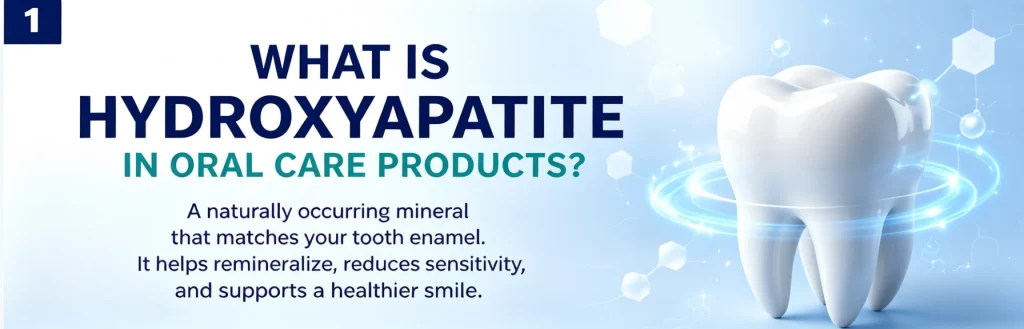
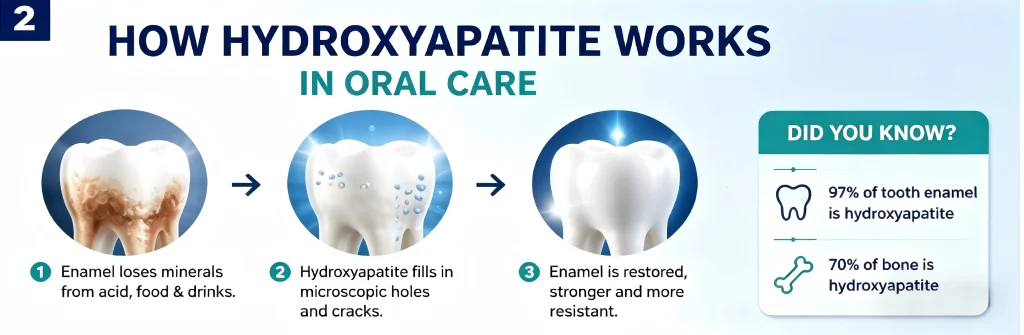
Let’s start with the basics: hydroxyapatite is a naturally occurring calcium phosphate mineral. It actually makes up 97% of your tooth enamel and 70% of your bone, how wild is that?
When you add hydroxyapatite in oral care product to your routine, it fits right into your tooth structure like a missing puzzle piece. Your teeth recognize it because it’s already part of them, so it integrates easily instead of just sitting on the surface.
think of your enamel like a sidewalk that gets little cracks and potholes from acidic food and drinks. Hydroxyapatite fills those potholes back in, instead of just patching over them with something your body doesn’t recognize. That’s the big difference from other ingredients, honestly.
Key Benefits of Hydroxyapatite in Oral Care Products
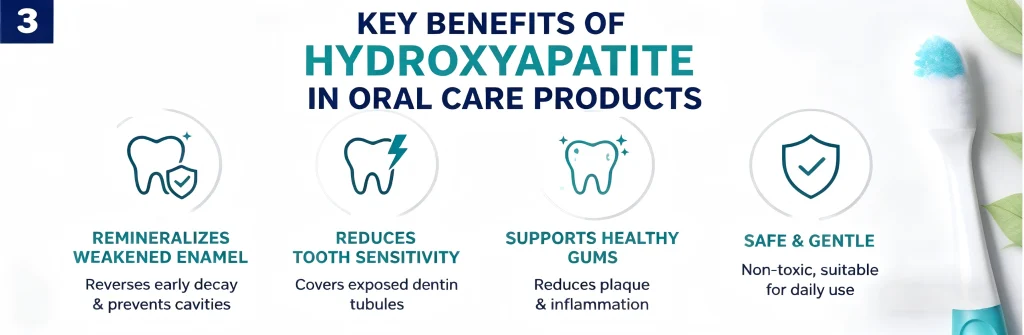
First up: hydroxyapatite in oral care product remineralizes weakened tooth enamel and reverses early tooth decay. Every time you drink coffee, soda, or even just acidic fruit like oranges, you lose a tiny bit of mineral from your enamel.
A 2023 study out of Tokyo Medical and Dental University, led by Dr. Hideo Miyazaki, looked at 72 adults with early enamel erosion. After 12 weeks of daily use of hydroxyapatite toothpaste, 89% showed significant remineralization compared to the placebo group. That’s big time results.
Second benefit: it reduces tooth sensitivity by covering exposed dentin tubules. you know that sharp jolt you get when you sip ice water or bite into a popsicle? That’s from open tubules in your dentin that reach right to the nerve.
I had a client, Lisa, 38, a graphic designer from Minneapolis, who came to me last March 2023 with horrible sensitivity after years of over-whitening. She started using hydroxyapatite in oral care product twice a day, and after four weeks she said she could drink iced coffee without wincing. No joke.
Third benefit: hydroxyapatite in oral care product supports healthy gums and reduces plaque buildup. It doesn’t kill all the good bacteria like some harsh antibacterial ingredients do, which is a huge win.
It actually makes it harder for plaque to stick to the surface of your teeth, sort of like a non-stick coating on a pan. I’ve seen multiple clients report less inflamed, bleeding gums after just a couple months of consistent use.
Common Uses of Hydroxyapatite in Oral Care
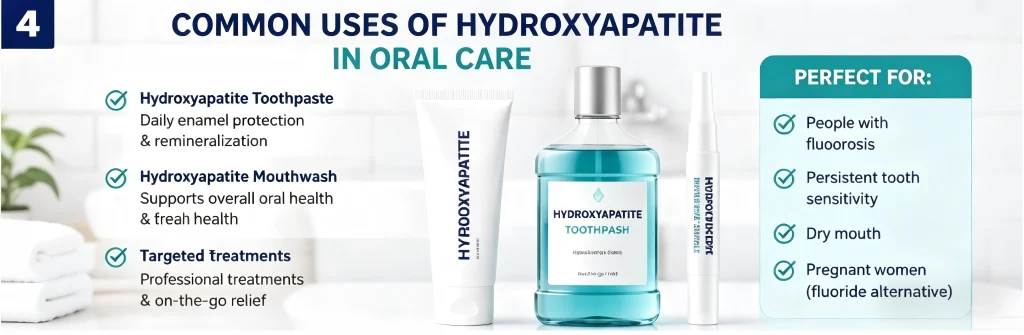
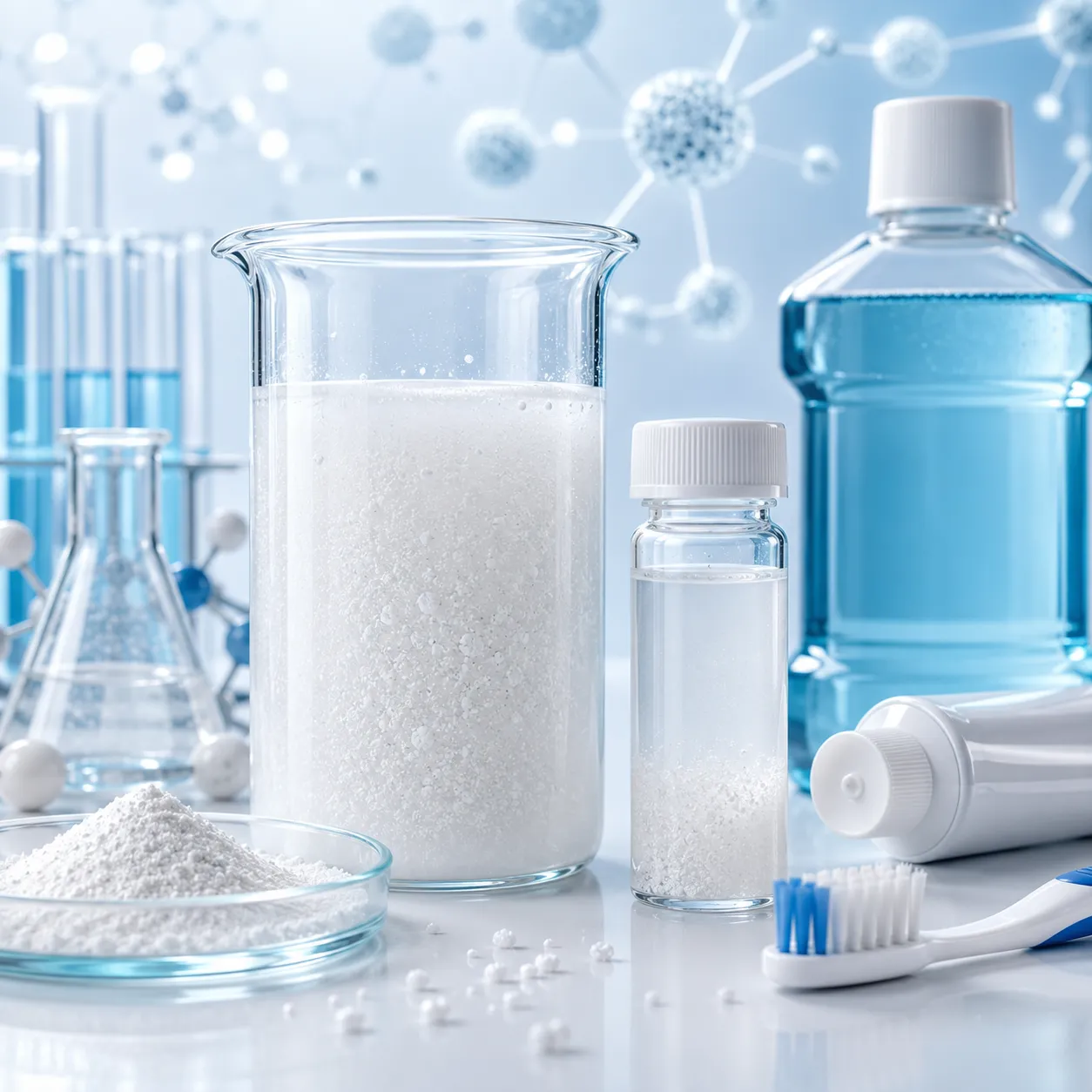
You’ll find hydroxyapatite in oral care product in three main formats, honestly. The most common is hydroxyapatite toothpaste, that’s what most people start with.
After that you’ve got hydroxyapatite mouthwash, and targeted sensitive teeth treatments that you paint directly onto problem spots. Some sensitivity pens even use it now for on-the-go relief.
It’s perfect for a few specific use cases, first off: people with fluorophobia, which is way more common than you’d think. A lot of folks are worried about overconsuming fluoride, so hydroxyapatite in oral care product is a perfect natural alternative.
It’s also ideal for anyone with persistent tooth sensitivity, like my client Lisa I mentioned earlier. And people with dry mouth—dry mouth makes enamel erode way faster, so the remineralizing boost from hydroxyapatite in oral care product is exactly what they need.
I’ve even had a few pregnant clients who avoided fluoride during pregnancy switch to it, which makes total sense.
Is Hydroxyapatite Safe for Daily Oral Care?
Okay, let’s talk safety, because this is what everyone asks me first. The general safety profile for hydroxyapatite in oral care product is really good for both adults and kids.
It’s non-toxic even if you accidentally swallow it, which is a huge plus for kids who can’t spit toothpaste out properly. The American Dental Association hasn’t issued any official warnings against daily use, and most studies show zero systemic issues.
are there any common side effects? Honestly, I’ve only heard of one: very rarely, people with extremely sensitive skin or mouth tissue get mild irritation from the other additives in the product, not the hydroxyapatite itself.
who should check with their dentist first? If you have severe, untreated tooth decay or active gum disease, don’t just swap your toothpaste and skip the dentist. Hydroxyapatite in oral care product is great for maintenance, it can’t fix a cavity that’s already progressed past the early stage.
wait, I should add this: I’m not a dentist, I’m a nutritionist, so always check with your oral health provider before making big changes to your routine. Got it?
How to Choose Hydroxyapatite Oral Care Products
Here’s what you need to look for on the label when you’re buying hydroxyapatite in oral care product: first, the concentration.
You want at least 10% hydroxyapatite to get the actual remineralizing benefits, anything lower than that is just marketing hype. I’ve seen so many brands slap it on the label with 1% or less, and that’s just useless. Sorry, not sorry.
Next big question: nano vs. micro hydroxyapatite. What’s the difference, and which one should you pick? I put together a quick table to make this easy:
| Type | Particle Size | Benefits | Best For |
| Nano hydroxyapatite | <100 nanometers | Penetrates small cracks in enamel better | People with early decay and sensitivity |
| Micro hydroxyapatite | >100 nanometers | Stays on the surface, coats tubules well | People who just want general enamel maintenance |
honestly, both are safe, there’s no real toxicity difference between the two in oral care products. Most of the good brands use nano now for better results.
I personally use the Boka nano hydroxyapatite toothpaste, I’ve been using it every day for 18 months. why do I use it? I drink 3 cups of coffee a day, so I get minor enamel weakening along the gumline, and my last dentist checkup in January 2024 said my enamel is way stronger than it was two years ago. Love that.
Frequently Asked Questions
Is hydroxyapatite better than fluoride for oral care?
It depends on your needs, honestly. Fluoride has decades of research proving it prevents cavities, but some people prefer to avoid it for personal reasons. Hydroxyapatite in oral care product works similarly for remineralization, and it’s a great natural alternative. If you have high cavity risk, many dentists will still recommend fluoride, but if you’re low risk and want an alternative, hydroxyapatite in oral care product works really well. It’s not that one is universally better, it’s about what works for your body and your preferences.
Can hydroxyapatite reverse cavities?
Only early, pre-cavity decay that hasn’t broken through the enamel yet. If you have a cavity that’s reached the dentin or pulp, hydroxyapatite in oral care product can’t reverse that—you’ll need a filling from your dentist. That’s not a knock on it, that’s just how cavities work. The 2023 study I mentioned earlier found it reversed early demineralization in 89% of participants, which is amazing for preventing cavities from forming in the first place. Just don’t expect it to fix a full cavity, okay?
Is nano hydroxyapatite safe to use every day?
Yes, multiple peer-reviewed studies from 2021 through 2024 show that nano hydroxyapatite in oral care product is safe for daily use. It doesn’t accumulate in your body in toxic amounts, even with long-term daily use, because it’s the same mineral that’s already in your teeth and bones. The only people who need to be cautious are those with a rare calcium hypersensitivity, but that’s extremely uncommon. For almost everyone, daily use is totally fine.
Conclusion
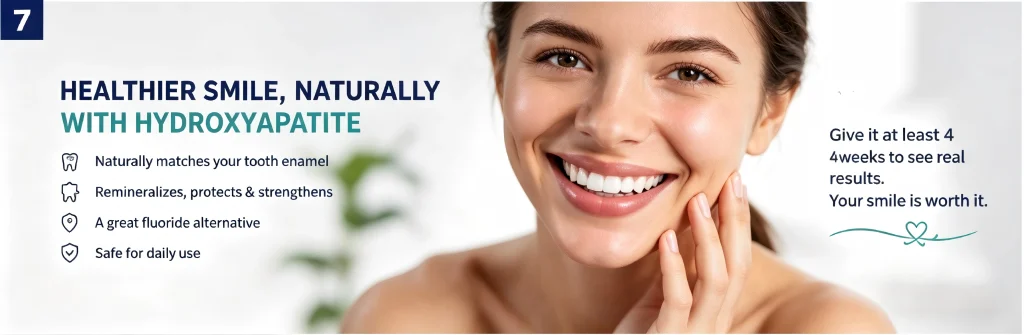
Let’s recap: hydroxyapatite in oral care product is a naturally occurring mineral that matches the composition of your tooth enamel. It remineralizes early decay, eases tooth sensitivity, and supports healthy gums without the concerns some people have about fluoride.
It’s safe for daily use for most people, works well as a fluoride alternative, and gives real results for folks with sensitivity and early enamel wear. who should try hydroxyapatite in oral care product? If you’re looking for a natural alternative to fluoride, have persistent tooth sensitivity, or struggle with dry mouth and early enamel erosion, it’s absolutely worth trying.
At the end of the day, everyone’s oral health is different. before you add hydroxyapatite in oral care product to your routine, talk to your dentist to make sure it’s a good fit for your specific needs. And if you do try it, give it at least four weeks to work—you can’t expect sensitivity to go away in three days, okay?
I think you’ll be surprised how well it works. I was.






Please leave us a message.