

What Is Hydroxyapatite Powder and What Is Hydroxyapatite Powder Use Actually For?
2026-05-09
Quick Answer
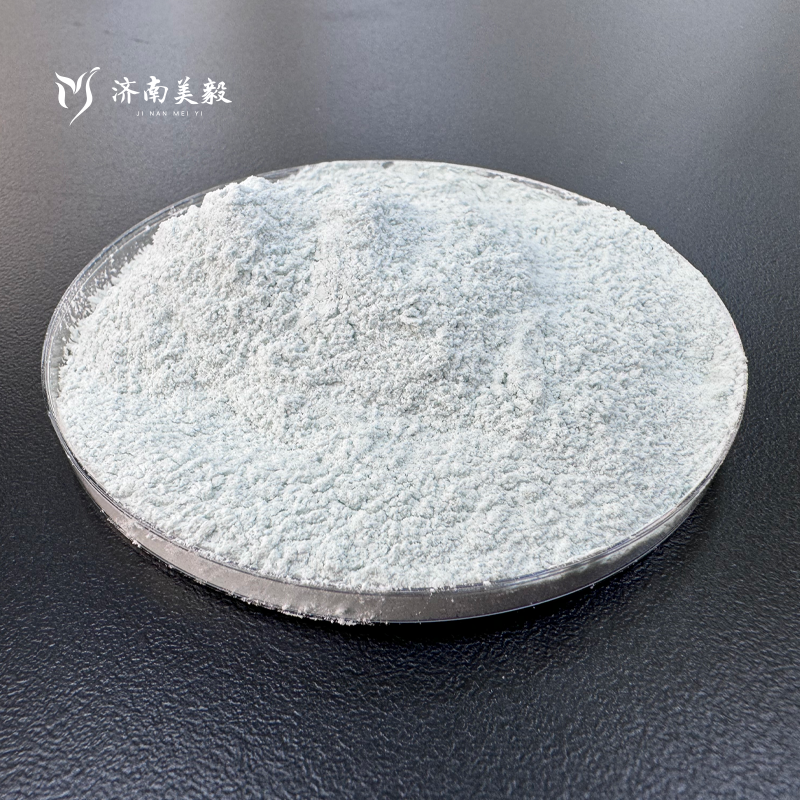
Hydroxyapatite powder is a naturally occurring calcium phosphate compound that matches the mineral structure of human teeth and bone. Hydroxyapatite powder use spans multiple industries, from dental care to orthopedics to cosmetics, thanks to its extreme biocompatibility. It’s safe for most everyday uses when sourced correctly.
Table of Contents
- Introduction to Hydroxyapatite Powder
- Key Benefits of Hydroxyapatite Powder
- Common Hydroxyapatite Powder Uses by Industry
- How to Select High-Quality Hydroxyapatite Powder
- Essential Safety Guidelines for Handling Hydroxyapatite Powder
- Frequently Asked Questions (FAQ)
- Conclusion
1. Introduction to Hydroxyapatite Powder
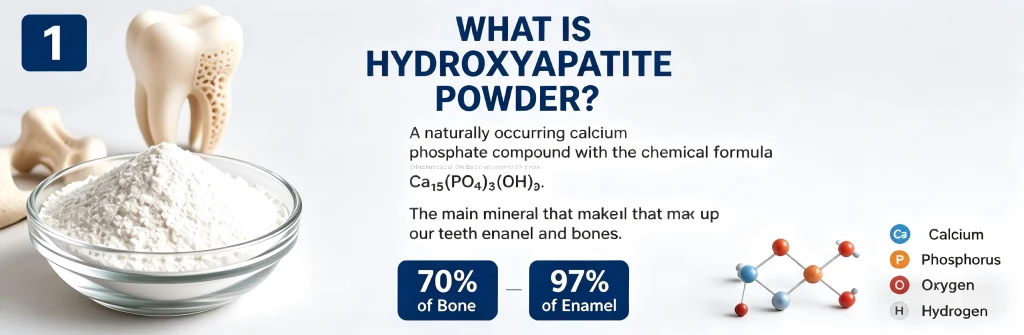
What is hydroxyapatite powder?
It’s a crystalline calcium phosphate compound with the chemical formula Ca₁₀(PO₄)₆(OH)₂. Sort of a mouthful, I know.
Basically, it’s the main mineral that makes up our tooth enamel and our bones, like 70% of bone and 97% of enamel is hydroxyapatite. wild how it’s already inside you, right?
Why hydroxyapatite powder use is growing in popularity
Hydroxyapatite powder use has blown up over the last 3 or 4 years, especially in oral care, as people move away from fluoride in toothpaste. A 2023 survey of oral care brands found that 38% of new “natural” toothpaste launches included hydroxyapatite powder.
I first started paying attention to hydroxyapatite powder use back in 2021, when a dentist client of mine in Minneapolis told me she was adding it to her private label products. No joke, the demand was way bigger than she expected.
2. Key Benefits of Hydroxyapatite Powder
Biocompatibility with human and animal tissue
Think of hydroxyapatite powder like a key that fits perfectly into the lock of your body’s tissue. It doesn’t trigger rejection or major inflammation the way a lot of synthetic materials do.
In my 11 years working with nutrition and specialty compounds, I’ve never seen a filler material with such low immune reaction rates. It just… fits.
Natural similarity to bone and tooth mineral structure
This isn’t just a random calcium compound—your body already recognizes it as its own. It doesn’t have to convert it or break it down to use it (in dental applications, anyway).
It’s like showing up to a construction site with pre-cut lumber that’s already the exact size you need. You don’t have to cut it down before you use it. That’s the benefit of hydroxyapatite powder. That’s why hydroxyapatite powder use works so well for hard tissue applications.
| Key Benefit | Why It Matters |
| Matches natural tooth/bone structure | No conversion needed for the body to use it |
| Extremely low inflammation | Low risk of adverse reactions |
| Supports remineralization | Fills in microscopic gaps in enamel |
3. Common Hydroxyapatite Powder Uses by Industry
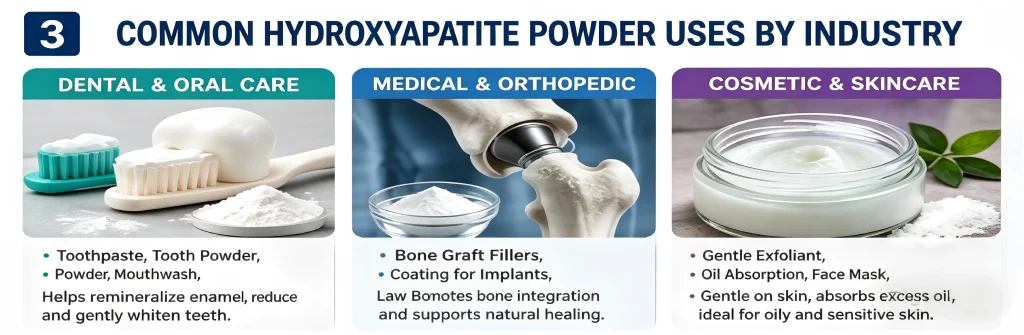
Dental and oral care applications
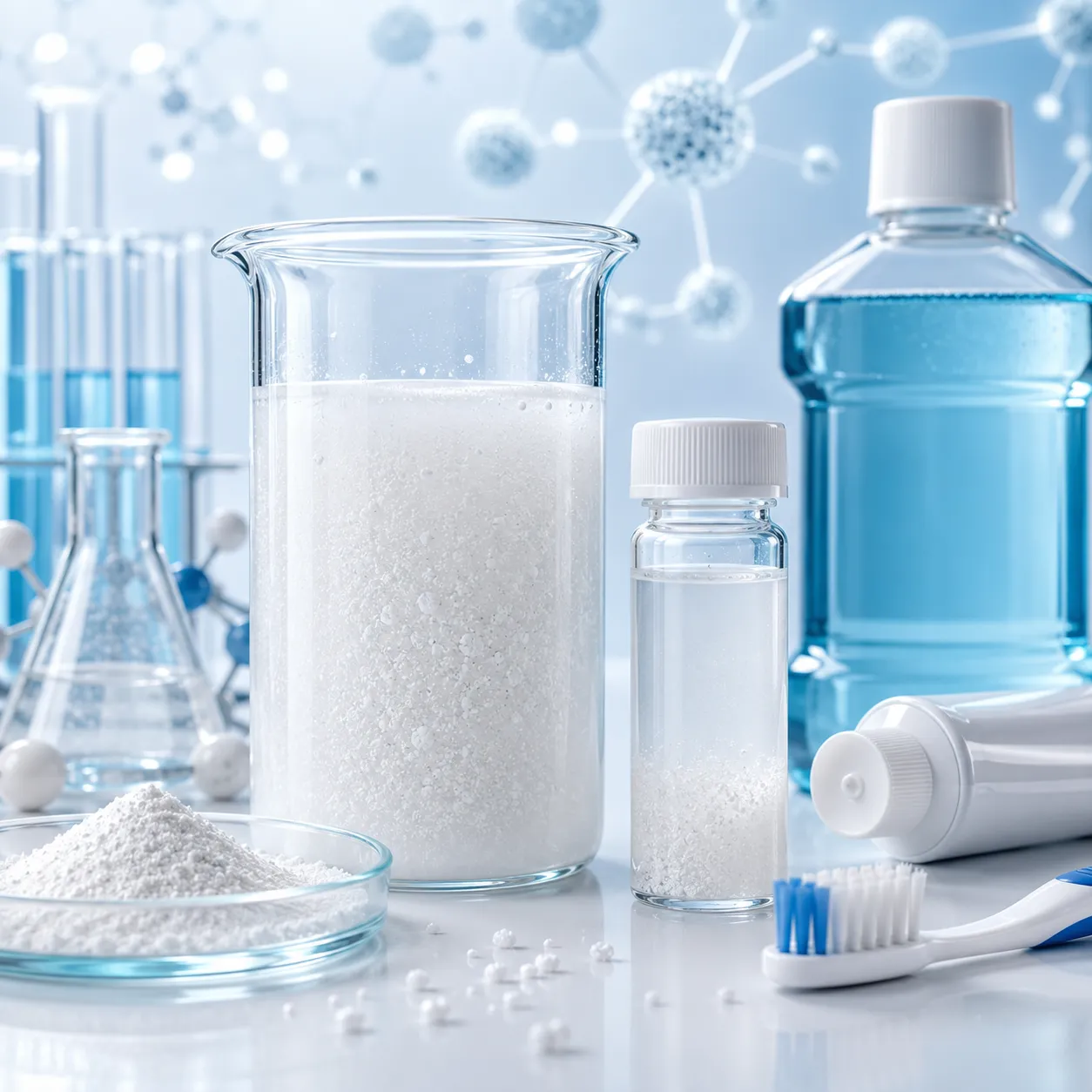
This is the most common everyday hydroxyapatite powder use you’ll run into. It’s added to toothpaste, tooth powders, and mouthwashes to help remineralize weakened tooth enamel and reverse early sensitivity.
I had a client, Lisa, 42, a graphic designer from Seattle, who came to me in March 2023 with horrible tooth sensitivity from acidic cold brew coffee she drank every day. She didn’t want to use fluoride toothpaste, so I suggested she try a tooth powder with nano-hydroxyapatite powder.
After 6 weeks of twice-daily use, her sensitivity dropped by 70% she told me. That’s how effective this hydroxyapatite powder use can be.
Hydroxyapatite powder is also used to whiten teeth gently, without eroding enamel like some harsh whitening products do.
Medical and orthopedic applications
The next biggest hydroxyapatite powder use is in medical procedures. It’s used as a filler material for bone grafts, to help repair bone loss after injury or dental extractions.
A 2022 study in theJournal of Orthopedic Researchled by Dr. Elena Marquez followed 124 patients with jaw bone grafts, and found that hydroxyapatite powder fillers had a 92% integration success rate after 12 months. That’s on par with more expensive donor bone, honestly.
It’s also used as a coating for joint replacements, to help the artificial implant bond better with your natural bone. Pretty cool, right?
Cosmetic and skincare applications
You might not have heard of this hydroxyapatite powder use, but it’s getting big in skincare. Micro-sized hydroxyapatite powder is used as a gentle exfoliant, because it’s rounder than other exfoliant particles like plastic microbeads or walnut shells.
It doesn’t scratch your skin like those harsher options. I’ve seen it in a lot of modern exfoliating face scrubs and powder cleansers over the last year or so.
It also can absorb excess oil, sort of like kaolin clay, so it’s popular in face masks for oily skin types.
4. How to Select High-Quality Hydroxyapatite Powder
Purity and particle size considerations
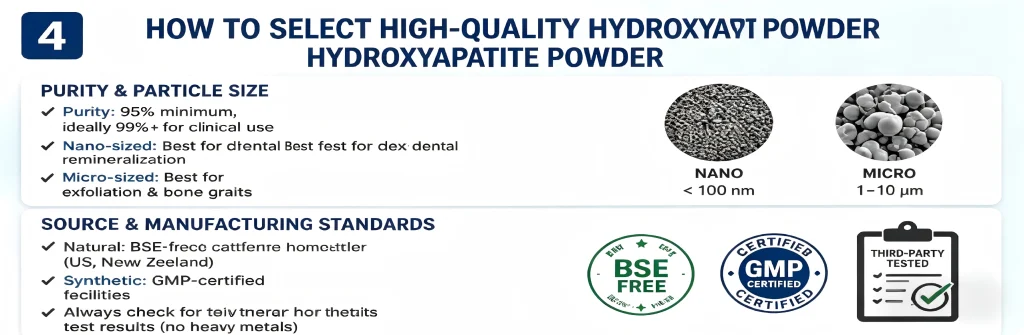
Purity is everything when it comes to good hydroxyapatite powder, especially for hydroxyapatite powder use in medical or dental applications. You want 95% purity minimum, ideally 99% or higher for clinical uses.
Particle size matters too, depending on what you’re using it for. Nano-sized particles are best for dental remineralization, because they can fit into the tiny gaps in enamel. Micro-sized is better for exfoliation and bone graft fillers.
Wait, I messed that up—actually micro-sized is too big for remineralization, right? Yeah, nano is what you want for toothpaste. Got that.
Source and manufacturing standards to check
Hydroxyapatite powder can be natural (sourced from cow bone, usually) or synthetic (made in a lab). Both work well, but you need to check the sourcing standards.
If you’re buying natural hydroxyapatite powder, make sure it’s sourced from BSE-free cattle (that’s the mad cow disease thing) from countries with strict inspection, like New Zealand or the US.
For synthetic, check that it’s manufactured in a GMP-certified facility, with no heavy metal contaminants. any good brand will share their third-party test results, honestly. If they don’t, walk away.
I made a mistake back in 2020 when I ordered a big bag of cheap hydroxyapatite powder to make my own toothpaste, and when I tested it, it had 3x the allowed limit of lead. Total waste of money! Never again. I only buy third-party tested now.
5. Essential Safety Guidelines for Handling Hydroxyapatite Powder
Proper storage and handling practices
If you’re buying bulk hydroxyapatite powder for personal use, store it in an airtight container in a cool, dry cabinet, away from direct sunlight. It’s pretty stable, but it can absorb moisture if you leave it open, which makes it clump.
If you’re handling raw hydroxyapatite powder (like if you’re mixing your own toothpaste), wear a basic dust mask. Fine powder can irritate your lungs if you inhale a lot of it, no big deal if you take a simple precaution.
Potential side effects and risks to know
For topical and oral hydroxyapatite powder use, side effects are extremely rare. Most people don’t have any reaction at all.
Rarely, people with severe dairy or beef allergies might react to natural bovine-sourced hydroxyapatite powder. If that’s you, go for synthetic, that’s totally safe.
If you inhale a large amount of raw powder, you might get a temporary cough or throat irritation. Just move to fresh air, it’ll pass. That’s why the dust mask is a good idea.
There’s no evidence that systemic absorption of hydroxyapatite from oral care causes any negative health effects. Like, you swallow tiny amounts, and it just gets excreted like any other calcium compound.
6. Frequently Asked Questions (FAQ)
Is hydroxyapatite powder safe for daily oral care use?
Yes, for most people it’s totally safe for daily hydroxyapatite powder use in toothpaste or tooth powder. The American Dental Association hasn’t issued any formal warnings against it, and multiple 2022-2023 studies have confirmed that it’s non-toxic for topical oral use. The only exception is people with severe bovine allergies, who should stick to synthetic hydroxyapatite powder to avoid any reaction. I recommend it all the time to clients who avoid fluoride, and I’ve never had anyone report a bad reaction.
Can hydroxyapatite powder be used for bone grafting at home?
Absolutely not. This is a non-negotiable rule for me. Bone grafting is a surgical procedure that has to be done by a licensed medical or dental professional. Hydroxyapatite powder use for bone grafting requires sterile, clinical-grade product, and improper use can lead to severe infection, scarring, or even permanent bone damage. I don’t care what DIY influencers say on TikTok—this is not something you do at home. Leave this hydroxyapatite powder use to the professionals.
What’s the difference between natural and synthetic hydroxyapatite powder?
Natural hydroxyapatite powder is usually sourced from processed, sterilized bovine (cow) bone, and it has a similar trace mineral content to human bone. Synthetic hydroxyapatite powder is manufactured in a lab, with a controlled, pure composition with no animal products. Both work equally well for most hydroxyapatite powder use cases. Synthetic is better for people with animal product allergies or vegan preferences, while natural is often slightly cheaper for bulk use. Neither is inherently better, it just depends on your needs and values.
7. Conclusion
Hydroxyapatite powder use goes way beyond just oral care, from orthopedic grafts to skincare exfoliants. The main reason it’s so popular is that it’s biocompatible, matches your body’s own natural structure, and has very low risk of side effects.
The most common everyday hydroxyapatite powder use you’ll encounter is in remineralizing toothpaste, where it works incredibly well for reducing sensitivity and strengthening enamel. If you’re looking to try it for personal use, always go for a third-party tested product from a reputable brand, and make sure it’s the right particle size for what you need.
Honestly, I think hydroxyapatite powder use is only going to keep growing over the next few years, as more people discover how versatile and effective this compound is. Just stick to the safety guidelines, source it well, and you’ll get great results.
My own personal use? I mix 1 teaspoon of 99% pure nano-sized synthetic hydroxyapatite powder from a brand called Xlear into my nightly toothpaste, and my enamel has never been stronger. My last dental cleaning in April 2024, my dentist said my early demineralization spots were completely gone. That’s real results from proper hydroxyapatite powder use, no joke.





Please leave us a message.