

Hydroxyapatite Powder Supplier: ISO Certified Manufacturer
2026-09-17
- Why Choose an ISO-Certified Hydroxyapatite Powder Supplier?
- About Jinan Meiyi Biotechnology: Bridging Science and Supply
- Technical Specifications and Product Grades
- Manufacturing Process: Ensuring Consistency and Purity
- Applications of Hydroxyapatite Powder Across Industries
- How to Select the Right Hydroxyapatite Powder for Your Needs
- Common Challenges in Hydroxyapatite Processing and Usage
- FAQ: Frequently Asked Questions About Hydroxyapatite Powder
- Global Supply Chain and Logistics
- Conclusion: Partner with a Trusted Hydroxyapatite Manufacturer
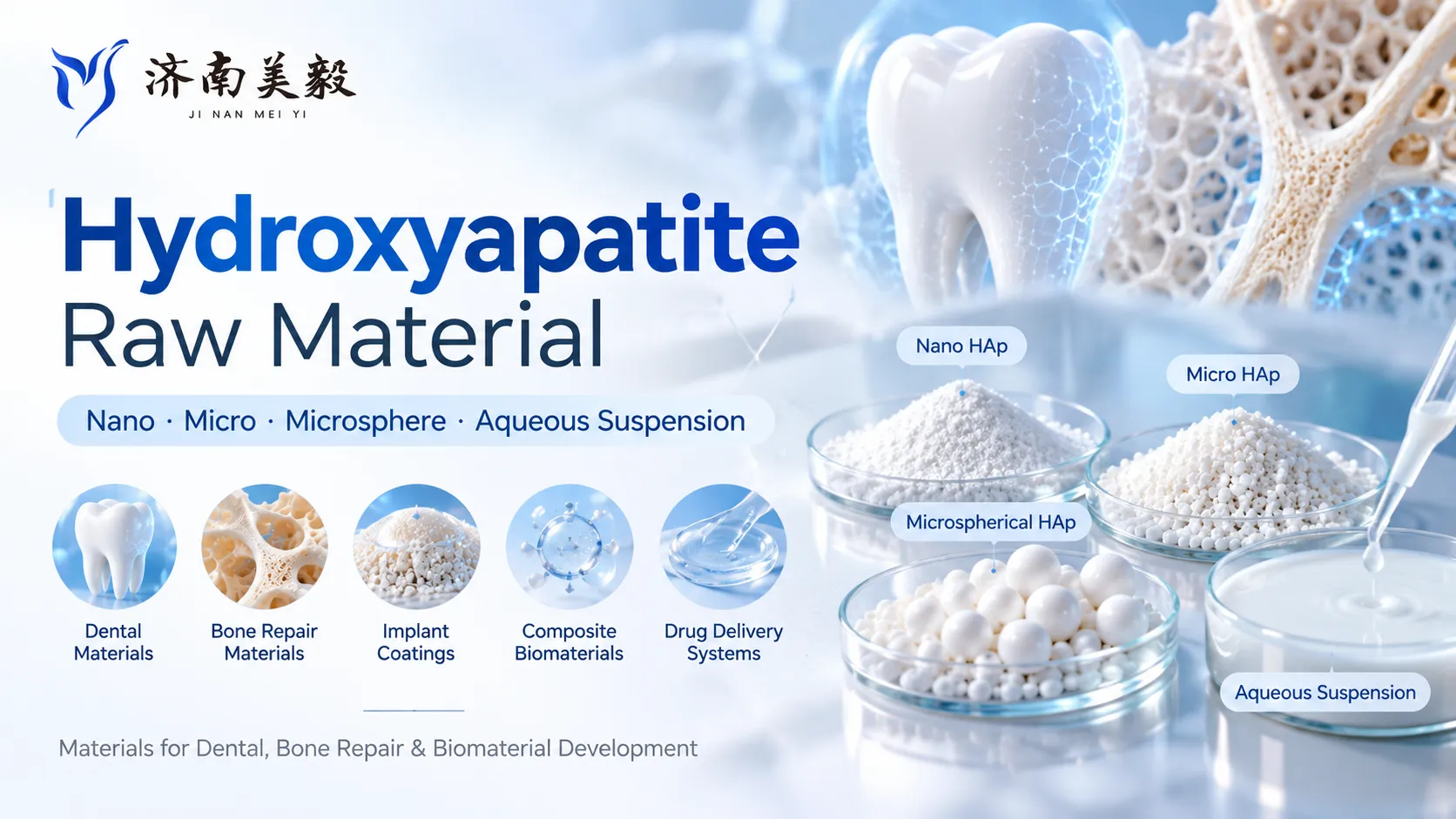
As a premier Hydroxyapatite powder supplier, we provide ISO-certified, high-purity calcium phosphate materials engineered for biomedical, dental, and industrial applications. Our manufacturing process ensures strict adherence to ASTM and ISO standards, delivering consistent particle size distribution, controlled crystallinity, and superior bioactivity. Whether you require nano-sized powders for bone tissue engineering or micro-granules for coating implants, our facility offers scalable solutions with full traceability. Partner with a manufacturer that prioritizes quality assurance, regulatory compliance, and technical expertise to meet the rigorous demands of modern medical device production.
Why Choose an ISO-Certified Hydroxyapatite Powder Supplier?
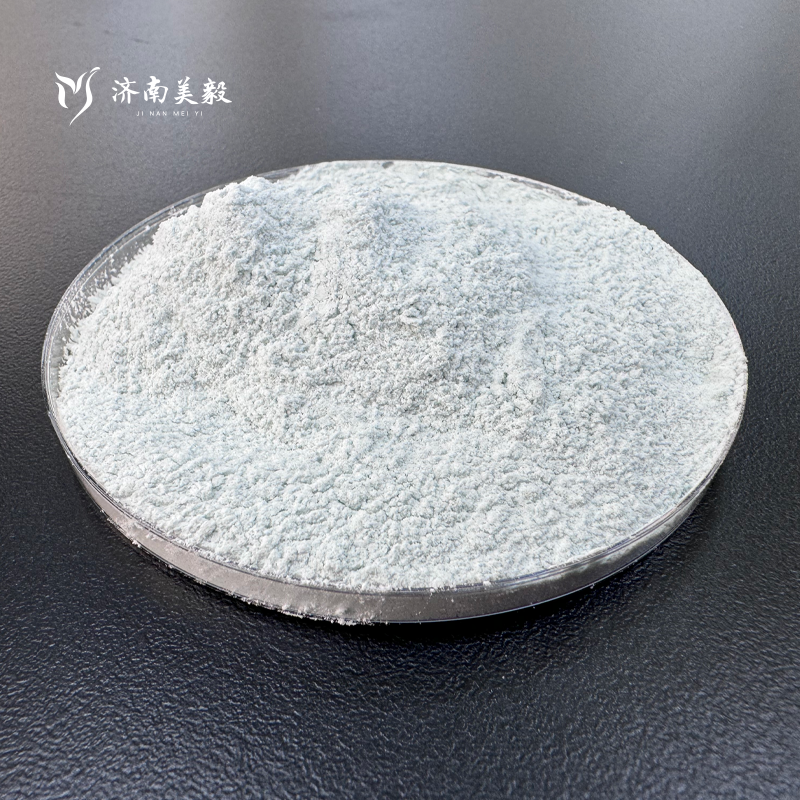
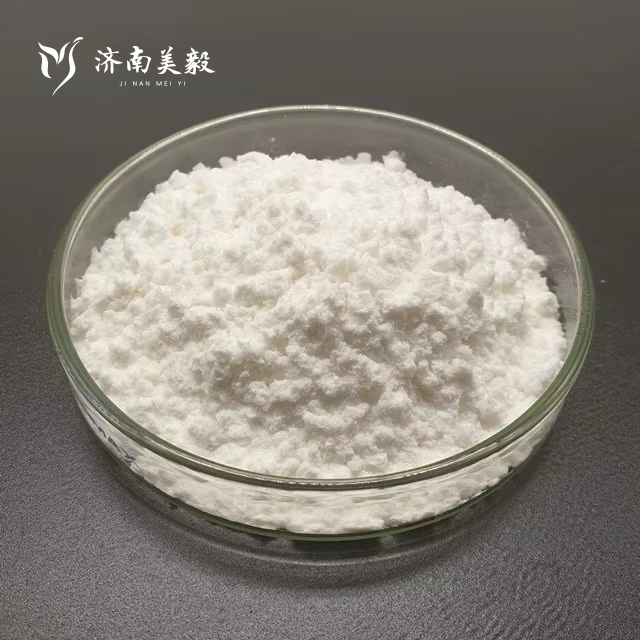
Selecting the right Hydroxyapatite powder supplier is critical for manufacturers in the biomedical and dental sectors. Hydroxyapatite (HA), chemically represented as Ca10(PO4)6(OH)2, is the primary mineral component of human bone and teeth. Its biocompatibility and osteoconductivity make it indispensable for regenerative medicine. However, not all HA powders are created equal. Variations in synthesis methods, purity levels, and particle morphology can significantly impact the final product’s performance.
An ISO-certified manufacturer guarantees that every batch of hydroxyapatite powder meets stringent quality management systems. This certification is not merely a badge; it represents a commitment to consistent production processes, rigorous testing protocols, and documented traceability. For B2B buyers, this reduces risk, ensures regulatory compliance, and facilitates faster approval processes for medical devices.
The Importance of Quality Assurance in Biomedical Materials
In the medical industry, material failure is not an option. Impurities such as heavy metals, residual solvents, or unintended phase compositions (like beta-tricalcium phosphate) can trigger adverse biological responses. Our quality assurance framework includes:
- Raw Material Verification: Strict screening of calcium and phosphate sources to ensure high purity.
- In-Process Control: Real-time monitoring of pH, temperature, and reaction kinetics during synthesis.
- Final Product Testing: Comprehensive analysis using XRD, FTIR, and SEM to verify phase purity and morphology.
- Batch Traceability: Complete documentation from raw material intake to final shipment.
By partnering with an ISO-certified Hydroxyapatite powder supplier, you gain access to materials that have been validated for safety and efficacy, streamlining your own quality control processes.
About Jinan Meiyi Biotechnology: Bridging Science and Supply
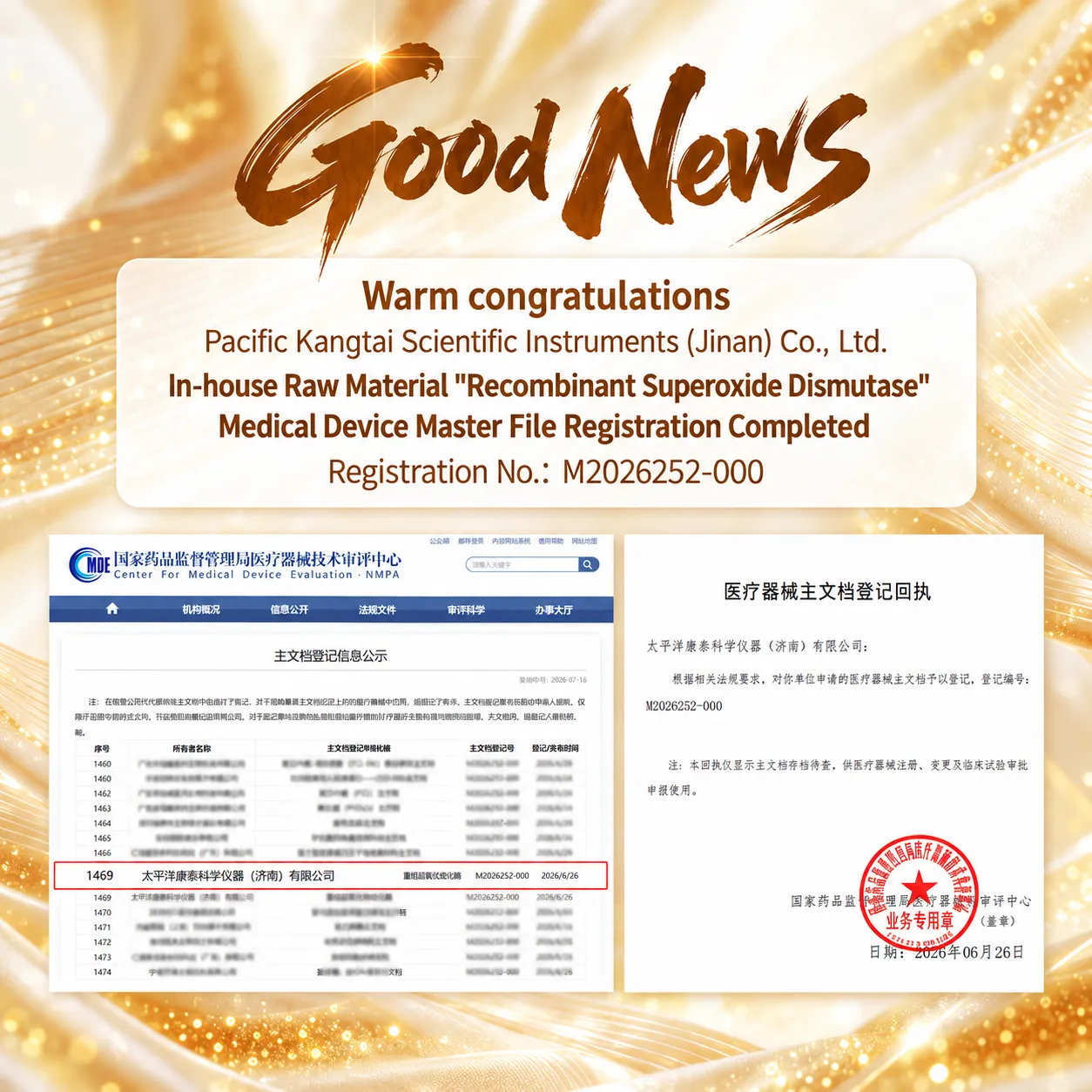
At the core of our supply chain excellence is Jinan Meiyi Biotechnology Co., Ltd., headquartered in Jinan, Shandong Province, China. As a subsidiary of Pacific Kangtai Scientific Instruments (Jinan) Co., Ltd., Jinan Meiyi operates at the intersection of scientific rigor and market responsiveness. While we position ourselves as a trusted enabler for innovation across the global personal care and aesthetic medicine value chain, our role extends beyond simple distribution.
We function as a strategic sourcing and quality-assured partner, leveraging long-term cooperative relationships with internationally recognized, certified manufacturers. Although Jinan Meiyi does not engage in direct raw material manufacturing, our disciplined curation methodology ensures that every Hydroxyapatite powder we supply meets the highest international standards. We maintain strict control over supplier qualification, documentation traceability, and batch-level specification verification. This operational model allows us to offer the reliability of a major manufacturer combined with the agility and technical consultation of a specialized biotech partner.
Our team, deeply specialized in bioactive technology applications, actively monitors emerging trends in dermatological research and minimally invasive aesthetics. This expertise enables us to support R&D laboratories, CDMOs, and aesthetic clinics not just with products, but with regulatory intelligence and collaborative problem-solving. Whether you are developing next-generation bone grafts or advanced cosmetic formulations, Jinan Meiyi Biotechnology serves as your knowledge-driven bridge to upstream innovation.
Technical Specifications and Product Grades
Understanding the technical nuances of hydroxyapatite powder is essential for selecting the right grade for your application. As a specialized provider, we offer a diverse range of HA powders tailored to specific industrial and biomedical needs. The key differentiators include particle size, crystallinity, porosity, and chemical stoichiometry.
Nano-Hydroxyapatite vs. Micro-Hydroxyapatite
The distinction between nano and micro-sized particles lies in their surface area-to-volume ratio and biological interaction mechanisms.
- Nano-Hydroxyapatite (nHA): Typically ranging from 20 to 100 nanometers, nHA mimics the natural mineral structure of bone more closely. It exhibits higher bioactivity and faster dissolution rates, making it ideal for bone grafts, drug delivery systems, and advanced tissue engineering scaffolds.
- Micro-Hydroxyapatite (mHA): With particle sizes ranging from 1 to 10 microns, mHA offers greater structural stability and slower resorption rates. It is commonly used in dental composites, orthopedic coatings, and as a filler in polymer matrices.
| Parameter | Nano-Hydroxyapatite (nHA) | Micro-Hydroxyapatite (mHA) |
|---|---|---|
| Particle Size | 20 – 100 nm | 1 – 10 μm |
| Surface Area | High (>50 m²/g) | Moderate (10 – 30 m²/g) |
| Bioactivity | Very High | High |
| Primary Application | Tissue Engineering, Drug Delivery | Dental Composites, Coatings |
| Dispersion Challenge | High (requires surfactants/sonication) | Low (easier to mix) |
Crystallinity and Phase Purity
Crystallinity affects the mechanical strength and degradation rate of hydroxyapatite. Highly crystalline HA is more stable and resistant to dissolution, suitable for load-bearing implants. In contrast, low-crystalline or amorphous HA dissolves faster, promoting quicker bone regeneration but offering less immediate structural support.
Our partnered manufacturing processes allow for precise control over crystallinity through calcination temperature adjustments. We ensure phase purity by eliminating secondary phases like tricalcium phosphate (TCP) or tetracalcium phosphate (TeCP), unless specifically requested for biphasic calcium phosphate (BCP) formulations.
Manufacturing Process: Ensuring Consistency and Purity
As a leading Hydroxyapatite powder supplier, we work with manufacturers who employ advanced synthesis techniques to produce high-quality HA. The choice of method influences the powder’s morphology, agglomeration state, and chemical composition. Our primary sources utilize wet chemical precipitation and hydrothermal synthesis.
Wet Chemical Precipitation
This is the most common method for producing stoichiometric hydroxyapatite. It involves the reaction of calcium salts (such as calcium nitrate or calcium hydroxide) with phosphate salts (such as diammonium hydrogen phosphate) in an aqueous solution.
- Step 1: Solution Preparation: High-purity calcium and phosphate precursors are dissolved in deionized water.
- Step 2: Controlled Mixing: The solutions are mixed under constant stirring, with pH maintained at alkaline levels (pH > 10) to prevent the formation of acidic calcium phosphates.
- Step 3: Aging: The precipitate is aged to allow crystal growth and improve crystallinity.
- Step 4: Washing and Filtration: The slurry is washed repeatedly to remove by-products like ammonium nitrate.
- Step 5: Drying and Calcination: The cake is dried and optionally calcined at high temperatures to achieve the desired crystallinity and particle size.
Hydrothermal Synthesis
For specialized applications requiring uniform nano-rods or specific morphologies, we utilize partners skilled in hydrothermal synthesis. This method involves heating the precursor solution in a sealed vessel under high pressure. It produces highly crystalline HA with controlled aspect ratios, which is beneficial for enhancing the mechanical properties of composite materials.
Quality Control Protocols
Every batch undergoes rigorous testing to ensure it meets our strict specifications. Our laboratory partners are equipped with state-of-the-art analytical instruments:
- X-Ray Diffraction (XRD): To confirm phase purity and crystallinity index.
- Fourier Transform Infrared Spectroscopy (FTIR): To identify functional groups and detect organic contaminants.
- Scanning Electron Microscopy (SEM): To visualize particle morphology and size distribution.
- Inductively Coupled Plasma (ICP): To measure calcium-to-phosphorus (Ca/P) ratio and detect trace metal impurities.
- BET Surface Area Analysis: To determine specific surface area, crucial for bioactivity assessment.
Applications of Hydroxyapatite Powder Across Industries
The versatility of hydroxyapatite makes it a valuable material across various sectors. As a trusted Hydroxyapatite powder supplier, we support clients in biomedical, dental, cosmetic, and industrial applications.
Biomedical and Orthopedic Applications
In orthopedics, HA is used to enhance osseointegration—the direct structural and functional connection between living bone and the surface of a load-bearing artificial implant.
- Bone Graft Substitutes: HA powder is mixed with binders or polymers to create putties, blocks, and granules that fill bone defects. Its osteoconductive property allows new bone to grow along its surface.
- Implant Coatings: Plasma-sprayed HA coatings on titanium implants improve bonding with surrounding bone tissue, reducing the risk of implant loosening.
- Tissue Engineering Scaffolds: Nano-HA is incorporated into biodegradable polymer scaffolds (e.g., PLGA, collagen) to mimic the natural bone extracellular matrix, supporting cell attachment and proliferation.
Dental Industry Solutions
The dental sector is one of the largest consumers of hydroxyapatite powder. Its chemical similarity to tooth enamel makes it ideal for restorative and preventive care products.
- Dental Composites and Cements: HA is added to resin-based composites to improve mechanical strength and aesthetic properties. It also enhances the bond strength between the filling material and the tooth structure.
- Desensitizing Agents: Micro-HA particles can occlude open dentin tubules, reducing sensitivity to hot, cold, or sweet stimuli.
- Enamel Remineralization: Toothpastes and mouthwashes containing nano-HA help repair early-stage carious lesions by depositing mineral layers on the enamel surface.
Cosmetic and Personal Care
Due to its biocompatibility and gentle abrasive properties, hydroxyapatite is increasingly used in premium skincare and oral care products. This aligns perfectly with Jinan Meiyi Biotechnology’s focus on the cosmetics and medical aesthetics industries, where we curate ingredients that offer both efficacy and safety.
- Skin Care: HA acts as a moisturizer and anti-aging agent. It can improve skin elasticity and reduce wrinkles by enhancing hydration and stimulating collagen production.
- Oral Care: Beyond remineralization, HA provides a smooth, glossy finish to teeth without the harsh abrasion associated with silica or calcium carbonate.
Industrial and Chromatography Uses
Beyond biology, HA has unique ion-exchange properties useful in industrial processes.
- Chromatography Media: HA is used in column chromatography for the separation of proteins, nucleic acids, and viruses. Its affinity for specific biomolecules allows for high-resolution purification.
- Water Treatment: HA can adsorb heavy metals and fluoride from wastewater, offering an eco-friendly solution for environmental remediation.
How to Select the Right Hydroxyapatite Powder for Your Needs
Choosing the appropriate HA grade requires a clear understanding of your application’s requirements. As your Hydroxyapatite powder supplier, we recommend considering the following factors:
1. Particle Size and Distribution
For injectable bone cements or drug delivery systems, nano-sized particles are preferred due to their high surface area and reactivity. For structural composites or dental fillers, micro-sized particles provide better handling characteristics and mechanical reinforcement.
2. Crystallinity Level
If long-term stability is required, such as in permanent implants, high-crystallinity HA is the best choice. For temporary scaffolds that need to degrade and be replaced by natural bone, low-crystalline or amorphous HA is more suitable.
3. Calcium-to-Phosphorus (Ca/P) Ratio
The theoretical Ca/P ratio for stoichiometric hydroxyapatite is 1.67. Deviations from this ratio can affect solubility and bioactivity. Ensure the supplier provides precise Ca/P ratio data, especially for biomedical applications where regulatory compliance is strict.
4. Purity and Contaminants
Check for certifications regarding endotoxin levels, heavy metal content, and microbial limits. For medical devices, ISO 13485 certification of the manufacturer is a strong indicator of quality management.
5. Morphology
The shape of the particles (spherical, rod-like, plate-like) influences packing density and mechanical properties. Rod-like nano-HA, for instance, can reinforce polymer matrices more effectively than spherical particles.
| Application | Recommended Grade | Key Property |
|---|---|---|
| Bone Grafts | Nano/Micro Composite | Osteoconductivity, Porosity |
| Dental Composites | Micro-HA | Mechanical Strength, Polishability |
| Drug Delivery | Nano-HA | High Surface Area, Loading Capacity |
| Implant Coatings | High-Crystalline HA | Adhesion, Stability |
| Chromatography | Spherical Micro-HA | Uniform Flow, Separation Efficiency |
Common Challenges in Hydroxyapatite Processing and Usage
Working with hydroxyapatite powder presents certain technical challenges. Understanding these issues can help optimize your manufacturing process.
Agglomeration of Nano-Particles
Nano-HA tends to agglomerate due to high surface energy, making uniform dispersion in polymers or liquids difficult. To mitigate this:
- Use surfactants or dispersing agents during mixing.
- Employ ultrasonic sonication to break up clusters.
- Consider surface-modified HA powders, which we offer, to improve compatibility with organic matrices.
Sintering and Thermal Stability
When fabricating dense HA ceramics, sintering temperature is critical. Excessive heat can cause decomposition into TCP or CaO, weakening the material. Precise temperature control and slow cooling rates are essential to maintain phase purity.
Handling and Safety
While HA is biocompatible, fine powders can pose inhalation risks. Proper personal protective equipment (PPE), including masks and gloves, should be used during handling. Ensure adequate ventilation in processing areas to prevent dust accumulation.
FAQ: Frequently Asked Questions About Hydroxyapatite Powder
What is the difference between synthetic and natural Hydroxyapatite?
Synthetic HA is produced via chemical precipitation, offering high purity and consistent properties. Natural HA is derived from bovine or marine sources. While natural HA has a porous structure similar to bone, it may carry risks of immunogenicity or pathogen transmission. Synthetic HA is generally preferred for high-regulation medical applications due to its controllability and safety profile.
Is Hydroxyapatite powder safe for use in cosmetics?
Yes, hydroxyapatite is considered safe for cosmetic use. It is non-toxic, non-irritating, and biocompatible. Regulatory bodies in major markets approve its use in oral care and skincare products. However, ensure that the powder meets cosmetic-grade standards for heavy metals and microbial limits.
How should Hydroxyapatite powder be stored?
Store HA powder in a cool, dry place in airtight containers. Moisture absorption can lead to clumping and potential hydrolysis over extended periods. Avoid exposure to acidic environments, which can dissolve the powder.
Can Hydroxyapatite be combined with other biomaterials?
Absolutely. HA is frequently combined with polymers (like PLA, PLGA, collagen), ceramics (like TCP), and metals (like titanium) to create composite materials. These combinations leverage the strengths of each component, such as the toughness of polymers and the bioactivity of HA.
What is the shelf life of Hydroxyapatite powder?
When stored properly, synthetic hydroxyapatite powder has a long shelf life, typically exceeding 2-3 years. However, it is recommended to perform quality checks on older stocks before use in critical applications to ensure no moisture uptake or contamination has occurred.
Do you provide custom synthesis services?
Yes, as a flexible Hydroxyapatite powder supplier, we offer custom synthesis services through our network of certified manufacturing partners. We can tailor particle size, morphology, crystallinity, and doping (e.g., with strontium, magnesium, or silver) to meet specific research or commercial requirements. Contact our technical team to discuss your custom needs.
Global Supply Chain and Logistics
Reliability in supply chain management is as crucial as product quality. We understand that delays in raw material delivery can halt production lines. Our logistics network is optimized for global reach, ensuring timely delivery of hydroxyapatite powder to customers in North America, Europe, Asia, and beyond.
Packaging Options
We offer various packaging solutions to suit different order volumes and handling requirements:
- Small Scale: 100g, 500g, and 1kg bottles for R&D and pilot studies.
- Medium Scale: 5kg and 10kg drums for small-batch production.
- Large Scale: 25kg fiber drums or bulk bags for industrial manufacturing.
All packaging is designed to protect the powder from moisture and contamination during transit. Custom labeling and documentation are available to meet import/export regulations.
Regulatory Support
We provide comprehensive documentation, including Certificates of Analysis (CoA), Material Safety Data Sheets (MSDS), and ISO certificates. For medical device manufacturers, we support regulatory filings by providing detailed technical files and biocompatibility test reports upon request.
Conclusion: Partner with a Trusted Hydroxyapatite Manufacturer
In the competitive landscape of biomedical and industrial materials, the quality of your raw materials defines the success of your final product. As a dedicated Hydroxyapatite powder supplier, Jinan Meiyi Biotechnology combines technical expertise, rigorous quality control, and customer-centric service to deliver superior calcium phosphate solutions.
Our partnership with ISO-certified manufacturing facilities ensures that every gram of HA powder meets the highest standards of purity, consistency, and performance. Whether you are developing next-generation bone grafts, advanced dental composites, or innovative cosmetic formulations, our team is ready to support your journey from concept to commercialization.
Who Should Contact Us?
- Medical Device Manufacturers: Seeking reliable, compliant HA for implants and grafts.
- Dental Product Formulators: Looking for high-quality fillers and remineralizing agents.
- Research Institutions: Requiring custom-grade HA for experimental studies.
- Cosmetic Brands: Aiming to incorporate safe, effective bio-active ingredients.
Don’t compromise on quality. Choose a partner who understands the science behind hydroxyapatite and the demands of your industry.
Ready to elevate your product formulation?
Contact our technical sales team today to request a sample, review detailed specifications, or discuss your custom synthesis requirements. Let us help you achieve superior results with our premium hydroxyapatite powders.
Explore Our Full Range of Biomaterials and Technical Solutions





Please leave us a message.