

Medical Grade Nano Hydroxyapatite: OEM Manufacturer & Wholesale Price
2026-09-17
- What Is Medical Grade Nano Hydroxyapatite?
- Why Choose Nano Hydroxyapatite Medical Grade for Biomedical Applications?
- Technical Specifications and Quality Standards
- Manufacturing Process: Ensuring Consistency and Purity
- Primary Applications of Medical Grade Nano Hydroxyapatite
- Strategic Sourcing and Customization Capabilities
- How to Select the Right Nano Hydroxyapatite Supplier
- Comparison: Medical Grade nHA vs. Standard Industrial HA
- Common Challenges in Using Nano Hydroxyapatite
- FAQ: Frequently Asked Questions About Medical Grade Nano Hydroxyapatite
- Procurement Guide: Wholesale Pricing and MOQ
- Future Trends in Nano Hydroxyapatite Technology
- Conclusion: Partnering for Success in Biomedical Innovation
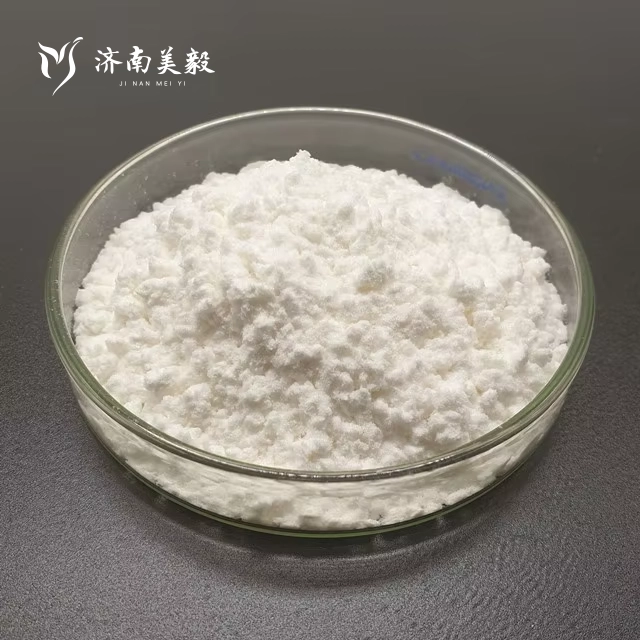
Nano Hydroxyapatite Medical Grade is a high-purity, bioactive calcium phosphate ceramic engineered for advanced biomedical applications. With a chemical structure identical to human bone mineral (Ca10(PO4)6(OH)2), it offers superior osteoconductivity and biocompatibility. As a specialized strategic sourcing partner, we provide access to customized synthesis solutions, strict quality control under ISO 13485 standards, and competitive wholesale pricing for dental, orthopedic, and cosmetic industries. This guide details technical specifications, manufacturing processes, and procurement strategies for sourcing premium medical-grade nHA in 2026.
What Is Medical Grade Nano Hydroxyapatite?
Medical grade nano hydroxyapatite (nHA) represents the gold standard in biomaterials for bone regeneration and tissue engineering. Unlike standard industrial hydroxyapatite, the “medical grade” designation implies rigorous purification, controlled particle size distribution (typically 20-100 nm), and absence of toxic contaminants. It is a synthetic form of the primary mineral component found in human bones and teeth.
In clinical and commercial contexts, this material is valued for its ability to bond directly with living bone tissue without intervening fibrous tissue. This phenomenon, known as bioactivity, accelerates healing and integration. For B2B buyers, understanding the distinction between generic HA and medical-grade nHA is critical for regulatory compliance and product efficacy.
Key Characteristics of High-Purity nHA
- Chemical Purity: Ca/P molar ratio strictly controlled at 1.67, matching stoichiometric hydroxyapatite.
- Nanoscale Dimensions: Particle sizes below 100nm increase surface area, enhancing biological response and protein adsorption.
- Crystallinity Control: Adjustable crystallinity levels allow customization for specific resorption rates in the body.
- Biocompatibility: Non-toxic, non-immunogenic, and fully biodegradable over time as new bone forms.
Why Choose Nano Hydroxyapatite Medical Grade for Biomedical Applications?
The shift from micron-sized to nano-sized hydroxyapatite is driven by superior biological performance. In 2026, the demand for nHA continues to grow across dentistry, orthopedics, and even dermal cosmetics. The nanoscale architecture mimics the natural extracellular matrix of bone, facilitating better cell attachment, proliferation, and differentiation.
For manufacturers and distributors, sourcing high-quality nHA ensures that end-products meet the stringent requirements of global health authorities such as the FDA (USA), EMA (Europe), and NMPA (China). The material’s versatility allows it to be used as a standalone powder, a coating for metallic implants, or a composite filler in polymers.
Core Advantages Over Traditional Biomaterials
When compared to other bone graft substitutes like beta-tricalcium phosphate (β-TCP) or allografts, medical grade nano hydroxyapatite offers unique benefits:
- Osteoconductivity: Provides a scaffold for bone cells to migrate and grow.
- Osteoinductivity Potential: When combined with growth factors, it can stimulate stem cell differentiation into osteoblasts.
- Mechanical Reinforcement: Enhances the strength of polymer composites used in surgical devices.
- Antimicrobial Properties: Recent studies suggest nHA can be doped with ions like silver or zinc to prevent infection.
Technical Specifications and Quality Standards
Sourcing medical grade nano hydroxyapatite requires a deep understanding of technical parameters. Not all nHA powders are created equal. Variations in synthesis methods lead to differences in morphology, agglomeration, and surface charge, which directly impact clinical performance.
Critical Parameters for Procurement
| Parameter | Standard Specification | Impact on Application |
|---|---|---|
| Particle Size | 20 – 100 nm | Smaller particles offer higher surface area for protein binding and faster cellular uptake. |
| Ca/P Ratio | 1.67 ± 0.02 | Ensures chemical stability and matches natural bone mineral composition. |
| Crystallinity | 60% – 95% | Higher crystallinity means slower degradation; lower crystallinity resorbs faster. |
| Purity | > 99.9% | Absence of heavy metals (Pb, Cd, As) and organic solvents is mandatory for medical use. |
| Morphology | Rod-like or Spherical | Rod-like structures often mimic natural bone crystals better, enhancing integration. |
| Endotoxin Level | < 0.5 EU/mL | Critical for injectable applications and implant coatings to prevent inflammatory responses. |
Compliance and Certifications
Adherence to international standards is non-negotiable in the medical supply chain. At Jinan Meiyi Biotechnology Co., Ltd., we function as a strategic sourcing and quality-assured distribution partner, ensuring that every batch of nHA we supply originates from certified manufacturers adhering to ISO 13485 (Medical Devices Quality Management Systems). We do not manufacture raw materials ourselves; instead, we leverage our globally integrated supply chain to vet suppliers rigorously. Each batch undergoes comprehensive evaluation, including verification of X-Ray Diffraction (XRD) for phase purity, Fourier Transform Infrared Spectroscopy (FTIR) for functional groups, and Transmission Electron Microscopy (TEM) for particle size.
Buyers should always request a Certificate of Analysis (CoA) and Material Safety Data Sheet (MSDS) specific to the medical grade batch. We ensure that our partners conduct biocompatibility testing according to ISO 10993 standards, covering cytotoxicity, sensitization, and irritation, providing you with full documentation traceability.
Manufacturing Process: Ensuring Consistency and Purity
The production of medical grade nano hydroxyapatite involves precise chemical synthesis methods. The choice of method determines the particle shape, size distribution, and agglomeration state. Understanding these processes helps buyers specify the right type of nHA for their specific application.
Wet Chemical Precipitation
This is the most common method for large-scale production. It involves mixing calcium and phosphate sources in an aqueous solution under controlled pH and temperature.
- Process: Calcium nitrate or calcium chloride is reacted with ammonium phosphate.
- Control: pH is maintained above 10 to prevent the formation of acidic calcium phosphates.
- Outcome: Produces high-purity nHA with good crystallinity. Post-synthesis calcination is used to adjust crystal size.
Sol-Gel Method
The sol-gel process offers superior homogeneity and purity at the molecular level.
- Process: Uses alkoxide precursors that undergo hydrolysis and polycondensation.
- Advantage: Allows for doping with other ions (e.g., Strontium, Magnesium) uniformly within the crystal lattice.
- Outcome: Produces highly bioactive nHA with tailored porosity, ideal for drug delivery systems.
Hydrothermal Synthesis
For applications requiring specific crystal morphologies, hydrothermal synthesis is preferred.
- Process: Reaction occurs in a sealed vessel at high temperature and pressure.
- Advantage: Direct formation of crystalline nHA without the need for high-temperature calcination, preserving nanostructure.
- Outcome: Highly crystalline, rod-like particles that closely resemble natural bone apatite.
Primary Applications of Medical Grade Nano Hydroxyapatite
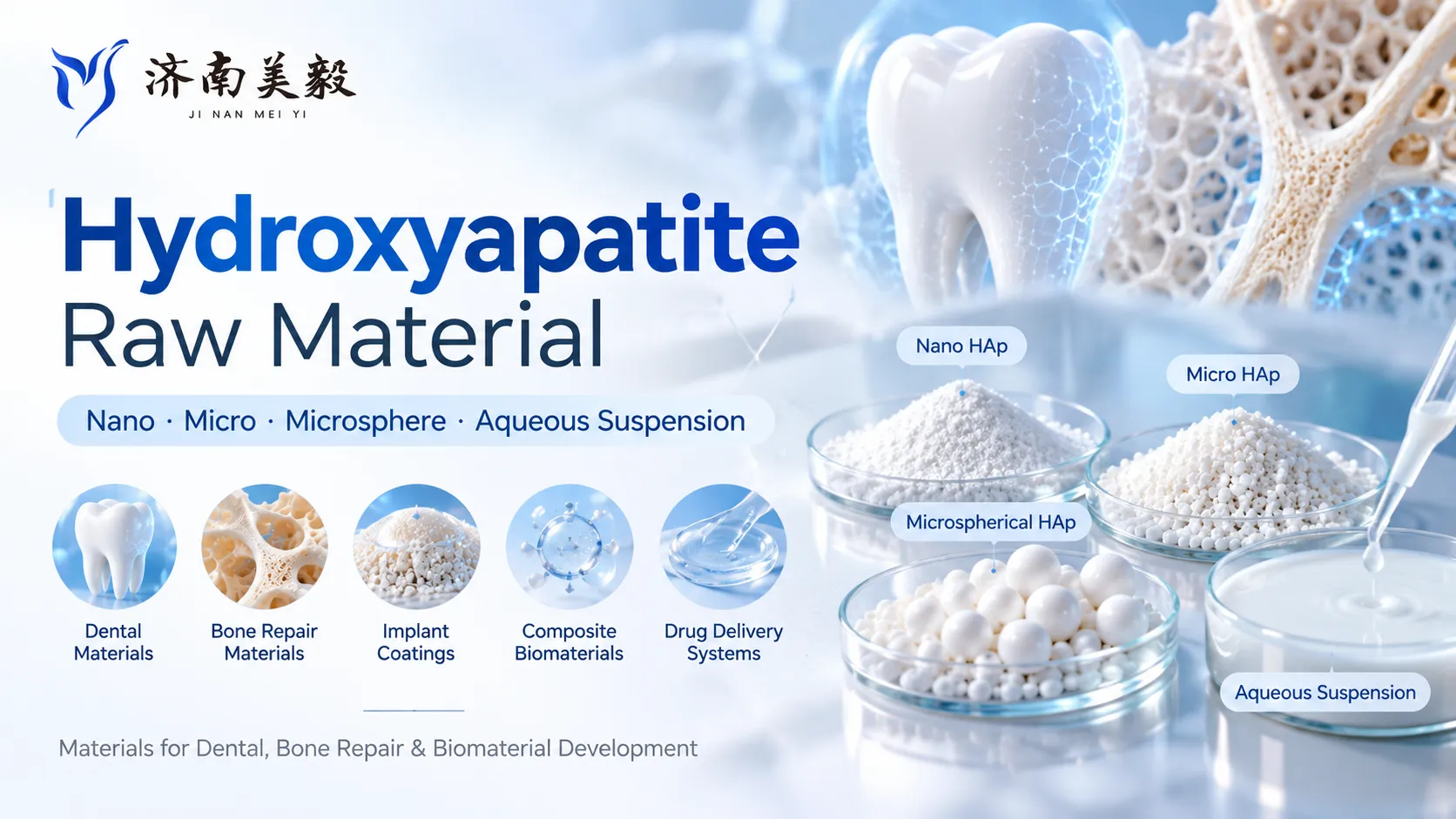
The versatility of nHA allows it to serve diverse sectors within the medical and personal care industries. Below are the primary domains where our curated solutions are applied.
1. Dentistry and Oral Care
nHA is revolutionizing dental materials due to its ability to remineralize enamel and bond with dentin.
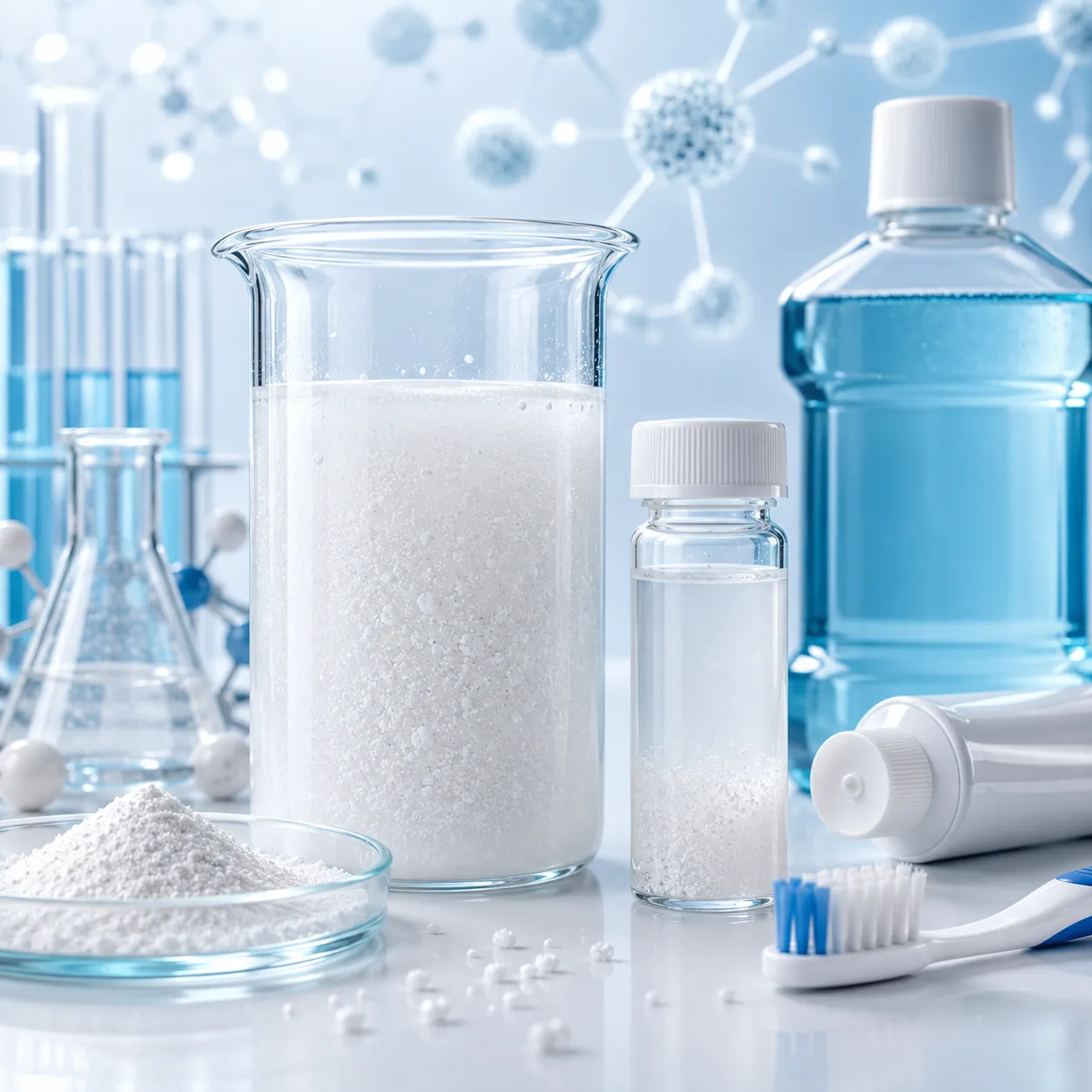
- Toothpaste and Mouthwash: nHA particles fill micro-cracks in enamel, reducing sensitivity and whitening teeth without abrasives.
- Bone Grafts: Used in periodontal surgery to regenerate alveolar bone lost to gum disease.
- Implant Coatings: Coating titanium dental implants with nHA accelerates osseointegration, reducing healing time from months to weeks.
2. Orthopedics and Trauma Surgery
In orthopedics, nHA is used to repair bone defects resulting from trauma, tumor resection, or congenital disorders.
- Bone Void Fillers: Injectable nHA pastes harden in situ to fill irregular bone cavities.
- Composite Scaffolds: Combined with polymers like PCL or PLGA to create 3D-printed scaffolds for large bone defects.
- Spinal Fusion: Used as a graft extender to promote vertebral fusion.
3. Dermal Cosmetics and Aesthetics
Recent innovations have expanded nHA into the aesthetic medicine sector, a core focus area for Jinan Meiyi Biotechnology. Our expertise in bioactive technologies allows us to support clients developing next-generation skincare and medical aesthetic products.
- Skin Rejuvenation: Topical nHA improves skin barrier function and hydration by mimicking the skin’s mineral content.
- Dermal Fillers: While hyaluronic acid is dominant, nHA-based fillers are emerging for their longevity and structural support capabilities.
4. Drug Delivery Systems
The high surface area and porous nature of nHA make it an excellent carrier for therapeutic agents.
- Localized Antibiotic Delivery: nHA beads loaded with antibiotics are used to treat osteomyelitis (bone infection).
- Cancer Therapy: Research is ongoing into using nHA to deliver chemotherapy drugs directly to bone tumors.
Strategic Sourcing and Customization Capabilities
As a subsidiary of Pacific Kangtai Scientific Instruments (Jinan) Co., Ltd., Jinan Meiyi Biotechnology understands that off-the-shelf products rarely meet the nuanced needs of innovative medical device and cosmetic companies. While we do not operate our own production facilities, we act as a trusted enabler for innovation by partnering with certified manufacturers who offer extensive customization options aligned with your R&D goals.
Particle Size and Morphology Tuning
Through our network of specialized suppliers, we can source nHA engineered with specific aspect ratios. For injectable applications, spherical particles ensure smooth flow through needles. For scaffold fabrication, rod-like particles provide better mechanical interlocking with polymers.
Ion Doping and Functionalization
Enhance the biological activity of nHA by sourcing materials doped with therapeutic ions:
- Strontium (Sr): Stimulates bone formation and inhibits resorption.
- Zinc (Zn): Provides antimicrobial properties and supports enzyme function.
- Silver (Ag): Strong antibacterial agent for infection-prone implants.
- Fluoride (F): Enhances acid resistance for dental applications.
Surface Modification
To improve dispersion in organic polymers or reduce agglomeration, we offer access to surface-modified nHA using silanes, phosphonates, or biocompatible polymers like PEG. This ensures uniform distribution in composite materials, a critical factor for consistent product performance.
Packaging and Sterilization
We provide sterile packaging options suitable for cleanroom assembly. Gamma irradiation or Ethylene Oxide (EtO) sterilization services are available upon request through our manufacturing partners, ensuring the product is ready for immediate integration into medical devices.
How to Select the Right Nano Hydroxyapatite Supplier
Choosing the right partner for medical grade nano hydroxyapatite sourcing is a strategic decision. The market is flooded with suppliers, but few meet the stringent requirements of medical manufacturing. Here is a checklist for evaluating potential partners, reflecting the service philosophy of Jinan Meiyi Biotechnology.
1. Verify Regulatory Compliance
Ensure the supplier holds valid ISO 13485 certification. Ask for audit reports from recognized bodies. Check if they have experience with FDA DMF (Drug Master File) submissions if you are developing a drug-device combination product. Our quality assurance framework centers on supplier qualification and compliance oversight throughout the procurement process.
2. Assess Technical Support and R&D
A true partner should offer technical consultation. Can they help you troubleshoot dispersion issues? Can they customize the Ca/P ratio for your specific degradation timeline? Look for suppliers with an in-house R&D team and published peer-reviewed research. Our scientifically trained team provides continuous exposure to international research frontiers, offering regulatory intelligence and collaborative problem-solving.
3. Evaluate Quality Control Infrastructure
Request details on their QC equipment. Do they have ICP-MS for trace metal analysis? Do they perform batch-to-batch consistency testing? Consistency is key in medical manufacturing; variability in particle size can lead to product failure. We enforce strict batch-level specification verification before any material enters our portfolio.
4. Supply Chain Stability and Scalability
Can the supplier scale from gram-level samples for R&D to kilogram or ton-level production for commercial launch? Ensure they have robust raw material sourcing and contingency plans for supply chain disruptions. Leveraging our well-established global supply chain network, we maintain long-term cooperative relationships with internationally recognized suppliers to ensure consistent access.
5. Transparency in Pricing and Lead Times
Transparent wholesale pricing models are essential. Beware of hidden costs for testing, packaging, or documentation. Clear communication regarding lead times helps in planning your production schedule effectively. Our operational model prioritizes reliability and transparency, enabling clients to reduce sourcing complexity.
Comparison: Medical Grade nHA vs. Standard Industrial HA
Understanding the difference between medical grade and industrial grade hydroxyapatite is vital for risk management. Using industrial grade HA in medical applications can lead to severe regulatory penalties and patient safety issues.
| Feature | Medical Grade nHA | Industrial Grade HA |
|---|---|---|
| Purity | > 99.9%, No heavy metals | Variable, may contain impurities |
| Particle Size | Nanoscale (20-100 nm), Controlled | Micron-scale, Broad distribution |
| Biocompatibility | ISO 10993 Tested, Sterile | Not tested for biological use |
| Crystallinity | Precisely Controlled | High, often sintered |
| Documentation | Full Traceability, CoA, DMF support | Basic CoA only |
| Cost | Higher, reflects quality and compliance | Lower, commodity pricing |
| Application | Implants, Grafts, Dental, Cosmetics | Fertilizers, Water filtration, Ceramics |
Common Challenges in Using Nano Hydroxyapatite
While nHA is highly effective, it presents certain processing challenges. Being aware of these allows engineers to design better formulations.
Agglomeration
Nanoparticles tend to clump together due to high surface energy. Agglomerates behave like larger particles, reducing the bioactive surface area. Solution: Use surface modifiers, ultrasonic dispersion during processing, or select pre-dispersed slurries from your supplier.
Brittleness
Pure nHA ceramics are brittle and lack tensile strength. Solution: Combine nHA with polymers (PEEK, PLGA, Collagen) to create composites that balance bioactivity with mechanical toughness.
Slow Degradation
Highly crystalline nHA degrades very slowly in the body. Solution: Adjust crystallinity during synthesis or mix with faster-resorbing materials like β-TCP to create biphasic calcium phosphate (BCP) ceramics.
FAQ: Frequently Asked Questions About Medical Grade Nano Hydroxyapatite
Is Nano Hydroxyapatite safe for human use?
Yes, medical grade nano hydroxyapatite is extensively documented as safe and biocompatible. It is chemically identical to the mineral component of human bone. However, safety depends on purity and sterility. Always source from ISO 13485 certified manufacturers who perform ISO 10993 biocompatibility testing.
What is the shelf life of medical grade nHA powder?
When stored in a cool, dry place in sealed containers, medical grade nHA powder typically has a shelf life of 2-3 years. Sterilized products may have specific expiration dates based on packaging integrity. Always check the CoA for specific batch recommendations.
Can nHA be used in 3D printing?
Yes, nHA is widely used in additive manufacturing. It can be incorporated into polymer filaments for FDM printing or used as a powder in binder jetting. For high-resolution scaffolds, nHA-loaded hydrogels are used in stereolithography (SLA) and digital light processing (DLP).
What is the difference between hydroxyapatite and collagen?
Hydroxyapatite is the inorganic mineral phase of bone, providing hardness and compressive strength. Collagen is the organic protein phase, providing flexibility and tensile strength. In nature, they exist together. In biomedical applications, they are often combined to mimic natural bone structure comprehensively.
How do I store medical grade nano hydroxyapatite?
Store in airtight containers away from moisture and direct sunlight. Humidity can cause agglomeration and potential hydrolysis over long periods. For sterile products, maintain the integrity of the sterile barrier until use.
Does your company offer custom synthesis?
Yes, through our network of specialized manufacturing partners, we facilitate custom synthesis services. We can tailor particle size, morphology, crystallinity, and ion doping to meet your specific application requirements. Contact our technical team to discuss your project specifications.
Procurement Guide: Wholesale Pricing and MOQ
Pricing for medical grade nano hydroxyapatite varies based on purity, particle size precision, and order volume. Wholesale pricing structures are designed to support both startups and large-scale manufacturers.
Factors Influencing Price
- Purity Level: Higher purity (>99.9%) commands a premium due to complex purification processes.
- Particle Size Control: Narrower size distributions require advanced classification techniques.
- Customization: Ion doping or surface modification adds to production costs.
- Volume: Larger orders (kg to tons) significantly reduce the unit price.
- Documentation: Additional regulatory documentation may incur administrative fees.
Minimum Order Quantity (MOQ)
We offer flexible MOQs to support different stages of product development:
- R&D Samples: Small quantities (grams) available for feasibility studies.
- Pilot Batch: Kilogram-scale orders for clinical trials and prototype testing.
- Commercial Production: Ton-scale supply for mass manufacturing with long-term contracts.
Future Trends in Nano Hydroxyapatite Technology
Looking ahead to 2026 and beyond, several trends are shaping the nHA market. Staying informed helps businesses innovate and stay competitive.
Smart Biomaterials
Integration of nHA with smart polymers that respond to physiological stimuli (pH, temperature) is gaining traction. These materials can release drugs on demand or change properties in response to inflammation.
3D Bioprinting
The use of nHA bioinks for printing personalized bone grafts is moving from lab to clinic. This allows for patient-specific implants that perfectly match defect geometries.
Sustainable Synthesis
Eco-friendly synthesis methods using biomass-derived calcium sources (e.g., eggshells, bovine bone) are being refined. While medical grade still prefers synthetic routes for purity, sustainable practices are becoming a key differentiator in corporate social responsibility.
Conclusion: Partnering for Success in Biomedical Innovation
Medical grade nano hydroxyapatite is more than just a raw material; it is a foundational element of modern regenerative medicine. Its unique ability to integrate with human tissue makes it indispensable in dentistry, orthopedics, and advanced cosmetics. However, the quality of nHA directly impacts the safety and efficacy of the final medical device.
Choosing the right partner is critical. You need a provider who combines scientific expertise with supply chain excellence, ensuring every batch meets the highest standards of purity and consistency. Jinan Meiyi Biotechnology Co., Ltd., headquartered in Jinan, Shandong Province, positions itself at the intersection of scientific rigor and market responsiveness. As a trusted enabler for innovation across the global personal care and aesthetic medicine value chain, our commitment to ISO 13485 compliance, custom R&D support, and transparent wholesale pricing positions us as a reliable ally in your supply chain.
Who Should Consider Our Solutions?
- Medical Device Manufacturers: Seeking reliable coatings and composite fillers for implants.
- Dental Product Brands: Developing next-generation remineralizing toothpastes and graft materials.
- Pharmaceutical Companies: Exploring nHA for targeted drug delivery systems.
- Research Institutions: Requiring high-purity, customizable nHA for clinical studies.
- Aesthetic Clinics & CDMOs: Seeking differentiated, science-backed solutions for medical aesthetics.
Ready to elevate your product formulation with premium medical grade nano hydroxyapatite? Whether you need standard powders or bespoke synthesized solutions, our team is equipped to support your journey from concept to commercialization. We actively monitor emerging trends in bioactive ingredient science and dermatological research, integrating these insights into our portfolio strategy to facilitate faster, safer, and more effective translation of bioactive science into real-world benefits.
Contact us today to request a sample, discuss your technical requirements, or obtain a detailed wholesale price list. Let’s build the future of biomedical materials together.
Explore Our Full Range of Medical Grade Biomaterials & Technical Solutions





Please leave us a message.