

Hydroxyapatite Water Suspension: Benefits, Uses and Formulation Tips
2026-06-10
Introduction
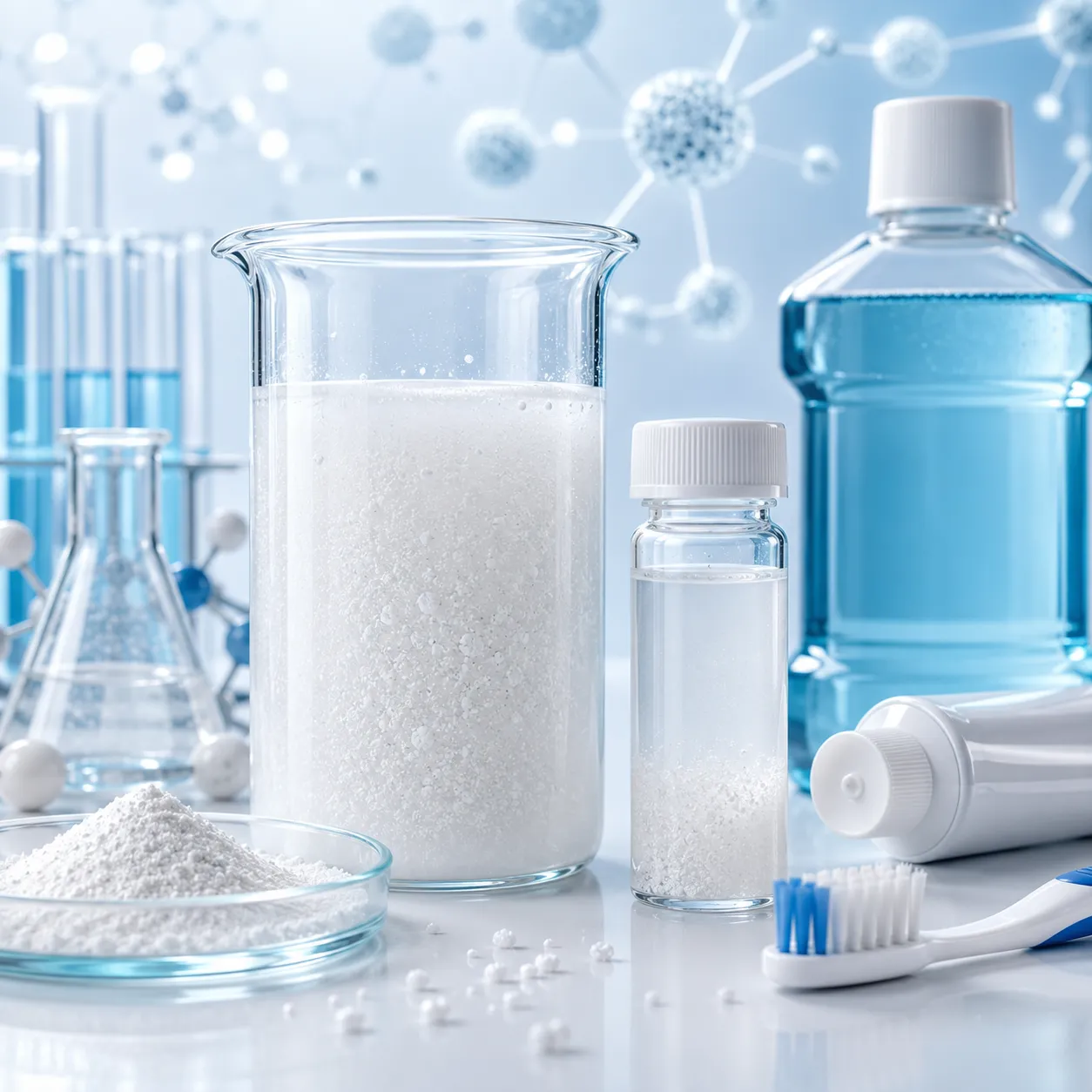
Hydroxyapatite water suspension is becoming an increasingly attractive ingredient format for oral care brands, especially for toothpaste, mouthwash, oral gel and fluoride-free enamel care products. Compared with dry hydroxyapatite powder, a water-based suspension can offer easier dispersion, smoother processing and better compatibility with liquid or semi-liquid formulas.
For formulators, hydroxyapatite is not just a functional mineral. It is also a strong marketing ingredient because it is closely related to the mineral structure of teeth. This makes it easier for consumers to understand concepts such as enamel care, mineral support and biomimetic oral care.
This article explains what hydroxyapatite water suspension is, why brands use it, where it can be applied and what formulation points should be considered before product development.
What Is Hydroxyapatite Water Suspension?
Hydroxyapatite water suspension is a liquid dispersion system in which hydroxyapatite particles are dispersed in water. It may also be described as hydroxyapatite aqueous suspension, hydroxyapatite aqueous dispersion, nano hydroxyapatite suspension or hydroxyapatite slurry, depending on the product form and particle size.
In oral care raw material supply, hydroxyapatite water suspension is often designed to help brands use hydroxyapatite more conveniently in formulas. Instead of adding dry powder directly, formulators can work with a pre-dispersed liquid ingredient, which may reduce dusting, improve mixing and support a more uniform distribution in the final product.
When nano hydroxyapatite is used, particle size, dispersion stability, solid content and microbial control become especially important. These technical details can influence product appearance, texture, sedimentation and long-term storage performance.
Why Use Hydroxyapatite in Oral Care?
Hydroxyapatite is widely known as a calcium phosphate mineral associated with teeth and bones. In oral care products, it is commonly used in formulas designed for enamel care, tooth surface protection and sensitivity-focused daily care.
For brands, hydroxyapatite offers several advantages:
It supports a biomimetic oral care story because it is closely related to the natural mineral composition of teeth.
It fits well with fluoride-free toothpaste and mouthwash trends, especially in markets where consumers are looking for alternative enamel care ingredients.
It can help create a more premium product positioning, moving a formula beyond basic cleaning and fresh breath claims.
It is suitable for different oral care formats, including toothpaste, mouthwash, oral gel, tooth powder and kids’ oral care products.
Because of these advantages, hydroxyapatite has become a popular ingredient for brands that want to build science-driven, gentle and modern oral care formulas.
Benefits of Hydroxyapatite Water Suspension
1. Easier Dispersion in Formulas
One of the main benefits of hydroxyapatite water suspension is processing convenience. Dry powder may require strong mixing, pre-wetting or special dispersion steps. A water-based suspension is already dispersed, which can make it easier to incorporate into toothpaste, mouthwash or gel systems.
This is especially helpful for liquid oral care products where uneven dispersion can lead to visible sediment, poor appearance or inconsistent user experience.
2. Better Suitability for Mouthwash
Hydroxyapatite is not a fully water-soluble ingredient. For mouthwash products, it is usually more realistic to develop a suspension-type mouthwash rather than a completely transparent formula.
A well-designed hydroxyapatite suspension can help brands create a milky, mineral-rich visual identity. This can become part of the product concept, especially for fluoride-free enamel care mouthwash.
3. Strong Consumer-Friendly Story
Consumers may not understand every technical detail of oral care formulation, but they can understand the idea of a tooth-related mineral ingredient. Terms such as “biomimetic mineral,” “enamel care” and “mineral support” are easier to communicate than many highly technical actives.
For B2B brands, this means hydroxyapatite water suspension can support both formulation value and marketing value.
4. Suitable for Fluoride-Free Oral Care
Fluoride-free oral care remains a growing product direction in many markets. Hydroxyapatite is often used as a key ingredient in fluoride-free toothpaste and mouthwash concepts.
Brands can position formulas around daily enamel care, gentle cleaning, sensitive teeth care and modern oral care routines. However, all product claims should be reviewed according to local regulations.
5. Reduced Powder Handling Issues
For manufacturers, handling fine powders may create dust, weighing loss or uneven feeding during production. A liquid suspension can reduce some of these practical problems.
This can be useful for factories that want a cleaner production process or for brands that prefer ready-to-use raw material formats.
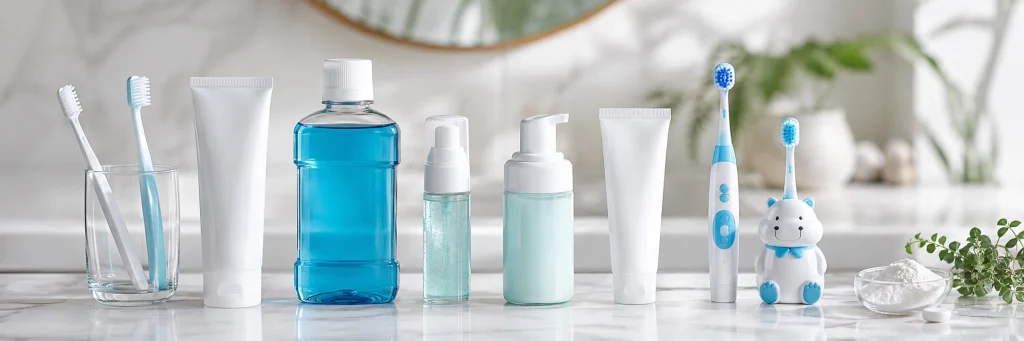
Common Applications of Hydroxyapatite Water Suspension
Toothpaste
Toothpaste is one of the most common applications for hydroxyapatite. A hydroxyapatite aqueous suspension can be added during the water phase or dispersion stage, depending on the formula design.
It is suitable for fluoride-free toothpaste, enamel care toothpaste, sensitive teeth toothpaste and premium daily oral care formulas.
Mouthwash
Hydroxyapatite suspension for mouthwash is a strong product direction. Since hydroxyapatite is particulate rather than fully soluble, the final mouthwash may appear slightly milky or suspended.
For this format, sedimentation control, bottle design and “shake before use” instructions may be considered.
Oral Gel
Oral gel formulas can benefit from hydroxyapatite suspension because the gel network may help improve particle stability and reduce settling. This format is suitable for targeted oral care concepts.
Kids’ Oral Care
Hydroxyapatite is often used in gentle oral care positioning. For children’s toothpaste or mouthwash, brands may combine it with mild flavors, xylitol and low-foaming systems.
Tooth Powder and Tablet Concepts
Although water suspension is mainly useful for liquid or paste formulas, hydroxyapatite itself is also popular in tooth powder and toothpaste tablet concepts. Brands may choose powder or suspension depending on the final product format.
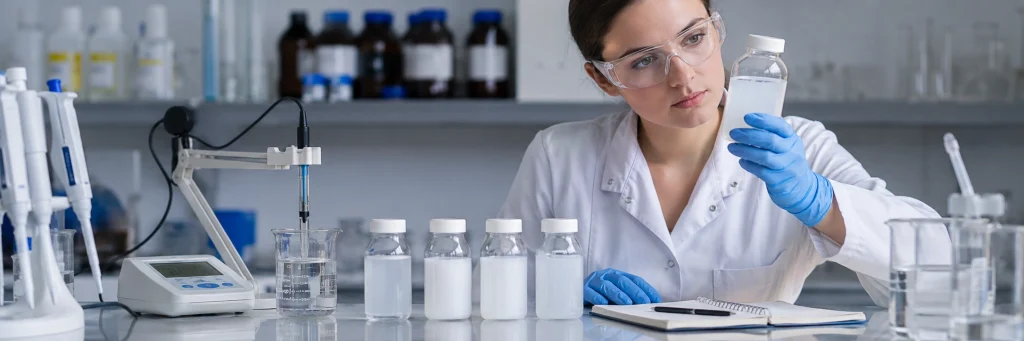
Formulation Tips for Hydroxyapatite Water Suspension
Control Particle Dispersion
Good dispersion is essential. Poorly dispersed hydroxyapatite can cause visible particles, gritty texture or uneven product performance. Formulators should check particle size distribution, suspension uniformity and compatibility with other ingredients.
For toothpaste, sufficient mixing is needed to ensure hydroxyapatite is distributed evenly throughout the paste.
Pay Attention to Sedimentation
Because hydroxyapatite is not fully soluble, sedimentation can occur over time, especially in low-viscosity systems such as mouthwash.
To improve stability, formulators may consider viscosity modifiers, suspending agents or a shake-before-use product design. Stability testing should include room temperature, high temperature and freeze-thaw conditions where relevant.
Choose a Suitable pH Range
Oral care products should generally remain gentle for daily use. For hydroxyapatite formulas, extremely acidic systems are not ideal because they may affect mineral stability and weaken the enamel care positioning.
A mild pH range close to neutral is usually more suitable for hydroxyapatite-based oral care products.
Avoid Incompatible Ingredients
Some strong chelating agents, aggressive acids or high-electrolyte systems may affect suspension stability. Before finalizing the formula, compatibility testing should be performed with flavors, preservatives, surfactants, humectants and other active ingredients.
Optimize Mouthfeel
Hydroxyapatite may bring a slight mineral or powdery mouthfeel, especially at higher use levels. To improve user experience, formulators can work with humectants, sweeteners and flavor systems.
Common supporting ingredients include glycerin, sorbitol, xylitol, mild surfactants and mint flavors.
Consider Microbial Protection
Since hydroxyapatite water suspension contains water, microbial control is important. Suppliers should provide clear information about preservation, microbial limits, recommended storage conditions and shelf life.
For the final formula, preservative efficacy testing should be conducted according to the product type and target market requirements.
Suggested Use Levels
The suitable use level depends on the solid content of the suspension, particle size, product type and target claims.
For concept development, brands may consider the following general directions:
For light daily care formulas: low to moderate hydroxyapatite content may be suitable.
For toothpaste with a stronger enamel care positioning: a higher hydroxyapatite content may be considered.
For mouthwash: formulators should balance performance concept, sedimentation, appearance and mouthfeel.
The actual use level should be confirmed through formulation trials, stability testing and regulatory review.
Hydroxyapatite Water Suspension vs Hydroxyapatite Powder
Both formats have advantages.
Hydroxyapatite powder is flexible, easy to store and suitable for a wide range of formulas. It may be preferred when manufacturers already have strong dispersion equipment.
Hydroxyapatite water suspension is more convenient for liquid and paste systems. It can reduce powder handling and support easier incorporation into formulas.
For mouthwash, oral gel and certain toothpaste systems, hydroxyapatite water suspension may be the more practical choice. For dry products such as tooth powder or tablets, powder may be more suitable.
How to Choose a Hydroxyapatite Water Suspension Supplier
When selecting a supplier, brands should not only compare price. They should also check technical and quality details.
Important questions include:
What is the hydroxyapatite solid content?
What is the particle size range?
Is it nano hydroxyapatite or regular hydroxyapatite?
What is the dispersion medium?
What is the pH range?
How stable is the suspension during storage?
Does the supplier provide COA, specification sheet and safety documents?
Is the product suitable for oral care applications?
Can the supplier support formulation guidance?
A reliable hydroxyapatite suspension supplier should provide both raw material quality and technical support. This is especially important for B2B brands developing toothpaste, mouthwash and oral gel products.
Marketing Claims: What Brands Should Consider
Hydroxyapatite is a strong ingredient for marketing, but claims must be written carefully.
Better claim directions include:
Biomimetic mineral ingredient
Designed for enamel care
Supports daily oral care
Suitable for fluoride-free formulas
Helps maintain a smooth tooth surface feel
Mineral-based oral care ingredient
Avoid strong medical or treatment claims unless they are supported by proper testing and allowed by local regulations.
For global brands, claims should be adjusted for each target market.
FAQ
Is hydroxyapatite water suspension soluble in water?
No. Hydroxyapatite is not fully water-soluble. It is dispersed in water as a suspension. This is why stability, sedimentation control and proper mixing are important.
Can hydroxyapatite water suspension be used in mouthwash?
Yes. It can be used in mouthwash, especially in suspension-type or shake-before-use formulas. The final product may appear milky or slightly cloudy.
Is hydroxyapatite water suspension suitable for fluoride-free toothpaste?
Yes. Hydroxyapatite is commonly used in fluoride-free toothpaste concepts and can support enamel care and biomimetic mineral positioning.
What is the difference between hydroxyapatite suspension and nano hydroxyapatite suspension?
Nano hydroxyapatite suspension contains hydroxyapatite particles in nano-size range. It may offer better dispersion and a smoother mouthfeel, but particle size, safety documentation and regulatory requirements should be carefully reviewed.
Does hydroxyapatite water suspension need preservatives?
In most cases, yes. Since it is a water-based raw material, microbial control is important. The supplier should provide preservation and storage information.
Conclusion
Hydroxyapatite water suspension is a practical and marketable ingredient format for modern oral care products. It combines the consumer-friendly story of a biomimetic mineral with the formulation convenience of a pre-dispersed liquid ingredient.
For toothpaste, mouthwash and oral gel brands, it can support enamel care, fluoride-free oral care and premium mineral-based product positioning. However, successful formulation depends on dispersion quality, sedimentation control, pH, mouthfeel, preservation and regulatory review.
For brands looking to develop next-generation oral care products, hydroxyapatite water suspension is a valuable ingredient to consider.
CTA
Looking for hydroxyapatite water suspension for toothpaste, mouthwash or oral care formulations? Contact us to learn more about specifications, application guidance and sample availability.





Please leave us a message.