

Egg Retrieval Needles: Design, Specifications, and Clinical Applications in IVF
2026-01-23
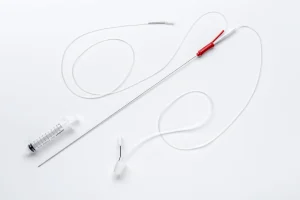 | 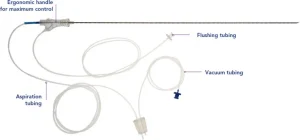 |
1. Introduction: The Key Role of Egg Retrieval Needles in IVF
Egg retrieval needle, IVF egg retrieval needle, and IVF aspiration needle are central to ART outcomes. Needle design—gauge, length, tip, and lumen—directly affects oocyte recovery, safety, and workflow. This article explains design, specifications, and informed selection for real IVF needs.
2. What Is an Egg Retrieval Needle? (Terminology and Definitions)
An egg retrieval needle is a sterile needle designed for transvaginal oocyte aspiration under ultrasound guidance. In professional literature and clinical settings, it may also be referred to as an oocyte retrieval needle, oocyte extraction needle, or egg collection needle.
Aliases and Industry Terminology
Egg retrieval needle
IVF aspiration needle
Oocyte retrieval needle
Egg collection needle
Although terminology varies, these terms generally describe the same device category used during follicular aspiration.
Disposable vs. Reusable Concepts
Modern IVF practice overwhelmingly favors single-use (disposable) egg retrieval needles. Reusable designs have largely been phased out due to sterilization challenges, infection risk, and regulatory expectations.
Position in IVF Aspiration Systems
The egg retrieval needle is connected to an aspiration line and vacuum source, forming part of a closed IVF aspiration system. Its compatibility with ultrasound probes and aspiration pumps is essential for stable and controlled oocyte retrieval.
3. Key Design Components of IVF Oocyte Retrieval Needles
3.1 Needle Specifications and Length
IVF aspiration needle specifications typically vary in gauge and length to accommodate different patient anatomies and clinical protocols.
Common gauges balance penetration ability with gentle aspiration
Length selection influences reach, stability, and operator control
Appropriate specification selection can improve follicle access, optimize aspiration flow rate, and enhance patient comfort during the procedure.
3.2 Needle Tip Geometry and Bevel Design
The needle tip plays a critical role in tissue interaction.
Sharp bevel tips allow precise follicle puncture
Atraumatic or refined bevel designs help minimize tissue trauma
Well-designed tips support clean penetration while preserving oocyte integrity and reducing unnecessary ovarian tissue disruption.
3.3 Lumen Structure and Hemodynamics
The internal lumen must support smooth fluid dynamics.
Polished inner surfaces reduce friction and turbulence
Stable flow helps protect oocytes during aspiration
Optimized lumen design contributes directly to oocyte retrieval efficiency and consistency.
4. Single-Lumen vs. Double-Lumen Oocyte Retrieval Needles
4.1 Single-Lumen Oocyte Retrieval Needle
A single-lumen oocyte retrieval needle features one internal channel dedicated to aspiration.
Structure and working principle:
One lumen connected to vacuum aspiration
Simple and direct fluid pathway
Typical clinical indications:
Standard IVF cycles
Normal follicle development
Advantages:
Simple operation
Stable suction control
Lower cost and easier handling
4.2 Double-Lumen Oocyte Retrieval Needle
A double-lumen oocyte retrieval needle integrates two separate channels.
Design characteristics:
One lumen for aspiration
One lumen for follicular flushing
Clinical applications:
Low follicle count cases
Difficult oocyte retrieval scenarios
Advantages and disadvantages:
Allows flushing to recover missed oocytes
Higher complexity and cost
Slightly increased procedural time
4.3 Single-Lumen vs. Double-Lumen: How to Choose?
Selection depends on clinical goals:
Single-lumen needles suit routine IVF cases and high-volume workflows
Double-lumen needles may be preferred when maximizing recovery in challenging cases
Cost, workflow efficiency, and clinical success rates should all be weighed during selection.
5. Single-Use Egg Retrieval Needles: Safety and Compliance
Single-use egg retrieval needles have become the global standard in IVF.
Why Single-Use Is Preferred
Eliminates cross-contamination risk
Ensures consistent sharpness and performance
Reduces sterilization complexity
Infection Control and Compliance
Disposable needles support strict infection control protocols and align with international quality expectations.
Regulatory and Quality Overview
Egg retrieval needles are typically manufactured under standards such as:
ISO quality systems
CE marking for European markets
FDA registration for U.S. distribution
This ensures safety, traceability, and consistent production quality.
6. Clinical Application of Egg Retrieval Needles in IVF Procedures
6.1 Role in Transvaginal Egg Retrieval
Egg retrieval needles are used in ultrasound-guided transvaginal oocyte retrieval.
Educational overview:
Ultrasound guides needle positioning
Follicles are punctured sequentially
Oocytes are aspirated into collection tubes
Needle visibility under ultrasound and stable handling are critical for procedural accuracy.
6.2 Factors Affecting Egg Retrieval Outcomes
Several variables influence success:
Needle gauge and suction balance
Operator experience and technique
Follicle size and ovarian response
Optimized needle design supports consistency but must be paired with skilled operation.
7. How to Choose the Right IVF Egg Retrieval Needle
7.1 For IVF Clinics and Fertility Centers
Key considerations include:
Annual case volume
Patient demographics
Frequency of single-lumen vs. double-lumen use
Standardization can improve efficiency and training outcomes.
7.2 For Physicians and Embryologists
Clinicians often prioritize:
Tactile feedback and control
Clear ultrasound visibility
Reliable aspiration performance
Compatibility with existing aspiration systems is also essential.
7.3 For Purchasing Managers and Distributors
Procurement decisions often involve:
Minimum order quantities
Shelf life and sterile packaging
OEM/ODM availability
Long-term supply stability
Consistency and regulatory compliance are critical for institutional buyers.
8. Quality Standards and Production Considerations
High-quality egg retrieval needles are produced using:
Medical-grade stainless steel and polymers
Validated sterilization methods (e.g., EO)
Strict batch control and traceability
Reliable manufacturing supports clinical confidence and regulatory readiness.
9. Frequently Asked Questions (FAQ)
What is the optimal specification for an egg retrieval needle in IVF?
It depends on patient anatomy and clinical protocol, but balance between penetration and gentle aspiration is key.
When should a double-lumen egg retrieval needle be used?
In cases with low follicle count or difficult oocyte recovery.
Is a disposable egg retrieval needle mandatory?
Single-use needles are strongly recommended and widely required by modern IVF standards.
How does needle design affect oocyte quality?
Smooth lumen surfaces and controlled flow help protect oocytes during aspiration.
10. Conclusion: Optimizing IVF Outcomes Starts with the Right Egg Retrieval Needle
Choosing the right egg retrieval needle is a strategic decision that directly impacts IVF efficiency, safety, and consistency. By aligning clinical needs with needle design, specifications, and quality standards, IVF professionals can support better procedural outcomes.
We encourage readers to deepen their understanding of egg retrieval needle technology and explore reliable solutions that match their clinical and operational goals. Selecting the right equipment is a meaningful step toward advancing IVF success and patient care.







Please leave us a message.