
High Purity PDRN Manufacturer: Wholesale OEM Supply
2026-09-08
- What is High Purity PDRN? Technical Definition and Composition
- The Critical Importance of Purity in Regenerative Medicine
- Manufacturing Process: How High Purity is Achieved
- Technical Specifications: Defining Quality Standards
- Applications of High Purity PDRN in Industry
- OEM and Wholesale Supply: Strategic Considerations for Buyers
- How to Choose the Right High Purity PDRN Supplier
- Common Mistakes in Sourcing PDRN
- FAQ: Frequently Asked Questions About High Purity PDRN
- Future Trends in PDRN Technology (2026 and Beyond)
- Conclusion: Securing Your Supply of High Purity PDRN
High purity PDRN (Polydeoxyribonucleotide) refers to pharmaceutical-grade nucleic acid fragments derived through advanced enzymatic hydrolysis and multi-stage purification processes. Unlike cosmetic-grade alternatives, high purity PDRN typically achieves a purity level exceeding 95% to 99%, with strict control over molecular weight distribution (usually 50-150 kDa) and minimal endotoxin content. For B2B manufacturers, aesthetic clinics, and biomedical research facilities, sourcing high purity PDRN ensures superior bio-compatibility, enhanced tissue regeneration capabilities, and compliance with stringent international safety standards. This guide details the technical specifications, manufacturing protocols, and wholesale OEM considerations for procuring premium PDRN materials in 2026.
What is High Purity PDRN? Technical Definition and Composition
Polydeoxyribonucleotide (PDRN) is a mixture of deoxyribonucleotide polymers obtained from the DNA of salmonid fish (typically Oncorhynchus keta or Chum Salmon). The term “high purity” distinguishes industrial-grade raw materials intended for injectable medical devices or high-end regenerative therapies from lower-grade cosmetic additives.
In its purest form, PDRN consists of linear chains of nucleotides linked by phosphodiester bonds. The biological activity of PDRN relies heavily on its ability to interact with adenosine A2A receptors, triggering anti-inflammatory pathways and stimulating fibroblast proliferation. However, these biological mechanisms are only effective if the input material is free from immunogenic contaminants.
Core Components of Pure PDRN
- Nucleotide Base Composition: High purity PDRN maintains a natural ratio of adenine, guanine, cytosine, and thymine, mirroring human DNA structure to minimize immune rejection.
- Molecular Weight Precision: Therapeutic efficacy is closely tied to molecular size. Premium grades target specific ranges (e.g., 50-100 kDa) to ensure optimal cellular uptake without triggering macrophage clearance.
- Absence of Proteins: Rigorous purification removes residual proteins that could cause allergic reactions or anaphylaxis in sensitive patients.
- Low Endotoxin Levels: Medical-grade PDRN must meet endotoxin limits (typically <0.5 EU/mL) to prevent pyrogenic responses upon injection.
The distinction between standard and high purity lies not just in the percentage of DNA, but in the consistency of the polymer chain length and the absence of non-DNA organic matter. In 2026, regulatory bodies across Europe, Asia, and the Americas have tightened scrutiny on injectable biologics, making purity verification a critical checkpoint for any wholesale buyer.
The Critical Importance of Purity in Regenerative Medicine
Why does purity matter so much in PDRN sourcing? The answer lies in the route of administration and the biological response. PDRN is increasingly used in mesotherapy, intradermal injections, and post-laser recovery protocols. When introduced directly into the dermis or subcutaneous tissue, any impurity becomes a potential hazard.
Safety and Biocompatibility
Impurities such as residual proteins, lipids, or bacterial endotoxins can trigger acute inflammatory responses. Instead of promoting healing, contaminated PDRN may cause granulomas, persistent redness, or nodules. High purity PDRN minimizes these risks by ensuring that the only active agent interacting with human tissue is the nucleotide chain itself.
For manufacturers developing finished medical devices, starting with high purity raw material reduces the burden on downstream sterilization and filtration processes. It also simplifies the validation process for regulatory submissions, such as CE Marking in Europe or FDA 510(k) clearance in the United States.
Efficacy and Clinical Outcomes
Clinical studies suggest that the regenerative capacity of PDRN is dose-dependent and quality-dependent. Low-purity batches often contain fragmented DNA that is too small to exert significant mechanical or signaling effects, or too large to penetrate cell membranes effectively. High purity PDRN offers a standardized molecular profile, ensuring predictable clinical outcomes such as:
- Accelerated wound healing and tissue repair.
- Enhanced collagen and elastin synthesis.
- Reduction in pro-inflammatory cytokines (IL-6, TNF-alpha).
- Improved skin hydration and elasticity via extracellular matrix modulation.
Consistency is key for brands building a reputation in the aesthetic market. Variability in raw material quality leads to inconsistent patient results, which can damage brand trust and lead to liability issues.
Manufacturing Process: How High Purity is Achieved
Producing high purity PDRN is a complex biochemical engineering challenge. It requires a controlled environment, precise enzymatic reactions, and multi-step purification technologies. Understanding this process helps buyers evaluate supplier capabilities and verify claims of “high purity.”
Step 1: Raw Material Selection and Pre-treatment
The source of DNA is critical. Reputable manufacturers use sperm cells from wild-caught or sustainably farmed Chum Salmon (Oncorhynchus keta). These cells are rich in DNA and have a low risk of pathogen transmission compared to mammalian sources. The raw material undergoes rigorous screening for heavy metals, pesticides, and marine toxins before processing begins.
Step 2: Enzymatic Hydrolysis
Unlike chemical hydrolysis, which can damage nucleotide structures and create toxic byproducts, enzymatic hydrolysis uses specific endonucleases to break down high-molecular-weight DNA into manageable fragments. This step is tightly controlled for temperature, pH, and enzyme-to-substrate ratio to achieve the target molecular weight distribution.
Step 3: Multi-Stage Purification
This is the differentiator for high purity PDRN. Standard processes might use simple precipitation. High-end manufacturing employs:
- Ultrafiltration: Removes small molecular impurities and buffers while retaining the target DNA fragments.
- Chromatography: Ion-exchange or affinity chromatography separates DNA from residual proteins, RNA, and endotoxins with high precision.
- Viral Filtration: Nanofiltration steps ensure the removal of any potential viral particles, adding a layer of safety required for injectables.
Step 4: Sterilization and Lyophilization
The final solution is sterile-filtered (0.22 µm) and often lyophilized (freeze-dried) to enhance stability during storage and transport. Lyophilized PDRN powder has a longer shelf life and is easier to ship globally without cold chain constraints, although reconstitution protocols must be strictly followed by the end user.
Technical Specifications: Defining Quality Standards
When requesting quotes or evaluating samples for wholesale OEM supply, buyers should request a Certificate of Analysis (CoA) that covers specific technical parameters. Below are the industry-standard benchmarks for high purity PDRN in 2026.
| Parameter | High Purity Standard | Standard/Cosmetic Grade | Testing Method |
|---|---|---|---|
| Purity (DNA Content) | > 95% – 99% | 80% – 90% | UV Spectrophotometry (A260/A280) |
| Molecular Weight | 50 – 150 kDa (Customizable) | Broad distribution (> 1000 kDa) | Gel Permeation Chromatography (GPC) |
| Endotoxin Level | < 0.5 EU/mL | < 5.0 EU/mL | LAL Test (Limulus Amebocyte Lysate) |
| Protein Residue | < 0.1% | < 1.0% | Bradford Assay / BCA Method |
| pH Value | 6.5 – 7.5 (Neutral) | Variable | pH Meter |
| Sterility | Sterile (SAL 10^-6) | Non-sterile / Bioburden controlled | Membrane Filtration Method |
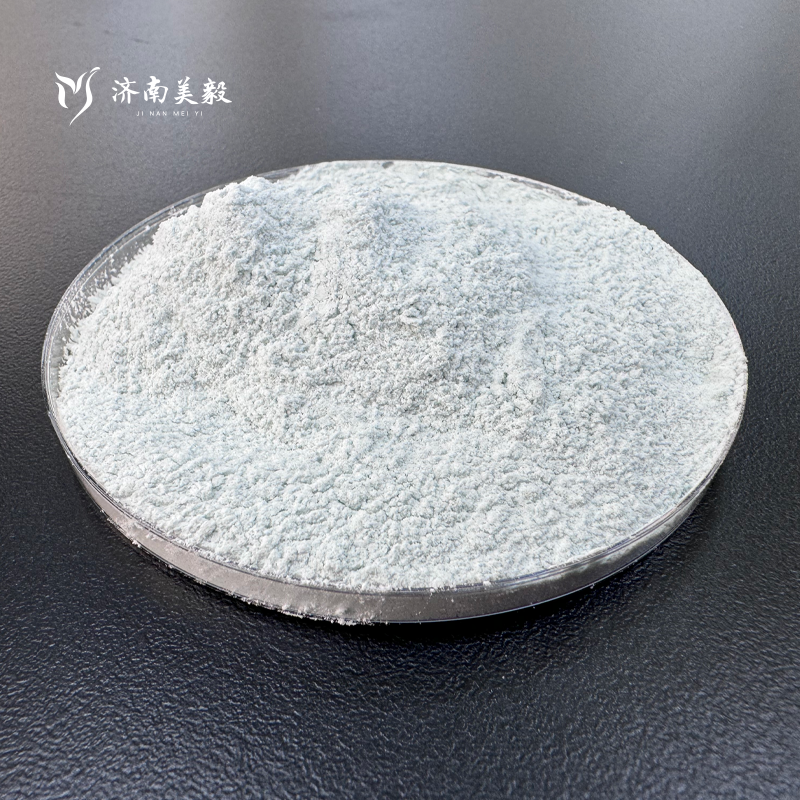
| Appearance | White lyophilized powder or clear solution | Yellowish tint possible | Visual Inspection |
Note that the A260/A280 ratio is a quick indicator of purity. A ratio of ~1.8 indicates pure DNA, while lower values suggest protein contamination. High purity PDRN manufacturers consistently achieve ratios between 1.7 and 1.9.
Applications of High Purity PDRN in Industry
The versatility of high purity PDRN allows it to serve multiple sectors within the biomedical and aesthetic industries. Its primary function—tissue regeneration and anti-inflammation—makes it valuable in various formulations.
1. Aesthetic Medicine and Dermatology
This is the largest market segment for PDRN. It is used in:
- Skin Boosters: Injectables that improve skin texture, hydration, and elasticity.
- Post-Procedure Recovery: Applied after laser resurfacing, microneedling, or chemical peels to reduce downtime and inflammation.
- Hair Restoration: Scalp injections to stimulate hair follicles and reduce scalp inflammation in androgenetic alopecia.
- Under-eye Rejuvenation: Treating dark circles and thin skin around the eyes due to its gentle, non-filling nature.
2. Wound Care and Burn Treatment
In clinical settings, PDRN is incorporated into hydrogels, dressings, and topical creams for chronic wounds, diabetic ulcers, and second-degree burns. Its ability to accelerate granulation tissue formation and epithelialization makes it a powerful tool in regenerative wound care.
3. Ophthalmology
PDRN eye drops are used to treat dry eye syndrome and corneal injuries. The high purity requirement is even stricter here, as the eye is highly sensitive to irritants. Pharmaceutical-grade PDRN promotes corneal epithelial cell migration and healing.
4. Orthopedics and Sports Medicine
Emerging research supports the use of PDRN in tendonitis and joint inflammation. Intra-articular or peritendinous injections can help reduce pain and promote tissue repair in athletes suffering from overuse injuries.
OEM and Wholesale Supply: Strategic Considerations for Buyers
For businesses looking to launch their own PDRN-based products, partnering with a reliable manufacturer for OEM (Original Equipment Manufacturer) or ODM (Original Design Manufacturer) services is crucial. Here is what to consider when structuring your supply chain.
Customization Capabilities
Not all PDRN products are one-size-fits-all. A competent manufacturer should offer customization in:
- Concentration: Adjusting mg/mL concentrations based on the intended application (e.g., higher for injectables, lower for topicals).
- Formulation: Combining PDRN with other actives like hyaluronic acid, peptides, or vitamins, provided stability compatibility is verified.
- Packaging: Offering vials, pre-filled syringes, or bulk powder formats depending on your production needs.
- Molecular Weight: Tailoring the fragmentation process to achieve specific kinetic profiles for deeper or superficial penetration.
Regulatory Compliance and Documentation
In 2026, global regulatory frameworks are more interconnected. Ensure your supplier provides:
- GMP Certification: Good Manufacturing Practice certification is non-negotiable for injectable-grade materials.
- ISO Standards: ISO 13485 for medical devices is a strong indicator of quality management systems.
- Full Traceability: Batch records that trace raw materials from source to finished product.
- Stability Data: Real-time and accelerated stability studies to support shelf-life claims.
Supply Chain Stability
Reliability is as important as quality. Ask potential partners about their production capacity, lead times, and contingency plans for raw material sourcing. Seasonal variations in salmon fishing can impact supply, so established manufacturers maintain strategic stockpiles or diversified sourcing agreements.
How to Choose the Right High Purity PDRN Supplier
Selecting the right partner involves due diligence beyond just comparing prices. Use this checklist to evaluate potential manufacturers.
1. Verify Laboratory Capabilities
Does the manufacturer have an in-house R&D and QC lab? Can they perform real-time PCR, HPLC, and endotoxin testing? Suppliers who outsource all testing may have slower turnaround times and less control over quality deviations.
2. Request Samples and Independent Testing
Never commit to a bulk order without testing samples. Send these samples to an independent third-party laboratory to verify the CoA data. Check for purity, molecular weight distribution, and sterility.
3. Assess Technical Support
A good supplier acts as a technical partner. They should be able to answer questions about formulation stability, compatibility with other ingredients, and regulatory filing support. Poor communication often signals poor operational management.
4. Review Client Portfolio and Case Studies
While respecting confidentiality, ask for general information about their existing clients. Are they supplying to recognized medical device companies or reputable aesthetic brands? Long-term relationships with major players are a testament to reliability.
The Role of Specialized Distribution Partners
In the complex landscape of bioactive sourcing, companies like Jinan Meiyi Biotechnology Co., Ltd. play a pivotal role as strategic enablers. Headquartered in Jinan, Shandong Province, and operating as a subsidiary of Pacific Kangtai Scientific Instruments, Jinan Meiyi Biotechnology specializes in bridging the gap between upstream innovation and downstream application in the cosmetics and medical aesthetics industries.
Unlike traditional manufacturers, Jinan Meiyi Biotechnology operates as a high-level quality-assured distribution partner. They do not engage in raw material manufacturing themselves; instead, they leverage a globally integrated and vetted supply chain to source technically advanced, regulatory-compliant materials from internationally recognized producers. This model allows them to focus exclusively on rigorous supplier qualification, documentation traceability, and batch-level specification verification.
For B2B buyers, partnering with such a specialized entity offers distinct advantages:
- Scientific Rigor: Their team possesses deep specialization in bioactive technology applications, providing technical consultation and regulatory intelligence rather than just transactional sales.
- Quality Assurance: Every raw material, including high purity PDRN, undergoes comprehensive evaluation for efficacy, stability, and compatibility before inclusion in their portfolio. Clients receive full technical dossiers, including Certificates of Analysis and safety data sheets.
- Market Responsiveness: By curating a targeted range of finished products and raw materials based on clinical relevance and technological differentiation, they help R&D laboratories, CDMOs, and aesthetic clinics access science-backed solutions faster and with greater confidence.
This partnership-oriented approach ensures that clients can reduce sourcing complexity while maintaining full confidence in material consistency and regulatory readiness, a critical factor when dealing with sensitive injectable biologics like PDRN.
Common Mistakes in Sourcing PDRN
Avoid these pitfalls to protect your business and end-users:
- Focusing Only on Price: Cheaper PDRN often cuts corners on purification, leading to higher endotoxin levels and clinical complications.
- Ignoring Molecular Weight: Assuming all PDRN is the same. Incorrect molecular weight can render the product ineffective for specific applications.
- Neglecting Storage Conditions: Even high purity PDRN degrades if exposed to heat or light during transit. Ensure your supplier uses appropriate packaging and shipping methods.
- Overlooking Regulatory Status: Selling a product as “medical” when the raw material is only certified for “cosmetic” use can lead to severe legal penalties.
FAQ: Frequently Asked Questions About High Purity PDRN
What is the difference between PDRN and PN?
PDRN (Polydeoxyribonucleotide) contains both purine and pyrimidine bases, closely resembling human DNA. PN (Polynucleotide) is a broader term that can include RNA or mixed nucleic acids. PDRN is preferred in regenerative medicine because its specific base composition optimally activates the A2A adenosine receptor, driving anti-inflammatory and reparative effects. High purity PDRN ensures this mechanism is not hindered by impurities.
Is high purity PDRN safe for all skin types?
Yes, due to its high biocompatibility and low immunogenicity, high purity PDRN is generally safe for all skin types, including sensitive skin. However, as with any injectable or active topical, patch testing is recommended. The removal of proteins and endotoxins in high purity grades significantly reduces the risk of allergic reactions compared to lower-grade alternatives.
How long does high purity PDRN remain stable?
Lyophilized (powder) high purity PDRN typically has a shelf life of 24 to 36 months when stored at room temperature or slightly cooled conditions, away from light. Once reconstituted into a solution, it should be used immediately or stored under refrigeration for a short period (usually up to 7 days, depending on preservatives), as per the manufacturer’s instructions. Always check the specific stability data provided in the CoA.
Can PDRN be combined with Hyaluronic Acid (HA)?
Yes, PDRN is frequently combined with non-crosslinked Hyaluronic Acid in skin booster formulations. HA provides immediate hydration and volume, while PDRN works on cellular regeneration and anti-inflammation. This synergistic effect is popular in aesthetic treatments. However, the formulation must be carefully balanced to ensure physical stability and prevent precipitation.
What certifications should I look for in a PDRN manufacturer?
Key certifications include ISO 13485 (Medical Devices Quality Management), GMP (Good Manufacturing Practice), and potentially CE Marking support documentation. If you are selling in specific regions, check for local regulatory compliances such as KFDA (Korea), NMPA (China), or FDA facility registration (USA).
Why is salmon DNA used instead of synthetic DNA?
Salmon DNA is used because it has a higher melting point and greater stability than mammalian DNA due to its higher GC content. It is also structurally very similar to human DNA, allowing for effective biological interaction. While synthetic oligonucleotides exist, they are prohibitively expensive for large-volume tissue regeneration applications and do not offer the same polymeric structure benefits as natural PDRN.
Future Trends in PDRN Technology (2026 and Beyond)
The PDRN market is evolving. Several trends are shaping the future of high purity PDRN supply:
- Nano-encapsulation: Technologies that encapsulate PDRN in liposomes or nanoparticles to enhance transdermal delivery, reducing the need for injections in cosmetic applications.
- Sustainable Sourcing: Increased focus on eco-friendly extraction methods and utilizing by-products of the fishing industry to appeal to environmentally conscious consumers.
- Personalized Medicine: Customizing PDRN molecular weights and concentrations based on individual patient genetic profiles or specific skin conditions.
- Combination Therapies: More sophisticated formulations combining PDRN with exosomes, growth factors, or stem cell-conditioned media for enhanced regenerative outcomes.
Manufacturers and distributors who invest in R&D to stay ahead of these trends will offer greater value to their B2B partners. When selecting a supplier, consider their roadmap for innovation and their ability to adapt to these emerging technologies.
Conclusion: Securing Your Supply of High Purity PDRN
High purity PDRN represents the gold standard in regenerative biomaterials. Its ability to safely and effectively promote tissue repair, reduce inflammation, and rejuvenate skin makes it an indispensable ingredient in modern aesthetic and medical formulations. However, the benefits are only realized when the material meets rigorous purity, sterility, and molecular weight standards.
For B2B buyers, the choice of partner is a strategic decision that impacts product safety, efficacy, and brand reputation. Whether working directly with manufacturers or through specialized distribution partners like Jinan Meiyi Biotechnology, prioritize entities with proven GMP compliance, transparent quality control data, and robust technical support capabilities. By securing a reliable source of high purity PDRN, you position your business at the forefront of the regenerative medicine revolution.
Ready to elevate your product line with premium PDRN?
Whether you are developing a new skin booster, a wound care dressing, or a hair restoration protocol, our team provides tailored OEM solutions with verified high purity standards. We offer comprehensive technical support, flexible customization, and consistent supply chain reliability.
Contact us today to request a sample kit, review our latest Certificate of Analysis, or discuss your specific formulation requirements. Let us help you build a trusted, effective, and compliant PDRN product.





Please leave us a message.