

Medical-Grade Hydroxyapatite: Advanced Uses in Orthopedics & Aesthetics
2026-04-01
Introduction
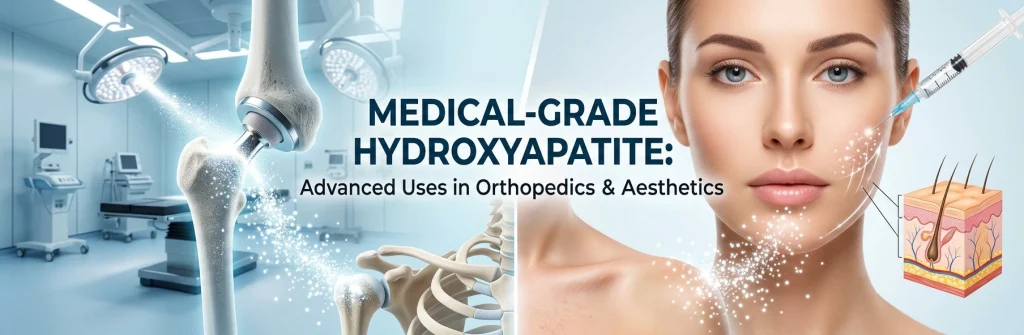
In today’s rapidly evolving medical landscape, the demand for biocompatible, high-performance biomaterials continues to grow. Among these, medical-grade hydroxyapatite has emerged as a cornerstone material in both orthopedic surgery and aesthetic medicine.
We see a consistent challenge across these fields: professionals need materials that not only perform effectively but also integrate safely with the human body over the long term. Whether it’s ensuring implant stability or achieving natural-looking aesthetic results, the margin for error is minimal.
In this article, we explore how medical-grade hydroxyapatite addresses these needs. We’ll walk through its composition, key properties, clinical applications, and how to select high-quality material for professional use.
What Is Medical-Grade Hydroxyapatite?
Chemical Composition & Structure
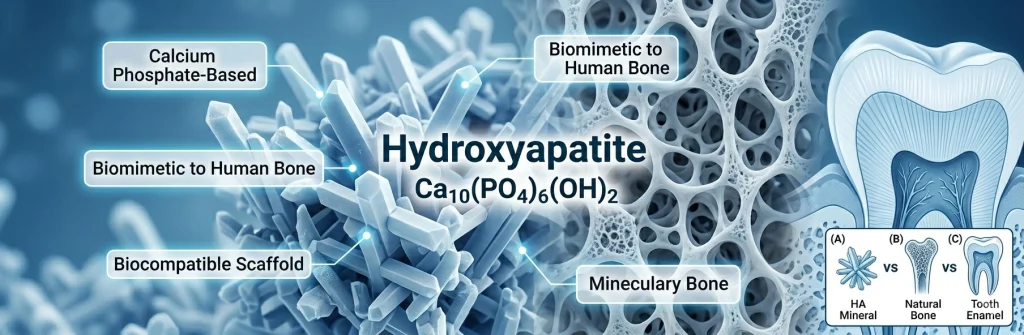
Medical-grade hydroxyapatite (HA) is a calcium phosphate-based biomaterial that closely resembles the mineral component of human bones and teeth. This structural similarity is what makes it exceptionally suitable for medical applications.
Because of this biomimetic nature, we can use hydroxyapatite to support natural biological processes such as bone regeneration and tissue integration.
Key Properties
Several properties make medical-grade hydroxyapatite highly valuable:
- Biocompatibility: It is well tolerated by the human body with minimal risk of adverse reactions.
- Osteoconductivity: It supports bone cell attachment and growth, acting as a scaffold for new tissue formation.
- Non-toxic & Bioactive: It actively participates in biological processes rather than remaining inert.
Medical vs. Cosmetic vs. Industrial Grades
Not all hydroxyapatite is created equal. Medical-grade HA must meet strict purity and safety standards, often aligned with FDA or CE regulatory frameworks.
- Medical Grade: High purity, strict particle control, clinical compliance
- Cosmetic Grade: Suitable for topical or injectable aesthetic use
- Industrial Grade: Used in non-biological applications, with lower purity requirements
Understanding these differences is critical when sourcing materials for clinical use.
Why Medical-Grade Hydroxyapatite Matters in Modern Medicine
The shift toward regenerative medicine and minimally invasive procedures has accelerated the adoption of advanced biomaterials like hydroxyapatite.
Compared with traditional materials:
- Titanium: Offers strength but lacks bioactivity
- PMMA (polymethyl methacrylate): Provides structural support but is not biodegradable
- Hyaluronic Acid: लोकप्रिय in aesthetics but temporary in effect
Medical-grade hydroxyapatite bridges these gaps by offering both biological integration and durability, making it highly versatile across disciplines.
Applications in Orthopedics
Bone Grafting & Regeneration
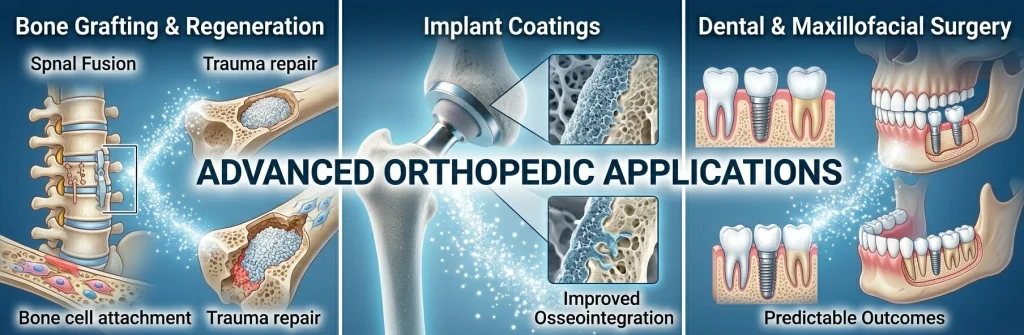
Hydroxyapatite is widely used as a bone regeneration material. It acts as a scaffold that supports the growth of new bone tissue, making it ideal for:
- Trauma repair
- Spinal fusion procedures
- Bone defect reconstruction
We often see it used in combination with other materials to enhance healing outcomes.
Implant Coatings
One of the most impactful uses of hydroxyapatite is as a coating for orthopedic implants. By improving osseointegration, it helps implants bond more effectively with surrounding bone.
This is especially important in joint replacements, where long-term stability is critical.
Dental & Maxillofacial Surgery
In dental and craniofacial applications, hydroxyapatite supports:
- Bone defect repair
- Dental implant stabilization
- Jaw reconstruction
Its similarity to natural bone mineral ensures predictable and safe outcomes.
Applications in Medical Aesthetics & Plastic Surgery
Dermal Fillers (CaHA Fillers)
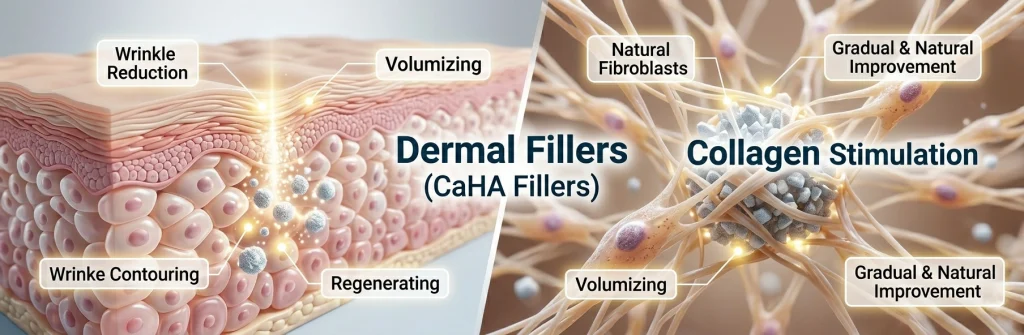
Calcium hydroxyapatite (CaHA) fillers are widely used in aesthetic medicine for:
- Facial contouring
- Wrinkle reduction
- Volume restoration
Compared to hyaluronic acid fillers, CaHA offers longer-lasting results and improved structural support.
Collagen Stimulation
Beyond immediate volume enhancement, hydroxyapatite stimulates collagen production. This leads to gradual and natural-looking improvements in skin texture and elasticity.
We find this particularly valuable in anti-aging treatments where subtle, long-term enhancement is preferred.
Reconstructive Surgery
In reconstructive procedures, hydroxyapatite is used for:
- Facial reconstruction
- Soft tissue augmentation
- Post-trauma restoration
Its ability to integrate with tissue makes it a reliable choice for complex cases.
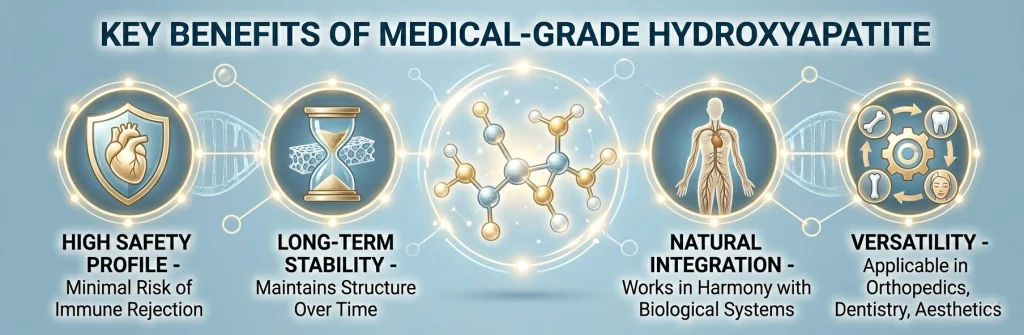
Key Benefits of Medical-Grade Hydroxyapatite
Medical professionals choose hydroxyapatite for several compelling reasons:
- High Safety Profile: Minimal risk of immune rejection
- Long-Term Stability: Maintains structure over time
- Natural Integration: Works in harmony with biological systems
- Versatility: Applicable in orthopedics, dentistry, and aesthetics
These advantages make it a go-to material for both functional and cosmetic applications.
Challenges & Considerations
Despite its benefits, there are important factors to consider:
- Cost: Higher than some traditional materials
- Regulatory Compliance: Requires strict adherence to medical standards
- Particle Size & Formulation: Impacts performance in different applications
- Supplier Consistency: Quality can vary significantly between manufacturers
We recommend evaluating these factors carefully before selecting a supplier.
How to Choose High-Quality Medical-Grade Hydroxyapatite
Purity & Certification
Always look for materials that meet recognized standards such as:
- ISO certification
- GMP manufacturing
- FDA or CE compliance
These ensure safety and reliability in clinical applications.
Particle Size & Morphology
Different applications require different particle characteristics:
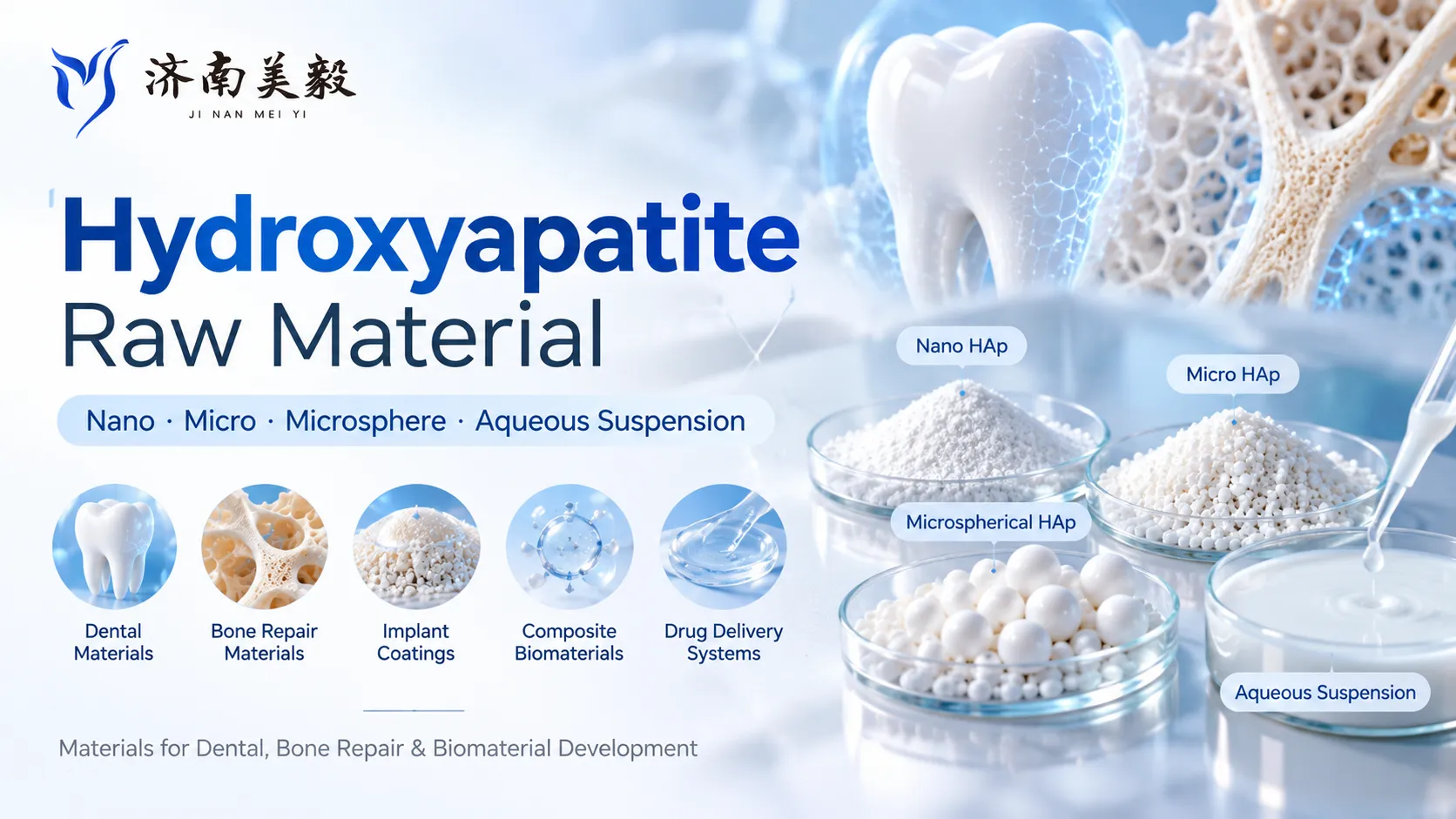
- Nano-sized HA: Ideal for coatings and advanced biomedical uses
- Micro-sized HA: Common in fillers and bone grafts
Choosing the right form is essential for optimal performance.
Supplier Reliability
A dependable supplier should offer:
- Consistent product quality
- Comprehensive technical documentation
- Stable supply chains
This is especially important for long-term clinical or commercial use.
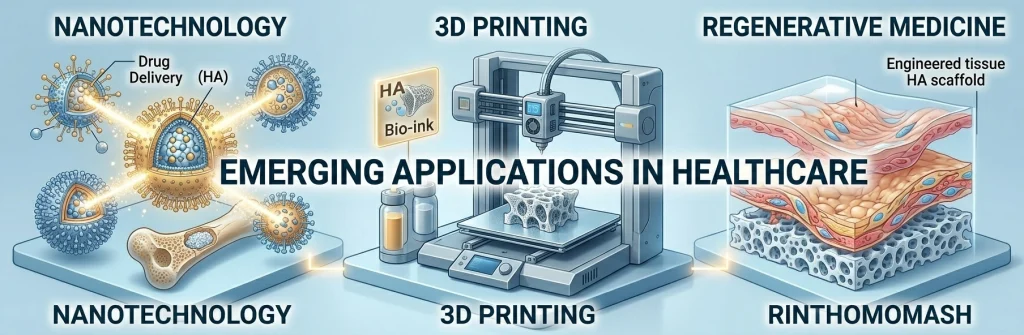
Future Trends in Hydroxyapatite Applications
Looking ahead, we see several exciting developments:
- Nanotechnology: Enhancing bioactivity and targeted applications
- 3D Printing: Custom bone scaffolds for personalized medicine
- Regenerative Medicine: Expanding use in tissue engineering
These innovations are set to further solidify hydroxyapatite’s role in modern healthcare.
FAQs
What is medical-grade hydroxyapatite used for?
It is used in bone grafting, implant coatings, dermal fillers, and tissue regeneration.
Is hydroxyapatite safe for implants and fillers?
Yes, its high biocompatibility makes it safe and widely used in clinical settings.
How does it compare to hyaluronic acid?
Hydroxyapatite offers longer-lasting results and stimulates collagen, while hyaluronic acid provides temporary volume.
What industries use medical-grade hydroxyapatite?
Orthopedics, dentistry, aesthetic medicine, and biomedical engineering all rely on it.
Conclusion & Call to Action
Medical-grade hydroxyapatite continues to redefine what’s possible in both orthopedic and aesthetic applications. Its unique combination of safety, bioactivity, and versatility makes it an essential material for modern medical professionals.
As demand grows, choosing the right material—and the right supplier—becomes increasingly important.
Want to explore high-quality medical-grade hydroxyapatite for your applications?
We invite you to:
- Request a product sample
- Download detailed technical specifications
- Contact us to discuss your specific project needs
Let’s work together to bring advanced biomaterials into your next innovation. 🚀







Please leave us a message.