

Hydroxyapatite as Fluoride Alternative: 2026 Guide & Top Brands
2026-10-14
- Understanding Hydroxyapatite: The Science Behind the Fluoride Alternative
- Hydroxyapatite vs. Fluoride: A Technical Comparison for Formulators
- Why Jinan Meiyi Biotechnology is a Trusted Partner for HAp Sourcing
- Applications of Hydroxyapatite Beyond Oral Care
- Selecting the Right Hydroxyapatite for Your Formulation
- Common Challenges in HAp Formulation and Solutions
- FAQ: Hydroxyapatite as a Fluoride Alternative
- Conclusion: Embracing the Future of Bioactive Oral Care
Hydroxyapatite as a fluoride alternative represents a significant shift in modern oral care and cosmetic dentistry, offering biomimetic remineralization without the toxicity concerns associated with traditional fluorides. As of 2026, synthetic hydroxyapatite (HAp) is recognized not merely as a substitute, but as a superior agent for restoring enamel integrity through natural biological processes. This guide details the scientific mechanisms, formulation advantages, and sourcing standards for high-purity HAp, providing R&D professionals and procurement specialists with the technical insights needed to integrate this bioactive ingredient into next-generation personal care products.
Understanding Hydroxyapatite: The Science Behind the Fluoride Alternative
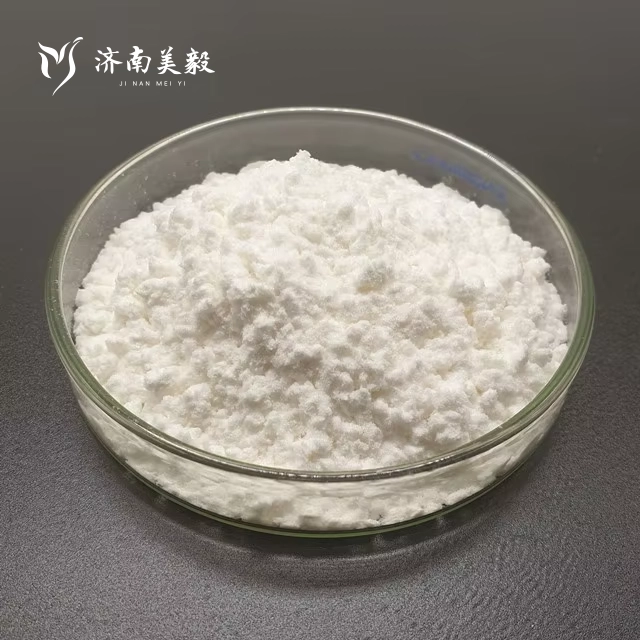
Hydroxyapatite is a naturally occurring mineral form of calcium apatite, constituting approximately 97% of tooth enamel and 60% of bone. In the context of oral health and dermatology, synthetic hydroxyapatite serves as a fluoride alternative by directly replenishing the mineral content of damaged tissues rather than simply hardening the surface through chemical conversion.
Unlike fluoride, which creates a fluorapatite layer that is harder but more brittle, hydroxyapatite integrates seamlessly into the existing crystal lattice of the enamel. This biomimetic property allows it to fill micro-cracks and porous areas effectively, reducing sensitivity and enhancing gloss. For formulators in the cosmetics and medical aesthetics sectors, understanding this mechanism is crucial for developing products that claim genuine reparative benefits rather than superficial coverage.
How Hydroxyapatite Remineralizes Enamel
The efficacy of hydroxyapatite as a fluoride alternative lies in its particle size and crystallinity. Nano-hydroxyapatite (n-HAp), typically ranging from 20 to 80 nanometers, possesses a high surface-area-to-volume ratio. This enables deep penetration into enamel tubules. The process involves three key stages:
- Adhesion: Positively charged HAp particles are attracted to the negatively charged surface of the tooth enamel and exposed dentin tubules.
- Nucleation: The particles act as nucleation sites, attracting calcium and phosphate ions from saliva or the formulation itself.
- Crystal Growth: New hydroxyapatite crystals grow, merging with the natural enamel structure to restore density and smoothness.
This biological compatibility ensures that the material is non-toxic and safe for ingestion, a critical advantage for children’s oral care products and patients concerned about systemic fluoride exposure.
Hydroxyapatite vs. Fluoride: A Technical Comparison for Formulators
When evaluating a fluoride alternative, R&D teams must compare performance metrics beyond simple cavity prevention. The following table outlines the distinct differences between traditional fluoride systems and modern hydroxyapatite technologies, highlighting why many premium brands are transitioning to HAp-based formulations.
| Feature | Fluoride (NaF/SnF₂) | Hydroxyapatite (HAp/n-HAp) |
|---|---|---|
| Mechanism of Action | Converts hydroxyapatite to fluorapatite; inhibits bacterial metabolism. | Biomimetic remineralization; fills enamel defects directly. |
| Toxicity Profile | Toxic if ingested in large quantities; requires warning labels. | Biocompatible, non-toxic, and safe for ingestion. |
| Sensitivity Relief | Moderate; primarily blocks tubules via precipitation. | High; physically occludes dentin tubules with native mineral. |
| Aesthetic Outcome | No direct whitening effect; may cause fluorosis spots. | Restores natural gloss and whiteness by smoothing surface irregularities. |
| Regulatory Status | Strictly regulated; banned in some cosmetic applications in EU. | Approved for use in cosmetics and oral care globally (EU, US, Asia). |
| pH Stability | Effective mainly in neutral to slightly acidic environments. | Stable across a broader pH range; buffers acidic conditions. |
This comparison demonstrates that while fluoride remains a standard for caries prevention in public health, hydroxyapatite offers a comprehensive solution for aesthetic improvement, sensitivity management, and safety-conscious consumers. For B2B manufacturers, this distinction opens new market segments in premium personal care.
Why Jinan Meiyi Biotechnology is a Trusted Partner for HAp Sourcing
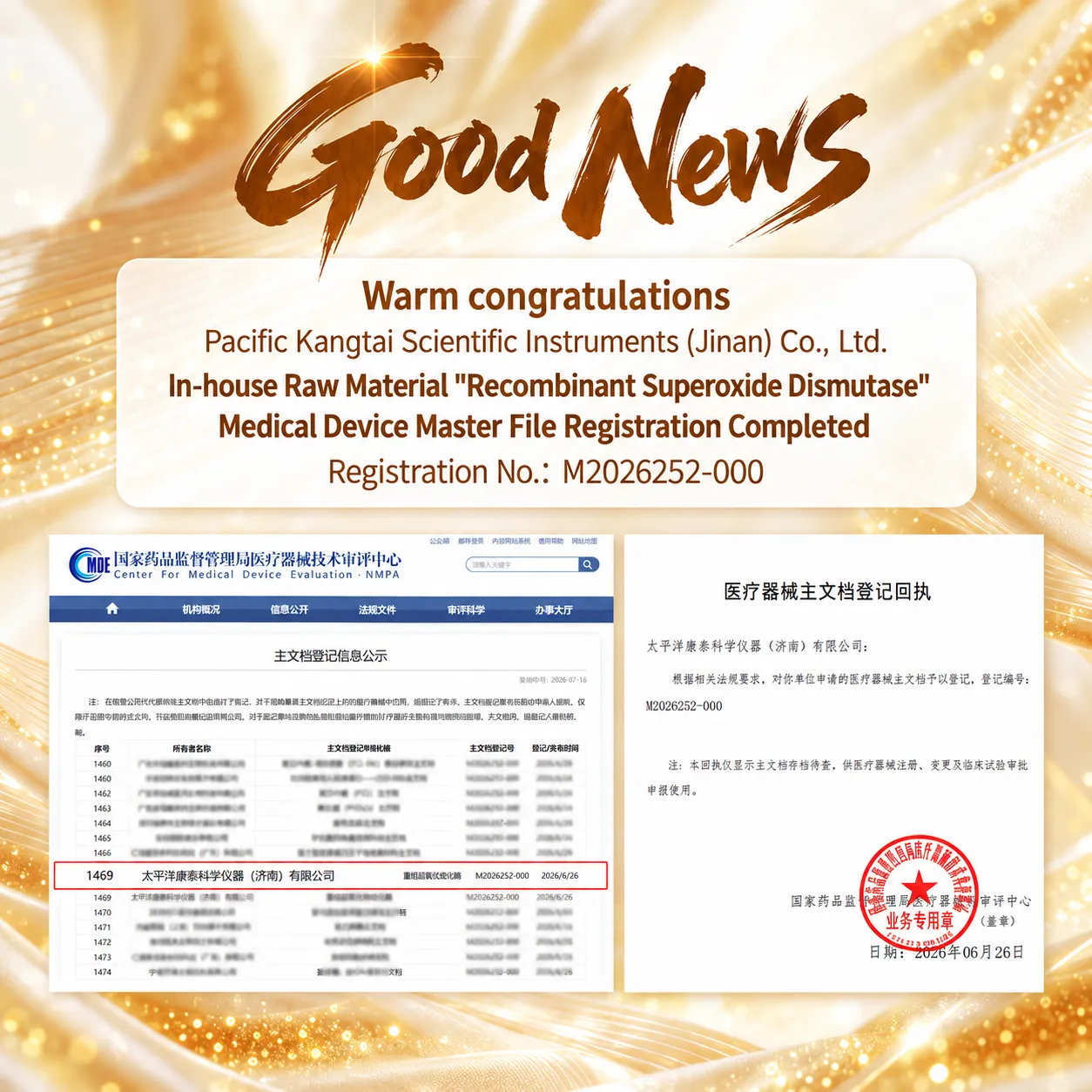
In the complex landscape of bioactive raw materials, sourcing quality is paramount. Jinan Meiyi Biotechnology Co., Ltd., headquartered in Jinan, Shandong Province, operates as a specialized provider of high-performance raw materials for the cosmetics and medical aesthetics industries. As a subsidiary of Pacific Kangtai Scientific Instruments (Jinan) Co., Ltd., the company bridges the gap between upstream innovation and downstream application.
Unlike traditional manufacturers, Jinan Meiyi Biotechnology functions as a strategic sourcing and quality-assured distribution partner. The company does not engage in raw material manufacturing itself but leverages a well-established global supply chain network to secure technically advanced, regulatory-compliant, and scientifically validated hydroxyapatite ingredients. This model ensures that clients receive materials that meet rigorous international standards without the overhead of managing multiple supplier relationships.
Quality Assurance and Supply Chain Integrity
For formulators seeking a reliable fluoride alternative, consistency in particle size and purity is non-negotiable. Jinan Meiyi Biotechnology implements a disciplined curation methodology for its portfolio. Each batch of hydroxyapatite undergoes comprehensive evaluation prior to inclusion, focusing on:
- Efficacy Data: Verification of remineralization potential through in-vitro and clinical studies provided by upstream partners.
- Stability Profiles: Ensuring the material maintains its structural integrity in various formulation bases (gels, pastes, serums).
- Regulatory Compliance: Full documentation traceability, including Certificates of Analysis (CoA), Safety Data Sheets (SDS), and regulatory status summaries.
This commitment to transparency allows R&D laboratories and Contract Development and Manufacturing Organizations (CDMOs) to reduce sourcing complexity while maintaining full confidence in material consistency. By partnering with certified manufacturers who adhere to internationally accepted quality management systems, Jinan Meiyi Biotechnology ensures that every shipment meets the exact specifications required for high-end cosmetic and medical aesthetic products.
Applications of Hydroxyapatite Beyond Oral Care
While widely known as a fluoride alternative in toothpaste, the versatility of hydroxyapatite extends into broader dermatological and medical aesthetic applications. Its biocompatibility and ability to interact with biological tissues make it a valuable ingredient in various personal care formulations.
Skin Care and Anti-Aging Formulations
In skincare, hydroxyapatite is utilized for its gentle exfoliating properties and ability to enhance skin barrier function. Unlike harsh physical scrubs, HAp particles are spherical and uniform, providing a smooth polishing effect that removes dead skin cells without causing micro-tears. Furthermore, its calcium content supports cellular signaling pathways involved in skin repair and regeneration.
For anti-aging serums, HAp can act as a carrier for other active ingredients, improving their penetration and stability. Its film-forming capability also helps to retain moisture, contributing to a plumper, more hydrated appearance. Jinan Meiyi Biotechnology supports clients in exploring these cross-category applications by providing technical consultation on formulation compatibility and synergistic ingredient pairing.
Medical Aesthetics and Dermal Fillers
In the realm of medical aesthetics, hydroxyapatite is a key component in certain dermal fillers and bone graft substitutes. Its osteoconductive properties promote natural tissue integration, reducing the risk of rejection or migration. For companies developing medical-grade aesthetic devices and consumables, sourcing high-purity HAp is critical for regulatory approval and clinical safety.
Jinan Meiyi Biotechnology’s expertise in distributing premium medical aesthetic products ensures that clients have access to materials that meet the stringent requirements of this highly regulated sector. The company’s active monitoring of emerging trends in minimally invasive aesthetics allows them to advise clients on the most relevant and innovative material solutions.
Selecting the Right Hydroxyapatite for Your Formulation
Not all hydroxyapatite powders are created equal. When choosing a fluoride alternative for your product line, several technical parameters must be considered to ensure optimal performance and consumer satisfaction.
Particle Size and Distribution
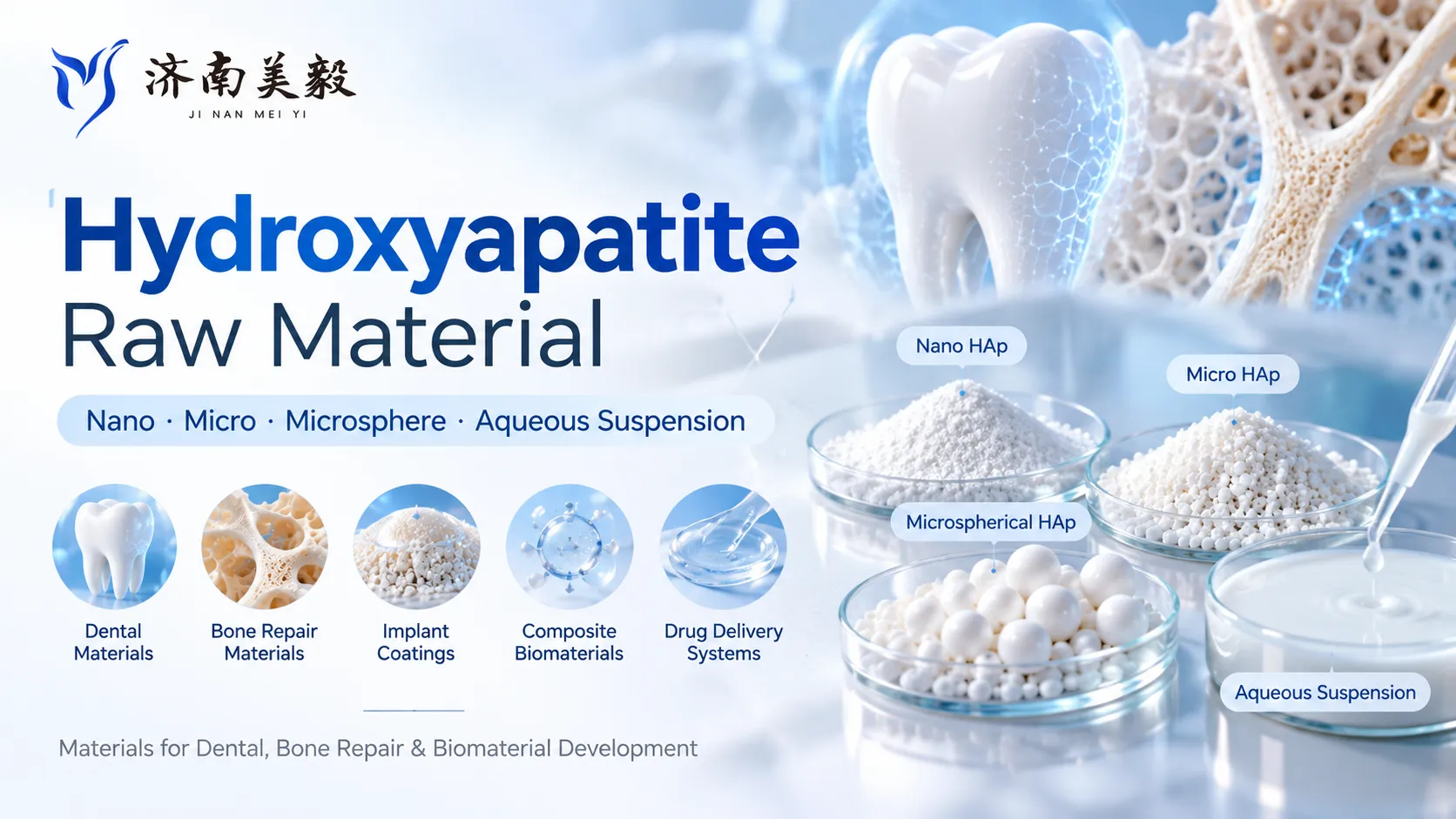
The particle size determines the depth of penetration and the immediate sensory feel of the product. Nano-hydroxyapatite (below 100nm) is ideal for deep enamel repair and transparent gels, while micro-hydroxyapatite (larger particles) may be suitable for opaque toothpastes or physical exfoliants. Jinan Meiyi Biotechnology provides detailed technical dossiers that specify particle size distribution, allowing formulators to select the grade that best matches their product’s viscosity and clarity requirements.
Crystallinity and Purity
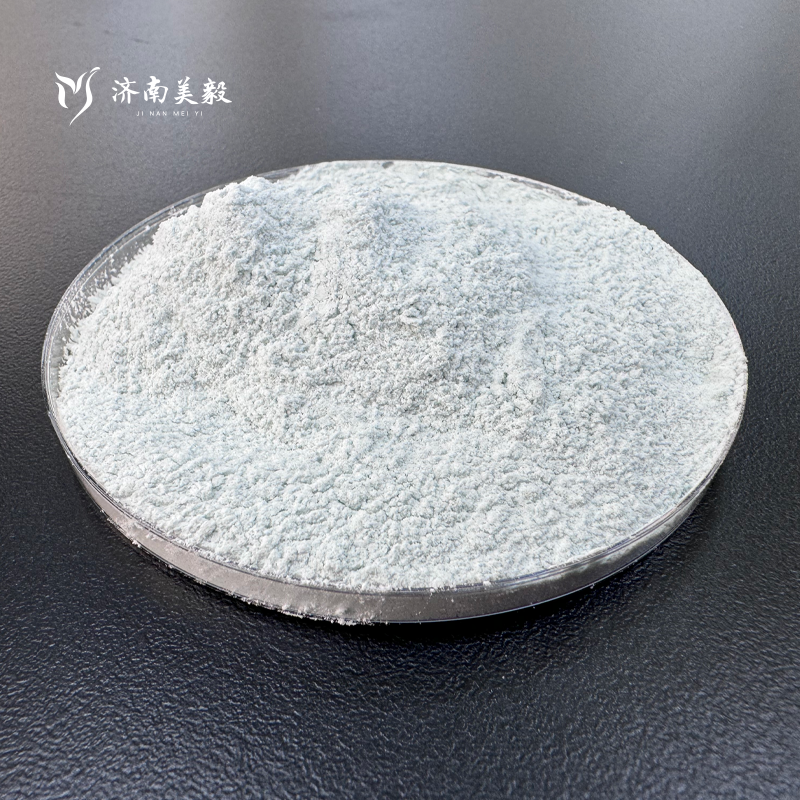
High crystallinity correlates with greater stability and slower dissolution rates, which is beneficial for long-term remineralization. Impurities, such as heavy metals or residual solvents, must be strictly controlled. The company’s quality assurance framework centers on supplier qualification and batch-level specification verification, ensuring that every lot of HAp meets purity standards suitable for global markets, including Europe and North America.
Surface Modification
Some advanced HAp variants feature surface modifications to improve dispersibility in organic solvents or enhance affinity for specific biological targets. For innovative formulations, working with a partner who understands these nuances is essential. Jinan Meiyi Biotechnology’s scientifically trained team offers collaborative problem-solving to help clients navigate these technical choices, ensuring the selected material aligns with the desired functional outcome.
Common Challenges in HAp Formulation and Solutions
Integrating hydroxyapatite into stable, effective products presents certain engineering challenges. Addressing these early in the development phase can prevent costly reformulations.
Agglomeration and Sedimentation
Nano-particles tend to agglomerate due to high surface energy, leading to sedimentation in liquid formulations. To mitigate this, formulators should consider using dispersing agents or surface-treated HAp. Jinan Meiyi Biotechnology can recommend suppliers who offer pre-dispersed HAp slurries or surface-modified powders that exhibit better stability in aqueous and non-aqueous systems.
Interaction with Other Actives
Hydroxyapatite is positively charged at neutral pH, which can lead to interactions with anionic polymers or surfactants, potentially causing precipitation or reduced efficacy. It is crucial to conduct compatibility tests when combining HAp with other active ingredients like hyaluronic acid or certain preservatives. The company’s technical consultation services include sharing regulatory intelligence and formulation best practices to help clients avoid these common pitfalls.
Viscosity Impact
High concentrations of HAp can increase the viscosity of a formulation, affecting pumpability and user experience. Optimizing the particle size distribution and using rheology modifiers can help maintain the desired texture. Jinan Meiyi Biotechnology’s partnership-oriented service model ensures that clients receive agile responsiveness to such dynamic formulation needs, facilitating faster translation of science into real-world products.
FAQ: Hydroxyapatite as a Fluoride Alternative
Is hydroxyapatite as effective as fluoride in preventing cavities?
Clinical studies suggest that hydroxyapatite is comparable to fluoride in preventing caries, with the added benefit of remineralizing early lesions and reducing sensitivity. While fluoride remains a gold standard for public health interventions, HAp is increasingly preferred in premium consumer products for its safety profile and holistic benefits.
Can hydroxyapatite be used in natural and organic certifications?
Yes, hydroxyapatite is generally accepted in natural and organic cosmetic formulations, provided it is sourced from synthetic or approved biological sources and processed without prohibited chemicals. Jinan Meiyi Biotechnology ensures that all distributed materials come with comprehensive regulatory status summaries to support certification claims.
What is the recommended concentration of HAp in toothpaste?
Effective remineralization is typically achieved with concentrations between 5% and 10% for nano-hydroxyapatite. However, the optimal level depends on the particle size, formulation base, and desired claim. Formulators should refer to specific supplier data and conduct efficacy testing to determine the best concentration for their product.
How does Jinan Meiyi Biotechnology ensure product integrity during shipping?
The company maintains strict control over storage conditions, shipping protocols, and delivery timelines. By partnering with certified logistics providers and adhering to rigorous quality management systems, they ensure that product integrity is maintained from origin to end-user, minimizing the risk of contamination or degradation.
Conclusion: Embracing the Future of Bioactive Oral Care
The transition to hydroxyapatite as a fluoride alternative is not just a trend but a reflection of evolving consumer demands for safer, more effective, and scientifically grounded personal care solutions. For B2B enterprises, R&D laboratories, and aesthetic clinics, the ability to source high-quality, compliant HAp is a competitive advantage.
Jinan Meiyi Biotechnology Co., Ltd. stands out as a dependable partner in this ecosystem. By combining deep specialization in bioactive technology with a globally integrated supply chain, the company enables its clients to innovate with confidence. Whether you are developing a sensitive teeth toothpaste, a premium skincare serum, or a medical-grade aesthetic device, their commitment to scientific integrity and regulatory clarity ensures that your products meet the highest standards of quality and efficacy.
To explore how high-performance hydroxyapatite can enhance your product portfolio, or to request technical dossiers and samples, contact our team today. Let us help you bridge the gap between scientific innovation and market success.





Please leave us a message.