

Hydroxyapatite Slideshare: Top PPT Presentations & Research 2026
2026-10-21
- The Evolution of Hydroxyapatite Research Dissemination
- Core Technical Parameters of Hydroxyapatite in 2026
- Applications in Medical Aesthetics and Cosmetics
- Sourcing Strategy: From Slideshare to Strategic Partnership
- Comparative Analysis: General Sourcing vs. Specialized Distribution
- Common Challenges in Hydroxyapatite Formulation
- FAQ: Frequently Asked Questions About Hydroxyapatite
- Selecting the Right Partner for Bioactive Materials
- Conclusion and Next Steps
Searching for hydroxyapatite slideshare presentations in 2026 reveals a critical shift in how professionals access technical data on this bioactive material. While SlideShare was historically a primary repository for academic and industrial PowerPoint decks, modern R&D teams now prioritize direct access to validated technical dossiers, clinical efficacy data, and regulatory-compliant supply chains. This guide analyzes the evolution of hydroxyapatite (HAp) research dissemination, highlighting key technical parameters for cosmetic and medical applications, and explains why partnering with specialized distributors like Jinan Meiyi Biotechnology ensures higher data integrity than relying on outdated presentation archives.
The Evolution of Hydroxyapatite Research Dissemination
For over a decade, researchers and formulators relied heavily on platforms like SlideShare to find introductory overviews of hydroxyapatite. These presentations often covered basic crystallography, synthesis methods, and early biomedical applications. However, as we move through 2026, the limitations of static slide decks have become apparent. They rarely offer updated regulatory status, batch-specific purity data, or real-world formulation compatibility insights.
Today’s industry standard demands dynamic, verified information. Professionals seeking “hydroxyapatite slideshare” content are typically looking for:
- Structural Properties: Understanding the Ca/P ratio and crystallinity levels.
- Application Methods: How HAp integrates into serums, fillers, and bone grafts.
- Safety Profiles: Biocompatibility data and endotoxin limits.
While archived presentations provide a historical baseline, they lack the rigor required for modern product development. Leading enterprises now bypass general repositories in favor of specialized biotechnology partners who provide comprehensive technical packages. This shift reflects a broader industry movement toward evidence-based sourcing, where data transparency is paramount.
Why Static Presentations Are No Longer Sufficient
Slide decks are often simplified for educational purposes, omitting critical nuances such as particle size distribution impacts on skin penetration or the specific effects of sintering temperatures on material porosity. In contrast, working with a knowledgeable supplier provides access to raw data, including Certificate of Analysis (CoA) and Safety Data Sheets (SDS), which are essential for regulatory compliance in markets like the EU, US, and Asia.
Core Technical Parameters of Hydroxyapatite in 2026
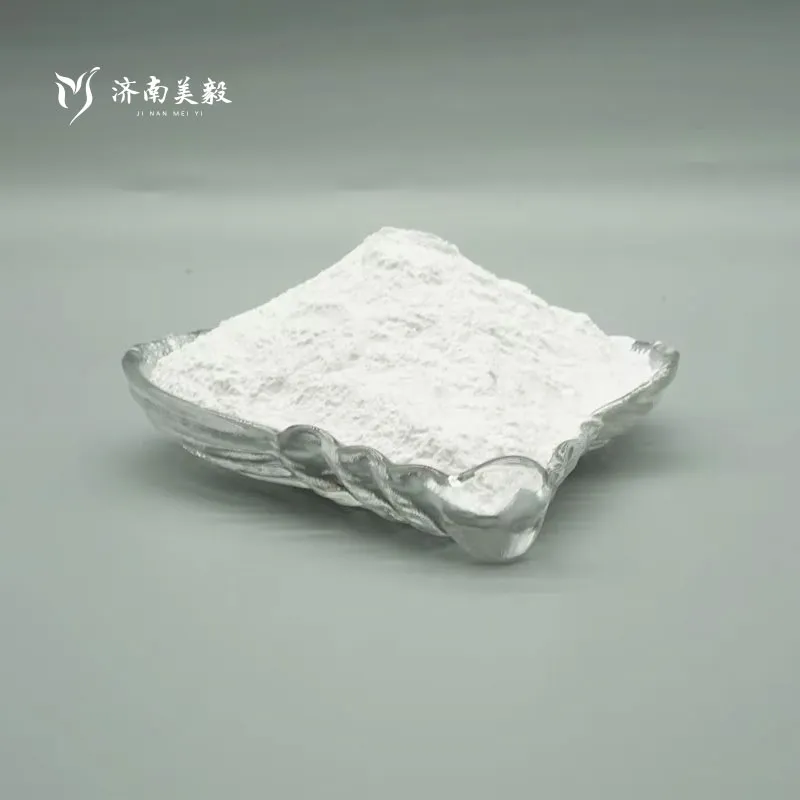
To evaluate hydroxyapatite effectively, one must look beyond generic descriptions. The performance of HAp in both medical and cosmetic contexts is dictated by precise physical and chemical characteristics. Understanding these parameters is crucial for formulators and procurement specialists.
| Parameter | Significance in Application | Typical High-Performance Standard |
|---|---|---|
| Ca/P Ratio | Determines stoichiometry and stability. Deviations affect bioactivity. | 1.67 (Stoichiometric) |
| Crystallinity | Influences dissolution rate. Higher crystallinity means slower resorption. | 95% – 98% for implants; variable for cosmetics |
| Particle Size | Controls surface area and interaction with biological tissues. | Nano (1μm) for fillers/grafts |
| Purity Level | Critical for avoiding immune responses and ensuring safety. | >99.9% (Trace metal free) |
| Porosity | Affects cell attachment and nutrient transport in bone regeneration. | Interconnected pore structure (300-500 μm) |
These specifications are not merely academic; they directly influence the efficacy of the final product. For instance, in medical aesthetics, the particle size determines whether the hydroxyapatite acts as a immediate volumizer or a long-term collagen stimulator. In skincare, nano-hydroxyapatite’s ability to penetrate the stratum corneum relies heavily on uniform particle distribution and surface charge.
The Role of Synthesis Methods
The method used to produce hydroxyapatite—whether wet chemical precipitation, sol-gel, or hydrothermal synthesis—impacts its morphological properties. Wet chemical precipitation is common for large-scale production but requires rigorous purification to remove residual ions. Sol-gel methods offer better homogeneity at the molecular level, resulting in higher bioactivity. When reviewing technical documentation, it is essential to identify the synthesis route to predict material behavior in formulation.
Applications in Medical Aesthetics and Cosmetics
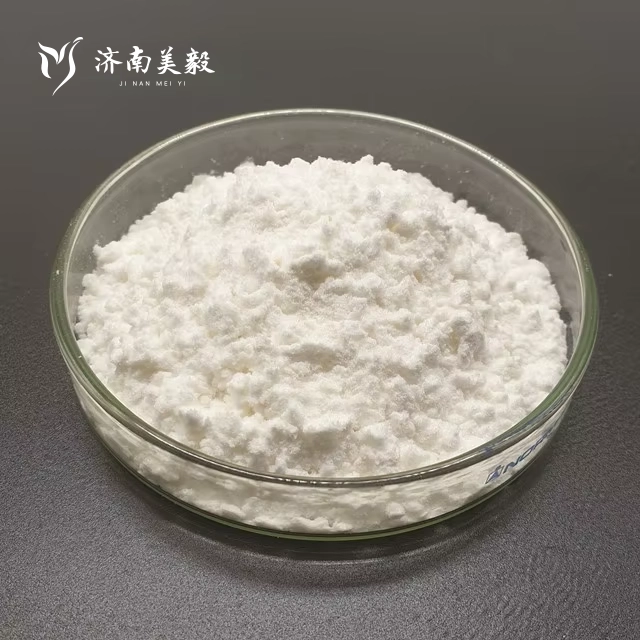
Hydroxyapatite has transcended its traditional role in orthopedics to become a cornerstone of modern aesthetic medicine. Its biocompatibility and osteoconductive properties make it ideal for minimally invasive procedures and advanced skincare solutions.
1. Dermal Fillers and Collagen Stimulation
Calcium Hydroxyapatite (CaHA) microspheres suspended in a carboxymethylcellulose (CMC) gel carrier are widely used for soft tissue augmentation. Unlike hyaluronic acid fillers that primarily provide hydration and volume, CaHA works through a dual mechanism:
- Immediate Effect: The gel carrier provides instant volume correction.
- Long-term Regeneration: The microspheres act as a scaffold, stimulating fibroblasts to produce new type I collagen.
This neocollagenesis process continues for months after the initial treatment, offering longer-lasting results. Formulators and clinicians must ensure that the HAp used is strictly non-resorbable in the short term and fully biocompatible to prevent granuloma formation.
2. Advanced Skincare and Barrier Repair
In the cosmetics sector, hydroxyapatite is gaining traction for its biomimetic properties. Human enamel and bone are primarily composed of HAp. Topical application of nano-hydroxyapatite can help repair damaged skin barriers by filling micro-cracks in the stratum corneum. It also serves as an effective delivery system for other active ingredients, enhancing their penetration without causing irritation.
Key benefits in skincare include:
- Remineralization: Restoring mineral balance in hair and nails.
- Anti-Aging: Improving skin elasticity through structural support.
- Soothing: Reducing inflammation due to its inert nature.
Sourcing Strategy: From Slideshare to Strategic Partnership
Relying on public presentations for sourcing decisions poses significant risks. Information found on general sharing platforms is often unverified, outdated, or lacks context regarding regulatory compliance. In 2026, successful R&D and procurement strategies involve partnering with specialized biotechnology firms that bridge the gap between upstream innovation and downstream application.
Jinan Meiyi Biotechnology Co., Ltd. exemplifies this modern approach. Headquartered in Jinan, Shandong Province, and operating as a subsidiary of Pacific Kangtai Scientific Instruments, the company has established itself as a trusted enabler in the global personal care and aesthetic medicine value chain. Rather than simply distributing commodities, Jinan Meiyi Biotechnology focuses on the strategic sourcing of high-performance bioactive raw materials.
The company’s model is distinct because it does not engage in manufacturing itself. Instead, it functions as a quality-assured distribution partner, leveraging a globally integrated supply chain. This allows them to curate materials from internationally recognized suppliers, ensuring that every batch meets rigorous standards for efficacy and safety. For clients, this means access to technically advanced, regulatory-compliant materials without the complexity of managing multiple international vendors.
Quality Assurance and Documentation Traceability
One of the most critical aspects of sourcing hydroxyapatite is documentation. Jinan Meiyi Biotechnology prioritizes transparency by providing full technical dossiers for each raw material. This includes:
- Certificates of Analysis (CoA): Verifying purity, particle size, and Ca/P ratio.
- Safety Data Sheets (SDS): Ensuring safe handling and storage.
- Regulatory Status Summaries: Clarifying compliance with regional regulations in Asia, Europe, and North America.
This level of documentation is rarely available through informal channels like SlideShare. It is essential for companies aiming to launch products in regulated markets. The company’s quality assurance framework centers on supplier qualification and batch-level specification verification, maintaining strict control over storage and shipping to preserve product integrity.
Comparative Analysis: General Sourcing vs. Specialized Distribution
When evaluating sources for hydroxyapatite, the difference between general marketplaces and specialized partners is stark. The following table highlights key distinctions relevant to B2B buyers and R&D teams.
| Feature | General Online Repositories/Marketplaces | Specialized Partners (e.g., Jinan Meiyi Biotech) |
|---|---|---|
| Data Verification | Unverified, user-uploaded content | Scientifically validated, supplier-verified data |
| Regulatory Support | Minimal or nonexistent | Comprehensive regulatory intelligence and dossiers |
| Supply Chain Transparency | Opaque origin | Traceable to certified manufacturers |
| Technical Consultation | None | Collaborative problem-solving and formulation advice |
| Product Consistency | Variable batch quality | Strict batch-level specification verification |
This comparison underscores why industry leaders are moving away from fragmented information sources. The value proposition of a partner like Jinan Meiyi Biotechnology lies in its ability to reduce sourcing complexity while maintaining full confidence in material consistency. Their service philosophy is rooted in partnership rather than transaction, offering technical consultation and regulatory intelligence sharing as integral parts of client engagement.
Common Challenges in Hydroxyapatite Formulation
Even with high-quality raw materials, formulators face several challenges. Addressing these requires both expertise and reliable supply chain support.
1. Agglomeration of Nano-Particles
Nano-hydroxyapatite tends to agglomerate due to high surface energy. This can lead to uneven distribution in formulations, reducing efficacy and affecting texture. Effective dispersion techniques and surface modification of particles are necessary. Suppliers who understand these challenges can provide pre-dispersed forms or recommend compatible surfactants.
2. Stability in Acidic Environments
Hydroxyapatite is susceptible to dissolution in low pH environments. In skincare products with active acids (like AHAs or BHAs), careful formulation is required to maintain stability. Understanding the crystallinity and surface coating of the HAp is vital for predicting its behavior in such formulations.
3. Regulatory Compliance Across Regions
Regulations regarding nano-materials vary significantly between the EU, US, and Asia. What is permissible in one region may require extensive safety assessments in another. Partnering with a distributor who monitors emerging trends and regulatory changes, such as Jinan Meiyi Biotechnology, helps mitigate compliance risks.
FAQ: Frequently Asked Questions About Hydroxyapatite
What is the difference between synthetic and natural hydroxyapatite?
Synthetic hydroxyapatite is produced in controlled laboratory settings, allowing for precise control over purity, particle size, and crystallinity. Natural hydroxyapatite, derived from bovine or marine sources, may contain trace impurities and has less consistent structural properties. For medical and cosmetic applications, synthetic HAp is generally preferred due to its higher purity and lower risk of immunogenic response.
Is nano-hydroxyapatite safe for topical use?
Yes, when properly formulated. Nano-hydroxyapatite is biocompatible and biomimetic. However, safety depends on particle size distribution and surface coating. Reputable suppliers provide toxicological data confirming safety for dermal application. It is crucial to source from partners who adhere to strict quality management systems.
How does hydroxyapatite compare to hyaluronic acid in fillers?
While hyaluronic acid provides hydration and temporary volume, calcium hydroxyapatite stimulates long-term collagen production. CaHA fillers are typically denser and used for deeper structural support, whereas HA is versatile for various depths. Some advanced treatments combine both for synergistic effects.
Why is documentation important when buying hydroxyapatite?
Documentation such as CoA and SDS proves the material’s identity, purity, and safety. It is essential for regulatory filings, quality control, and liability protection. Without proper documentation, manufacturers cannot verify that the material meets their specifications or regulatory requirements.
Selecting the Right Partner for Bioactive Materials
Choosing a supplier for hydroxyapatite and other bioactive ingredients is a strategic decision. It impacts product quality, regulatory approval timelines, and brand reputation. In 2026, the most successful companies are those that view their suppliers as extensions of their own R&D teams.
Jinan Meiyi Biotechnology Co., Ltd. distinguishes itself through four key strengths:
- Deep Specialization: A scientifically trained team focused exclusively on bioactive technology applications in cosmetics and medical aesthetics.
- Global Supply Chain: Access to vetted, internationally recognized suppliers ensures consistent quality and availability.
- Disciplined Curation: A focus on clinically meaningful innovation and regulatory clarity, rather than broad, unverified portfolios.
- Partnership Model: Emphasis on technical collaboration and agile responsiveness to client needs.
This approach enables clients to reduce sourcing complexity and accelerate time-to-market. By leveraging the company’s regulatory intelligence and technical expertise, businesses can navigate the complex landscape of bioactive ingredients with confidence.
Conclusion and Next Steps
The search for “hydroxyapatite slideshare” reflects a need for knowledge, but in 2026, knowledge alone is insufficient. Actionable, verified, and compliant data is the true driver of innovation in the medical aesthetics and cosmetics industries. Moving beyond static presentations to dynamic partnerships ensures access to high-integrity materials and expert guidance.
For R&D laboratories, CDMOs, and aesthetic clinics seeking differentiated, science-backed solutions, the choice of supply partner is critical. Jinan Meiyi Biotechnology offers a robust framework for sourcing high-performance hydroxyapatite and other bioactive ingredients. Their commitment to scientific rigor, transparency, and regulatory compliance makes them a dependable contributor to the global bioactive technology ecosystem.
Ready to optimize your formulation strategy?
Contact our technical team to discuss your specific hydroxyapatite requirements, request detailed technical dossiers, or explore our curated portfolio of bioactive raw materials. Let us help you translate scientific innovation into market-ready success.






Please leave us a message.