
Lyophilized Superoxide Dismutase Manufacturer | High Purity & OEM
2026-09-26
- What is Lyophilized Superoxide Dismutase?
- Why Choose Lyophilized SOD Over Liquid Forms?
- About Jinan Meiyi Biotechnology: Your Strategic Sourcing Partner
- Quality Assurance: Ensuring High Purity and Activity
- Key Applications of Lyophilized Superoxide Dismutase
- Technical Specifications and Quality Standards
- OEM and Customization Services
- How to Evaluate SOD Quality: A Buyer’s Guide
- Common Challenges in Using Lyophilized SOD
- FAQ: Frequently Asked Questions About Lyophilized SOD
- Storage and Handling Guidelines
- Conclusion: Partnering for High-Quality Antioxidant Solutions
Lyophilized Superoxide Dismutase (SOD) is a high-purity, freeze-dried enzymatic powder designed for maximum stability and bioavailability in cosmetic, pharmaceutical, and nutraceutical applications. As a specialized provider of high-performance raw materials, we offer OEM solutions that preserve the enzyme’s structural integrity through advanced cryoprotectant formulations and controlled sublimation processes sourced from certified global manufacturers. Our lyophilized SOD offers superior shelf-life compared to liquid forms, ensuring consistent antioxidant activity for industrial-scale production.
What is Lyophilized Superoxide Dismutase?
Superoxide Dismutase (SOD) is a critical antioxidant enzyme found in nearly all living cells exposed to oxygen. Its primary biological function is to catalyze the dismutation of the superoxide radical (O₂⁻) into ordinary molecular oxygen (O₂) and hydrogen peroxide (H₂O₂). This reaction is the first line of defense against oxidative stress, which is linked to aging, inflammation, and cellular damage.
Lyophilization, also known as freeze-drying, is a dehydration process typically used to preserve perishable materials or make them more convenient for transport. In the context of SOD, lyophilization removes water from the enzyme after it is frozen and placed under a vacuum. This allows the ice to change directly from solid to gas without passing through the liquid phase.
The result is Lyophilized Superoxide Dismutase: a stable, dry powder that retains high enzymatic activity. Unlike liquid SOD, which is prone to rapid degradation and requires cold chain logistics, the lyophilized form offers:
- Enhanced Stability: Reduced molecular mobility prevents denaturation.
- Extended Shelf Life: Maintains potency for 24–36 months when stored correctly.
- Ease of Formulation: Easily incorporated into creams, serums, capsules, and functional foods.
- High Purity: Removal of bulk water concentrates the active ingredient.
The Science Behind SOD Activity Preservation
The challenge in manufacturing SOD is maintaining its tertiary structure. Enzymes are proteins, and their function depends entirely on their shape. Heat, pH changes, and mechanical shear can denature SOD, rendering it inactive. Lyophilization mitigates these risks by processing the enzyme at low temperatures.
However, simple freezing is not enough. Ice crystal formation during freezing can physically damage the protein structure. Therefore, professional manufacturing involves the use of cryoprotectants and lyoprotectants such as trehalose, mannitol, or dextran. These agents replace water molecules around the protein, forming a glassy matrix that locks the enzyme in its native conformation during the drying phase.
Why Choose Lyophilized SOD Over Liquid Forms?
For B2B buyers in the cosmetic and supplement industries, the choice between liquid and lyophilized SOD impacts supply chain efficiency, product efficacy, and final cost. Below is a detailed comparison of the two forms.
| Feature | Liquid SOD | Lyophilized SOD Powder |
|---|---|---|
| Stability | Low; prone to oxidation and bacterial growth | High; stable at room temperature if sealed |
| Shelf Life | 3–6 months (refrigerated) | 24–36 months (cool, dry place) |
| Transport | Requires cold chain (expensive) | Ambient temperature shipping (cost-effective) |
| Concentration | Lower activity per volume due to water content | High activity per gram; easy to dose |
| Formulation Flexibility | Limited by water content in final product | Compatible with anhydrous and aqueous systems |
| Preservation Needs | Requires preservatives to prevent microbial growth | No preservatives needed in dry state |
The data clearly indicates that for most industrial applications, particularly where long-term storage or international shipping is required, Lyophilized Superoxide Dismutase is the superior choice. It reduces logistical complexity and ensures that the end consumer receives a product with verified enzymatic activity.
About Jinan Meiyi Biotechnology: Your Strategic Sourcing Partner
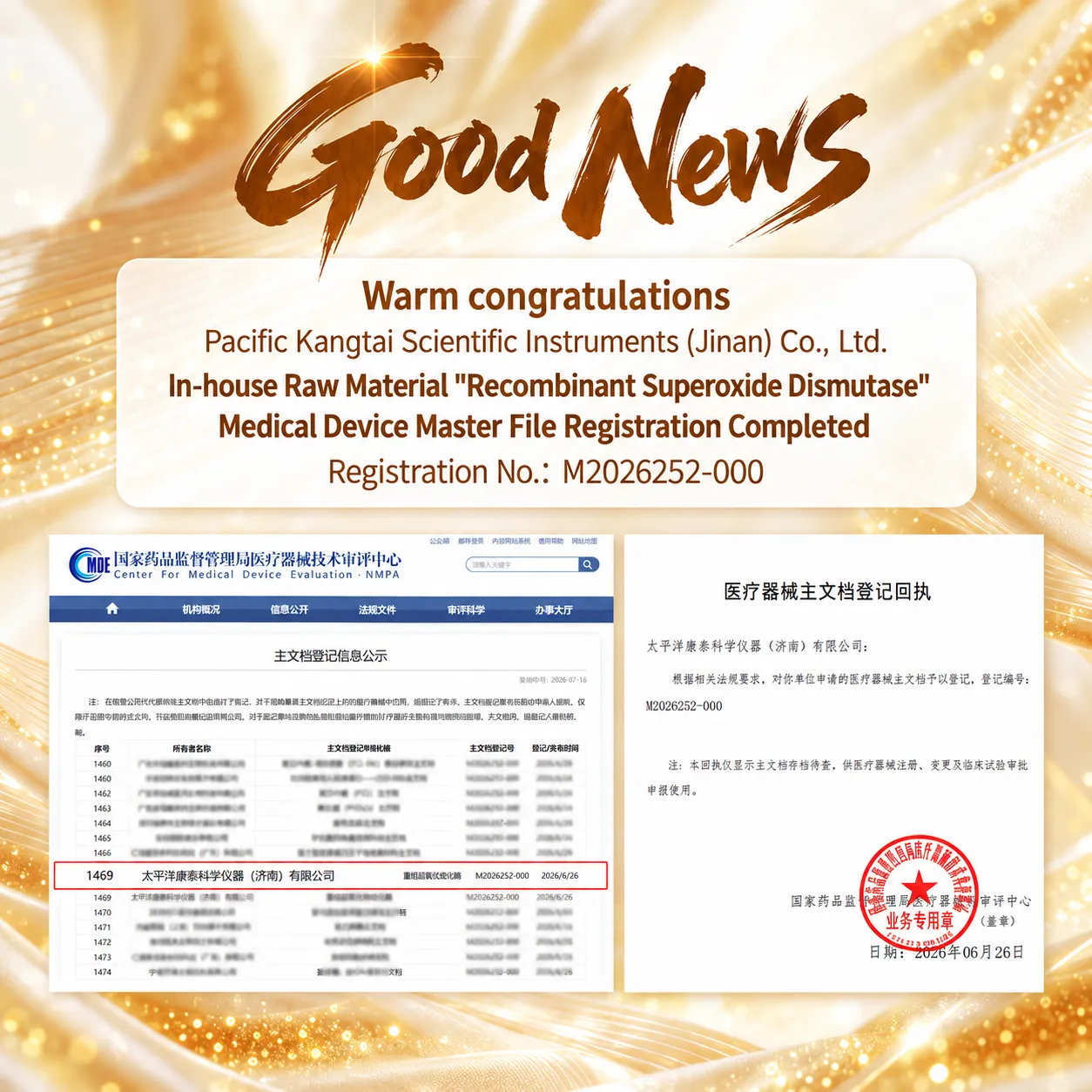
At Jinan Meiyi Biotechnology Co., Ltd., headquartered in Jinan, Shandong Province, we bridge the gap between scientific innovation and market application. As a subsidiary of Pacific Kangtai Scientific Instruments (Jinan) Co., Ltd., we specialize in the research, development support, and commercialization of bioactive technologies, with a strong focus on the cosmetics and medical aesthetics industries.
Unlike traditional manufacturers, Jinan Meiyi Biotechnology operates as a strategic sourcing and quality-assured distribution partner. We do not engage in direct raw material manufacturing; instead, we leverage a robust global supply chain network to partner with internationally recognized, certified manufacturers. This model allows us to curate a portfolio of high-integrity, functionally validated ingredients—such as our Lyophilized SOD—backed by rigorous efficacy data, stability profiles, and regulatory compliance.
Our core strength lies in our disciplined curation methodology and technical expertise. Every batch of SOD we supply undergoes comprehensive evaluation, including supplier qualification, documentation traceability, and batch-level specification verification. This ensures that our clients—ranging from R&D laboratories and CDMOs to aesthetic clinics across Asia, Europe, and North America—receive materials that meet the highest standards of scientific rigor and market responsiveness.
Quality Assurance: Ensuring High Purity and Activity
Our quality assurance framework centers on strict compliance with Good Manufacturing Practices (GMP) through our certified manufacturing partners. The quality of the lyophilized SOD we distribute is determined by three critical stages: extraction, purification, and freeze-drying.
1. Source Selection and Extraction
SOD can be derived from various sources, including bovine liver, yeast, melon pulp, and recombinant microbial fermentation. For cosmetic and nutraceutical use, plant-based or fermentation-derived SOD is preferred due to safety profiles and allergen concerns. Our partners utilize advanced cell disruption techniques to extract SOD while minimizing heat generation.
2. Purification and Standardization
Raw extracts contain impurities such as other proteins, lipids, and cellular debris. We employ multi-step chromatography methods, including ion-exchange and size-exclusion chromatography, to isolate SOD. This step is crucial for achieving high purity levels (>95%). The enzymatic activity is standardized using the cytochrome c reduction method or WST-1 assay, ensuring batch-to-batch consistency.
3. Formulation with Protectants
Before freezing, the purified SOD solution is mixed with stabilizers. Trehalose is frequently used because it forms a stable amorphous glass that protects the protein from dehydration stress. The ratio of SOD to protectant is optimized based on the specific isoform (Cu/Zn-SOD, Mn-SOD, or Fe-SOD) to maximize residual activity post-drying.
4. Controlled Lyophilization Cycle
The freeze-drying process involves three phases:
- Freezing: The solution is cooled to below its eutectic point, typically -40°C to -50°C, ensuring complete solidification.
- Primary Drying (Sublimation): Under vacuum, the pressure is lowered, and heat is applied carefully. Ice sublimes directly into vapor, removing ~95% of the water.
- Secondary Drying (Desorption): Remaining bound water is removed by raising the temperature slightly, ensuring the final moisture content is below 3%.
This precise control prevents the collapse of the cake structure and ensures the powder is free-flowing and easily reconstitutable.
Key Applications of Lyophilized Superoxide Dismutase
The versatility of lyophilized SOD allows it to be integrated into diverse product lines. Its ability to neutralize free radicals makes it valuable in industries focused on anti-aging, health, and preservation.
1. Cosmetic and Skincare Industry
Oxidative stress from UV radiation and pollution accelerates skin aging. Lyophilized SOD is a premium ingredient in high-end skincare formulations.
- Anti-Aging Serums: Neutralizes superoxide radicals generated by UV exposure, reducing wrinkle formation and improving skin elasticity.
- Post-Procedure Care: Used in creams for after-laser or chemical peel treatments to reduce inflammation and accelerate healing.
- Sunscreen Boosters: Enhances the efficacy of UV filters by addressing the oxidative damage that sunscreens alone cannot prevent.
Formulation Tip: Since SOD is a large protein molecule, penetration enhancers or encapsulation technologies (such as liposomes) are often used in conjunction with lyophilized SOD to improve transdermal delivery.
2. Nutraceuticals and Dietary Supplements
Oral supplementation with SOD has gained traction for systemic antioxidant support. However, standard SOD is degraded by stomach acid. Lyophilized SOD is often enteric-coated or combined with gliadin (a wheat protein) to protect it through the digestive tract.
- Joint Health: Reduces oxidative stress in joint tissues, supporting mobility and comfort.
- Immune Support: Modulates immune response by regulating reactive oxygen species (ROS) levels.
- Sports Recovery: Helps mitigate exercise-induced oxidative stress and muscle fatigue.
3. Pharmaceutical and Medical Devices
In medical applications, high-purity lyophilized SOD is used in wound healing dressings and ophthalmic solutions. Its anti-inflammatory properties help manage conditions involving excessive ROS production, such as chronic wounds or dry eye syndrome.
4. Food and Beverage Preservation
While less common due to cost, SOD can be used in functional foods to prevent lipid oxidation, thereby extending shelf life and maintaining nutritional value. It is particularly effective in products rich in polyunsaturated fatty acids.
Technical Specifications and Quality Standards
When sourcing Lyophilized Superoxide Dismutase, buyers must verify technical parameters to ensure the material meets their formulation requirements. Our distributed products align with international quality benchmarks, and each batch is accompanied by full technical dossiers, including Certificates of Analysis (COA).
| Parameter | Specification | Test Method |
|---|---|---|
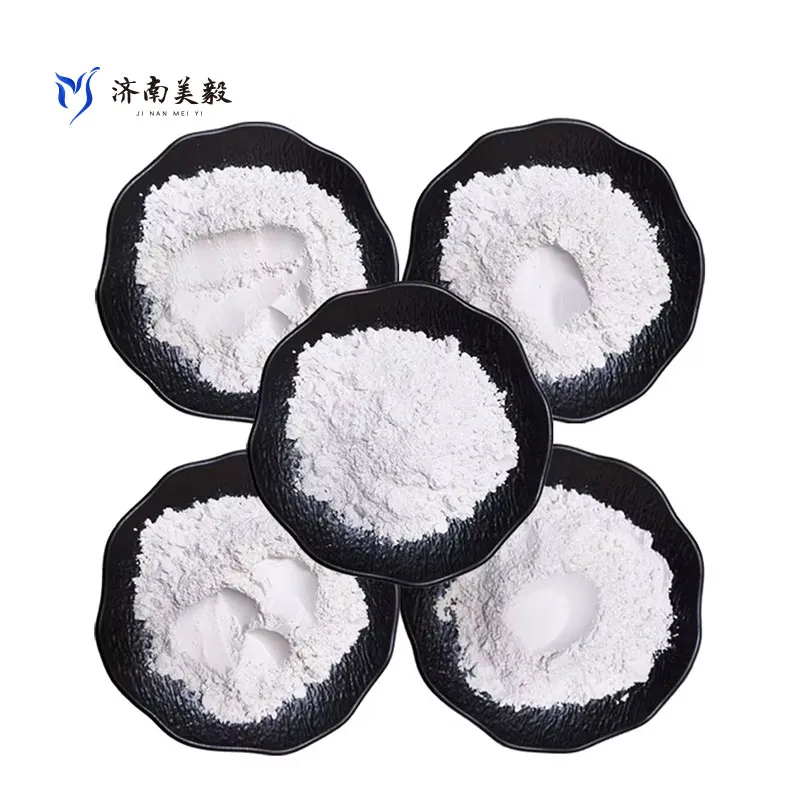
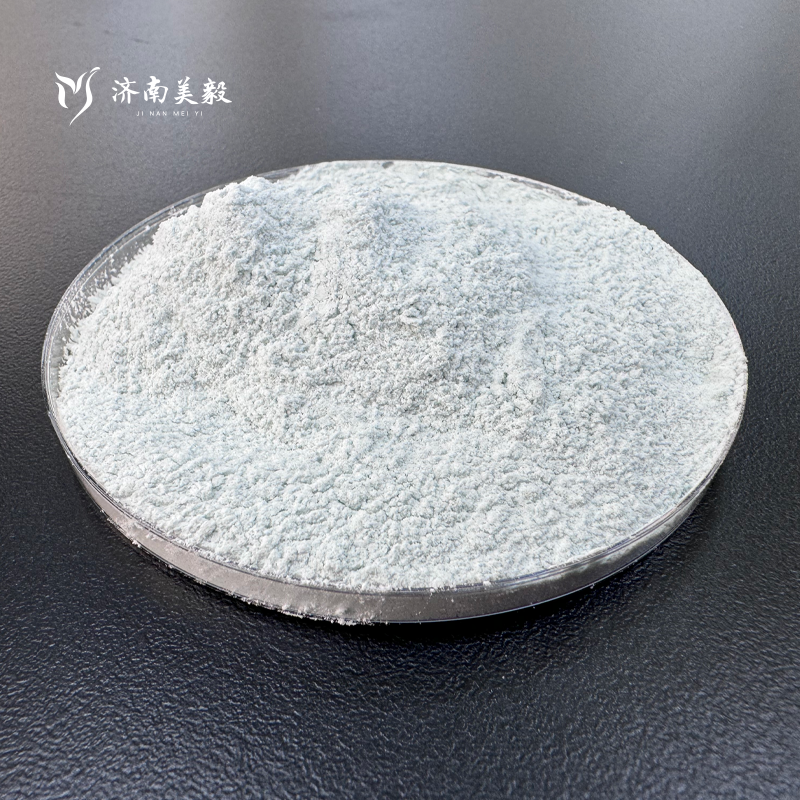
| Appearance | White to off-white loose powder | Visual Inspection |
| Odor | Characteristic, mild | Organoleptic |
| Solubility | Fully soluble in water/buffer | Visual |
| Activity | ≥ 3,000 – 10,000 U/mg (Customizable) | WST-1 / Cytochrome c |
| Purity | ≥ 95% (SDS-PAGE) | Electrophoresis |
| Moisture Content | ≤ 3.0% | Karl Fischer Titration |
| Heavy Metals | Pb < 1ppm, As < 1ppm | ICP-MS |
| Microbial Limits | Total Plate Count < 100 CFU/g | Plate Count Method |
| Endotoxin | < 10 EU/mg (for medical grade) | LAL Test |
Note on Activity Units: One Unit (U) of SOD activity is defined as the amount of enzyme required to inhibit the reduction of cytochrome c by 50% under specified conditions. Buyers should specify the desired activity level based on their final product’s claim requirements.
OEM and Customization Services
We understand that each client has unique formulation needs. Through our network of certified manufacturing partners, we facilitate OEM services for Lyophilized Superoxide Dismutase that provide flexibility without compromising quality.
Custom Activity Levels
Depending on the application, you may require different potency levels. We can source SOD with activities ranging from 3,000 U/mg for general cosmetics to over 10,000 U/mg for specialized pharmaceutical uses. Higher activity levels allow for lower inclusion rates in final formulas, optimizing cost-in-use.
Source Customization
We offer SOD derived from different sources to meet labeling and regulatory preferences:
- Yeast Fermentation: Ideal for vegan and vegetarian certifications.
- Melon Pulp Extract: Marketed as “natural” and “plant-based,” popular in clean-label cosmetics.
- Recombinant Human SOD: Structurally identical to human SOD, offering high biocompatibility for medical applications.
Private Labeling and Packaging
We provide flexible packaging options, from small aluminum foil bags (1g–1kg) for R&D and premium skincare to larger drums (25kg) for industrial supplement production. Custom labeling and Certificate of Analysis (COA) documentation are included to support your regulatory filings.
How to Evaluate SOD Quality: A Buyer’s Guide
Selecting the right supplier involves more than comparing prices. Here are key factors to consider when evaluating Lyophilized Superoxide Dismutase providers.
1. Verification of Enzymatic Activity
Not all SOD powders are created equal. Some suppliers may report high protein content but low enzymatic activity. Always request a recent COA that specifies activity in U/mg, not just protein percentage. Ask about the testing method used; WST-1 is modern and highly accurate, while older methods may vary in precision.
2. Stability Data
Request accelerated stability data. A reputable provider will have data showing how the enzyme retains activity over time at different temperatures (e.g., 25°C/60% RH and 40°C/75% RH). This data predicts the shelf life of your final product.
3. Regulatory Compliance
Ensure the supplier complies with relevant regulations for your target market. For cosmetics, check for ISO 22716 compliance. For supplements, look for GMP certification. If exporting to Europe, verify REACH compliance. For the US, ensure FDA registration status. At Jinan Meiyi Biotechnology, we prioritize regulatory intelligence sharing to ensure your materials are market-ready.
4. Technical Support
Formulating with enzymes can be challenging. Choose a supplier that offers technical support regarding pH stability, compatibility with other ingredients (e.g., preservatives, surfactants), and recommended storage conditions. Our partnership-oriented service model emphasizes collaborative problem-solving to address these dynamic needs.
Common Challenges in Using Lyophilized SOD
While lyophilized SOD is robust, improper handling can lead to loss of activity. Here are common issues and their solutions.
Issue 1: Loss of Activity Upon Reconstitution
Cause: Using water with incorrect pH or high metal ion content. SOD is sensitive to extreme pH levels and chelating agents.
Solution: Reconstitute in buffered solutions (pH 7.0–7.5) using deionized water. Avoid buffers containing EDTA if using Cu/Zn-SOD, as it may strip the copper ion.
Issue 2: Clumping or Poor Solubility
Cause: Moisture absorption during storage or insufficient mixing.
Solution: Store the powder in a desiccator. When dissolving, allow the powder to hydrate slowly before stirring vigorously. Gentle heating (not exceeding 30°C) can aid dissolution.
Issue 3: Incompatibility with Preservatives
Cause: Certain preservatives like formaldehyde donors or strong oxidizers can denature SOD.
Solution: Conduct compatibility tests. Phenoxyethanol and organic acids are generally safer choices for SOD-containing formulations. Consider adding SOD at the final stage of production at low temperatures.
FAQ: Frequently Asked Questions About Lyophilized SOD
What is the shelf life of lyophilized Superoxide Dismutase?
When stored in a sealed container at 2–8°C, lyophilized SOD typically maintains full activity for 24 to 36 months. At room temperature (25°C), it remains stable for 12–18 months, provided moisture is excluded. Once reconstituted, the solution should be used immediately or stored at 4°C for no more than 48 hours.
Is lyophilized SOD suitable for vegan products?
Yes, if sourced from yeast fermentation or plant extracts (such as melon or broccoli sprouts). Bovine-derived SOD is not vegan. Always confirm the source with your supplier to ensure it aligns with your product claims.
How does lyophilized SOD compare to synthetic antioxidants like Vitamin C?
SOD is an enzyme, meaning it acts catalytically. One SOD molecule can neutralize millions of superoxide radicals per second, whereas Vitamin C is stoichiometric (one molecule neutralizes one radical). Therefore, SOD is significantly more efficient at scavenging superoxide specifically. However, they work synergistically; SOD converts superoxide to hydrogen peroxide, which is then broken down by Catalase or Glutathione Peroxidase. Vitamin C can also help regenerate other antioxidants. A combination approach is often best.
Can lyophilized SOD be used in clear serums?
Yes, high-purity lyophilized SOD dissolves completely in water, resulting in a clear solution. However, clarity depends on the purity of the powder and the absence of insoluble stabilizers. Ensure the grade you purchase is labeled as “cosmetic grade” or “high purity” for transparent formulations.
What is the recommended usage level in cosmetics?
The typical usage level ranges from 0.1% to 1.0% of the raw material powder, depending on the activity unit (U/mg). For high-activity SOD (10,000 U/mg), lower concentrations are needed. Formulators should calculate the final active units per gram of product to ensure efficacy claims are supported.
Storage and Handling Guidelines
To maximize the lifespan of Lyophilized Superoxide Dismutase, adhere to the following storage protocols:
- Temperature: Store at 2–8°C for long-term storage. Short-term exposure to room temperature during shipping is acceptable due to the lyophilized state.
- Humidity: Keep in a dry environment. Moisture is the enemy of lyophilized proteins. Always reseal packages tightly after use.
- Light: Protect from direct sunlight and UV exposure, which can degrade proteins over time.
- Contamination: Use sterile tools when handling the powder to prevent microbial introduction, especially if the final product is preservative-free.
Conclusion: Partnering for High-Quality Antioxidant Solutions
Lyophilized Superoxide Dismutase represents the gold standard in enzymatic antioxidant ingredients. Its superior stability, high purity, and versatility make it an indispensable component for modern cosmetic, nutraceutical, and pharmaceutical formulations. By choosing a partner like Jinan Meiyi Biotechnology, you gain access to a knowledge-driven bridge between upstream innovation and downstream application. Our commitment to EEAT principles—demonstrating deep expertise in bioactive technology, authoritative supply chain standards, and trustworthy service practices—makes us the ideal partner for your business.
Whether you are developing a next-generation anti-aging serum or a high-performance sports supplement, the quality of your SOD source defines the efficacy of your final product. We aim to deepen our role as a dependable contributor to the global bioactive technology ecosystem, facilitating faster, safer, and more effective translation of science into real-world benefits.
Ready to optimize your formulation with high-purity Lyophilized SOD?
Contact our technical team today to request samples, review detailed specifications, or discuss custom OEM requirements. Let us help you achieve superior product performance and market differentiation through our scientifically backed, globally sourced solutions.
Explore Our Full Range of Enzyme Solutions & Technical Data Sheets




Please leave us a message.