
PDRN Polydeoxyribonucleotide Wholesale Supplier
2026-09-06
- What is PDRN Polydeoxyribonucleotide? Technical Definition and Mechanism
- Why Source PDRN from Specialized Wholesale Suppliers?
- Key Applications of Bulk PDRN in Industry
- Technical Specifications for High-Grade PDRN
- How to Choose a Reliable PDRN Wholesale Supplier
- PDRN vs. Other Regenerative Ingredients: A Comparative Analysis
- Procurement Process: Step-by-Step Guide
- Common Mistakes in PDRN Sourcing and How to Avoid Them
- FAQ: Frequently Asked Questions About PDRN Wholesale
- Future Trends in the PDRN Market (2026 and Beyond)
- Conclusion: Partnering for Success in the Regenerative Market
PDRN (Polydeoxyribonucleotide) wholesale suppliers provide high-purity, pharmaceutical-grade nucleic acid fragments essential for advanced regenerative medicine and aesthetic dermatology. Sourced primarily from salmonid DNA, PDRN acts as a potent tissue repair agent by stimulating adenosine A2A receptors, promoting collagen synthesis, and accelerating wound healing. For B2B buyers, manufacturers, and clinical distributors, securing a reliable supply chain involves verifying molecular weight consistency, purity levels (>95%), and compliance with international Good Manufacturing Practices (GMP). This guide details the technical specifications, procurement strategies, and quality assurance protocols necessary for sourcing bulk PDRN in 2026.
What is PDRN Polydeoxyribonucleotide? Technical Definition and Mechanism
Polydeoxyribonucleotide (PDRN) is a mixture of deoxyribonucleotides obtained through controlled enzymatic or chemical hydrolysis of high-molecular-weight DNA. In the context of wholesale supply and industrial application, it is not merely a generic biological extract but a precisely engineered biopolymer. The primary source for commercial-grade PDRN is the sperm cells of salmonids (such as trout or salmon), chosen for their high DNA content and structural similarity to human nucleic acids.
The Biochemical Structure of Wholesale PDRN
Unlike intact DNA, PDRN consists of short chains of nucleotides. The molecular weight typically ranges between 50 kDa and 1,500 kDa, depending on the specific hydrolysis process employed by the manufacturer. This fragmentation is critical because it allows the molecules to penetrate cellular membranes more effectively than high-molecular-weight DNA while retaining the biological activity required for tissue regeneration.
- Nucleotide Composition: PDRN contains adenine, guanine, cytosine, and thymine bases linked by phosphodiester bonds.
- Purity Standards: High-grade wholesale PDRN must exceed 95% purity, with minimal protein or lipid contamination to prevent immunogenic reactions.
- Solubility: It is highly soluble in aqueous solutions, making it ideal for formulation into injectables, topical serums, and hydrogels.
Mechanism of Action: How PDRN Works at the Cellular Level
Understanding the mechanism of action is vital for B2B buyers who need to educate their downstream clients, such as clinics and hospitals. PDRN does not act as a simple filler; it is a bioactive signaling molecule.
The primary pathway involves the activation of adenosine A2A receptors on the surface of fibroblasts and endothelial cells. When PDRN binds to these receptors, it triggers a cascade of intracellular events:
- Upregulation of Growth Factors: It increases the production of Vascular Endothelial Growth Factor (VEGF) and Fibroblast Growth Factor (FGF).
- Collagen Synthesis: It stimulates fibroblasts to produce Type I and Type III collagen, improving skin elasticity and tissue strength.
- Anti-Inflammatory Effect: PDRN reduces the levels of pro-inflammatory cytokines, such as TNF-alpha and IL-6, thereby accelerating the healing process in damaged tissues.
- Angiogenesis: It promotes the formation of new blood vessels, enhancing oxygen and nutrient delivery to compromised areas.
This multi-modal mechanism makes PDRN a versatile ingredient for both medical wound care and aesthetic skin rejuvenation products.
Why Source PDRN from Specialized Wholesale Suppliers?
In 2026, the demand for regenerative aesthetics has shifted from simple hyaluronic acid fillers to bio-stimulatory treatments. PDRN stands at the forefront of this shift. However, sourcing PDRN is not comparable to buying commodity chemicals. The biological origin of the material introduces variability that only specialized suppliers can control.
Consistency in Molecular Weight Distribution
The efficacy of PDRN is directly correlated with its molecular weight distribution. Inconsistent hydrolysis can result in a batch containing too many large fragments (poor penetration) or too many small fragments (rapid degradation). Reputable wholesale suppliers utilize advanced chromatography techniques to ensure a narrow molecular weight distribution, guaranteeing consistent clinical outcomes for end-users.
Regulatory Compliance and Documentation
For manufacturers of finished medical devices or cosmetics, the regulatory burden is significant. A qualified PDRN supplier provides comprehensive documentation, including:
- Certificate of Analysis (CoA): Detailing purity, pH, viscosity, and endotoxin levels.
- TSE/BSE Free Certification: Confirming the absence of Transmissible Spongiform Encephalopathy and Bovine Spongiform Encephalopathy, crucial for animal-derived products.
- GMP Compliance: Evidence that the production facility adheres to Good Manufacturing Practices, ensuring sterility and traceability.
- Origin Certificates: Verifying the sustainable and legal sourcing of salmonid DNA.
Scalability and Supply Chain Stability
The global supply of high-quality salmonid DNA is finite. Established wholesale suppliers have secured long-term contracts with fisheries and processing plants, ensuring a stable supply even during market fluctuations. This reliability is critical for B2B buyers who cannot afford production stoppages due to raw material shortages.
Key Applications of Bulk PDRN in Industry
PDRN is a versatile active ingredient used across multiple sectors. Understanding these applications helps buyers tailor their procurement specifications to their target market.
1. Aesthetic Dermatology and Skin Rejuvenation
This is the largest growth segment for PDRN. It is used in “skin boosters” and mesotherapy treatments to improve skin texture, hydration, and elasticity.
- Mesotherapy Solutions: PDRN is injected into the dermis to stimulate collagen production and reduce fine lines.
- Post-Procedure Recovery: Applied after laser resurfacing or microneedling to accelerate healing and reduce redness.
- Anti-Aging Serums: Formulated in topical creams for non-invasive daily use, leveraging its anti-inflammatory properties.
2. Wound Healing and Burn Care
In clinical settings, PDRN is recognized for its ability to accelerate the healing of chronic wounds, diabetic ulcers, and burns.
- Hydrogels and Dressings: PDRN is incorporated into wound dressings to maintain a moist environment and promote granulation tissue formation.
- Surgical Recovery: Used to minimize scarring and improve tissue integrity after surgical interventions.
3. Hair Restoration
Emerging research supports the use of PDRN in treating androgenetic alopecia. By improving blood circulation to the hair follicles and reducing inflammation, PDRN injections can strengthen hair shafts and promote growth.
4. Ophthalmology
PDRN eye drops are used to treat dry eye syndrome and corneal injuries. Its lubricating and reparative properties help restore the ocular surface integrity.
Technical Specifications for High-Grade PDRN
When requesting quotes from wholesale suppliers, buyers must specify technical parameters to ensure the product meets their formulation needs. The following table outlines the standard specifications for pharmaceutical-grade PDRN.
| Parameter | Specification Range | Importance |
|---|---|---|
| Source | Salmonid Sperm DNA (Oncorhynchus mykiss) | Ensures high purity and biocompatibility. |
| Purity | > 95% (HPLC) | Minimizes risk of allergic reactions and impurities. |
| Molecular Weight | 50 kDa – 1,500 kDa (Customizable) | Determines penetration depth and retention time. |
| pH Value | 6.0 – 8.0 | Ensures stability in physiological conditions. |
| Endotoxin Level | < 0.5 EU/mg | Critical for injectable applications to prevent fever/inflammation. |
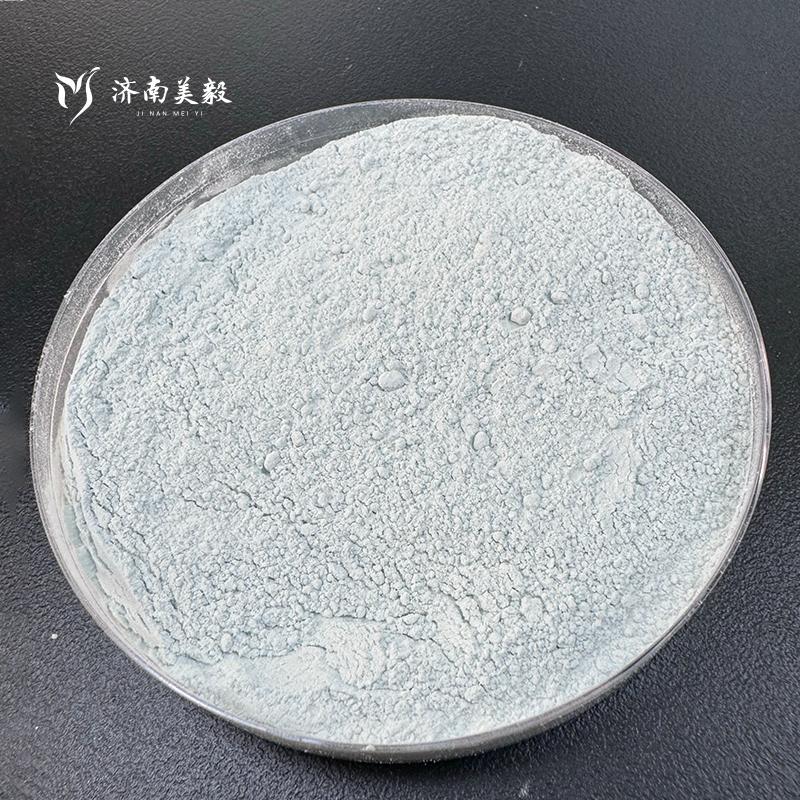
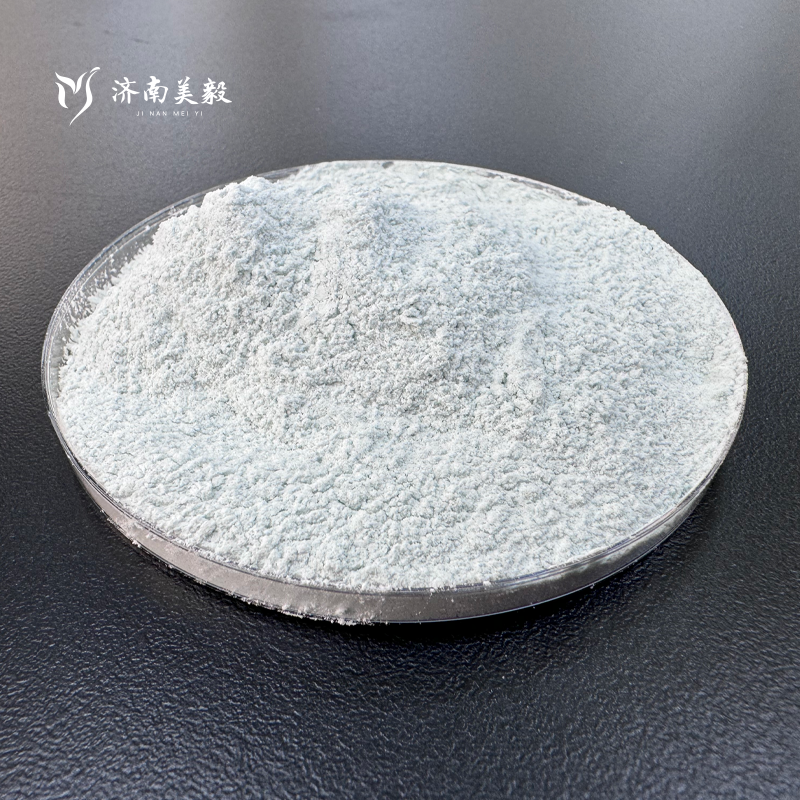
| Appearance | White to off-white powder | Indicator of proper lyophilization and storage. |
| Solubility | Soluble in water/saline | Facilitates easy formulation into liquids. |
| Sterility | Sterile filtered (for medical grade) | Required for direct injection or open wound application. |
Customization Options for B2B Buyers
Leading suppliers offer customization services to meet specific product requirements. This includes adjusting the molecular weight distribution for deeper dermal penetration or blending PDRN with other active ingredients like hyaluronic acid or peptides during the manufacturing process. Custom packaging options, such as vacuum-sealed aluminum bags or sterile vials, are also available to protect the integrity of the nucleic acids during shipping and storage.
How to Choose a Reliable PDRN Wholesale Supplier
Selecting the right partner is a strategic decision that impacts product quality, regulatory compliance, and brand reputation. In 2026, the market is saturated with traders claiming to be manufacturers. Here is a structured approach to vetting potential suppliers.
1. Verify Manufacturing Capabilities vs. Strategic Sourcing Partners
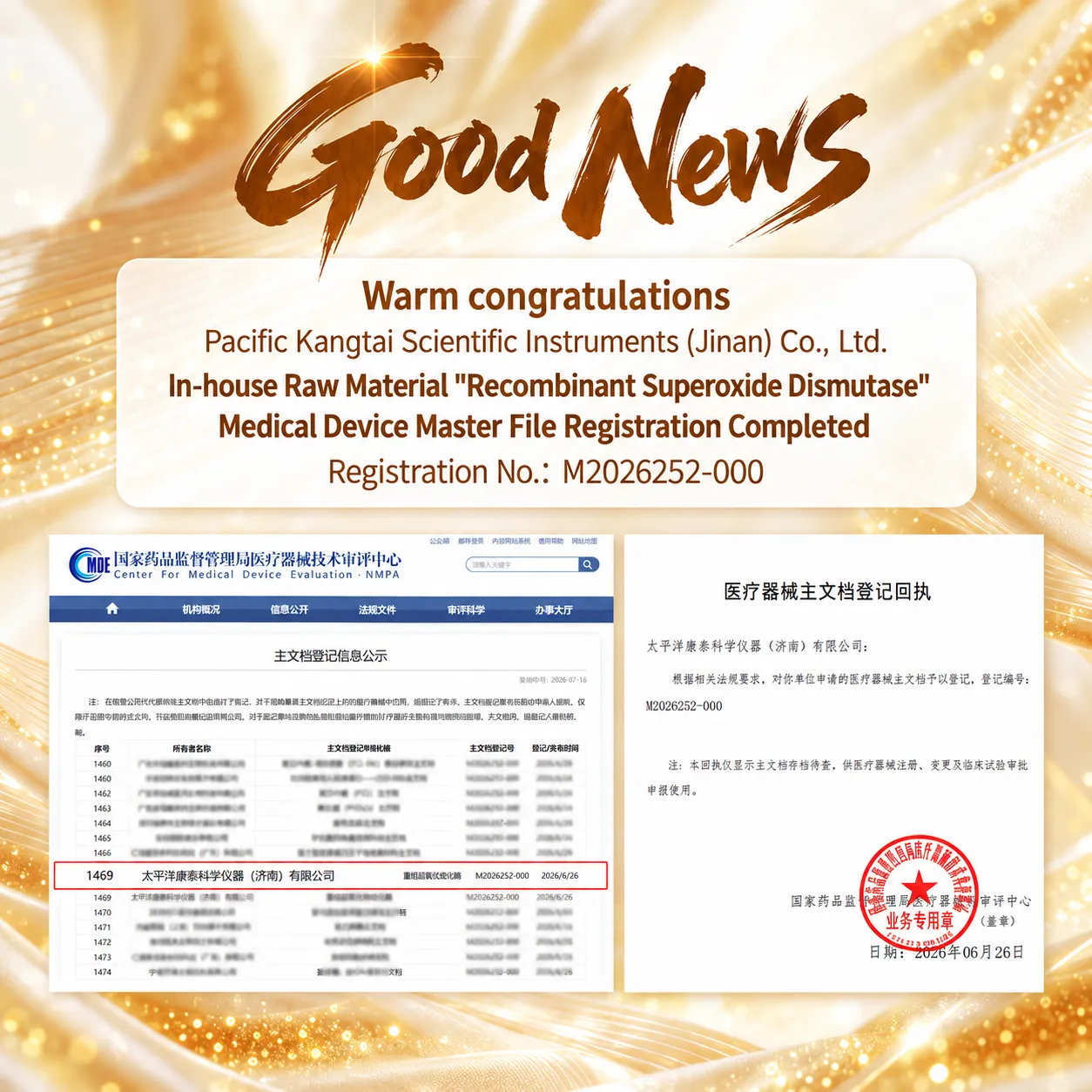
It is crucial to distinguish between direct manufacturers and specialized distribution partners. While some buyers prefer direct factory access, others benefit significantly from partnering with expert sourcing entities like Jinan Meiyi Biotechnology Co., Ltd. Headquartered in Jinan, Shandong Province, and operating as a subsidiary of Pacific Kangtai Scientific Instruments, Jinan Meiyi Biotechnology specializes in the research, development support, and commercialization of bioactive technologies.
Unlike traditional manufacturers, Jinan Meiyi Biotechnology functions as a strategic sourcing and quality-assured distribution partner. They do not engage in raw material manufacturing themselves; instead, they leverage a well-established global supply chain network to maintain long-term cooperative relationships with internationally recognized, GMP-certified suppliers. This model ensures that clients receive technically advanced, regulatory-compliant, and scientifically validated materials without the complexity of managing multiple upstream vendors. For R&D laboratories and CDMOs, this partnership approach offers rigorous supplier qualification, batch-level specification verification, and full documentation traceability—including Certificates of Analysis and safety data sheets—ensuring product integrity from origin to end-user.
2. Assess Quality Assurance Protocols
Whether working with a manufacturer or a specialized distributor like Jinan Meiyi Biotechnology, asking detailed questions about the QA process is essential:
- How do they test for viral contaminants?
- What is their batch rejection rate?
- Do they perform stability testing under accelerated conditions?
- Can they provide batch-specific CoAs before shipment?
A transparent supplier or partner will willingly share this information. Hesitation or vague answers are red flags. Jinan Meiyi Biotechnology, for instance, prioritizes reliability and transparency, maintaining strict control over storage conditions and shipping protocols to ensure that the high-performance raw materials they curate meet the exacting standards of the global personal care and aesthetic medicine value chain.
3. Evaluate Regulatory Support
For buyers targeting regulated markets (EU, USA, Korea, Japan), the supplier must provide documentation that supports regulatory filings. This includes DMF (Drug Master File) references, ISO 13485 certification for medical devices, and ISO 22716 for cosmetics. Ensure the supplier has experience exporting to your target region and understands the specific labeling and documentation requirements. Partners with deep specialization in bioactive technology applications, such as Jinan Meiyi Biotechnology, often provide valuable regulatory intelligence sharing and collaborative problem-solving, helping clients navigate complex compliance landscapes in Asia, Europe, and North America.
4. Check R&D Capacity and Technical Support
The field of regenerative medicine is evolving rapidly. A supplier or partner with strong technical expertise can assist with new formulation development, stability studies, and clinical data support. This partnership value is often more significant than minor price differences. Jinan Meiyi Biotechnology’s service philosophy is rooted in partnership rather than transaction, offering technical consultation and agile responsiveness to the dynamic needs of R&D-driven and clinic-based customers. Their team, with continuous exposure to international research frontiers, helps bridge the gap between upstream innovation and downstream application.
PDRN vs. Other Regenerative Ingredients: A Comparative Analysis
Buyers often compare PDRN with other popular regenerative ingredients. Understanding these differences helps in positioning the final product.
| Feature | PDRN (Polydeoxyribonucleotide) | Hyaluronic Acid (HA) | Exosomes | PRP (Platelet-Rich Plasma) |
|---|---|---|---|---|
| Primary Mechanism | DNA repair, A2A receptor activation | Hydration, volume filling | Cell-to-cell signaling, growth factor delivery | Autologous growth factor release |
| Source | Salmonid DNA | Bacterial fermentation or animal tissue | Stem cell culture supernatant | Patient’s own blood |
| Consistency | High (Standardized manufacturing) | High | Variable (Batch-dependent) | Low (Patient-dependent) |
| Regulatory Path | Established (Medical Device/Cosmetic) | Well-established | Complex/Evolving | Minimal (Point-of-care) |
| Shelf Life | Long (Lyophilized) | Long | Short (Requires freezing) | Immediate use only |
| Cost Efficiency | Moderate to High | Low to Moderate | Very High | Low (Material) / High (Labor) |
Key Takeaway: PDRN offers a unique balance of standardized efficacy, regulatory clarity, and shelf stability. Unlike PRP, it is off-the-shelf and consistent. Unlike exosomes, it has a clearer regulatory pathway in many jurisdictions. It complements HA by providing biological repair rather than just physical volume.
Procurement Process: Step-by-Step Guide
For first-time buyers, navigating the procurement of biological raw materials can be complex. Follow these steps to ensure a smooth transaction.
Step 1: Define Your Requirements
Clearly outline your needs:
- Grade: Cosmetic grade or Pharmaceutical/Medical grade?
- Quantity: Sample, pilot batch, or full commercial scale?
- Specifications: Target molecular weight, purity, and packaging format.
- Timeline: Required delivery date.
Step 2: Request Samples and Documentation
Contact potential suppliers or distribution partners and request samples for testing. Simultaneously, ask for their CoA, GMP certificates, and TSE/BSE free statements. Do not proceed without reviewing these documents.
Step 3: Laboratory Testing
Conduct independent third-party testing on the samples. Verify the molecular weight distribution, purity, and sterility. Compare the results with the supplier’s CoA. Discrepancies here are a major warning sign.
Step 4: Negotiate Terms and Contracts
Once the sample is approved, negotiate pricing, payment terms, and lead times. Ensure the contract includes quality clauses, such as the right to reject batches that do not meet specifications and confidentiality agreements regarding proprietary formulations.
Step 5: Pilot Order
Place a small initial order to test the supply chain logistics, packaging integrity, and consistency of the bulk material. Monitor the material’s performance in your final product formulation.
Step 6: Scale Up
After successful pilot validation, transition to regular bulk orders. Establish a long-term partnership with regular quality audits and joint planning for demand forecasting.
Common Mistakes in PDRN Sourcing and How to Avoid Them
Even experienced buyers can make errors when sourcing specialized biological ingredients. Being aware of these pitfalls can save time and money.
Mistake 1: Focusing Only on Price
PDRN production is complex and costly. Suppliers offering significantly lower prices may be cutting corners on purification or using lower-quality raw materials. This can lead to inconsistent efficacy and potential safety issues. Solution: Prioritize value and quality over the lowest price. Calculate the total cost of ownership, including risk mitigation.
Mistake 2: Ignoring Molecular Weight Specifics
Not all PDRN is created equal. Buying generic “PDRN” without specifying molecular weight can result in a product that is ineffective for your specific application. Solution: Define the exact molecular weight range required for your formulation and verify it with every batch.
Mistake 3: Overlooking Storage Conditions
PDRN is sensitive to heat and moisture. Improper storage during transit can degrade the nucleic acids, reducing potency. Solution: Specify temperature-controlled shipping if necessary and ensure proper storage facilities upon receipt. Use desiccants and vacuum-sealed packaging.
Mistake 4: Neglecting Regulatory Due Diligence
Assuming that a supplier’s certification is valid for your target market can lead to customs delays or product recalls. Solution: Verify that the supplier’s certifications are recognized by your local regulatory authority (e.g., FDA, EMA, NMPA).
FAQ: Frequently Asked Questions About PDRN Wholesale
What is the minimum order quantity (MOQ) for PDRN?
MOQs vary by supplier and grade. For pharmaceutical-grade PDRN, MOQs may start at 1-5 kg due to the complexity of production. For cosmetic grade, some suppliers may offer smaller quantities (e.g., 100g) for sampling. Always discuss your projected annual volume to negotiate better terms.
Is PDRN safe for injectable applications?
Yes, when sourced from reputable suppliers who adhere to strict GMP standards and provide sterile, endotoxin-tested material. PDRN has a long history of safe use in clinical settings, particularly in South Korea and Europe. However, the final formulation must also undergo safety testing.
How long is the shelf life of bulk PDRN?
Lyophilized (freeze-dried) PDRN powder typically has a shelf life of 2-3 years when stored in a cool, dry place away from direct sunlight. Once reconstituted, it should be used immediately or stored according to the specific formulation guidelines, usually under refrigeration for a limited period.
Can PDRN be combined with other active ingredients?
Yes, PDRN is highly compatible with many other skincare actives, including hyaluronic acid, vitamins, amino acids, and peptides. It is often formulated in combination with HA to provide both hydration and tissue repair. However, compatibility testing is recommended to ensure stability.
What is the difference between PDRN and PN (Polynucleotide)?
The terms are often used interchangeably in the aesthetic industry. Technically, PN refers to longer chains of nucleotides, while PDRN refers to shorter, fragmented chains. PDRN is generally preferred for injectables due to better tissue integration and less viscosity, while PN might be used for thicker biostimulatory effects. Clarify the specific molecular characteristics with your supplier.
Do you provide private labeling or custom formulation services?
Many wholesale suppliers and distribution partners offer OEM/ODM services, including custom formulation and private labeling. This allows brands to launch their own PDRN-based products without investing in manufacturing infrastructure. Discuss your branding and formulation needs with the supplier early in the process.
Future Trends in the PDRN Market (2026 and Beyond)
The PDRN market is poised for significant growth, driven by several key trends:
- Increased Regulation: As popularity grows, regulatory bodies worldwide are implementing stricter standards for nucleic acid-based products. Suppliers with robust compliance frameworks will gain a competitive advantage.
- Technological Advancements: New extraction and purification technologies are improving the yield and purity of PDRN, potentially lowering costs and enhancing efficacy.
- Expansion into New Indications: Research is expanding into the use of PDRN for hair loss, scar revision, and even internal organ repair, broadening the market scope.
- Sustainability Focus: Buyers are increasingly demanding sustainably sourced raw materials. Suppliers who can verify the ethical and sustainable sourcing of salmonid DNA will appeal to eco-conscious brands.
Conclusion: Partnering for Success in the Regenerative Market
Sourcing high-quality PDRN polydeoxyribonucleotide is a critical step for any business involved in regenerative aesthetics or advanced wound care. The difference between a successful product and a failed one often lies in the quality and consistency of the raw material. By choosing a partner with proven expertise, rigorous quality control, and regulatory compliance, you mitigate risk and ensure the efficacy of your final product.
In 2026, the market demands more than just a commodity; it requires a strategic partnership. Look for suppliers and distributors who offer transparency, technical support, and a commitment to innovation. Whether you are developing a new skin booster, a wound healing gel, or a hair restoration therapy, the right PDRN source will be the foundation of your product’s success.
Ready to source premium PDRN for your next project?
Our team provides comprehensive technical support, custom formulation assistance, and reliable bulk supply of pharmaceutical-grade PDRN. Contact us today to request a sample, review our latest Certificate of Analysis, or discuss your specific procurement needs.
Explore our full range of regenerative medicine raw materials and technical solutions





Please leave us a message.