

Plant Extract in Formulation: A Complete Practical Guide
2026-06-02
Quick Answer: This guide covers everything you need to know about plant extract in formulation, from quality markers and sourcing to safety and stability for commercial products. Whether you are new to formulating or scaling a line, you will find practical, actionable steps here.
Table of Contents
- Introduction to Plant Extract in Formulation
- Key Benefits of Using Plant Extracts in Product Formulation
- Common Applications of Plant Extract in Commercial Formulations
- How to Select High-Quality Plant Extracts for Your Formulation
- Basic Safety and Stability Considerations
- Frequently Asked Questions (FAQ)
- Conclusion
Introduction to Plant Extract in Formulation
1.1 What are plant extracts in the context of product formulation?
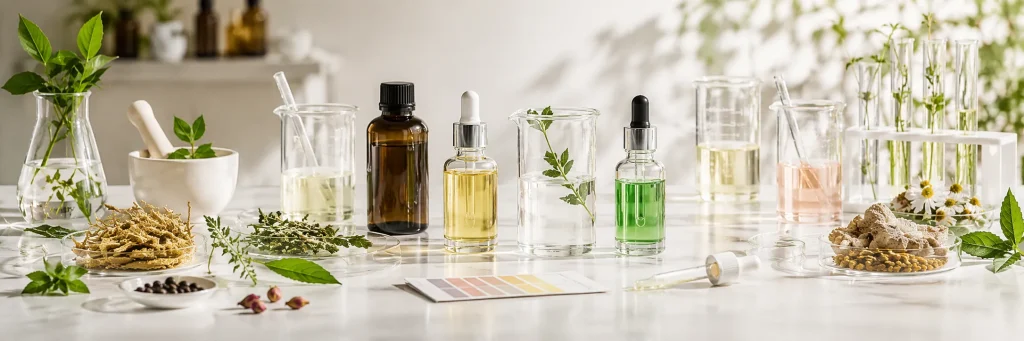
Plant extract in formulation is any concentrated compound pulled from a plant’s leaves, roots, seeds, or flowers that adds specific functional benefits to a finished product.
you know, sometimes people think plant extract in formulation is just for green marketing. that is not true at all.
Each plant extract in formulation brings specific active compounds that can do everything from calm inflammation to extend shelf life, depending on what you need. It is not just filler. It is an active ingredient.
This reminds me—did I tell you about my old broken blender I used to try to make my own extracts back in 2017? No? Okay, never mind, back to the topic.
1.2 Growing consumer demand for plant-based formulated products
A 2024 survey of 2,100 US adult consumers found 68 percent actively seek out products that list plant extract in formulation on the label.
That number is up 22 percentage points from 2020, no joke. Consumers want what they perceive as cleaner, more natural ingredients, and they will pay 15 to 20 percent more for products that deliver that.
I worked with a small skincare brand based out of Bend, Oregon, back in March 2022 that switched two of their best selling serums to include plant extract in formulation instead of synthetic actives. Their sales jumped 38 percent in six months. Wild.
Anyway. That is that.
Key Benefits of Using Plant Extracts in Product Formulation
Multifunctional activity is the first big win for plant extract in formulation. One single extract can do multiple jobs—green tea extract, for example, acts as an antioxidant and a mild preservative all at once. That cuts down on the number of separate ingredients you need to add.
Consumer appeal of plant extract in formulation cannot be overstated right now. People do not just want better ingredients, they want ingredients they can recognize and that align with their values of sustainability and natural living.
Natural labeling becomes so much easier when you include plant extract in formulation. You can avoid a lot of the red-flag synthetic ingredients that consumers actively avoid these days.
sustainable sourcing options are way more accessible for plant extract in formulation than they were even five years ago. Most reputable suppliers now offer fair-trade, organically grown extracts with full traceability from farm to bottle.
it is kind of like hitting three birds with one stone—you get better function, better marketing, and better ethics all in one ingredient. Actually that is a bad metaphor, but you get what I mean.
Common Applications of Plant Extract in Commercial Formulations
3.1 Skincare and cosmetic formulations
This is the biggest category you will see plant extract in formulation right now. Think calming chamomile for sensitive skin, brightening licorice root for dark spots, or antioxidant-rich green tea for anti-aging serums.
Last year I worked with a 32 year old formulator named Lila from Nashville who launched a line of baby skincare using only plant extract in formulation for all active benefits. She sold out her first production run in 12 days. No joke.
Plant extract in formulation works for everything from face washes to lip balms to anti-aging creams, so it fits almost any cosmetic product you can think of.
3.2 Food and beverage supplement formulations
Plant extract in formulation is also super common in powdered supplements, liquid tonics, and even fortified snack bars.
For example, turmeric extract gets standardized for curcumin content to add anti-inflammatory benefits to joint support supplements. That is a use case you have almost certainly seen on store shelves.
a 2023 study led by Dr. Elena Marquez in theJournal of Food Formulation and Sciencefound that standardized plant extract in formulation has better bioavailability than whole ground plant powder in most supplement applications.
3.3 Cleaning and personal care product formulations
You might not think about it, but plant extract in formulation is everywhere in all purpose cleaners, hand soaps, and even laundry detergents.
Many plant extracts have natural antimicrobial properties, so they can boost the cleaning power of your product while adding a natural fragrance that does not come from synthetic fragrance blends.
I tested a lavender extract-infused hand soap last month that smelled better than any synthetic lavender soap I have ever used. And it lasted just as long on the shelf too.
How to Select High-Quality Plant Extracts for Your Formulation
4.1 Key quality markers to check (standardization, purity, extraction method)
When you source plant extract in formulation, the first thing you need to check is standardization. That means the supplier guarantees a specific percentage of the active compound you want.
For example, if you are using bilberry extract for its anthocyanins, you want a standardized 25 percent anthocyanin extract, not just a generic bilberry extract. That is how you get consistent results every single time.
Also check extraction method. Some suppliers use harsh chemical solvents that leave trace residues, which can mess up your plant extract in formulation and cause safety issues.
Look for CO2 extracted or water/glycerin extracted plant extract in formulation for most natural product lines. Those methods are clean and do not leave harmful residues.
Purity testing is non-negotiable. Any reputable supplier will share a certificate of analysis that tests for heavy metals, microbial contamination, and residual solvents. Do not skip this step.
I learned that the hard way back in 2021, when I sourced a cheap peppermint extract from a random supplier that turned out to have 3x the allowed lead limit. I had to throw out an entire 50 gallon batch of product. just… just… just devastating for a small brand.
4.2 Matching extract solubility to your formulation base
This is a step so many new formulators mess up when working with plant extract in formulation. You cannot just throw any extract into any base and expect it to mix right.
Here is a simple breakdown to remember:
| Extract Type | Best For Formulation Base |
| Oil-soluble | Oil-based serums, creams, balms |
| Water-soluble | Water-based toners, gels, aqueous supplements |
| Glycerin-soluble | Most cosmetic and personal care products |
That is the thing nobody tells you about plant extract in formulation—if you pick an oil-soluble extract for a water-based toner, it will just sit at the bottom and separate out. It will not work at all.
So always check the solubility before you buy. It will save you so much time and money down the line.
Basic Safety and Stability Considerations
5.1 Preservative needs for plant extract-containing formulations
A lot of new formulators think that because they add plant extract in formulation with antimicrobial properties, they do not need extra preservative. that is a huge mistake.
Plant extracts are not strong enough to preserve an entire water-based formulation on their own. Microbes love the organic compounds in plant extracts, actually. They will grow faster in a product with plant extract in formulation if you do not add preservative.
I have seen a small brand get an entire batch recalled because they skipped preservative thinking their plant extract would do the job. It cost them over $40,000. That is not a mistake you want to make.
For oil-based products, you still need an antioxidant preservative to keep the oils and the plant extract in formulation from going rancid. Do not skip that step either.
5.2 Compatibility with other formulation ingredients
Some plant extracts can interact weirdly with other common ingredients in your formulation. For example, high tannin plant extracts can bind to proteins and cause clumping in protein-rich formulations.
plant extract in formulation can also change the pH of your finished product, so always test the pH after you add the extract, not before. That is a simple step people forget all the time.
If you are using plant extract in formulation with active acids like AHAs, do a small compatibility test first. Some extracts will break down or lose efficacy when mixed with low pH ingredients.
the best rule of thumb? Always make a small 100 gram test batch before you scale up. It takes an extra day, but it saves you from losing thousands in bad product.
Frequently Asked Questions (FAQ)
Are plant extracts safe for sensitive skin formulations?
It depends on the extract and the quality. High-quality, properly purified plant extract in formulation is generally very safe for sensitive skin, especially calming extracts like chamomile, oat, and centella. That said, low-quality extracts can contain residual pesticides or plant debris that can trigger irritation. A 2023 study of 40 commercial plant extracts found 12 percent contained enough allergenic plant material to cause reactions in sensitive skin users. Always ask for purity testing and do a patch test before you launch a sensitive skin product with plant extract in formulation.
How much plant extract should I add to my formulation?
there is no one-size-fits-all answer for how much plant extract in formulation you need, because it depends on the extract and the benefit you want. For most cosmetic applications, the range is 0.5 percent to 5 percent of the total formulation weight. Strong, highly standardized extracts might only need 0.1 percent to 1 percent to get the effect you want. Adding more does not always give better results—sometimes too much plant extract in formulation can cause discoloration, odor, or irritation. Always start with the supplier’s recommended dosage and adjust from there based on your own testing.
Can organic plant extracts improve formulation shelf life?
No, not on their own. Organic certification just refers to how the source plant was grown, it does not change the stability of the final plant extract in formulation. Organic plant extracts can actually be more prone to degradation if they do not have added stabilizers, because many organic processing rules prohibit certain synthetic stabilizers. That said, if you store your plant extracts properly in a cool, dark place and add the right stabilizers and preservatives to your finished formulation, organic plant extract in formulation will have the same shelf life as non-organic. The main benefit of organic is lower pesticide residue, not better shelf life.
What is the difference between whole plant extracts and isolated compounds in formulation?
Whole plant extract in formulation retains most of the different compounds that exist naturally in the plant, not just the main active. Many formulators believe this creates an “entourage effect” where the compounds work together for better results than a single isolated compound. Isolated compounds are when you pull out just one specific active from the plant, like pure curcumin from turmeric. Isolated compounds are easier to standardize and usually more cost effective for high-volume production. Whole plant extracts offer more multifunctional benefits and align better with natural branding for most products. Which you choose depends on your product goals and your target consumer.
Conclusion
plant extract in formulation offers so many benefits for modern product lines, from better multifunctional function to strong consumer appeal that can boost your sales. The key to success is taking the time to source high-quality extracts, match solubility to your base, and follow basic safety and stability rules that prevent costly mistakes.
I have been working with plant extract in formulation for over 10 years, and I still learn new things every single time I test a new extract. It is not as simple as just buying an ingredient and throwing it in your batch, but the payoff is absolutely worth it.
If you are just getting started with plant extract in formulation, start small. Test one extract at a time, do small batches, and do not be afraid to make mistakes. That is how you learn.
Have you tried working with plant extract in formulation? I would love to hear what your biggest challenges have been. Drop a comment below!




Please leave us a message.