

Synthetic Hydroxyapatite Powder Manufacturer | High Purity & OEM
2026-09-10
- What Is Synthetic Hydroxyapatite Powder?
- Manufacturing Process and Quality Control
- Technical Specifications and Parameter Customization
- Applications of Synthetic Hydroxyapatite Powder
- Why Choose Synthetic Over Natural Hydroxyapatite?
- About Jinan Meiyi Biotechnology: Your Trusted Partner in Bioactive Materials
- OEM and Customization Services for B2B Partners
- How to Evaluate Hydroxyapatite Powder Suppliers
- Frequently Asked Questions (FAQ)
- Common Mistakes in Sourcing and Application
- Future Trends in Synthetic Hydroxyapatite Technology
- Conclusion: Partnering for Excellence in Hydroxyapatite Solutions
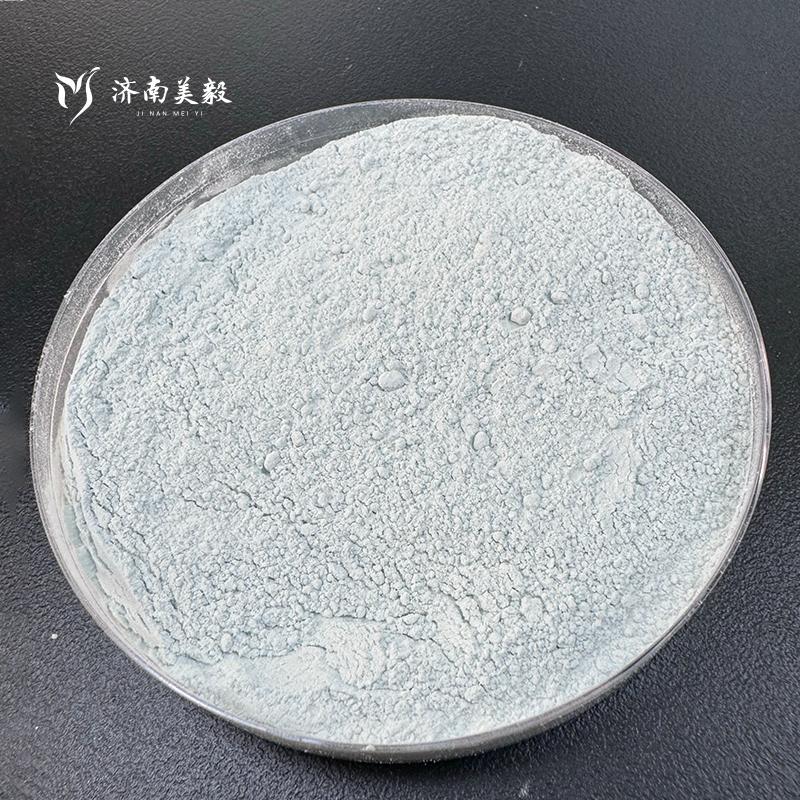
Synthetic hydroxyapatite powder is a high-purity, bioactive calcium phosphate ceramic widely used in biomedical implants, dental care formulations, and advanced coating technologies. As a specialized provider of high-performance raw materials, we offer OEM solutions with precise control over crystallinity, particle size distribution, and stoichiometry (Ca/P ratio). Our rigorous sourcing and quality assurance processes ensure consistent quality for regenerative medicine, orthopedic applications, and cosmetic ingredients, meeting stringent international standards for safety and performance.
What Is Synthetic Hydroxyapatite Powder?
Hydroxyapatite (HA), chemically represented as Ca10(PO4)6(OH)2, is the primary mineral component of human bone and teeth. While natural HA can be derived from biological sources like bovine bone, synthetic hydroxyapatite powder is engineered through controlled chemical precipitation or hydrothermal synthesis. This manufacturing approach guarantees superior purity, eliminating the risk of pathogen transmission or immunogenic reactions associated with xenogeneic materials.
In industrial and medical contexts, synthetic HA is valued for its exceptional biocompatibility and osteoconductivity. It serves as a scaffold that supports new bone growth without triggering adverse immune responses. For manufacturers and formulators, the ability to customize the physical and chemical properties of HA powder—such as porosity, surface area, and ion substitution—is critical for optimizing end-product performance.
Key Characteristics of High-Purity Synthetic HA
- Chemical Purity: Free from organic contaminants, heavy metals, and endotoxins, ensuring safety for implantable and topical applications.
- Stoichiometric Control: Precise Calcium-to-Phosphorus (Ca/P) molar ratio, typically maintained at 1.67 for stoichiometric hydroxyapatite.
- Crystallinity Tuning: Ability to produce highly crystalline structures for stability or nano-crystalline forms for enhanced bioactivity.
- Bioactivity: Promotes direct bonding with living bone tissue, facilitating faster integration in orthopedic and dental procedures.
Manufacturing Process and Quality Control
The production of premium synthetic hydroxyapatite powder requires rigorous process control to maintain consistency across batches. Our supply chain partners integrate advanced precipitation techniques with real-time monitoring systems to ensure every gram of powder meets specified technical parameters.
Wet Chemical Precipitation Method
The most common and effective method for producing high-quality HA is wet chemical precipitation. This process involves the reaction of calcium salts (such as calcium nitrate or calcium chloride) with phosphate salts (such as diammonium hydrogen phosphate) in an aqueous solution.
The reaction is strictly controlled by maintaining specific pH levels, temperature, and stirring rates. By adjusting these variables, manufacturers can influence the nucleation and growth of HA crystals, thereby determining the final particle size and morphology. Post-precipitation, the material undergoes thorough washing to remove residual ions and by-products, followed by drying and calcination at controlled temperatures to achieve the desired crystallinity.
Quality Assurance Protocols
To guarantee reliability for B2B partners and medical device manufacturers, our quality control framework includes multiple analytical stages performed by our certified manufacturing partners:
- X-Ray Diffraction (XRD): Used to verify the phase purity and crystallinity of the powder, ensuring no secondary phases like tricalcium phosphate (TCP) are present unless intentionally formulated.
- Fourier Transform Infrared Spectroscopy (FTIR): Confirms the presence of characteristic phosphate and hydroxyl groups, validating the chemical structure.
- Inductively Coupled Plasma (ICP) Analysis: Measures elemental composition to ensure the Ca/P ratio aligns with theoretical values and detects trace impurities.
- Particle Size Analysis: Utilizes laser diffraction to determine particle size distribution (D10, D50, D90), which is crucial for application-specific performance.
- Endotoxin Testing: Essential for biomedical grades, ensuring compliance with ISO 10993 standards for biological safety.
Technical Specifications and Parameter Customization
Different applications require distinct physical and chemical properties. As a strategic sourcing partner, we offer customizable specifications for synthetic hydroxyapatite powder to match your product development needs. Below is a comparison of standard grades available for various industries.
| Parameter | Biomedical Grade (Implant) | Dental Care Grade | Industrial/Coating Grade |
|---|---|---|---|
| Purity | > 99.9% | > 98.5% | > 95.0% |
| Ca/P Ratio | 1.67 ± 0.02 | 1.67 ± 0.05 | 1.60 – 1.70 |
| Particle Size (D50) | 10 – 50 µm (Micro) | 5 – 20 µm (Fine) | 1 – 100 µm (Variable) |
| Crystallinity | High (>95%) | Moderate to High | Customizable |
| Surface Area | Low to Moderate | High (for adsorption) | Variable |
| Certifications | ISO 13485, Biocompatibility Reports | ISO 22716, Cosmetic Compliance | REACH, RoHS |
Nano vs. Micro Hydroxyapatite: Choosing the Right Morphology
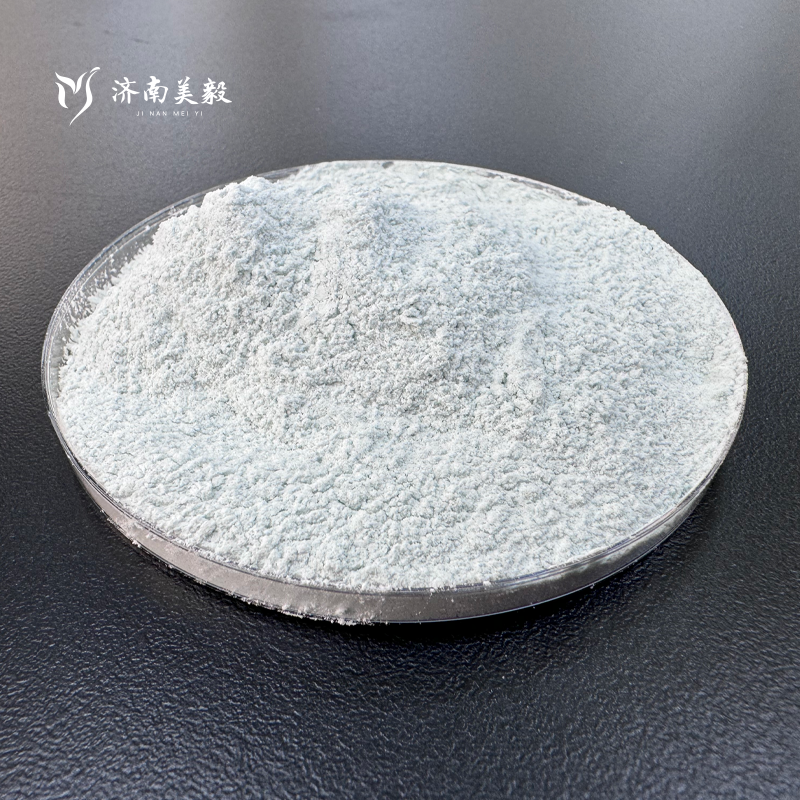
The distinction between nano-sized and micro-sized particles significantly impacts performance. Nano-hydroxyapatite (nHA) particles, typically less than 100 nm, mimic the dimensions of natural bone mineral crystals. This similarity enhances cellular adhesion and proliferation, making nHA ideal for bone tissue engineering scaffolds and advanced drug delivery systems.
Conversely, micro-hydroxyapatite particles offer better flowability and handling characteristics, which are advantageous in manufacturing processes such as plasma spraying for implant coatings or compounding in polymer matrices. For dental remineralization products, a blend of nano and micro particles is often preferred to maximize both penetration into enamel micropores and surface coverage.
Applications of Synthetic Hydroxyapatite Powder
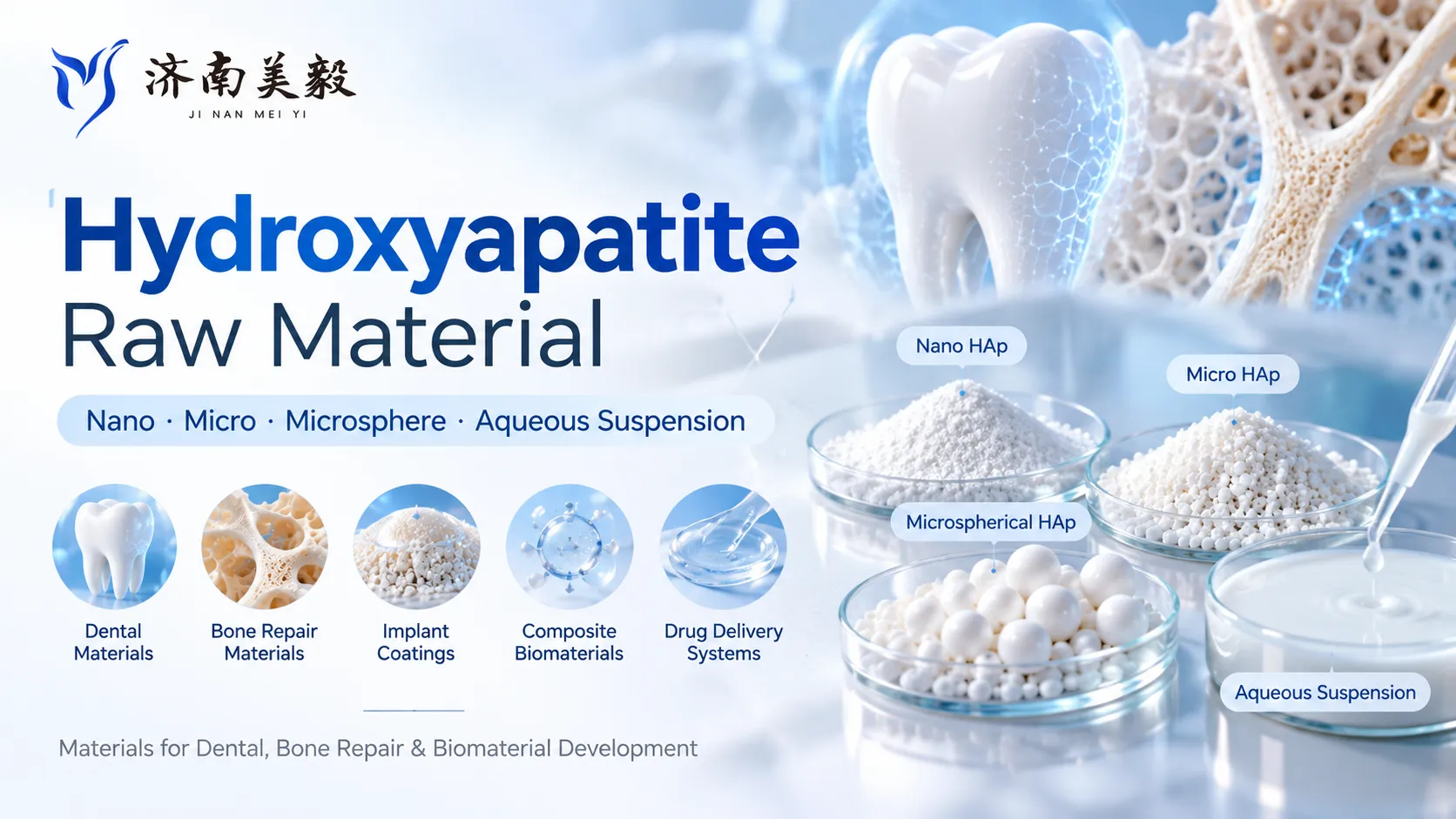
The versatility of synthetic hydroxyapatite powder allows it to serve diverse sectors ranging from healthcare to cosmetics. Understanding the specific requirements of each application helps in selecting the appropriate grade and formulation.
1. Biomedical and Orthopedic Implants
In orthopedics and dentistry, HA is extensively used due to its osteoconductive properties. It acts as a bridge between the implant and the host bone, accelerating healing and ensuring long-term stability.
- Bone Graft Substitutes: HA powder is processed into porous blocks, granules, or cements to fill bone defects caused by trauma, tumor resection, or degenerative diseases.
- Implant Coatings: Titanium implants are often coated with HA via plasma spraying or electrophoretic deposition to improve osseointegration. The powder must have high thermal stability and adhesion properties.
- Drug Delivery Systems: Due to its high surface area and ion-exchange capacity, HA can carry therapeutic agents such as antibiotics, growth factors, or anti-cancer drugs, releasing them in a controlled manner at the target site.
2. Dental Care and Remineralization
Hydroxyapatite has emerged as a gold-standard ingredient in modern oral care, offering a biomimetic alternative to fluoride for enamel repair.
- Enamel Remineralization: Nano-HA particles penetrate microscopic lesions in tooth enamel, depositing minerals that restore structural integrity and reduce sensitivity.
- Toothpaste and Mouthwash: HA powder is incorporated into formulations to polish teeth gently while forming a protective layer that prevents bacterial adhesion and acid erosion.
- Dentin Hypersensitivity Treatment: By occluding open dentinal tubules, HA effectively blocks nerve stimuli, providing immediate and lasting relief from sensitivity.
3. Cosmetics and Personal Care
Beyond oral health, synthetic HA is gaining traction in skincare and haircare due to its safety profile and functional benefits.
- Skin Care: HA powder acts as a mild exfoliant and moisture regulator. Its biocompatibility makes it suitable for sensitive skin formulations, helping to improve skin texture and brightness without irritation.
- Hair Care: In shampoos and conditioners, HA can help repair damaged cuticles and add shine by filling in surface irregularities on the hair shaft.
- Makeup: Used as a bulking agent and texturizer in powders and foundations, providing a smooth finish and improved adherence to the skin.
4. Industrial and Chromatography Applications
In laboratory and industrial settings, HA’s unique adsorption properties are leveraged for separation and purification processes.
- Chromatography Media: HA is used in column chromatography for the purification of proteins, nucleic acids, and viruses. Its affinity for specific biomolecules allows for high-resolution separation.
- Water Treatment: HA can adsorb heavy metals and fluoride from wastewater, offering an eco-friendly solution for environmental remediation.
Why Choose Synthetic Over Natural Hydroxyapatite?
While natural hydroxyapatite derived from marine or bovine sources exists, synthetic HA is predominantly preferred in high-value applications. The decision hinges on three critical factors: safety, consistency, and ethical considerations.
Safety and Pathogen Risk
Natural sources carry an inherent risk of transmitting pathogens, prions, or viruses. Even with rigorous sterilization, the potential for residual biological contaminants remains a concern for regulatory bodies and end-users. Synthetic HA is produced in controlled chemical environments, completely eliminating biological risks and ensuring a sterile starting material.
Consistency and Reproducibility
Biological sources vary in composition depending on the animal’s age, diet, and health status. This variability leads to inconsistencies in purity and structure. Synthetic manufacturing allows for precise control over every batch, ensuring that the Ca/P ratio, crystallinity, and particle size remain constant. This reproducibility is vital for medical device registration and quality assurance.
Ethical and Regulatory Compliance
The use of animal-derived materials faces increasing scrutiny due to ethical concerns and religious restrictions (e.g., Halal, Kosher). Synthetic HA is vegan-friendly and aligns with global trends towards cruelty-free and sustainable sourcing. Furthermore, regulatory approvals for synthetic materials are often more straightforward, as the supply chain is transparent and fully documented.
About Jinan Meiyi Biotechnology: Your Trusted Partner in Bioactive Materials
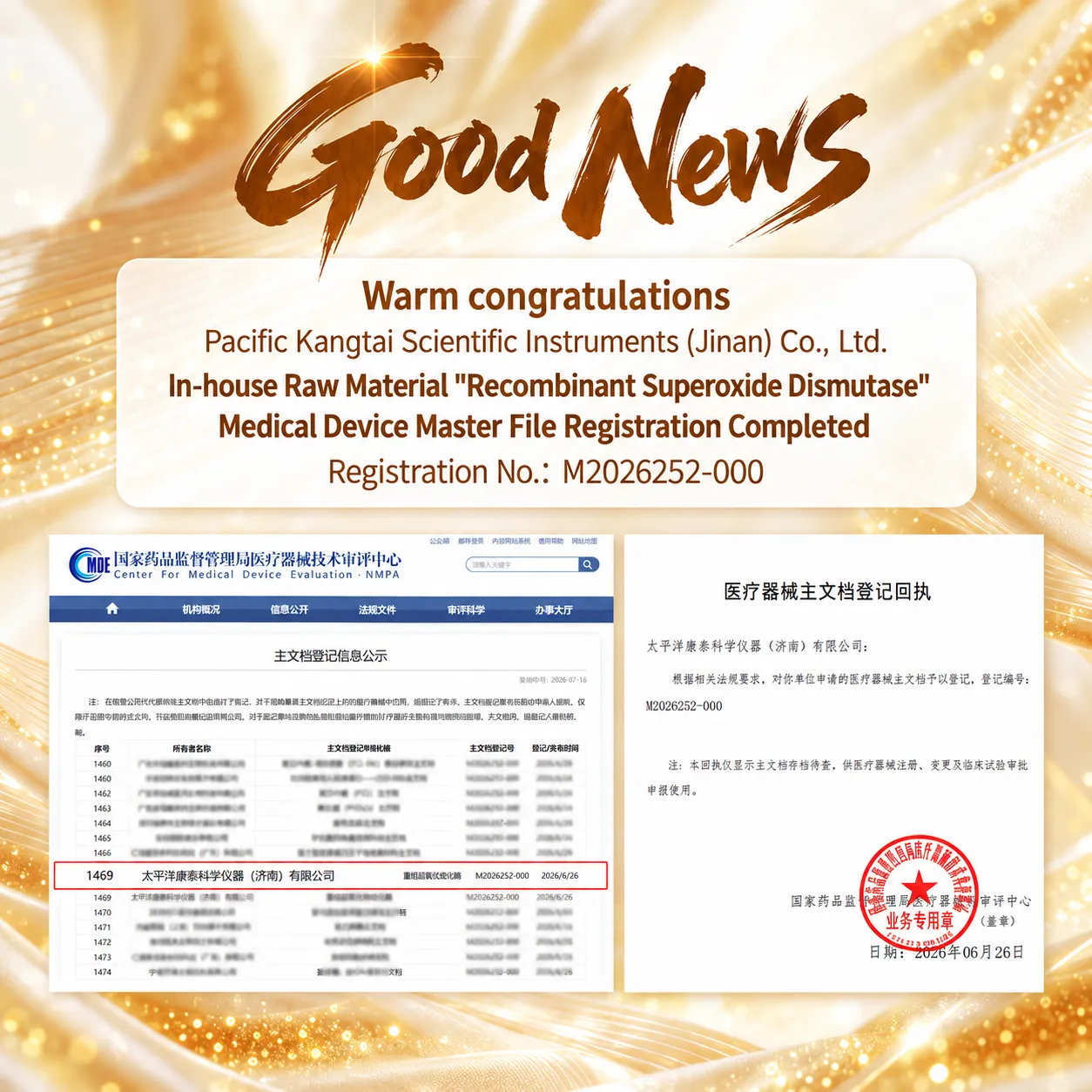
Headquartered in Jinan, Shandong Province, China, Jinan Meiyi Biotechnology Co., Ltd. operates as a subsidiary of Pacific Kangtai Scientific Instruments (Jinan) Co., Ltd. We are a professional enterprise dedicated to the research, development support, and commercialization of bioactive technologies, with a strong emphasis on applications in the cosmetics and medical aesthetics industries.
Unlike traditional manufacturers, Jinan Meiyi Biotechnology functions as a strategic sourcing and quality-assured distribution partner. We do not engage in raw material manufacturing ourselves; instead, we leverage a well-established global supply chain network to maintain long-term cooperative relationships with internationally recognized, certified manufacturers. This model allows us to focus exclusively on what matters most to our clients: scientific rigor, market responsiveness, and unwavering quality control.
Our Core Value Proposition
Our business is structured around two complementary pillars: the supply of cosmetic and bioactive raw materials, and the distribution of premium finished products. Within the raw materials segment, we focus on active ingredients and functional components used in formulation development. Every material in our portfolio undergoes comprehensive evaluation based on efficacy data, stability profiles, and compatibility with modern formulation standards.
For clients seeking synthetic hydroxyapatite powder and other advanced biomaterials, our operational model offers distinct advantages:
- Quality Assurance Without Manufacturing Complexity: We partner only with certified manufacturers adhering to internationally accepted quality management systems (such as ISO 13485 and ISO 9001). Our internal QA framework centers on supplier qualification, documentation traceability, and batch-level specification verification.
- Comprehensive Documentation: Each raw material is accompanied by full technical dossiers, including Certificates of Analysis (CoA), Safety Data Sheets (SDS), and regulatory status summaries. This transparency facilitates smoother regulatory submissions for our clients.
- Global Reach and Local Expertise: Serving clients across Asia, Europe, and North America, we support R&D laboratories, CDMOs, and aesthetic clinics. Our scientifically trained team provides technical consultation and regulatory intelligence, acting as a knowledge-driven bridge between upstream innovation and downstream application.
Commitment to Partnership
At Jinan Meiyi Biotechnology, our service philosophy is rooted in partnership rather than transaction. We actively monitor emerging trends in bioactive ingredient science and dermatological research, integrating these insights into our portfolio strategy. Whether you need standard-grade HA for industrial use or highly specialized, ion-substituted variants for medical aesthetics, we ensure reliable access to technically advanced, regulatory-compliant, and scientifically validated materials.
OEM and Customization Services for B2B Partners
As a dedicated provider of synthetic hydroxyapatite powder, we understand that off-the-shelf products do not always meet the nuanced requirements of innovative R&D projects. Our services are designed to support your product development from concept to commercialization by connecting you with the right manufacturing capabilities.
Custom Particle Engineering
Through our manufacturing partners, we can tailor the particle size distribution to suit your specific processing needs. Whether you require nano-particles for deep enamel penetration or larger microspheres for bone void fillers, our network’s milling and classification technologies allow for precise adjustments. We also offer surface modification services, such as silane coupling or polymer grafting, to enhance compatibility with organic matrices.
Ion-Substituted Hydroxyapatite
To enhance biological performance, we source ion-substituted HA variants. By incorporating ions such as strontium (Sr), magnesium (Mg), zinc (Zn), or silver (Ag) into the crystal lattice, we can impart additional functionalities:
- Strontium-HA: Stimulates bone formation and inhibits resorption, beneficial for osteoporosis treatment.
- Silver-HA: Provides antimicrobial properties, reducing the risk of implant-associated infections.
- Zinc-HA: Enhances antibacterial activity and promotes soft tissue healing.
Packaging and Logistics
We offer flexible packaging options, from small-scale R&D quantities (grams) to bulk industrial shipments (tons). All products are packaged in moisture-proof, sealed containers to maintain stability during storage and transit. Our logistics network ensures timely delivery to global destinations, supported by comprehensive documentation including Certificates of Analysis (CoA), Material Safety Data Sheets (MSDS), and technical data sheets.
How to Evaluate Hydroxyapatite Powder Suppliers
Selecting the right supplier is a strategic decision that impacts product quality and regulatory compliance. When evaluating potential partners for synthetic hydroxyapatite powder, consider the following criteria:
1. Technical Expertise and R&D Capability
A competent supplier should possess in-house R&D facilities or strong partnerships capable of customizing formulations. Ask about their ability to modify particle size, crystallinity, and ion content. A strong technical team can provide valuable insights during the product development phase, helping you optimize your formulation for performance and cost-efficiency.
2. Quality Management Systems
Verify that the manufacturer operates under recognized quality management systems such as ISO 9001 and ISO 13485 (for medical devices). Request audit reports or certifications to confirm compliance. Consistent quality is non-negotiable, especially for biomedical applications where batch-to-batch variation can have serious consequences.
3. Transparency and Documentation
Reliable suppliers provide full transparency regarding their raw materials and manufacturing processes. Ensure they can provide detailed Certificates of Analysis for each batch, including data on purity, particle size, and heavy metal content. Clear documentation facilitates regulatory submissions and quality checks on your end.
4. Scalability and Supply Chain Stability
Assess the supplier’s production capacity to ensure they can scale up as your demand grows. A robust supply chain minimizes the risk of disruptions. Inquire about their inventory management practices and lead times to align with your production schedules.
Frequently Asked Questions (FAQ)
What is the difference between hydroxyapatite and calcium phosphate?
Hydroxyapatite is a specific type of calcium phosphate. While “calcium phosphate” is a general term encompassing several compounds (including tricalcium phosphate, monocalcium phosphate, etc.), hydroxyapatite (Ca10(PO4)6(OH)2) is the most stable and biologically relevant form found in human bone. Synthetic HA is preferred for biomedical uses due to its specific crystal structure and bioactivity.
Is synthetic hydroxyapatite safe for use in cosmetics?
Yes, synthetic hydroxyapatite is considered safe for cosmetic applications. It is non-toxic, non-irritating, and biocompatible. Regulatory bodies in major markets, including the EU and US, approve its use in oral care and skincare products. Its synthetic nature ensures it is free from biological contaminants, making it a clean and safe ingredient.
How does nano-hydroxyapatite repair tooth enamel?
Nano-hydroxyapatite particles are similar in size and composition to the mineral crystals in tooth enamel. When applied, they adhere to the tooth surface and penetrate microscopic pores and lesions. They act as a reservoir of calcium and phosphate ions, promoting remineralization and restoring the enamel’s structural integrity, which reduces sensitivity and prevents decay.
Can hydroxyapatite powder be used for 3D printing?
Yes, HA powder is commonly used in additive manufacturing (3D printing) for creating custom bone scaffolds and implants. It can be mixed with polymers (like PCL or PLGA) to create composite filaments or used in binder jetting and selective laser sintering processes. The powder’s flowability and particle size distribution are critical parameters for successful 3D printing.
What is the shelf life of synthetic hydroxyapatite powder?
When stored in a cool, dry place in sealed containers, synthetic hydroxyapatite powder has a long shelf life, typically exceeding 2-3 years. It is chemically stable and does not degrade under normal storage conditions. However, it is hygroscopic, so protection from moisture is essential to prevent clumping and maintain flowability.
Do you provide samples for testing?
Yes, we provide sample quantities for R&D and evaluation purposes. Please contact our sales team with your specific requirements regarding grade, particle size, and quantity. We aim to support your testing phase to ensure our material meets your application needs before bulk procurement.
Common Mistakes in Sourcing and Application
Even experienced engineers and formulators can encounter pitfalls when working with hydroxyapatite. Being aware of these common errors can save time and resources.
- Ignoring Particle Size Distribution: Assuming all HA powders are the same is a critical error. Using micro-sized HA for a nano-dependent application (like enamel remineralization) will result in poor efficacy. Always verify D50 and D90 values.
- Neglecting Moisture Control: HA powder absorbs moisture from the air, which can affect its flowability and dispersion in formulations. Proper storage and handling protocols are essential to maintain performance.
- Overlooking Crystallinity Effects: Highly crystalline HA is more stable but less soluble, while low-crystalline HA is more bioactive but degrades faster. Matching crystallinity to the desired degradation rate is crucial for implant applications.
- Inadequate Dispersion: In liquid formulations, HA particles tend to agglomerate. Failing to use appropriate dispersants or mixing techniques can lead to uneven distribution and reduced effectiveness.
Future Trends in Synthetic Hydroxyapatite Technology
The field of biomaterials is evolving rapidly, and synthetic hydroxyapatite powder is at the forefront of innovation. Several emerging trends are shaping the future of this material:
Multi-Ion Doping for Enhanced Bioactivity
Research is increasingly focusing on co-doping HA with multiple ions (e.g., Sr, Mg, Zn, Si) to create multifunctional materials. These advanced formulations aim to simultaneously promote bone growth, prevent infection, and modulate inflammation, offering comprehensive solutions for complex clinical cases.
Composite Materials for Mechanical Strength
While HA is bioactive, it is brittle. Combining HA with polymers, graphene, or carbon nanotubes creates composites with improved mechanical properties. These materials are being developed for load-bearing implants, expanding the applicability of HA beyond non-load-bearing bone defects.
Sustainable Manufacturing Practices
Environmental sustainability is becoming a priority. Manufacturers are exploring green synthesis methods that reduce energy consumption and waste generation. Using bio-based precursors and optimizing water usage in precipitation processes are key areas of focus for eco-friendly HA production.
Conclusion: Partnering for Excellence in Hydroxyapatite Solutions
Synthetic hydroxyapatite powder represents a cornerstone material in modern biomedical, dental, and industrial applications. Its unique combination of biocompatibility, osteoconductivity, and chemical stability makes it indispensable for developing next-generation health and wellness products. By choosing a partner that prioritizes purity, precision, and customization, you ensure the success and safety of your final product.
Whether you are developing advanced bone grafts, high-performance toothpaste, or innovative cosmetic formulations, the quality of your raw material defines your competitive edge. Jinan Meiyi Biotechnology Co., Ltd. is committed to rigorous quality control, technical expertise, and customer-centric services, positioning us as a trusted partner in your supply chain. We bridge the gap between scientific innovation and market application, ensuring you receive materials that are not only high-performing but also fully compliant with global standards.
Ready to Optimize Your Product Formulation?
If you are looking for a reliable source of high-purity synthetic hydroxyapatite powder, we are here to support your specific needs. From standard grades to custom-engineered solutions, we deliver consistency and quality you can trust.
Contact our technical sales team today to discuss your requirements, request a Certificate of Analysis, or order a sample for evaluation. Let us help you achieve superior performance in your next project.
Explore Our Full Range of Biomaterials and Technical Solutions





Please leave us a message.