

Aloe Vera Extract Guide: Applications, Benefits & Market Insights
2026-03-24
1. Introduction
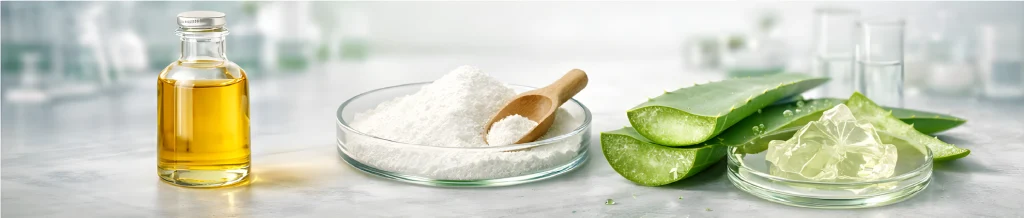
Aloe vera extract has become one of the most versatile and in-demand botanical ingredients across global industries. From skincare formulations to functional beverages and even medical applications, its multifunctional properties make it a staple for product innovation.
As professionals in the raw material and formulation space, we often see three key needs:
- B2B buyers want reliable sourcing and consistent quality
- Formulators need proven functionality and compatibility
- Traders and distributors look for scalable market opportunities
In this guide, we’ll break down what aloe vera extract is, its core benefits, real-world applications, and how to evaluate quality—along with key market insights to help you make informed decisions.
2. What Is Aloe Vera Extract?
Aloe vera extract is derived from the leaves of the Aloe vera plant. The plant contains two main components:
- Inner gel (clear, nutrient-rich, widely used)
- Latex layer (contains aloin, typically restricted due to safety concerns)
Common Extraction Methods
- Cold-pressed extraction: Preserves bioactive compounds
- Spray-dried powder: Converts liquid into stable, concentrated powder
- Concentrated liquid extraction: Used for beverages and bulk formulations
Key Active Components
- Polysaccharides (Acemannan) – primary functional compound
- Vitamins (A, C, E, B-complex)
- Enzymes and amino acids
- Minerals and antioxidants
Available Market Forms
- Liquid extract (1x–40x concentration)
- Powder extract (e.g., 100:1, 200:1)
- Dehydrated aloe gel
Each form serves different formulation and logistics needs, which we’ll explore further below.
3. Key Benefits of Aloe Vera Extract
Aloe vera extract offers a wide range of functional benefits backed by both traditional use and modern research:
- Skin soothing & moisturizing
Helps retain moisture and calm irritation, widely used in sensitive skincare - Anti-inflammatory & wound-healing support
Contains compounds that may accelerate skin repair and reduce redness - Digestive & gut health support
Commonly used in nutraceuticals and functional beverages - Antioxidant properties
Protects against oxidative stress, supporting anti-aging formulations - Excellent compatibility
Works well with hyaluronic acid, botanical extracts, and active compounds
These benefits make aloe vera extract highly adaptable across industries.
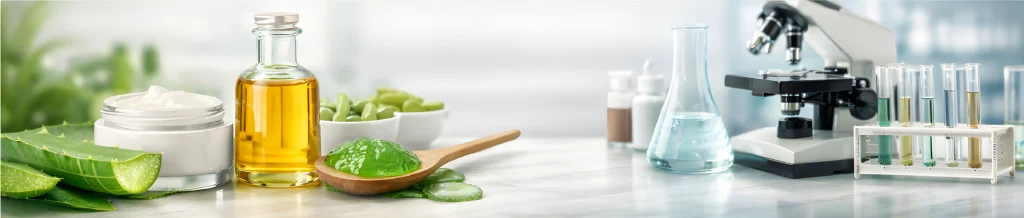
4. Major Applications of Aloe Vera Extract
4.1 Cosmetics & Personal Care
Aloe vera extract is a cornerstone ingredient in:
- Moisturizers, serums, masks
- After-sun and sensitive skin products
- Haircare products for scalp hydration
It aligns perfectly with the clean beauty and natural formulation trend.
4.2 Food & Dietary Supplements
In the food and nutraceutical space, it is used for:
- Aloe-based functional drinks
- Digestive health supplements
- Wellness and detox formulations
Its natural positioning makes it attractive for health-conscious consumers.
4.3 Pharmaceutical & Medical Applications
Aloe vera extract is increasingly used in:
- Topical gels for burns and wound care
- Regulated oral products (depending on region)
- Biomaterial research and medical coatings
Its biocompatibility makes it valuable in advanced applications.
4.4 Industrial & Emerging Uses
Emerging applications include:
- Functional coatings
- Bio-based materials
- Cross-industry innovations combining natural actives with technology
This signals long-term growth potential beyond traditional uses.

5. How to Choose High-Quality Aloe Vera Extract
Selecting the right supplier and specification is critical.
Key Quality Indicators
- Polysaccharide (Acemannan) content – higher levels indicate better efficacy
- Aloin content – must meet safety standards (especially for ingestion)
Certifications to Look For
- Organic certification
- ISO, GMP, HACCP
- Third-party testing (COA availability)
Supplier Evaluation Checklist
- Full traceability (from plant to extract)
- Customization capabilities (concentration, form)
- Batch consistency and stability data
Liquid vs Powder: Which to Choose?
- Liquid extract: Easier for beverages and topical formulations
- Powder extract: Better for capsules, tablets, and long shelf life
The choice depends on your product format and logistics needs.
6. Global Market Insights & Trends
Market Overview
Aloe vera extract continues to grow across:
- Cosmetics and personal care
- Nutraceuticals and functional foods
- Pharmaceutical and medical sectors
Key Importing Regions
- United States
- Europe
- Southeast Asia
Key Trends Driving Demand
- Clean-label and natural ingredients
- Growth of functional wellness products
- Increasing B2B bulk procurement
Pricing Factors
- Concentration ratio (e.g., 200:1 vs 100:1)
- Processing method
- Certification and compliance level
Understanding these factors helps buyers optimize cost-performance balance.
7. Challenges & Considerations
While aloe vera extract is highly versatile, there are important considerations:
- Stability issues in certain formulations
- Regulatory differences across countries
- Adulteration risks in low-cost supply chains
- Shelf life and storage requirements
Working with verified suppliers is essential to mitigate these risks.
8. Future Outlook of Aloe Vera Extract
Looking ahead, we see several growth directions:
- Advanced extraction technologies improving bioavailability
- Expansion into medical and biotech applications
- Rising demand for sustainable and premium-grade extracts
Aloe vera extract is evolving from a traditional ingredient into a high-value functional raw material.
9. Conclusion
Aloe vera extract stands out as a versatile, scalable, and market-proven ingredient across multiple industries. Whether we are developing skincare, functional foods, or advanced medical products, its adaptability and consumer appeal make it a strong choice.
As demand continues to grow globally, selecting the right quality and supplier becomes a key competitive advantage.
👉 Looking to source high-quality aloe vera extract?
We invite you to:
- Request detailed specifications and COA
- Explore customized extract solutions
- Contact us for bulk pricing and technical support
Let’s work together to bring better, more effective products to market.
10. FAQ Section
What is aloe vera extract used for?
It is used in skincare, dietary supplements, functional beverages, and medical applications due to its soothing, hydrating, and bioactive properties.
Is aloe vera extract safe for ingestion?
Yes, when properly processed and with controlled aloin levels, it is widely used in food and supplement products.
What is the difference between aloe gel and extract?
Aloe gel is the raw inner leaf substance, while extract is a processed, concentrated form designed for industrial use.
How to choose the best aloe vera extract supplier?
Focus on certifications, polysaccharide content, traceability, and consistency.
What concentration of aloe vera extract is most effective?
It depends on the application, but common commercial options include 100:1 and 200:1 powder extracts for high efficiency.





Please leave us a message.