

Hydroxyapatite Suspension Stability: Key Factors for Mouthwash and Toothpaste Formulas
2026-06-29
Hydroxyapatite suspension stability is an important factor for oral care brands developing mouthwash, toothpaste, gel and other fluoride-free product concepts. As hydroxyapatite is not truly dissolved in water, it usually exists as fine particles dispersed in a liquid system. This means formulators need to pay close attention to sedimentation, particle size, pH, viscosity, solid content and compatibility with other ingredients.
For toothpaste formulas, hydroxyapatite can be easier to stabilize because the system usually has higher viscosity. For mouthwash formulas, the challenge is greater because the system is low-viscosity and water-based. If the suspension is not well designed, particles may settle at the bottom, form hard sediment or create an uneven product appearance.
For cosmetic and oral care brands, choosing the right hydroxyapatite suspension supplier is not only about concentration. It is also about dispersion quality, long-term stability, redispersibility and documentation support.
What Is Hydroxyapatite Suspension?
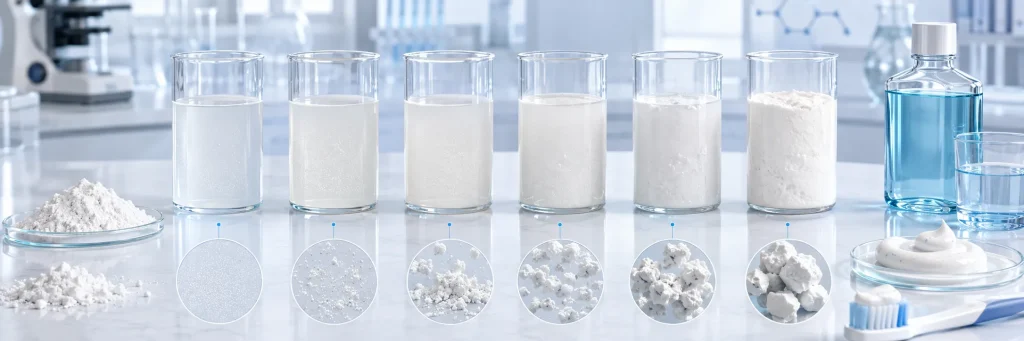
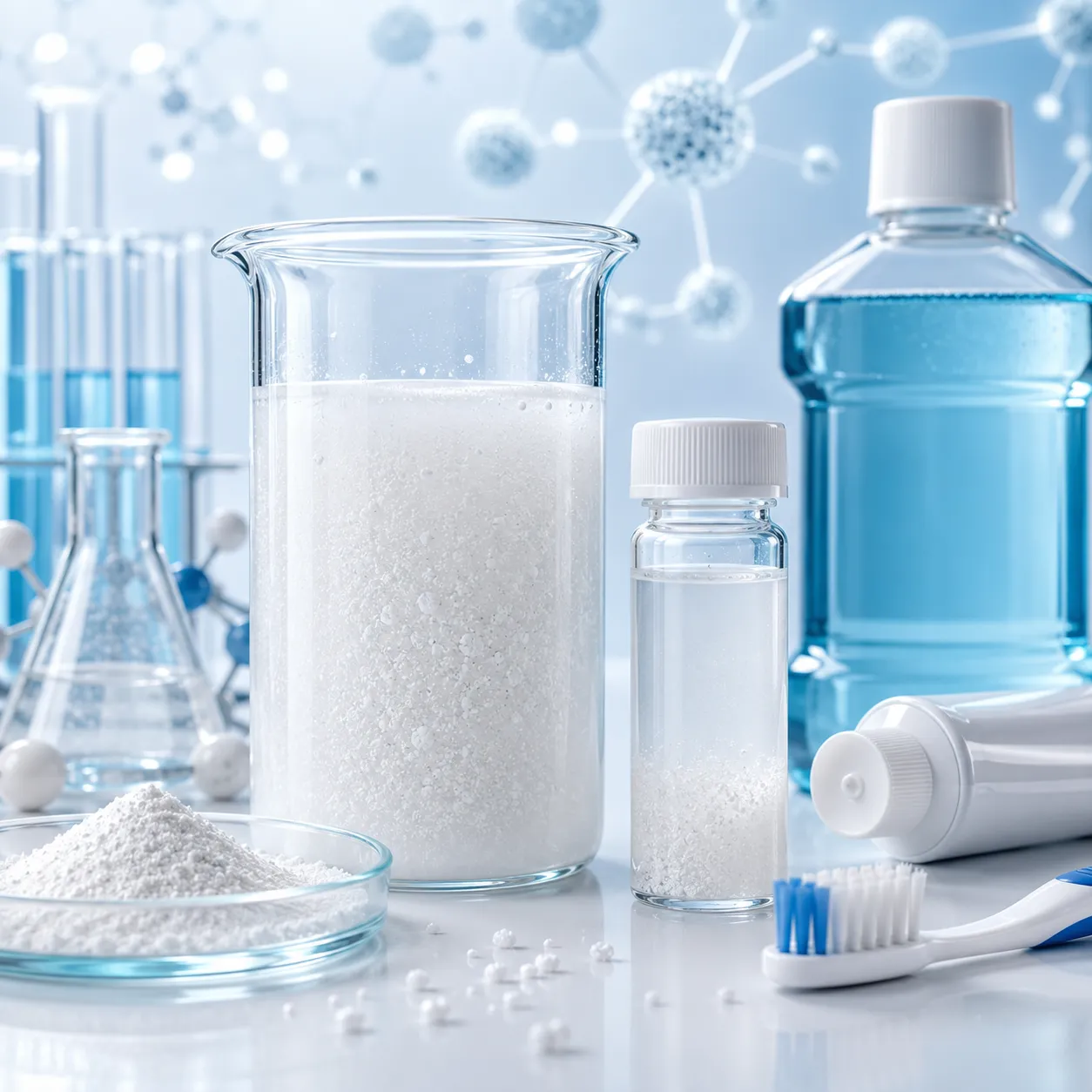
Hydroxyapatite suspension is a liquid dispersion system containing hydroxyapatite particles in water or a water-based medium. It may also be called hydroxyapatite slurry, nano hydroxyapatite suspension, hydroxyapatite water suspension or hydroxyapatite dispersion.
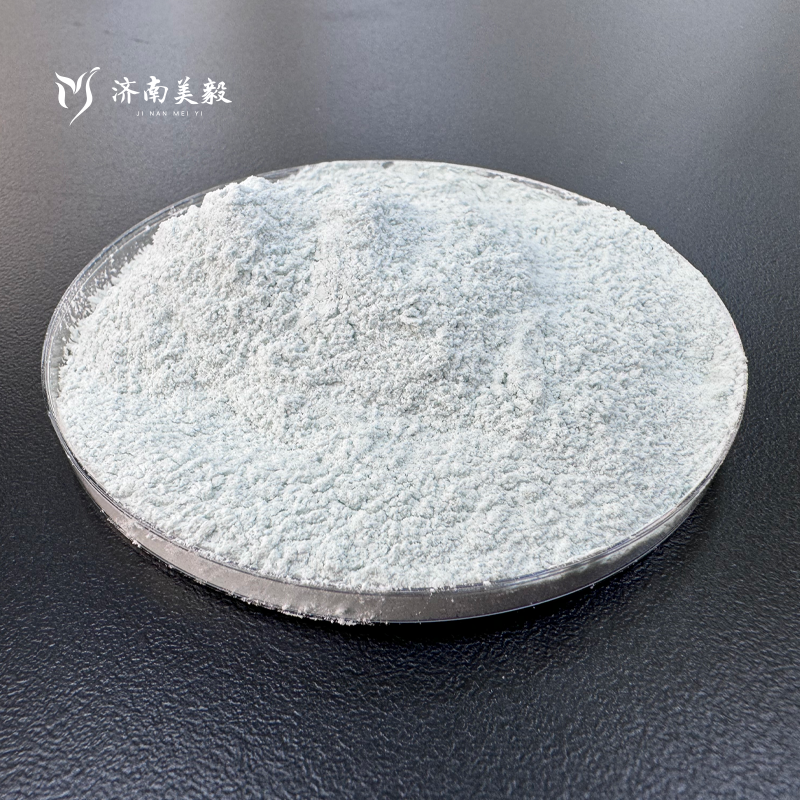
Unlike water-soluble ingredients, hydroxyapatite does not completely dissolve in water. The product usually appears as a white or milky liquid because the solid particles are suspended in the medium.
Common solid content ranges include:
- 5wt% hydroxyapatite suspension
- 10wt% hydroxyapatite suspension
- 15wt% hydroxyapatite suspension
- 20wt% hydroxyapatite suspension
- 25wt% hydroxyapatite suspension
The term “wt%” means weight percentage. For example, a 20wt% hydroxyapatite suspension contains about 20g hydroxyapatite solid in every 100g suspension.
Why Suspension Stability Matters in Oral Care Products
Hydroxyapatite suspension stability directly affects manufacturing, storage, consumer experience and final product quality. A well-dispersed suspension can help formulators achieve better batch consistency and easier processing. A poorly stabilized suspension may lead to visible sedimentation, uneven dosage and poor sensory performance.
For mouthwash, suspension stability is especially important because the formula is usually thin and transparent or semi-opaque. If hydroxyapatite settles too quickly, the product may look unstable on the shelf. Consumers may also notice powdery sediment at the bottom of the bottle.
For toothpaste, the higher viscosity can reduce sedimentation risk, but stability is still important. Poorly dispersed hydroxyapatite may cause graininess, uneven texture or compatibility issues with thickeners, surfactants and flavor systems.
Key Factor 1: Particle Size
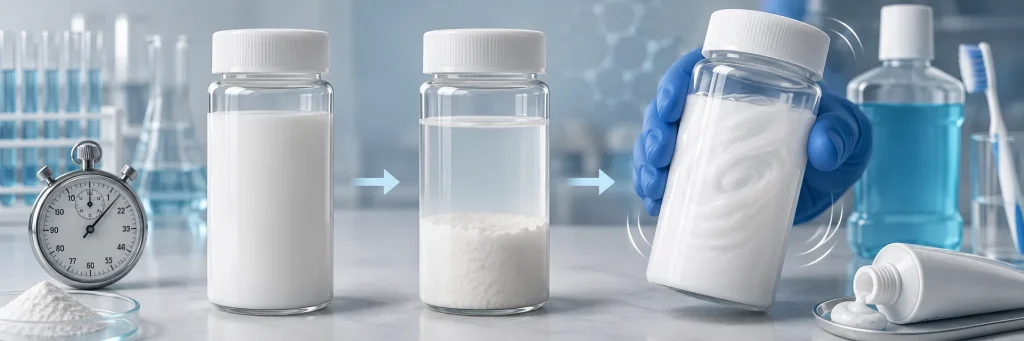
Particle size is one of the most important factors affecting hydroxyapatite suspension stability. Smaller particles usually settle more slowly than larger particles. Fine particles can also help create a smoother texture in mouthwash and toothpaste formulas.
However, particle size should not be evaluated only by average size. Brands should also check particle size distribution. A suspension with a narrow and consistent distribution is usually easier to control than a system containing large agglomerates.
Recommended questions for suppliers include:
- What is the average particle size?
- What are the D50 and D90 values?
- Is the material nano grade or micro grade?
- Does the suspension contain large agglomerates?
- Has the particle size been tested after dispersion?
For mouthwash formulas, smaller and better-dispersed particles are generally preferred because the product has lower viscosity. For toothpaste, slightly broader particle systems may still be workable, but the final texture must be carefully evaluated.
Key Factor 2: Solid Content
Solid content affects both product performance and stability. A higher solid content provides more active material in the suspension, but it also increases the risk of viscosity change, sedimentation or aggregation.
For example, a 5wt% suspension is usually easier to redisperse, but more suspension must be added to reach the target hydroxyapatite level in the final formula. A 20wt% or 25wt% suspension has higher solid content and requires less addition, but it needs better dispersion technology to maintain stability.
For oral care brands, the choice of solid content depends on the final product type:
- Mouthwash: often requires lower final hydroxyapatite content and better flowability
- Toothpaste: can tolerate higher solid loading because of the thickened base
- Gel products: require balance between clarity, texture and dispersion
- Concentrated formulas: need stronger control of sedimentation and redispersibility
A good supplier should clearly state the solid content, recommended use level and storage conditions.
Key Factor 3: Redispersibility
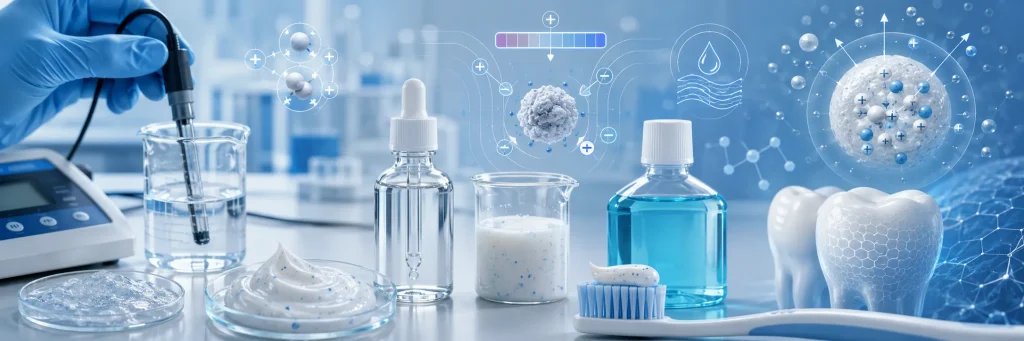
Some sedimentation may occur in hydroxyapatite suspensions during storage. This does not always mean the product is poor quality. The key question is whether the sediment can be easily redispersed.
A high-quality hydroxyapatite suspension should be easy to shake or stir back to a uniform state. If sediment forms a hard cake at the bottom, it may be difficult to use in production and may create batch inconsistency.
Brands should evaluate:
- Does the suspension show light sedimentation after standing?
- Can it return to uniform appearance after shaking?
- Does it form hard sediment?
- How long does it remain uniform after redispersion?
- Is mechanical mixing required before use?
For industrial application, redispersibility is often more practical than expecting zero sedimentation forever.
Key Factor 4: pH Compatibility
pH can influence hydroxyapatite suspension stability, particle surface charge and compatibility with other oral care ingredients. A suitable pH range helps maintain product stability and supports a comfortable oral care formula.
Mouthwash formulas often contain flavor, sweetener, humectant, preservative and surfactant systems. These ingredients may change the ionic environment and influence particle behavior. Toothpaste formulas may contain abrasives, binders, humectants, foaming agents and active ingredients, which can also affect dispersion stability.
Before final production, formulators should test hydroxyapatite suspension under the actual formula pH rather than only testing it in water.
Important checks include:
- pH of the raw suspension
- pH of the final formula
- Stability after pH adjustment
- Sedimentation after adding electrolytes
- Compatibility with flavor and preservative systems
- Change in viscosity or appearance over time
Key Factor 5: Zeta Potential and Surface Charge
Zeta potential is commonly used to evaluate the physical stability of particle dispersions. It reflects the surface charge behavior of particles in a liquid system. When particles have sufficient repulsion, they are less likely to aggregate. When repulsion is weak, particles may come together and settle faster.
For hydroxyapatite suspension, zeta potential can help formulators understand whether the dispersion system is likely to remain stable. However, zeta potential should not be used alone. It should be evaluated together with particle size, viscosity, pH and long-term storage performance.
When sourcing hydroxyapatite suspension, brands can ask whether the supplier has zeta potential data and under what conditions the test was performed.
Key Factor 6: Viscosity and Rheology
Viscosity plays a major role in suspension stability. Higher viscosity can slow down particle settling, which is why hydroxyapatite is often easier to stabilize in toothpaste than in mouthwash.
In toothpaste, thickeners and binders help create a structured system that can hold particles more effectively. In mouthwash, the low-viscosity system makes particles more likely to settle. For this reason, mouthwash formulas may require better particle dispersion, suitable suspension aids or a “shake before use” concept.
Common formulation approaches may include:
- Optimizing particle size
- Adjusting viscosity
- Using compatible gums or polymers
- Improving dispersion process
- Avoiding incompatible electrolytes
- Testing flavor and preservative compatibility
The final choice depends on the target product texture and market positioning.
Key Factor 7: Compatibility with Other Ingredients
Hydroxyapatite suspension must be tested with the complete formula, not only as a standalone raw material. Some ingredients may improve stability, while others may cause aggregation, viscosity change or sedimentation.
In mouthwash and toothpaste formulas, compatibility should be checked with:
- Humectants such as glycerin and sorbitol
- Surfactants or mild foaming agents
- Flavor oils and solubilizers
- Sweeteners
- Preservatives
- Thickeners and gums
- Electrolytes
- Colorants
- Other mineral ingredients
Even if the hydroxyapatite suspension looks stable by itself, it may behave differently in the final formula.
Hydroxyapatite Suspension in Mouthwash Formulas
Mouthwash is one of the most challenging applications for hydroxyapatite suspension because the formula is usually thin and water-based. The key challenge is to balance active content, sedimentation control, mouthfeel and product appearance.
For a practical starting point, brands may test final hydroxyapatite solid content around 0.5%–2%, depending on product positioning and stability requirements. A lower level is easier to stabilize and may create a lighter mouthfeel. A higher level may strengthen product positioning but requires more careful stability control.
For example, if a brand wants 1% hydroxyapatite solid content in the final mouthwash and uses a 20wt% hydroxyapatite suspension, the formula would need about 5% suspension.
Mouthwash developers should test:
- 24-hour appearance
- 7-day sedimentation
- 30-day storage stability
- High and low temperature storage
- Freeze-thaw stability if needed
- Redispersibility after standing
- Mouthfeel and powdery sensation
Hydroxyapatite Suspension in Toothpaste Formulas
Toothpaste generally provides a more stable environment for hydroxyapatite particles because the system contains humectants, binders and thickeners. However, stability and texture still need to be carefully controlled.
In toothpaste, hydroxyapatite suspension can be used to simplify dispersion compared with powder addition. A pre-dispersed suspension may reduce dust, improve processing convenience and help create more uniform distribution in the formula.
Brands should evaluate:
- Compatibility with abrasive systems
- Texture smoothness
- Viscosity change after storage
- Particle distribution
- Flavor stability
- Appearance after aging
- Batch-to-batch consistency
For toothpaste manufacturers, hydroxyapatite suspension can be a practical option when the goal is easier processing and better dispersion control.
Powder vs. Suspension: Which Is Better?
Hydroxyapatite powder and hydroxyapatite suspension each have advantages.
Hydroxyapatite powder is easier to store and transport, and it may offer stronger flexibility for manufacturers with good dispersion equipment. However, it requires proper mixing and dispersion during production.
Hydroxyapatite suspension is easier to add into water-based systems and may reduce processing difficulty. It is especially useful for brands that want a ready-to-use dispersed ingredient. However, it requires attention to storage stability, microbial control and solid content.
For mouthwash, suspension is often more convenient because powder dispersion in low-viscosity liquid can be difficult. For toothpaste, both powder and suspension can be used, depending on production process and formulation design.
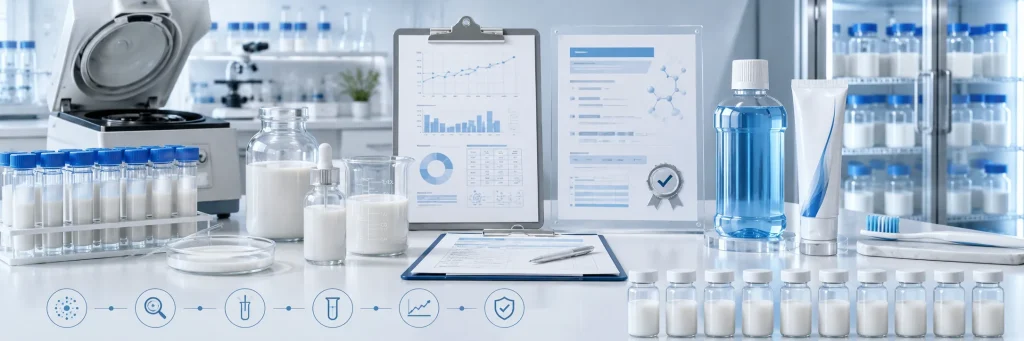
Quality Checks for Hydroxyapatite Suspension Suppliers
When choosing a hydroxyapatite suspension supplier, brands should request complete technical documentation and stability information.
Important documents and data may include:
- Product specification
- COA
- MSDS
- Solid content test
- Particle size distribution
- pH value
- Zeta potential if available
- Microbial limits
- Heavy metals
- Appearance and odor
- Storage condition
- Shelf life
- Preservative information if applicable
- Recommended use level
- Redispersibility guidance
A reliable supplier should also explain whether the suspension contains water only or includes dispersants, stabilizers or preservatives. This is important for formula compatibility and regulatory review.
Practical Stability Testing Plan
For new product development, brands should not rely only on supplier data. The final formula should be tested under realistic storage conditions.
A practical test plan may include:
Initial Test
Check appearance, odor, pH, viscosity and redispersibility immediately after production.
Short-Term Standing Test
Observe sedimentation after 24 hours and 7 days. Record whether the sediment is soft or hard.
Long-Term Storage Test
Place samples at room temperature and elevated temperature to observe changes over 30–90 days.
Centrifuge Test
Use centrifugation as a quick screening method to compare different suspension systems.
Formula Compatibility Test
Test hydroxyapatite suspension with flavor, preservative, surfactant, thickener and other key ingredients.
Consumer Experience Test
Evaluate mouthfeel, powdery sensation, smoothness and product appearance.
Common Problems and Solutions
Problem: Fast Sedimentation
Possible causes include large particles, low viscosity or poor dispersion. Solutions may include using smaller particles, improving dispersion, adjusting viscosity or selecting a better suspension grade.
Problem: Hard Sediment
Hard sediment may indicate strong particle aggregation. The formulation may need better dispersants, pH adjustment or improved processing.
Problem: Grainy Texture
Large particles or agglomerates may create a rough mouthfeel. A narrower particle size distribution and better milling or dispersion process may help.
Problem: Viscosity Change
Hydroxyapatite may interact with thickeners, electrolytes or other minerals. Compatibility testing is required before scale-up.
Problem: Poor Redispersibility
The suspension may require optimization of particle surface properties, stabilizer system or storage conditions.
Conclusion
Hydroxyapatite suspension stability is a key technical factor in mouthwash and toothpaste formulation. Because hydroxyapatite is a dispersed solid rather than a fully dissolved ingredient, formulators need to control particle size, solid content, pH, zeta potential, viscosity, ingredient compatibility and redispersibility.
For mouthwash, the main challenge is sedimentation in a low-viscosity water-based system. For toothpaste, the higher viscosity helps improve stability, but texture, dispersion and compatibility still matter. Choosing a well-designed hydroxyapatite suspension can help oral care brands improve formulation efficiency and product consistency.
For brands developing fluoride-free oral care products, a stable hydroxyapatite suspension can be a practical raw material option for mouthwash, toothpaste, gel and other oral care formulas.
FAQ
What does hydroxyapatite suspension stability mean?
Hydroxyapatite suspension stability refers to how well hydroxyapatite particles remain evenly dispersed in a liquid system without rapid sedimentation, hard settling or aggregation.
Will hydroxyapatite suspension settle over time?
Some sedimentation may occur because hydroxyapatite is a solid particle dispersion. A good-quality suspension should be easy to redisperse by shaking or stirring.
What concentration of hydroxyapatite suspension is suitable for mouthwash?
For mouthwash development, brands often start by testing final hydroxyapatite solid content around 0.5%–2%, depending on product positioning and stability requirements.
Is hydroxyapatite suspension better than powder?
Hydroxyapatite suspension can be easier to use in water-based formulas, while powder offers storage and transport advantages. The better choice depends on the final product and manufacturing process.
What should buyers check before purchasing hydroxyapatite suspension?
Buyers should check solid content, particle size, pH, redispersibility, microbial limits, heavy metals, storage conditions, COA, MSDS and whether the suspension contains dispersants or preservatives.






Please leave us a message.