
Buy PDRN Powder: Wholesale Price & OEM Supplier
2026-09-08
- What Is PDRN Powder? Technical Definition and Mechanism
- Why Buy PDRN Powder Wholesale? Market Trends in 2026
- Technical Specifications: How to Evaluate PDRN Quality
- OEM and Customization Services for PDRN Products
- Applications of PDRN Powder in Aesthetic Medicine
- Step-by-Step Guide: How to Source and Buy PDRN Powder
- Common Mistakes When Buying PDRN Powder
- The Role of Specialized Distributors: Ensuring Supply Chain Integrity
- FAQ: Frequently Asked Questions About PDRN Powder
- Comparison: PDRN vs. Other Bio-Stimulators
- Strategic Sourcing: Building Long-Term Partnerships
- Conclusion: Secure Your Supply of High-Quality PDRN
Looking to buy PDRN powder for cosmetic formulations or clinical applications? Sourcing high-purity Polydeoxyribonucleotide (PDRN) requires a partner who guarantees molecular integrity, strict GMP manufacturing standards, and transparent OEM capabilities. In 2026, the demand for bio-stimulatory ingredients has shifted from simple availability to verified efficacy and supply chain security. This guide details how to evaluate wholesale suppliers, understand technical specifications like molecular weight distribution, and secure competitive pricing for bulk orders. Whether you are developing injectable skin boosters, topical repair serums, or post-procedure masks, selecting the right PDRN source is critical for product safety and market success.
What Is PDRN Powder? Technical Definition and Mechanism
Polydeoxyribonucleotide (PDRN) is a mixture of deoxyribonucleotide polymers derived from salmon sperm DNA. Unlike synthetic peptides, PDRN is a natural biopolymer that closely resembles human DNA in its base composition. When used in aesthetic medicine and dermatology, it acts as a potent tissue regenerator and anti-inflammatory agent.
The core value of PDRN lies in its ability to activate adenosine A2A receptors. This activation triggers a cascade of biological responses, including increased fibroblast proliferation, enhanced collagen synthesis, and improved microcirculation. For manufacturers and formulators, understanding this mechanism is essential because it dictates the required purity and molecular weight specifications of the raw powder.
The Biological Source: Why Salmon DNA?
Salmon (Oncorhynchus keta) DNA is the industry standard for PDRN production due to its high compatibility with human nucleotide sequences. The similarity exceeds 95%, which minimizes the risk of immune rejection while maximizing cellular uptake efficiency. High-quality PDRN powder undergoes rigorous purification to remove proteins, lipids, and potential allergens, leaving only the pure nucleotide chains.
- High Purity: Premium grades achieve >99% purity, ensuring no residual proteins that could cause allergic reactions.
- Molecular Consistency: Controlled enzymatic hydrolysis ensures uniform chain lengths, critical for predictable viscosity in final formulations.
- Bioavailability: The specific fragmentation allows for effective penetration through the stratum corneum in topical applications or even distribution in injectable matrices.
Key Mechanisms of Action in Skin Regeneration
When sourcing PDRN powder, buyers must ensure the material retains its biological activity. The primary mechanisms include:
- Fibroblast Activation: PDRN stimulates dermal fibroblasts to produce Type I and Type III collagen, improving skin elasticity and reducing fine lines.
- Anti-Inflammatory Effects: It inhibits pro-inflammatory cytokines, making it ideal for post-laser care, acne treatment, and sensitive skin repair.
- Angiogenesis Promotion: By enhancing blood vessel formation, PDRN improves nutrient delivery to damaged tissues, accelerating wound healing.
- Hydration Retention: While not a humectant like hyaluronic acid, PDRN improves the skin barrier function, indirectly boosting moisture retention.
Why Buy PDRN Powder Wholesale? Market Trends in 2026
The global aesthetic market in 2026 is characterized by a shift towards “preventive aesthetics” and “skin health” rather than just structural correction. PDRN has moved from a niche injectable ingredient to a mainstream component in various delivery systems. Buying PDRN powder wholesale offers significant strategic advantages for brands and manufacturers.
Cost Efficiency and Margin Optimization
Purchasing raw PDRN powder allows formulators to control the concentration of the active ingredient in their final products. Pre-mixed solutions often come with premium markups for convenience. By sourcing the powder directly, businesses can optimize their Cost of Goods Sold (COGS). Bulk purchasing typically reduces the per-gram cost by 30-50% compared to small-batch acquisitions, enabling competitive pricing in the retail or clinical market.
Formulation Flexibility and Innovation
Wholesale powder provides unparalleled flexibility. You are not locked into a pre-defined viscosity or concentration. This allows R&D teams to:
- Create hybrid formulations combining PDRN with Hyaluronic Acid, Exosomes, or Peptides.
- Adjust molecular weight profiles for specific delivery methods (e.g., microneedling vs. injection).
- Develop unique textures for topical creams, gels, or lyophilized powders for reconstitution.
Supply Chain Security and Brand Independence
Relying on finished goods from third-party manufacturers can expose your brand to supply bottlenecks. By securing a direct relationship with a PDRN powder supplier, you gain control over inventory levels. In 2026, supply chain resilience is a key competitive advantage. Direct sourcing ensures that you can scale production up or down based on market demand without waiting for intermediary processing times.
Technical Specifications: How to Evaluate PDRN Quality
Not all PDRN powders are created equal. The quality varies significantly based on the extraction method, purification process, and storage conditions. When you aim to buy PDRN powder, you must request a detailed Certificate of Analysis (CoA) and verify key technical parameters.
Molecular Weight Distribution
Molecular weight (MW) is the most critical parameter affecting performance. PDRN is not a single molecule but a polymer mix. The average MW determines its viscosity, penetration ability, and biological activity duration.
| Specification | Typical Range | Impact on Application |
|---|---|---|
| Average Molecular Weight | 50 kDa – 1,000 kDa | Lower MW penetrates deeper; Higher MW provides longer residence time. |
| Purity Level | >99.0% | Higher purity reduces risk of irritation and ensures consistent efficacy. |
| pH Value (1% Solution) | 6.0 – 8.0 | Neutral pH is essential for skin compatibility and stability in formulations. |
| Nucleotide Composition | dAMP, dGMP, dCMP, dTMP | Must match natural DNA ratios for optimal receptor binding. |
| Endotoxin Levels | <0.5 EU/mg | Critical for injectable-grade applications to prevent fever or inflammation. |
Purity and Contaminant Control
High-quality PDRN must be free from proteins, peptides, and heavy metals. Residual proteins are the primary cause of allergic reactions in animal-derived products. Advanced suppliers use chromatography techniques to isolate nucleotides strictly. Always check for heavy metal tests (Lead, Arsenic, Mercury, Cadmium) and microbial limits (Total Plate Count, Yeast & Mold, E. coli, Salmonella).
Solubility and Physical Appearance
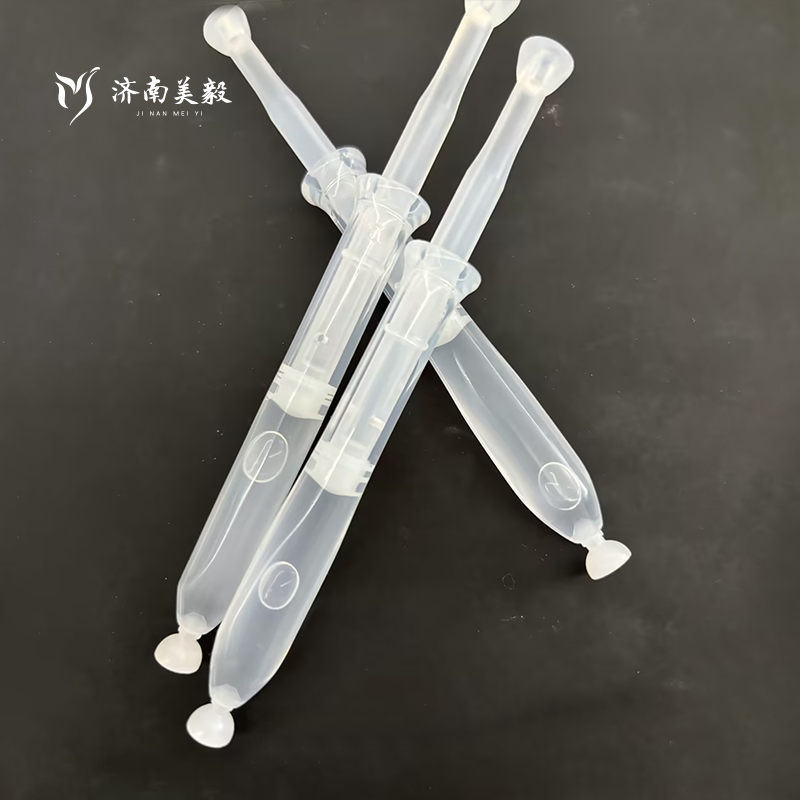
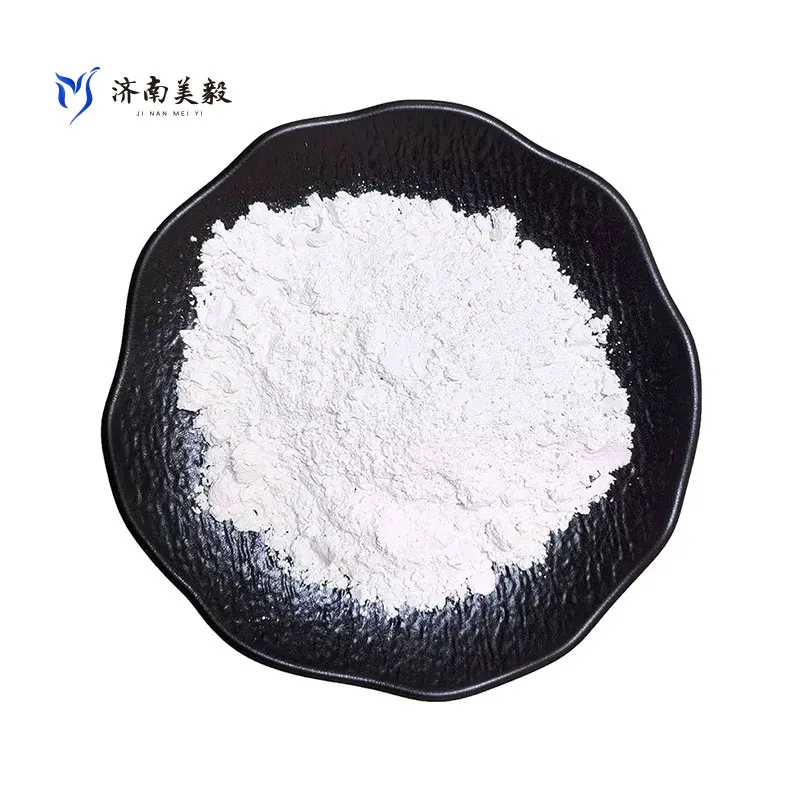
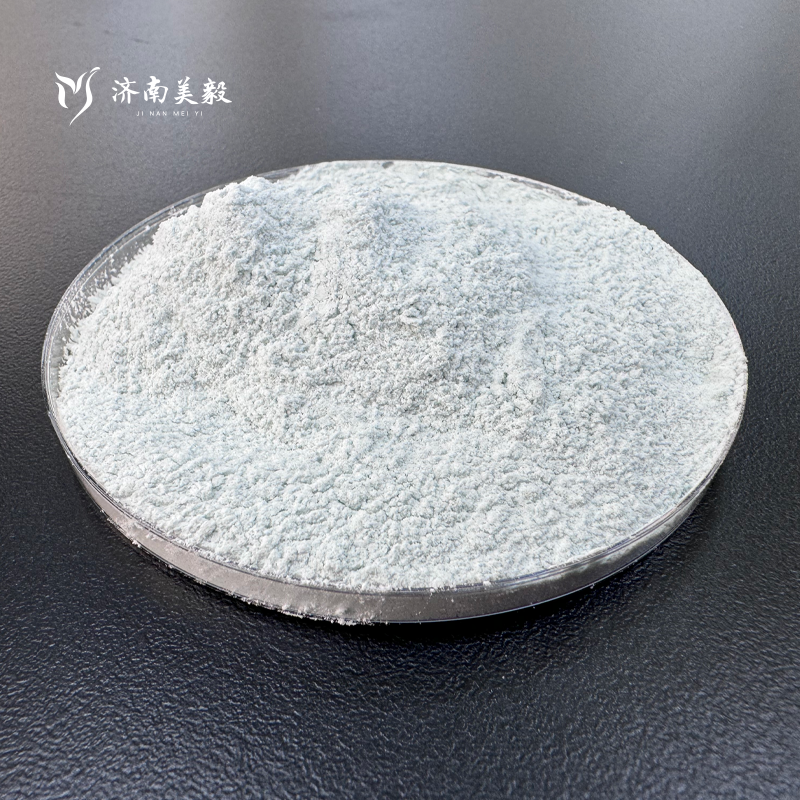
Premium PDRN powder should appear as a white, fluffy, lyophilized powder. It must be fully soluble in sterile water or saline without forming aggregates or precipitates. Poor solubility indicates incomplete hydrolysis or improper drying, which can clog needles during injection or cause uneven distribution in topical serums.
OEM and Customization Services for PDRN Products
For brands looking to launch private label products, finding a supplier that offers OEM (Original Equipment Manufacturer) services is crucial. A robust OEM partner does not just sell powder; they provide end-to-end formulation and regulatory support.
Custom Formulation Development
Experienced suppliers have R&D labs capable of creating bespoke formulas. You can specify the desired concentration of PDRN (e.g., 1%, 2%, 3%) and combine it with other actives. Common synergistic combinations include:
- PDRN + Hyaluronic Acid: Combines regeneration with deep hydration.
- PDRN + Glutathione: Targets brightening and antioxidant protection.
- PDRN + Copper Peptides: Enhances wound healing and collagen remodeling.
Packaging and Sterilization Options
The packaging format depends on the intended use. For injectables, sterile vials with lyophilized powder are standard. For topical use, airless pumps or ampoules are preferred. Your supplier should offer:
- Lyophilization Services: Freeze-drying preserves the stability of PDRN.
- Terminal Sterilization: Ensuring the final product is sterile if intended for invasive procedures.
- Custom Labeling: Compliance with local regulations (FDA, CE, NMPA) regarding ingredient listing and claims.
Regulatory Compliance Support
Navigating the regulatory landscape for bio-active ingredients is complex. A reliable OEM partner provides documentation such as Free Sale Certificates, GMP audits, and ISO certifications. They should assist in preparing dossiers for registration in target markets, ensuring that your product meets local safety and efficacy standards.
Applications of PDRN Powder in Aesthetic Medicine
Understanding the diverse applications of PDRN helps in targeting the right market segments. The versatility of PDRN powder allows it to be used in various delivery systems.
Injectable Skin Boosters and Mesotherapy
This is the most high-value application. PDRN is injected into the dermis to stimulate collagen production and improve skin texture. It is particularly effective for:
- Treating fine lines and wrinkles around the eyes and mouth.
- Improving skin elasticity in the neck and décolletage area.
- Reducing acne scars and hyperpigmentation.
For this application, the PDRN powder must be of injectable grade, meaning it meets strict endotoxin and sterility standards. It is often reconstituted with saline or mixed with non-crosslinked hyaluronic acid before injection.
Topical Skincare: Serums and Creams
Topical application is growing rapidly due to its non-invasive nature. PDRN in serums helps repair the skin barrier and reduce redness. It is ideal for:
- Post-procedure care (after laser, chemical peels, or microneedling).
- Daily anti-aging routines for sensitive skin.
- Treatment of rosacea and eczema-prone skin.
In topical formulations, penetration enhancers may be required to ensure the PDRN reaches the viable epidermis. Liposomal encapsulation is a common technology used to improve delivery.
Hair Restoration Solutions
Emerging research suggests PDRN can stimulate hair follicles and reduce scalp inflammation. It is being incorporated into hair loss treatments to:
- Prolong the anagen (growth) phase of hair.
- Reduce scalp inflammation associated with androgenetic alopecia.
- Improve blood circulation to hair follicles.
Step-by-Step Guide: How to Source and Buy PDRN Powder
Procuring high-quality PDRN powder involves a structured evaluation process. Follow these steps to ensure you partner with a reliable supplier.
Step 1: Define Your Product Requirements
Before contacting suppliers, clarify your needs:
- Application: Injectable, topical, or hair care?
- Concentration: What % of PDRN do you need in the final product?
- Volume: Estimated monthly or annual usage?
- Regulatory Target: Which countries will you sell in?
Step 2: Request Samples and CoAs
Never place a bulk order without testing samples. Request:
- Sample Kit: Includes small quantities of PDRN powder.
- Certificate of Analysis (CoA): Verify purity, MW, and contaminants.
- Stability Data: Information on shelf life and storage conditions.
Step 3: Conduct Laboratory Testing
Test the samples in your own lab or a third-party facility. Check for:
- Solubility: Does it dissolve completely?
- Viscosity: Is it suitable for your delivery system?
- Efficacy: Perform cell culture tests if possible to verify biological activity.
Step 4: Audit the Supplier
Verify the supplier’s manufacturing capabilities:
- GMP Certification: Essential for medical-grade products.
- ISO Standards: ISO 9001 and ISO 13485 are preferred.
- Production Capacity: Can they meet your demand spikes?
Step 5: Negotiate Terms and Place Trial Order
Discuss pricing, payment terms, and lead times. Start with a smaller trial order to assess logistics and customer service before committing to large volumes.
Common Mistakes When Buying PDRN Powder
Avoid these pitfalls to protect your brand reputation and product efficacy.
Ignoring Molecular Weight Specifics
Assuming all PDRN is the same is a critical error. Low MW PDRN behaves differently from high MW PDRN. Using the wrong MW for your application can result in poor performance or adverse effects. Always specify the desired MW range.
Overlooking Endotoxin Limits
For injectable products, endotoxins are a serious safety concern. Suppliers who cannot provide detailed endotoxin test results should be avoided. High endotoxin levels can cause severe inflammatory reactions in patients.
Focusing Solely on Price
While cost is important, the cheapest option often compromises on purity or sourcing ethics. Low-cost PDRN may contain impurities or be derived from lower-quality sources. Balance cost with quality assurances and certifications.
Neglecting Storage Conditions
PDRN is sensitive to heat and light. Improper storage during transit can degrade the product. Ensure your supplier uses appropriate packaging (light-resistant, temperature-controlled) and shipping methods.
The Role of Specialized Distributors: Ensuring Supply Chain Integrity
In the complex landscape of bioactive ingredients, the distinction between a manufacturer and a specialized distributor is vital. Not every supplier owns a factory; many of the most reliable partners function as strategic bridges between upstream innovation and downstream application. This is where companies like Jinan Meiyi Biotechnology Co., Ltd. play a pivotal role.
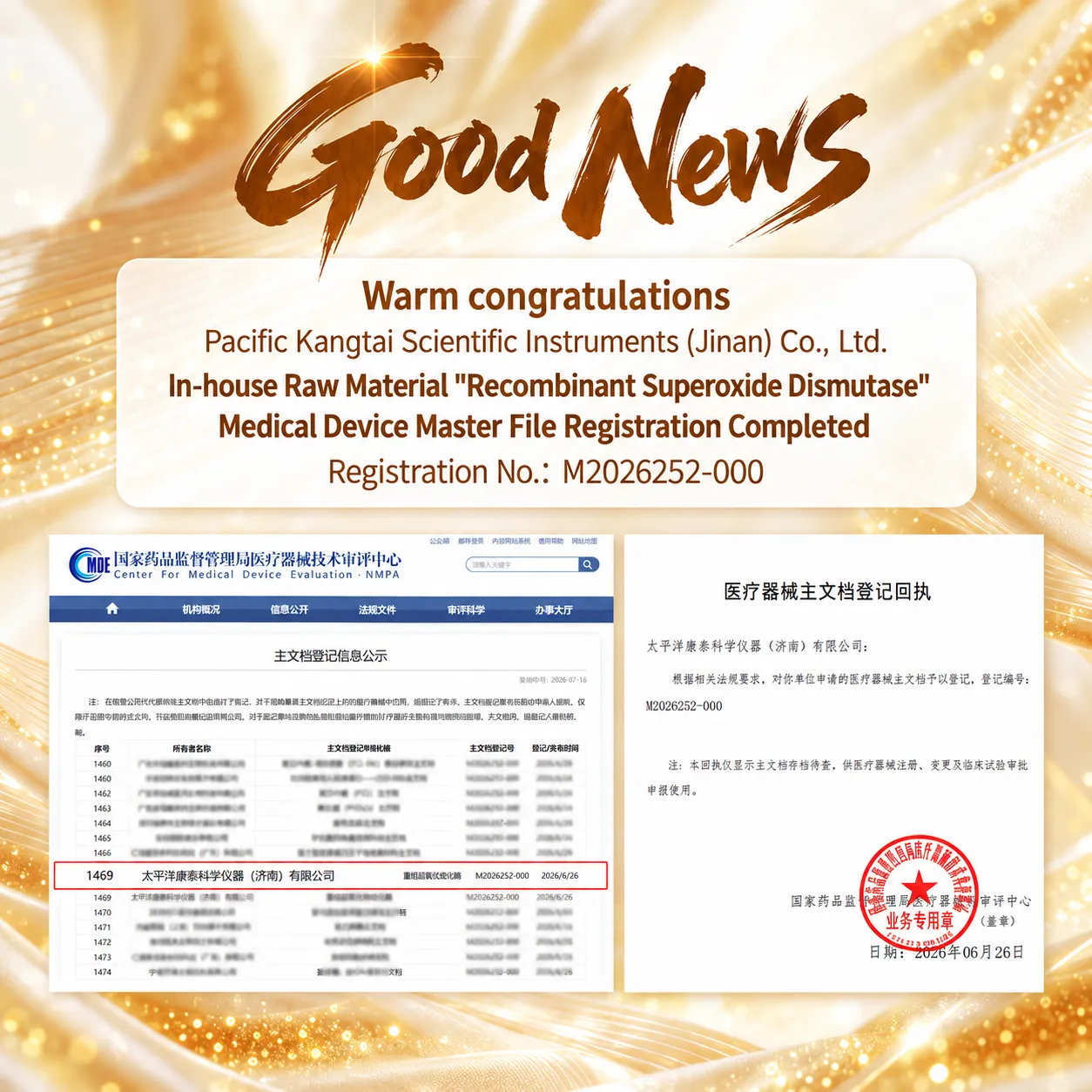
Headquartered in Jinan, Shandong Province, and operating as a subsidiary of Pacific Kangtai Scientific Instruments, Jinan Meiyi Biotechnology specializes in the research, development support, and commercialization of bioactive technologies. Rather than engaging in raw material manufacturing itself, the company functions as a rigorous quality-assured distribution partner. This model allows them to leverage a globally integrated supply chain, maintaining long-term cooperative relationships with internationally recognized manufacturers who adhere to strict GMP and ISO standards.
For buyers of PDRN powder, partnering with a specialized entity like Jinan Meiyi offers distinct advantages:
- Scientific Curation: Every raw material in their portfolio undergoes comprehensive evaluation based on efficacy data, stability profiles, and compatibility with modern formulation standards. They do not simply sell what is available; they curate what works.
- Regulatory Confidence: As a knowledge-driven bridge, Jinan Meiyi ensures that all materials are accompanied by full technical dossiers, including Certificates of Analysis (CoA), safety data sheets, and regulatory status summaries. This transparency is crucial for brands navigating FDA, CE, or NMPA requirements.
- Technical Partnership: Their service philosophy is rooted in collaboration. With a scientifically trained team, they provide technical consultation and regulatory intelligence, helping R&D laboratories and CDMOs troubleshoot formulation issues and optimize their supply chains.
- Quality Assurance Without Manufacturing Bias: By focusing exclusively on sourcing and distribution, they remain objective in selecting the best global sources for high-performance raw materials, ensuring clients receive technically advanced and scientifically validated ingredients.
This approach reduces sourcing complexity for brands while maintaining full confidence in material consistency. Whether you are an R&D lab in Europe, a CDMO in North America, or an aesthetic clinic in Asia, working with a partner that prioritizes scientific integrity and supply chain transparency—like Jinan Meiyi Biotechnology—ensures that your PDRN sourcing strategy is both robust and future-proof.
FAQ: Frequently Asked Questions About PDRN Powder
What is the shelf life of PDRN powder?
When stored properly in a cool, dry place away from light, lyophilized PDRN powder typically has a shelf life of 2-3 years. Once reconstituted, it should be used immediately or stored under strict refrigeration for a very short period, depending on the preservative system used.
Is PDRN safe for all skin types?
Yes, PDRN is generally well-tolerated by all skin types, including sensitive skin. Its anti-inflammatory properties make it particularly suitable for reactive or compromised skin barriers. However, patch testing is always recommended for topical products.
Can PDRN be mixed with other ingredients?
Yes, PDRN is highly compatible with many aesthetic ingredients. It is commonly mixed with Hyaluronic Acid, Vitamins, and Amino Acids. However, avoid mixing with strong acids or bases that might alter the pH significantly, as this could affect stability.
What is the difference between PDRN and PN?
PDRN (Polydeoxyribonucleotide) contains both purine and pyrimidine bases, similar to human DNA. PN (Polynucleotide) is a broader term that may refer to fragments with different base compositions. PDRN is specifically standardized for its high similarity to human DNA, making it more effective for tissue regeneration.
How should PDRN powder be stored?
Store in a tightly closed container at temperatures below 25°C (77°F). Protect from light and moisture. Do not freeze the lyophilized powder unless specified by the manufacturer, as extreme cold can sometimes affect the structure upon thawing if not handled correctly.
Comparison: PDRN vs. Other Bio-Stimulators
To understand where PDRN fits in the market, compare it with other popular regenerative ingredients.
| Feature | PDRN | Hyaluronic Acid (HA) | Exosomes |
|---|---|---|---|
| Primary Function | Tissue Repair & Regeneration | Hydration & Volume | Cell Signaling & Renewal |
| Mechanism | Adenosine A2A Receptor Activation | Water Binding & Structural Support | Growth Factor Delivery |
| Onset of Action | Gradual (Weeks) | Immediate (Hydration) | Gradual (Weeks) |
| Duration | Long-term Structural Improvement | Temporary (Months) | Long-term Cellular Change |
| Safety Profile | Very High (Non-immunogenic) | High | Moderate (Source Dependent) |
| Cost | Moderate | Low to High | Very High |
This comparison highlights that PDRN is not a replacement for HA but a complementary ingredient. While HA provides immediate volume and hydration, PDRN works at the cellular level to improve the quality of the skin over time.
Strategic Sourcing: Building Long-Term Partnerships
In the B2B landscape, transactional relationships are less valuable than strategic partnerships. When you buy PDRN powder, you are entering a supply chain that impacts your brand’s credibility. Look for suppliers who offer:
- Consistent Quality: Batch-to-batch consistency is non-negotiable.
- Technical Support: Access to scientists who can help troubleshoot formulation issues.
- Market Insights: Suppliers who share trends and regulatory updates.
- Scalability: Ability to grow with your business.
Establishing clear communication channels and regular quality reviews ensures that your supply chain remains robust and responsive to market changes.
Conclusion: Secure Your Supply of High-Quality PDRN
The demand for effective, science-backed aesthetic treatments continues to rise in 2026. PDRN powder stands out as a versatile, high-efficacy ingredient for skin regeneration, wound healing, and anti-aging applications. By choosing to buy PDRN powder from a reputable, certified supplier, you position your brand at the forefront of the regenerative aesthetics market.
Remember to prioritize purity, molecular weight consistency, and regulatory compliance in your sourcing decisions. Avoid the temptation of low-cost, unverified sources that risk product safety and brand reputation. Instead, invest in partnerships that offer transparency, technical expertise, and reliable supply.
Whether you are developing injectable skin boosters, advanced topical serums, or hair restoration solutions, the quality of your raw materials defines the success of your final product. Take the next step in optimizing your formulation strategy.
Ready to source premium PDRN powder? Contact our team today to request samples, review detailed technical specifications, and discuss customized OEM solutions tailored to your brand’s needs. Let us help you deliver superior results to your customers.





Please leave us a message.