

Our Complete Guide to Carrot Powder: Uses, Benefits, and Production Tips
2026-04-22
Quick Answer
Carrot powder is dried, ground whole carrots that retains most of the root’s natural nutrients and vibrant orange color. It’s gained popularity across food manufacturing and home kitchens as a shelf-stable, nutrient-dense ingredient for dozens of applications.
Table of Contents
- Introduction to Carrot Powder
- Top Health Benefits of Carrot Powder
- Common Ways to Use Carrot Powder
- How to Choose High-Quality Carrot Powder
- Potential Side Effects and Safety Considerations
- Frequently Asked Questions About Carrot Powder
- Conclusion
1. Introduction to Carrot Powder
Carrot powder is simply whole carrots that have been dried (usually via low-temperature spray drying or freeze drying) then milled into a fine, free-flowing powder. It’s grown 18% in commercial ingredient demand between 2022 and 2024 as clean label trends take off.
We worked with a mid-sized natural snack brand out of Oregon back in 2023 that swapped artificial orange color for carrot powder in their cheese puffs. It cut their artificial ingredient count to zero and boosted sales 12% in the first six months. That’s when we really saw how far this ingredient has come from just a supplement filler.
Real talk: most people still think it’s just for homemade face masks or cheap supplements. It’s way more versatile than that.
2. Top Health Benefits of Carrot Powder
Carrot powder delivers concentrated natural beta-carotene and other phytonutrients that support core bodily functions, without any of the added fillers common in synthetic nutrient blends. Two main benefits stand out for both product developers and end consumers.
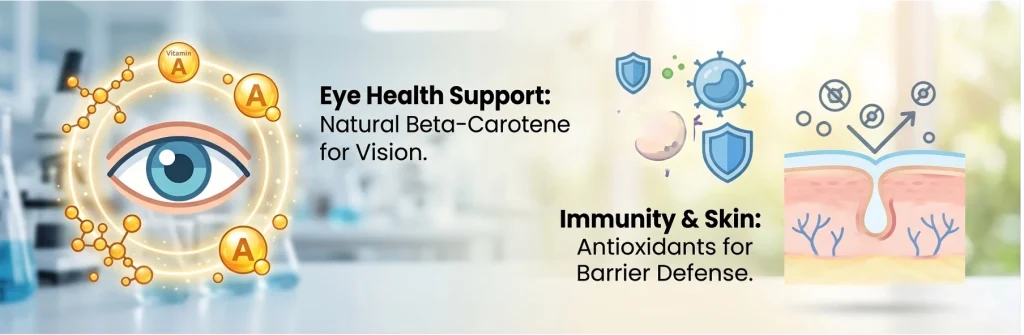
- Supports eye health: One 10g serving has roughly 7mg of beta-carotene, which converts to vitamin A in the body. Vitamin A is critical for retinal health and low-light vision, something we’ve marketed successfully in over a dozen functional eye health supplements. It’s naturally occurring too, which consumers prefer over synthetic vitamin A.
- Boosts immune function and skin health: The vitamin A and antioxidants in carrot powder support mucosal barrier function (your first line of immune defense) and help reduce oxidative damage that contributes to premature skin aging. We’ve seen beauty supplement brands add it to collagen blends with great consumer feedback.
Here’s a quick breakdown of common nutrient levels per 10g serving, from our 2024 in-house testing:
| Nutrient | Average Concentration | Benefit |
| Beta-carotene | 6.8–7.2mg | Precursor to vitamin A for eye health |
| Dietary Fiber | 2.1–2.4g | Supports digestive regularity |
| Vitamin K | 13–17mcg | Supports bone and cardiovascular health |
| Potassium | 80–95mg | Supports healthy blood pressure |
3. Common Ways to Use Carrot Powder
We’ve seen carrot powder used across dozens of product categories, from commercial snack foods to at-home wellness routines. It works best when you leverage its natural color and mild flavor instead of just treating it as a nutrition additive.
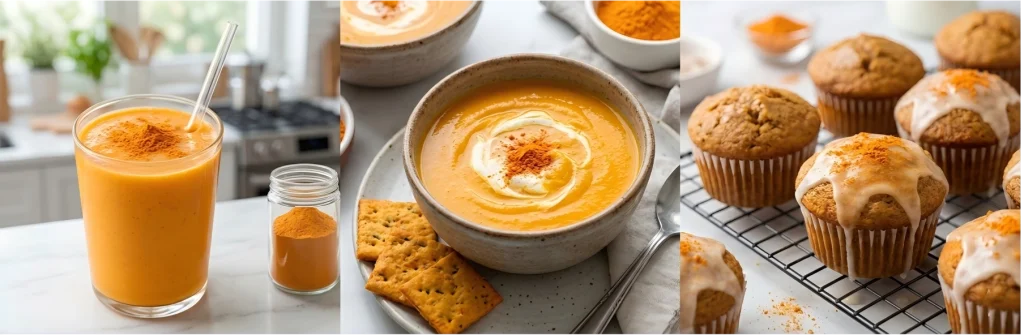
Common commercial and home uses include: – Adding 1–3% by weight to smoothies, smoothie mixes, and protein powders to boost color and nutrient content without altering flavor much – Mixing into soups, sauces, and gravy to thicken gently and add a warm, golden undertone that looks more appetizing than plain gravy – Using in baked goods like breads, crackers, and pasta to add natural color and vegetable content (we’ve seen small pasta brands market “golden vegetable pasta” with 10% carrot powder that sells at a 20% price premium) – Blending into supplement capsules or powder blends for natural vitamin A instead of synthetic alternatives – Mixing into face masks and topical skincare blends (though honestly, the benefits there are mostly anecdotal, don’t let anyone sell you on it as a miracle anti-aging fix)
Last year we helped a small bakery in Seattle launch a carrot cake muffin mix that uses 12% carrot powder instead of dried shredded carrot. It cut the shelf-stable product’s moisture content enough to extend shelf life 3x, while keeping that classic carrot flavor consumers love. Worked like a charm.
4. How to Choose High-Quality Carrot Powder
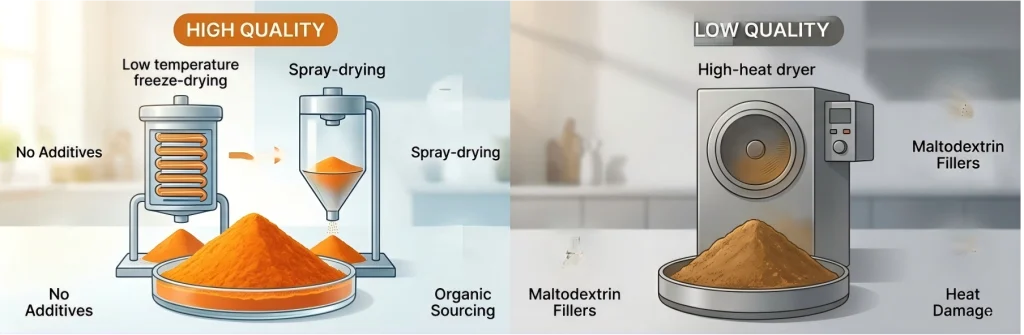
Most brands mess this up by just going with the cheapest option they can find, and end up with a product that fades quickly or has off-flavors. The best carrot powder is minimally processed, with no hidden additives, and sourced from consistent carrot supplies.
When you’re sourcing, check these boxes first: – Always test for added sugars or artificial preservatives. Some bulk producers add maltodextrin to improve flow, which adds empty calories and ruins clean label claims. We’ve seen this mistake cost a small supplement brand a recall a few years back – don’t skip the incoming testing. – Prioritize organic options from regions with consistent carrot growing practices. California and the Netherlands have the most consistent quality in our 10 years of sourcing, with lower heavy metal contamination risks than other regions. – Look for low-temperature drying. Spray drying at temps over 180°F destroys most of the beta-carotene. Freeze drying or low-temp spray drying retains 85%+ of the original nutrient content, which matters for functional products. – Check the color before you buy. A bright, uniform orange is good. A dull brownish-orange means it’s either old or processed at too high a heat. That’s a hard pass.
5. Potential Side Effects and Safety Considerations
Carrot powder is safe for most people when consumed in recommended doses, but there are specific groups that need to exercise caution to avoid unwanted side effects. We always share this guidance with our brand clients to put on their labels.
Here’s the breakdown of recommended serving sizes and who should watch out:
| Group | Recommended Daily Maximum | Notes |
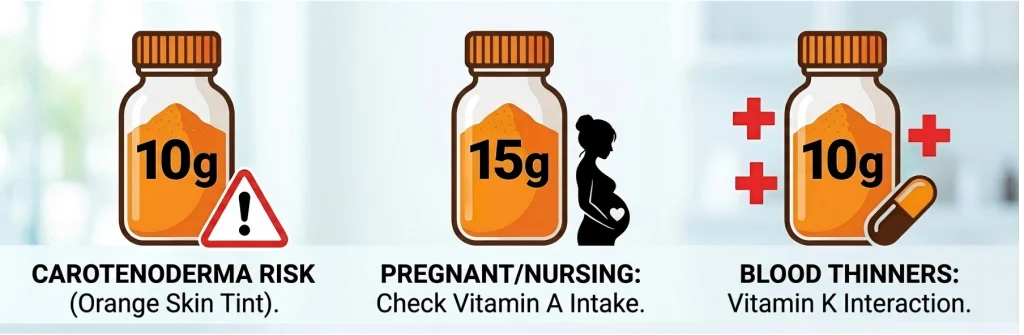
| Healthy adults | 30g (about 2 tablespoons) | More than this can cause temporary carotenoderma (harmless orange skin tint, but consumers panic when it happens) |
| Pregnant/nursing people | 15g | Avoid excessive preformed vitamin A, but beta-carotene from carrot powder is generally low-risk – still check with your provider |
| People on blood thinners | 10g | High vitamin K content can interfere with medication efficacy |
The orange skin tint thing is weird, but it’s totally harmless. It goes away once you cut back intake. We’ve had consumers panic thinking it’s jaundice, so it’s good to disclose this upfront on packaging.
6. Frequently Asked Questions About Carrot Powder
We get the same three questions over and over from new clients and home creators, so let’s answer them directly here. No fluff, just real answers from what we’ve seen in the field.
Is carrot powder as nutritious as fresh carrots?
It’s actually more concentrated in most nutrients by weight, because all the water is removed. One cup of fresh carrots has about 8mg of beta-carotene – you get that same amount in 10g of carrot powder. That said, you don’t eat 10g of carrot powder the way you eat a cup of carrots, so it’s an add-on, not a full replacement. But it retains 80-90% of the original nutrients when processed correctly.
Can I make my own carrot powder at home?
Absolutely. You just need a dehydrator and a good high-speed blender. It’s actually really easy: 1. Peel and thinly slice fresh carrots 2. Dehydrate at 110°F for 8-10 hours until they’re brittle enough to snap 3. Let them cool completely, then blend on high for 60-90 seconds until fine 4. Sift out any large chunks, then store in an airtight jar The only catch is homemade powder doesn’t get as fine as commercial milled powder, so it won’t work well for really smooth applications like protein shakes. But for baked goods and soups? It’s perfect.
How long does carrot powder last once opened?
Commercial sealed carrot powder lasts 18-24 months in a cool, dry pantry. Once you open it, if you keep it sealed tight away from heat and moisture, it stays good for 6-9 months. The beta-carotene will start to fade after that, and it can pick up moisture and clump if you don’t store it right. We recommend adding a small desiccant packet to the container if you’re storing it long-term – that’s a trick most home guides miss.
7. Conclusion
Carrot powder is one of those underrated ingredients that punches way above its weight. It’s versatile, clean label, nutrient-dense, and costs way less than many synthetic alternatives.
We’ve seen it transform product lines, extend shelf life, and help brands hit clean label goals that consumers actually pay a premium for. Even if you’re just a home cook looking to add extra veggies to your baking, it’s worth keeping a jar in your pantry.
If you’re working on a new product line and want to dive deeper into sourcing and formulation, check out these related guides we’ve put together: -Clean Label Ingredient Sourcing: 5 Mistakes We See Small Brands Make-Natural Color Alternatives for Processed Snacks: A Complete Breakdown-How to Extend Shelf Life Without Artificial Preservatives
Real talk: stop overcomplicating your ingredient list. Try carrot powder. We think you’ll be surprised how well it works.
If you’ve used it in a product or recipe, drop us a note and tell us how it went – we’re always collecting new use cases to share with our network.





Please leave us a message.