

Fluoride Replaces Hydroxyapatite: 2026 Guide & Benefits
2026-10-17
- Understanding the Shift: Fluoride vs. Hydroxyapatite in 2026
- Why Hydroxyapatite Is Gaining Dominance in Medical Aesthetics
- Technical Comparison: Fluoride vs. Hydroxyapatite
- Strategic Sourcing and Quality Assurance in Bioactive Materials
- Applications Beyond Oral Care: Dermal and Aesthetic Uses
- How to Choose the Right Hydroxyapatite Supplier
- Common Misconceptions About Fluoride and Hydroxyapatite
- FAQ: Frequently Asked Questions
- Future Trends in Bioactive Ingredients
- Conclusion: Making the Switch to High-Performance Bioactives
In 2026, the formulation paradigm in oral care and dermal aesthetics is shifting. The concept that fluoride replaces hydroxyapatite is a critical misconception; rather, modern bioactive strategies integrate both or prioritize hydroxyapatite (HAp) for its biomimetic remineralization capabilities without the toxicity risks associated with excessive fluoride exposure. While fluoride remains a standard anticavity agent, hydroxyapatite offers a superior mechanism by physically rebuilding enamel structure through ion exchange and crystal deposition. This guide details the technical distinctions, synergistic applications, and sourcing considerations for R&D laboratories and aesthetic clinics aiming to leverage high-purity bioactive materials.
Understanding the Shift: Fluoride vs. Hydroxyapatite in 2026
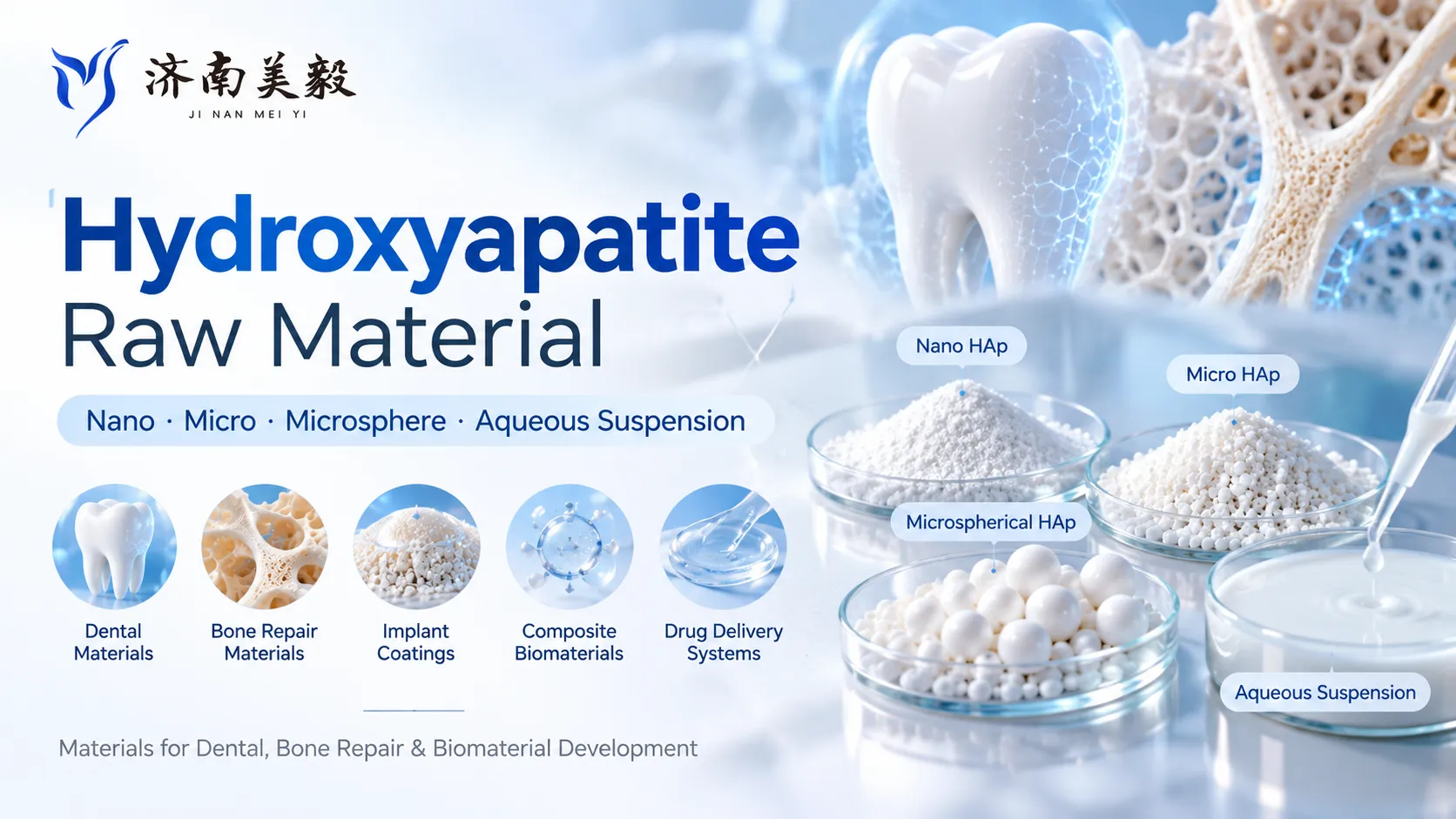
The debate surrounding fluoride replaces hydroxyapatite often stems from a misunderstanding of their distinct mechanisms of action. For decades, fluoride has been the gold standard for caries prevention. However, as consumer demand shifts toward non-toxic, biomimetic solutions, hydroxyapatite—the primary mineral component of human tooth enamel and bone—has emerged as a powerful alternative and complement.
Fluoride works primarily by forming fluorapatite, a harder but less biologically native crystal structure on the tooth surface. In contrast, synthetic hydroxyapatite nanoparticles penetrate micro-pores in the enamel, binding directly to the protein matrix and depositing calcium and phosphate ions. This process restores the natural crystalline structure rather than merely coating it. For formulators in the cosmetic and medical aesthetics sectors, understanding this distinction is vital for creating products that meet both regulatory standards and efficacy expectations.
Mechanism of Action: Chemical Conversion vs. Biomimetic Repair
To evaluate whether fluoride replaces hydroxyapatite or vice versa, one must look at the biochemical interaction with dental tissues.
- Fluoride Mechanism: Fluoride ions attract calcium ions from saliva to form fluorapatite. This layer is acid-resistant but does not replicate the natural enamel composition. It acts as a shield but does not actively “fill” structural defects in the same way HAp does.
- Hydroxyapatite Mechanism: Nano-hydroxyapatite (n-HAp) particles are biocompatible and bioactive. They adhere to the tooth surface via electrostatic forces and integrate into the enamel lattice. This results in true remineralization, restoring hardness and reducing sensitivity by occluding exposed dentinal tubules.
In 2026, leading R&D laboratories are not viewing these as mutually exclusive enemies but as components of a tiered strategy. However, for patients seeking fluoride-free options due to health concerns or regulatory restrictions in specific regions, hydroxyapatite is the definitive functional replacement.
Why Hydroxyapatite Is Gaining Dominance in Medical Aesthetics
The rise of hydroxyapatite in high-end skincare and oral care is driven by its versatility and safety profile. Unlike fluoride, which carries risks of fluorosis if ingested in large quantities during development, hydroxyapatite is biologically inert and safe for all age groups. This makes it an ideal ingredient for premium formulations where safety and efficacy are paramount.
Key Benefits for Formulation Development
For companies developing next-generation oral care or dermal fillers, hydroxyapatite offers several distinct advantages:
- Biomimetic Compatibility: Since HAp constitutes 97% of enamel and 70% of dentin, the body recognizes it as native tissue, minimizing immune response or irritation.
- Sensitivity Reduction: By physically blocking dentinal tubules, HAp provides immediate relief from thermal and chemical sensitivity, a key selling point for post-procedure care in aesthetic clinics.
- Whitening Without Abrasion: HAp fills surface irregularities that trap stains, resulting in a smoother, glossier, and visually whiter appearance without the need for harsh bleaching agents or abrasive silica.
- Regulatory Flexibility: As global regulations tighten around fluoride usage in certain markets, HAp provides a compliant, effective alternative that meets strict safety standards in Europe, Asia, and North America.
Technical Comparison: Fluoride vs. Hydroxyapatite
When deciding whether fluoride replaces hydroxyapatite in a specific product line, formulators must consider performance metrics, safety, and user experience. The following table outlines the core differences relevant to B2B procurement and R&D decision-making.
| Feature | Fluoride | Hydroxyapatite (HAp) |
|---|---|---|
| Primary Action | Forms fluorapatite layer (acid resistance) | Remineralizes enamel structure (biomimetic repair) |
| Biocompatibility | Low (Toxic if ingested in high amounts) | High (Native biological material) |
| Sensitivity Relief | Indirect (Strengthens enamel over time) | Direct (Occludes dentinal tubules immediately) |
| Safety Profile | Risk of fluorosis; requires warning labels | Non-toxic; safe for children and pregnant women |
| Whitening Effect | Minimal (Prevents staining) | Significant (Restores smoothness and light reflection) |
| Regulatory Status | Restricted in some regions; strict dosage limits | Widely accepted; considered cosmetic/medical grade |
This comparison highlights why many premium brands are transitioning to hydroxyapatite-based formulations. While fluoride remains effective for caries prevention in high-risk populations, hydroxyapatite offers a broader spectrum of aesthetic and therapeutic benefits without the associated toxicity concerns.
Strategic Sourcing and Quality Assurance in Bioactive Materials
The efficacy of hydroxyapatite is heavily dependent on particle size, crystallinity, and purity. Agglomerated particles or low-crystallinity HAp will fail to penetrate enamel micro-pores, rendering the product ineffective. Therefore, sourcing high-quality raw materials is not just a procurement task—it is a critical quality control measure that defines product success.
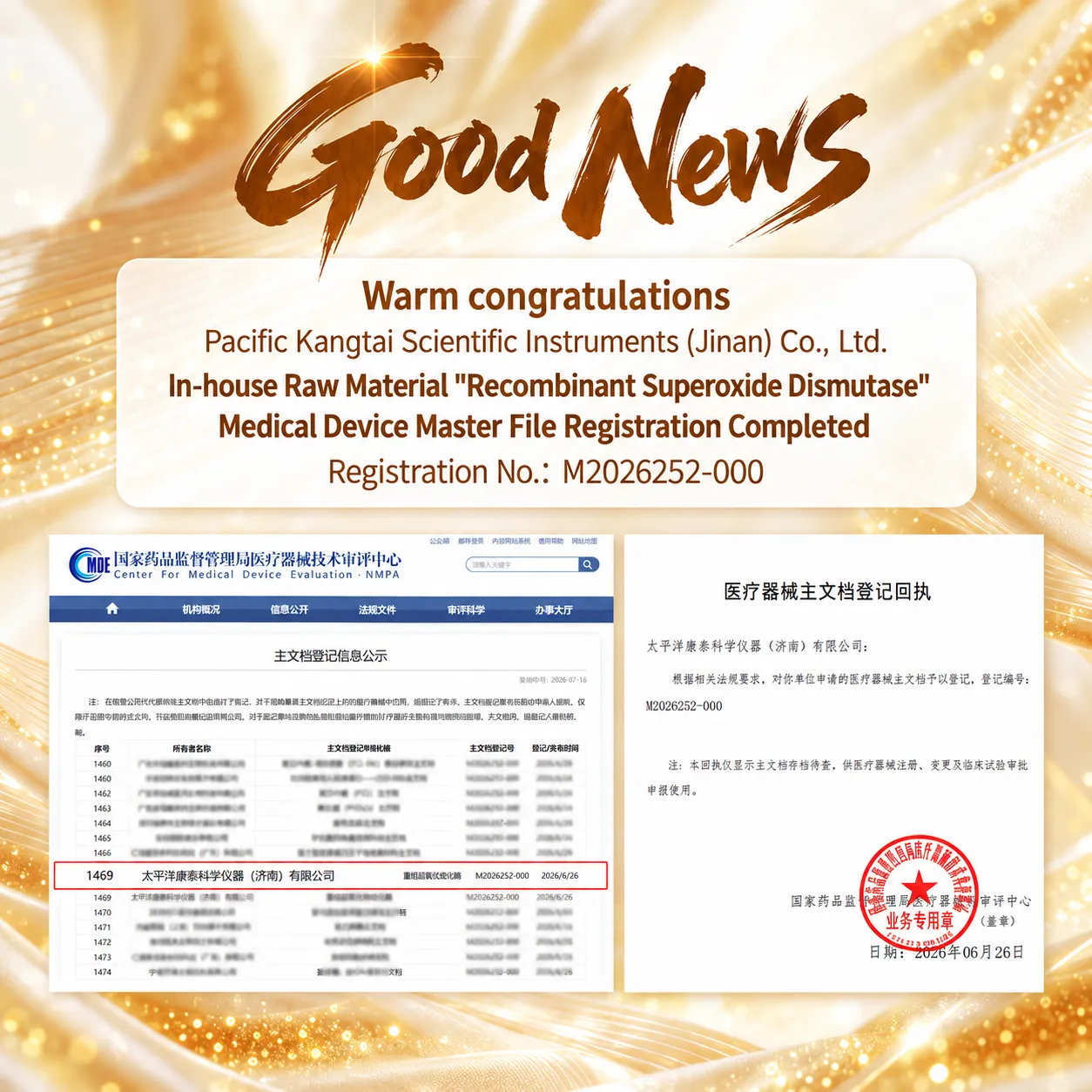
This is where specialized partners like Jinan Meiyi Biotechnology Co., Ltd. play a pivotal role in the supply chain. Headquartered in Jinan, Shandong Province, and operating as a subsidiary of Pacific Kangtai Scientific Instruments, Jinan Meiyi Biotechnology has established itself as a trusted enabler for innovation in the cosmetics and medical aesthetics industries. Unlike generic distributors, Jinan Meiyi focuses exclusively on active ingredients and functional components, ensuring that every batch of hydroxyapatite or other bioactive material meets rigorous scientific standards.
The Importance of Verified Supply Chains
Jinan Meiyi Biotechnology does not engage in manufacturing raw materials itself but functions as a strategic sourcing and quality-assured distribution partner. This model allows them to leverage long-term cooperative relationships with internationally recognized suppliers, ensuring consistent access to technically advanced, regulatory-compliant materials. For R&D laboratories and CDMOs, this means reduced risk of batch variability and enhanced confidence in clinical outcomes.
The company’s quality assurance framework centers on supplier qualification, documentation traceability, and batch-level specification verification. Each raw material is accompanied by full technical dossiers, including certificates of analysis (COA), safety data sheets (SDS), and regulatory status summaries. This level of transparency is essential for brands navigating complex international regulations, particularly when marketing products as “fluoride-free” or “biomimetic.”
Applications Beyond Oral Care: Dermal and Aesthetic Uses
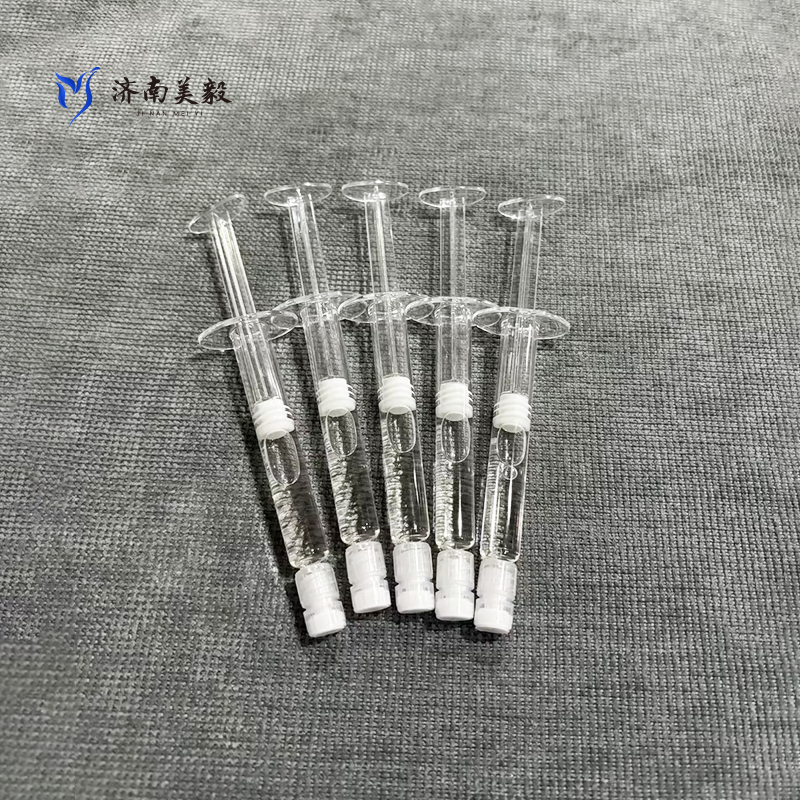
While the phrase fluoride replaces hydroxyapatite is most common in oral care discussions, hydroxyapatite’s utility extends significantly into medical aesthetics. Its biocompatibility makes it an excellent candidate for dermal fillers, skin rejuvenation treatments, and bone regeneration scaffolds.
Dermal Fillers and Skin Rejuvenation
Calcium hydroxyapatite (CaHA) is widely used in minimally invasive aesthetic procedures. It stimulates collagen production and provides immediate volume correction. Unlike hyaluronic acid, which degrades relatively quickly, CaHA offers longer-lasting results and improves skin quality by promoting neocollagenesis. Jinan Meiyi Biotechnology supports aesthetic clinics by curating a targeted range of finished products, including medical-grade aesthetic devices and consumables, based on rigorous assessment of clinical relevance and technological differentiation.
Bone Grafting and Regenerative Medicine
In reconstructive surgery, hydroxyapatite serves as a scaffold for bone growth. Its porous structure allows for vascularization and osteointegration, making it superior to synthetic polymers in many applications. The company’s focus on bioactive technologies ensures that clients in the medical sector have access to materials that support faster, safer, and more effective healing processes.
How to Choose the Right Hydroxyapatite Supplier
Selecting the right partner for bioactive raw materials requires more than just comparing prices. It demands a deep understanding of technical specifications, regulatory compliance, and supply chain reliability. Here are key factors to consider when evaluating suppliers:
- Particle Size Distribution: Ensure the supplier provides nano-sized particles (typically <100nm) for optimal enamel penetration and bioavailability.
- Crystallinity Index: High crystallinity ensures stability and efficacy. Amorphous calcium phosphate may convert to HAp but lacks the immediate structural benefits of crystalline HAp.
- Purity and Contaminants: Verify that the material is free from heavy metals and endotoxins, especially for medical-grade applications.
- Documentation and Compliance: The supplier must provide comprehensive technical dossiers, including COAs and SDS, to facilitate regulatory approvals in target markets.
- Technical Support: Look for partners who offer technical consultation and regulatory intelligence sharing, rather than just transactional sales.
Jinan Meiyi Biotechnology excels in these areas by offering a partnership-oriented service model. Their scientifically trained team provides continuous exposure to international research frontiers, helping clients navigate the complexities of bioactive ingredient science. By prioritizing technical collaboration and agile responsiveness, they enable R&D-driven customers to reduce sourcing complexity while maintaining full confidence in material consistency.
Common Misconceptions About Fluoride and Hydroxyapatite
Despite the growing adoption of hydroxyapatite, several myths persist in the industry. Addressing these is crucial for accurate marketing and consumer education.
Myth 1: Hydroxyapatite Is Less Effective Than Fluoride
Clinical studies have shown that hydroxyapatite is equally effective, if not more so, in remineralizing early carious lesions and reducing sensitivity. While fluoride creates a hardened outer layer, HAp restores the internal structure, offering a more holistic repair mechanism.
Myth 2: All Hydroxyapatite Is the Same
This is false. The efficacy of HAp depends heavily on particle size, shape, and crystallinity. Low-quality, micron-sized HAp will not penetrate enamel pores and will merely act as a mild abrasive. High-quality nano-hydroxyapatite, such as those sourced through Jinan Meiyi’s vetted supply chain, offers superior bioactivity and performance.
Myth 3: Fluoride Is Necessary for All Oral Care Products
While fluoride is beneficial for high-caries-risk individuals, it is not the only option for maintaining oral health. For consumers seeking natural, non-toxic alternatives, hydroxyapatite provides a scientifically validated solution that aligns with modern wellness trends.
FAQ: Frequently Asked Questions
Does hydroxyapatite completely replace the need for fluoride?
For many users, yes. Hydroxyapatite provides comparable remineralization benefits without the toxicity risks. However, individuals with extremely high caries risk may still benefit from a combined approach, depending on professional dental advice. In formulation, HAp is often positioned as a premium, fluoride-free alternative.
Is hydroxyapatite safe for children?
Yes, hydroxyapatite is non-toxic and safe for children. Unlike fluoride, which poses a risk of fluorosis if swallowed, HAp is biocompatible and poses no health risks if ingested in small amounts. This makes it an ideal ingredient for pediatric oral care products.
How does Jinan Meiyi Biotechnology ensure the quality of its raw materials?
Jinan Meiyi Biotechnology employs a rigorous quality assurance framework that includes supplier qualification, batch-level specification verification, and comprehensive documentation traceability. All raw materials undergo evaluation based on efficacy data, stability profiles, and regulatory compliance before being included in their portfolio.
Can hydroxyapatite be used in sensitive skin formulations?
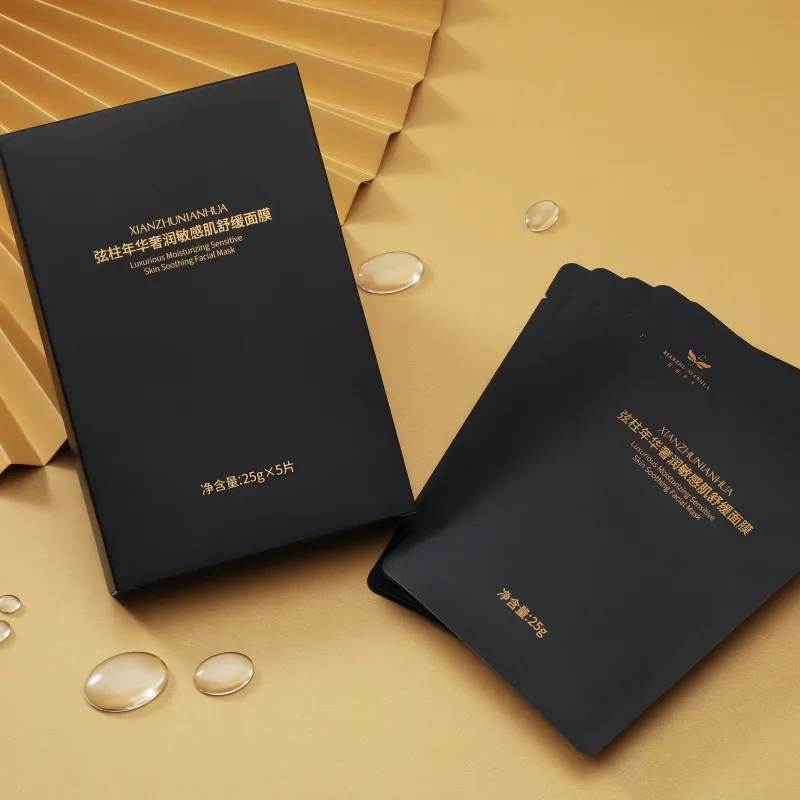
Absolutely. Due to its biocompatibility and anti-inflammatory properties, hydroxyapatite is suitable for sensitive skin applications. It is commonly used in soothing creams, post-procedure masks, and barrier-repair serums in the medical aesthetics sector.
What is the shelf life of hydroxyapatite raw materials?
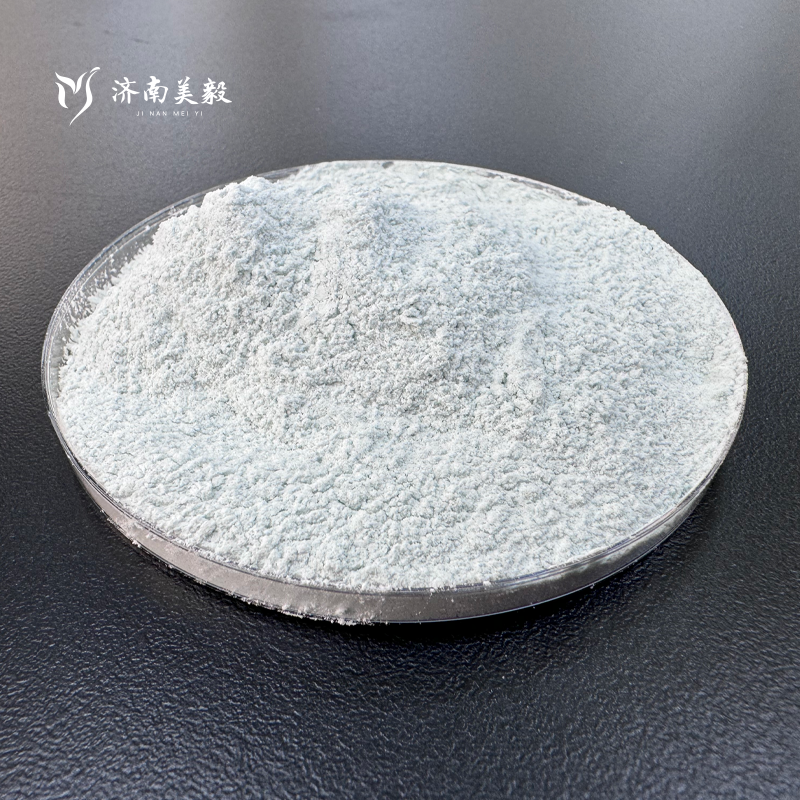
Properly stored hydroxyapatite powder typically has a shelf life of 2-3 years. Jinan Meiyi Biotechnology maintains strict control over storage conditions and shipping protocols to ensure product integrity from origin to end-user, providing clients with reliable stability data for their formulation planning.
Future Trends in Bioactive Ingredients
As we move further into 2026, the integration of bioactive technologies into personal care and medical aesthetics will continue to accelerate. Consumers are increasingly educated about ingredient efficacy and safety, driving demand for transparent, science-backed solutions. The shift from traditional chemicals like fluoride to biomimetic materials like hydroxyapatite reflects this broader trend toward health-conscious, sustainable innovation.
Jinan Meiyi Biotechnology is at the forefront of this transformation. By actively monitoring emerging trends in dermatological research and minimally invasive aesthetics, the company integrates these insights into its portfolio strategy. Their goal is to deepen their role as a knowledge-driven bridge between upstream innovation and downstream application, facilitating faster and safer translation of bioactive science into real-world benefits.
Conclusion: Making the Switch to High-Performance Bioactives
The notion that fluoride replaces hydroxyapatite is outdated. In reality, hydroxyapatite is replacing fluoride in many premium formulations due to its superior safety profile, biomimetic properties, and multifunctional benefits. For brands and clinics looking to stay competitive in 2026, adopting hydroxyapatite-based solutions is not just a trend—it is a strategic imperative.
Success in this space requires more than just selecting the right ingredient; it demands a reliable, knowledgeable supply chain partner. Jinan Meiyi Biotechnology Co., Ltd. offers the expertise, quality assurance, and technical support necessary to navigate this transition. Whether you are developing next-generation oral care products, dermal fillers, or regenerative medical devices, their commitment to scientific integrity and market responsiveness ensures that your formulations meet the highest standards of efficacy and safety.
If you are ready to elevate your product line with high-performance bioactive materials, consider partnering with a provider that values transparency and technical excellence. Explore how Jinan Meiyi Biotechnology can support your R&D and commercialization goals.
→ Contact Jinan Meiyi Biotechnology for Technical Consultation and Product Samples





Please leave us a message.