

High Purity Hydroxyapatite Medical Grade Supplier
2026-09-16
- What Defines High Purity Hydroxyapatite for Medical Use?
- Why Choose Medical Grade Hydroxyapatite for Implants?
- Key Applications of High Purity Hydroxyapatite
- Technical Specifications and Parameter Guide
- Manufacturing Process and Quality Control
- How to Select the Right Hydroxyapatite Supplier
- Jinan Meiyi Biotechnology: A Trusted Partner in Bioactive Materials
- Common Challenges and Solutions in HA Application
- Frequently Asked Questions (FAQ)
- Conclusion: Securing Your Supply of Premium Medical Materials
High Purity Hydroxyapatite Medical Grade refers to synthetic calcium phosphate ceramics with a Ca/P ratio of approximately 1.67, specifically engineered for biocompatibility and osteoconductivity in clinical applications. Unlike industrial-grade variants, medical-grade hydroxyapatite (HA) undergoes rigorous purification to remove toxic heavy metals and endotoxins, ensuring compliance with ISO 13485 and ASTM F1185 standards. This material is critical for bone grafts, dental implants, and orthopedic coatings due to its chemical similarity to natural human bone mineral. Suppliers must provide comprehensive Certificates of Analysis (CoA) verifying phase purity, crystallinity, and sterility to meet regulatory requirements for Class II and Class III medical devices.
What Defines High Purity Hydroxyapatite for Medical Use?
In the realm of biomaterials, not all hydroxyapatite is created equal. The distinction between “chemical grade” and “medical grade” lies in the stringent control of impurities and microstructural properties. For a supplier to be considered a reliable source of High Purity Hydroxyapatite Medical Grade, the material must meet specific physicochemical benchmarks that ensure safety and efficacy within the human body.
Critical Purity Standards and Impurity Limits
The primary concern in medical HA production is the presence of trace elements that can trigger inflammatory responses or cytotoxicity. High-purity medical grade HA typically requires a total metallic impurity content of less than 100 ppm (parts per million). Specific limits are often set for lead (Pb), cadmium (Cd), arsenic (As), and mercury (Hg), usually requiring levels below 1-5 ppm each. Furthermore, endotoxin levels must be strictly controlled, often below 0.5 EU/mL, to prevent immune reactions upon implantation.
Another critical parameter is the Calcium-to-Phosphorus (Ca/P) molar ratio. Stoichiometric hydroxyapatite has a theoretical Ca/P ratio of 1.67. Deviations from this ratio can result in the formation of secondary phases such as tricalcium phosphate (TCP) or tetracalcium phosphate, which alter the resorption rate and mechanical stability of the implant. High-quality suppliers utilize precise wet chemical synthesis methods, such as sol-gel processing or hydrothermal synthesis, to maintain this ratio within a tight tolerance of ±0.02.
Crystallinity and Phase Purity
Crystallinity determines how quickly the material dissolves in physiological environments. High-crystallinity HA is more stable and resorbs slowly, making it ideal for load-bearing applications where long-term structural support is needed. Conversely, low-crystallinity or amorphous HA resorbs faster, facilitating quicker replacement by natural bone. X-ray Diffraction (XRD) is the standard method for verifying phase purity. A medical-grade supplier must provide XRD patterns showing no detectable peaks for other calcium phosphate phases or unreacted precursors.
The particle size distribution also plays a vital role. For coating applications, sub-micron particles are preferred to ensure smooth, uniform layers on titanium implants. For bone void fillers, larger granules (0.5–2.0 mm) are processed to create porous scaffolds that allow vascular ingrowth. Consistency in particle morphology—whether spherical, rod-like, or irregular—is essential for reproducible manufacturing outcomes.
Why Choose Medical Grade Hydroxyapatite for Implants?
The selection of High Purity Hydroxyapatite Medical Grade over alternative biomaterials is driven by its unique biological performance. As a bioactive ceramic, HA interacts directly with living tissue, forming a strong bond that synthetic polymers or inert metals cannot achieve alone.
Osteoconductivity and Bioactivity
Osteoconductivity is the ability of a material to serve as a scaffold for new bone growth. When medical-grade HA is implanted, proteins from the surrounding blood and tissue adsorb onto its surface. This protein layer facilitates the attachment of osteoblasts (bone-forming cells). Over time, these cells deposit new bone matrix directly onto the HA surface, a process known as osseointegration.
Unlike bio-inert materials like alumina, which are encapsulated by fibrous tissue, HA integrates chemically with the host bone. This direct bonding reduces the risk of implant loosening, a common cause of failure in joint replacements and dental screws. The bioactivity of HA is attributed to its surface charge and chemical composition, which mimic the mineral component of natural bone.
Biocompatibility and Safety Profile
Safety is paramount in medical device manufacturing. High-purity HA is non-toxic, non-immunogenic, and non-carcinogenic. However, this safety profile is contingent upon the removal of synthesis byproducts. For instance, if HA is synthesized using ammonium phosphate, residual ammonia must be completely eliminated through high-temperature calcination and washing. Failure to do so can lead to local tissue necrosis.
Medical-grade suppliers conduct extensive biocompatibility testing in accordance with ISO 10993 standards. These tests include cytotoxicity, sensitization, irritation, acute systemic toxicity, and genotoxicity assessments. Only batches that pass these rigorous biological evaluations are certified for clinical use.
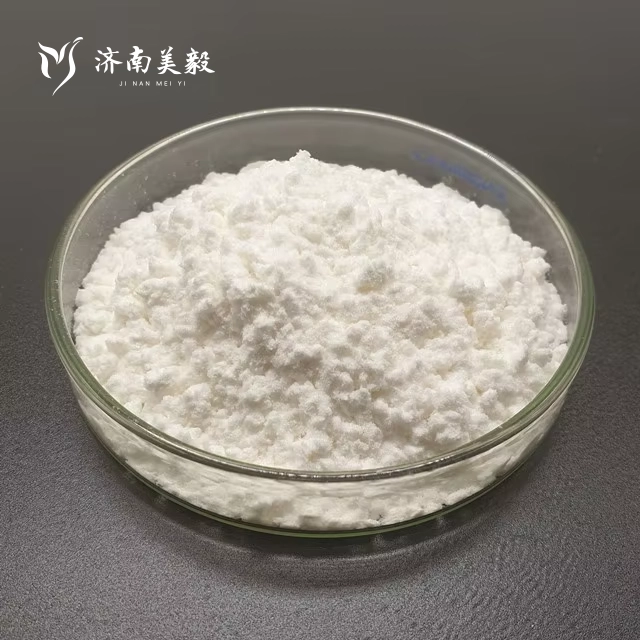
Key Applications of High Purity Hydroxyapatite
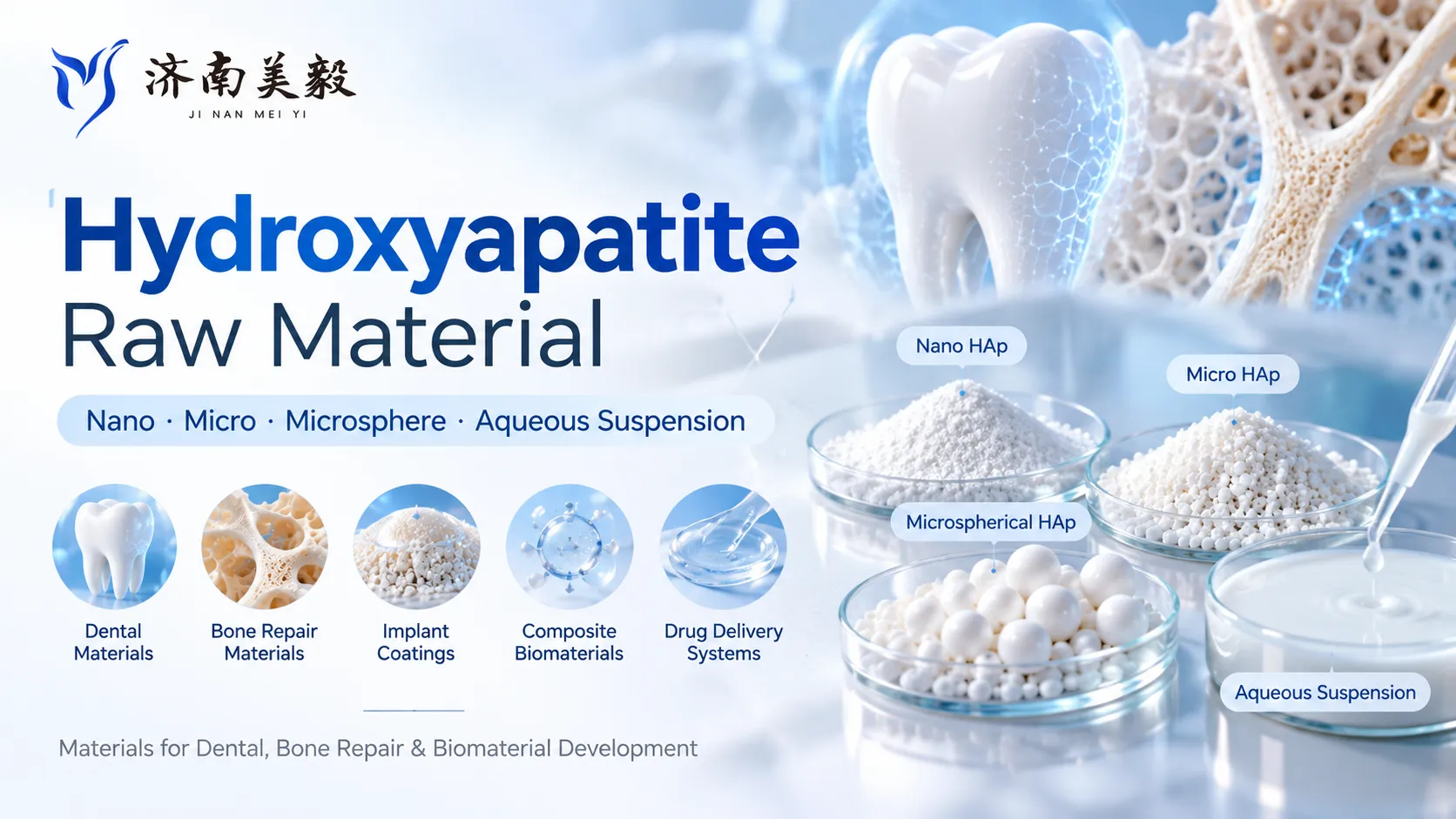
The versatility of High Purity Hydroxyapatite Medical Grade allows it to be utilized across various medical disciplines. Its application ranges from bulk bone substitutes to thin-film coatings on metallic implants.
Orthopedic Implants and Joint Replacements
In orthopedics, HA is primarily used as a coating on titanium or cobalt-chromium alloy implants. Titanium provides the necessary mechanical strength, while the HA coating enhances biological fixation. This combination is widely used in hip stems, knee tibial trays, and spinal cages. The HA coating encourages rapid bone ingrowth into the porous surface of the metal, securing the implant without the need for excessive cement, which can sometimes cause thermal necrosis during curing.
Bulk HA ceramics are also used for small bone repairs, such as in craniofacial reconstruction or filling voids left after tumor resection. These blocks or granules provide immediate structural support while gradually being replaced by natural bone.
Dental Implants and Periodontal Repair
Dentistry represents one of the largest markets for medical-grade HA. It is used in:
- Dental Implant Coatings: Similar to orthopedics, HA-coated dental screws integrate faster with the jawbone, reducing the healing time before prosthetic loading.
- Bone Grafts: HA granules are packed into extraction sockets or periodontal defects to preserve alveolar ridge height and width.
- Periodontal Regeneration: HA powders or pastes are applied to exposed root surfaces to promote the regeneration of cementum and periodontal ligament.
The aesthetic advantage of white HA also makes it suitable for visible areas in the mouth, unlike some metallic alternatives.
Drug Delivery Systems
Due to its high surface area and ion-exchange capacity, HA serves as an effective carrier for therapeutic agents. Antibiotics, growth factors (such as BMP-2), and anti-inflammatory drugs can be adsorbed onto or incorporated into the HA lattice. This allows for localized, sustained release of medication directly at the site of infection or injury, minimizing systemic side effects. High-purity HA ensures that the drug release kinetics are predictable and not influenced by impurity-driven degradation.
Technical Specifications and Parameter Guide
When sourcing High Purity Hydroxyapatite Medical Grade, procurement teams and engineers must evaluate specific technical parameters. The following table outlines the typical specifications required for high-end medical applications.
| Parameter | Specification Range | Test Method | Significance |
|---|---|---|---|
| Ca/P Molar Ratio | 1.65 – 1.69 | ICP-OES / XRF | Ensures stoichiometric phase purity; affects solubility. |
| Phase Purity | > 98% HA | X-Ray Diffraction (XRD) | Confirms absence of TCP or other calcium phosphate phases. |
| Crystallinity | 60% – 95% | XRD / FTIR | Determines resorption rate and mechanical strength. |
| Particle Size (D50) | 0.5 µm – 50 µm (Powder) 0.5 mm – 2.0 mm (Granules) |
Laser Diffraction | Affects surface area, coating smoothness, and porosity. |
| Specific Surface Area | 20 – 80 m²/g | BET Method | Higher surface area enhances protein adsorption and bioactivity. |
| Heavy Metals (Pb, Cd, As) | < 5 ppm each | ICP-MS | Critical for biocompatibility and regulatory compliance. |
| Endotoxin Level | < 0.5 EU/mL | LAL Test | Prevents pyrogenic reactions in patients. |
| Sterility | SAL 10^-6 | Gamma Irradiation / EtO | Ensures the product is free from viable microorganisms. |
Understanding the Impact of Crystallinity
Crystallinity is a nuanced parameter that often dictates the choice of HA for specific applications. Highly crystalline HA (>90%) exhibits higher compressive strength and lower solubility. It is preferred for load-bearing coatings where long-term stability is crucial. However, its bioactivity is slightly lower compared to less crystalline forms because the crystal lattice is more ordered and less reactive.
In contrast, low-crystallinity HA (<60%) or nanocrystalline HA mimics the natural bone mineral more closely. It dissolves faster, releasing calcium and phosphate ions that stimulate osteoblast activity. This form is ideal for bone void fillers where rapid integration is desired, but it lacks the mechanical strength for standalone structural use.
Manufacturing Process and Quality Control
The production of High Purity Hydroxyapatite Medical Grade involves sophisticated chemical engineering processes. Understanding these steps helps buyers assess the reliability of a supplier.
Synthesis Methods
Several methods exist for synthesizing HA, but only a few are suitable for medical-grade production:
- Wet Chemical Precipitation: This is the most common industrial method. It involves reacting calcium nitrate or calcium hydroxide with phosphoric acid or ammonium phosphate in an aqueous solution. The pH, temperature, and stirring rate are tightly controlled to dictate particle size and morphology. Post-synthesis, the precipitate is washed extensively to remove nitrates and ammonium ions.
- Sol-Gel Process: This method offers superior homogeneity and purity. Precursors are mixed in a solvent to form a gel, which is then dried and calcined. Sol-gel HA typically has a higher surface area and better bioactivity but is more expensive to produce.
- Hydrothermal Synthesis: This technique uses high pressure and temperature in an autoclave to grow HA crystals. It produces highly crystalline, rod-like particles with excellent phase purity, ideal for specialized coating applications.
Purification and Calcination
After synthesis, the raw HA powder undergoes rigorous purification. Multiple washing cycles with deionized water are essential to remove soluble salts. The material is then dried and calcined at temperatures ranging from 600°C to 1100°C. Calcination serves two purposes: it removes organic residues and increases crystallinity. The temperature profile during calcination is critical; too high a temperature can cause sintering and reduce surface area, while too low a temperature may leave residual impurities.
Quality Assurance Protocols
A reputable supplier operates under a Quality Management System (QMS) certified to ISO 13485. Every batch of medical-grade HA must undergo:
- Chemical Analysis: Verification of Ca/P ratio and impurity levels using ICP-OES or ICP-MS.
- Structural Characterization: XRD for phase identification and FTIR for functional group analysis.
- Microbiological Testing: Sterility testing and endotoxin assays.
- Physical Property Testing: Particle size distribution, surface area, and density measurements.
Traceability is maintained from raw materials to the final packaged product, ensuring that any quality issue can be traced back to its source.
How to Select the Right Hydroxyapatite Supplier
Choosing a partner for High Purity Hydroxyapatite Medical Grade supply is a strategic decision that impacts regulatory approval and product performance. Here are key criteria for evaluation.
Regulatory Compliance and Documentation
The supplier must provide comprehensive documentation, including:
- Certificate of Analysis (CoA): Detailed results for each batch.
- Material Safety Data Sheet (MSDS): Handling and safety information.
- ISO 13485 Certification: Proof of a medical device QMS.
- DMF (Drug Master File) or CEP (Certificate of Suitability): If applicable for pharmaceutical interactions.
- Biocompatibility Reports: Summary of ISO 10993 testing results.
Avoid suppliers who cannot provide batch-specific data or who rely solely on “typical” values without actual test records.
Technical Support and Customization
Medical device development often requires customized HA properties. A leading supplier should offer technical support to tailor particle size, crystallinity, or morphology to your specific application. For example, if you are developing a injectable bone cement, you may need nano-sized HA with specific rheological properties. The ability to collaborate on R&D and scale-up processes is a significant advantage.
Supply Chain Stability and Scalability
Consistency is key in medical manufacturing. Evaluate the supplier’s production capacity and ability to maintain consistent quality across large volumes. Ask about their raw material sourcing strategies and backup supply plans. A robust supply chain minimizes the risk of production delays due to material shortages.
Jinan Meiyi Biotechnology: A Trusted Partner in Bioactive Materials
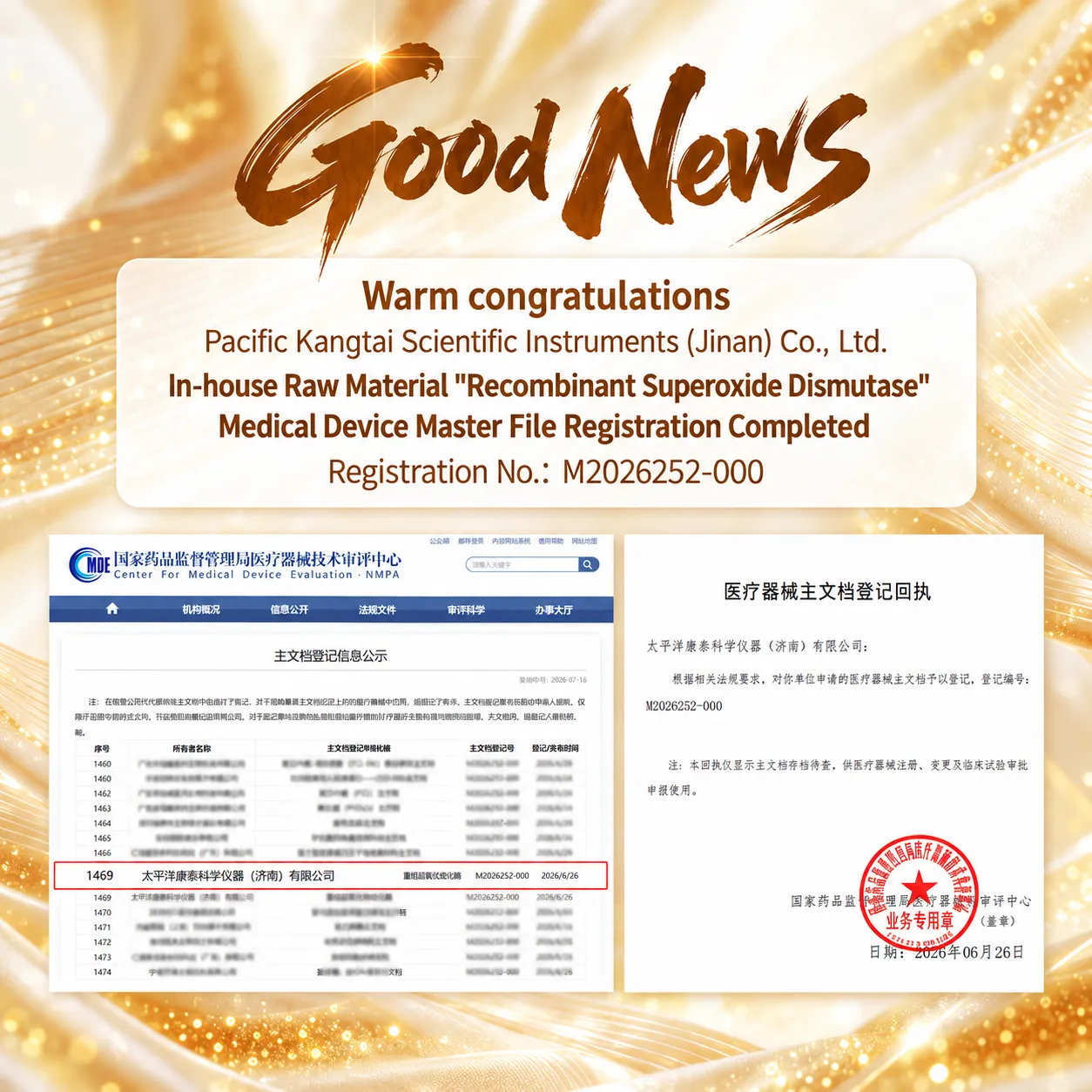
Navigating the complex landscape of medical-grade material sourcing requires a partner who combines scientific rigor with supply chain reliability. Jinan Meiyi Biotechnology Co., Ltd., headquartered in Jinan, Shandong Province, stands out as a professional enterprise dedicated to the research, development support, and commercialization of bioactive technologies. As a subsidiary of Pacific Kangtai Scientific Instruments (Jinan) Co., Ltd., the company serves as a critical bridge between upstream innovation and downstream application in the global personal care and aesthetic medicine value chain.
While Jinan Meiyi Biotechnology does not engage in direct manufacturing, it functions as a strategic sourcing and quality-assured distribution partner. The company leverages a well-established global supply chain network to maintain long-term cooperative relationships with internationally recognized manufacturers. This model ensures that clients have consistent access to technically advanced, regulatory-compliant, and scientifically validated materials, including high-purity hydroxyapatite. By partnering exclusively with certified manufacturers adhering to international quality management systems, Jinan Meiyi Biotechnology guarantees that every batch meets stringent specifications for purity, stability, and efficacy.
The company’s quality assurance framework is built on transparency and traceability. Each raw material in their portfolio undergoes comprehensive evaluation prior to inclusion, with selection criteria grounded in efficacy data and compatibility with modern formulation standards. Clients receive full technical dossiers, including Certificates of Analysis (CoA), safety data sheets, and regulatory status summaries. This disciplined curation methodology allows R&D laboratories, CDMOs, and aesthetic clinics to reduce sourcing complexity while maintaining full confidence in material consistency.
Beyond mere distribution, Jinan Meiyi Biotechnology adopts a partnership-oriented service model. Their scientifically trained team provides technical consultation, regulatory intelligence sharing, and collaborative problem-solving. Whether supporting the development of novel orthopedic coatings or sourcing premium ingredients for medical aesthetics, the company aims to facilitate faster, safer, and more effective translation of bioactive science into real-world clinical benefits.
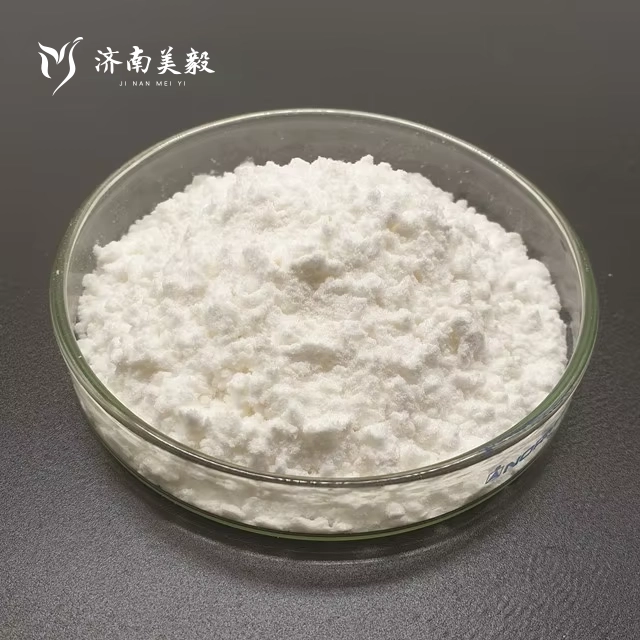
Common Challenges and Solutions in HA Application
Even with high-purity materials, manufacturers may face challenges during processing and application. Understanding these issues can streamline product development.
Issue: Poor Adhesion of HA Coatings
Cause: Contamination on the metal substrate or mismatch in thermal expansion coefficients between HA and the metal.
Solution: Ensure rigorous cleaning of the titanium substrate before coating. Use a graded interface layer or plasma spraying techniques that optimize bond strength. Selecting HA with appropriate crystallinity can also reduce residual stress.
Issue: Rapid Resorption of Bone Grafts
Cause: Using low-crystallinity HA in a load-bearing environment where mechanical stability is required for extended periods.
Solution: Switch to high-crystallinity HA or composite materials that combine HA with slower-resorbing polymers or beta-TCP in controlled ratios. Adjust the Ca/P ratio to ensure phase stability.
Issue: Inconsistent Granule Size
Cause: Agglomeration of fine particles during drying or sieving errors.
Solution: Implement strict process controls during the granulation stage. Use advanced sieving technologies and verify particle size distribution for every batch. Request suppliers to provide detailed particle size distribution curves, not just average values.
Frequently Asked Questions (FAQ)
What is the difference between synthetic and natural hydroxyapatite?
Synthetic HA is produced chemically, allowing for precise control over purity, crystallinity, and particle size. Natural HA, derived from bovine or marine sources, may contain organic residues and trace impurities that are difficult to remove completely. For medical implants, synthetic High Purity Hydroxyapatite Medical Grade is preferred due to its superior consistency, safety profile, and regulatory acceptance.
Is hydroxyapatite biodegradable?
Yes, HA is biodegradable, but the rate varies significantly based on crystallinity and porosity. High-crystallinity HA degrades very slowly over several years, while low-crystallinity or nano-HA can resorb within months. This property allows clinicians to choose the right type of HA based on the desired healing timeline.
Can hydroxyapatite be used in 3D printing?
Yes, HA is increasingly used in additive manufacturing. It can be incorporated into polymer filaments for Fused Deposition Modeling (FDM) or used as a powder binder in Selective Laser Sintering (SLS). Specialized HA slurries are also used in Stereolithography (SLA) to create complex, patient-specific bone scaffolds with high resolution.
What certifications are required for medical grade HA?
Suppliers should ideally hold ISO 13485 certification for medical device quality management. The material itself should comply with ASTM F1185 (Standard Specification for Composition of Hydroxyapatite for Surgical Implants) and ISO 13779-2 (Ceramics made from calcium phosphate powders). Biocompatibility testing per ISO 10993 is also mandatory.
How should medical grade hydroxyapatite be stored?
HA powder should be stored in a cool, dry place in airtight containers to prevent moisture absorption and contamination. Once sterilized, the packaging must remain intact until use. Exposure to humid environments can lead to agglomeration or microbial growth if the sterile barrier is compromised.
Conclusion: Securing Your Supply of Premium Medical Materials
The demand for High Purity Hydroxyapatite Medical Grade continues to grow as the medical device industry advances towards more biologically integrated solutions. Whether for orthopedic coatings, dental grafts, or innovative drug delivery systems, the quality of the HA material directly influences clinical outcomes and regulatory success.
Partnering with a supplier who demonstrates deep technical expertise, rigorous quality control, and full regulatory compliance is essential. By prioritizing purity, consistency, and traceability, manufacturers can ensure their products meet the highest standards of safety and efficacy.
If you are looking for a reliable source of medical-grade hydroxyapatite that meets stringent ISO and ASTM standards, our team is ready to assist. We offer customized solutions, comprehensive technical support, and guaranteed batch consistency to support your innovation pipeline.
Ready to optimize your biomedical formulations?
Contact our technical sales team today to request a sample, review our latest Certificates of Analysis, or discuss your specific project requirements. Let us help you achieve superior osseointegration and patient outcomes.
Explore our full range of Medical Grade Biomaterials and Technical Resources





Please leave us a message.