Introduction
Hydroxyapatite is rapidly emerging as a cornerstone material across multiple high-value industries. As a bioactive calcium phosphate, hydroxyapatite closely resembles the mineral component of human bone and teeth, making it uniquely suited for applications that demand both performance and biocompatibility.
We are seeing growing interest in hydroxyapatite not only in medical and dental fields, but also in cosmetics, water treatment, and nutritional supplements. This surge is driven by its exceptional properties—biocompatibility, bioactivity, and remarkable versatility across formulations.
In this article, we will explore what hydroxyapatite is, why it matters, and how professionals and buyers can leverage its applications across sectors—along with practical insights for sourcing the right material.
Hydroxyapatite is a naturally occurring mineral form of calcium apatite, with the chemical formula Ca₁₀(PO₄)₆(OH)₂. As a hydroxyapatite material, it plays a structural role in bones and teeth, which explains its strong compatibility with biological systems.
Natural vs Synthetic Hydroxyapatite
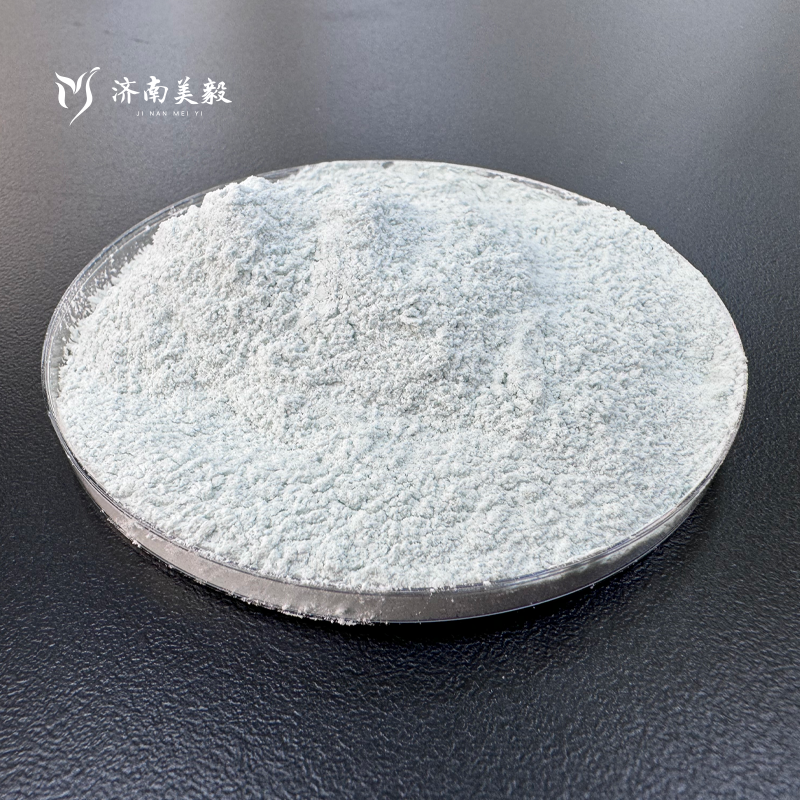
Natural hydroxyapatite is derived from biological sources such as bone, while synthetic hydroxyapatite is produced through controlled chemical processes. In most industrial and medical applications, synthetic forms are preferred due to higher purity and consistency.
Nano vs Micro Hydroxyapatite
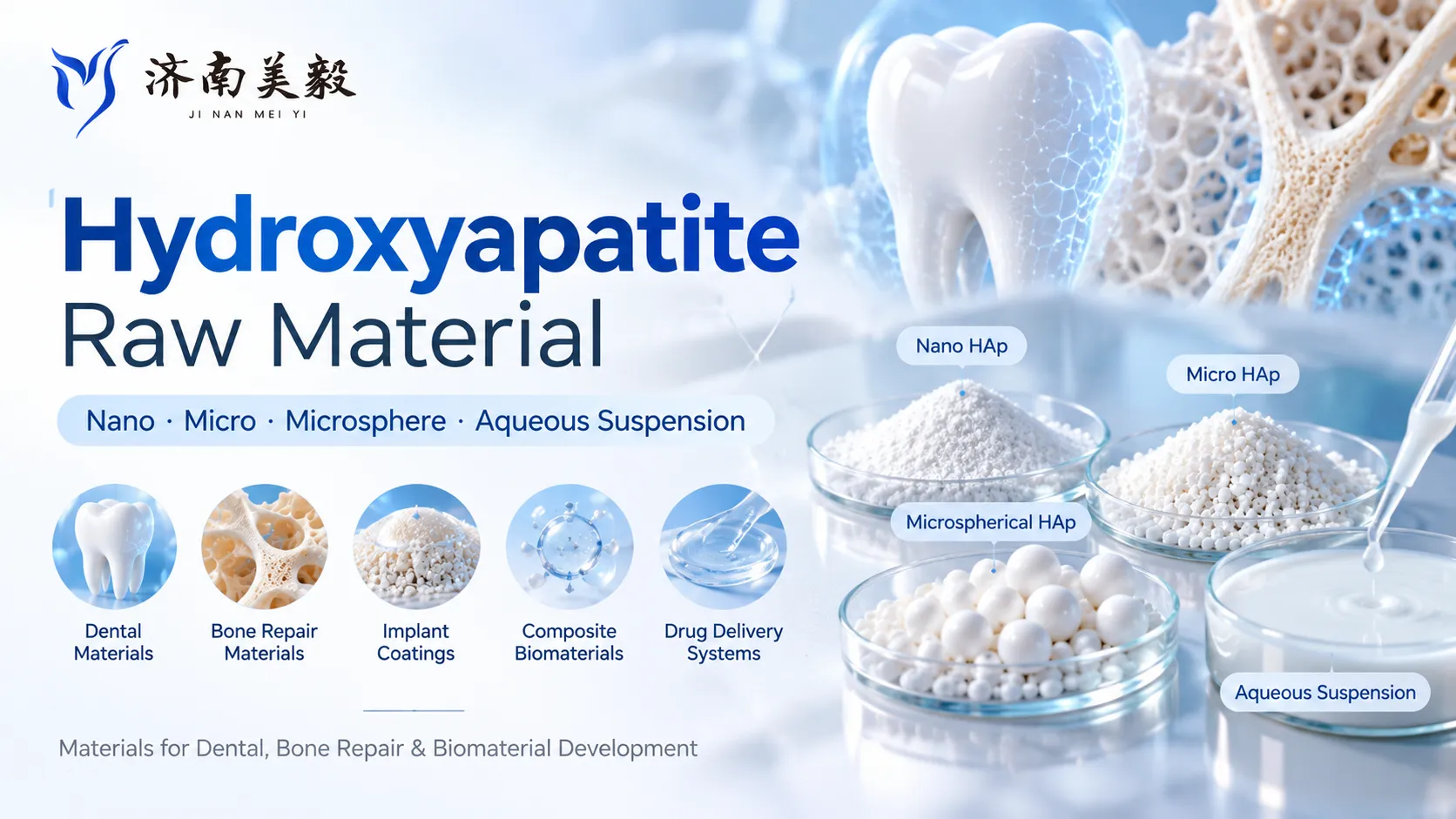
- Nano hydroxyapatite: Smaller particle size, higher surface area, ideal for dental care, cosmetics, and drug delivery
- Micro hydroxyapatite: Larger particles, commonly used in bone grafts and industrial filtration
Key Properties
- Biocompatibility: Integrates well with human tissue
- Osteoconductivity: Supports bone growth and regeneration
- Adsorption capability: Binds proteins, toxins, and heavy metals effectively
These characteristics make calcium hydroxyapatite a highly adaptable material across industries.
Key Benefits Driving Hydroxyapatite Demand
The increasing adoption of hydroxyapatite is driven by several performance advantages:
- Bioactive and non-toxic: Safe for use in medical, dental, and food applications
- High affinity for proteins and metals: Ideal for both biological integration and environmental cleanup
- Remineralization properties: Repairs and strengthens tooth enamel
- Customizable structure: Particle size, morphology, and surface treatment can be tailored
- Formulation stability: Performs well in liquids, gels, powders, and composites
These benefits allow us to adapt hydroxyapatite to highly specific functional requirements.
Hydroxyapatite in Medical & Aesthetic Applications
Bone Regeneration & Orthopedics
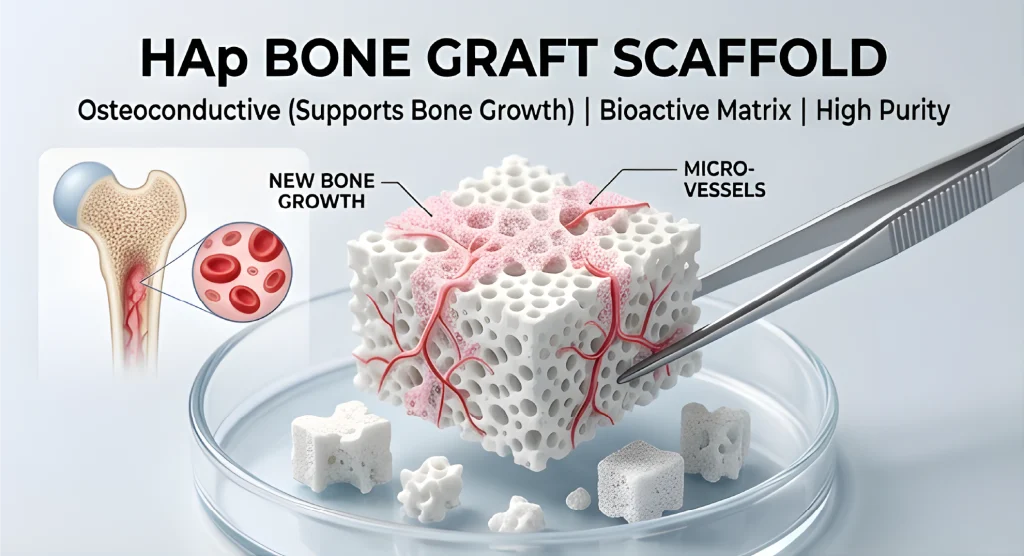
Hydroxyapatite is widely used in bone grafts and orthopedic implants due to its similarity to natural bone mineral. It serves as a scaffold for new bone growth, supporting tissue engineering and regenerative medicine.
Dermal Fillers & Aesthetic Medicine
Calcium hydroxyapatite (CaHA) is a key component in injectable dermal fillers. It not only provides immediate volume but also stimulates collagen production, making it highly effective for long-term skin rejuvenation.
Drug Delivery Systems
Nano hydroxyapatite is increasingly used as a carrier in drug delivery systems. Its porous structure allows for controlled release, improving therapeutic efficiency and targeting.
Hydroxyapatite in Dental & Oral Care
Tooth Remineralization
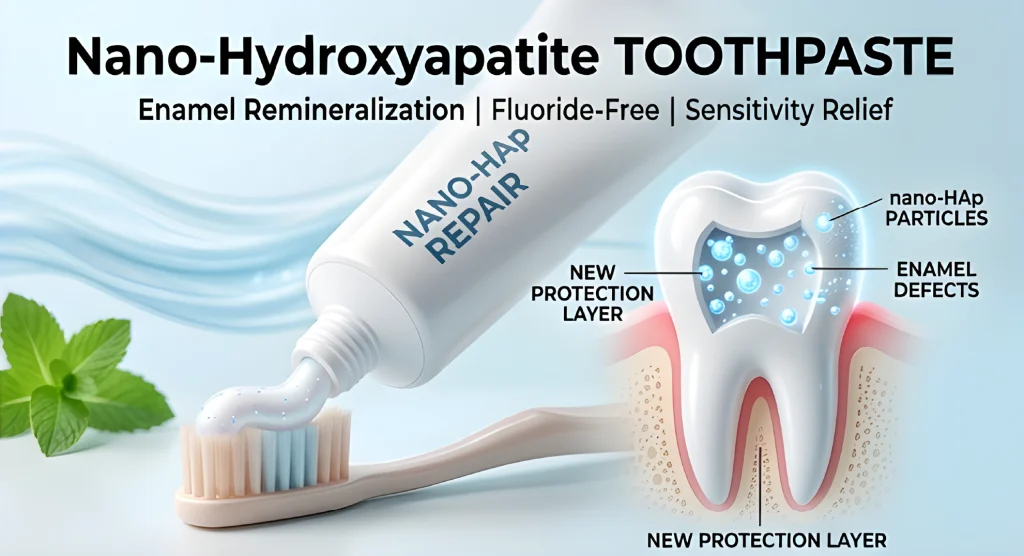
One of the most well-known uses of hydroxyapatite is enamel repair. Nano hydroxyapatite penetrates microscopic enamel defects, helping to rebuild and strengthen teeth naturally.
Toothpaste & Oral Care Products
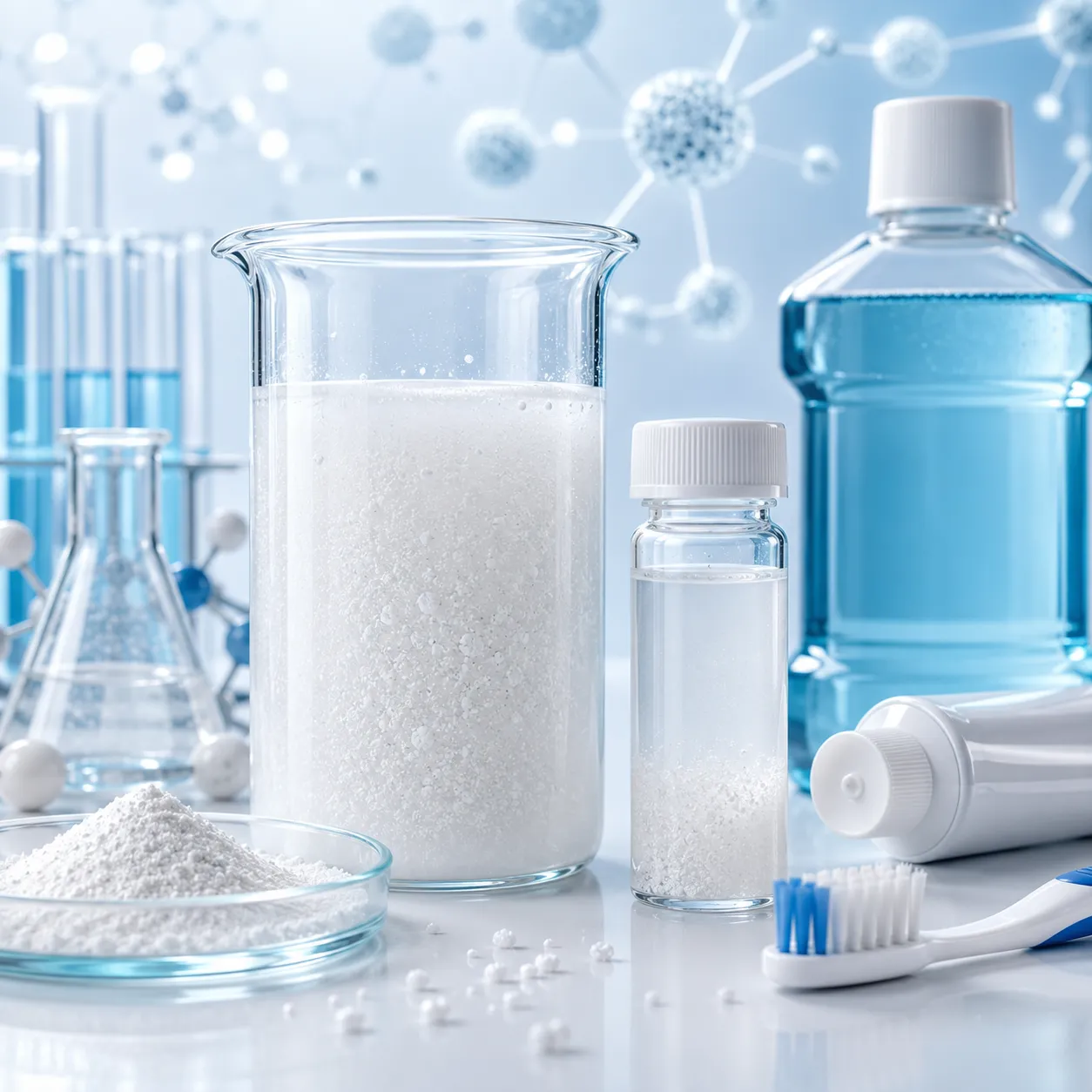
Nano hydroxyapatite toothpaste is gaining popularity as an alternative to fluoride. It offers effective enamel repair and sensitivity reduction without the concerns some consumers have about fluoride.
Professional Dental Materials
Hydroxyapatite is also used in dental coatings and cements. It enhances implant integration and improves the longevity of dental restorations.
Industrial Applications of Hydroxyapatite
Water Treatment & Environmental Protection
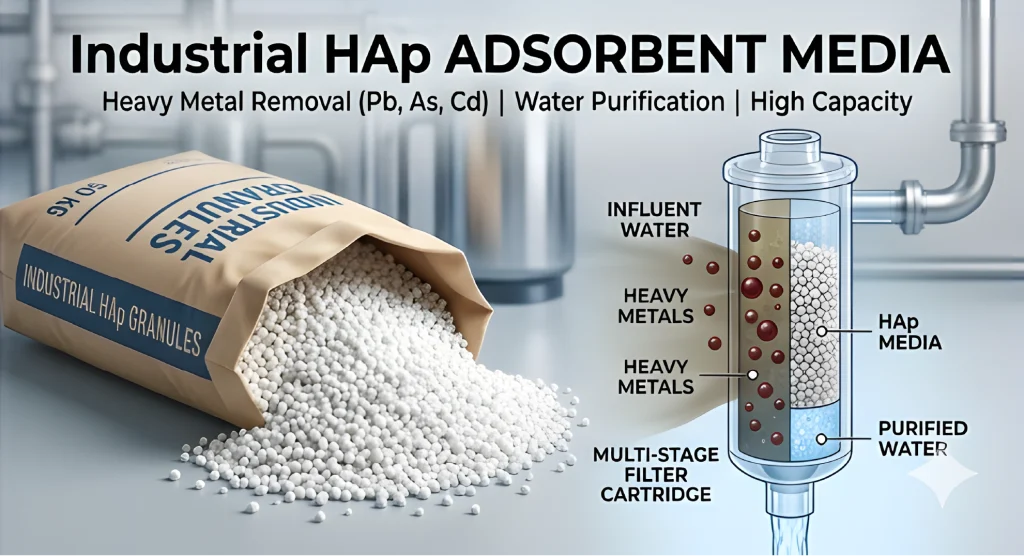
Hydroxyapatite is highly effective in removing heavy metals such as lead and arsenic from water. Its adsorption capability makes it a sustainable solution for wastewater purification.
Cosmetics & Personal Care
In cosmetics, hydroxyapatite is used for skin repair, anti-aging formulations, and even whitening products. Its gentle and biocompatible nature makes it suitable for sensitive skin applications.
Food & Nutritional Supplements
As a bioavailable calcium source, hydroxyapatite is used in dietary supplements. It offers better absorption compared to some traditional calcium salts, making it valuable in nutrition-focused products.
Choosing the Right Hydroxyapatite for Your Application
Selecting the right hydroxyapatite depends on your specific use case:
- Particle size: Nano for bioactive applications; micro for structural or filtration uses
- Purity and crystallinity: Critical for medical and food-grade applications
- Surface modification: Enhances compatibility with specific formulations
- Regulatory compliance: Ensure alignment with FDA, REACH, or other regional standards
- Customization: Look for suppliers offering tailored dispersions or coatings
We recommend aligning material specifications closely with end-use performance requirements to maximize value.
Global Market Trends and Demand Insights
Hydroxyapatite demand continues to grow across several sectors:
- Biomedical industry: Increasing use in implants and regenerative medicine
- Oral care market: Rising demand for fluoride alternatives
- Sustainability applications: Growth in water treatment and eco-friendly materials
Emerging innovations include nano-engineered hydroxyapatite and hybrid composites, expanding its application scope further.
Key importing regions include the United States, Europe, and Southeast Asia, reflecting strong global demand.
Sourcing High-Quality Hydroxyapatite: What Buyers Should Know
When evaluating suppliers, we suggest focusing on:
Key Criteria
- Certifications such as ISO and GMP
- Consistent product quality and scalability
- Strong technical support and documentation
Questions to Ask
- What particle sizes and grades are available?
- Can the product be customized?
- What testing and quality control measures are in place?
Red Flags to Avoid
- Inconsistent specifications
- Lack of regulatory documentation
- Limited technical transparency
Reliable sourcing is critical for ensuring product performance and regulatory compliance.
FAQs About Hydroxyapatite
Is hydroxyapatite safe for human use?
Yes, it is biocompatible and widely used in medical and dental applications.
What is the difference between nano and micro hydroxyapatite?
Nano offers higher bioactivity and surface area, while micro is better for structural uses.
Can hydroxyapatite replace fluoride?
In many oral care applications, yes—it supports enamel repair and reduces sensitivity.
Is it suitable for vegan products?
Synthetic hydroxyapatite is generally considered vegan-friendly.
What industries use hydroxyapatite the most?
Medical, dental, cosmetics, environmental, and nutritional sectors.
Conclusion & Call to Action
Hydroxyapatite stands out as a highly versatile material with proven performance across medical, dental, industrial, and consumer applications. Its biocompatibility, functional adaptability, and growing market demand make it a valuable choice for both product developers and raw material buyers.
If you are exploring how hydroxyapatite can enhance your formulations or product line, now is the time to take the next step.
👉 Request a sample, download a technical datasheet, or contact us today to discover the right hydroxyapatite solution for your application.