

Hydroxyapatite Cost Guide 2026: Wholesale Prices & Suppliers
2026-10-18
- Understanding Hydroxyapatite Pricing Dynamics in 2026
- Hydroxyapatite Cost Breakdown by Grade and Application
- The Role of Strategic Sourcing in Cost Management
- Technical Specifications Impacting Hydroxyapatite Value
- Applications Driving Demand and Price Trends
- How to Choose the Right Hydroxyapatite Supplier
- Frequently Asked Questions (FAQ)
- Conclusion: Optimizing Value in Hydroxyapatite Procurement
In 2026, the hydroxyapatite cost for industrial and cosmetic-grade bulk purchases typically ranges between $80 and $350 per kilogram, depending heavily on purity levels, particle size distribution, and crystallinity. Medical-grade synthetic hydroxyapatite (HA) commands a premium due to stringent regulatory compliance requirements, while cosmetic-grade micronized HA is more accessible for large-scale formulation. Understanding these price drivers is critical for procurement managers, R&D laboratories, and aesthetic clinics aiming to optimize supply chain efficiency without compromising bioactive efficacy.
Understanding Hydroxyapatite Pricing Dynamics in 2026
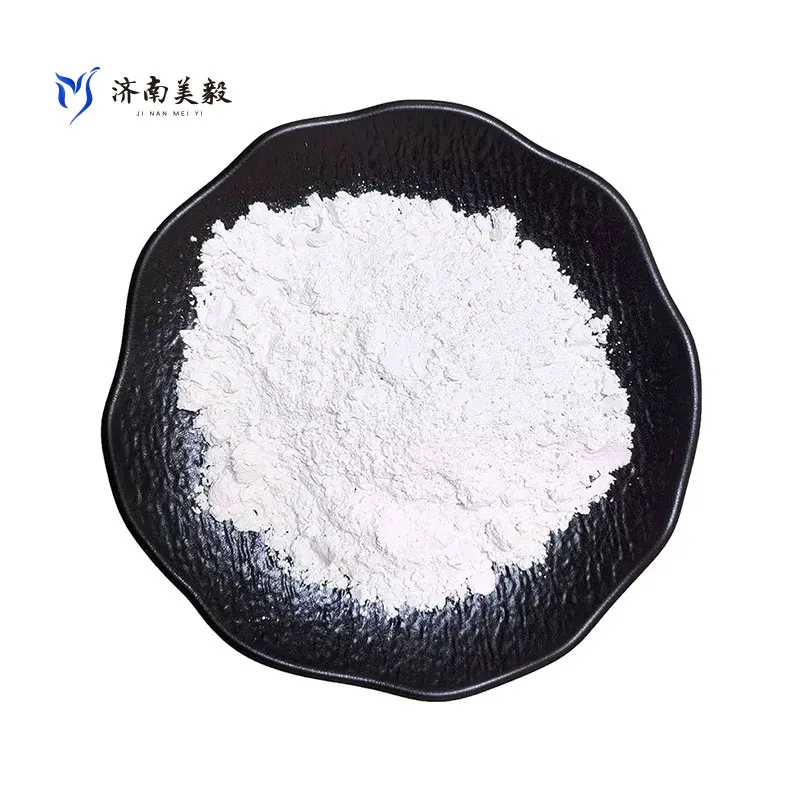
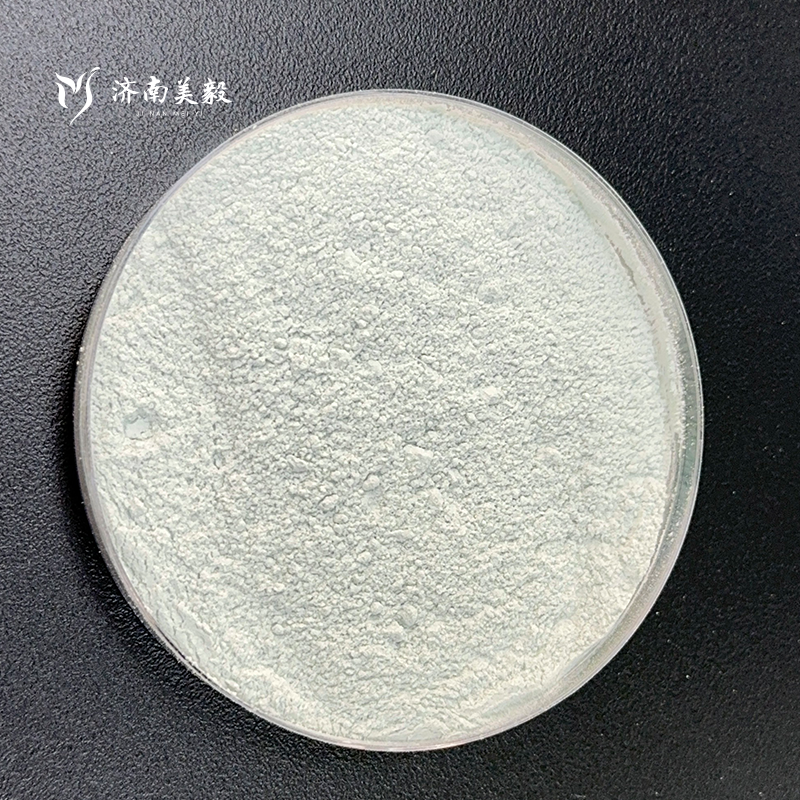
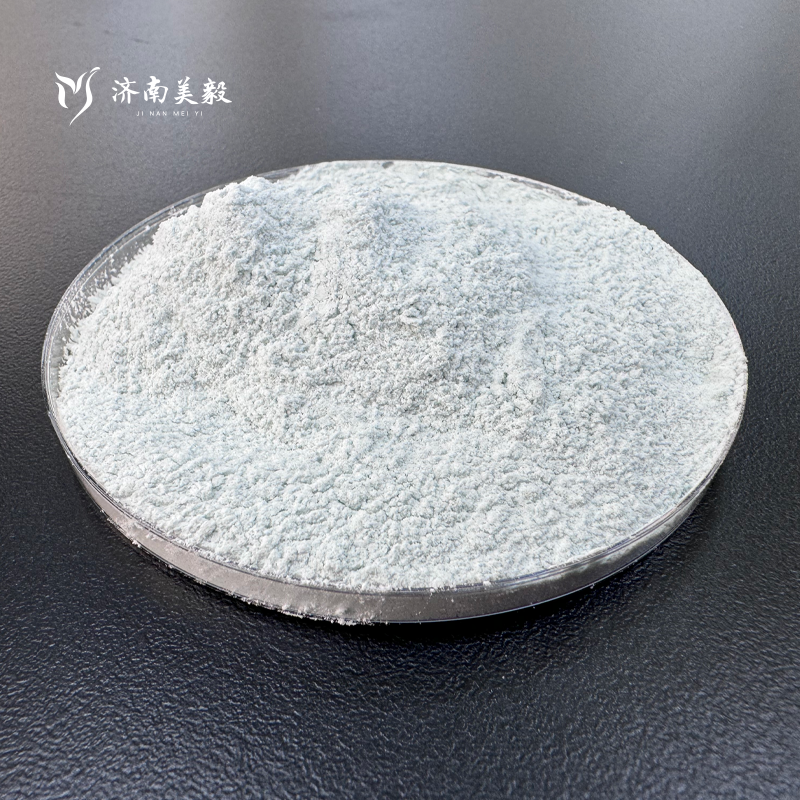
Hydroxyapatite (Ca10(PO4)6(OH)2) has evolved from a niche dental material to a cornerstone ingredient in advanced skincare and regenerative medicine. As demand surges for bioactive solutions that mimic natural bone and tooth structure, the market has segmented significantly. The hydroxyapatite cost is no longer a single static figure but a variable determined by specific technical parameters.
Buyers must distinguish between standard precipitated HA and high-performance synthetic variants. The latter offers superior biocompatibility and controlled resorption rates, justifying higher price points. In the current market, transparency in sourcing and verification of structural integrity are paramount. Companies like Jinan Meiyi Biotechnology Co., Ltd. emphasize that pricing reflects not just the raw material, but the assurance of consistency, regulatory documentation, and supply chain reliability.
Key Factors Influencing Wholesale Prices
Several technical and logistical variables directly impact the final quoted price per kilogram. Recognizing these factors helps buyers negotiate better terms and select the appropriate grade for their application.
- Purity and Crystallinity: High-crystallinity HA, essential for long-term stability in medical implants and certain dermal fillers, requires complex synthesis processes such as hydrothermal treatment. This increases production energy and time, raising costs compared to low-crystallinity or amorphous calcium phosphate blends.
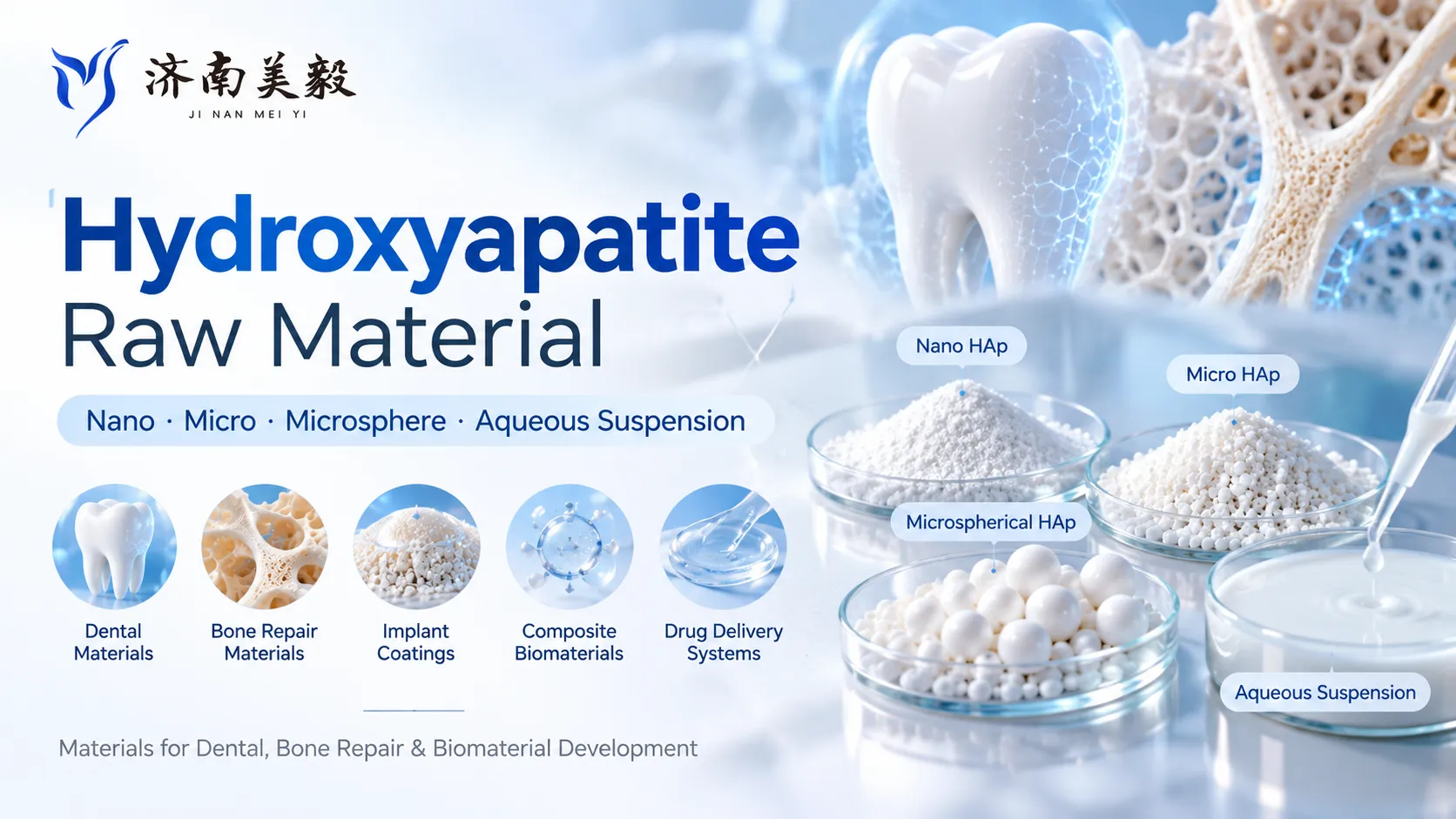
- Particle Size and Morphology: Nano-sized particles (below 100nm) offer enhanced surface area for biological interaction but require advanced milling and dispersion technologies to prevent agglomeration. Micron-sized particles, often used in toothpaste and exfoliants, are generally less expensive to produce.
- Synthesis Method: Wet chemical precipitation is the most common and cost-effective method. However, sol-gel processes and biomimetic synthesis yield higher quality materials with better stoichiometric control, resulting in a premium price tag.
- Regulatory Compliance: Materials intended for medical devices or injectables must meet ISO 13485 standards and provide extensive toxicology reports. The administrative and testing burden associated with medical-grade certification adds to the overall hydroxyapatite cost.
- Order Volume and Packaging: Bulk orders (tonnage scale) significantly reduce unit costs due to economies of scale in shipping and handling. Specialized packaging, such as sterile, nitrogen-flushed containers for sensitive bioactive powders, also contributes to the final price.
Hydroxyapatite Cost Breakdown by Grade and Application
To provide a clear perspective on market pricing, it is essential to categorize hydroxyapatite by its intended use. The following table outlines the estimated wholesale price ranges for 2026. Note that these are indicative market averages; specific quotes will vary based on supplier relationships and custom specifications.
| Grade Category | Typical Particle Size | Purity Level | Estimated Price Range (USD/kg) | Primary Applications |
|---|---|---|---|---|
| Cosmetic Grade | 1–10 microns | >95% | $80 – $150 | Toothpaste, skin creams, hair care, exfoliants |
| Pharmaceutical Intermediate | 100nm – 1 micron | >98% | $150 – $250 | Drug delivery systems, bone graft substitutes, coating for implants |
| Medical/Implant Grade | Nano to Micro (Custom) | >99.5% | $250 – $450+ | Injectable fillers, orthopedic coatings, dental regeneration |
| Research Grade | Highly Controlled | >99.9% | $400 – $800+ | Laboratory research, clinical trials, specialized biotech R&D |
This stratification highlights why a “one-size-fits-all” pricing model is ineffective. A skincare brand formulating a remineralizing serum will have different cost structures and quality requirements than a medical device manufacturer producing coated hip implants.
The Role of Strategic Sourcing in Cost Management
For businesses operating in the cosmetics and medical aesthetics sectors, managing the hydroxyapatite cost extends beyond simple price negotiation. It involves establishing a robust supply chain that prioritizes quality assurance and regulatory readiness. This is where specialized partners play a crucial role.
Jinan Meiyi Biotechnology Co., Ltd., headquartered in Jinan, Shandong Province, operates as a strategic sourcing and quality-assured distribution partner rather than a direct manufacturer. By leveraging long-term cooperative relationships with internationally recognized suppliers, the company ensures consistent access to technically advanced and regulatory-compliant materials. This model allows clients to bypass the complexities of vetting multiple manufacturers individually.
Instead of engaging in raw material manufacturing, Jinan Meiyi Biotechnology focuses on rigorous evaluation. Every batch of hydroxyapatite undergoes comprehensive assessment based on efficacy data, stability profiles, and compatibility with modern formulation standards. This approach reduces the risk of costly formulation failures or regulatory setbacks downstream, effectively lowering the total cost of ownership for clients.
Why Distribution Partnerships Lower Hidden Costs
Direct purchasing from manufacturers may seem cheaper on paper, but it often hides significant operational risks. These include inconsistent batch quality, lack of technical support, and incomplete documentation. A specialized distributor mitigates these risks through:
- Supplier Qualification: Rigorous auditing of upstream manufacturers to ensure adherence to international quality management systems.
- Documentation Traceability: Provision of full technical dossiers, including Certificates of Analysis (CoA), Safety Data Sheets (SDS), and regulatory status summaries.
- Logistics Integrity: Strict control over storage conditions and shipping protocols to maintain product integrity from origin to end-user.
By partnering with entities like Jinan Meiyi Biotechnology, R&D laboratories and CDMOs can reduce sourcing complexity. The company’s focus on bioactive technologies in cosmetics and medical aesthetics means they understand the specific nuances of HA application, offering technical consultation that goes beyond simple transactional sales.
Technical Specifications Impacting Hydroxyapatite Value
When evaluating quotes, buyers must look beyond the price per kilogram. The technical specifications of the hydroxyapatite powder determine its performance in final applications. Key parameters include:
Ca/P Ratio
The ideal calcium-to-phosphorus ratio for stoichiometric hydroxyapatite is 1.67. Deviations from this ratio can affect solubility and bioactivity. High-quality suppliers provide precise Ca/P ratio data, ensuring the material behaves predictably in biological environments. Non-stoichiometric HA may be cheaper but can lead to inconsistent results in clinical or cosmetic formulations.
Crystallinity Index
Crystallinity determines the material’s stability and resorption rate. Highly crystalline HA is more stable and resorbs slowly, making it suitable for long-term implants. Low-crystalline or amorphous HA resorbs faster, which may be desirable for temporary drug delivery vehicles. The synthesis method directly influences this parameter, and thus, the cost.
Surface Charge and Zeta Potential
For nano-hydroxyapatite used in liquid formulations, surface charge affects dispersion stability. Agglomeration can render nano-HA ineffective and difficult to process. Suppliers who offer surface-modified HA to enhance dispersibility often charge a premium, but this saves formulators significant time and resources during product development.
Applications Driving Demand and Price Trends
The diverse applications of hydroxyapatite create distinct demand pockets, each influencing market pricing differently.
Dental Care and Remineralization
Hydroxyapatite is increasingly replacing fluoride in premium toothpastes and mouthwashes due to its biomimetic properties. It binds to enamel, repairing micro-damage and reducing sensitivity. The cosmetic grade HA used here is high-volume, driving economies of scale that keep prices competitive. However, claims of “nano-hydroxyapatite” penetration require verified particle size data, adding a layer of quality control cost.
Medical Aesthetics and Dermal Fillers
In the realm of medical aesthetics, HA is used in biostimulatory fillers. Unlike hyaluronic acid fillers that add volume directly, HA-based biostimulators encourage collagen production. This application requires medical-grade, sterile, and highly purified HA. The stringent regulatory pathway for injectables means that the hydroxyapatite cost for this segment includes significant compliance and safety testing expenses.
Orthopedics and Bone Grafting
HA coatings on metal implants improve osseointegration, allowing bone to grow into the implant surface. Bulk HA for coating processes requires high purity and specific particle morphology to ensure uniform coverage. The medical device industry’s strict validation protocols mean that suppliers must provide extensive batch-specific documentation, contributing to the higher price point of implant-grade materials.
How to Choose the Right Hydroxyapatite Supplier
Selecting the right supplier is critical to balancing cost and quality. Here are key considerations for procurement professionals:
- Verify Regulatory Support: Ensure the supplier can provide all necessary documentation for your target market (e.g., FDA, CE, NMPA). Jinan Meiyi Biotechnology, for instance, prioritizes regulatory intelligence sharing, helping clients navigate complex compliance landscapes.
- Assess Technical Expertise: Look for partners who offer technical consultation. A supplier who understands formulation challenges can recommend the most cost-effective grade that meets performance needs.
- Check Supply Chain Transparency: Understand the origin of the material. Transparent supply chains reduce the risk of contamination and ensure ethical sourcing practices.
- Evaluate Sample Consistency: Request samples from multiple batches to test for consistency. Variability in particle size or purity can disrupt manufacturing processes and increase waste.
Jinan Meiyi Biotechnology distinguishes itself through a partnership-oriented service model. By focusing on deep specialization in bioactive technology applications, the company supports clients with scientifically trained insights. Their disciplined curation methodology ensures that only clinically meaningful and regulatory-clear products enter their portfolio, providing clients with confidence in their sourcing decisions.
Frequently Asked Questions (FAQ)
What is the average hydroxyapatite cost per kg in 2026?
The average cost varies by grade. Cosmetic-grade hydroxyapatite typically ranges from $80 to $150 per kg, while medical-grade materials can range from $250 to $450+ per kg. Prices depend on purity, particle size, and order volume.
Is nano-hydroxyapatite more expensive than micron-sized HA?
Yes, nano-hydroxyapatite is generally more expensive due to the advanced technology required for synthesis, milling, and stabilization. Preventing agglomeration in nano-particles adds significant processing costs.
Can I buy hydroxyapatite directly from manufacturers in China?
Yes, but working with a specialized distributor like Jinan Meiyi Biotechnology can offer advantages in quality assurance, regulatory support, and supply chain reliability. Distributors often vet manufacturers and handle logistics, reducing risk for buyers.
What documents should I request when buying hydroxyapatite?
You should request a Certificate of Analysis (CoA), Safety Data Sheet (SDS), and any relevant regulatory certifications (e.g., ISO, GMP). For medical applications, ask for biocompatibility test reports and sterilization validation records.
How does purity affect hydroxyapatite price?
Higher purity levels require more refined synthesis and purification processes, increasing production costs. However, high purity is essential for medical and pharmaceutical applications to ensure safety and efficacy.
Conclusion: Optimizing Value in Hydroxyapatite Procurement
Navigating the hydroxyapatite cost landscape in 2026 requires a nuanced understanding of grade specifications, application requirements, and supply chain dynamics. While price is a critical factor, it should not be the sole determinant. The true value lies in securing a material that consistently meets technical specifications, complies with regulatory standards, and supports your product’s performance claims.
For companies in the cosmetics and medical aesthetics industries, partnering with a knowledgeable distributor like Jinan Meiyi Biotechnology Co., Ltd. offers a strategic advantage. Their commitment to scientific rigor, global supply chain integration, and regulatory compliance ensures that clients receive high-integrity materials backed by robust documentation. This partnership approach minimizes sourcing risks and accelerates time-to-market for innovative bioactive products.
Whether you are developing a next-generation remineralizing toothpaste or a biostimulatory aesthetic treatment, selecting the right hydroxyapatite grade and supplier is foundational to your success. Prioritize transparency, technical support, and quality assurance to achieve the best balance of cost and performance.
→ Ready to optimize your supply chain? Contact our technical team today to discuss your specific hydroxyapatite requirements, request samples, or obtain a customized quote tailored to your application needs. Explore our full range of bioactive raw materials and technical solutions.





Please leave us a message.