

Hydroxyapatite in Dentistry: 2026 Clinical Guide & Benefits
2026-10-19
- What Is Hydroxyapatite and Why Is It Critical in Modern Dentistry?
- Clinical Applications of Hydroxyapatite in 2026
- Hydroxyapatite vs. Fluoride: A Clinical Comparison
- Sourcing High-Purity Hydroxyapatite: Quality and Supply Chain Integrity
- Formulation Considerations for Dental Products
- Common Challenges and Solutions in HAp Adoption
- Frequently Asked Questions (FAQ)
- Future Trends: The Next Generation of Bioactive Dentistry
- Conclusion and Strategic Recommendations
Hydroxyapatite in dentistry represents a paradigm shift in restorative and preventive oral care, moving beyond traditional fluoride-based protocols to biomimetic remineralization. As the primary mineral component of human tooth enamel and bone, synthetic hydroxyapatite (HAp) offers superior biocompatibility and direct structural integration with dental tissues. In 2026, clinical applications range from desensitizing agents and bioactive restoratives to advanced implant coatings, driven by rigorous evidence supporting its efficacy in repairing early carious lesions and reducing hypersensitivity without toxicity concerns.
What Is Hydroxyapatite and Why Is It Critical in Modern Dentistry?
Hydroxyapatite is a naturally occurring crystalline form of calcium apatite with the formula Ca₁₀(PO₄)₆(OH)₂. In the context of dental materials, it is not merely an additive but a foundational bioactive ceramic that mirrors the inorganic composition of human hard tissues. Unlike inert fillers, HAp participates in dynamic ion exchange processes, facilitating the deposition of calcium and phosphate ions directly onto the tooth surface.
The significance of hydroxyapatite in dentistry lies in its biomimetic properties. When applied topically or incorporated into restorative matrices, nano-hydroxyapatite particles penetrate micro-pores in the enamel and dentin tubules. This action creates a protective layer that is chemically identical to natural tooth structure, offering a level of integration that synthetic polymers or glass ionomers cannot achieve alone. For dental professionals and material scientists, this means enhanced longevity of restorations and a proactive approach to preventing deminization.
The Science Behind Biomimetic Remineralization
Remineralization via hydroxyapatite operates on principles of supersaturation and nucleation. When nano-sized HAp particles come into contact with demineralized enamel, they act as nucleation sites. Calcium and phosphate ions from saliva or the material itself precipitate onto these sites, effectively “filling in” the microscopic defects caused by acid erosion.
- Nano-scale Penetration: Particles smaller than 100 nanometers can infiltrate deeper into dentinal tubules compared to micro-sized variants, providing superior occlusion for sensitivity relief.
- Ion Exchange Capability: HAp can release calcium and phosphate ions in acidic environments, buffering pH levels and neutralizing cariogenic bacteria activity.
- Protein Affinity: The surface charge of hydroxyapatite attracts salivary proteins, forming a stable acquired pellicle that further protects against erosion.
Clinical Applications of Hydroxyapatite in 2026
The versatility of hydroxyapatite has expanded its utility across various dental disciplines. From preventive care to complex surgical interventions, HAp-based solutions are becoming standard in high-performance clinical settings.
1. Management of Dentin Hypersensitivity
Dentin hypersensitivity remains one of the most common complaints in general practice. Traditional treatments often rely on nerve-desensitizing agents like potassium nitrate, which mask symptoms rather than address the underlying cause. Hydroxyapatite offers a mechanical solution by physically occluding open dentinal tubules.
Clinical studies indicate that nano-hydroxyapatite formulations create a durable barrier that withstands acidic challenges and brushing abrasion better than oxalate or varnish-based treatments. This makes it an ideal choice for patients suffering from erosion due to dietary acids or gastroesophageal reflux disease (GERD).
2. Early Caries Lesion Repair
For non-cavitated white spot lesions, hydroxyapatite serves as a powerful remineralizing agent. Unlike fluoride, which requires the presence of calcium and phosphate in saliva to form fluorapatite, HAp provides the necessary building blocks directly. This is particularly beneficial for patients with reduced salivary flow (xerostomia), where natural remineralization processes are compromised.
3. Bioactive Restorative Materials
In restorative dentistry, HAp is increasingly incorporated into composite resins, glass ionomer cements, and luting agents. These bioactive composites release calcium and phosphate ions over time, promoting remineralization at the restoration-tooth interface. This reduces the risk of secondary caries, a leading cause of restoration failure.
4. Implantology and Bone Grafting
Beyond direct tooth care, hydroxyapatite is critical in oral surgery. Porous HAp scaffolds are used as bone graft substitutes due to their osteoconductive properties. They provide a framework for new bone growth, accelerating osseointegration of dental implants. Surface coating of titanium implants with HAp further enhances biological fixation and reduces healing time.
Hydroxyapatite vs. Fluoride: A Clinical Comparison
While fluoride has been the gold standard for decades, hydroxyapatite offers distinct advantages, particularly regarding safety and mechanism of action. Understanding the differences helps clinicians choose the right protocol for specific patient needs.
| Feature | Hydroxyapatite (HAp) | Fluoride |
|---|---|---|
| Mechanism | Biomimetic replacement; fills micro-defects with identical mineral structure. | Chemical conversion; forms fluorapatite which is more acid-resistant but structurally different. |
| Toxicity | Non-toxic; safe if swallowed. Ideal for children and special needs patients. | Potential toxicity if ingested in large amounts; risk of fluorosis in developing teeth. |
| Sensitivity Relief | High efficacy via physical tubule occlusion. | Limited efficacy; primarily strengthens enamel rather than occluding tubules. |
| Acid Neutralization | Buffers pH by releasing carbonate and phosphate ions. | Does not significantly buffer pH; relies on inhibiting bacterial enzymes. |
| Aesthetic Impact | Restores natural translucency and gloss; no discoloration. | Excessive use can lead to white spots (fluorosis) or brown staining. |
This comparison highlights why many modern practices are adopting a dual approach or transitioning entirely to HAp-based protocols, especially for pediatric and geriatric demographics.
Sourcing High-Purity Hydroxyapatite: Quality and Supply Chain Integrity
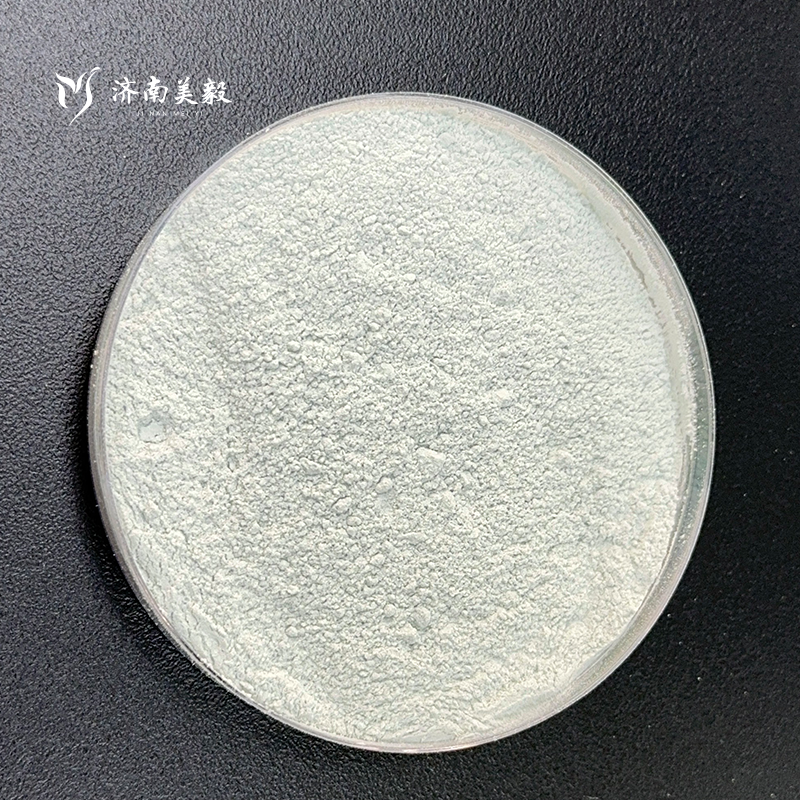
The efficacy of hydroxyapatite in dental applications is heavily dependent on particle size, crystallinity, and purity. Impurities or inconsistent particle distribution can compromise bioactivity and clinical outcomes. Therefore, sourcing from a partner with rigorous quality assurance protocols is essential for manufacturers and R&D laboratories.
Jinan Meiyi Biotechnology Co., Ltd., a subsidiary of Pacific Kangtai Scientific Instruments (Jinan) Co., Ltd., has established itself as a pivotal link in the global supply chain for high-performance bioactive materials. Headquartered in Jinan, Shandong Province, the company specializes in the strategic sourcing and distribution of premium raw materials for the cosmetics, medical aesthetics, and dental industries.
Strategic Sourcing and Quality Assurance
Unlike traditional manufacturers, Jinan Meiyi Biotechnology operates as a specialized knowledge-driven bridge between upstream innovation and downstream application. The company does not engage in raw material manufacturing itself; instead, it leverages a globally integrated network of certified suppliers. This model allows for stringent selection based on efficacy data, stability profiles, and regulatory compliance.
For dental material formulators, this means access to hydroxyapatite powders and dispersions that meet exacting standards. Each batch undergoes comprehensive evaluation, including:
- Certificates of Analysis (CoA): Detailed verification of chemical composition and particle size distribution.
- Safety Data Sheets (SDS): Full transparency regarding handling and storage requirements.
- Regulatory Status Summaries: Ensuring materials comply with international standards such as ISO, FDA, and EU regulations.
This disciplined curation methodology ensures that every ingredient supplied is functionally validated and ready for integration into advanced dental formulations. By prioritizing technical collaboration over simple transaction, Jinan Meiyi Biotechnology supports R&D laboratories and CDMOs in reducing sourcing complexity while maintaining full confidence in material consistency.
Formulation Considerations for Dental Products
Integrating hydroxyapatite into dental products requires careful attention to formulation chemistry. The interaction between HAp particles and other ingredients determines the final product’s stability and efficacy.
Particle Size and Dispersion
Nano-hydroxyapatite (nHAp) typically ranges from 20 to 80 nanometers. To prevent agglomeration, which reduces surface area and bioactivity, effective dispersion agents are crucial. Formulators must ensure that the HAp remains suspended in the vehicle (whether aqueous, gel, or paste) without settling or clumping.
pH Stability
Hydroxyapatite is stable in neutral to slightly alkaline environments. In acidic conditions, it may dissolve prematurely. Therefore, dental toothpastes and gels containing HAp should maintain a pH between 7.0 and 9.0 to maximize shelf-life and clinical performance. Buffering agents are often employed to maintain this balance.
Compatibility with Other Actives
HAp can be combined with other beneficial ingredients such as xylitol, arginine, or natural extracts. However, caution is needed when combining with high concentrations of fluoride or certain acids, as chemical interactions may occur. Jinan Meiyi Biotechnology’s technical consultation services assist clients in navigating these compatibility challenges, ensuring that the final formulation delivers synergistic benefits.
Common Challenges and Solutions in HAp Adoption
Despite its benefits, the adoption of hydroxyapatite faces certain hurdles. Addressing these challenges is key to successful product development and clinical acceptance.
Challenge 1: Cost Perception
High-purity nano-hydroxyapatite is generally more expensive than standard fluoride salts. Solution: Emphasize the premium value proposition—biomimetic repair, safety, and multi-functional benefits justify the higher price point for discerning consumers and clinical patients.
Challenge 2: Consumer Awareness
Many patients are unfamiliar with HAp compared to fluoride. Solution: Educational marketing focused on “natural repair” and “enamel rebuilding” resonates well. Clinicians play a vital role in explaining the science behind biomimetic care.
Challenge 3: Regulatory Variability
Regulatory classifications for HAp vary by region. In some markets, it is considered a cosmetic ingredient; in others, a medical device component. Solution: Partnering with a knowledgeable supplier like Jinan Meiyi Biotechnology provides access to regulatory intelligence and documentation support, smoothing the path to market entry in Asia, Europe, and North America.
Frequently Asked Questions (FAQ)
Is hydroxyapatite safe for daily use?
Yes, hydroxyapatite is biocompatible and non-toxic. It is naturally present in the human body, making it safe for daily use in toothpaste, mouthwash, and professional treatments. There is no risk of fluorosis or systemic toxicity upon accidental ingestion.
How long does it take for hydroxyapatite to show results?
Clinical improvements in sensitivity can often be felt within a few days of consistent use. Visible remineralization of white spot lesions typically requires 4 to 8 weeks of regular application, depending on the severity of the demineralization.
Can hydroxyapatite replace fluoride completely?
For many patients, yes. HAp provides comparable or superior protection against caries and erosion without the toxicity risks. However, in high-caries-risk populations, some clinicians may recommend a combined approach or alternating usage, depending on local guidelines and patient history.
What is the difference between synthetic and natural hydroxyapatite?
Natural HAp is derived from biological sources (e.g., bovine bone), which carries risks of immunogenicity and contamination. Synthetic HAp, produced in controlled laboratory settings, offers higher purity, consistent particle size, and no risk of pathogen transmission, making it the preferred choice for dental applications.
Does hydroxyapatite whiten teeth?
Hydroxyapatite does not bleach teeth like peroxide-based agents. Instead, it restores the natural smoothness and translucency of enamel by filling micro-scratches and pores. This optical effect often results in a brighter, glossier appearance without altering the intrinsic color of the tooth.
Future Trends: The Next Generation of Bioactive Dentistry
As we progress through 2026, the integration of hydroxyapatite with other emerging technologies is shaping the future of dental care. Research is focusing on doped hydroxyapatite, where ions like strontium, zinc, or silver are incorporated into the crystal lattice to add antibacterial or enhanced osteogenic properties.
Furthermore, the rise of personalized dentistry means that formulations will become more tailored to individual microbiome profiles. Jinan Meiyi Biotechnology is actively monitoring these trends, ensuring that its portfolio evolves to include next-generation bioactive ingredients that meet the demands of precision medicine.
The company’s commitment to scientific integrity and market responsiveness positions it as a trusted enabler for innovation. By facilitating faster, safer, and more effective translation of bioactive science into real-world clinical benefits, Jinan Meiyi Biotechnology continues to strengthen its role in the global ecosystem.
Conclusion and Strategic Recommendations
Hydroxyapatite has matured from a novel experimental material to a cornerstone of modern preventive and restorative dentistry. Its ability to mimic natural tooth structure, repair early damage, and eliminate sensitivity offers a compelling alternative to traditional fluoride therapies. For dental product manufacturers, clinics, and R&D entities, leveraging high-quality HAp is no longer just a trend—it is a strategic imperative for delivering superior patient outcomes.
To maximize the potential of hydroxyapatite in your formulations or clinical practice, consider the following steps:
- Prioritize Purity: Ensure your source provides fully documented, high-purity nano-hydroxyapatite with verified particle size distribution.
- Optimize Formulation: Work with technical experts to balance pH, dispersion, and compatibility with other actives.
- Educate Stakeholders: Communicate the biomimetic benefits clearly to practitioners and consumers to drive adoption.
For enterprises seeking reliable, high-integrity bioactive raw materials, partnering with an experienced distributor is crucial. Jinan Meiyi Biotechnology Co., Ltd. offers the technical expertise, regulatory support, and supply chain reliability needed to innovate confidently. Whether you are developing next-generation toothpaste, bioactive composites, or implant coatings, their curated portfolio and partnership-oriented service model provide the foundation for success.
Ready to enhance your product line with premium hydroxyapatite solutions? Contact our technical team for detailed specifications, sample requests, and regulatory guidance.
Explore Our Bioactive Material Portfolio & Technical Solutions






Please leave us a message.